Plants That Protect Your Georgia Garden From Late Cold Snaps
A surprise cold snap can sneak into a Georgia spring just when everything seems to be waking up and moving forward.
One chilly night is enough to make you second-guess what you planted and whether it’s all about to be set back.
Georgia gardens live in that in-between space where warm days promise growth, but late cold still likes to test limits.
Not every dip in temperature causes damage, and many plants bounce back without missing a beat.
When cold keeps returning, though, it helps to have plants in place that naturally buffer those swings instead of reacting after the fact.
Certain choices create shelter, slow temperature drops, and protect more sensitive growth nearby. That kind of quiet protection often goes unnoticed until it’s missing.
Adding the right plants can make your Georgia garden far more resilient when late cold snaps decide to show up uninvited.
1. Camellias
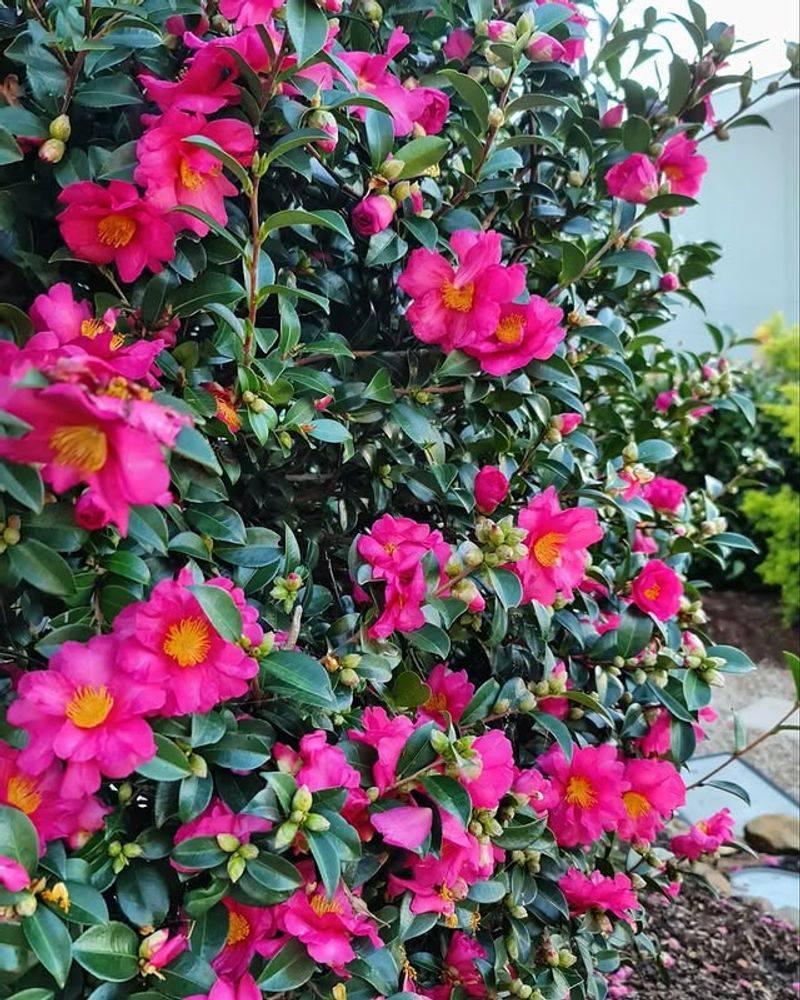
Georgia winters can be unpredictable, and that’s exactly why camellias shine in your landscape. These evergreen beauties bloom when most other plants are taking a break, bringing gorgeous flowers to your yard from late fall through early spring.
You’ll find varieties that handle frost like champions, bouncing back even after a hard freeze hits overnight.
Your camellia shrubs develop thick, waxy leaves that act like natural insulation against cold weather. This protective coating helps them survive temperature swings that would harm less hardy plants.
When you plant them in a spot with some afternoon shade, they’ll reward you with stunning blooms year after year.
Across Georgia, gardeners love camellias because they’re so dependable during unpredictable weather patterns. The flowers come in shades of pink, red, white, and even variegated patterns that brighten up dreary winter days.
You can choose from hundreds of varieties, each with its own bloom time and flower style.
Many camellia varieties tolerate temperatures around 10–15°F without any trouble at all. Their root systems stay strong even when the ground freezes, making them perfect for Georgia’s variable climate.
You won’t need to fuss over them much once they’re established in your garden.
Plant your camellias in well-draining soil with plenty of organic matter mixed in for best results. They prefer slightly acidic conditions, which many Georgia soils naturally provide.
Water them regularly during their first year, but after that, they’re pretty low-maintenance.
When a late cold snap threatens your garden, camellias just keep on going like nothing happened. Their buds are remarkably tough, opening up even after frosty nights.
This resilience makes them a smart choice for any Georgia landscape.
You can use camellias as foundation plants, hedges, or specimen shrubs throughout your property. They grow slowly but steadily, eventually reaching heights between 6 and 12 feet depending on the variety.
Their glossy green foliage looks attractive even when they’re not blooming.
Pruning is simple—just trim them right after they finish flowering in late spring. This timing ensures you won’t accidentally cut off next season’s flower buds.
Your Georgia Garden Changes Every Week. Your Plan Should Too.
Gardening in Georgia changes quickly throughout the season. Every Friday you’ll receive a simple weekly plan showing exactly what to plant, prune, fertilize, harvest, and protect so you never miss the right timing.
Feed them with an acid-loving plant fertilizer once or twice a year.
2. Hellebores (Lenten Rose)
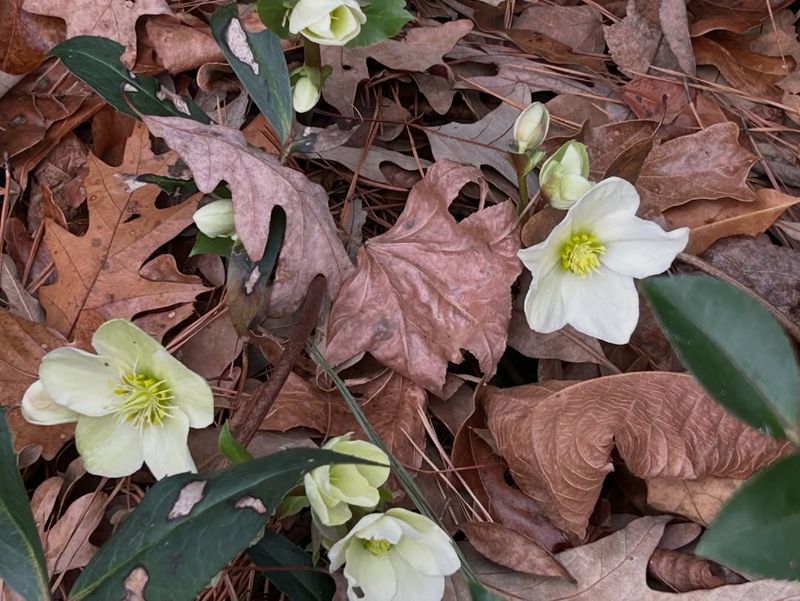
Few plants can match the toughness of hellebores when winter weather turns nasty in Georgia. These perennials start blooming in late winter, sometimes pushing flowers up through frozen ground.
You’ll spot their nodding blooms in shades of purple, pink, white, green, and even near-black when other plants are still dormant.
Hellebores have a secret weapon against cold snaps—their flowers naturally hang downward, protecting their reproductive parts from frost damage. This clever design means they keep blooming even when temperatures plummet overnight.
Your hellebores will look fresh and beautiful while less hardy plants struggle.
In Georgia gardens, these plants thrive in partial shade under trees or along the north side of buildings. They actually prefer cooler conditions and can handle full sun during winter months when the sun is less intense.
Once established, they’ll spread slowly to form attractive clumps that return year after year.
The foliage stays evergreen in most Georgia winters, providing year-round interest in your landscape. Leathery leaves emerge in attractive mounds that look tidy and well-groomed without any effort from you.
You can plant them alongside spring bulbs for a beautiful early-season display.
Hellebores tolerate neglect better than most perennials, making them perfect for busy gardeners. They rarely need dividing and actually resent being moved once they’re happy in a spot.
Just give them decent soil with good drainage, and they’ll reward you with blooms for decades.
Georgia’s unpredictable late freezes don’t faze these tough customers one bit. Their flowers can withstand temperatures well below freezing without wilting or browning.
You might see them covered in frost one morning, then looking perfect by afternoon once things warm up.
Deer usually leave hellebores alone, which is a huge bonus for rural Georgia gardeners. The plants contain compounds that make them unpalatable to most wildlife.
This means you can enjoy your blooms without worrying about them becoming a midnight snack.
You’ll find hellebores sold at most garden centers across Georgia in late winter and early spring. Look for plants already showing flower buds so you know exactly what color you’re getting.
Hybrid varieties offer the most diverse color range and largest flowers.
3. Pansies
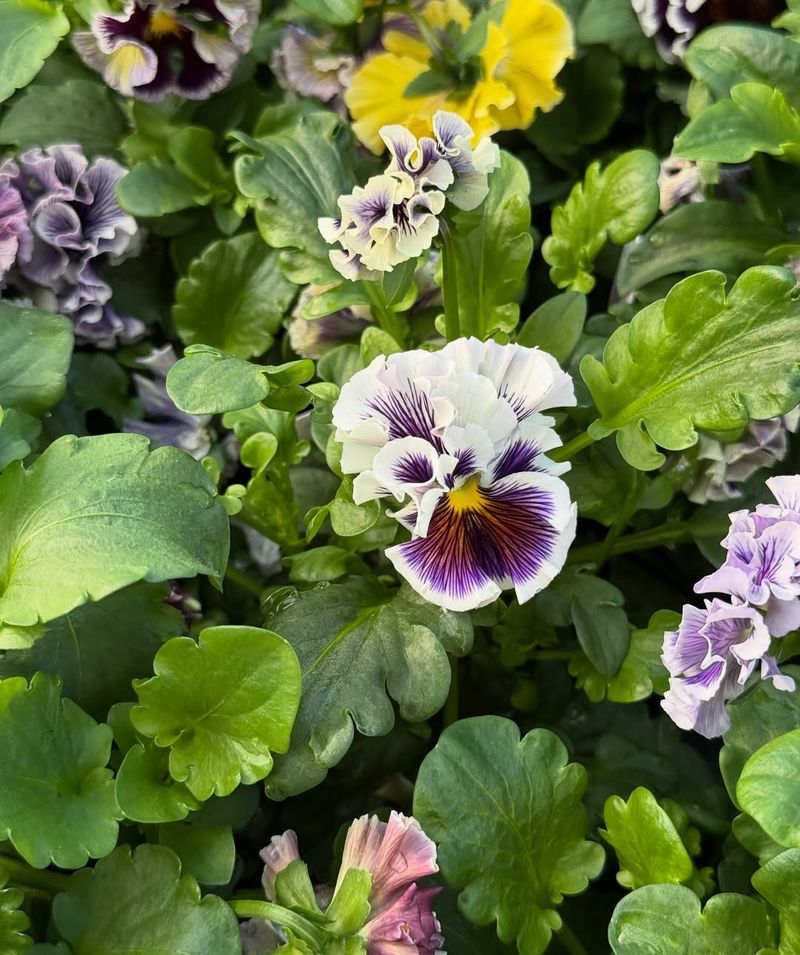
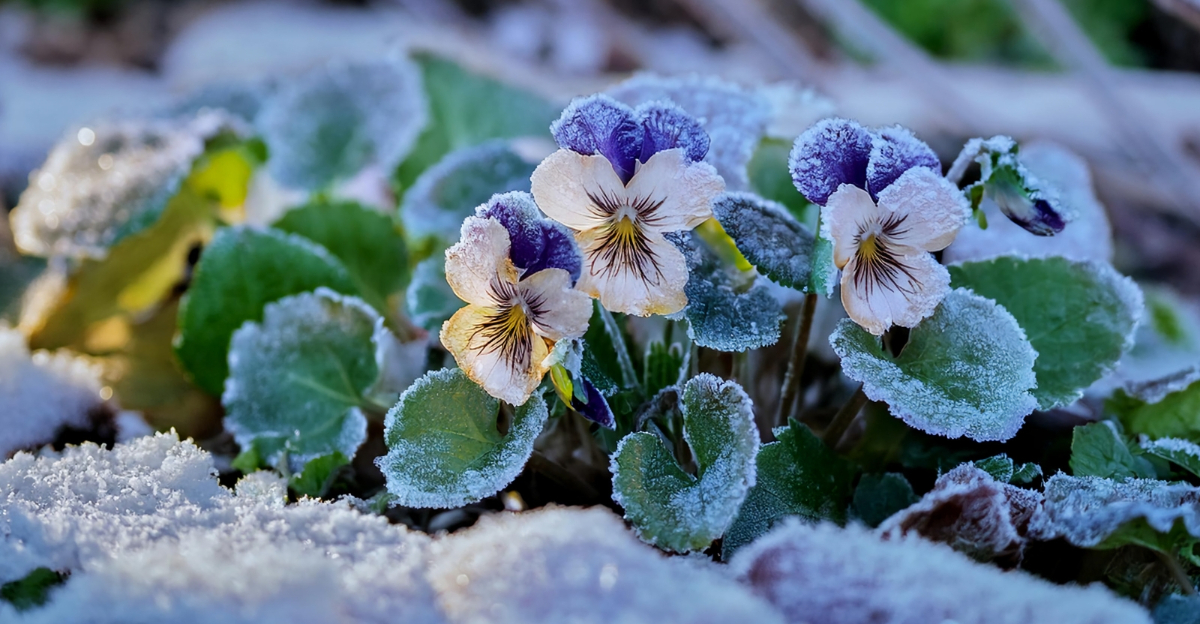
Bright, cheerful faces staring up at you from your garden beds—that’s what pansies deliver even during Georgia’s coldest weeks. These annual flowers laugh at frost, bouncing back after freezing nights to bloom again when the sun comes out.
You can plant them in fall and enjoy their colorful displays straight through to late spring.
Pansies come in an incredible array of colors and patterns that can match any garden design. From solid yellows and purples to intricate blotched patterns, you’ll find varieties that suit your personal style.
Many Georgia gardeners use them to add instant color to winter landscapes that would otherwise look bare and brown.
Your pansies will actually bloom better during cool weather than they do once summer heat arrives. They’re specifically bred to thrive in the temperature range that Georgia experiences from October through April.
When a late cold snap hits, they just pause briefly before continuing their show.
In Georgia, pansies work wonderfully in containers, hanging baskets, and traditional flower beds. You can mix them with ornamental cabbage, dusty miller, and other cool-season annuals for stunning combinations.
Their compact growth habit makes them perfect for edging walkways and borders too.
Deadheading spent blooms encourages pansies to produce even more flowers throughout the season. Just pinch off the faded flowers at their base, and new buds will quickly take their place.
This simple maintenance task takes only a few minutes but makes a big difference in overall appearance.
Pansies can handle temperatures down to the low 20s without any protection at all. Their petals might look a bit wilted on really cold mornings, but they perk right back up as the day warms.
This resilience makes them a reliable choice for Georgia’s variable winter climate.
You’ll find pansy six-packs and flats at garden centers throughout Georgia from September through March. Plant them about 6 to 8 inches apart in well-prepared soil enriched with compost.
Water them regularly, especially during dry spells, to keep them blooming prolifically.
Feed your pansies every few weeks with a balanced liquid fertilizer to maintain their vigor. They’re not heavy feeders, but a little nutrition boost helps them produce more flowers.
Avoid over-fertilizing, which can lead to excessive foliage growth at the expense of blooms.
4. Violas
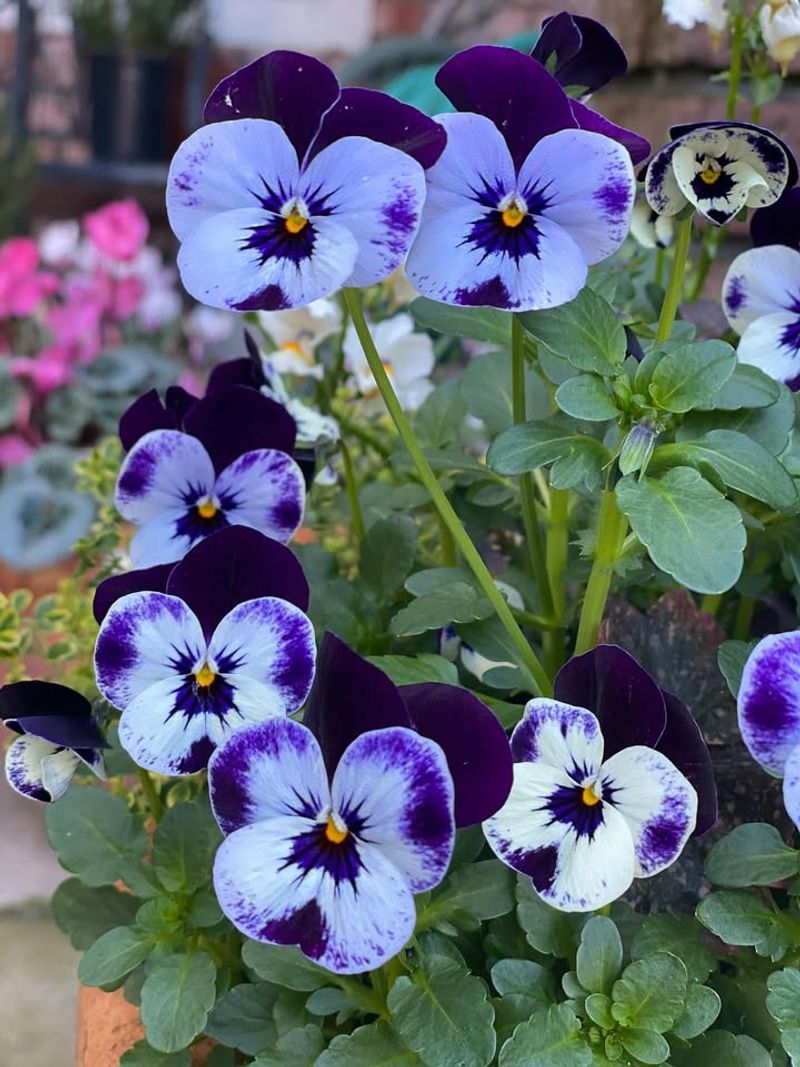
Smaller cousins to pansies, violas pack just as much cold tolerance into their compact frames. These cheerful little flowers bloom continuously throughout Georgia winters, providing constant color even when temperatures fluctuate wildly.
You’ll appreciate how they keep going strong through freeze after freeze without missing a beat.
Violas produce more flowers than pansies, though each individual bloom is smaller in size. This abundance creates a carpet of color that looks especially effective when planted in masses.
Your viola beds will appear full and lush even during the coldest months of the year.
In Georgia landscapes, violas work beautifully as groundcovers under taller plants and shrubs. They fill in bare spots quickly and suppress weeds while adding visual interest.
You can also use them in window boxes and containers where their trailing habit creates attractive cascades of blooms.
These tough little plants handle wind better than pansies because of their smaller flowers and more compact growth. Georgia’s winter winds won’t shred their delicate petals or knock them over.
They stay neat and tidy looking throughout the season with minimal care required.
Violas are even more cold-hardy than pansies, tolerating temperatures down into the teens without damage. Their blooms might close up during the coldest hours, but they open right back up once things warm slightly.
This remarkable resilience makes them perfect for exposed areas of your Georgia garden.
You’ll find violas in solid colors as well as interesting bicolor and tricolor combinations. Popular varieties include ‘Sorbet’ series and ‘Penny’ series, both of which perform exceptionally well in Georgia conditions.
Choose a mix of colors for the most dynamic display in your landscape.
Plant violas in fall for the longest blooming period, or add them in early spring for quick color. They prefer full sun to partial shade and well-drained soil enriched with organic matter.
Space them about 6 inches apart to allow for their spreading growth habit.
Regular deadheading isn’t as critical for violas as it is for pansies, though removing spent blooms does keep them looking tidier. They’re naturally self-cleaning to some degree, dropping old flowers on their own.
This low-maintenance quality appeals to busy Georgia gardeners.
5. Boxwood
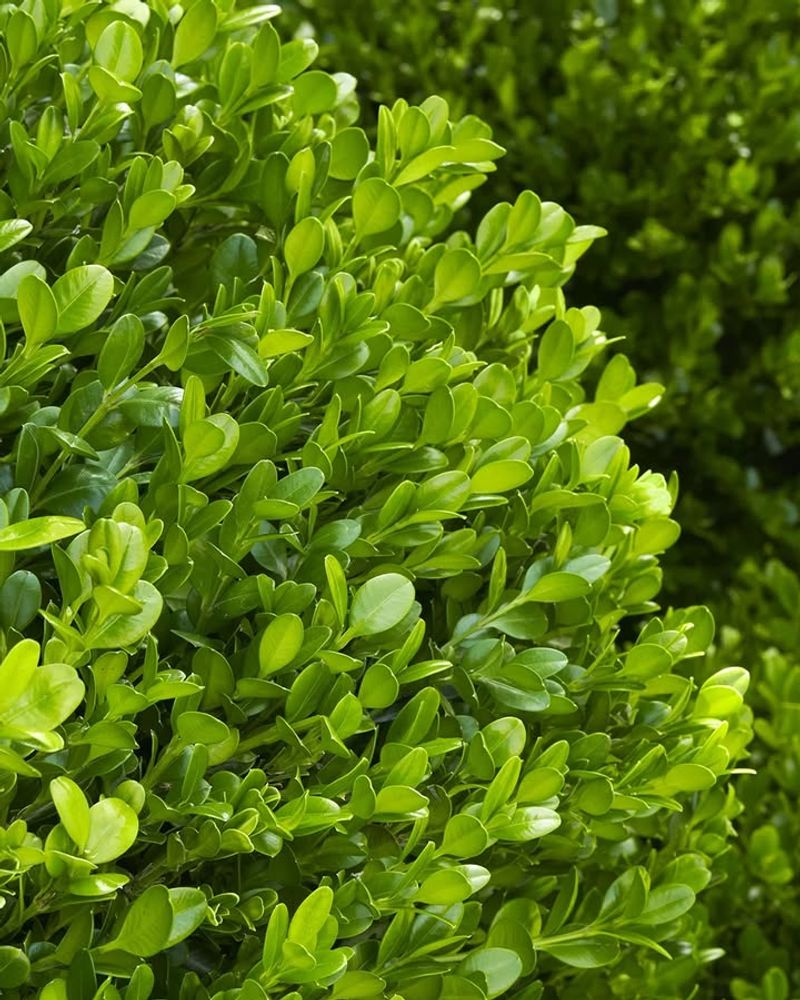
Evergreen structure matters in Georgia gardens, and boxwood delivers it reliably through every cold snap winter throws at you. These classic shrubs maintain their dense, green foliage year-round, providing a backdrop for seasonal color and defining garden spaces beautifully.
You can count on them to look polished and professional regardless of weather conditions.
Boxwood varieties range from low-growing edging types to larger specimens suitable for hedges and screens. In Georgia, choosing the right variety for your climate zone ensures the best performance.
American boxwood and hybrid varieties like ‘Green Velvet’ handle cold snaps particularly well across the state.
Your boxwood shrubs develop tough, small leaves that resist cold damage better than many other evergreens. These leaves contain natural antifreeze compounds that protect plant tissues when temperatures drop.
Even after a hard freeze, boxwood foliage typically remains green and attractive without browning or damage.
In Georgia landscapes, boxwood works perfectly for formal garden designs as well as casual cottage-style plantings. You can shape them into geometric forms, grow them as natural rounded shrubs, or train them into topiaries.
Their versatility makes them valuable in almost any garden setting.
Boxwood roots stay active even during cold weather, allowing the plants to take up water and nutrients when other shrubs are dormant. This continued activity helps them maintain their appearance through winter stress.
Your boxwood hedge will look just as good in February as it does in June.
These shrubs prefer well-drained soil and benefit from a layer of mulch around their roots. In Georgia, avoid planting them in low spots where cold air settles on frosty nights.
Give them adequate air circulation to prevent fungal issues that can develop in humid conditions.
Boxwood tolerates severe cold well and handles Georgia’s winter temperatures with little damage.
Late cold snaps that might harm other plants barely register with these tough evergreens. You won’t need to cover them or provide any special protection when frost threatens your Georgia garden.
Pruning boxwood is simple—just trim them in late spring after any danger of hard freezes has passed. Light shearing throughout the growing season maintains their shape without stressing the plants.
Avoid heavy pruning in fall, which can stimulate new growth vulnerable to cold damage.
6. Ornamental Kale
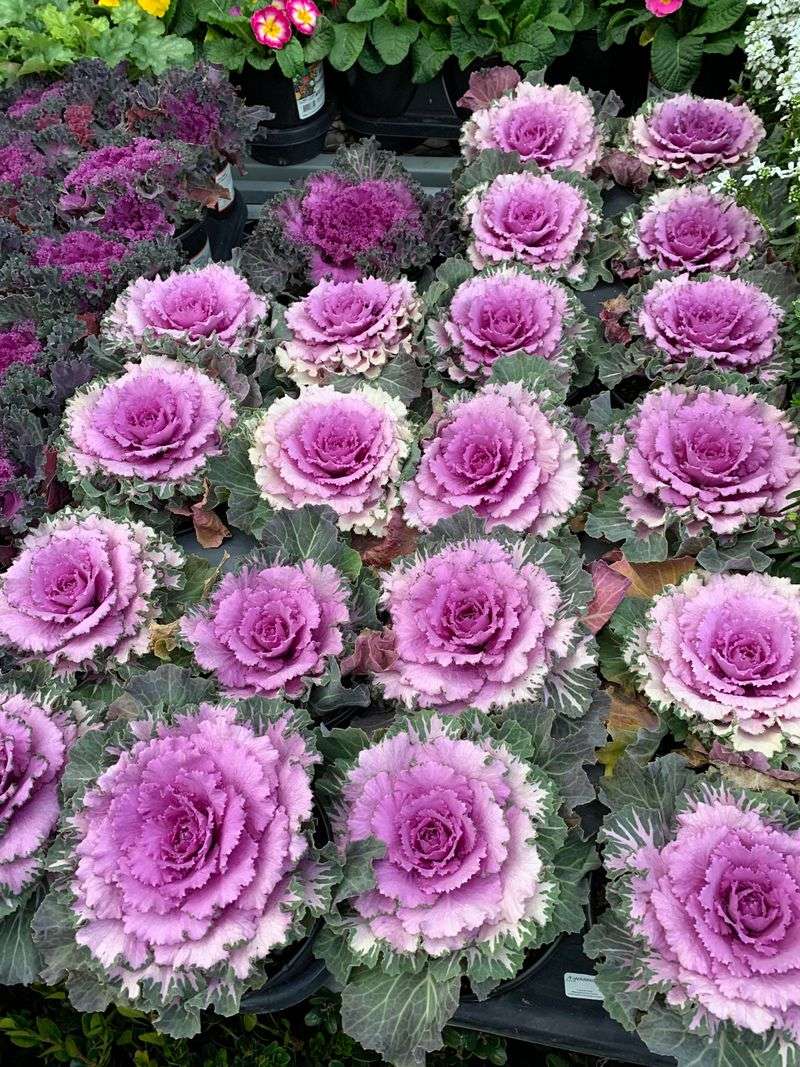
Bold, colorful foliage that actually looks better after frost—that’s what ornamental kale brings to your Georgia garden. These dramatic plants develop their most intense colors when temperatures drop, turning shades of purple, pink, and white that brighten up winter landscapes.
You’ll find them irresistible as temperatures fluctuate through late winter and early spring.
Ornamental kale isn’t your typical garden vegetable, though it is technically edible. Bred specifically for appearance rather than flavor, these plants feature ruffled or smooth leaves arranged in rosette patterns.
In Georgia gardens, they provide bold texture and color from fall through spring without any special care.
Cold snaps actually improve ornamental kale’s appearance by intensifying its colors. The plants produce anthocyanins in response to cold temperatures, creating those stunning purple and pink hues.
Your kale will look its absolute best after a few nights of frost, making it perfect for unpredictable Georgia winters.
These plants grow low and wide, making them excellent for front-of-border positions and container plantings. You can combine ornamental kale with pansies, violas, and other cool-season annuals for striking color combinations.
Their bold form provides a nice contrast to smaller, more delicate flowers.
In Georgia, ornamental kale thrives in full sun to partial shade with average soil conditions. Plant them in fall for the longest display period, spacing them about 12 to 18 inches apart.
They’ll slowly increase in size throughout winter, eventually reaching 12 to 15 inches across.
Ornamental kale can tolerate temperatures down to about 5°F without any damage at all. Even when covered in ice or snow, the plants bounce back quickly once conditions improve.
This exceptional cold tolerance makes them one of the most reliable choices for Georgia’s variable winter climate.
You’ll find ornamental kale at garden centers throughout Georgia from September through November. Look for plants with tight, compact centers and good color already showing.
Avoid leggy or yellowing specimens, which won’t perform as well in your landscape.
These plants need very little maintenance once established in your garden. Water them during dry spells and remove any damaged outer leaves as needed.
They rarely suffer from pest problems during cool weather, making them truly low-maintenance additions to your landscape.
7. Winter Jasmine
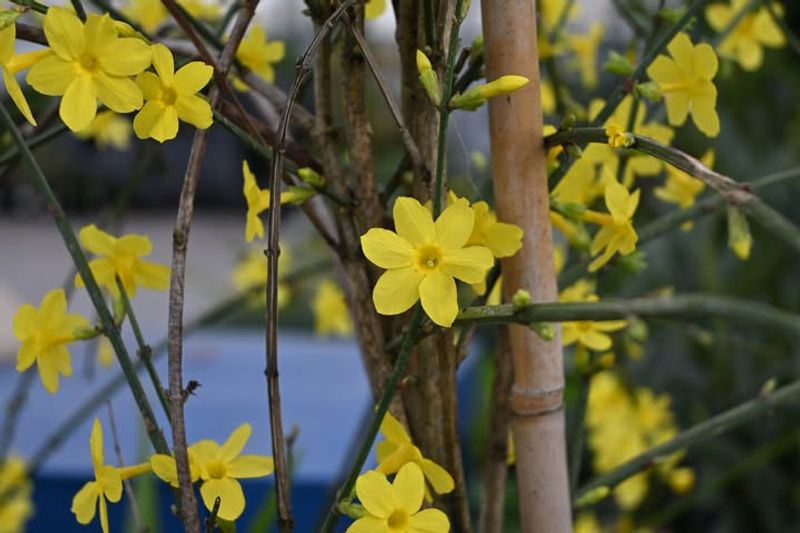
Bright yellow flowers appearing on bare green stems—winter jasmine creates a stunning display during Georgia’s coldest months. This deciduous vine blooms from December through March, bringing sunshine-colored flowers to your landscape when you need them most.
You’ll love how it brightens up dreary winter days with its cheerful blooms.
Winter jasmine isn’t a true climbing vine but rather a sprawling shrub with long, arching stems. In Georgia gardens, you can train it up a trellis, let it cascade over walls, or allow it to form a groundcover.
Its flexible growth habit makes it adaptable to various landscape situations.
The bright yellow flowers emerge directly from the stems before any leaves appear, creating a striking effect. Each bloom lasts several days, and the plant produces flowers continuously throughout its blooming season.
Your winter jasmine will provide reliable color even during cold snaps that stop other plants from flowering.
These tough plants handle temperatures well into the teens without any flower damage. The blooms might pause during the coldest weather, but they resume quickly once temperatures moderate.
Georgia’s typical winter conditions are perfect for winter jasmine’s blooming cycle.
Winter jasmine roots easily from stem cuttings, allowing you to propagate new plants for free. Simply stick cut stems into moist soil in late spring, and they’ll usually root within a few weeks.
This easy propagation makes it simple to expand your plantings or share with friends.
In Georgia landscapes, winter jasmine works well on slopes where its spreading habit helps control erosion. The stems root where they touch the ground, gradually forming dense colonies.
You can also use it as a foundation plant or train it against fences and walls.
These plants prefer full sun for the best flowering but tolerate partial shade reasonably well. They’re not fussy about soil conditions, growing in everything from clay to sandy soils.
Once established, winter jasmine handles drought well, though it blooms better with regular moisture.
Prune winter jasmine right after it finishes blooming in early spring. Cut back long stems to maintain the shape you want and encourage bushier growth.
Avoid pruning in fall or winter, as you’ll remove stems that would have produced flowers.
8. Sweet Alyssum
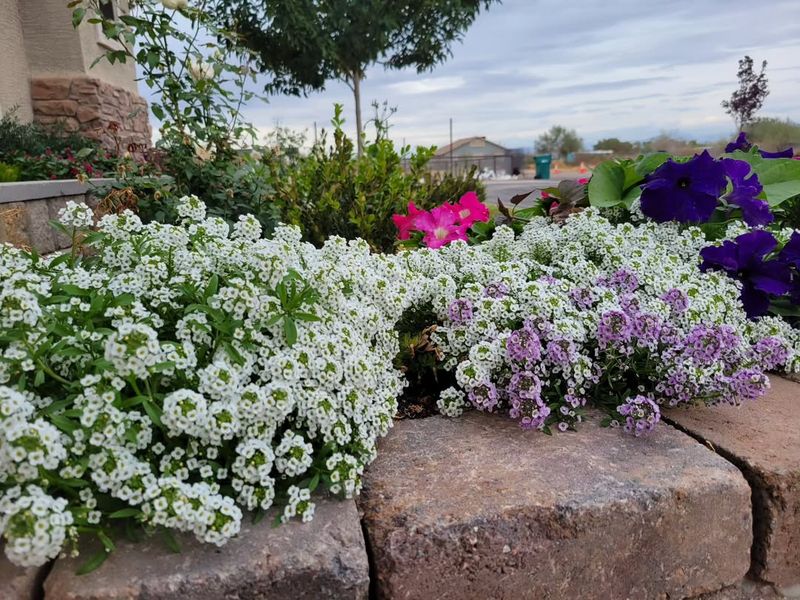
Honey-scented clouds of tiny flowers—sweet alyssum creates a delicate carpet of blooms that tolerates cold better than most annuals. In Georgia gardens, this low-growing plant blooms from fall through spring, pausing only during the hottest summer months.
You’ll appreciate its sweet fragrance as much as its reliable cold tolerance.
Sweet alyssum produces masses of small flowers in white, pink, purple, or lavender shades. These blooms cover the foliage so completely that you can barely see the leaves underneath.
Your sweet alyssum plantings will create a soft, romantic effect wherever you use them in your landscape.
In Georgia, sweet alyssum excels as an edging plant along pathways and borders. It also works beautifully in containers and hanging baskets where its trailing habit softens hard edges.
The plants self-seed readily, often returning year after year in the same spots without any effort from you.
Cold snaps barely slow sweet alyssum down once it’s established in your garden. The plants can handle light frosts without any damage and bounce back quickly from harder freezes.
Georgia’s typical winter temperatures are well within this tough little annual’s comfort zone.
Sweet alyssum attracts beneficial insects like lacewings and hoverflies to your garden. These helpful bugs prey on aphids and other pests, providing natural pest control.
The flowers also attract butterflies and bees, adding life and movement to your winter landscape.
These plants prefer full sun but tolerate partial shade, especially during Georgia’s intense summer heat. They’re not particular about soil as long as it drains well.
Sweet alyssum actually performs better in average soil than in overly rich conditions, which can cause excessive foliage growth.
You can plant sweet alyssum from seed or transplants, with transplants providing quicker results. Space plants about 6 to 8 inches apart for solid coverage.
They’ll quickly fill in to form a continuous mat of flowers and foliage.
Sweet alyssum needs very little maintenance beyond occasional watering during dry periods. The plants are somewhat drought-tolerant once established.
If they get leggy in late spring, trim them back lightly to encourage fresh growth and renewed flowering.