These Florida Wildflowers Are Perfect To Plant This Season
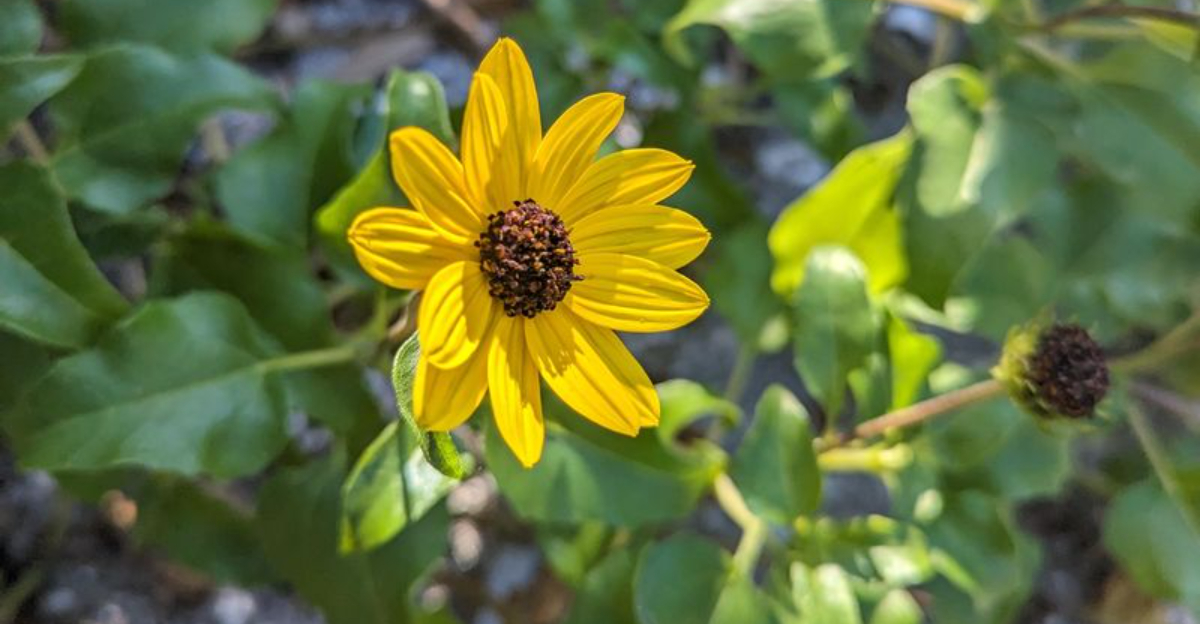
Florida wildflowers don’t just grow, they put on a show. One season your yard is plain and quiet, the next it’s bursting with color, buzzing with pollinators, and turning heads from the street.
This is the time of year when planting pays off fast, giving roots a chance to settle in before the heat cranks up.
The right wildflowers bring low maintenance beauty, support local bees and butterflies, and thrive in Florida’s unique conditions without constant care.
From sandy soil to backyard beds, these blooms know how to handle it. What’s coming next features wildflowers that love this season and reward you with bold color and steady growth.
1. Coreopsis Is The Sunshine Flower Of Florida
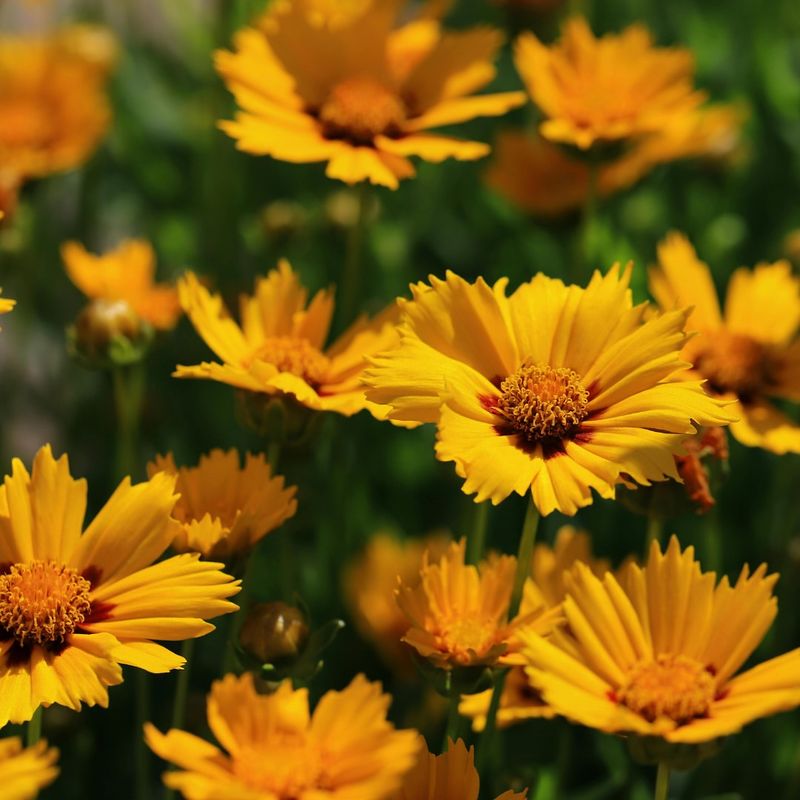
Walk through any established Florida garden in spring and you’ll spot cheerful yellow blooms dancing on slender stems. Coreopsis earns its reputation as Florida’s state wildflower because it performs beautifully across every region, from the Panhandle down to the Keys.
Your plants need full sun and well-drained soil to flourish. Sandy soils work perfectly, which makes this wildflower ideal for Florida’s natural landscape.
Once established, Coreopsis tolerates drought remarkably well, though occasional watering during extended dry spells keeps blooms coming strong.
Butterflies and native bees visit these flowers constantly throughout the day. You’ll notice Coreopsis reseeds easily, creating natural drifts of color without any effort on your part.
The blooms appear from spring through fall, providing consistent nectar sources when pollinators need them most.
Central Florida gardeners can plant during the warm season and expect blooms within weeks. North Florida residents should wait until after the last frost passes.
South Florida gardeners enjoy the longest planting window, establishing Coreopsis almost year-round. Heat never bothers these tough native plants, and they bounce back quickly after summer storms roll through your neighborhood.
2. Gaillardia Brings Bold Color All Summer
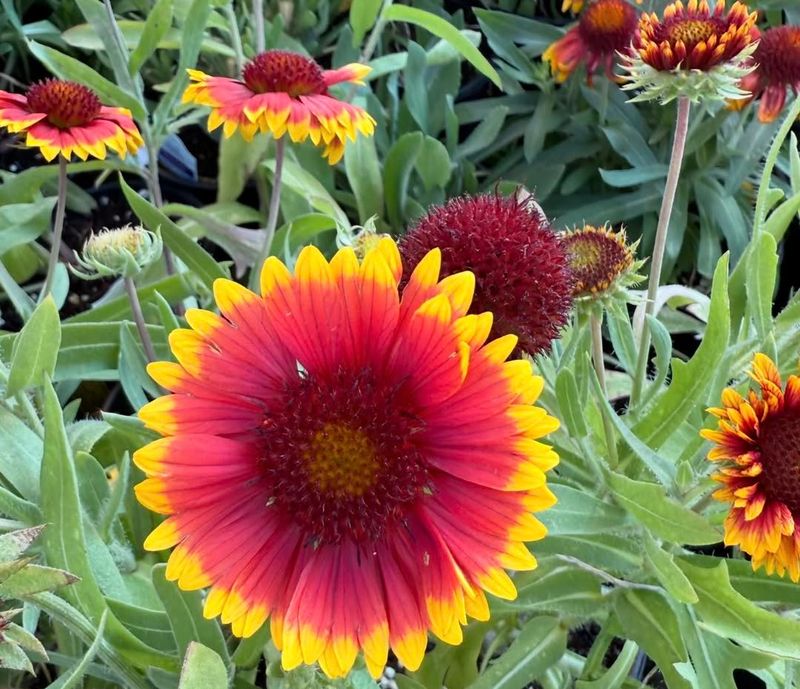
Fiery red petals tipped with brilliant yellow catch your eye from across the yard. Gaillardia, commonly called blanket flower, creates that bold statement Florida gardens need during the hottest months when many other plants struggle.
Full sun brings out the most intense colors and heaviest bloom production. These wildflowers actually prefer poor, sandy soil over rich garden beds, making them perfect for areas where other plants refuse to grow.
Drainage matters more than fertility with Gaillardia, so avoid planting in spots where water pools after afternoon thunderstorms.
Your blanket flowers need minimal water once their roots establish. They handle Florida’s summer heat without wilting or fading, continuing to produce fresh blooms even when temperatures climb into the nineties.
Butterflies and bees work these flowers from dawn until dusk, gathering nectar and pollen.
South Florida gardeners can plant Gaillardia any time except during the wettest summer weeks. Central Florida residents should establish plants during spring or fall for best results.
North Florida gardeners enjoy cooler planting conditions in early spring. Deadheading spent blooms encourages continuous flowering, though leaving some seed heads provides food for goldfinches and other songbirds later in the season.
Your Florida Garden Changes Every Week. Your Plan Should Too.
Gardening in Florida changes quickly throughout the season. Every Friday you’ll receive a simple weekly plan showing exactly what to plant, prune, fertilize, harvest, and protect so you never miss the right timing.
3. Purple Coneflower Is A Pollinator Favorite
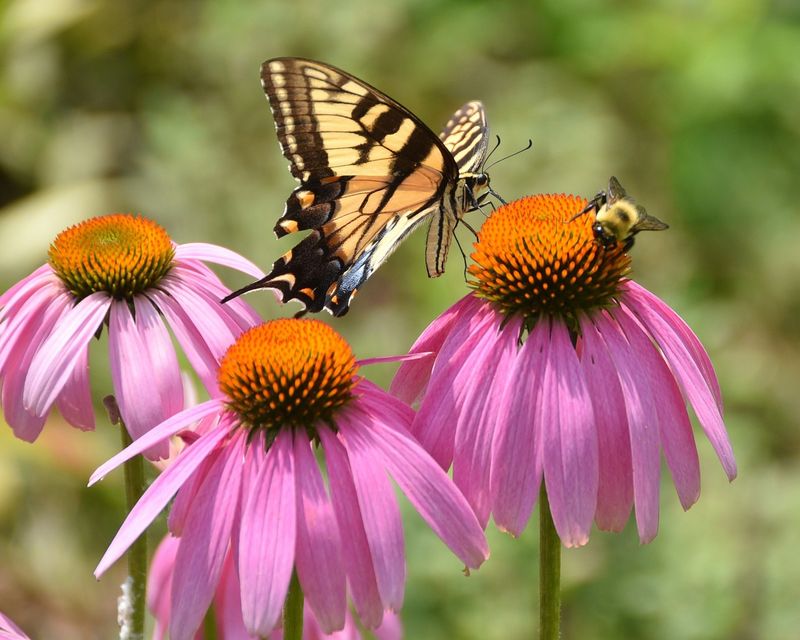
Large purple blooms with distinctive orange cones rising from the center transform your garden into a pollinator paradise. Purple coneflower, also called Echinacea, is native to North Florida and widely grown across the state because it attracts more beneficial insects than almost any other wildflower.
These tough perennials prefer full sun but tolerate partial shade better than many wildflowers. Well-drained soil prevents root rot during Florida’s rainy season, especially important in central and south Florida where summer storms arrive like clockwork.
Purple coneflower adapts to various soil types, though it grows strongest in slightly acidic conditions common across much of Florida.
Butterflies, including monarchs and swallowtails, visit these flowers constantly. Bees gather pollen from the prominent center cones throughout the day.
Goldfinches arrive in fall to feast on ripening seeds, providing entertainment while naturally spreading plants around your yard.
North Florida gardeners experience the best purple coneflower performance, as plants appreciate the cooler winter temperatures. Central Florida residents should provide afternoon shade during the hottest months.
South Florida gardeners may find purple coneflower more challenging, though selecting heat-tolerant varieties and maintaining consistent moisture helps. Water regularly during establishment, then reduce frequency as plants mature and develop deep root systems that access moisture below the surface.
4. Blue Eyed Grass Has Small Flowers With Big Charm
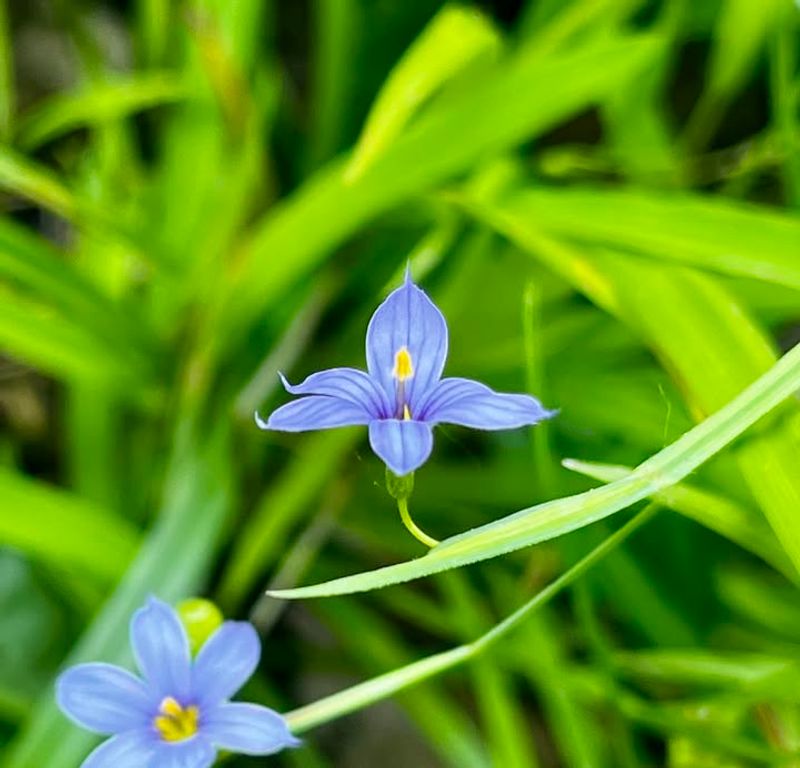
Tiny blue stars peek out from grass-like foliage, creating subtle beauty that rewards close observation. Blue eyed grass surprises many Florida gardeners because it’s actually not a grass at all, but rather a member of the iris family that produces delicate blooms from spring through summer.
This low-growing wildflower thrives in full sun to partial shade. It adapts remarkably well to Florida’s varied moisture conditions, growing happily in average garden soil or moist but well-drained areas where other wildflowers struggle.
Blue eyed grass naturalizes easily, forming expanding clumps that never become aggressive or invasive.
Small native bees and beneficial insects visit these diminutive flowers throughout the day. The blooms open in morning sunlight and close by late afternoon, creating a gentle rhythm in your garden.
Individual flowers last only one day, but plants produce new blooms continuously for months.
Central Florida gardeners find blue eyed grass especially easy to establish and maintain. North Florida residents appreciate how plants tolerate occasional freezes without damage.
South Florida gardeners should plant in spots receiving afternoon shade to prevent stress during the hottest months. This wildflower requires minimal care once established, making it perfect for naturalized areas, rain gardens, or anywhere you want low-maintenance color without constant attention.
5. Swamp Milkweed Is Essential For Butterfly Gardens
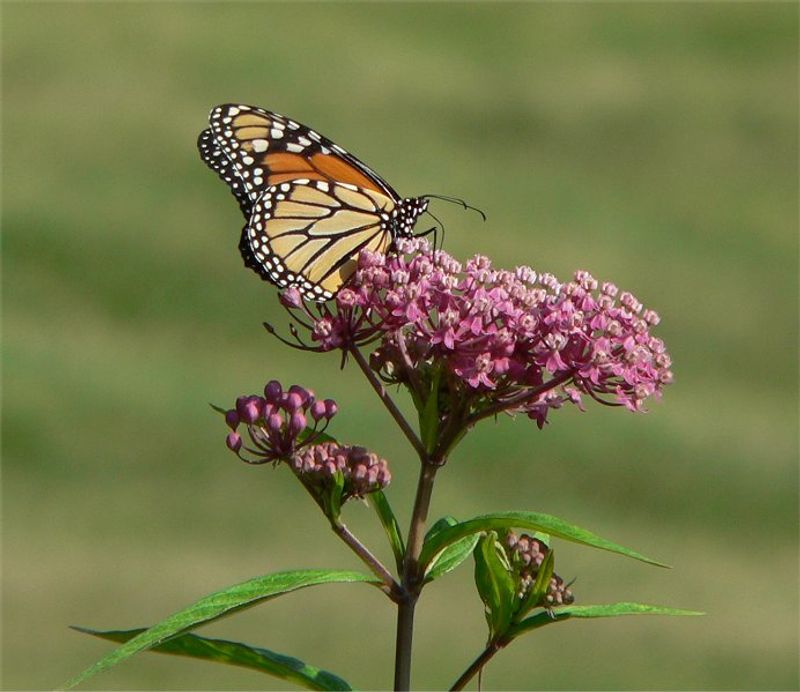
Clusters of soft pink flowers draw monarch butterflies like magnets, and soon you’ll spot striped caterpillars munching on the leaves. Swamp milkweed provides critical habitat for monarchs and other butterfly species that depend on native milkweed plants for survival.
Despite its name, swamp milkweed grows successfully in average garden conditions with regular watering. It prefers full sun but tolerates partial shade, especially in south Florida where afternoon protection prevents stress.
This native wildflower handles Florida’s wet season beautifully, never developing root problems even when planted in areas that stay moist.
Monarch butterflies lay eggs exclusively on native milkweed plants, making this wildflower essential rather than optional for butterfly gardening. Avoid planting tropical milkweed, as native Florida species such as swamp milkweed provide healthier habitat for monarchs.
You’ll also notice other beneficial insects visiting the nectar-rich flowers. The blooms appear from late spring through fall, providing consistent resources for pollinators throughout the growing season.
Never use pesticides anywhere near milkweed plants, as caterpillars are extremely sensitive to chemicals. South Florida gardeners can plant swamp milkweed year-round, while central Florida residents should establish plants during spring or fall.
North Florida gardeners experience the best growth when planting in spring after frost danger passes. Leaving seed pods on plants through winter provides food for birds and allows natural reseeding to expand your butterfly habitat.
6. Black Eyed Susan Brightens Any Landscape
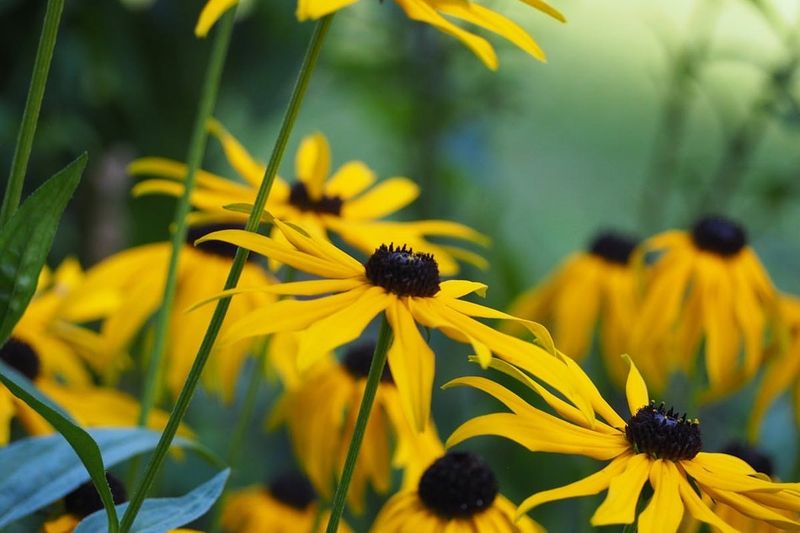
Golden petals surrounding dark chocolate centers create cheerful displays that last for months. Black eyed Susan brings reliable color to Florida landscapes while requiring almost no maintenance once plants establish strong root systems.
Full sun produces the heaviest flowering, though plants tolerate light shade without complaint. Native Florida black eyed Susan varieties adapt to almost any soil type Florida throws at them, from heavy clay in north Florida to sandy soils common throughout the peninsula.
Drainage matters more than soil quality, so avoid planting in areas where water stands after heavy rains.
Butterflies and native bees visit black eyed Susan flowers constantly from morning until evening. Goldfinches and other seed-eating birds arrive in late summer and fall to feast on ripening seed heads.
The flowers bloom from late spring through fall, creating consistent color when many other plants take summer breaks.
North Florida gardeners enjoy the longest blooming season with black eyed Susan, as plants appreciate cooler nights. Central Florida residents should water regularly during establishment, then reduce frequency as plants mature.
South Florida gardeners may find these wildflowers behave more like annuals, though they reseed reliably to maintain the display. Deadheading encourages continuous blooming, but leaving some spent flowers provides valuable seeds for wildlife while allowing natural reseeding throughout your garden.
7. Beach Sunflower Spreads Golden Groundcover Beauty
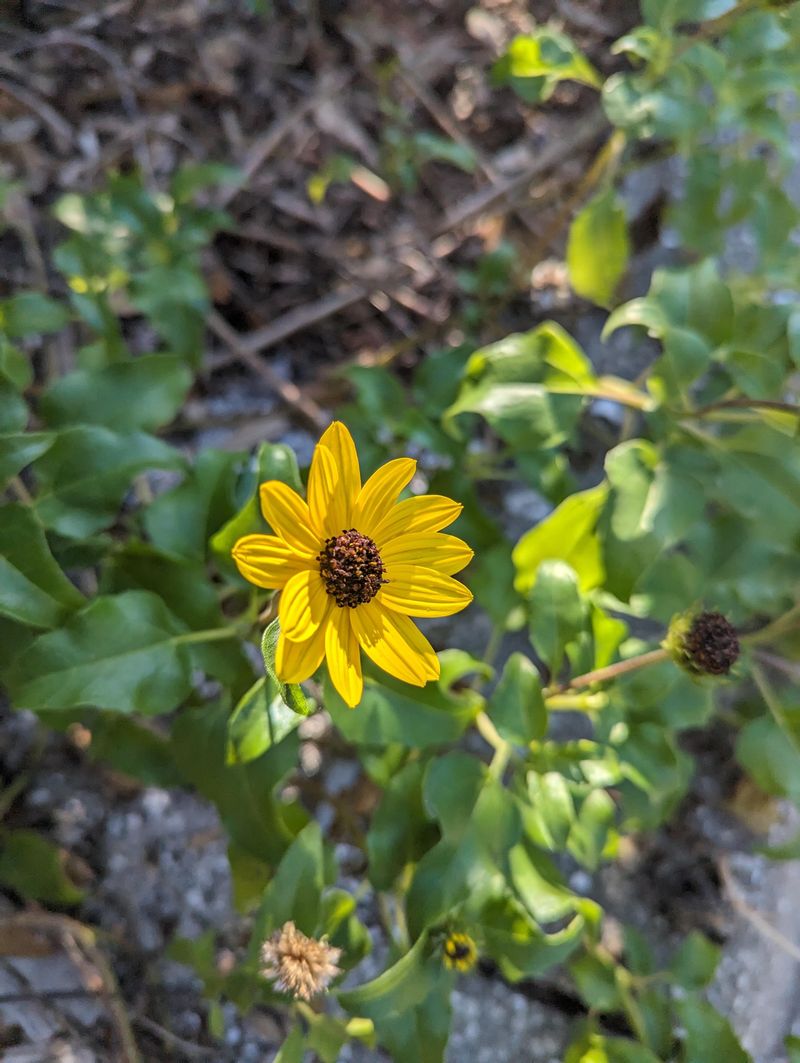
Bright yellow daisy-like blooms spill across the ground, creating a living carpet of color that thrives in Florida’s toughest conditions. Beach sunflower is one of the most dependable native wildflowers for heat, salt, and sandy soils, making it ideal for coastal and inland landscapes alike.
This low-growing perennial prefers full sun and excellent drainage. Sandy soil actually improves performance, helping roots establish quickly while preventing rot during Florida’s rainy season.
Once established, beach sunflower requires very little irrigation and bounces back easily after dry spells.
Butterflies flock to the bright blooms, while native bees gather nectar throughout the day. Flowers appear nearly year-round in South Florida and from spring through fall in central and north Florida.
South Florida gardeners enjoy continuous growth and flowering with minimal care. Central Florida residents see best results planting in spring.
North Florida gardeners should plant after frost danger passes for fastest establishment. Beach sunflower spreads quickly but remains manageable with light trimming, making it perfect for slopes, borders, and erosion control areas.
8. Scarlet Sage Adds Brilliant Red Pollinator Power
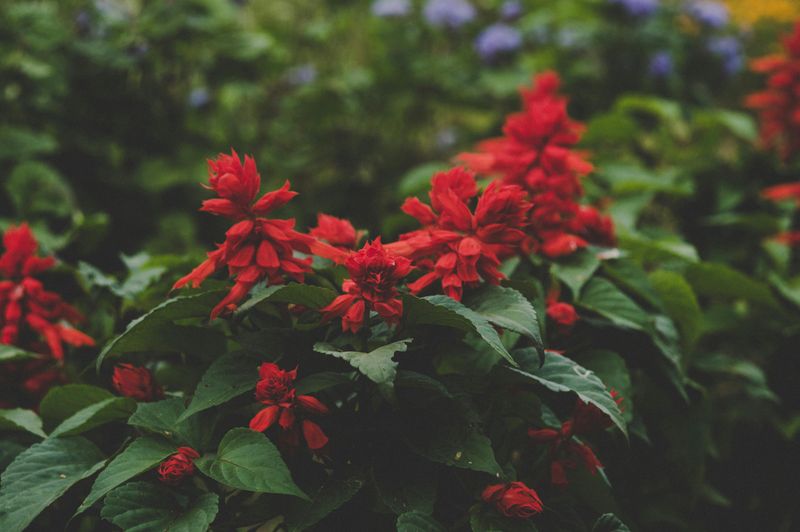
Vivid red flower spikes rise above soft green foliage, instantly attracting hummingbirds and butterflies to your garden. Scarlet sage, also known as tropical sage or Texas sage, brings bold color while thriving in Florida’s heat and humidity.
This native wildflower grows best in full sun to partial shade and adapts well to a wide range of soil types. Good drainage helps prevent root issues during summer rains, though scarlet sage tolerates occasional flooding better than many flowering plants.
Once established, scarlet sage handles drought with ease while continuing to produce fresh blooms. Flowers appear from spring through fall and often persist year-round in South Florida’s warm climate.
Hummingbirds visit daily, while bees and butterflies rely on the nectar-rich blooms. North Florida gardeners should plant after the last frost, while central Florida gardeners can establish plants in early spring or fall.
South Florida gardeners benefit from nearly year-round planting opportunities. Light pruning encourages bushier growth and heavier flowering throughout the season.
9. Partridge Pea Feeds Pollinators And Improves Soil
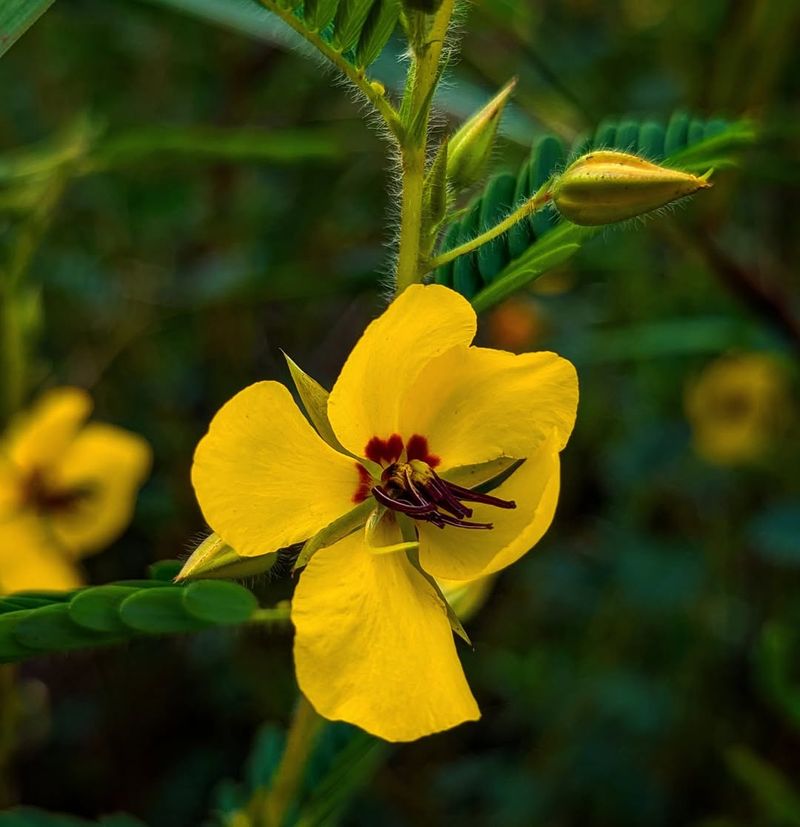
Cheerful yellow flowers with red accents brighten gardens while quietly improving soil health beneath the surface. Partridge pea is a fast-growing native annual that plays a major role in supporting Florida’s native bees and butterflies.
This wildflower thrives in full sun and poor, sandy soils where many other plants struggle. It actually performs best without fertilizer, using nitrogen-fixing roots that can help enrich surrounding soil under natural growing conditions.
Excellent drainage helps maintain healthy growth during Florida’s wet season.
Partridge pea blooms from early summer through fall, producing abundant nectar that attracts pollinators all day long. Sulphur butterflies depend on this plant as a host for caterpillars, making it especially valuable for wildlife gardens.
North Florida gardeners should plant after frost danger passes. Central Florida gardeners see best results with spring planting.
South Florida gardeners can plant during the dry season for strongest establishment. Leaving seed pods in place allows natural reseeding while providing food for birds through late summer and fall.