These Are The Best Flowers To Plant In Texas Now For Early Spring Color
Want your Texas garden to burst with color as soon as spring arrives? If so, now is the perfect time to get planting.
After months of cooler weather, those first bright blooms feel extra special. They signal warmer days, buzzing pollinators, and backyard beauty finally making a comeback.
But not every flower can handle Texas’ unpredictable temperatures, strong sun, and sudden cold snaps. Choosing the right plants makes all the difference between a garden that struggles and one that truly thrives.
Whether you’re working with a small patio, raised beds, or a full backyard, there are plenty of hardy, fast-growing flowers that deliver bold color right when you want it most.
From cheerful sun-loving blooms to low-maintenance favorites that bounce back after winter, these smart picks will help you create early spring charm with lasting visual impact.
1. Pansies
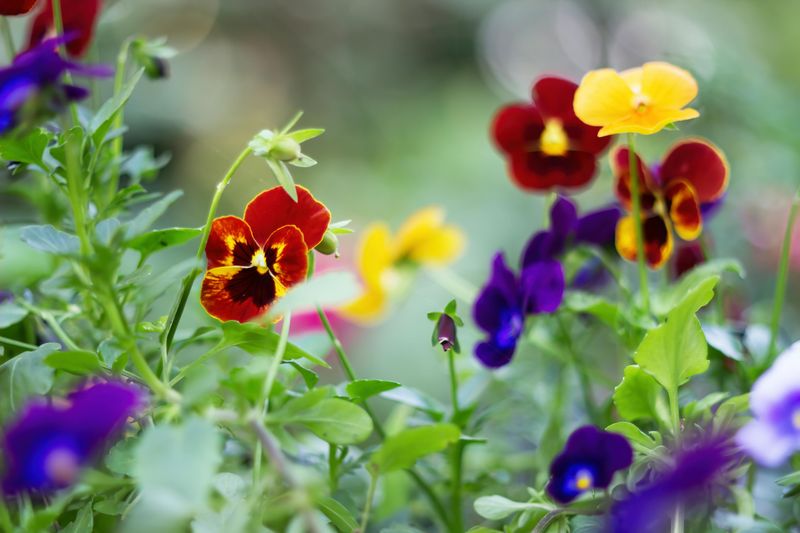
Pansies are absolute champions when it comes to early spring color in Texas gardens. These cheerful flowers come in nearly every color imaginable, from deep purple to bright yellow, soft pink, and even dramatic black.
Their distinctive markings look like little faces smiling up at you from the garden bed. What makes pansies perfect for Texas is their amazing cold tolerance.
They actually prefer cooler weather and will bloom throughout winter in most parts of the state. While other plants are taking a break, pansies keep on flowering.
Plant them now in well-draining soil with plenty of organic matter mixed in. They love sunny spots but can handle some afternoon shade, especially in warmer regions of Texas. Water them regularly but don’t let them sit in soggy soil.
Pansies work beautifully in containers, hanging baskets, or as border plants along walkways.
Mix different colors together for a vibrant display that brightens even the grayest winter day. They’re also edible, so you can use the petals to decorate cakes or salads.
Deadhead spent blooms regularly to encourage more flowers. Feed them every few weeks with a balanced fertilizer.
In Texas, pansies will give you months of continuous color from now through early spring. When temperatures start climbing in late spring, they’ll fade, but you’ll have enjoyed their beauty for months.
2. Snapdragons
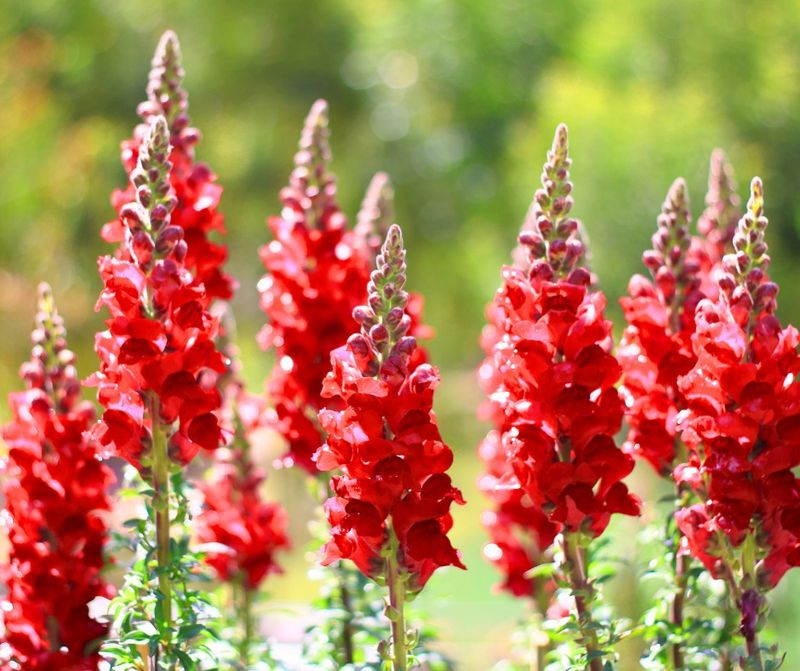
Snapdragons bring vertical interest and old-fashioned charm to any Texas garden. Their tall flower spikes create dramatic focal points that draw the eye upward.
Kids especially love these flowers because you can gently squeeze the sides to make the blooms “snap” open and closed like tiny dragon mouths. These flowers are incredibly versatile for Texas gardeners.
They come in dwarf varieties that stay under a foot tall and towering types that can reach three feet or more. Choose shorter ones for containers and taller varieties for the back of flower beds.
Cold weather doesn’t bother snapdragons one bit. They actually bloom best during Texas’s cooler months, making them perfect for planting right now.
They’ll provide steady color from late winter through spring before hot summer temperatures arrive. Plant snapdragons in full sun with rich, well-amended soil.
Your Texas Garden Changes Every Week. Your Plan Should Too.
Gardening in Texas changes quickly throughout the season. Every Friday you’ll receive a simple weekly plan showing exactly what to plant, prune, fertilize, harvest, and protect so you never miss the right timing.
Space them about eight to twelve inches apart depending on the variety. Water them deeply but let the soil dry slightly between waterings. They don’t like wet feet.
Snapdragons make excellent cut flowers that last a week or more in vases. Cut stems in the morning when blooms are fresh.
Remove lower leaves that would sit below the water line. Pinch off the top growing tip when plants are young to encourage bushier growth and more flower spikes.
These beauties come in practically every color except true blue, so you can create any color scheme you want in your Texas garden.
3. Dianthus
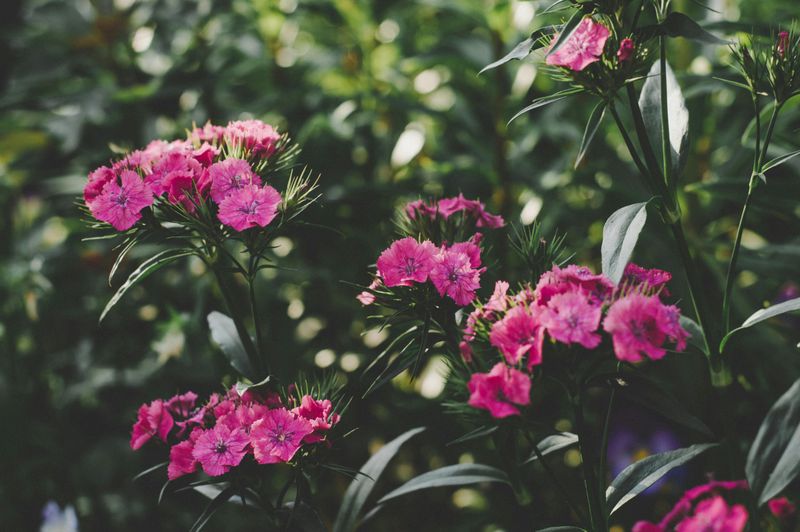
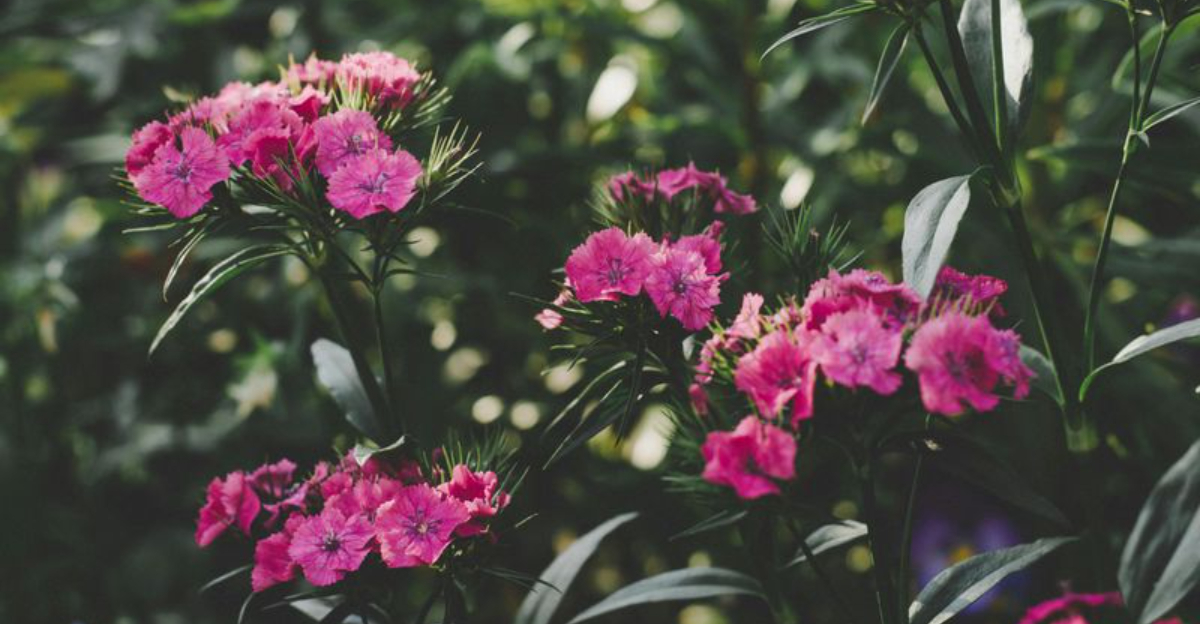
Often called “pinks” because of their fringed petal edges that look like they were cut with pinking shears, dianthus flowers bring sweet fragrance and delicate beauty to Texas gardens. Their spicy, clove-like scent is strongest on warm afternoons.
Some varieties have single blooms while others feature ruffled double flowers that look like tiny carnations.
Dianthus plants form neat mounds of blue-green foliage that looks attractive even when flowers aren’t present. The blooms sit on sturdy stems above the leaves, creating a lovely layered effect.
Colors range from pure white to deep burgundy, with many featuring contrasting centers or picotee edges.
Texas gardeners appreciate dianthus because these tough little plants handle cold weather beautifully.
They’ll bloom through winter in southern parts of the state and start flowering in early spring in northern regions. They prefer cool temperatures and can tolerate light frosts without any damage.
Plant dianthus in full sun with excellent drainage. They absolutely must have well-draining soil or they’ll struggle.
Mix in compost or sand if your Texas soil is heavy clay. Water moderately and avoid overhead watering which can lead to problems.
These flowers work wonderfully along borders, in rock gardens, or tucked into containers. Their compact growth habit makes them perfect for edging pathways.
Deadhead regularly to keep blooms coming. Dianthus attracts butterflies and hummingbirds, adding even more life to your garden. They’re deer-resistant too, which is a bonus for many Texas gardeners dealing with wildlife.
4. Petunias
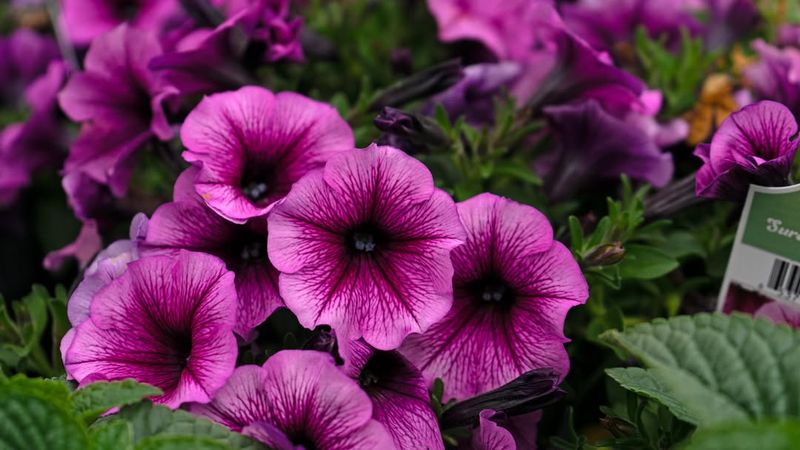
Petunias are workhorses in the Texas garden, delivering nonstop blooms and requiring minimal fuss.
Modern varieties have been bred to handle heat better than older types, but planting them now gives them time to establish before warm weather arrives. They’ll reward you with an explosion of color that lasts for months.
Wave petunias and other spreading varieties create cascades of flowers that spill beautifully over container edges or spread across garden beds.
Traditional upright types work better for formal plantings. Both styles come in an incredible range of colors including bicolors and patterns.
The secret to success with petunias in Texas is getting them in the ground early. Plants started now will develop strong root systems during cool weather. When spring arrives, they’ll already be established and ready to bloom heavily.
Choose a sunny location with at least six hours of direct sunlight daily. Petunias are hungry feeders, so enrich your soil with compost before planting.
In containers, use high-quality potting mix and plan to fertilize regularly throughout the growing season.
Water petunias consistently but don’t overdo it. They like soil that dries slightly between waterings.
Newer varieties are more forgiving about deadheading, but removing spent blooms still encourages more flowers. Pinch back leggy stems occasionally to maintain compact, bushy growth.
Petunias attract hummingbirds and butterflies to your Texas garden. They’re perfect for hanging baskets, window boxes, or mass plantings.
Mix different colors together or stick with a single shade for dramatic impact. Either way, you’ll have continuous color from early spring onward.
5. Alyssum
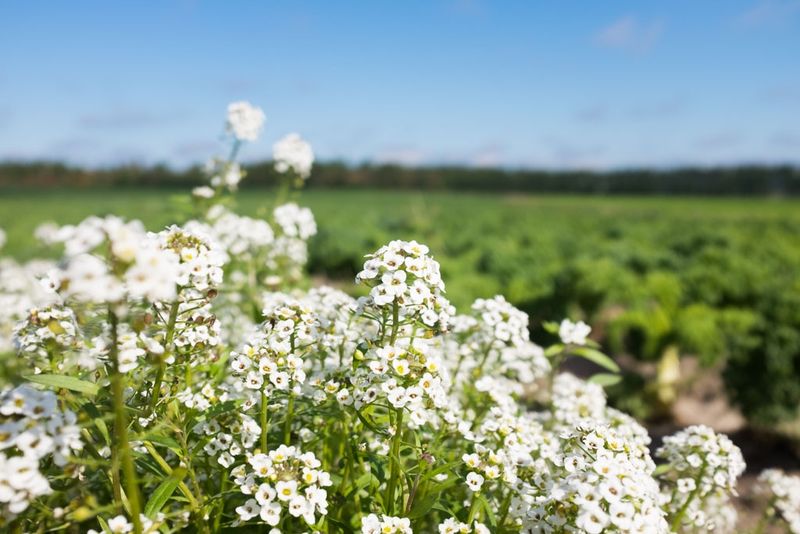
Sweet alyssum might have tiny flowers, but this low-growing plant makes a huge impact in Texas gardens.
Masses of small blooms create clouds of white, purple, or pink that look almost like snow covering the ground. The honey-sweet fragrance is an added bonus that fills the air on warm days.
Alyssum grows quickly and spreads to form a dense carpet just a few inches tall. It’s perfect for filling gaps between larger plants, softening hard edges along pathways, or spilling over container rims.
The delicate appearance hides a tough nature that handles Texas weather surprisingly well.
Plant alyssum now and it will bloom through winter in mild areas of Texas. In colder regions, it may slow down during hard freezes but bounces right back when temperatures rise.
It actually prefers cooler weather and blooms most heavily in spring before summer heat arrives. Alyssum isn’t picky about soil but does best with good drainage.
It tolerates both full sun and partial shade, making it adaptable to different spots in your Texas garden. Water regularly until plants are established, then they become quite drought-tolerant.
This flower self-seeds readily, so you may find volunteer plants popping up in future years. That’s usually a welcome surprise rather than a problem. Trim plants back lightly if they get scraggly to encourage fresh growth and more blooms.
Alyssum attracts beneficial insects including bees and tiny parasitic wasps that help control garden pests. It’s also deer-resistant.
Use it as a living mulch under roses or other taller plants. The combination of fragrance, color, and easy care makes alyssum a must-have for Texas gardens.
6. Calendula
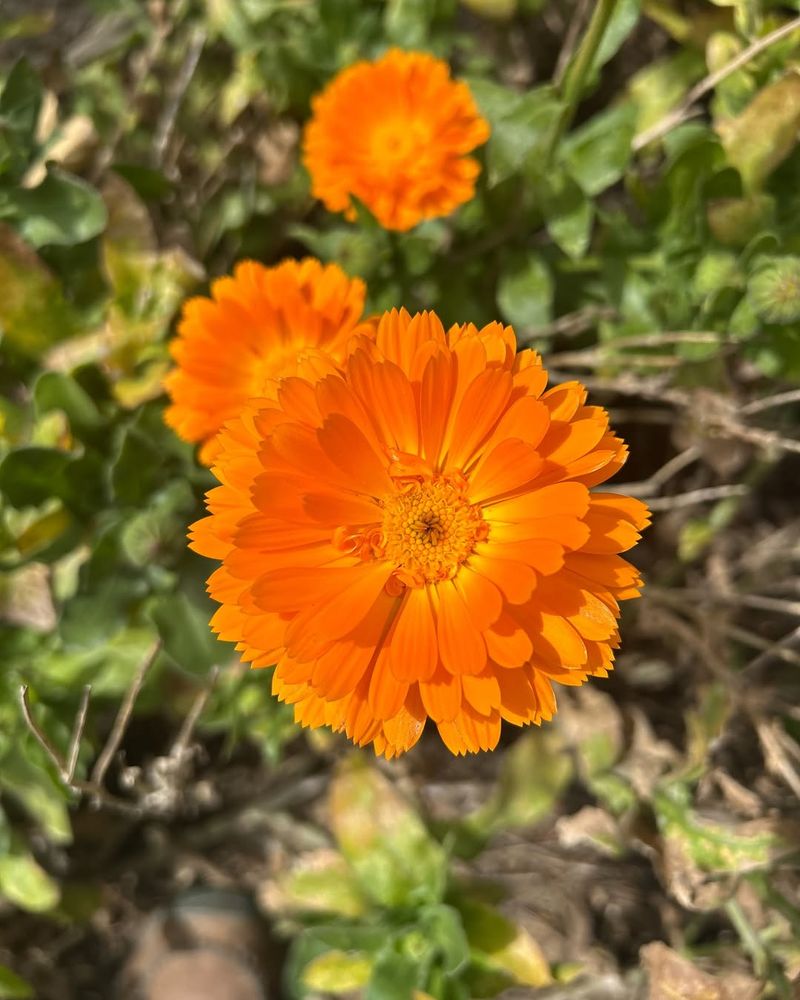
Calendula brings sunshine to your Texas garden even on cloudy days. These cheerful flowers feature bright orange and yellow blooms that look like they’re glowing from within.
Sometimes called pot marigold, calendula has been grown in gardens for centuries and remains popular for good reasons.
The flowers are edible with a slightly peppery taste, making them useful in salads or as garnishes. Historically, calendula petals were used to add color to butter and cheese.
Today, they’re valued for their beauty and their ability to attract beneficial insects to the garden.
Calendula thrives in Texas during cooler months. Plant it now and you’ll have blooms by late winter that continue through spring.
The plants handle light frosts easily and actually bloom better when temperatures stay moderate rather than hot.
Give calendula full sun and well-drained soil. It’s not fussy about soil quality and grows well even in average garden dirt.
Space plants about twelve inches apart. Water regularly but don’t keep soil constantly wet. Calendula is fairly drought-tolerant once established.
Deadhead spent blooms frequently to keep flowers coming. The more you cut, the more calendula produces.
This makes it excellent for cut flower arrangements. Fresh blooms last about a week in water.
Calendula self-seeds generously, so you may only need to plant it once. Seedlings appear easily the following year. The plants grow quickly from seed, reaching blooming size in just six to eight weeks.
In Texas gardens, calendula pairs beautifully with cool-season vegetables and other spring flowers. Its bright blooms stand out against darker foliage and create a cottage garden feel.
7. Stock
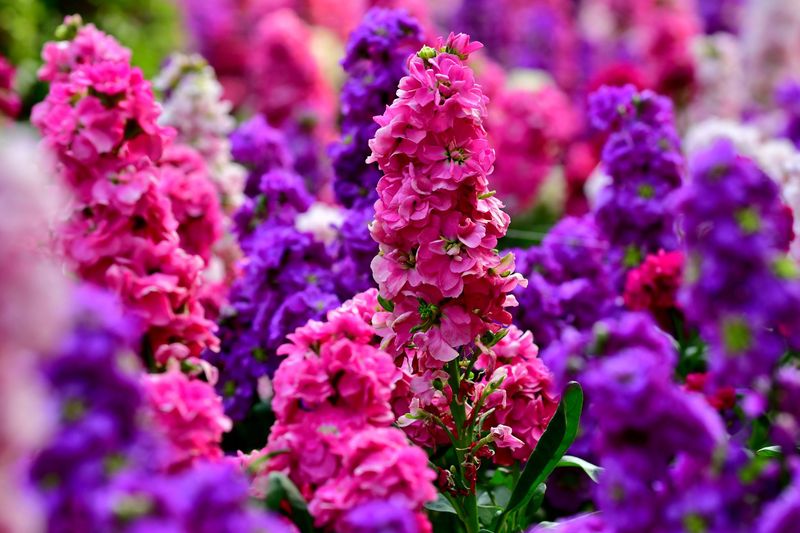
Stock flowers are treasured for their incredible fragrance that fills the evening air with a sweet, spicy scent reminiscent of cloves.
These old-fashioned favorites produce tall spikes covered in ruffled blooms that look elegant in garden beds or vases. Once you grow stock, you’ll understand why gardeners have loved it for generations.
The flowers come in soft, romantic colors including pink, lavender, white, cream, and burgundy. Many varieties feature double blooms that look extra fancy.
Stock plants grow upright with sturdy stems that don’t usually need staking, making them fairly low-maintenance.
Texas gardeners should plant stock now because it’s a cool-season annual that performs best when temperatures stay mild.
It will bloom beautifully from late winter through spring before declining when summer heat arrives. In southern Texas, you can enjoy stock blooms all winter long.
Choose a location with full sun to partial shade. Stock appreciates rich, well-amended soil with good drainage.
Mix plenty of compost into planting beds. Space plants about ten to twelve inches apart. Water consistently to keep soil evenly moist but not waterlogged.
Stock makes outstanding cut flowers that last up to two weeks in arrangements. Cut stems when about half the flowers on each spike have opened. The fragrance indoors is simply wonderful.
These flowers attract butterflies and bees to your Texas garden. They work beautifully in cottage garden designs or formal borders.
Plant stock near patios, walkways, or windows where you can enjoy the fragrance. Taller varieties may need support in windy locations.
Pinch out the growing tip when plants are young to encourage branching and more flower spikes.
8. Larkspur
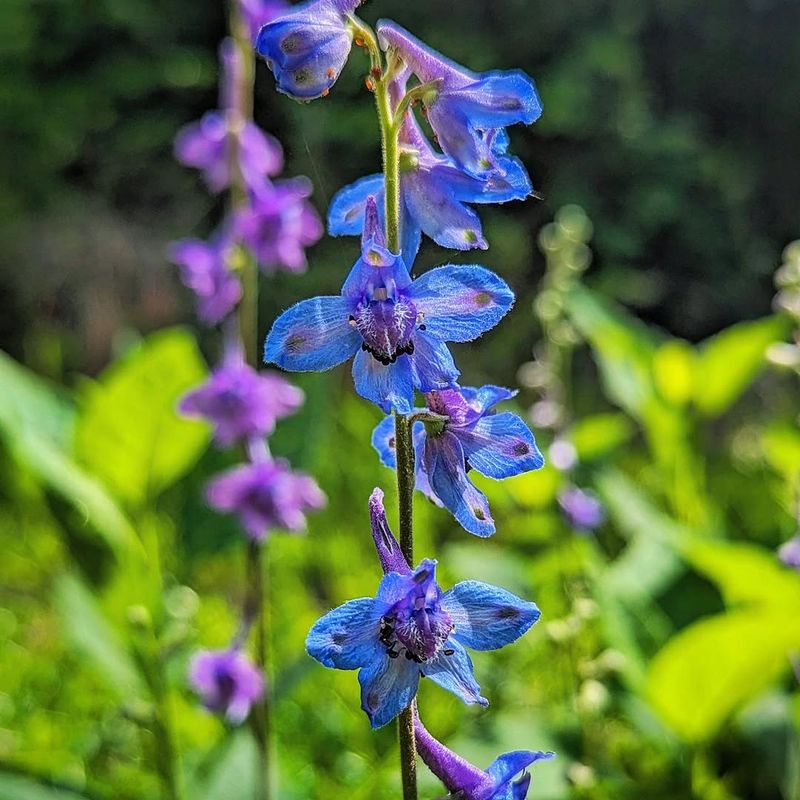
Larkspur towers above many other spring flowers with its impressive height and elegant flower spikes. These cottage garden classics bring vertical drama and a sense of romance to Texas landscapes.
The flowers have an interesting shape with a distinctive spur extending from the back of each bloom, which is how they got their name.
Colors include various shades of blue, purple, pink, white, and lavender. Blue varieties are especially prized because true blue flowers are relatively rare in gardens.
Larkspur blooms open gradually from bottom to top along each spike, providing weeks of color.
This flower is perfect for Texas because it needs to be planted during cool weather. Larkspur seeds actually require cold temperatures to germinate properly.
Planting now gives seeds time to sprout and establish before spring arrives. The plants will then shoot up quickly and bloom when temperatures warm.
Larkspur prefers full sun and well-drained soil. It tolerates Texas clay better than many flowers but still appreciates added compost.
Sow seeds directly in the garden where you want plants to grow since larkspur doesn’t transplant well. Scatter seeds and barely cover them with soil.
Water regularly until seedlings appear and get established. Once growing, larkspur is fairly drought-tolerant. The plants may need staking in windy areas since they can reach three to four feet tall.
Larkspur makes spectacular cut flowers for arrangements. Cut stems when about a third of the flowers are open. They’ll continue opening in the vase. These flowers attract hummingbirds and butterflies.
Plant them toward the back of borders where their height creates a beautiful backdrop for shorter flowers. Larkspur self-seeds readily in Texas gardens, often returning year after year.