9 Plants To Add To Your North Florida Garden Before February Ends
February is slipping by fast, and North Florida gardens don’t wait around. This is that short, golden window when the soil is waking up, the air is still cool enough to work comfortably, and planting now sets you up for strong growth before spring really kicks in.
Miss it, and you’re fighting heat, bugs, and stressed plants later on. Get it right, and you’re ahead of the season while others are still planning.
From veggies to flowers to hardy favorites that love our climate, the right additions this month can change how your garden performs all year long.
The next picks are perfect for this moment and worth getting in the ground before February wraps up.
1. Snapdragons That Bring Instant Spring Color
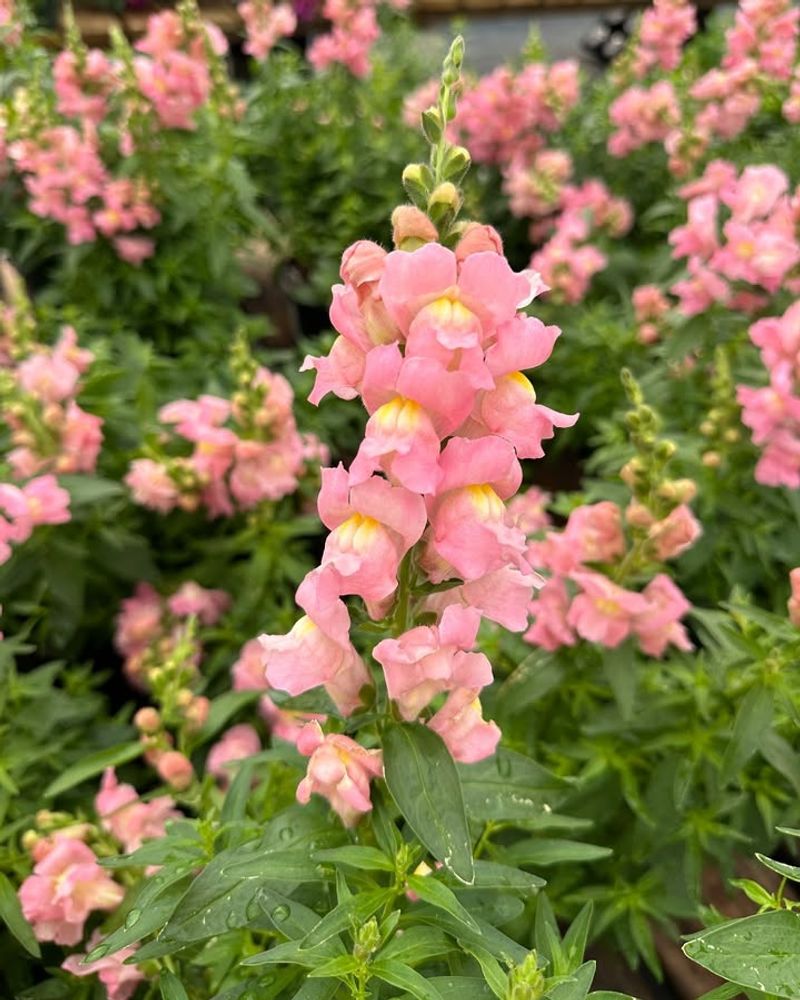
Walking through garden centers in late February, you notice rows of snapdragon transplants showing their first colorful blooms. These cheerful flowers actually prefer the cool temperatures February offers, establishing stronger root systems when soil stays between 50 and 65 degrees.
Plant your snapdragons about 8 to 10 inches apart in beds that receive at least six hours of direct sunlight. They adapt well to North Florida’s slightly acidic soil and reward consistent watering with continuous blooms through April.
Pinching back the first flower spikes encourages bushier growth and more flowering stems.
Within two weeks of planting, you see fresh flower spikes emerging as roots settle into cool soil. The plants tolerate occasional dips into the upper 30s without damage, making them reliable for unpredictable late winter weather.
Deadheading spent blooms keeps new flowers coming until temperatures climb into the mid-80s.
Snapdragons planted now reach full bloom just as spring arrives, creating vertical interest in borders and cutting gardens. Their performance peaks during March and early April when North Florida weather remains comfortably cool.
2. Pansies That Laugh At Cold Weather
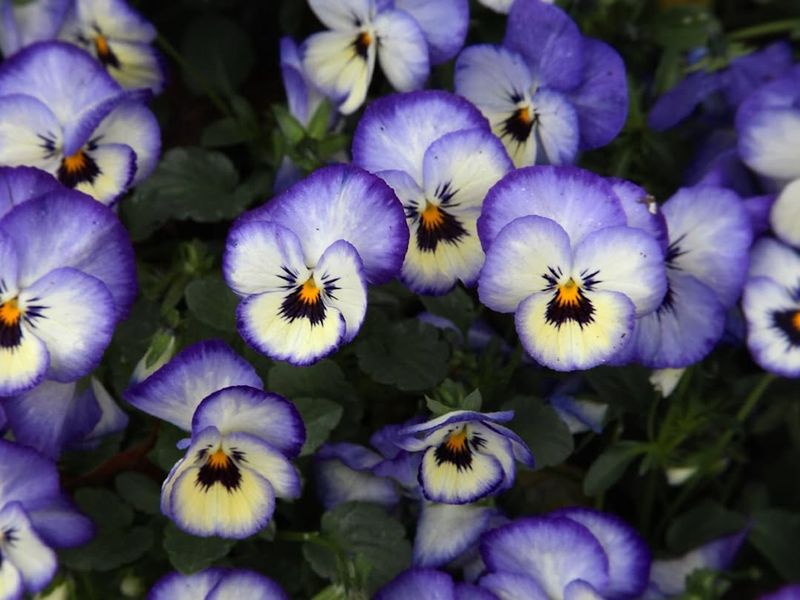
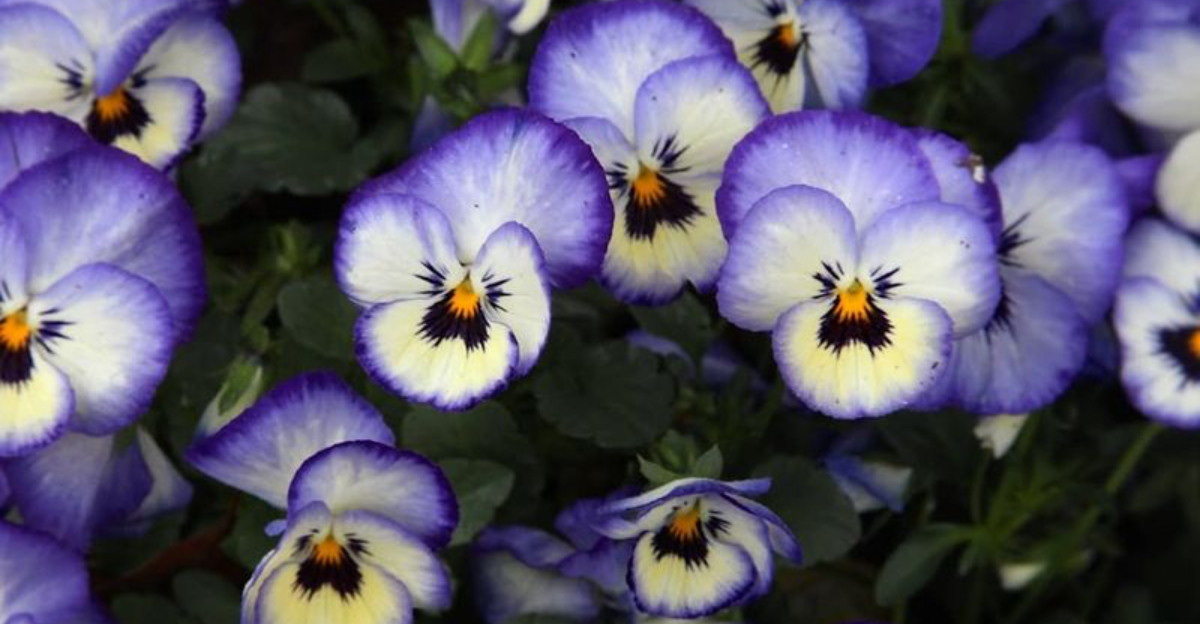
Your neighbors probably planted pansies back in October, but February transplants still deliver impressive results through spring. These hardy flowers actually strengthen when temperatures drop, developing deeper colors and thicker petals during cool nights that dip into the 40s.
Space pansy transplants 6 to 8 inches apart in beds enriched with compost, choosing spots with morning sun and afternoon shade for longest bloom periods. North Florida’s February soil temperatures suit their root development perfectly, allowing plants to establish quickly before spring heat builds.
Water deeply twice weekly rather than frequent shallow watering.
You notice pansies respond to February planting with vigorous growth, producing multiple flower stems within three weeks. Their cheerful faces brighten beds and containers while other perennials remain dormant.
Light frost occasionally touches the petals but causes no lasting harm to these resilient plants.
Regular deadheading and a light monthly feeding keep blooms coming steadily through April. Pansies planted in February often surprise gardeners by continuing to flower into early May, especially when afternoon shade protects them from intense sun.
3. Petunias That Bloom Bigger And Longer
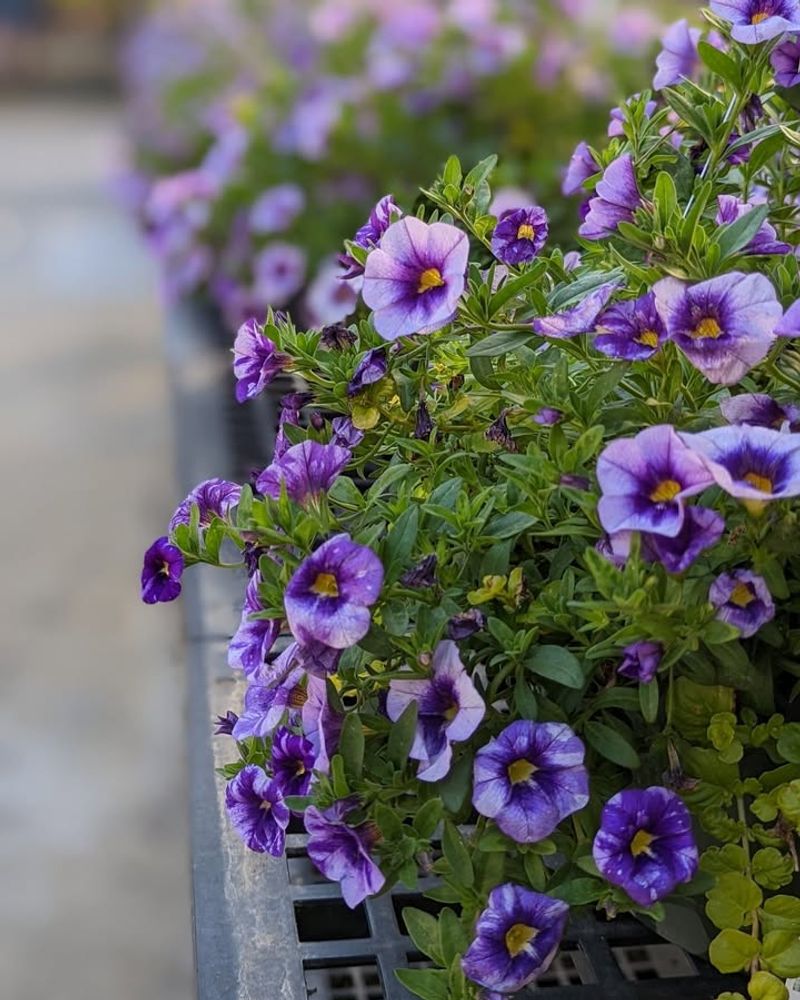
Garden centers stock fresh petunia varieties throughout February, and experienced North Florida gardeners know this timing produces superior results. Cool soil encourages petunias to develop extensive root systems before flowering energy takes over, creating plants that perform better through spring’s temperature swings.
Your Florida Garden Changes Every Week. Your Plan Should Too.
Gardening in Florida changes quickly throughout the season. Every Friday you’ll receive a simple weekly plan showing exactly what to plant, prune, fertilize, harvest, and protect so you never miss the right timing.
Plant petunias 10 to 12 inches apart in well-draining beds that receive full morning sun. They tolerate North Florida’s sandy soils when amended with organic matter and appreciate consistent moisture without waterlogged conditions.
Pinching back leggy stems after planting promotes bushier growth patterns.
Within the first month, February-planted petunias establish strong root networks that support abundant flowering. The plants handle occasional cool nights in the low 40s, but should be protected if temperatures drop near freezing.
Their blooms appear larger and more vibrant when plants mature during gradually warming weather.
You find these petunias continue flowering reliably through May and often into early June, outlasting transplants added later. Their extended bloom period comes from that critical February establishment phase when roots grow vigorously in cool, moist soil conditions perfect for development.
4. Lettuce You Can Harvest Again And Again
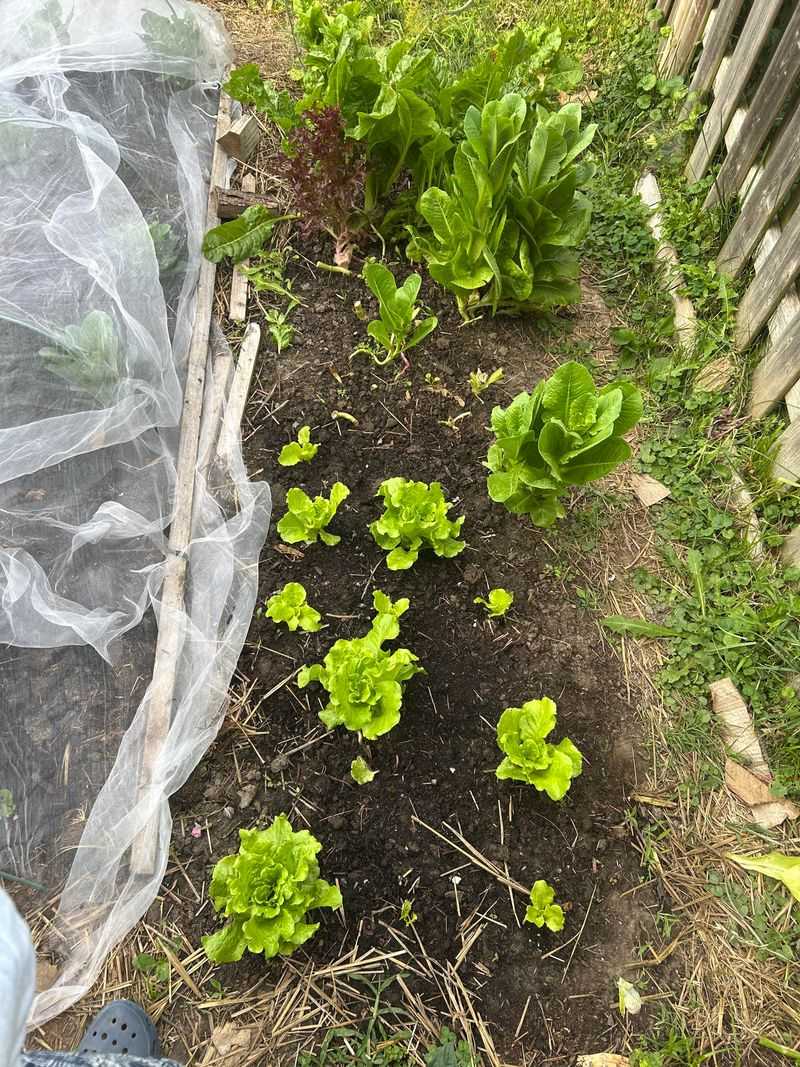
February represents your final opportunity to plant lettuce that produces tender leaves before heat triggers bolting. Soil temperatures hovering between 45 and 65 degrees create ideal germination conditions, with seedlings emerging in seven to ten days when moisture and soil temperatures stay consistent.
Sow lettuce seeds directly into prepared beds or set out transplants spaced 6 to 8 inches apart. Loose-leaf varieties work best for North Florida’s short spring window, allowing you to harvest outer leaves while centers continue growing.
Choose beds with afternoon shade to extend your harvest period as temperatures climb.
Your first harvest comes within three to four weeks of February planting, with tender young leaves perfect for fresh salads. The plants grow vigorously during March’s mild weather, producing new leaves faster than you can pick them.
Regular harvesting actually encourages more leaf production from the growing crown.
Lettuce planted now continues producing through mid-April before warm weather signals flowering time. This gives you nearly eight weeks of fresh homegrown greens, far longer than summer attempts that bolt within days of planting.
5. Spinach That Thrives In Cool February Weather
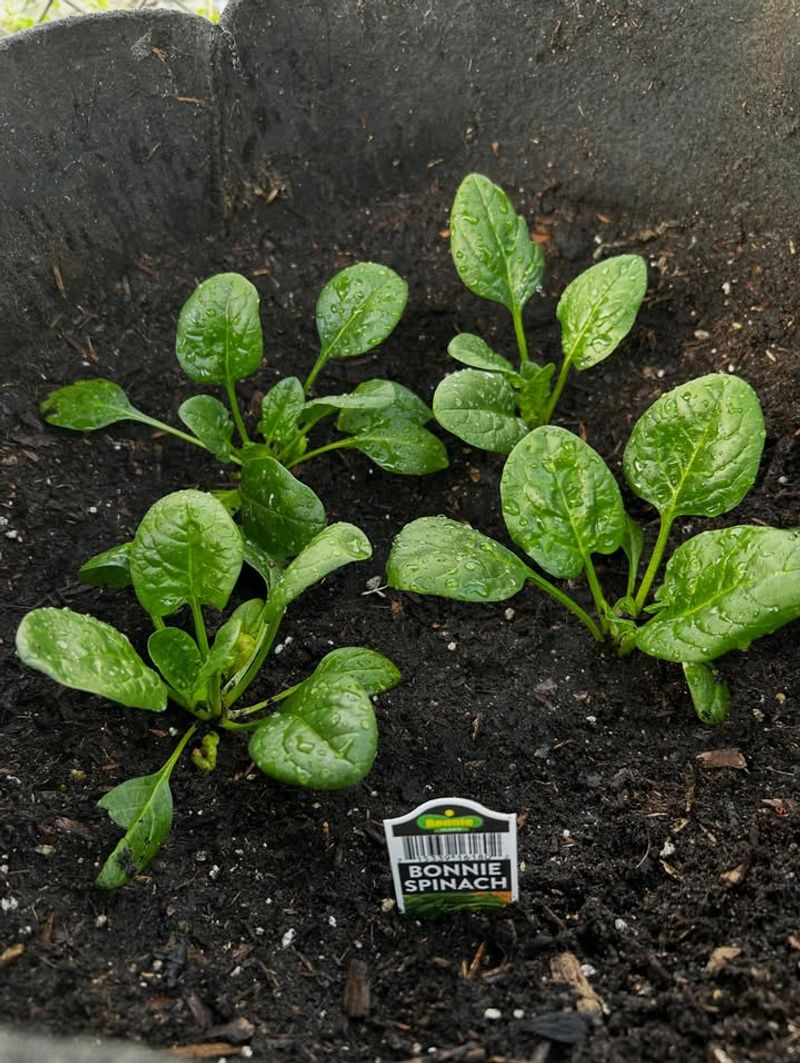
Stepping into your garden on a cool February morning, you feel soil that’s finally warm enough for spinach seeds to germinate reliably. This crop actually prefers the temperatures February offers, with seedlings tolerating light frosts that would damage warm-season vegetables planted too early.
Plant spinach seeds half an inch deep in rows spaced 12 inches apart, or broadcast them across wide beds for intensive harvests. North Florida’s slightly acidic soil suits spinach perfectly when enriched with compost.
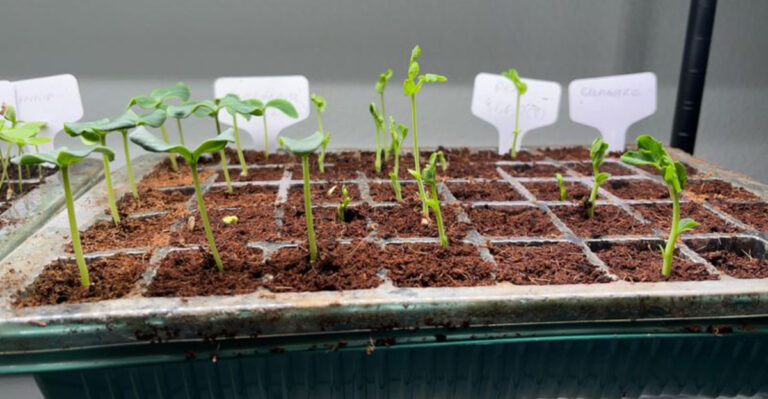
Seeds germinate within one to three weeks depending on soil temperature, sending up tender cotyledons that quickly develop into true leaves.
You notice rapid growth as March temperatures remain moderate, with plants reaching harvestable size in just four to five weeks. Baby spinach leaves taste sweetest when grown in cool conditions, developing none of the bitterness that heat brings.
Regular watering keeps leaves tender and encourages continuous production.
Spinach planted in February produces abundantly through early April, giving you multiple harvests before bolting becomes inevitable. The crop’s cold tolerance means occasional temperature dips into the 30s cause no concern, unlike tender transplants that require protection.
6. Broccoli That Still Has Time To Produce
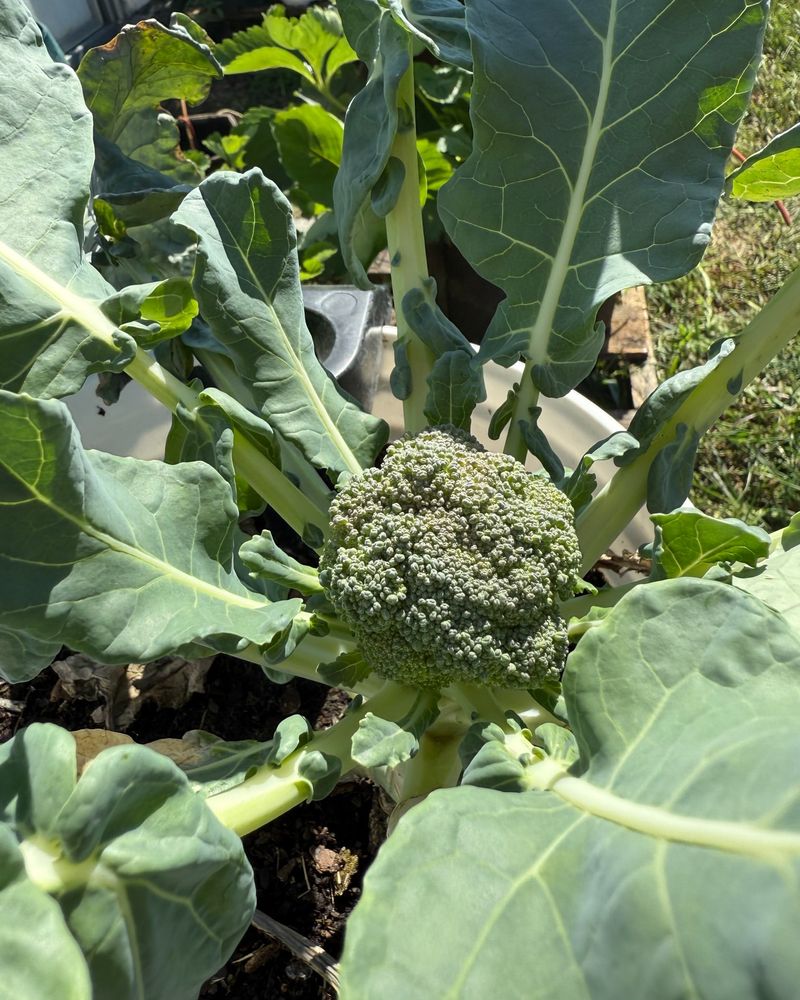
Gardeners often assume February is too late for broccoli, but transplants added now still produce respectable side shoots before heat arrives. The key lies in choosing vigorous transplants already 4 to 6 inches tall, giving them a head start on the growing season.
Space broccoli plants 18 to 24 inches apart in beds enriched with compost and balanced fertilizer. They need full sun and consistent moisture to develop quickly during North Florida’s shortened spring window.
Transplants establish faster than seeds, making them essential for late February planting success.
Within eight to ten weeks, your broccoli plants begin forming central heads, often smaller than fall plantings due to warming spring temperatures. While these main heads might be smaller than fall plantings produce, the side shoots that follow often surprise gardeners with their abundance.
Cool nights and warm days create perfect conditions for sweet, tender florets.
You harvest the main head first, then watch as side shoots continue developing through April. These secondary harvests often total more than the initial cutting, making late February planting worthwhile.
Using row covers during any late cold snaps protects developing heads from frost damage.
7. Cabbage That Loves Late Winter Planting
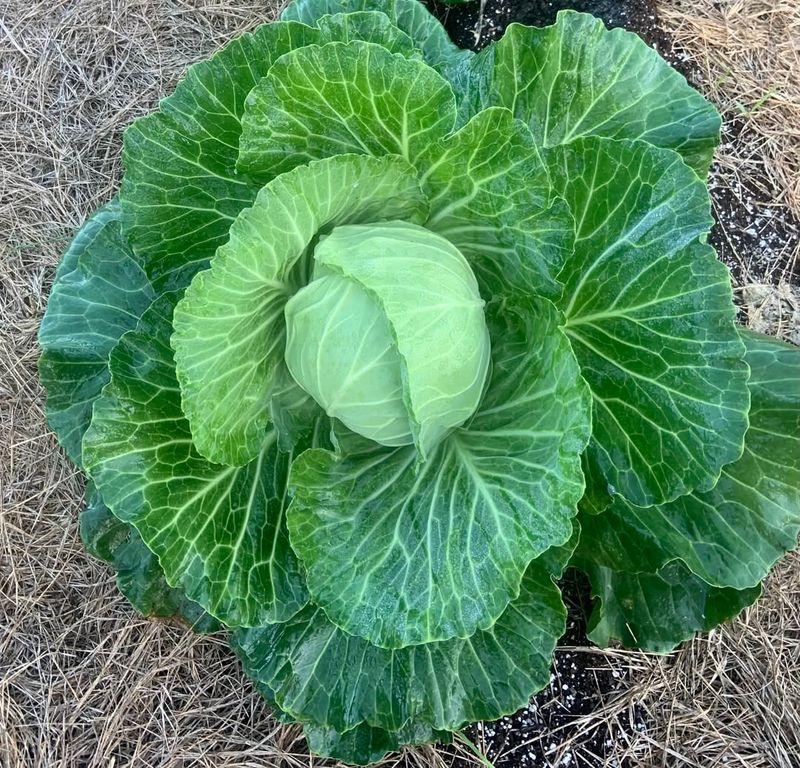
Fresh cabbage transplants arrive at garden centers throughout February, and these late winter additions can still produce good-quality heads. Cool soil temperatures encourage strong root development while moderate air temperatures prevent premature bolting, creating ideal conditions for solid head formation.
Plant cabbage transplants 15 to 18 inches apart in beds amended with compost and a balanced fertilizer application. North Florida’s February weather provides the cool nights cabbage prefers while offering enough warmth for steady growth.
Water deeply and consistently, as fluctuating moisture causes heads to split prematurely.
Your cabbage plants establish quickly, sending out new leaves within days of transplanting. The heads begin forming in late March, tightening gradually as layers build upon each other.
Cool morning temperatures keep leaves crisp and sweet, developing flavors that summer heat destroys.
Harvest comes in late April or early May, depending on variety and weather patterns. The heads reach full size just before temperatures climb too high, giving you perfect timing for fresh coleslaw and stir-fries.
February plantings can still produce good-quality heads, especially when temperatures remain cool through early spring.
8. Carrots That Grow Sweeter In Cool Soil
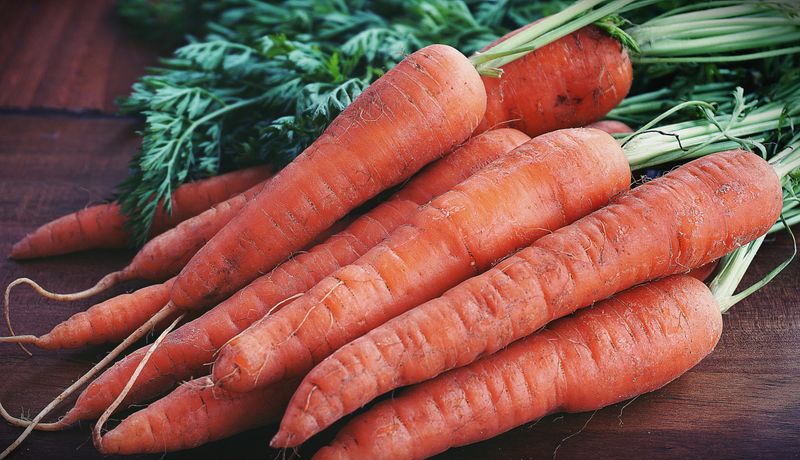
Carrot seeds sown in February benefit from soil that’s warming gradually, encouraging steady germination without the temperature spikes that cause uneven sprouting. These root vegetables actually develop sweeter flavors when they mature during cool weather, making late winter planting ideal for best taste.
Prepare beds by loosening soil to at least 8 inches deep, removing rocks and clumps that cause forked roots. Sow carrot seeds thinly in rows 12 inches apart, barely covering them with fine soil.
North Florida’s sandy soils suit carrots perfectly when enriched with compost for moisture retention. Seeds germinate slowly, taking two to three weeks to emerge.
You notice the first ferny tops appearing in early March, with seedlings requiring thinning to 2 inches apart once they reach 2 inches tall. The roots develop steadily through spring’s moderate temperatures, growing straight and sweet in cool soil.
Consistent watering prevents cracking and encourages tender texture.
Harvest begins about 60 days after planting, usually in late April. Carrots planted in February taste noticeably sweeter than summer crops, as cool soil temperatures trigger sugar production in the roots.
9. Strawberries That Set You Up For Spring Harvests
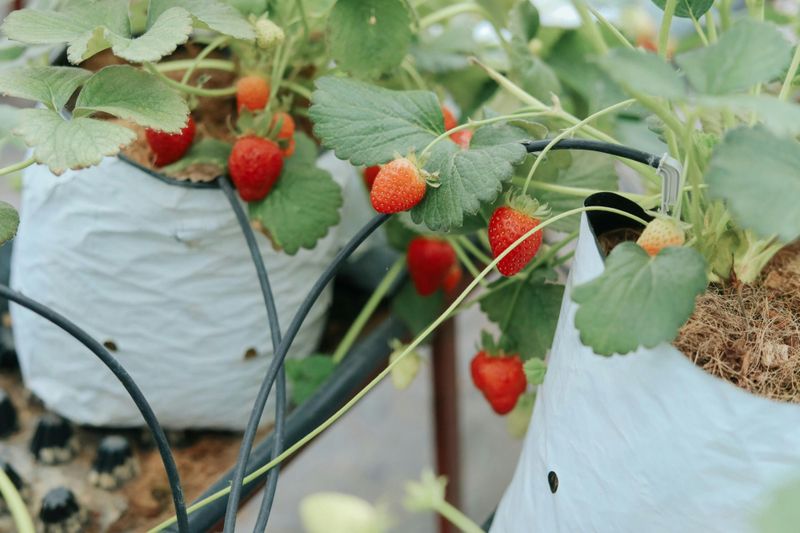
February offers a late opportunity to plant strawberry crowns that may still produce some fruit this spring. These perennials need cool weather to establish roots before flowering begins, and late winter planting gives them exactly the conditions they prefer for strong initial growth.
Space strawberry crowns 12 to 15 inches apart in beds enriched with compost, ensuring the crown sits at soil level without burial. North Florida gardeners find success with varieties suited to our mild winters and warm springs.
Mulch around plants to conserve moisture and keep developing berries clean.
Within three to four weeks, you may begin seeing white flowers as plants settle into their new location. Cool February nights don’t harm the blooms, and pollinating insects become more active as temperatures warm through March.
The plants focus energy on root development while simultaneously producing flower clusters.
Your first ripe berries appear in April, with harvest continuing into May before heat slows production. Strawberries planted in February establish better than those added later, developing the root systems needed for productive growth.
Regular watering and monthly feeding support both current fruiting and runner development for future harvests.