How To Protect Your Texas Garden From Late Freezes In February
February weather in Texas can change fast, and one cold night is all it takes to damage weeks of hard gardening work. You might wake up to frosted leaves, wilted plants, and soil that feels like ice.
The good news is that late freezes don’t have to ruin your garden if you know how to prepare. With a few simple steps, you can protect tender plants, save early blooms, and keep your garden growing strong.
From quick cover tricks to smart watering habits, there are easy ways to stay one step ahead of sudden temperature drops.
Whether you’re growing flowers, vegetables, or both, learning how to handle these cold surprises is a must for every Texas gardener. Let’s look at the best ways to keep your garden safe when February decides to freeze.
1. Cover Plants With Frost Blankets Before Sunset
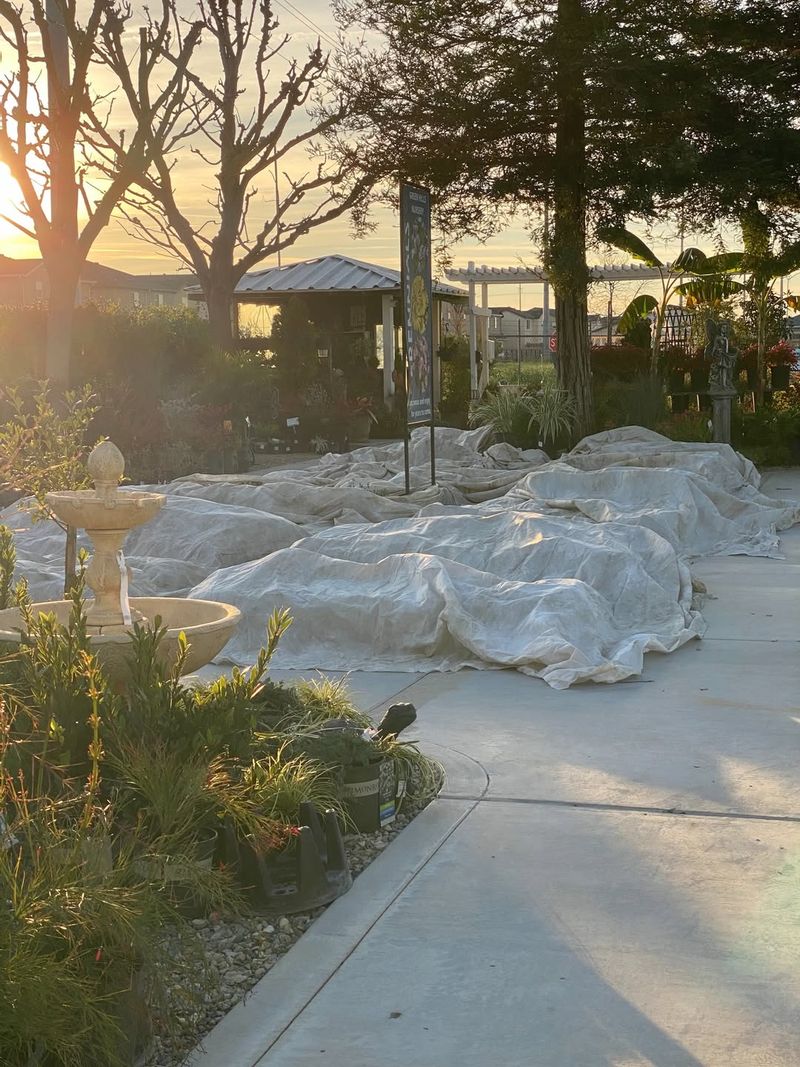
Frost blankets work like cozy sleeping bags for your plants. These lightweight fabrics trap warm air close to the ground while still letting moisture escape.
You should drape them over your plants before the sun goes down, when the air still holds some daytime warmth.
Many Texas gardeners make the mistake of waiting until they see frost forming. By then, the cold air has already started affecting tender plant tissues.
Setting up your covers in late afternoon gives your garden the best protection throughout the night.
Row covers and frost blankets come in different thicknesses. Thicker materials provide more insulation but cost more money.
For most February freezes in Texas, a medium-weight fabric works perfectly fine for vegetables and flowers.
Make sure your blankets reach all the way to the ground on all sides. Cold air sneaks underneath gaps and defeats the whole purpose of covering. Use rocks, bricks, or garden stakes to hold the edges down securely.
Remove the covers once morning temperatures climb above freezing. Plants need sunlight and air circulation during the day. Leaving blankets on too long creates moisture problems and blocks necessary light.
You can reuse quality frost blankets for several seasons if you store them properly. Wash them gently, let them dry completely, and fold them neatly in a storage bin.
Having them ready to grab saves precious time when weather forecasts predict surprise cold fronts across Texas.
2. Water Your Garden Thoroughly The Day Before A Freeze
Wet soil holds heat much better than dry ground. When you water your Texas garden deeply before a freeze, you create a natural warming system. The moisture in the soil absorbs heat during the day and slowly releases it overnight.
This might sound backwards since we often think of water as cold. However, moist soil stays several degrees warmer than dry dirt during freezing nights. That small temperature difference can save your plants from serious damage.
Plan your watering for late morning or early afternoon on the day before the freeze arrives. This timing gives the water enough time to soak deep into the root zone. Shallow watering only wets the surface and does not provide the same protective benefits.
Your Texas Garden Changes Every Week. Your Plan Should Too.
Gardening in Texas changes quickly throughout the season. Every Friday you’ll receive a simple weekly plan showing exactly what to plant, prune, fertilize, harvest, and protect so you never miss the right timing.
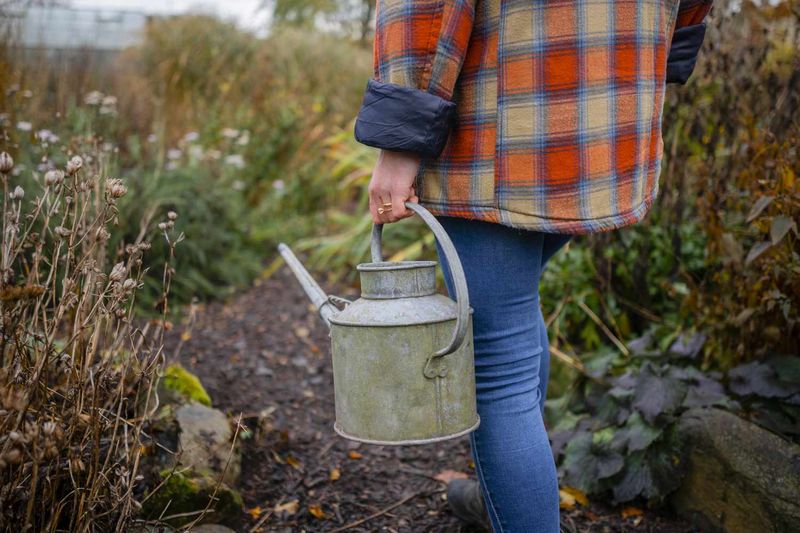
Focus on watering the soil around your plants rather than the leaves. Wet foliage actually freezes faster and can harm the plant. Direct your hose or watering can at the base of each plant and let the water soak in slowly.
Containers and raised beds dry out faster than regular garden soil. Pay extra attention to potted plants and elevated growing areas. They need generous watering before cold weather hits Texas gardens.
Avoid watering if the ground is already frozen solid. Adding water to frozen soil does not help and might create ice problems.
Check the soil with your finger before you start watering to make sure it can still absorb moisture properly.
3. Move Container Plants Closer To Your House Or Under Eaves
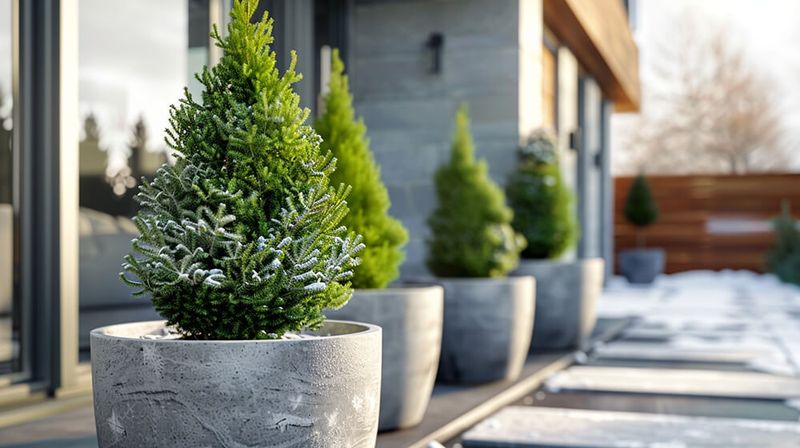
Your house radiates warmth even during cold February nights. Placing potted plants near exterior walls takes advantage of this free heat source. The area right next to your foundation stays noticeably warmer than open garden spaces.
Eaves and overhangs provide double protection for container plants. They block cold wind from blowing directly on leaves and stems.
They also prevent frost from settling heavily on plant surfaces during the coldest hours before dawn.
South-facing walls offer the best protection in Texas. These spots receive maximum sunlight during the day and release stored warmth at night. Group your most tender containers in these prime locations when freezes threaten.
Heavy pots can be difficult to move by yourself. Use a plant dolly or ask family members to help shift large containers.
Moving them a day or two before the freeze gives you time to arrange everything without rushing.
Create a windbreak by stacking containers together. Plants grouped closely share warmth and protect each other from harsh breezes. Just make sure air can still circulate between them to prevent moisture buildup.
Garages and covered patios work great for extremely tender tropical plants. These spaces stay significantly warmer than outside areas.
Remember to move plants back into sunlight once temperatures rise above freezing in your Texas location.
4. Mulch Around Plant Bases To Insulate Roots
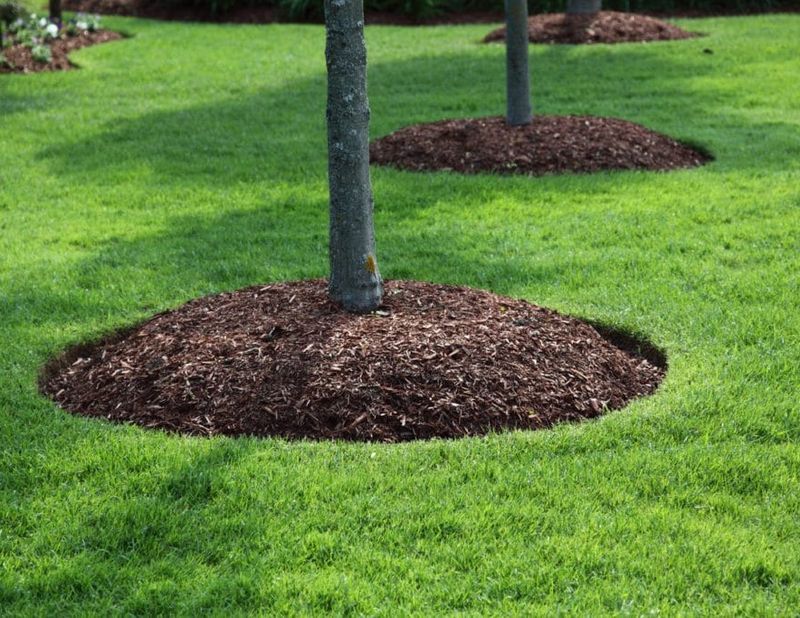
Roots are the lifeline of your plants. A thick blanket of mulch acts like insulation for the underground parts that keep everything alive.
Spreading mulch before February freezes protects the root zone from temperature swings that stress plants.
Pine straw, wood chips, and shredded leaves all make excellent mulch choices. Apply a layer about three to four inches deep around each plant.
This thickness provides enough insulation without smothering the stems or creating rot problems.
Pull the mulch back slightly from direct contact with plant stems. Mulch piled against stems traps moisture and invites fungal diseases. Leave a small gap of one or two inches around the base of each plant.
Mulch does more than just insulate roots during freezes. It also helps soil retain moisture and prevents weeds from sprouting.
Texas gardeners get multiple benefits from this simple protective measure throughout the growing season.
Add extra mulch to newly planted areas. Young plants have not developed extensive root systems yet. They need more protection than established plants during late winter cold snaps.
Organic mulches break down over time and enrich your soil. As they decompose, they add nutrients that help plants grow stronger.
Refresh your mulch layers each fall and spring to maintain good coverage in your Texas garden beds.
5. Use Old Sheets And Blankets For Larger Plants And Shrubs
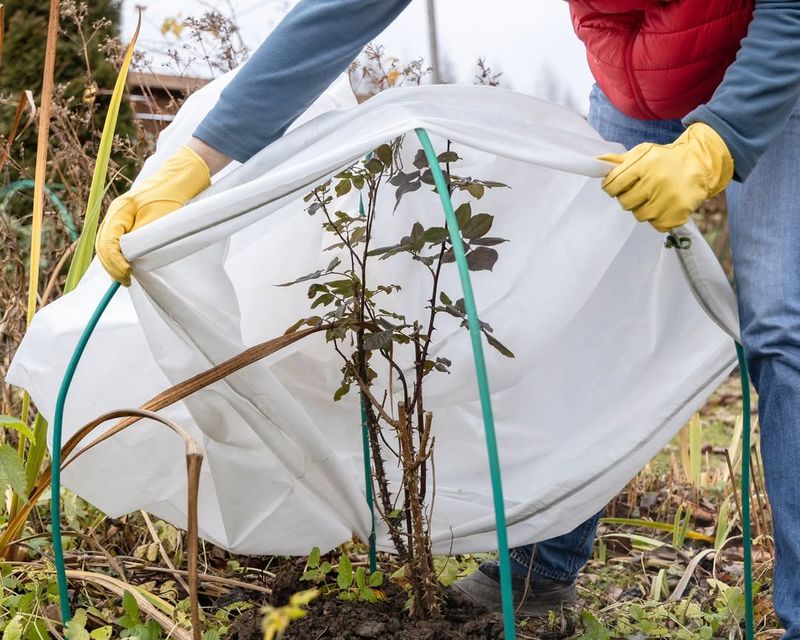
Not every gardener owns fancy frost blankets. Regular household sheets and blankets work surprisingly well for protecting bigger plants.
That worn-out comforter or faded bedsheet sitting in your closet can save your Texas shrubs from freeze damage.
Drape the fabric completely over the plant from top to bottom. Make sure the material reaches the ground on all sides to trap warm air underneath.
Tuck the edges under rocks or secure them with clothespins to prevent wind from blowing them away.
Avoid using plastic sheets or tarps directly on plants. Plastic does not breathe and creates condensation that can actually freeze on leaves. If you only have plastic available, place a cloth layer between the plastic and your plants.
Larger shrubs and small trees need extra coverage. You might need several sheets or blankets to protect one big plant completely. Overlap the fabric pieces to eliminate gaps where cold air can enter.
Support tall or floppy plants with stakes before covering them. Push a few bamboo poles or tomato stakes into the ground around the plant. This creates a tent-like structure that keeps the fabric from crushing delicate branches.
Remember to remove all coverings once morning arrives and temperatures warm up. Sunlight cannot reach through thick blankets.
Your Texas plants need that solar energy during the day to recover and continue growing strong.
6. Bring Sensitive Seedlings And Starter Trays Indoors Overnight
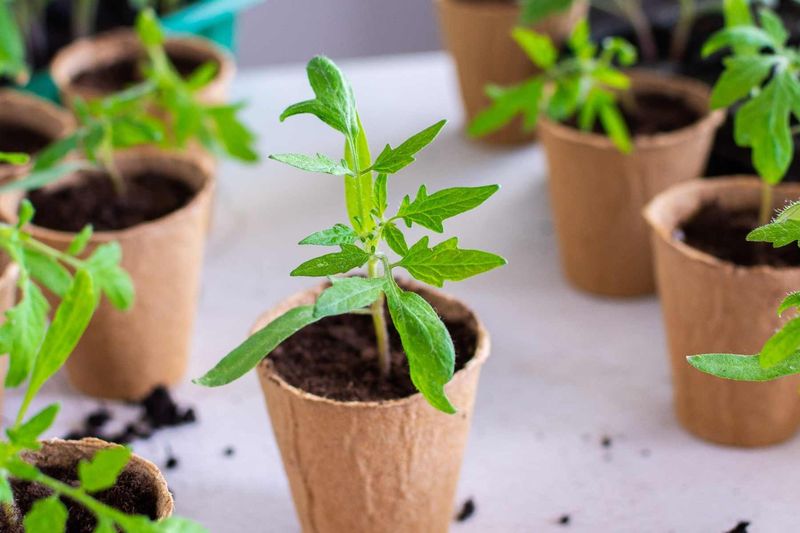
Baby plants are the most vulnerable to cold damage. Seedlings you started for spring planting cannot survive February freezes outdoors.
Their tiny stems and fresh leaves simply lack the strength to handle freezing temperatures.
Moving seed trays inside takes only a few minutes. Place them near a window where they will receive morning sunlight.
Windowsills, kitchen counters, and garage shelves all work as temporary overnight shelters.
Young transplants also need indoor protection during freeze warnings. Those tomato and pepper seedlings you bought from the nursery are not hardened off yet. Texas gardeners should keep new transplants mobile until all freeze danger passes.
Set reminders on your phone to bring plants back outside during the day. Seedlings need strong natural light to grow properly. Keeping them indoors too long makes them weak and leggy.
Group all your trays together in one spot indoors. This makes moving them easier and helps you remember where everything is located. Label your trays so you know which varieties are which after shuffling them around.
Consider setting up a simple cold frame for seedlings. These small protective structures let you keep plants outside while shielding them from harsh weather. Many Texas gardeners build cold frames from old windows and scrap lumber.
Watch weather forecasts closely during February. Surprise cold fronts can arrive quickly across Texas.
Having a plan for moving seedlings helps you act fast when temperatures are predicted to drop suddenly overnight.
7. Install Outdoor String Lights Around Fruit Trees For Extra Heat
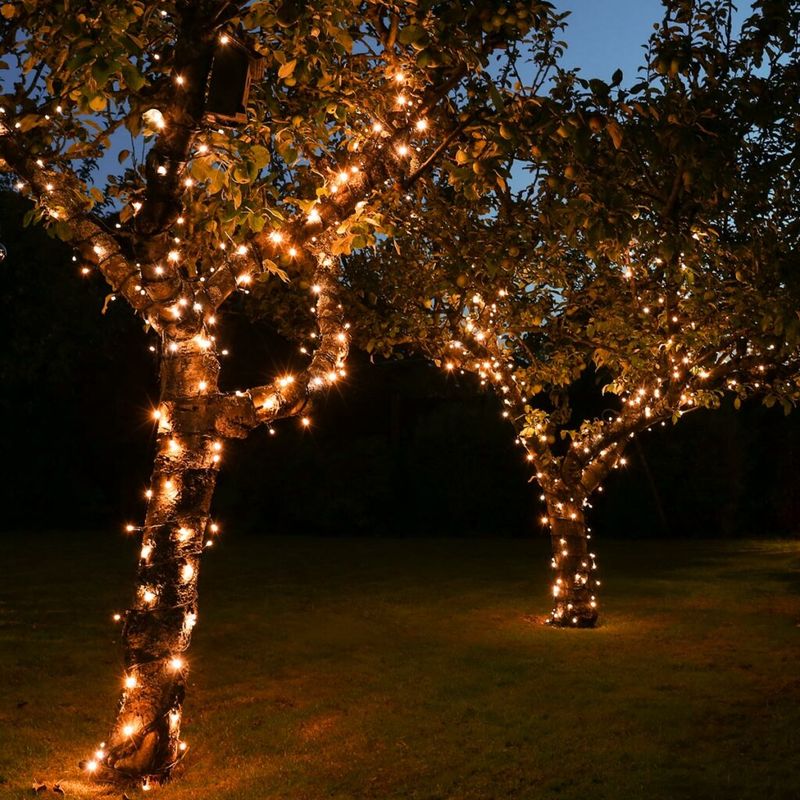
Old-fashioned incandescent Christmas lights generate surprising amounts of heat. Wrapping these lights around fruit tree branches creates a gentle warming effect during freezing nights.
This method works especially well for citrus and other cold-sensitive trees common in Texas landscapes.
LED lights do not produce enough heat to protect plants. You need the older incandescent bulbs that get warm to the touch.
Many hardware stores still carry these traditional light strands specifically for freeze protection purposes.
Wind the lights through the branches rather than just draping them over the outside. Placing bulbs throughout the tree canopy distributes warmth more evenly. Focus extra lights on the most tender new growth and developing fruit.
Combine lights with tree wraps or blankets for maximum protection. The lights provide warmth while the covering traps that heat around the branches. This combination can keep temperatures several degrees higher than the surrounding air.
Plug your lights into a timer or smart outlet. Set them to turn on automatically when evening temperatures drop below freezing. This saves energy and ensures protection even if you forget to switch them on manually.
Check your light strands before the freeze arrives. Replace any burned-out bulbs so the entire strand works properly. Damaged cords or broken sockets create safety hazards and reduce the warming effect.
Leave the lights on all night until morning temperatures rise above freezing. Texas fruit trees need continuous warmth during the coldest hours. Turning lights off too early allows branches to freeze before dawn breaks.