7 Costly Gardening Mistakes Texans Make Every February
February is an exciting month for Texas gardeners, but it’s also when many costly mistakes happen without people even realizing it. Warmer days can make you want to plant everything at once, while sudden cold snaps can quickly ruin those plans.
From starting seeds too early to pruning at the wrong time, small choices made this month can lead to weak plants, poor blooms, and wasted money. The tricky part is that these mistakes often seem harmless at first.
They don’t always show problems right away, but they can hurt your garden later in the season. If you want healthier plants, better harvests, and less stress when spring arrives, it’s important to know what to avoid.
Let’s take a closer look at the most common February gardening mistakes Texans make, and how you can stay one step ahead.
1. Planting Warm-Season Vegetables Too Early
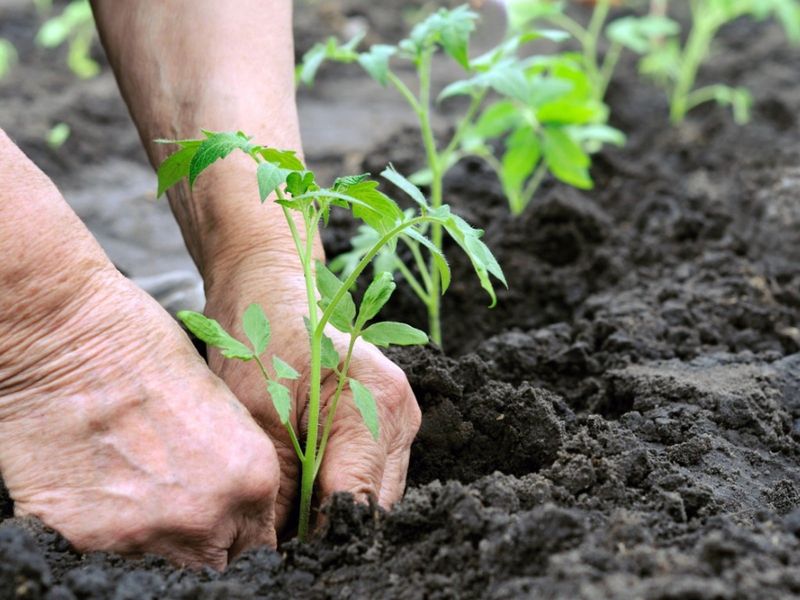
Warm-season vegetables like tomatoes, peppers, squash, and beans need consistently warm soil to thrive. Planting these crops too early in February ranks as the most expensive mistake Texas gardeners make.
Soil temperatures below 60 degrees Fahrenheit stress these plants severely, stunting their growth for weeks or even the entire season. Cold soil also invites diseases that attack weak root systems before plants establish themselves properly.
North Texas gardeners face the highest risk because freezes commonly occur through mid-March. Central Texas isn’t much safer, with surprise cold fronts appearing well into March.
Even South Texas can experience unexpected temperature drops that damage tender transplants. The money wasted on replacement plants adds up quickly when gardeners ignore proper planting dates.
Professional growers wait until soil temperatures stay consistently warm before setting out transplants. A simple soil thermometer costs less than ten dollars and prevents hundreds of dollars in losses.
Check soil temperature at planting depth in the morning for three consecutive days. If readings stay below 60 degrees, wait another week and test again.
Patience pays off tremendously with warm-season crops. Plants installed at the correct time grow faster and produce better harvests than those rushed into cold ground.
They develop stronger root systems that handle summer heat and drought more effectively. Texas gardeners who wait until late March or early April for warm-season planting consistently achieve better results than those who plant in February.
The extra few weeks of waiting saves money and produces healthier, more productive gardens throughout the growing season.
2. Pruning Spring-Blooming Shrubs At The Wrong Time
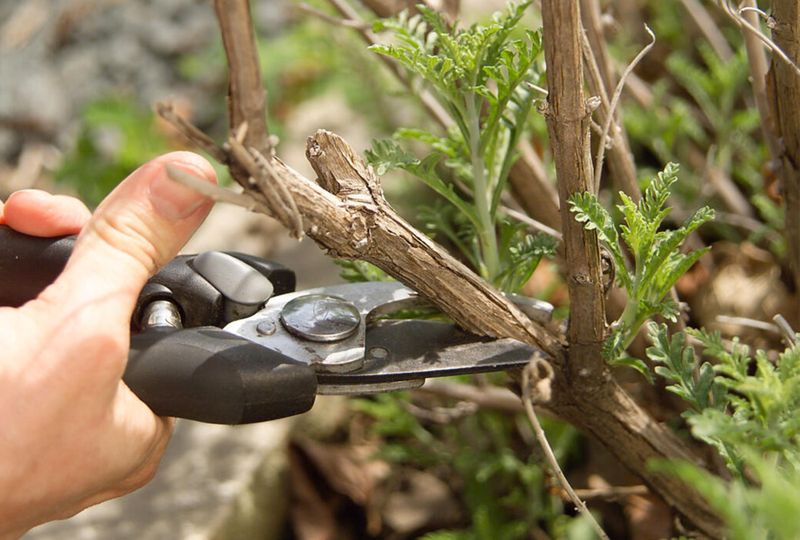
Spring-blooming shrubs set their flower buds during the previous growing season. Azaleas, forsythia, spirea, and flowering quince all develop next spring’s blooms throughout summer and fall.
Cutting these shrubs back in February removes those precious flower buds, leaving you with green bushes instead of colorful displays. This mistake frustrates countless Texas homeowners who wonder why their shrubs won’t bloom after careful pruning.
The timing confusion happens because February feels like the right month for general garden cleanup. Gardeners see bare branches and assume pruning should happen before new growth starts.
Your Texas Garden Changes Every Week. Your Plan Should Too.
Gardening in Texas changes quickly throughout the season. Every Friday you’ll receive a simple weekly plan showing exactly what to plant, prune, fertilize, harvest, and protect so you never miss the right timing.
However, spring bloomers follow different rules than summer-blooming plants. They need pruning immediately after flowering finishes, typically in late spring or early summer.
This gives them the entire growing season to develop next year’s flower buds.
Texas landscapes feature many spring-blooming varieties that suffer from February pruning. Mexican plum trees, redbuds, and Bradford pears all bloom on old wood.
Cutting them back now eliminates the spring show you’ve been anticipating all winter. The financial cost includes both the lost aesthetic value and potentially hiring professionals to correct poorly timed pruning.
Learning which plants bloom on old wood versus new wood prevents this expensive error. Summer bloomers like crape myrtles and roses can handle February pruning because they flower on current-season growth.
Keep a garden journal noting when each shrub blooms to remember proper pruning times. Texas gardeners who master pruning schedules enjoy spectacular spring displays without accidentally removing flower buds.
The simple act of waiting until after flowering saves the beauty and value that spring-blooming shrubs bring to landscapes across the state.
3. Over-Fertilizing Cool-Season Lawns
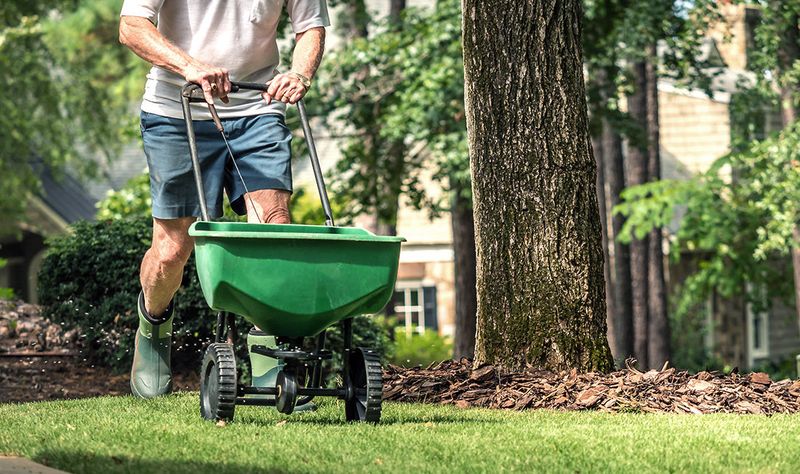
Cool-season grasses like ryegrass and fescue remain semi-dormant during February across most of Texas. Applying heavy fertilizer during this slow-growth period creates more problems than benefits.
Excess nitrogen that grass can’t absorb washes away with winter rains, polluting waterways and wasting money. Worse yet, over-fertilization encourages excessive top growth that weakens grass before summer heat arrives.
Many homeowners believe February fertilization gives lawns a head start for spring. Commercial lawn services often promote early applications to begin their seasonal schedules.
However, grass roots remain relatively inactive when soil stays cold. Plants simply cannot use the nutrients you’re paying to spread.
The unused fertilizer either leaches away or sits in soil, potentially burning grass when growth resumes.
Texas lawns with Bermuda or St. Augustine grass face even bigger risks from February fertilization. These warm-season grasses stay completely dormant until soil warms substantially.
Fertilizing dormant grass accomplishes absolutely nothing except depleting your wallet. The money spent on premature applications would serve better saved for proper spring feeding when grass actively grows.
Correct timing for lawn fertilization depends on grass type and location within Texas. Cool-season grasses benefit from light feeding in late February only in southern regions where growth continues.
North and Central Texas should wait until March or April. Warm-season lawns need no fertilizer until soil temperatures reach 65 degrees consistently, typically in April or May.
A soil test from your county extension office costs around twenty dollars and provides accurate recommendations for your specific lawn.
Texas gardeners who fertilize based on actual grass needs rather than calendar dates achieve healthier lawns while spending less money on unnecessary applications.
4. Ignoring Soil Preparation Before Spring Planting
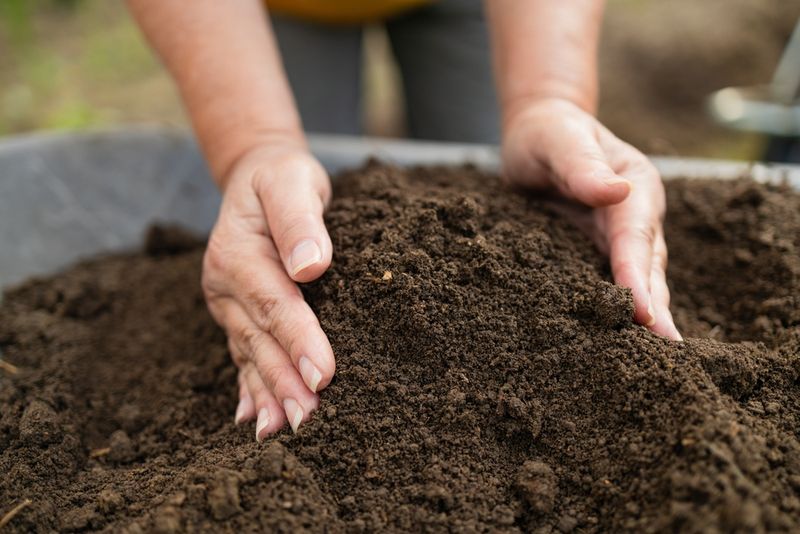
February offers ideal conditions for improving soil before the busy spring planting season arrives. Skipping this crucial preparation step costs gardeners dearly through poor plant performance and wasted money on struggling crops.
Texas soil varies dramatically across regions, from heavy clay in North Texas to sandy loam along the coast. Each type needs specific amendments to support healthy plant growth, and February provides perfect timing for these improvements.
Clay soil dominates much of Texas, creating drainage problems and root development challenges. Working compost and other organic matter into clay during February allows materials to begin breaking down before planting time.
The soil remains workable during this cooler month, unlike the rock-hard conditions that develop during summer heat. Gardeners who wait until March or April to address soil issues find themselves fighting against time and weather.
Sandy soils present opposite problems, draining too quickly and holding insufficient nutrients. Adding compost increases water retention and provides slow-release nutrition throughout the growing season.
February soil work also reduces compaction from foot traffic during spring planting activities. Prepared beds settle properly before receiving plants, preventing later settling that damages root systems.
The financial impact of poor soil preparation shows up in multiple ways. Plants grow slowly in unamended soil, requiring extra water and fertilizer throughout the season.
Weak growth invites pest and disease problems that demand expensive treatments. Vegetables produce smaller harvests, and flowers bloom less abundantly.
A few hours of February soil work prevents these costly problems. Texas extension offices provide free soil testing that identifies specific deficiencies needing correction.
Investing in compost and amendments during February costs far less than fighting poor soil conditions all season long.
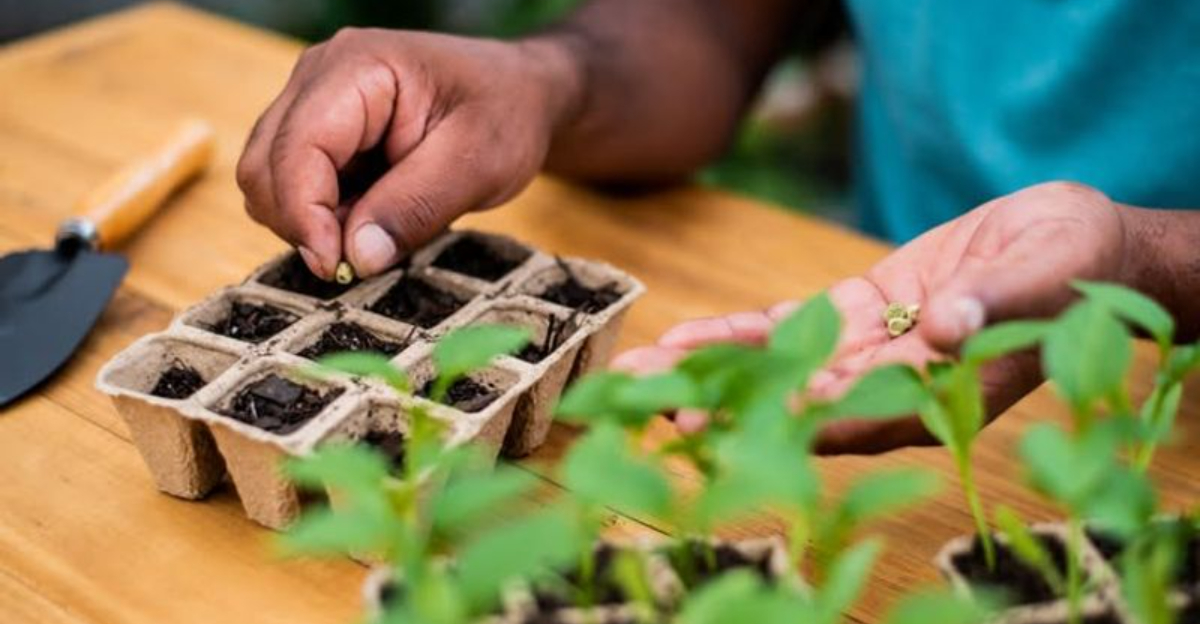
5. Starting Seeds Indoors Without Proper Planning
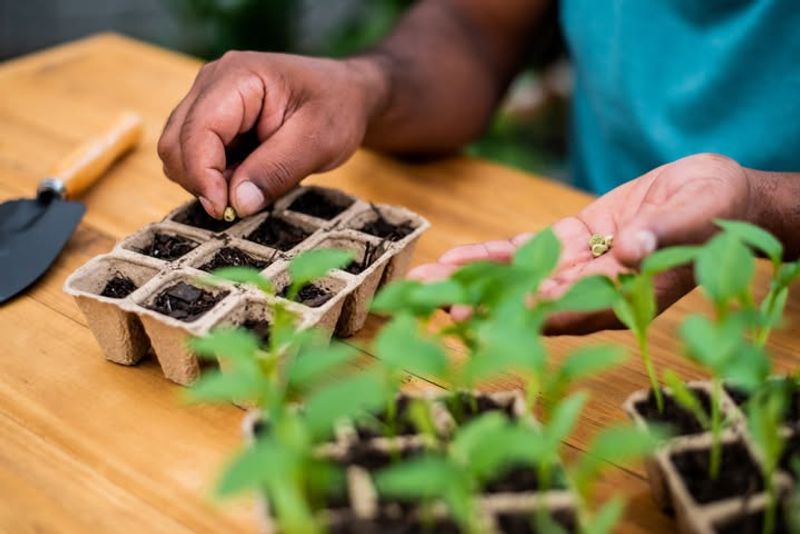
Starting seeds indoors saves money compared to buying transplants, but poor planning turns this advantage into an expensive disaster. Seedlings started too early become leggy and weak before outdoor planting weather arrives.
They outgrow their containers, requiring transplanting into larger pots that weren’t part of the original budget. Some plants simply cannot wait and must go outside too early, where cold temperatures damage or destroy them completely.
Texas gardeners often start seeds in February without calculating proper timing. Tomato seedlings need six to eight weeks before transplanting outdoors.
In North Texas, safe transplant dates fall in mid-April, meaning seeds started in early February wait too long indoors.
Central Texas can transplant slightly earlier, but even there, late February starts prove more appropriate than early February. Seeds started at wrong times create management headaches and additional expenses.
Inadequate lighting causes another expensive problem for indoor seed starting. Windowsills rarely provide sufficient light intensity for healthy seedling growth.
Plants stretch toward weak light sources, developing thin stems that cannot support themselves properly. Investing in basic grow lights costs money upfront but prevents the total loss of leggy, unusable seedlings.
Many Texas gardeners purchase seeds and supplies only to watch their seedlings fail from insufficient light.
Successful indoor seed starting requires matching seed-starting dates to local transplant timing. County extension offices publish vegetable planting guides specific to Texas regions.
These guides work backward from safe outdoor planting dates to determine indoor starting times. Proper planning also includes budgeting for adequate lighting, quality seed-starting mix, and appropriate containers.
Texas gardeners who plan their seed-starting operations carefully enjoy healthy transplants ready for gardens at exactly the right time, maximizing their investment in seeds and supplies.
6. Neglecting Freeze Protection For Tender Plants
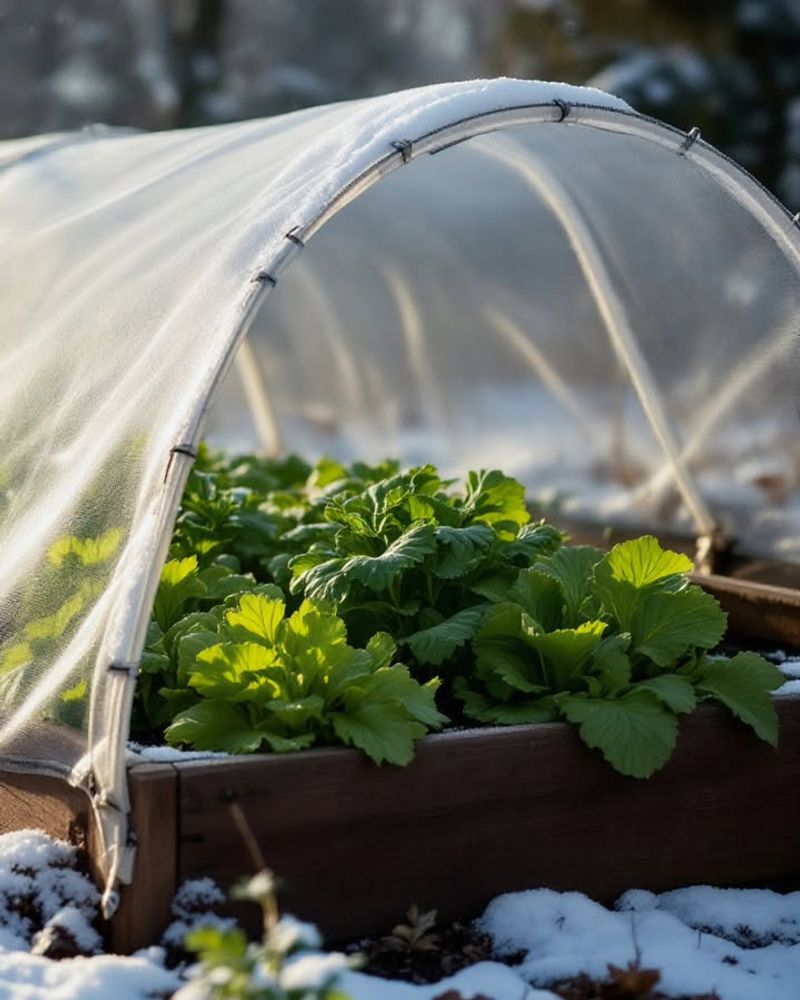
February freezes strike Texas with little warning, catching unprepared gardeners off guard. Tender plants including citrus trees, tropical ornamentals, and early vegetables suffer severe damage when temperatures drop below freezing.
Replacing damaged plants costs significantly more than investing in simple freeze protection materials. A single hard freeze can destroy hundreds of dollars worth of landscaping in one night across Texas yards.
South Texas gardeners face particular challenges because mild winters create false confidence. Citrus trees, bougainvillea, and other tender species thrive for years until an unexpected freeze sweeps through.
The financial and emotional loss of established plants hurts deeply. Central Texas gardeners know freezes will happen but often misjudge timing, removing protection too early when February warmth arrives.
North Texas residents sometimes give up on tender plants entirely, missing opportunities to grow borderline species with proper protection.
Frost cloth provides affordable insurance against freeze damage. This lightweight fabric allows light and moisture through while trapping heat around plants.
A single piece of quality frost cloth lasts many years, protecting plants through numerous freeze events.
Proper installation matters tremendously because cloth must reach the ground to trap heat effectively. Simply draping fabric over plants without securing edges provides minimal protection.
Additional protection methods include wrapping trunks, adding mulch around root zones, and using Christmas lights under covers for extra heat. Texas gardeners who monitor weather forecasts and protect tender plants proactively save enormous amounts of money.
The cost of freeze protection materials represents a tiny fraction of replacement plant expenses. Established citrus trees, palm trees, and tropical specimens cannot be replaced quickly or cheaply.
Smart February freeze protection preserves valuable landscaping investments throughout unpredictable Texas winters.
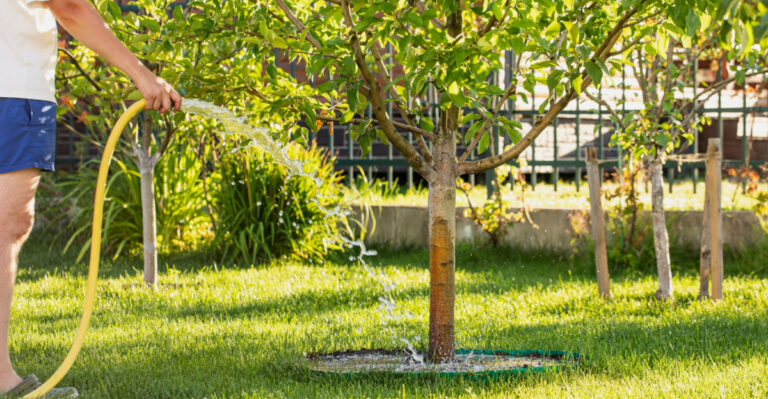
7. Watering On An Inflexible Schedule Instead Of Actual Need
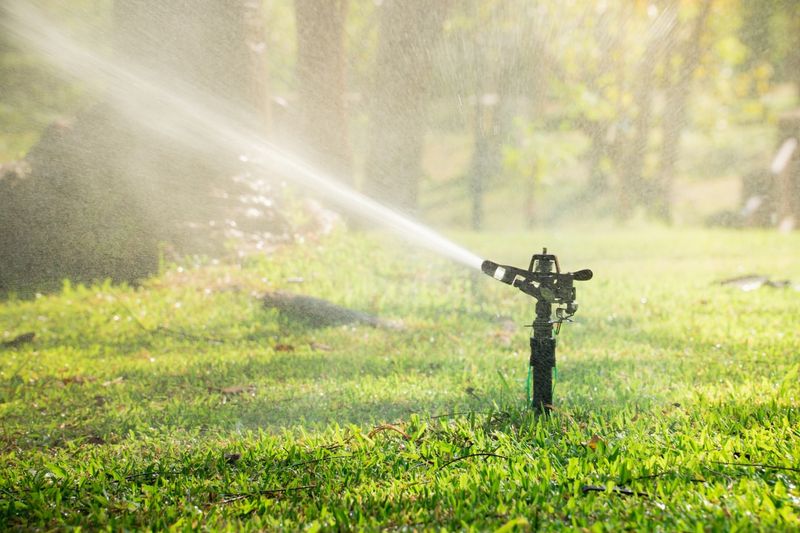
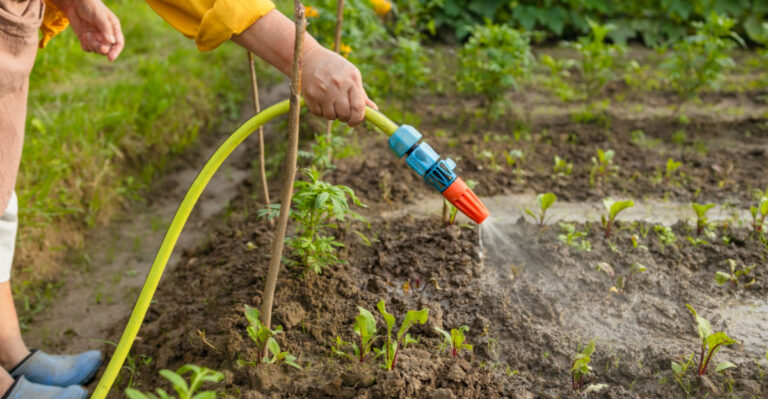
Automatic irrigation systems provide tremendous convenience but create expensive problems when run without regard to actual weather conditions. February in Texas brings variable precipitation, from heavy rains to extended dry spells.
Continuing summer watering schedules during this transitional month wastes water and money while potentially harming plants.
Overwatering causes more plant problems than underwatering, especially during cooler months when evaporation rates drop significantly.
Water bills climb unnecessarily when irrigation systems run during rainy periods. Many Texas homeowners forget to adjust controllers or don’t realize their systems lack rain sensors.
Water pours onto already-saturated soil, running off into streets and storm drains. This wasteful practice costs money directly through higher utility bills and indirectly through potential fines in cities with water restrictions.
The environmental impact adds another layer of concern as Texas faces ongoing water supply challenges.
Plant health suffers from excessive February watering just as much as wallets do. Cool temperatures slow plant growth and water uptake dramatically.
Soil stays wet longer, creating perfect conditions for root rot and fungal diseases. Lawns develop shallow root systems when watered too frequently, making them less drought-tolerant when summer arrives.
Established trees and shrubs need minimal supplemental water during February unless extended dry periods occur.
Smart watering practices save money while improving plant health across Texas landscapes. Install rain sensors on automatic systems to prevent operation during wet weather.
These devices cost less than fifty dollars and pay for themselves quickly through reduced water bills. Check soil moisture before watering rather than following rigid schedules.
Stick your finger three inches into soil near plants. If soil feels moist, skip watering regardless of your usual schedule.
Texas gardeners who water based on actual need rather than habit enjoy lower bills and healthier landscapes throughout February and beyond.