Why Florida Gardens Don’t Work Like They Used To
Florida gardens used to feel predictable. Plant in season, water regularly, and watch things grow.
Lately? Not so much.
Heat waves hit earlier, rain patterns feel off, pests show up stronger, and soil seems harder to work with than it used to be. Many longtime gardeners are noticing that old methods don’t deliver the same results anymore.
What worked ten years ago can struggle today. Between changing weather, rising temperatures, and shifting growing conditions, Florida yards are playing by new rules.
Understanding what’s changed is the first step to growing smarter instead of getting frustrated. The reasons behind this shift are eye-opening, and once you see them, your approach to gardening may never be the same again.
1. Florida’s Soil Isn’t What It Used To Be
Walk into an older Florida neighborhood and dig into the garden beds. You’ll often find soil that appears darker and more fertile because homeowners have added compost and organic matter over decades.
Now visit a newly built subdivision and try the same thing.
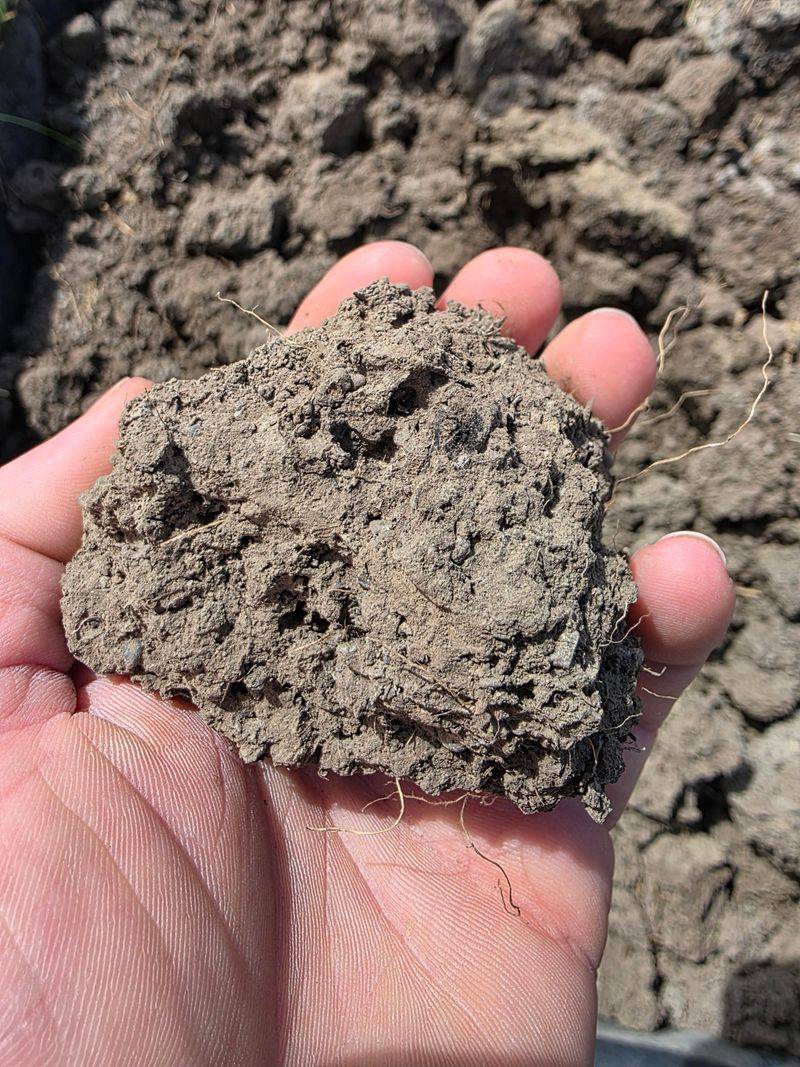
What you’ll encounter is compacted sand or fill dirt that barely holds moisture. Construction equipment packs down whatever topsoil existed, and builders rarely replace what gets scraped away during development.
Your shovel hits hardpan just inches below the surface.
Central Florida has seen explosive residential growth, and each new community means thousands of yards starting from scratch with poor soil structure. South Florida’s naturally rocky limestone base makes the challenge even tougher.
North Florida gardeners face clay layers that turn concrete-hard in summer.
University of Florida IFAS Extension recommends adding three to four inches of compost annually to rebuild soil quality. Without that organic matter, roots can’t penetrate deeply enough to access water during dry spells.
Your plants aren’t failing because you’re doing something wrong. The foundation many gardeners start with has changed due to modern construction practices.
2. New Construction Has Changed Backyard Conditions
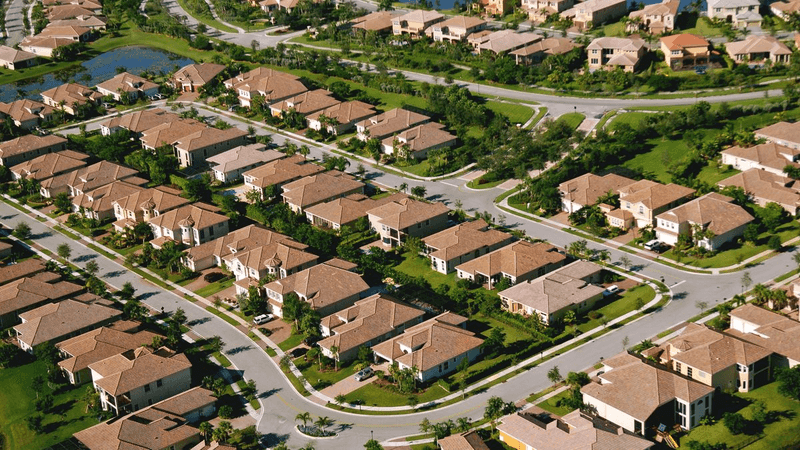
Older Florida homes often sit on quarter-acre lots with established trees providing afternoon shade. Newer developments pack houses closer together with smaller yards and fewer mature plants.
The difference affects how your garden performs in ways most homeowners don’t immediately connect.
Those missing trees mean your yard absorbs more direct sunlight throughout the day. Soil temperatures climb higher, evaporation happens faster, and heat-sensitive plants struggle even with regular watering.
Concrete driveways and sidewalks now cover more ground, radiating stored heat well into the evening.
The Florida-Friendly Landscaping Program notes that thoughtful site planning includes preserving existing vegetation whenever possible. But in many new neighborhoods, that ship has sailed.
Your backyard starts as a blank slate in full sun with minimal windbreaks.
Adapting means choosing plants rated for your actual light conditions rather than what older gardening books recommend. Shade lovers need morning sun locations now.
Heat-tolerant natives become essential rather than optional. Your great-grandmother’s camellia collection might not survive where a firebush thrives beautifully instead.
3. Water Restrictions Limit Traditional Gardening Methods
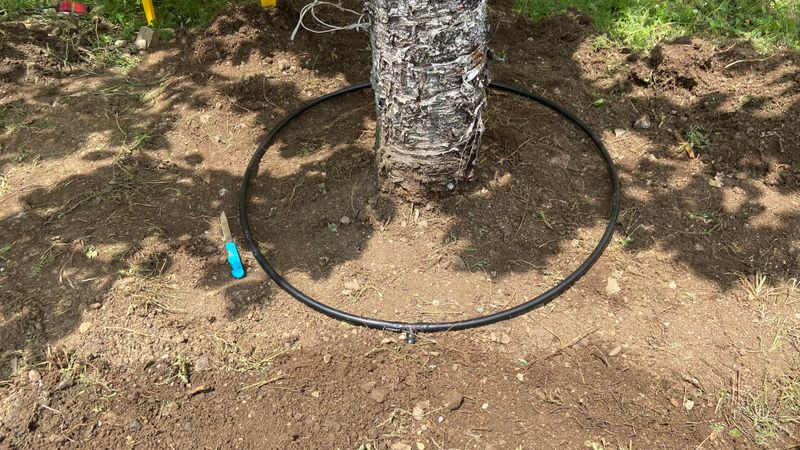
Twenty years ago, most Florida gardeners could water their lawns and gardens any day they wanted. Today, most regions of Florida operate under irrigation schedules set by local water management districts, often limiting lawn watering to certain days of the week.
Your Florida Garden Changes Every Week. Your Plan Should Too.
Gardening in Florida changes quickly throughout the season. Every Friday you’ll receive a simple weekly plan showing exactly what to plant, prune, fertilize, harvest, and protect so you never miss the right timing.
Some communities enforce even stricter schedules during drought periods.
Traditional gardening advice assumed you could water whenever plants looked thirsty. That flexibility no longer exists across much of the state.
Your irrigation timer now dictates plant care more than plant needs do.
Florida’s water management districts and state agencies enforce these rules to reduce water demand and protect long-term water supplies. Groundwater levels have experienced stress in some fast-growing and coastal regions, and saltwater intrusion threatens coastal wells.
Water conservation measures are increasingly enforced through local regulations and watering restrictions.
This shift means your plant selection matters more than ever before. Thirsty annuals that need daily watering during summer simply aren’t practical anymore.
Drought-tolerant perennials, native grasses, and deep-rooted shrubs handle restricted watering schedules much better. Mulch becomes critical for moisture retention between allowed watering days.
Gardeners who haven’t adjusted their expectations keep replanting the same struggling varieties, wondering why results keep disappointing. The rules changed, and successful gardens now work within those new limitations rather than against them.
4. Planting Seasons Are Less Predictable Now
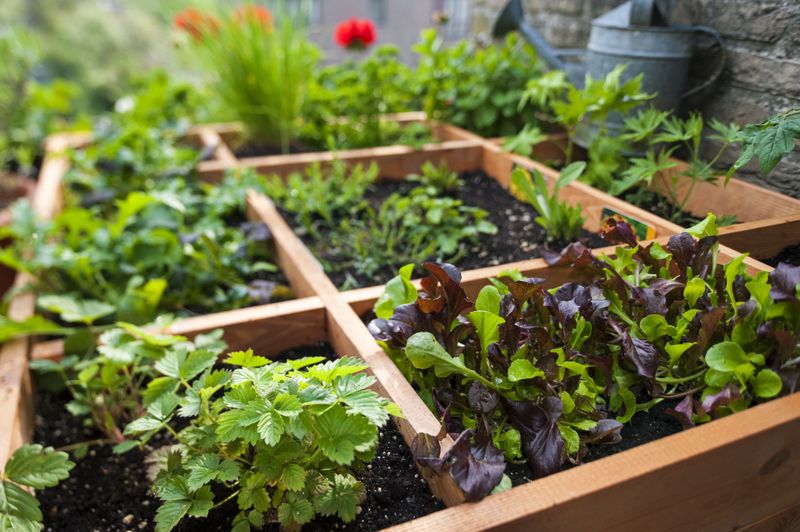
Experienced Florida gardeners used to rely on predictable frost dates and seasonal temperature patterns. North Florida gardeners planted cool-season crops after Thanksgiving.
South Florida residents started tomatoes in October. Central Florida fell somewhere in between with reliable timing.
Recent years have scrambled those patterns noticeably. Warm spells in January fool plants into early blooming, then late cold snaps damage tender growth.
Spring arrives three weeks early one year, then two weeks late the next. Fall planting windows shift unpredictably.
University of Florida and NOAA climate data show increasing average temperatures and more frequent weather variability across Florida. Your grandmother’s planting calendar doesn’t account for these fluctuations.
Seeds germinate too early or too late. Transplants bolt unexpectedly when temperatures spike.
Smart gardeners now watch actual weather patterns more closely than historical averages. They start seeds in batches rather than all at once, hedging against unpredictable conditions.
Succession planting spreads risk across several weeks instead of betting everything on one traditional date.
This doesn’t mean Florida gardening has become impossible. It means flexibility matters more than rigid scheduling now.
Your garden succeeds when you respond to current conditions rather than expecting the past to repeat itself perfectly.
5. Pests And Diseases Are More Aggressive
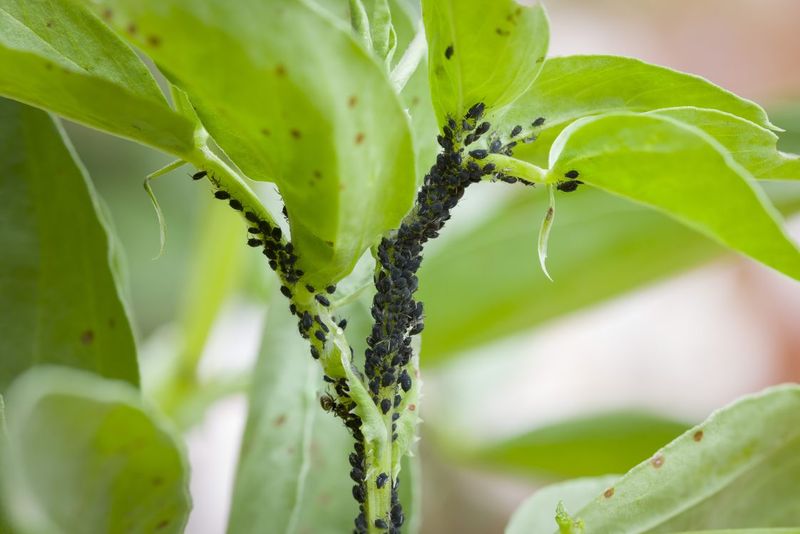
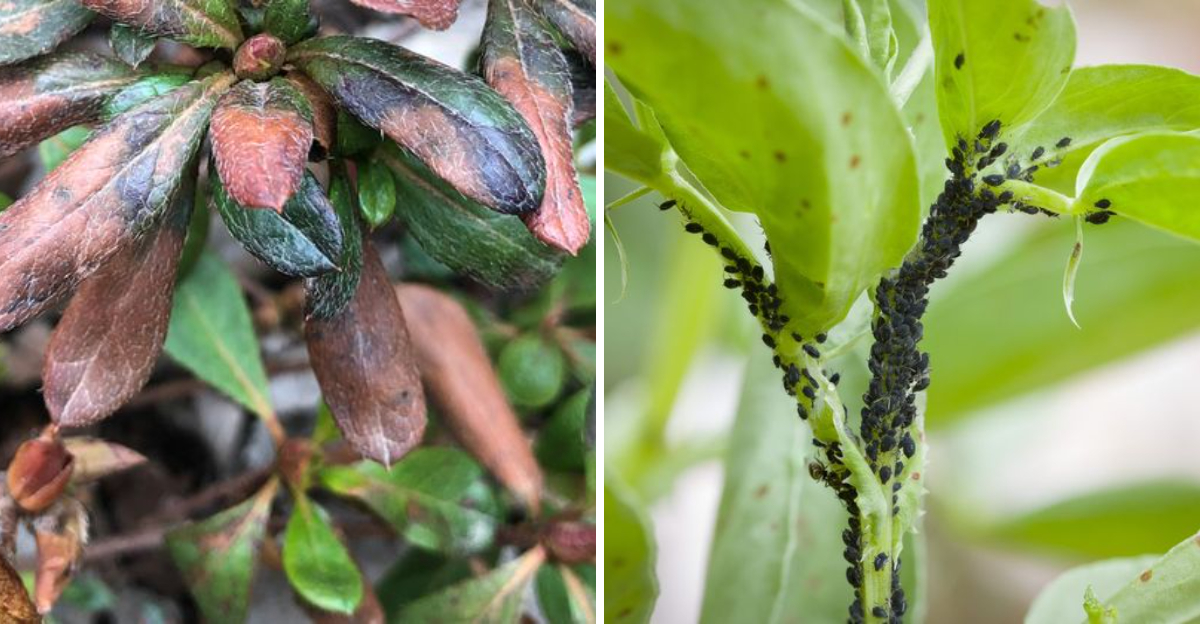
Your neighbor mentions her tomatoes got wiped out by early blight in just two weeks. Down the street, someone else lost entire citrus trees to greening disease.
Pests that used to show up occasionally now arrive in overwhelming numbers each season.
Warmer winters no longer provide the hard freezes that once knocked back insect populations across Florida. Mild temperatures allow many pests to survive winter and reproduce over longer seasons instead of being knocked back by cold weather.
Disease organisms that previously stayed in check now thrive in extended humid periods.
UF IFAS research documents increased pressure from invasive species like whiteflies, mealybugs, and various beetles that arrived in Florida within the last two decades. These newcomers often lack natural predators here, allowing populations to explode quickly.
Native pests also benefit from climate conditions that favor multiple generations per year.
Chemical controls that worked reliably before now face resistance issues from overuse. Integrated pest management becomes essential rather than optional.
Choosing disease-resistant plant varieties matters more than ever. Regular scouting catches problems before they become catastrophic.
Gardeners who ignore these changes keep fighting losing battles against increasingly aggressive threats. Success requires accepting that pest management now demands more attention and different strategies than it did a generation ago.
6. Urban Heat Makes Gardens Harder To Maintain
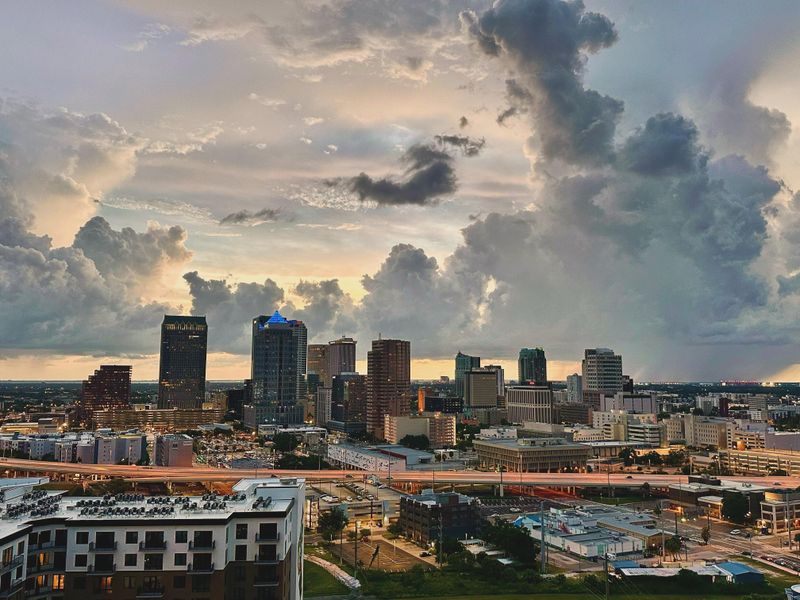
Stand in a Tampa or Orlando neighborhood on a summer afternoon and you’ll often experience higher localized heat compared to nearby less-developed areas. Buildings, roads, and parking lots absorb sunlight all day, then release that stored heat for hours after sunset.
Your backyard sits in the middle of this heat island effect.
Older Florida communities with mature tree canopies stay noticeably cooler than newer developments. South Florida’s dense urban sprawl intensifies the problem across entire counties.
Even North Florida cities experience significant heat island impacts during summer months.
Plants transpire faster in these elevated temperatures, losing moisture through their leaves at accelerated rates. Soil dries out more quickly.
Irrigation that used to be adequate now falls short. Heat-sensitive varieties simply can’t cope with the extra thermal stress.
The Florida-Friendly Landscaping Program emphasizes the cooling benefits of proper tree placement and adequate mulching. Shade trees planted strategically can reduce surface temperatures and create cooler microclimates that may be several degrees cooler than unshaded areas.
Mulch insulates soil from direct sun exposure.
Your garden struggles not just because summers feel hotter overall, but because urban development has amplified heat in concentrated ways.
Adapting means choosing heat-tolerant plants and creating microclimates through thoughtful landscape design rather than fighting impossible conditions.
7. Pollinators Are Less Common Than Before
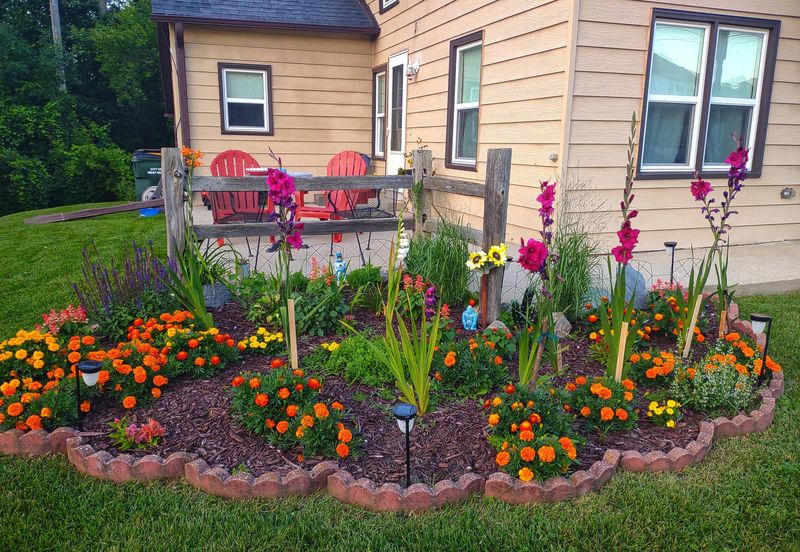
Remember when butterfly bushes attracted clouds of monarchs and swallowtails every summer? When bumblebees worked every flower in your vegetable garden?
Many Florida gardeners notice fewer pollinators visiting their yards now, even when they plant flowers specifically to attract them.
Habitat loss from development plays a major role. Subdivisions replace natural areas where pollinators once nested and fed.
Pesticide use in surrounding landscapes affects populations across entire neighborhoods. Climate shifts alter the timing between when plants bloom and when pollinators emerge.
University of Florida and national research show declines in some pollinator species and habitat availability, reflecting broader national trends. Native bee species face particular challenges as their specialized food sources disappear.
Butterfly populations fluctuate dramatically from year to year based on weather patterns and habitat availability.
Your tomatoes still need pollination to produce fruit. Squash plants require pollinator visits.
Fruit trees depend on bees and other insects for successful crops. Reduced pollinator activity directly impacts garden productivity in ways most homeowners don’t immediately recognize.
Creating pollinator-friendly spaces requires more than just planting a few flowers now. It means providing diverse native plants, avoiding pesticides, offering water sources, and leaving some areas undisturbed for nesting.
Your garden becomes part of a larger conservation effort rather than just a personal hobby space.
8. Traditional Plant Choices Require More Care Than Before
Azaleas used to be Florida gardening staples, lining driveways and foundation plantings throughout the state. Impatiens filled shady beds with reliable color.
Roses bloomed predictably with standard care routines. Gardeners planted these classics because they always worked before.
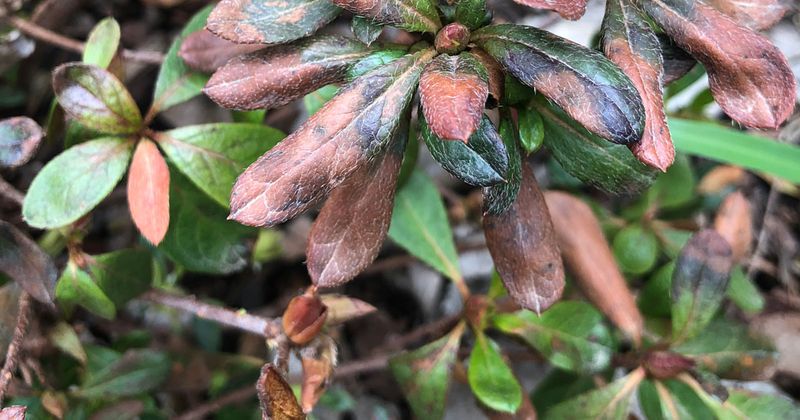
Now those same varieties often require more careful site selection and maintenance to perform well. Azaleas can suffer from prolonged heat stress and inconsistent rainfall, especially in full sun locations.
Impatiens face devastating downy mildew that wasn’t a problem decades ago. Roses battle fungal diseases that thrive in Florida’s extended humid periods.
UF IFAS recommendations increasingly emphasize native and Florida-adapted plants over traditional ornamental choices. Coontie, firebush, muhly grass, and beautyberry handle current conditions far better than imports that evolved in cooler, more predictable climates.
These alternatives offer beauty while requiring less maintenance and fewer inputs.
Letting go of beloved traditional plants feels like giving up for many gardeners. But clinging to varieties that no longer thrive in changed conditions guarantees disappointment.
Your grandfather’s gardening success came from choosing plants suited to the Florida that existed then. Your success requires the same practical approach for the Florida that exists now.
Adaptation doesn’t mean accepting ugly landscapes. It means discovering new favorites that actually flourish in current backyard realities.
9. Neighborhood Rules Affect What Homeowners Can Grow
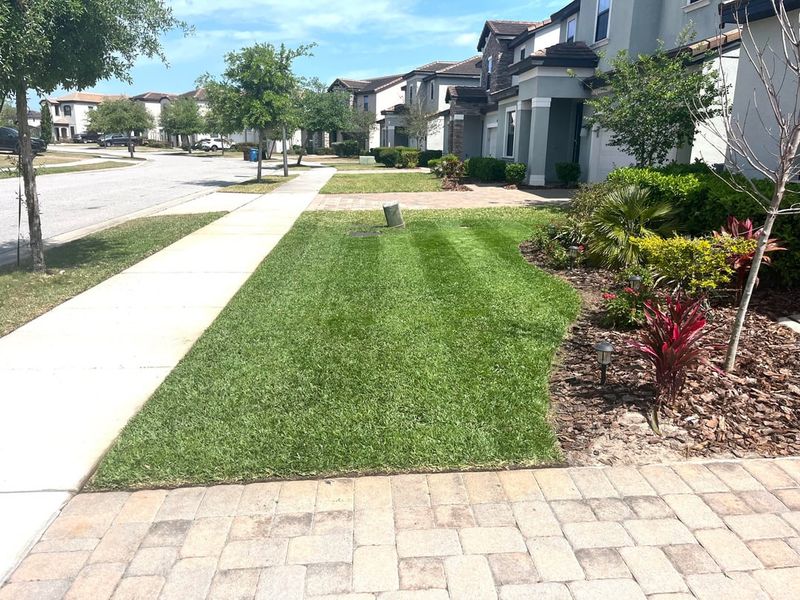
Older Florida neighborhoods often have few restrictions on what homeowners can plant. You’ll see vegetable gardens in front yards, diverse native plantings, and creative landscape designs.
Move into a newer planned community and you’ll face pages of homeowner association rules dictating everything from grass height to approved plant lists.
Many HOAs require maintained turf grass covering most of the yard. They prohibit vegetable gardens visible from the street.
Some even restrict native plants that don’t fit conventional landscape aesthetics. These rules directly conflict with water-smart, Florida-friendly gardening practices that environmental agencies now recommend.
The tension between HOA requirements and sustainable gardening creates frustration for environmentally conscious homeowners. You want to reduce water use and support pollinators, but your neighborhood rules demand high-maintenance lawns and ornamental-only plantings.
Central Florida’s exploding planned communities amplify this issue across thousands of properties.
Some Florida municipalities protect vegetable gardens from city code enforcement issues, though homeowner association rules may still apply. The Florida-Friendly Landscaping Program works to educate HOAs about sustainable alternatives.
Progress happens slowly, though, and many gardeners still face limitations that make responsible plant choices difficult or impossible.
Your garden doesn’t just respond to environmental conditions anymore. It also navigates legal and social restrictions that didn’t exist in previous generations of Florida gardening.