These Shrubs Keep Your Georgia Yard Looking Good With Less Work
Do you ever look at certain Georgia yards and wonder why they still look neat while yours always seems to need work?
It often feels like those homeowners are outside every weekend trimming, watering, and fixing things.
Most of the time, that isn’t what’s happening at all. The difference usually comes down to shrub choice, not extra effort.
Some shrubs naturally hold their shape, handle Georgia’s heat and humidity, and bounce back without constant attention. When those are in the ground, the yard keeps its structure even when maintenance slips.
These shrubs are known for staying attractive through the seasons while asking very little from you.
1. Boxwood
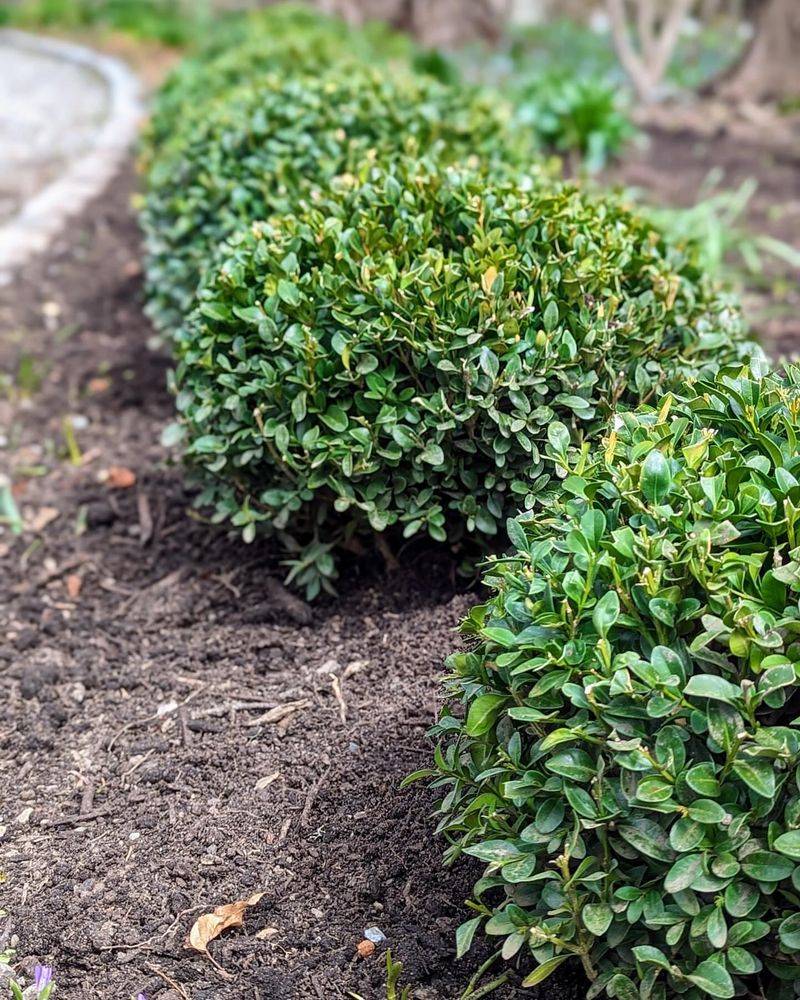
Few shrubs have earned their reputation in Southern gardens quite like this one. These evergreen workhorses maintain their rich green color through all four seasons without demanding constant care.
Your neighbors will think you spend hours maintaining them when really they’re just naturally tidy.
Most varieties grow slowly and predictably, which means less frequent trimming for you. They adapt well to Georgia’s clay soil once established and tolerate both sun and partial shade.
This flexibility makes them perfect for almost any spot in your yard.
Watering needs drop significantly after the first year, especially if you add mulch around the base. Boxwoods rarely need fertilizing in Georgia’s nutrient-rich soil.
Pests generally leave them alone too, though occasional leaf miner issues can pop up.
The classic rounded shape develops naturally without much intervention from you. Light shaping once or twice yearly keeps them looking crisp and formal.
Many Georgia gardeners simply let them grow into their natural form.
Varieties like ‘Green Velvet’ and ‘Wintergreen’ handle Georgia summers particularly well. They provide structure and definition to garden beds year-round.
Foundation plantings benefit greatly from their reliable presence.
Root systems establish deeply over time, making them increasingly drought-tolerant. Winter freezes rarely damage properly established boxwoods in Georgia.
Their longevity means you’re investing in decades of easy beauty when you plant them.
Their dense growth also helps suppress weeds at the base, reducing how often you need to tidy up around them.
Once they’re settled in, boxwoods quietly do their job year after year with very little attention from you.
2. Camellia
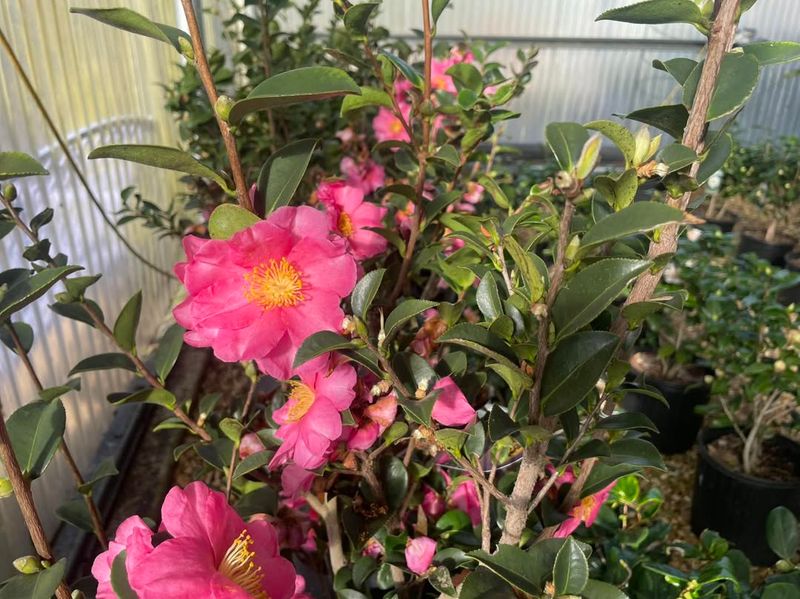
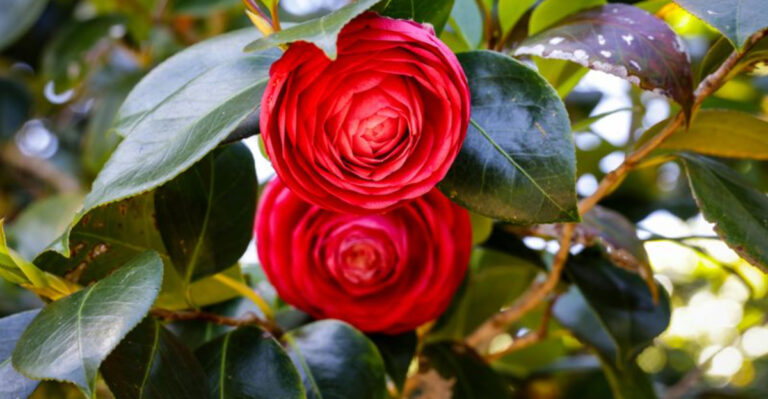
When most landscapes look bare and dull, this shrub suddenly steals the show. From late fall through early spring, these shrubs produce stunning flowers in shades of pink, red, white, and even variegated patterns.
Imagine having fresh blooms during the holidays without lifting a finger beyond basic care.
Georgia’s mild winters create perfect conditions for camellias to thrive with minimal fuss. They prefer the dappled shade under pine trees, which many Georgia properties already have.
Acidic soil that naturally occurs throughout much of the state suits them perfectly.
Once established, camellias need little supplemental watering except during extreme droughts. Their glossy evergreen foliage looks attractive even when flowers aren’t present.
Pruning requirements are minimal since they naturally form attractive shapes.
Sasanqua varieties bloom earlier and tolerate more sun than japonica types. Both perform beautifully across Georgia’s varied climate zones.
Your Georgia Garden Changes Every Week. Your Plan Should Too.
Gardening in Georgia changes quickly throughout the season. Every Friday you’ll receive a simple weekly plan showing exactly what to plant, prune, fertilize, harvest, and protect so you never miss the right timing.
Pests rarely bother well-sited camellias in the state.
Mulching with pine straw or pine bark helps maintain the acidic conditions they love. Fertilizing once in spring with an acid-loving plant food is typically sufficient.
Many Georgia gardeners report their camellias thriving with almost no intervention.
Mature plants can reach impressive sizes while maintaining manageable proportions. Their winter blooms provide crucial color when your yard needs it most.
Generations of Georgia families have passed down cherished camellia plants.
Because they bloom when little else does, camellias carry your landscape through the quietest months without extra effort or seasonal swaps.
Once established, they settle into a steady rhythm that rewards Georgia gardeners with reliable structure, glossy foliage, and winter color year after year.
3. Gardenia
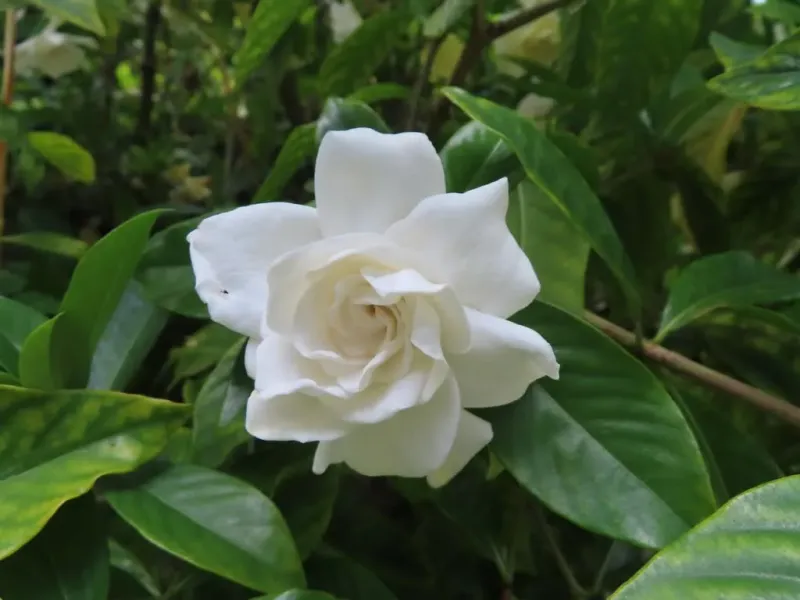
Few plants match the intoxicating fragrance gardenias release on warm Georgia evenings. Those creamy white blooms appear from late spring through summer, perfuming entire yards with their sweet scent.
Your outdoor living spaces become infinitely more enjoyable when gardenias are nearby.
Georgia’s humidity and warmth create ideal growing conditions for these Southern classics. They thrive in the partial shade found on the east or north side of most homes.
Morning sun with afternoon protection from intense heat keeps them happiest.
Established gardenias develop deep root systems that handle Georgia’s occasional dry spells reasonably well. Their glossy evergreen leaves provide year-round visual interest between bloom cycles.
Compact varieties like ‘Radicans’ stay small enough for tight spaces.
Acidic soil amendments at planting time set them up for long-term success. Regular mulching helps maintain consistent moisture without constant watering from you.
Many Georgia gardeners find gardenias surprisingly low-maintenance once properly established.
Blooms attract pollinators while the foliage remains dense and attractive. Pruning needs are minimal if you choose the right size variety for your space.
Light shaping after flowering keeps them tidy without major effort.
Whiteflies occasionally appear but rarely cause serious problems in Georgia. A strong spray from the hose usually handles minor pest issues.
The reward of those gorgeous, fragrant blooms far outweighs any small maintenance tasks these shrubs require.
4. Loropetalum
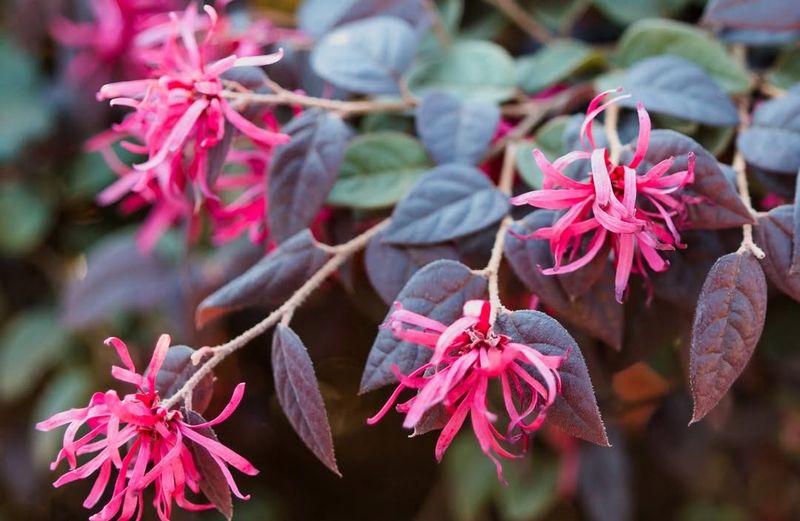
Some shrubs quietly earn their popularity by looking good with very little effort. These colorful shrubs offer purple or burgundy foliage that maintains its rich hue year-round without any special treatment.
Spring brings delicate pink fringe-like flowers that add an extra layer of beauty.
Varieties range from compact groundcovers to large screening plants, giving Georgia homeowners tremendous flexibility. They adapt to full sun or partial shade throughout the state.
Growth rates vary by cultivar, but all remain relatively easy to manage.
Drought tolerance improves dramatically after the first growing season in Georgia soil. These Chinese natives handle heat and humidity like they were made for Southern summers.
Pests and diseases rarely trouble them in residential landscapes.
Purple-leafed varieties provide striking contrast against green plants in mixed borders. Dwarf forms like ‘Purple Pixie’ work beautifully in containers or as edging plants.
Larger selections create excellent privacy screens or foundation plantings.
Pruning requirements depend mainly on your desired shape and size. Many Georgia gardeners simply let them grow naturally with occasional light trimming.
They respond well to shaping if you prefer a more formal appearance.
Fertilizing once yearly in spring keeps them vigorous and colorful. Their root systems establish quickly in Georgia’s climate.
Winter cold rarely damages them except in the state’s northernmost counties during extreme freezes.
Their consistent color means your yard keeps visual interest even when flowers fade or other plants slow down.
Once established, loropetalum asks very little in return for the year-round impact it delivers in Georgia landscapes.
5. Encore Azalea
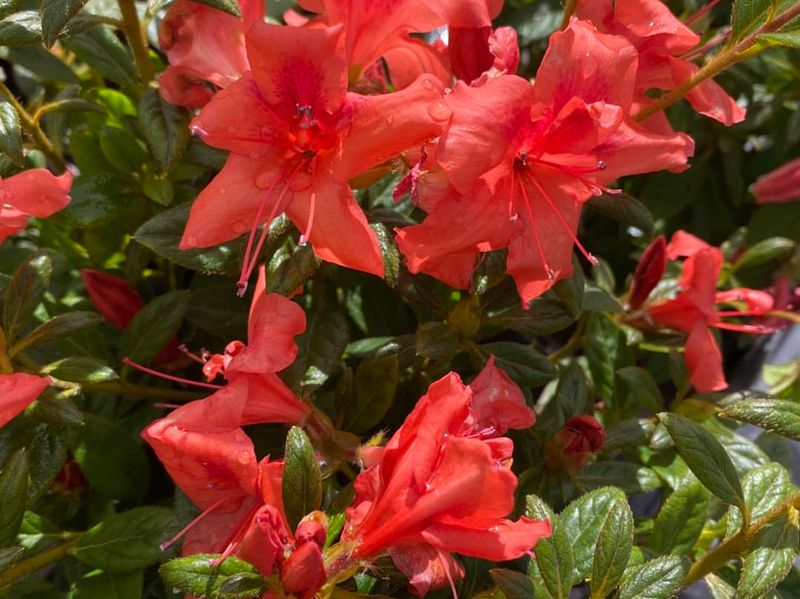
Seeing blooms return again and again changes what most people expect from azaleas.
Spring brings the first flush of flowers, then again in summer, and often a third time in fall. Imagine enjoying azalea blooms for months instead of just a few weeks.
Breeders specifically developed these hybrids to thrive in Southern conditions like those found throughout Georgia. They handle heat better than traditional azaleas while maintaining cold hardiness.
Dozens of color options let you customize your landscape exactly how you want it.
Compact growth habits mean less pruning work for you compared to older azalea varieties. They naturally form attractive rounded shapes without constant intervention.
Sizes range from small border plants to medium-sized foundation shrubs.
Georgia’s acidic soil suits them perfectly, especially when amended with organic matter at planting. Mulching helps maintain consistent moisture during establishment.
Mature plants handle dry periods better than most people expect.
Deer tend to avoid Encore azaleas more than traditional varieties, which matters in many Georgia neighborhoods. Lace bugs occasionally appear but rarely cause serious damage.
A balanced slow-release fertilizer in spring provides all the nutrition they need.
Partial shade produces the best results, though many varieties tolerate more sun than older azaleas. Their extended bloom season means your yard looks colorful when neighbors’ gardens have faded.
Removing spent flowers encourages additional blooming but isn’t strictly necessary.
6. Abelia
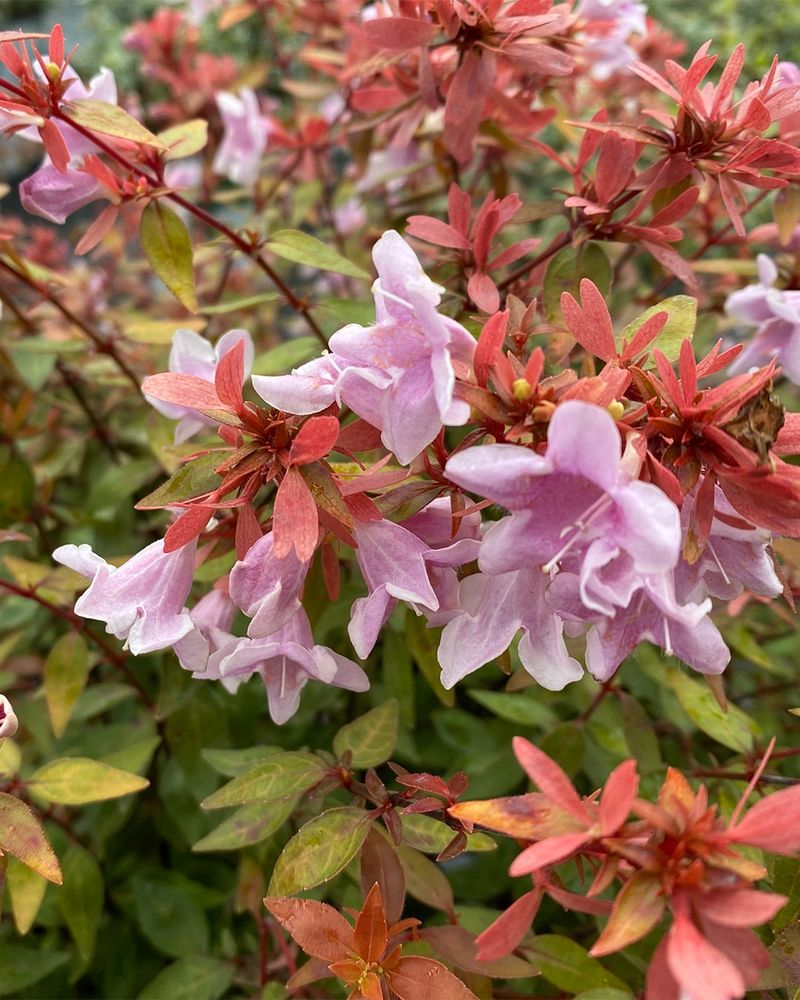
Reliability is underrated, especially when it comes with good looks. Glossy leaves create an attractive backdrop for delicate tubular flowers that bloom from late spring through fall.
Butterflies and hummingbirds visit regularly, adding movement and life to your yard.
These adaptable plants handle full sun to partial shade across Georgia without complaining. They tolerate clay soil, sandy soil, and everything in between once established.
Drought resistance improves each year as roots spread and deepen.
Newer compact varieties like ‘Kaleidoscope’ stay small enough for modern landscapes. Variegated foliage adds extra visual interest beyond the flowers.
Semi-evergreen nature means they hold most leaves through Georgia’s mild winters.
Pruning needs are minimal since they naturally form graceful arching shapes. Light trimming in early spring keeps them tidy if desired.
Many Georgia gardeners never prune their abelias and still enjoy beautiful plants.
Pests virtually ignore these tough shrubs in residential settings. Diseases rarely develop even during humid Georgia summers.
Their low-maintenance nature makes them perfect for busy homeowners.
Flowers attract beneficial pollinators throughout the growing season. Foliage often takes on bronze or burgundy tints during cooler months.
Growth rate is moderate, meaning they fill in nicely without becoming overwhelming.
Fertilizing is optional since they perform well in average Georgia soil. Mulching helps conserve moisture during establishment.
Mature plants require almost no care beyond occasional watering during severe droughts.
7. Holly (Dwarf Or Shrub Types)
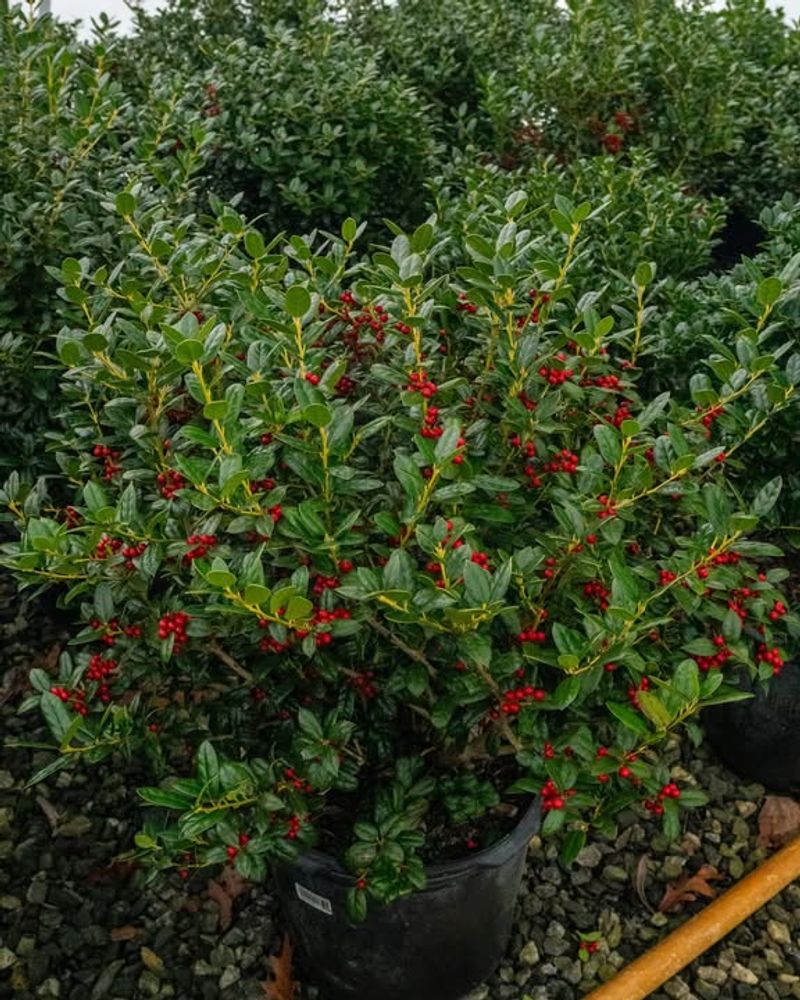
Year-round structure becomes much easier when a plant stays neat on its own. Varieties like ‘Carissa’ and ‘Soft Touch’ stay compact without constant pruning.
Glossy foliage looks fresh and attractive twelve months a year.
Many selections produce bright red berries that persist through winter, providing food for birds. Female plants need a nearby male pollinator for berry production.
Georgia’s climate suits hollies perfectly, from the mountains to the coast.
Spiny-leafed varieties deter unwanted traffic when planted under windows or along property lines. Spineless types work better near walkways and play areas.
Both types require similar minimal care once established.
Drought tolerance ranks high among holly’s many virtues in Georgia landscapes. Deep root systems access moisture other plants can’t reach.
Supplemental watering is rarely needed after the first year.
Hollies adapt to full sun or partial shade throughout the state. Growth rates vary by cultivar but remain manageable with occasional light pruning.
Their dense branching creates excellent privacy screens.
Pests rarely cause significant problems on hollies in Georgia. Scale insects occasionally appear but are easily controlled if caught early.
Proper spacing at planting prevents most disease issues.
Fertilizing once yearly in spring maintains vigorous growth and deep green color. They tolerate Georgia’s clay soil better than many other shrubs.
Winter interest from berries and evergreen foliage makes them valuable landscape plants.
Compact varieties fit perfectly into foundation plantings and mixed borders. Their formal appearance suits both traditional and contemporary landscapes across Georgia.
8. Oakleaf Hydrangea
Native roots make a noticeable difference in how easily a plant fits into Georgia landscapes.
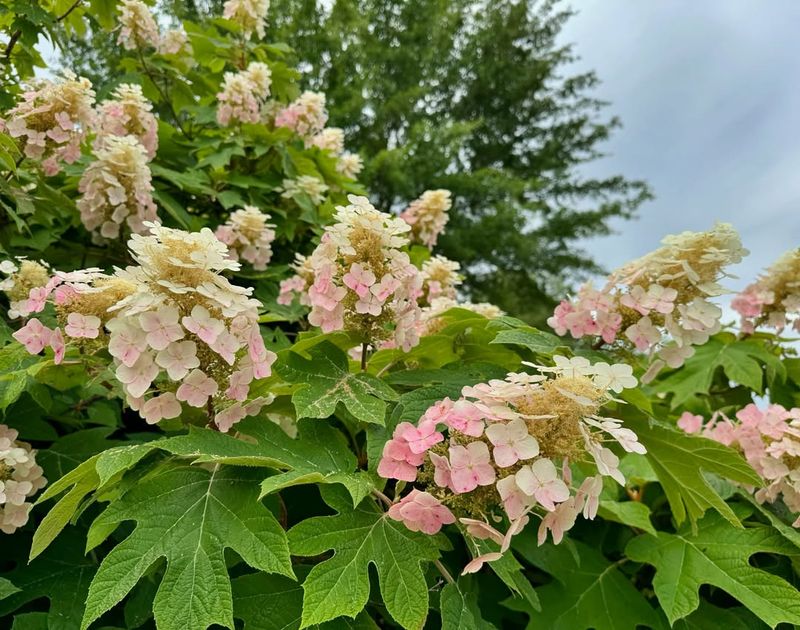
Large white flower clusters appear in late spring and gradually fade to pink and tan shades. Those dried flower heads provide interest well into winter if you leave them on the plant.
Distinctive oak-shaped leaves give this shrub its common name and create bold texture in the landscape. Fall brings spectacular color transformations from green to burgundy, orange, and purple.
Exfoliating bark on mature plants adds winter interest to your Georgia yard.
Partial shade suits them best, especially afternoon shade during Georgia’s hot summers. Morning sun encourages better flowering while protecting them from heat stress.
They tolerate more shade than most flowering shrubs.
Established plants handle dry periods reasonably well, though they appreciate occasional deep watering during droughts. Mulching helps maintain consistent soil moisture without constant attention from you.
Georgia’s naturally acidic soil suits them perfectly.
Pruning is rarely necessary since they develop attractive natural forms. Removing oldest stems at ground level every few years rejuvenates mature plants.
Flowers form on old wood, so any pruning should happen right after blooming.
Pests and diseases seldom trouble oakleaf hydrangeas in Georgia landscapes. Their native status means local insects and wildlife have evolved alongside them.
Deer occasionally browse young plants but usually leave established specimens alone.
Varieties range from compact four-foot shrubs to large specimens reaching eight feet or more. ‘Alice’ and ‘Snowflake’ produce especially impressive flower clusters. Their multi-season interest makes them valuable additions to Georgia yards.