7 Florida Plants To Prune This February And 4 To Leave Alone
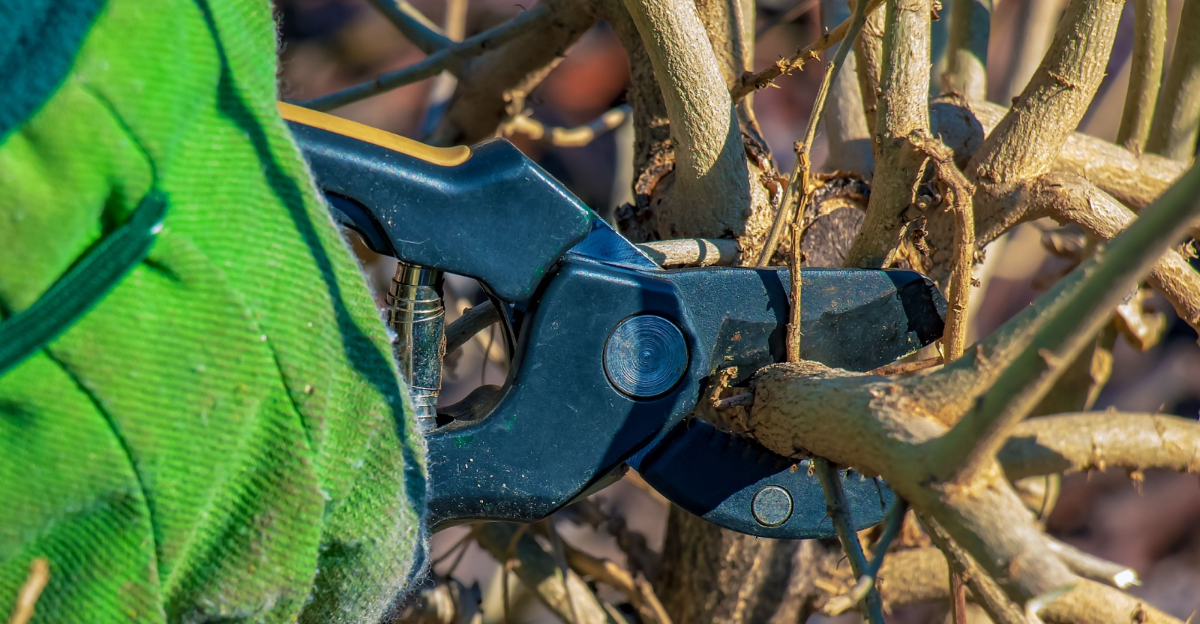
Florida friends, February is not just about cooler mornings and early blooms, it is prime time to get your garden looking amazing. One wrong cut can slow growth, destroy flowers, or invite pests, while the right trim can explode your yard with color and healthy new growth.
If you love lush hibiscus, thriving shrubs, and a landscape that turns heads, this is your moment. Some plants are begging for a fresh haircut right now, while others need space and patience to do their thing.
Knowing the difference saves time, money, and frustration. Grab your gloves, sharpen those pruners, and get ready to give your yard a serious glow-up.
Florida gardens move fast, and staying ahead of the season makes all the difference. Your plants are talking, and the signals are clear.
1. Roses Need A Fresh Start Trim
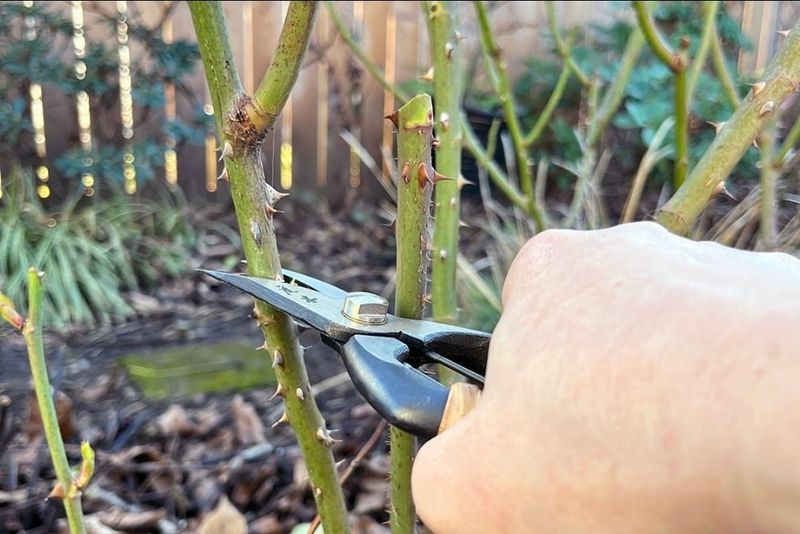
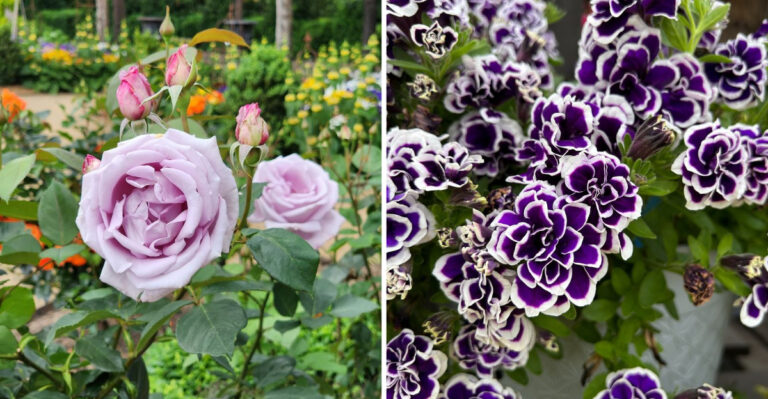
Your rose bushes look a bit scraggly right now, with last year’s canes showing their age through winter wear. Those stems have done their job, but February offers the perfect moment to refresh them before spring growth accelerates.
North Florida should wait until late February–early March, after frost danger has clearly passed, while Central and South Florida can start earlier in the month.
Cut away any damaged or crossing canes first, then reduce healthy growth by about one third. This encourages strong new shoots that produce better blooms.
Many homeowners hesitate to cut enough, leaving roses too dense for good air circulation.
Clean your shears between plants to prevent spreading disease. Make cuts at a 45-degree angle just above outward-facing buds.
Your roses will respond with vigorous spring growth and abundant flowers by April.
The cool February weather reduces stress on plants during pruning. New growth emerges cleaner and stronger when cuts happen before temperatures climb into the 80s consistently.
2. Crape Myrtles Benefit From Light Winter Shaping
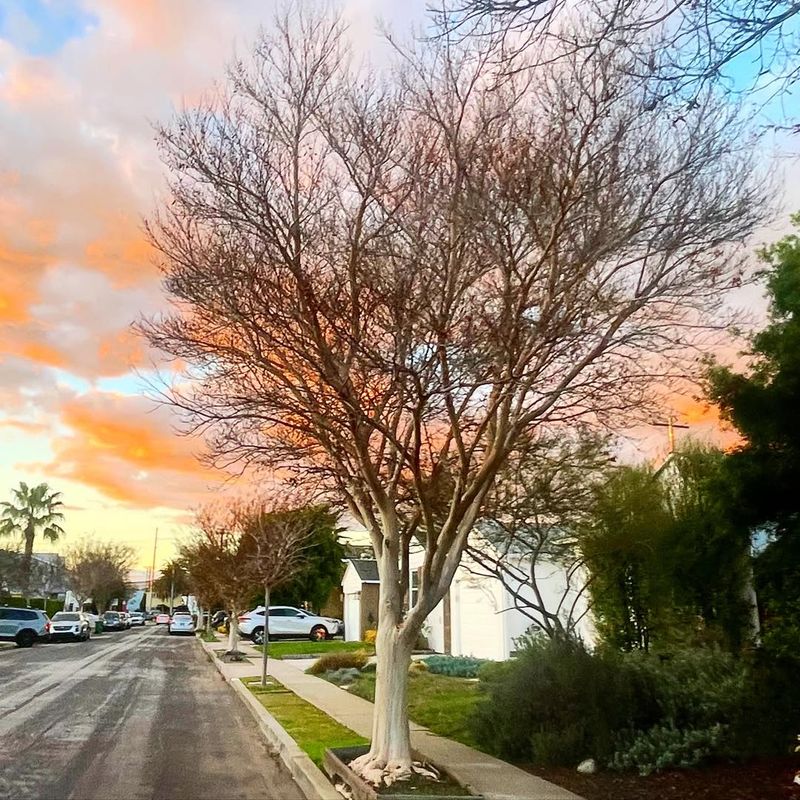
Walk past any crape myrtle in February and you notice something wonderful. The branches stand bare against blue sky, revealing the tree’s natural architecture without summer foliage hiding structural issues.
This visibility makes February ideal for thoughtful shaping rather than the harsh topping many gardeners mistakenly perform.
Remove only small crossing branches and any growth sprouting from the base. Crape myrtles bloom on new wood, so light pruning now encourages flowering without destroying the graceful form these trees naturally develop.
The biggest mistake homeowners make involves cutting back main trunks severely, creating ugly knobs that weaken the tree over time.
South Florida crape myrtles may already show tiny leaf buds by late February. North Florida gardeners have a slightly longer window before growth begins.
Either way, keep cuts minimal and strategic.
After pruning, your crape myrtle looks cleaner but still maintains its flowing branch structure. By summer, those carefully selected cuts translate into abundant bloom clusters on strong new growth.
3. Fruit Trees Love A Dormant Season Haircut
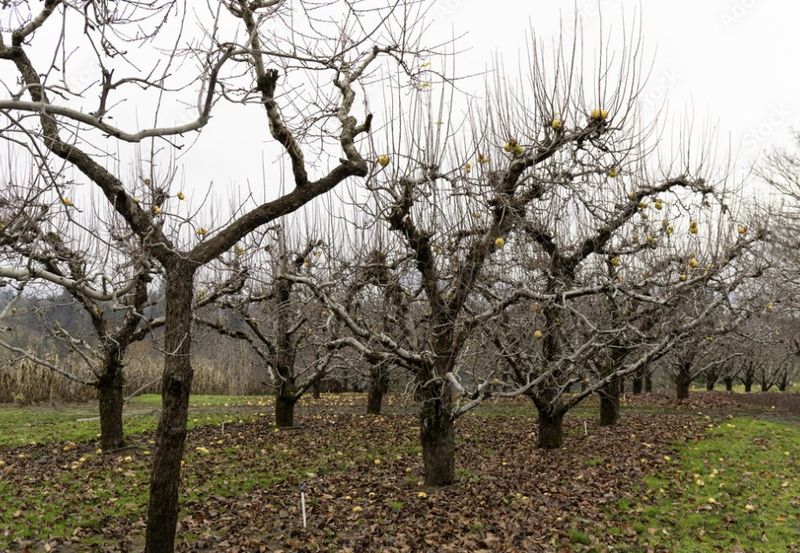
Peach and plum trees in your yard stand mostly bare right now, their branches etched against February sky. Look closely and you can see tiny buds beginning to swell along the wood.
Your Florida Garden Changes Every Week. Your Plan Should Too.
Gardening in Florida changes quickly throughout the season. Every Friday you’ll receive a simple weekly plan showing exactly what to plant, prune, fertilize, harvest, and protect so you never miss the right timing.
This dormant period before leaves emerge gives you the best opportunity all year to shape fruit trees for productivity and health.
Not all fruit trees in Florida are fully dormant in February. This timing applies mainly to peaches and plums.
Pears require extra sanitation to prevent fire blight.
Focus on opening up the center to allow sunlight and air circulation throughout the canopy. Remove any branches growing inward or rubbing against others.
Fruit trees pruned in February direct energy into fewer, better quality fruits rather than supporting excess unproductive wood.
North Florida gardeners should watch weather forecasts carefully. A hard freeze after pruning can damage fresh cuts and emerging buds.
Central Florida typically faces less risk by mid-February.
Sanitize your tools between trees to prevent spreading bacterial or fungal diseases. Make clean cuts just outside the branch collar without leaving stubs.
Your fruit trees respond with vigorous spring growth and improved fruit set by early summer.
4. Hibiscus And Summer Bloomers Want A Growth Boost Cut
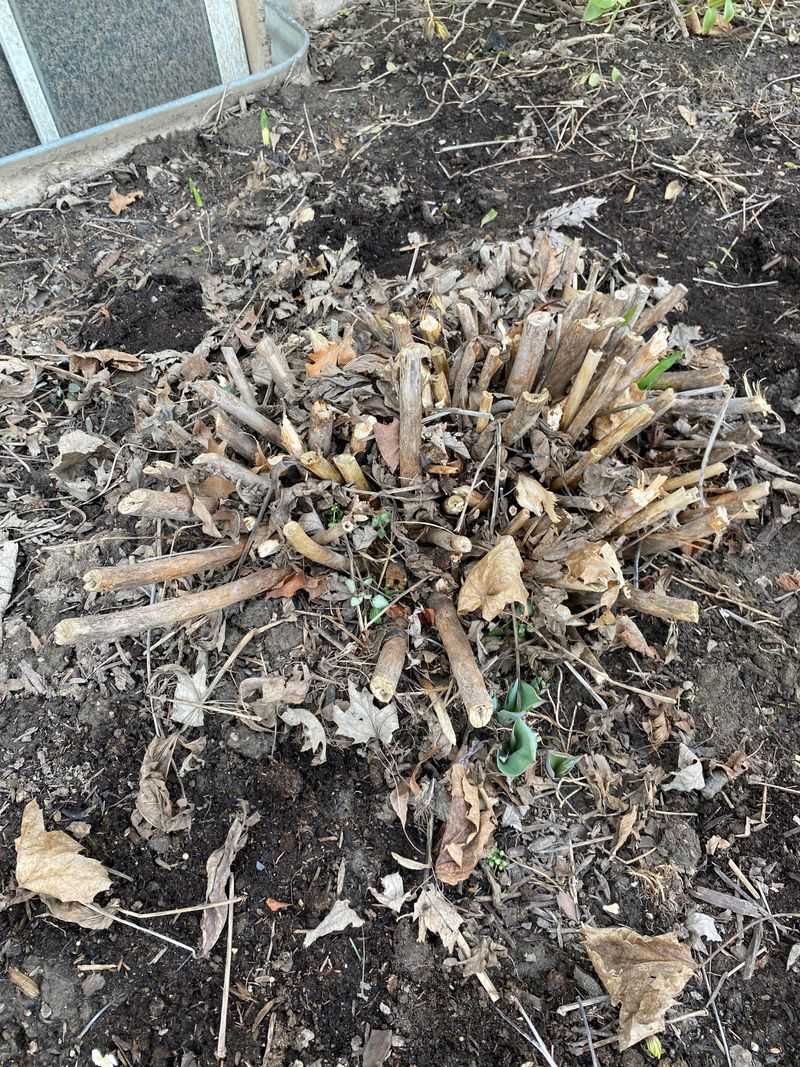
Hibiscus plants often look leggy and tired by February after months of sporadic winter blooming. Those long stems with sparse leaves signal a plant ready for renewal.
Late February pruning works in Central and South Florida. North Florida should wait until March when frost risk is over.
Cut back stems by one half to two thirds, depending on how woody and overgrown your hibiscus has become. New shoots emerge quickly from these cuts once nighttime temperatures stay consistently above 60 degrees.
The mistake many gardeners make involves pruning too early when cold snaps can still damage tender new growth. South Florida can prune earlier in February with less risk.
Watch your local forecast before making cuts. After pruning, hibiscus looks sparse for a few weeks.
Then explosive spring growth transforms those bare stems into lush, flower-covered plants. The same timing works for pentas, firebush, and other summer-blooming perennials in your landscape.
5. Ornamental Grasses Are Ready For A Full Reset
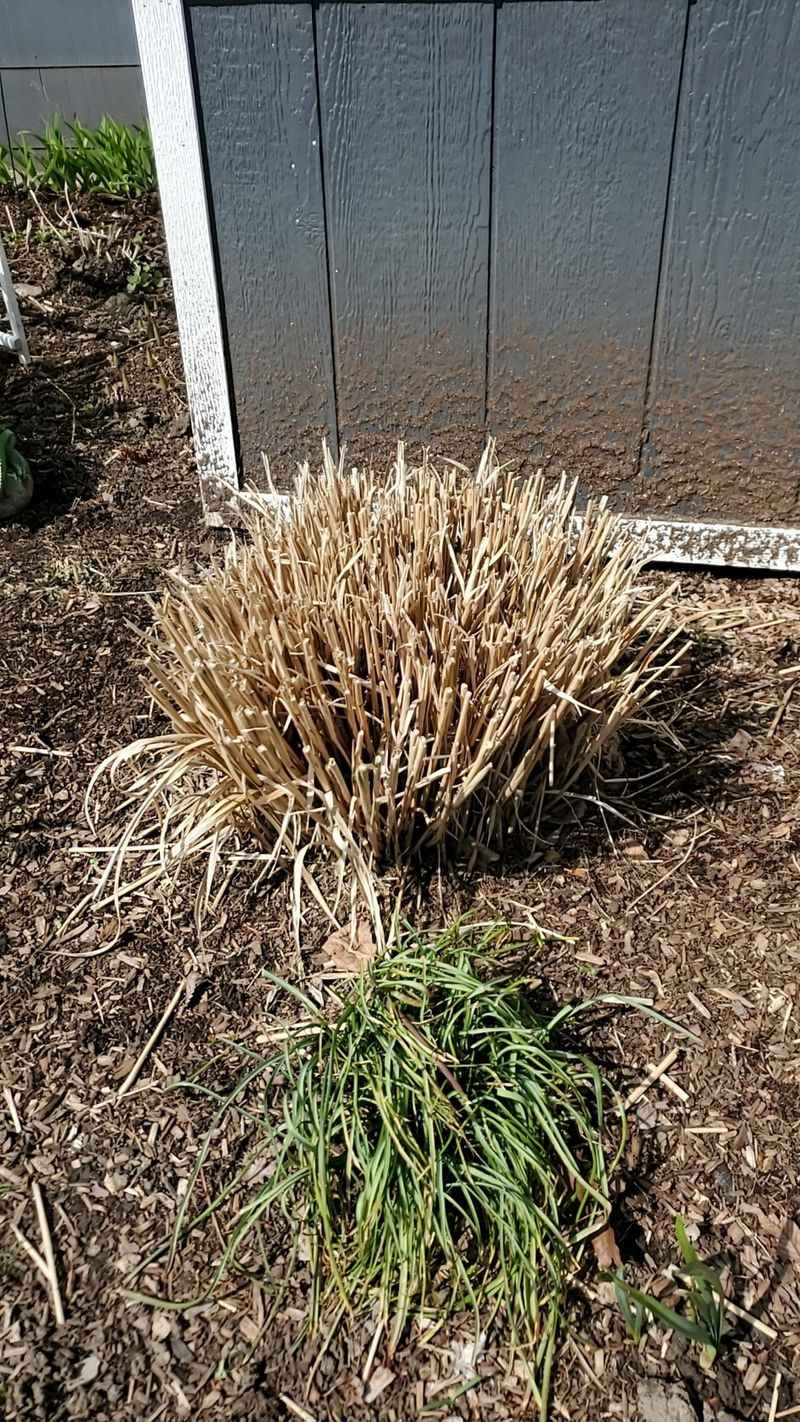
Your ornamental grasses stand in shaggy tan clumps right now, last year’s foliage bleached by winter sun. Beneath that dried growth, fresh green shoots are already pushing up from the crown.
February gives you the perfect window to cut away old foliage before new growth gets too tall and makes cleanup messy.
Use hedge shears or even a string trimmer to cut the entire clump down to about four inches above ground. Rake away the debris to expose those emerging shoots to sunlight.
Grasses respond to this hard cutback with vigorous spring growth that quickly fills in fuller and healthier than if you left old foliage in place.
Muhly grass, fountain grass, and liriope all benefit from February trimming. In South Florida, liriope is often evergreen and should only be lightly trimmed if heavily browned.
The cooler weather makes this heavy work more comfortable than waiting until March when temperatures climb. Wear gloves because dried grass blades can cut skin easily.
Within weeks, your grasses transform from shaggy mounds into fresh green fountains. By summer, they reach full size with better density than unpruned clumps ever achieve.
6. Deciduous Trees Appreciate Structural Cleanup Now
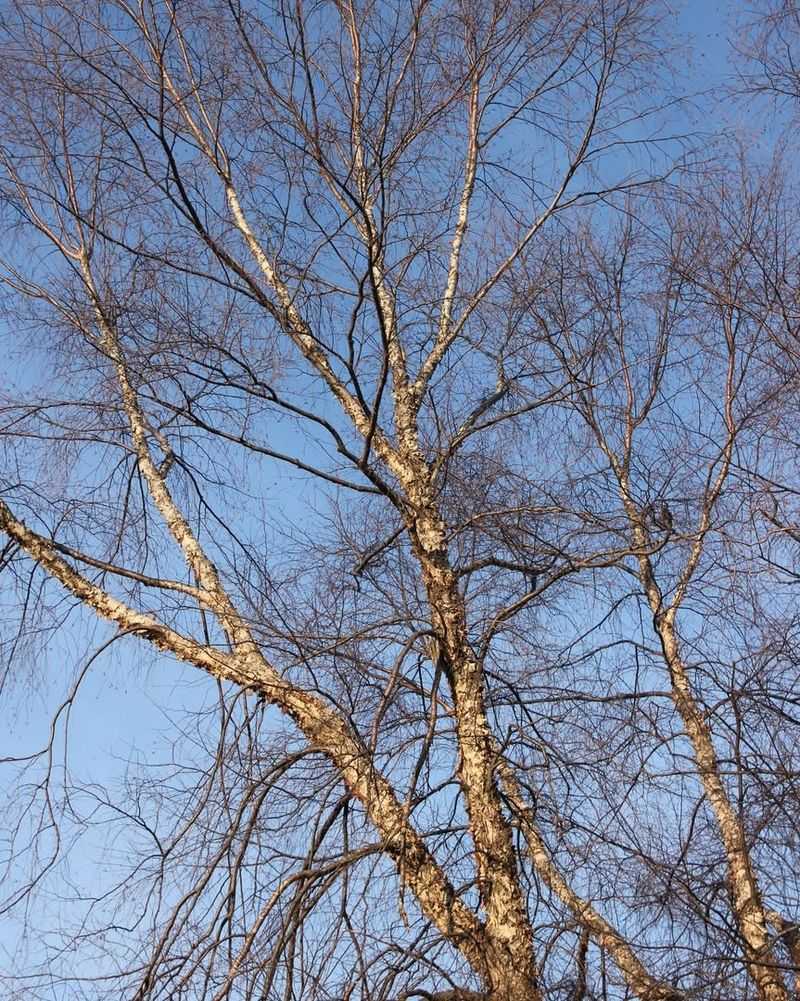
Look up into your deciduous shade trees on a February morning and you can see everything. Without leaves hiding the view, broken branches, awkward crossing limbs, and weak attachments become obvious.
This visibility makes late winter the ideal time for structural pruning that improves tree health and safety.
Remove any branches damaged by winter storms first. Then address limbs that rub against each other or grow at narrow angles that could split under future stress.
Deciduous trees tolerate pruning well during dormancy because sap flow remains minimal and wound response happens efficiently as spring approaches.
Avoid removing more than 25 percent of the canopy in a single season. Large cuts require professional arborists with proper equipment and training.
Focus your efforts on smaller branches you can reach safely from the ground or a stable ladder.
North Florida has more true deciduous trees than South Florida, where many species stay semi-evergreen. Either way, February pruning sets these trees up for strong spring growth with improved structure that lasts for years.
7. Non-Blooming Shrubs Thrive With Late-Winter Touch-Ups
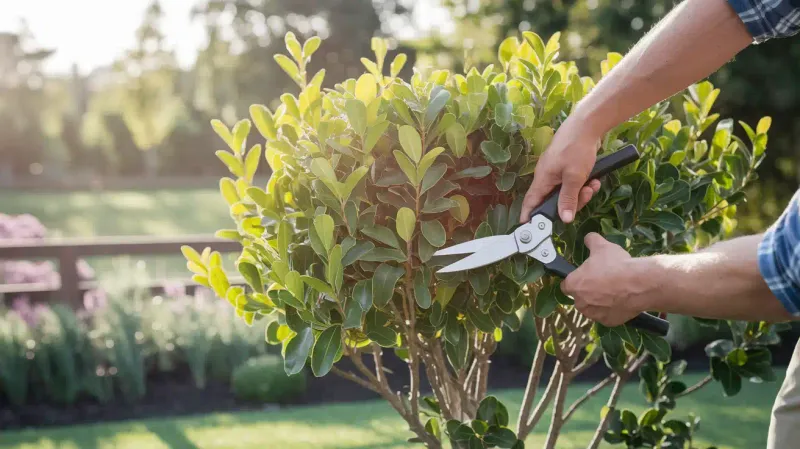
Shrubs grown for foliage rather than flowers give you more pruning flexibility than their blooming cousins. Walk around your landscape in February and you notice which shrubs have grown unevenly or developed bare spots through winter.
Late winter pruning encourages dense spring growth that fills in these problem areas beautifully.
Hollies, pittosporum, viburnum, and other evergreen shrubs respond well to February shaping. Remove any frost-damaged tips first, then lightly shape the overall form.
These plants push new growth readily once temperatures warm, quickly covering pruning cuts with fresh foliage.
The key difference from spring-blooming shrubs involves timing. Non-bloomers do not have flower buds at risk, so you can prune more freely.
Still avoid heavy cutting in North Florida until freeze risk has passed to prevent cold damage to new growth.
After pruning, your shrubs look slightly smaller and neater. Within six weeks, vigorous spring growth transforms them into dense, full plants.
This regular February maintenance prevents shrubs from becoming overgrown and requiring drastic renovation later.
8. Citrus Trees Should Stay Uncut Until Warm Weather
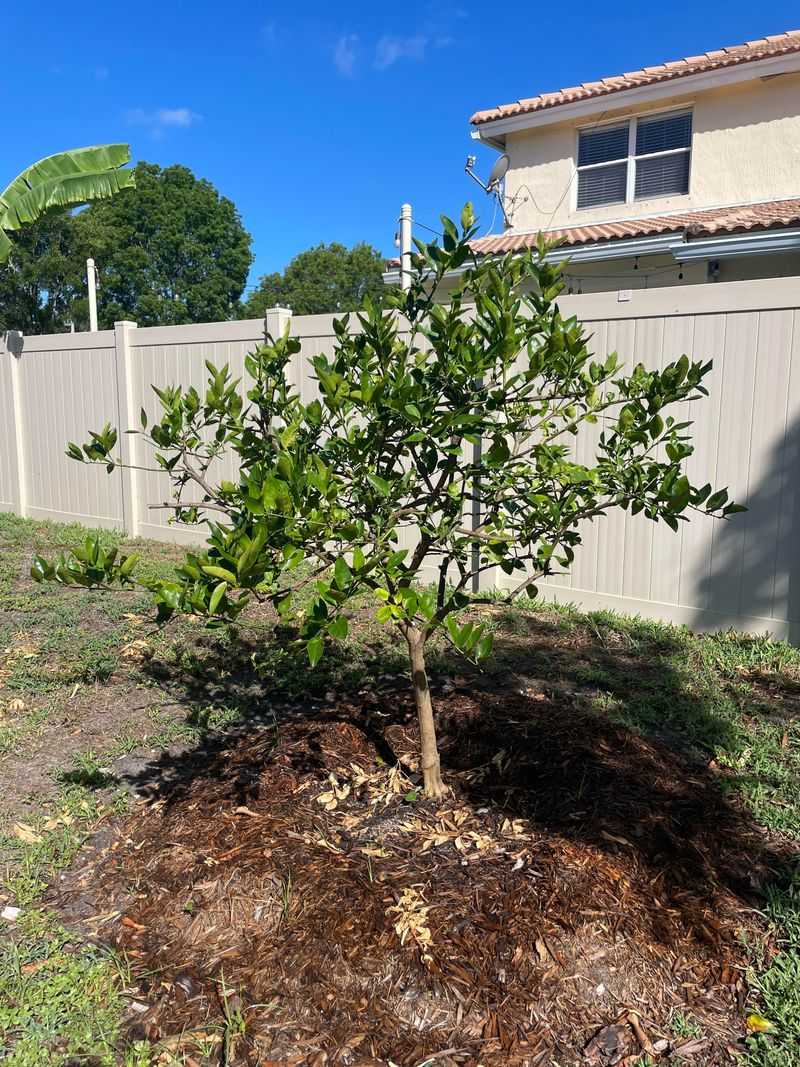
Your citrus trees look tempting to trim right now, especially if winter growth created some wayward branches. But step back and resist the urge.
February still carries cold snap risk across much of Florida, and fresh pruning cuts make citrus trees vulnerable to freeze damage that can set them back significantly.
Citrus responds poorly to winter pruning compared to many other fruit trees. Those cuts expose tender inner wood to potential cold injury.
Even in South Florida where hard freezes rarely occur, cooler February nights slow healing and increase disease risk at pruning wounds.
Wait until after the last frost (usually March–April depending on region) when temperatures stabilize consistently warm. Your citrus will heal faster and push new growth more vigorously.
The only exception involves removing obviously damaged or diseased wood that poses immediate risk to tree health.
Many homeowners prune citrus too early out of eagerness to tidy up after winter. That impatience often results in delayed spring growth or increased susceptibility to fungal issues.
Patience pays off with healthier, more productive trees that respond better to pruning done at the right time.
9. Azaleas And Spring Bloomers Need Their Buds Protected
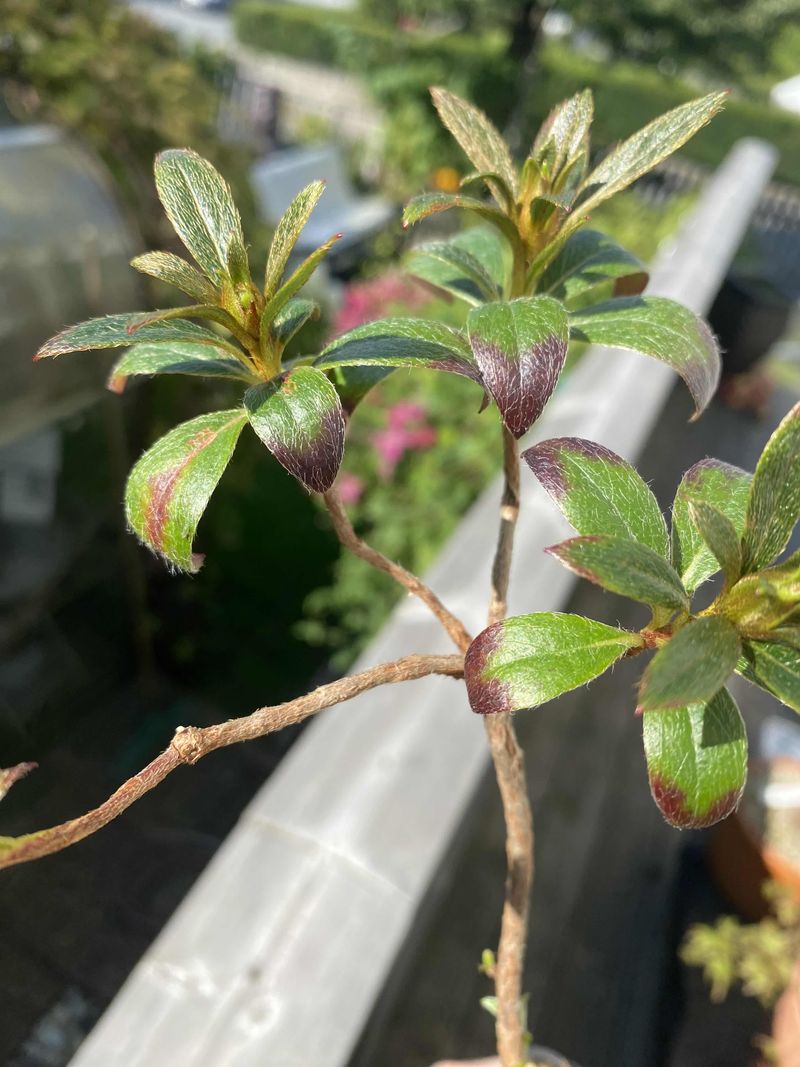
Bend down and look closely at your azalea branches in February. Those fat little buds clustered along the stems are not leaves preparing to emerge.
They are flower buds that have been developing since last summer, waiting for the right moment to burst into color. One pruning session now eliminates your entire spring show.
Azaleas, along with camellias, gardenias, and other spring bloomers, set their flower buds months before they actually bloom. February pruning removes those buds before you ever see the flowers they would have produced.
The disappointment comes in March and April when your shrubs stay green while neighbors enjoy abundant blooms.
If your spring-blooming shrubs need shaping, mark your calendar for right after they finish flowering. That gives them the entire summer and fall to develop next year’s flower buds on new growth.
Pruning at the wrong time does not harm the plant’s health, but it definitely eliminates flowers for the current season.
Let these plants bloom first, then prune. Your patience gets rewarded with the colorful spring display these shrubs are famous for providing.
10. Palms Should Keep Their Green Fronds

Your palms stand tall in February with crowns of green fronds that may show some brown tips or completely brown older fronds near the bottom. That temptation to clean them up can actually harm these tropical icons if you remove too much.
Palms need their green fronds to produce energy for growth and health.
Only remove fronds that have turned completely brown and hang downward. Never cut green fronds or even those with partial green color remaining.
Palms cannot regenerate fronds quickly like other plants push new leaves. Over-pruning weakens palms and makes them more susceptible to disease and nutrient deficiencies.
The practice of hurricane cutting, where gardeners remove all but the newest fronds, actually increases wind damage risk rather than reducing it. Research from University of Florida shows that naturally full crowns perform better in storms than heavily pruned palms.
February brings no special advantage for palm pruning compared to other months. Remove only truly brown fronds whenever they become unsightly.
Your palms stay healthier with full crowns that support vigorous growth throughout the year.
11. Tropical Perennials Should Rest Until Cold Risk Passes
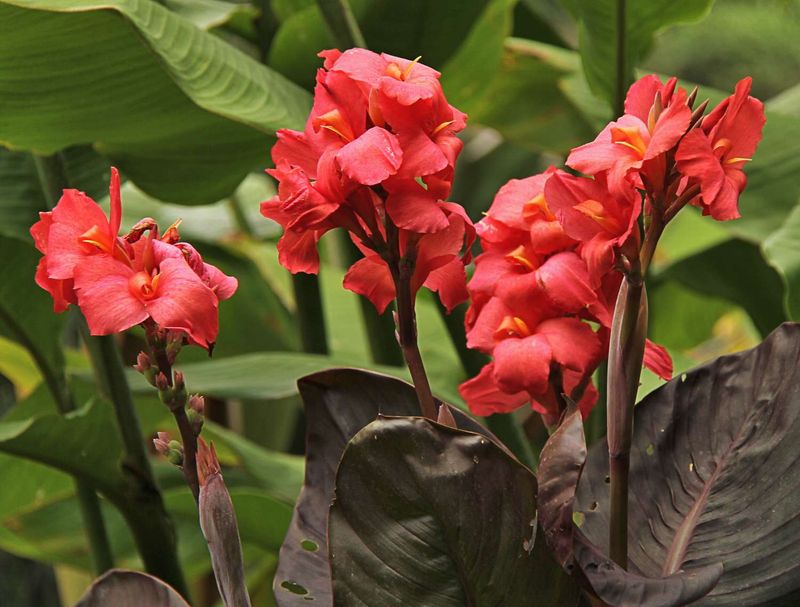
Many of your tropical perennials look rough by February after weathering occasional cold nights. Gingers, cannas, elephant ears, and similar plants may show browned foliage or appear to have stopped growing entirely.
That dormant or semi-dormant state protects them, and pruning now can trigger new growth that gets damaged by late cold snaps.
North Florida faces the highest risk of February freezes that can harm tender new growth. Central Florida sees occasional cold fronts that dip into the upper 30s.
Even South Florida can experience unexpected cool nights that stress newly pruned tropicals trying to push fresh leaves.
Wait until March when temperatures stabilize and nighttime lows stay consistently above 60 degrees. Then cut away any damaged foliage and watch these plants explode with vigorous growth.
They respond so quickly to warm weather that a few weeks of patience makes no difference in their final summer size.
Tropical perennials that look dormant in February often have healthy roots and crowns just waiting for the right signal to grow. Premature pruning can disrupt that natural rhythm and set plants back rather than helping them.