Think Twice Before Growing These Houseplants In Texas
Not every houseplant is a good match for Texas homes, even if it looks great at the store. High heat, strong sunlight, dry air, and sudden temperature changes can make certain indoor plants struggle to survive.
Many homeowners bring plants home without realizing they need special care or cooler conditions that Texas houses don’t always provide. This often leads to yellow leaves, slow growth, and constant frustration.
Knowing which plants to avoid can save you time, money, and disappointment. It also helps you choose better options that actually thrive in your environment.
Whether you’re new to houseplants or already have a growing collection, a little planning can make a big difference.
Before you buy your next plant, it’s worth learning which popular choices may not be the best fit for Texas homes and why they can be tricky to keep healthy.
1. Boston Fern
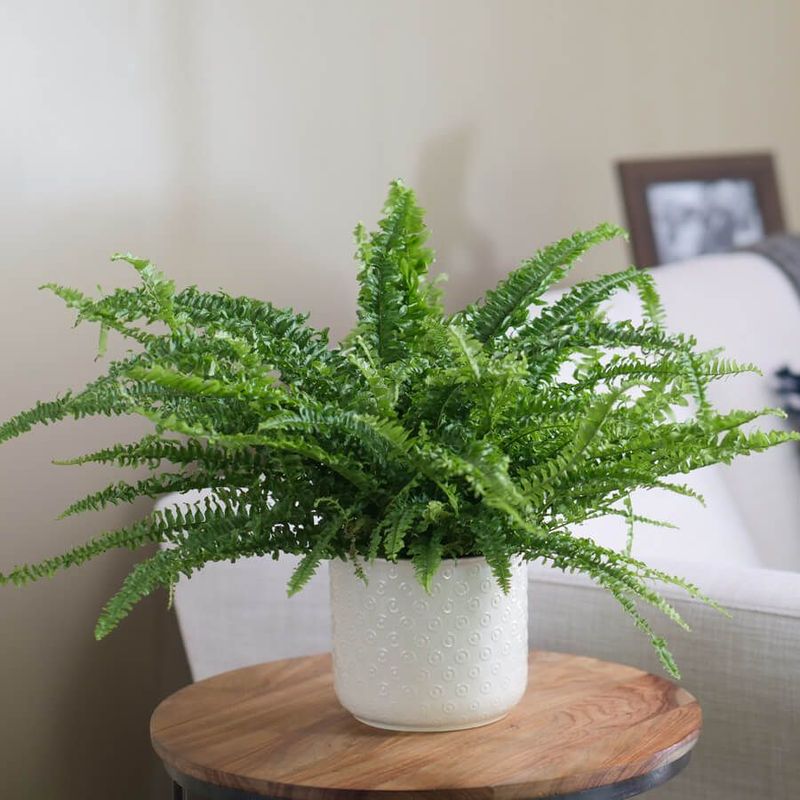
Boston ferns look absolutely stunning in photos with their graceful, flowing fronds that seem to promise an instant jungle vibe for any room. However, these moisture-loving plants become high-maintenance nightmares in most Texas homes.
They demand constant humidity levels that are nearly impossible to maintain indoors, especially when air conditioning runs nonstop during those scorching summer months.
The dry indoor air created by climate control systems in Texas houses causes Boston fern fronds to turn brown and crispy at an alarming rate. You’ll find yourself misting multiple times daily, running humidifiers constantly, and still watching your fern struggle.
Even in naturally humid areas like Houston, the indoor environment rarely stays moist enough to keep these ferns happy year-round.
Water requirements add another layer of difficulty for Texas homeowners. Boston ferns need their soil to stay consistently moist but never waterlogged, which means checking them daily.
Miss a watering during a hot Texas week, and you’ll return to a pile of brown, dried-out fronds. The plant won’t bounce back easily from neglect.
These ferns also drop leaves constantly, creating a mess beneath hanging baskets that requires regular cleanup. The dropped foliage attracts pests like fungus gnats, which thrive in the warm Texas climate and quickly become a household nuisance.
Spider mites also love attacking stressed Boston ferns, adding pest management to your already lengthy care routine.
Instead of fighting an uphill battle with Boston ferns in your Texas home, consider hardier alternatives like pothos or snake plants that actually appreciate drier indoor conditions and forgive occasional neglect.
2. Maidenhair Fern
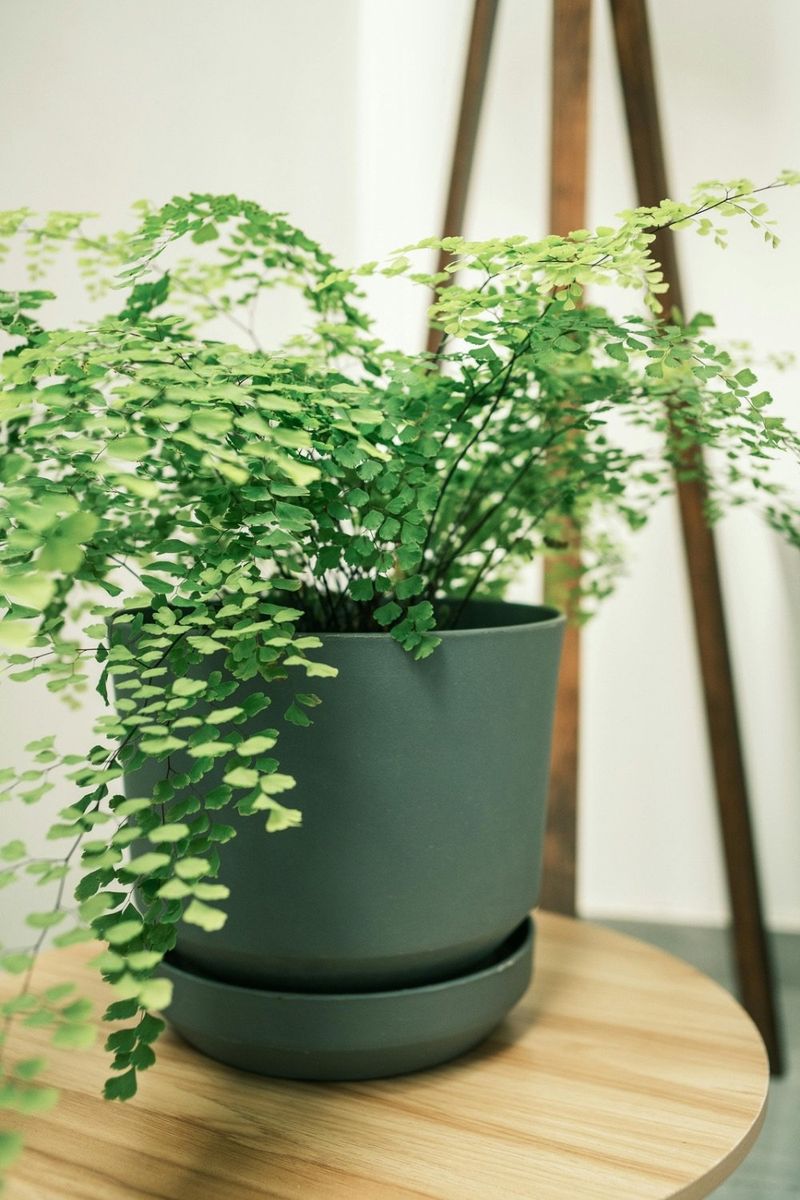
With foliage as delicate as lace, maidenhair ferns captivate plant enthusiasts with their ethereal beauty and soft texture. Unfortunately, this delicate nature translates directly into extreme sensitivity that makes them poorly suited for Texas indoor environments.
These ferns originated in naturally humid forests where moisture stays consistent, conditions that Texas homes simply cannot replicate without extraordinary effort.
Air conditioning systems throughout Texas create desert-like conditions indoors during summer months.
Maidenhair ferns respond to low humidity by turning brown almost overnight, and once damaged, those delicate fronds never recover their original appearance. You’re left constantly trimming away dry growth while the plant continues struggling.
Your Texas Garden Changes Every Week. Your Plan Should Too.
Gardening in Texas changes quickly throughout the season. Every Friday you’ll receive a simple weekly plan showing exactly what to plant, prune, fertilize, harvest, and protect so you never miss the right timing.
Temperature sensitivity creates additional problems for Texas residents. These ferns despise temperature fluctuations, yet Texas homes experience significant swings between day and night, especially during spring and fall.
A few degrees difference can stress your maidenhair fern enough to cause leaf drop and stunted growth.
Watering becomes a daily anxiety with maidenhair ferns in Texas houses. The soil must remain evenly moist at all times, never drying out even slightly.
During hot Texas summers, this might mean watering twice daily, and any vacation plans require finding someone willing to maintain this demanding schedule.
The pests that plague stressed plants in Texas find maidenhair ferns particularly appealing. Spider mites and scale insects attack weakened ferns, spreading quickly in warm indoor conditions.
Treating infestations on such delicate foliage without causing further damage proves nearly impossible.
Texas plant lovers will find much greater success with resilient plants like ZZ plants or philodendrons that tolerate variable conditions gracefully.
3. Zebra Plant
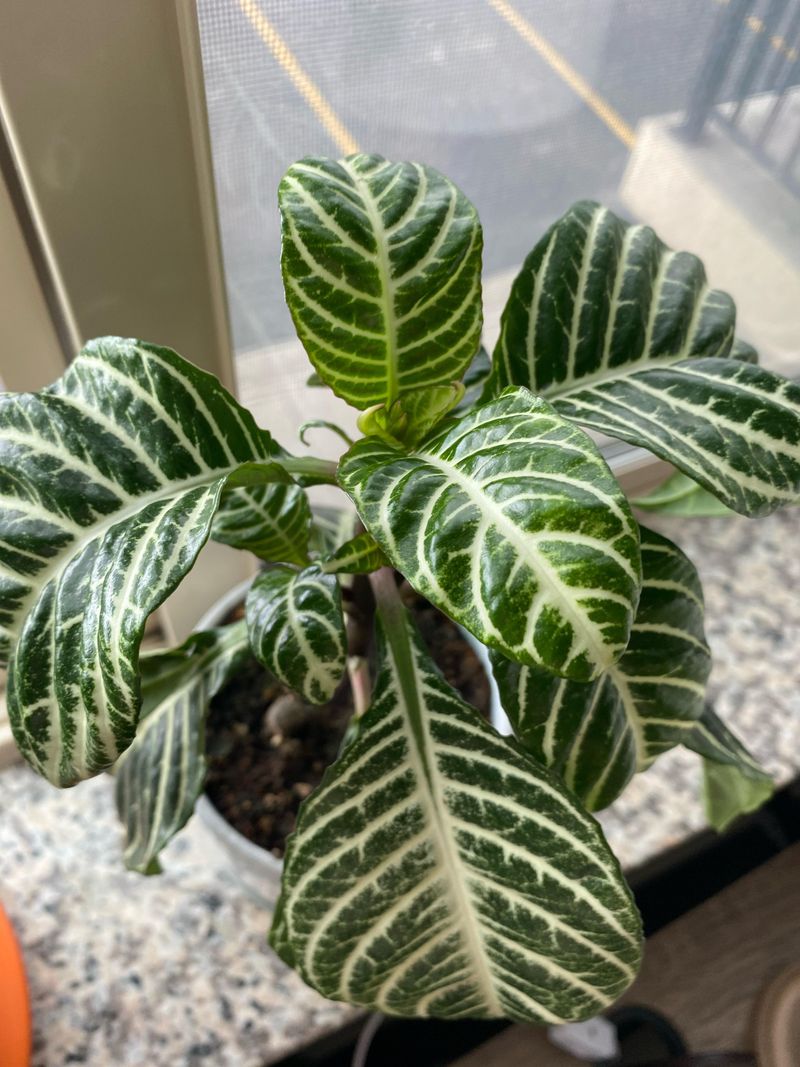
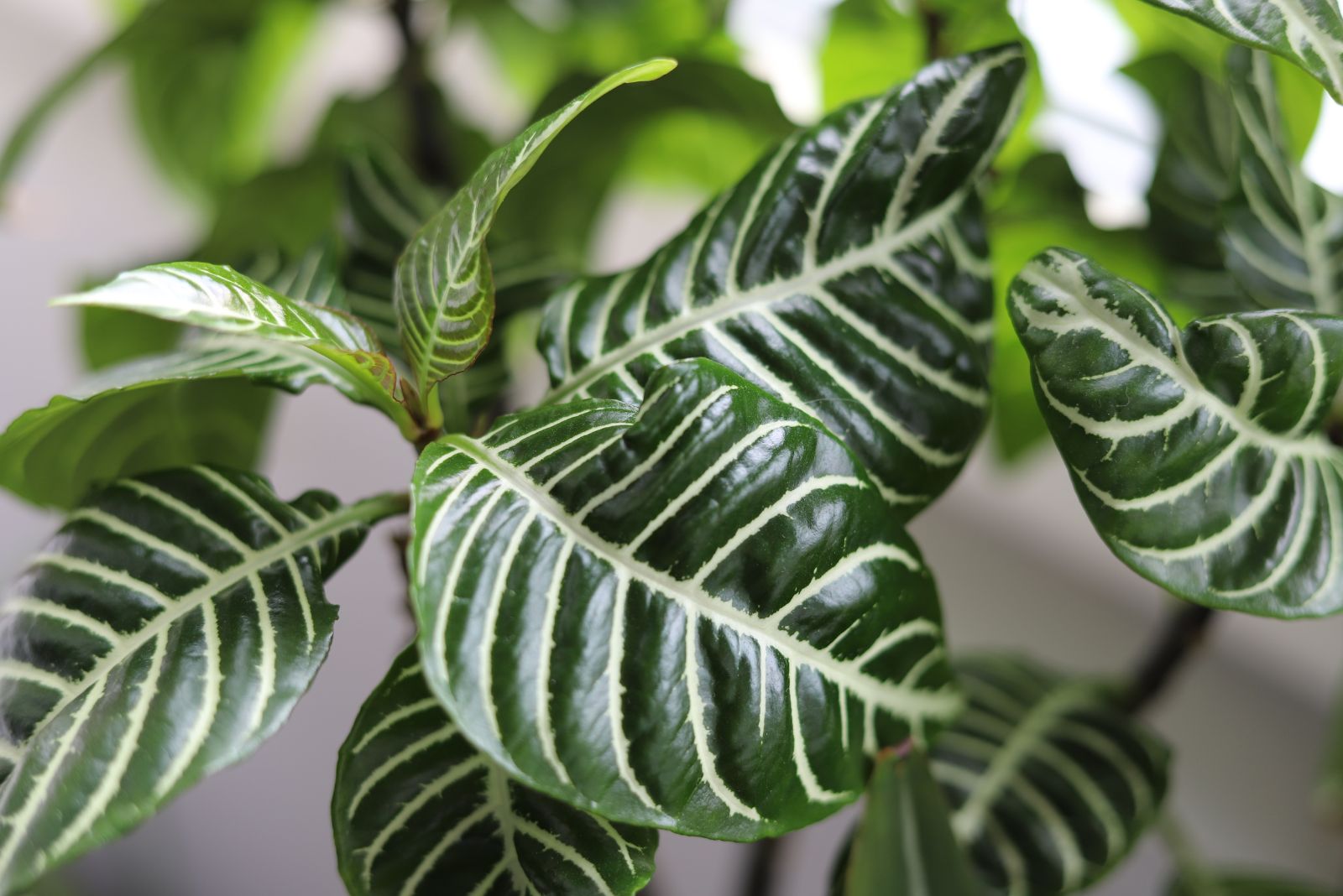
Striking white stripes against deep green leaves make zebra plants irresistible at garden centers, but their dramatic appearance comes with equally dramatic care requirements.
Native to Brazilian rainforests, these attention-grabbing plants expect conditions that contradict everything about typical Texas indoor environments.
Their reputation as fussy houseplants is well-earned and particularly relevant for Texas homeowners.
Humidity stands as the biggest challenge when growing zebra plants in Texas homes. These tropical beauties demand humidity levels above 60%, which most Texas houses only achieve during the most humid summer days before air conditioning kicks in.
Without adequate moisture in the air, zebra plant leaves develop brown edges and eventually curl up, losing their ornamental appeal completely.
Bright indirect light requirements create another complication in Texas. Too much direct sun through those big Texas windows causes leaf scorch, while insufficient light prevents the plant from producing its signature yellow flower bracts.
Finding the perfect spot becomes a constant guessing game, and moving the plant repeatedly causes additional stress.
Watering zebra plants correctly in Texas homes requires precision that most people find exhausting.
The soil should stay consistently moist during growing season but never soggy, a balance that shifts with seasonal temperature changes. Overwatering leads to root rot, while underwatering causes immediate leaf drop.
These plants also enter dormancy periods where care requirements shift dramatically, confusing many Texas plant owners who aren’t prepared for the change.
During dormancy, overwatering becomes even easier, and the plant may languish for months looking increasingly pathetic.
Texas residents seeking showy foliage will fare better with adaptable options like calatheas or prayer plants that offer visual interest without the constant drama.
4. Calathea
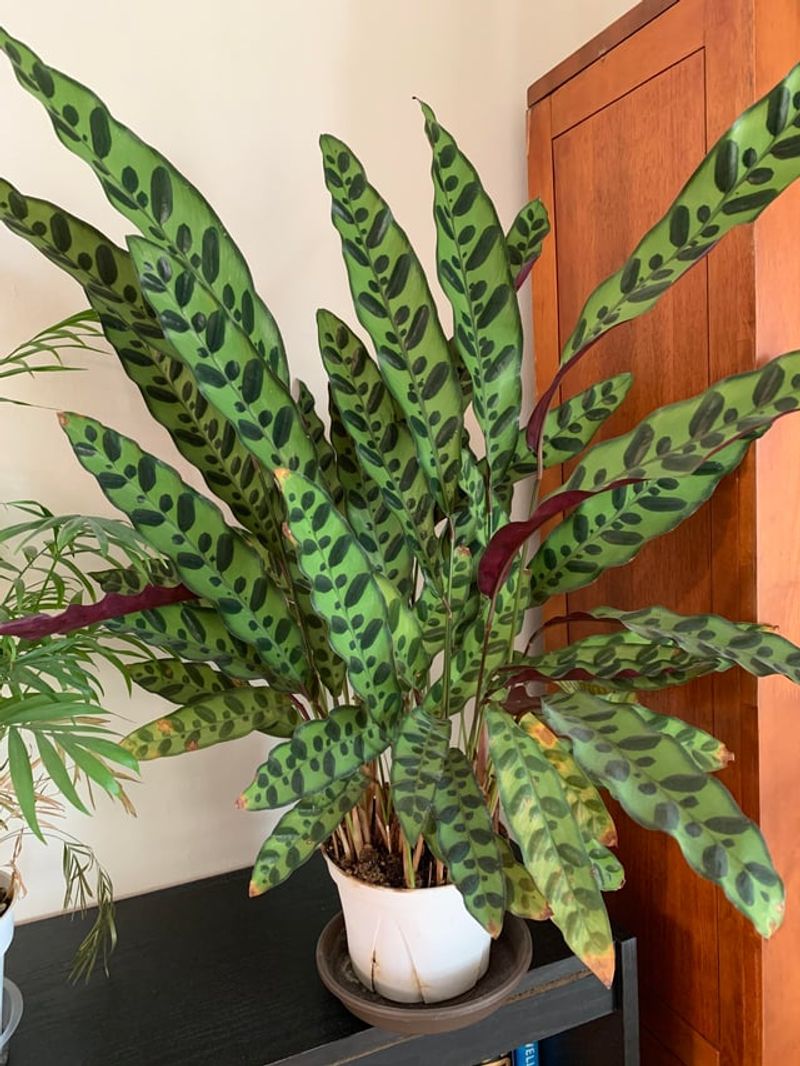
Calatheas earned their nickname as prayer plants because their leaves fold upward at night, creating a mesmerizing daily display.
However, this same sensitivity that produces such interesting movement also makes them incredibly reactive to less-than-perfect conditions.
Texas homeowners quickly discover that calatheas protest loudly against the dry indoor air and water quality issues common throughout the state.
Brown, crispy leaf edges become the signature look of calatheas grown in Texas homes. Despite your best efforts, the low humidity created by heating and cooling systems causes persistent browning that mars these plants’ beautiful patterns.
Running humidifiers helps temporarily, but maintaining consistent moisture levels around the clock proves challenging and expensive.
Water quality presents a massive problem for calatheas in many Texas regions. These plants are extremely sensitive to minerals, fluoride, and chlorine found in tap water across much of the state.
Using tap water results in brown spots, yellowing leaves, and stunted growth. You’ll need to use filtered or distilled water exclusively, adding ongoing cost and inconvenience.
Light requirements add another layer of difficulty in Texas houses. Calatheas need bright indirect light but cannot tolerate any direct sun, which pours through windows during long Texas days.
Finding appropriate placement becomes tricky, especially in homes with limited north-facing windows or open floor plans that maximize natural light.
Pest problems escalate quickly on stressed calatheas in the warm Texas climate. Spider mites particularly love attacking these plants, and once established, they spread rapidly and prove difficult to eliminate without damaging the sensitive foliage.
Fungus gnats also breed readily in the consistently moist soil calatheas require. Texas plant enthusiasts will enjoy greater success with tougher options like cast iron plants or Chinese evergreens.
5. Gardenia
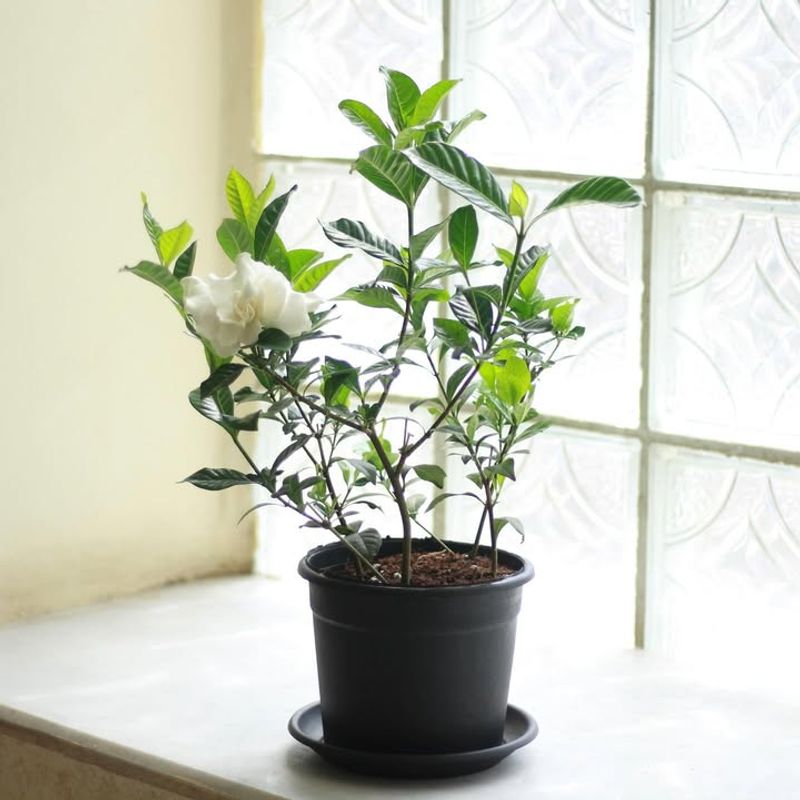
Few plants promise the intoxicating fragrance that gardenias deliver when their creamy white blooms open.
This Southern favorite grows beautifully outdoors in many Texas regions, but bringing gardenias indoors transforms them from garden stars into problem plants.
The specific conditions they require for blooming and healthy growth rarely exist inside Texas homes, leading to disappointment for hopeful indoor gardeners.
Bud drop frustrates Texas homeowners more than any other gardenia issue. These plants form flower buds readily but then drop them before opening when conditions aren’t absolutely perfect.
Temperature fluctuations, inconsistent watering, low humidity, or insufficient light all trigger bud drop. You’ll watch hopefully as buds develop, only to find them littering the floor one morning.
Soil pH requirements create ongoing challenges for indoor gardenia growers in Texas. These acid-loving plants need soil pH between 5.0 and 6.0, and maintaining this acidity indoors requires special fertilizers and amendments.
Texas tap water, often alkaline in many regions, gradually raises soil pH, causing yellowing leaves and poor growth.
Humidity needs rival those of tropical rainforest plants despite gardenias being Southern natives. Indoor air in Texas homes stays far too dry for gardenias, especially during winter heating and summer air conditioning.
Without humidity levels above 50%, gardenias develop brown leaf edges, drop buds, and attract spider mites.
Light intensity indoors rarely matches what gardenias need for blooming. These plants require very bright indirect light for many hours daily, more than most indoor locations provide.
South-facing windows in Texas might offer enough light but often deliver too much direct sun, causing leaf scorch.
Texas residents wanting fragrant indoor plants should explore easier options like scented geraniums or jasmine varieties that tolerate indoor conditions better.
6. Nerve Plant
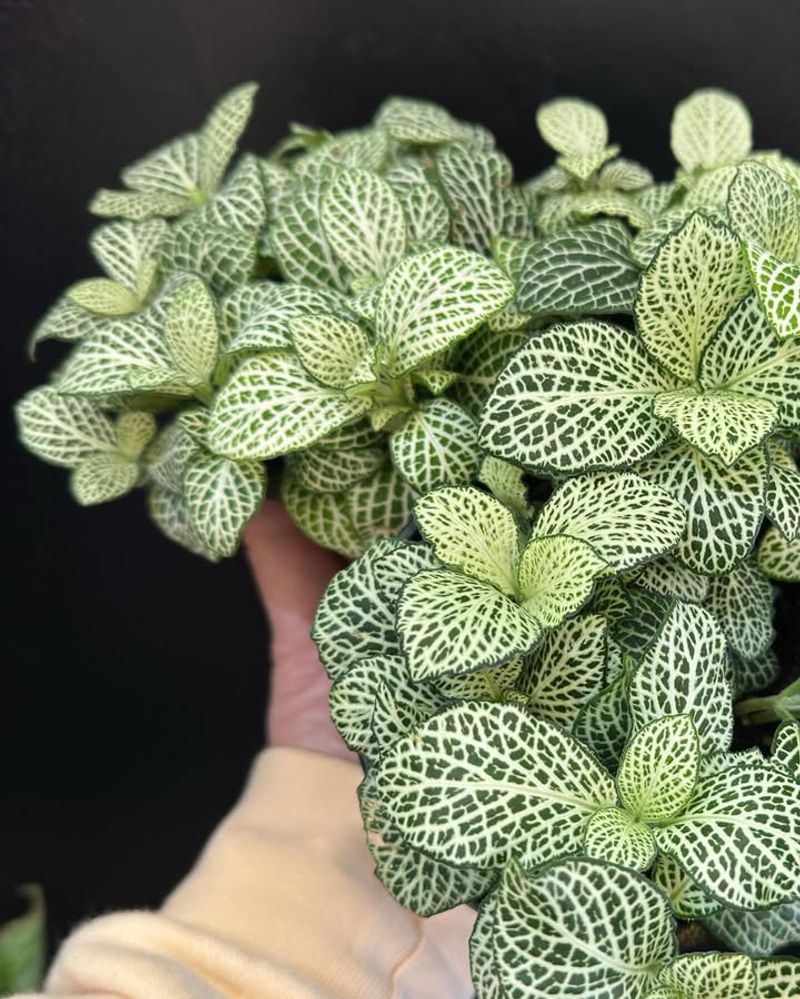
Intricate veining in white, pink, or red creates stunning patterns across nerve plant leaves, making them popular choices for terrariums and small decorative pots. Their compact size seems perfect for Texas apartments and homes with limited space.
But nerve plants earned their dramatic reputation honestly, collapsing into wilted puddles at the slightest provocation and demanding immediate attention.
The dramatic wilt that nerve plants perform when slightly dry startles new plant owners in Texas. One moment the plant looks fine, and hours later it has completely collapsed as though someone pulled its plug.
While nerve plants usually recover after watering, this constant cycle of wilt and revival stresses both plant and owner. Frequent travelers or busy Texans find this behavior exhausting.
Consistent moisture requirements mean nerve plants need checking daily in Texas homes. The small pots they’re typically sold in dry out rapidly, especially during hot months when air conditioning runs constantly.
Missing even one day of watering can trigger the dramatic collapse, and repeated wilting eventually weakens the plant permanently.
Humidity demands rival any tropical plant despite nerve plants’ small size. Texas indoor air stays too dry for these moisture-lovers, causing leaf edges to brown and curl.
You’ll spend time misting, running humidifiers, or creating pebble trays, all for a plant that stays relatively small and offers limited visual impact compared to the effort invested.
Leggy growth plagues nerve plants in most Texas indoor locations. Without perfect light conditions, these plants stretch toward windows, losing their compact shape and becoming scraggly. Pinching back growth helps temporarily but creates an ongoing maintenance task.
Texas plant parents seeking colorful foliage without the drama will appreciate easier alternatives like coleus or polka dot plants that forgive occasional neglect.
7. Croton
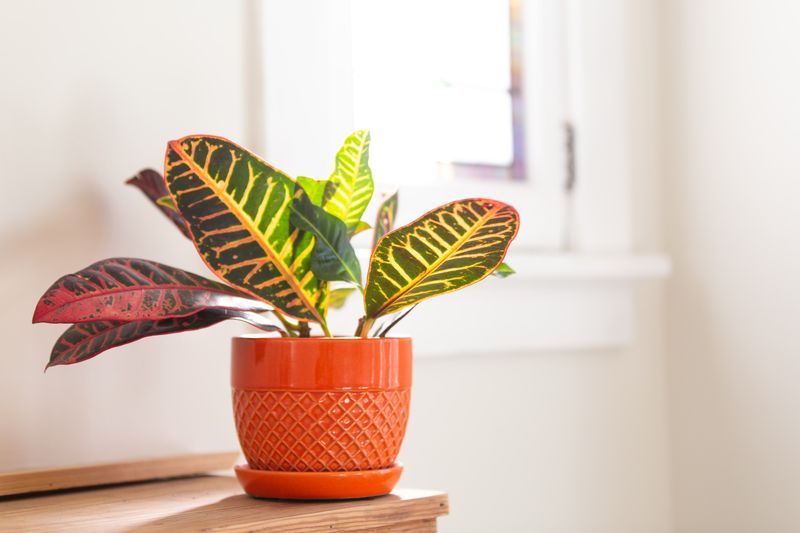
Crotons explode with color, displaying leaves in brilliant combinations of red, orange, yellow, green, and purple that seem almost too vivid to be real.
Garden centers throughout Texas stock these eye-catching plants prominently, and their bold appearance tempts many shoppers.
However, crotons quickly reveal themselves as high-maintenance divas that sulk dramatically when moved from greenhouse perfection to typical Texas homes.
Leaf drop represents the most common and frustrating problem with indoor crotons in Texas. These plants hate change of any kind, and the transition from nursery to home triggers massive leaf loss.
Even after acclimating, crotons continue dropping leaves in response to temperature changes, watering inconsistencies, or being moved to different rooms. You’ll constantly sweep up fallen foliage.
Light requirements for maintaining croton colors prove difficult to meet indoors across Texas. These plants need very bright light to maintain their spectacular coloring, but too much direct sun through Texas windows causes leaf scorch.
Without adequate brightness, new leaves emerge mostly green, losing the vibrant colors that made the plant appealing initially.
Temperature sensitivity creates problems in Texas homes where thermostats fluctuate. Crotons despise temperatures below 60 degrees and react badly to cold drafts from air conditioning vents.
They also dislike hot, dry air blowing directly on them. Finding spots away from all heating and cooling vents while still providing enough light becomes nearly impossible.
Spider mites attack crotons with enthusiasm in the warm, dry conditions inside Texas houses. These pests spread rapidly across the colorful leaves, causing stippling and webbing that ruins the plant’s appearance.
Treating spider mites on crotons requires persistence and often damages the sensitive foliage.
Texas homeowners wanting colorful indoor plants will find better success with hardy options like dracaenas or Chinese evergreens that maintain attractive foliage without constant complaints.