These 9 Perennials Come Back Every Year In Jacksonville, Florida (No Replanting Needed)
Jacksonville friends, imagine planting once and enjoying beautiful blooms year after year without starting over. No constant replanting, no wasted weekends, just reliable color that shows up season after season.
In Northeast Florida’s unique climate, the right perennials can thrive through heat, humidity, and mild winters while keeping your yard looking fresh and full. From pollinator favorites to low-maintenance showstoppers, these plants pull their weight and then some.
If you want a smarter garden that saves time, money, and effort while still turning heads, this is exactly what you need. Grab your coffee, step outside, and picture a yard that keeps giving back every single year.
The best part is these perennials are proven performers right here in Jacksonville.
1. Blanket Flower Brings Nonstop Color Without The Replanting Drama
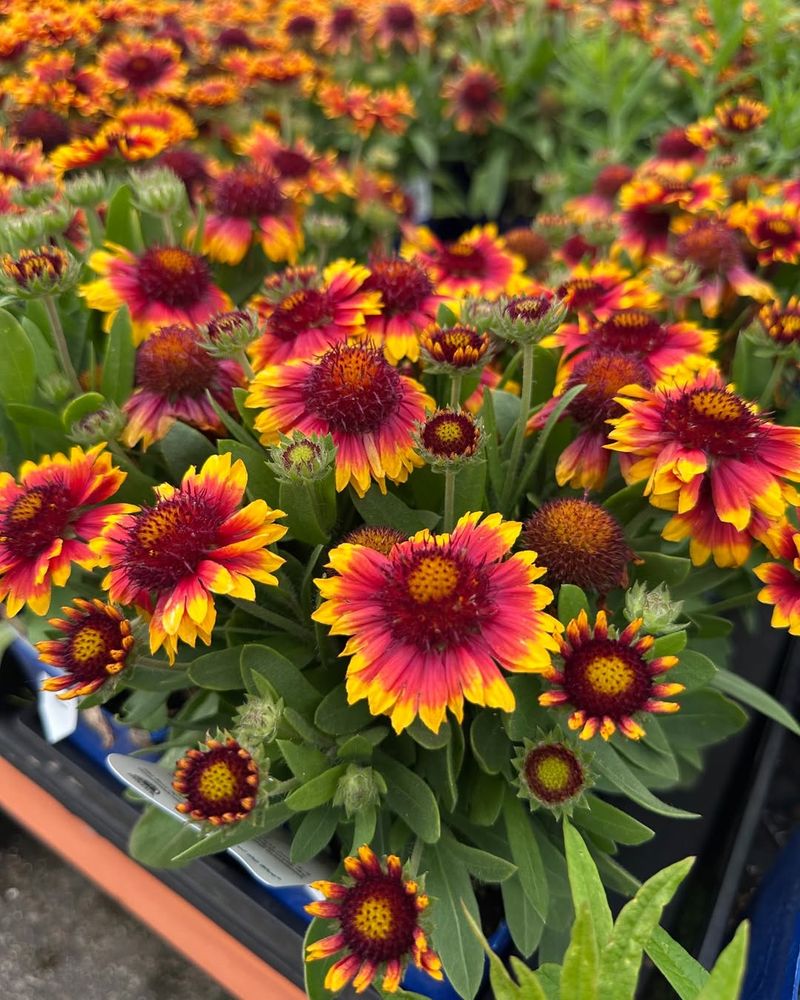
Walk past any established Jacksonville garden in late spring and you will notice those cheerful red and yellow blooms popping up in the same spots year after year. Blanket flower handles our Zone 9a winters without protection and actually prefers the heat that sends other plants into stress mode.
The daisy-like flowers typically bloom from late spring through early fall, often peaking in summer with regular deadheading.
Sandy soil works perfectly for this perennial since it needs excellent drainage to prevent root issues during our heavy summer rains. Full sun brings out the most blooms, though it tolerates a few hours of afternoon shade without complaint.
Plant them about 12 to 15 inches apart and mulch lightly around the base to keep moisture consistent during establishment.
Once settled in, blanket flower asks for very little beyond occasional deadheading to encourage more blooms. You will often see fresh growth emerging in early spring as temperatures warm, filling back in exactly where you planted them the previous year.
Butterflies visit constantly throughout summer, adding movement and life to your landscape without any extra effort on your part.
2. Coreopsis Delivers Sunshine Blooms Year After Year
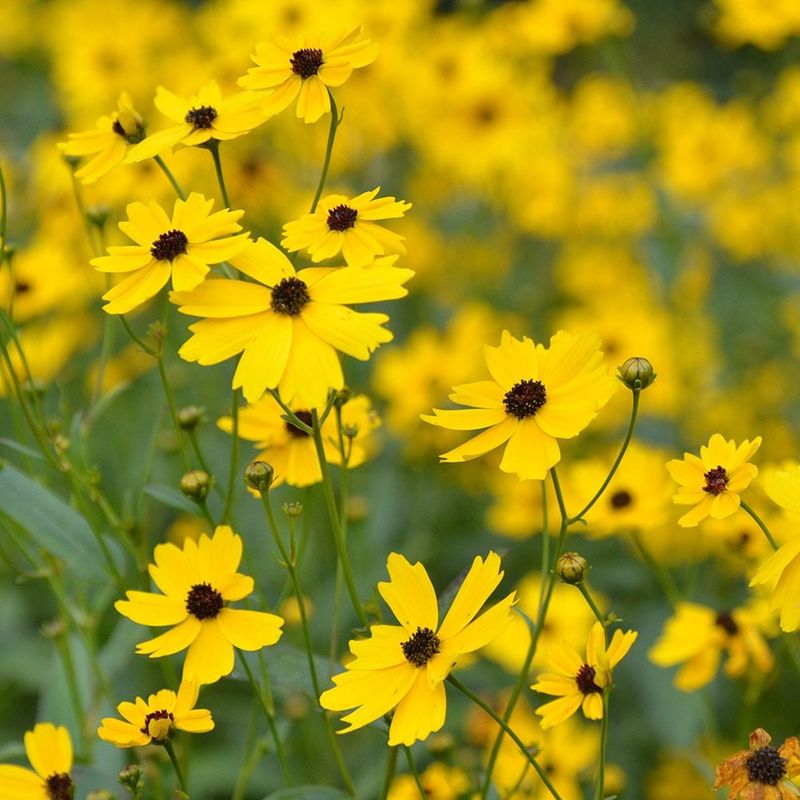
That splash of golden yellow you see returning to Jacksonville yards every spring usually comes from coreopsis, a Florida native that thrives in our climate without babying. University of Florida research consistently ranks Florida native coreopsis varieties among the most reliable choices for Northeast Florida landscapes.
The bright blooms start appearing in early spring and continue producing through fall if you trim back spent flowers occasionally.
Coreopsis grows well in our sandy soils as long as drainage stays decent, and it handles both full sun and partial shade without losing vigor. Space plants about 12 inches apart and water regularly during the first few months while roots establish.
After that first season, rainfall usually provides enough moisture except during extended dry spells.
Each winter, the foliage might look a bit tired after occasional cold snaps, but fresh green growth pushes through reliably every March. This perennial self-seeds moderately, which means you might find new plants popping up nearby without any planting effort.
Butterflies and bees visit constantly during bloom time, making your garden feel alive and active throughout the warmest months of the year.
Your Florida Garden Changes Every Week. Your Plan Should Too.
Gardening in Florida changes quickly throughout the season. Every Friday you’ll receive a simple weekly plan showing exactly what to plant, prune, fertilize, harvest, and protect so you never miss the right timing.
3. Black-Eyed Susan Keeps Your Garden Bright With Almost No Effort
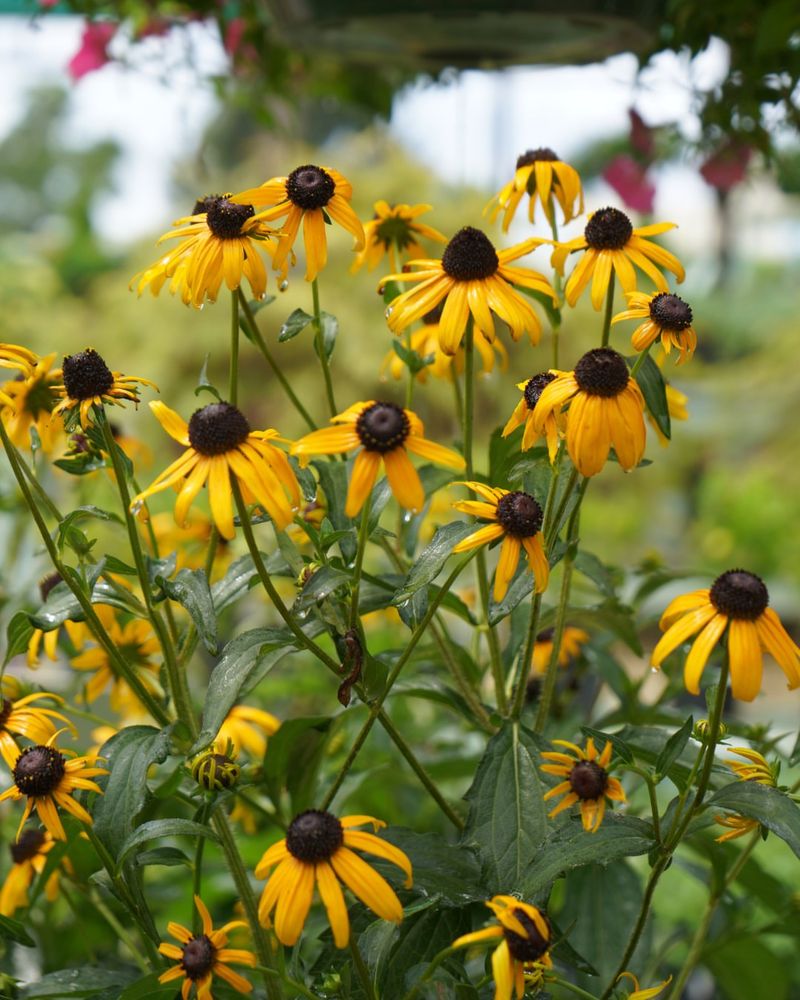
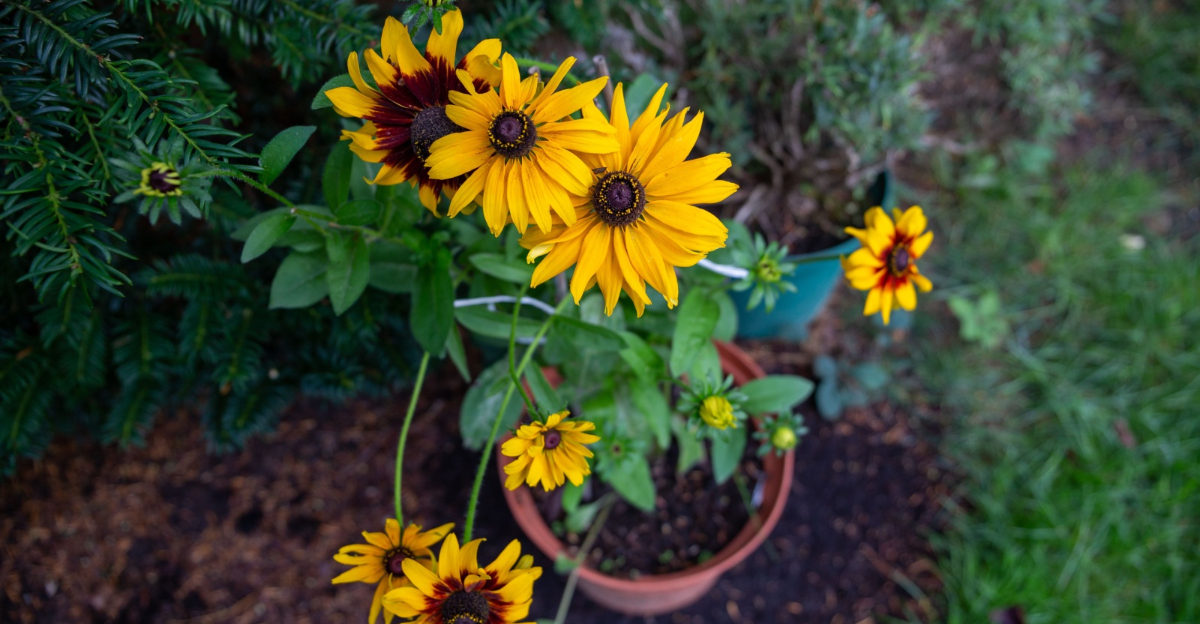
Few perennials match the cheerful reliability of black-eyed Susan in Jacksonville gardens, where the golden petals and dark centers often return for several seasons or reseed naturally each year. Heat and humidity that stress other plants barely slow this one down during our long summers.
Blooms start showing up in late spring and keep coming through early fall, giving you months of consistent color without replanting or fussing.
Full sun brings out the best performance, though black-eyed Susan tolerates some afternoon shade if your yard has large trees. Sandy soil works fine as long as you add a bit of compost at planting time to help with moisture retention during establishment.
Space them about 18 inches apart and mulch around the base to keep roots cool during peak summer heat.
Once established, this perennial handles dry spells better than most garden plants, bouncing back quickly after rain returns. You may notice fresh basal growth emerging each spring, depending on winter temperatures and plant age.
Goldfinches love the seed heads in late fall, so leaving some spent flowers provides food for birds while saving you cleanup time.
4. Purple Coneflower Adds Beauty While Thriving In Florida Heat
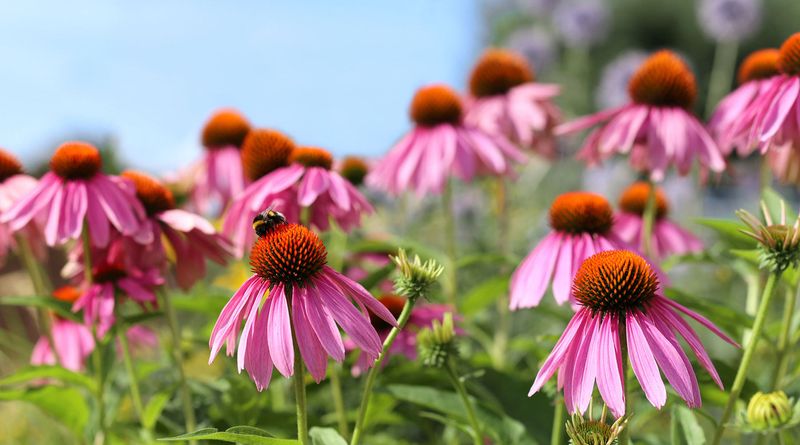
That distinctive cone-shaped center surrounded by pink-purple petals shows up in the same garden spots year after year without any replanting reminders. Purple coneflower can grow in Jacksonville with excellent drainage and airflow but performs best with careful site selection.
Blooms appear throughout summer and attract more butterflies than almost any other perennial you can plant in Northeast Florida.
This plant prefers full sun and tolerates our sandy soils as long as drainage stays good during heavy rain events. Space plants about 18 to 24 inches apart since they spread moderately over time and need air circulation to prevent humidity-related issues.
Water consistently during the first growing season, then back off once roots establish and plants show strong growth.
Each spring brings fresh foliage pushing up from the crown, followed by sturdy flower stems that support blooms through the hottest months. Deadheading encourages more flowers, but leaving some seed heads in fall provides food for goldfinches and other birds.
Purple coneflower rarely needs dividing and may persist for several seasons under ideal growing conditions, making it one of the lowest-maintenance perennials for Jacksonville landscapes.
5. Society Garlic Gives You Flowers That Practically Take Care Of Themselves
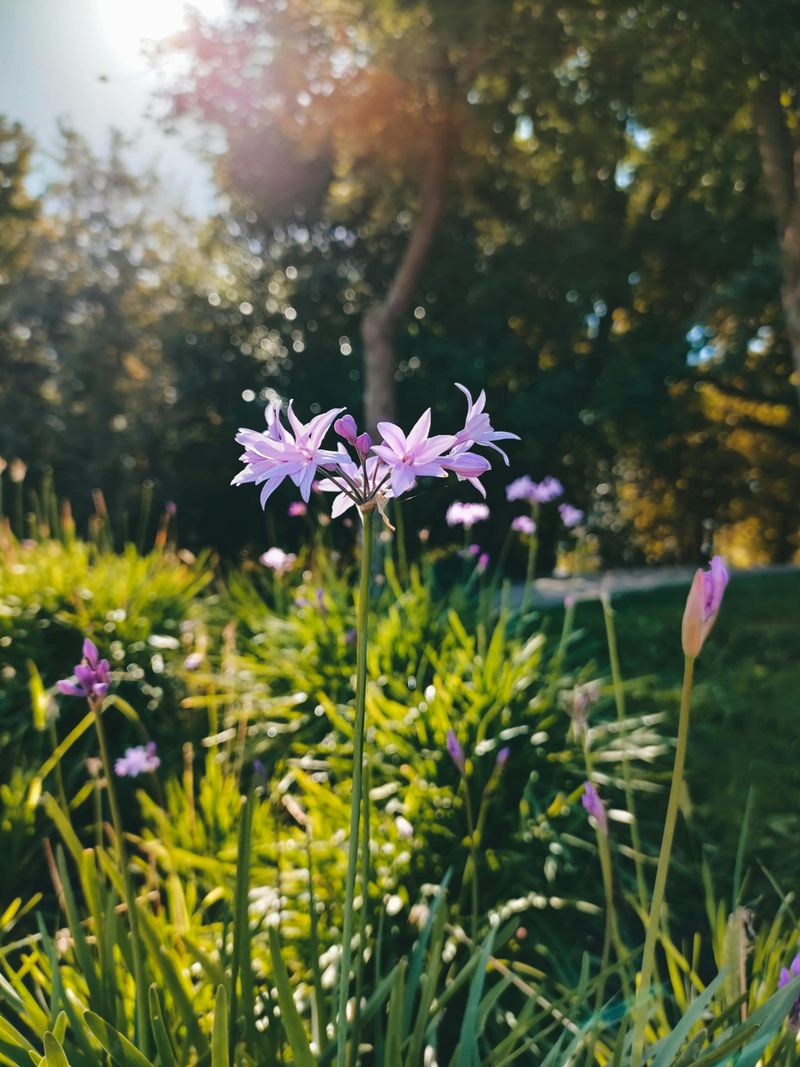
Those delicate lavender-pink blooms rising above grass-like foliage return reliably every spring without you doing much of anything. Society garlic thrives in Jacksonville heat and humidity while staying mostly evergreen in mild winters but going dormant during hard freezes before regrowing in spring.
The flowers keep appearing from spring through fall, and the foliage releases a mild garlic scent when brushed, which helps deter deer and other browsing pests.
Full sun to partial shade works fine for this adaptable perennial, and it tolerates our sandy soils better than most flowering plants. Space clumps about 12 inches apart and water regularly during establishment, then let rainfall handle most moisture needs after that first season.
Society garlic spreads slowly into neat clumps that rarely need dividing unless you want to create more plants for other garden areas.
Each year brings thicker foliage and more flower stalks as the clumps mature and establish stronger root systems. This perennial handles drought remarkably well once settled in, bouncing back quickly when rain returns after dry spells.
Butterflies visit the blooms regularly, and the low-maintenance nature makes society garlic perfect for busy homeowners who want consistent color without constant garden chores.
6. Muhly Grass Creates Big Impact With Zero Seasonal Replanting
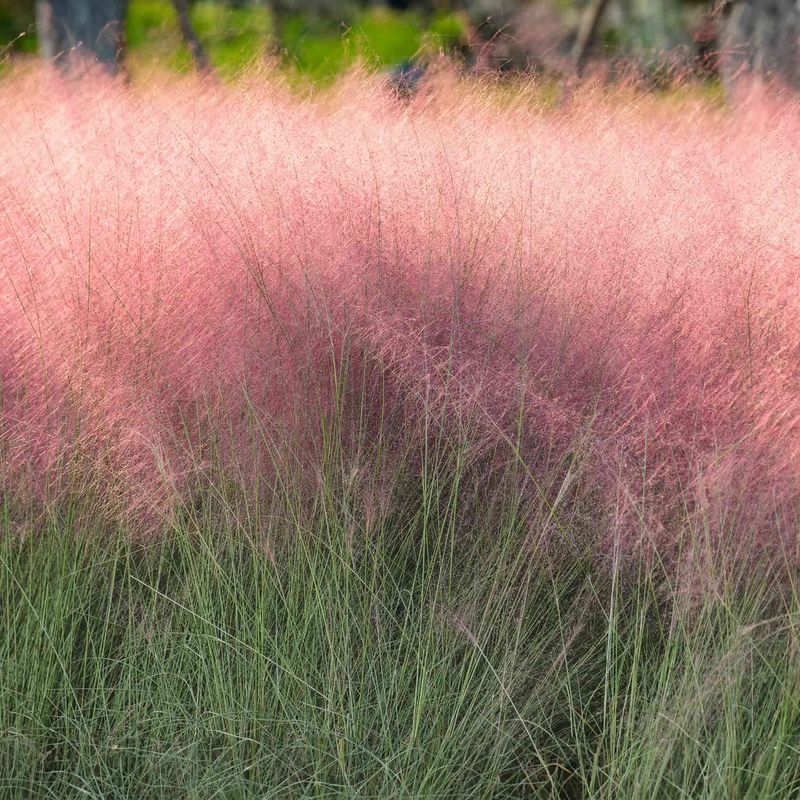
That cloud of pink rising from ornamental grass clumps each fall has become a signature sight in Jacksonville landscapes over the past decade. Muhly grass stays green year-round in our climate and explodes into spectacular pink plumes from September through November, right when most other perennials start winding down.
The airy texture adds movement to your garden as breezes blow through, creating visual interest even when blooms fade.
Full sun brings out the best color and fullest plumes, though muhly grass tolerates light shade without losing too much vigor. Sandy soils suit this Florida native perfectly since it evolved in similar conditions throughout the coastal Southeast.
Space plants about 3 feet apart since mature clumps reach 3 to 4 feet wide and need room to show off their fountain-like shape.
Once established, muhly grass needs almost no care beyond an annual trim in late winter to remove old foliage before fresh growth emerges. This perennial handles drought, heat, and humidity without complaint, making it one of the most reliable choices for low-maintenance Jacksonville gardens.
Each fall brings thicker, more impressive plumes as clumps mature, giving you better results year after year without replanting.
7. Daylilies Come Back Stronger Every Single Spring
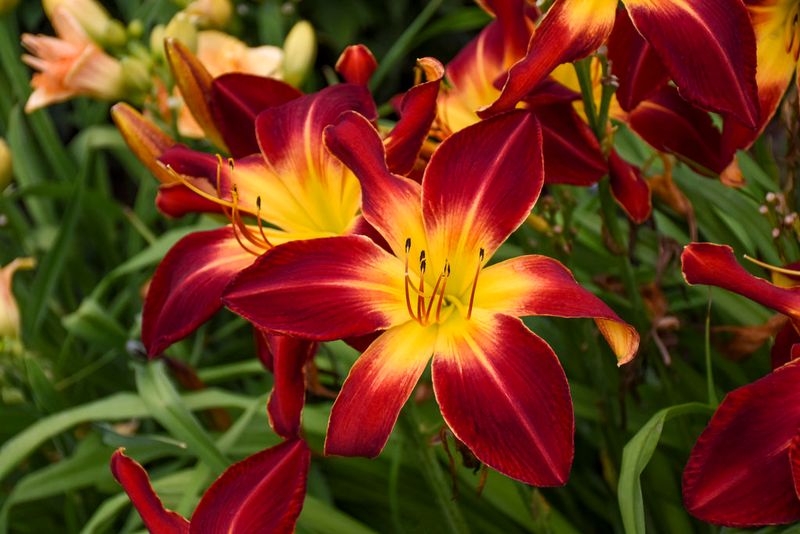
Few perennials match the dependability of daylilies when it comes to returning faithfully every spring in Jacksonville gardens. Each flower lasts just one day, but plants produce so many buds that blooms keep coming for weeks during peak season.
Some modern reblooming varieties produce flowers from spring through fall, while traditional types bloom once in early summer.
Daylilies adapt to almost any soil type, including our sandy coastal soils, and they grow well in full sun or partial shade. Space plants about 18 to 24 inches apart and mulch around the base to conserve moisture during establishment.
Water regularly the first season, then let rainfall handle most needs unless extended dry periods hit during summer.
Each year brings thicker clumps with more flowering stems as the plants mature and spread. Dividing clumps every few years keeps plants vigorous and gives you extras to fill other garden spots or share with neighbors.
Daylilies handle Jacksonville heat and humidity without stress, and they survive occasional winter cold snaps without protection. This perennial asks for almost nothing while delivering consistent color and reliable performance season after season.
8. Blue Daze Spreads Color Low And Wide Without Being High Maintenance
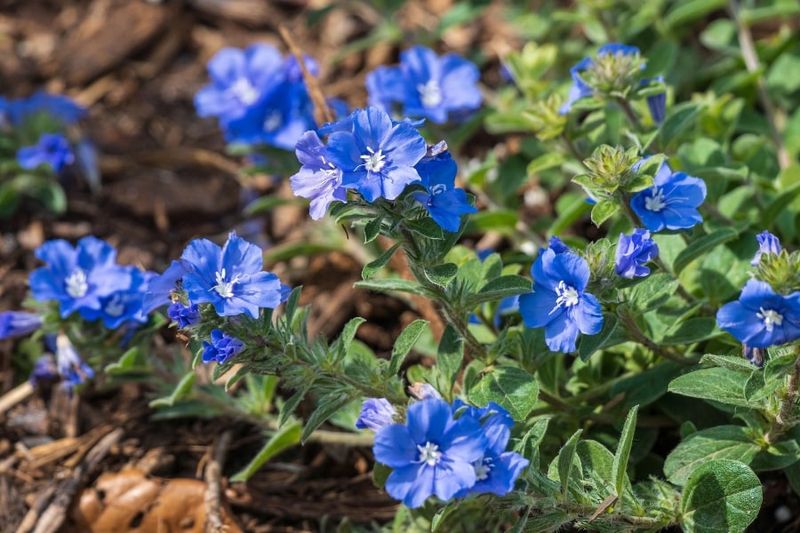
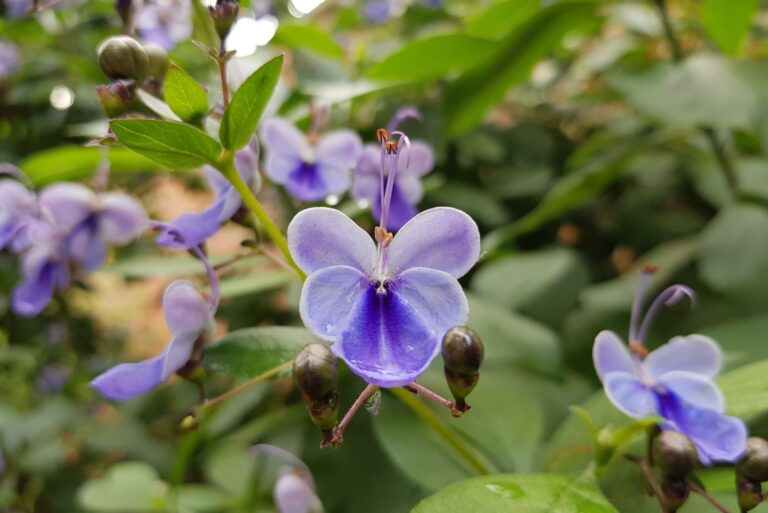
That carpet of bright blue flowers spreading across your garden bed may return each spring in mild winters but can wither or be damaged by hard freezes in colder years. Blue daze stays low to the ground and spreads moderately, filling spaces between taller perennials while blooming from spring through fall.
The small blue flowers open fresh each morning and close by evening, creating a daily show that keeps your landscape interesting throughout the growing season.
Full sun brings out the most blooms, and blue daze handles our sandy soils perfectly as long as drainage stays good. Space plants about 12 to 15 inches apart and water regularly during establishment, then reduce frequency once roots settle in and plants show strong growth.
This perennial tolerates drought once established, though occasional watering during extended dry spells keeps blooms coming consistently.
Each winter might set blue daze back a bit if temperatures drop unusually low, but fresh growth may emerge quickly after mild winters or from protected planting locations. The spreading habit means plants fill in more space each year, reducing the area where weeds can establish and cutting down on maintenance time.
Blue daze rarely needs pruning beyond occasional trimming to keep edges neat, making it perfect for busy homeowners who want reliable color without constant garden work.
9. Lantana Pumps Out Blooms All Year In Jacksonville Heat
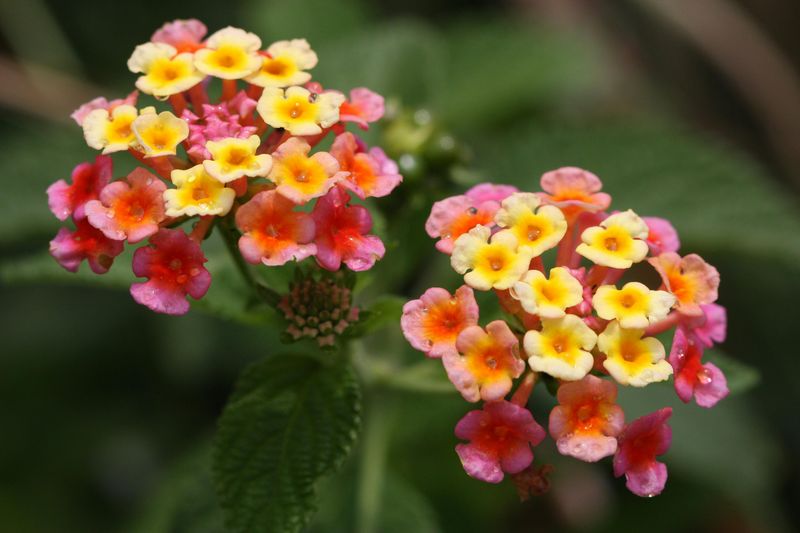
Walk through any Jacksonville neighborhood and you will spot lantana blooming for most of the year, with flowering slowing during colder winter months. This tough perennial handles our heat and humidity better than nearly any other flowering plant, and it keeps producing colorful flower clusters regardless of weather conditions.
Butterflies visit constantly throughout the growing season, turning your garden into an active wildlife habitat without any extra effort on your part.
Full sun brings out the heaviest blooming, though lantana tolerates some afternoon shade without losing too much vigor. Sandy soils work perfectly since this plant needs excellent drainage to prevent root issues during heavy summer rains.
Space plants about 2 to 3 feet apart depending on variety, and mulch lightly around the base to conserve moisture during establishment.
Once settled in, lantana asks for almost nothing beyond occasional trimming to maintain shape and encourage fresh blooms. snaps often knock lantana back to the ground in winter but plants resprout vigorously from the roots as soon as spring warmth returns.
This perennial spreads moderately and fills in more space each year, giving you bigger color displays without replanting.
Lantana tolerates drought remarkably well and bounces back quickly after rain returns following dry periods.