The One Native Tree To Add To Your Florida Garden If You Want To See More Cardinals
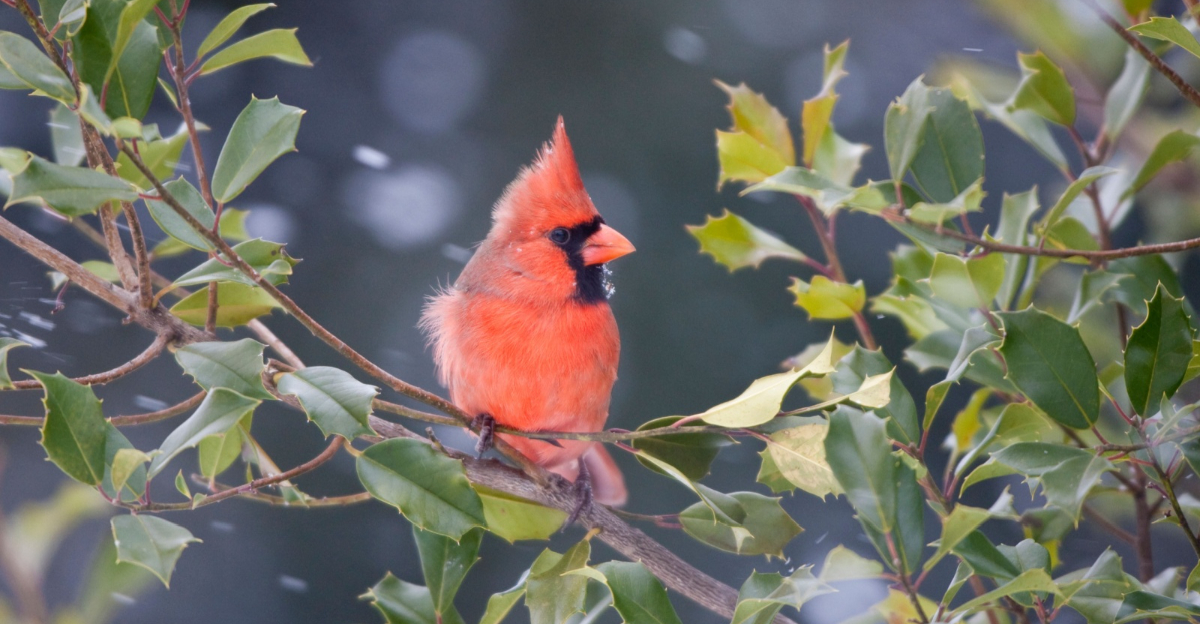
If you’ve ever looked out your window and spotted a bright red cardinal perched in your yard, you already know how exciting that moment feels. What most Florida homeowners don’t realize is that these birds are not just showing up by chance.
Cardinals choose yards that offer the right mix of food, shelter, and safe nesting spots. One native Florida tree checks all those boxes and quietly does the work year after year.
It blends easily into home landscapes, handles Florida weather well, and supports more than just cardinals. Planting it is less about decoration and more about creating a backyard that feels alive, active, and connected to nature.
If you want more color in your trees, more birdsong in the mornings, and a yard that attracts wildlife naturally, this is the kind of addition that makes a real difference.
1. American Holly Is A Cardinal Magnet In Jacksonville. Period
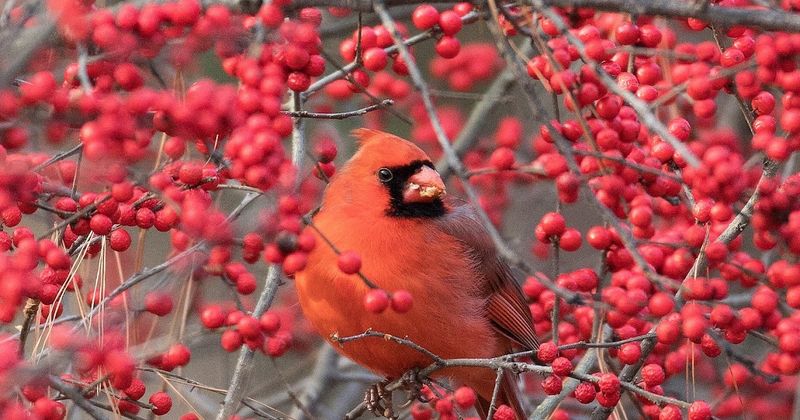
Picture this: you glance out your window on a January morning and spot three male cardinals feasting in your holly tree. Their scarlet feathers glow against the glossy green leaves while females wait nearby for their turn at the berries.
This scene repeats itself in Jacksonville yards where American holly has matured enough to produce fruit.
Cardinals choose American holly because it delivers what they need most. The dense evergreen branches create safe nesting sites in spring and protective cover year-round.
Berries form in summer, ripen in fall, and persist through winter when food becomes scarce.
Florida’s climate allows American holly to thrive in ways it can’t up north. Our mild winters mean the tree stays vibrant and productive when cardinals need it most.
The waxy berries persist on branches for months, providing reliable nutrition through February and March.
Your yard becomes a cardinal destination once this tree matures. Expect to see increased bird activity within three to five years after planting.
The transformation happens gradually but becomes unmistakable as berry clusters develop and word spreads through the local cardinal population.
2. This Native Tree Brings Year-Round Wildlife Activity
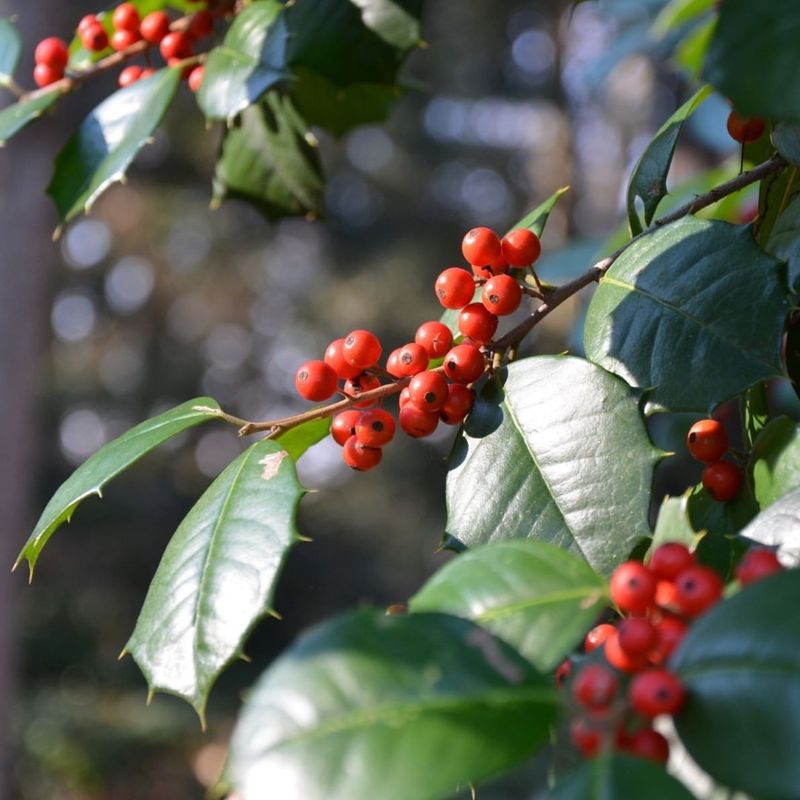
Walk outside on a warm April afternoon and you’ll hear more than cardinals in your holly. Mockingbirds call from upper branches while Carolina wrens explore the lower canopy.
Cedar waxwings arrive in flocks during late winter, stripping berries alongside robins and bluebirds.
American holly functions as a wildlife hub throughout all seasons. Spring brings nesting activity as cardinals weave their cup-shaped homes into the protective foliage.
Summer offers shade and shelter during afternoon thunderstorms that roll through Central Florida.
The tree supports insects that birds need for protein. Caterpillars feed on the leaves, creating a natural food source for parent cardinals raising their young.
This insect activity matters more than most homeowners realize because baby cardinals require high-protein diets during their first weeks.
Fall migration brings unexpected visitors to established holly trees. Warblers pause to rest in the branches while tanagers sample remaining berries.
Your single tree becomes a stopover point for dozens of species moving through Florida’s wildlife corridors, creating birdwatching opportunities you never anticipated when you first planted it.
Your Florida Garden Changes Every Week. Your Plan Should Too.
Gardening in Florida changes quickly throughout the season. Every Friday you’ll receive a simple weekly plan showing exactly what to plant, prune, fertilize, harvest, and protect so you never miss the right timing.
3. American Holly Supports Cardinals Through Every Season
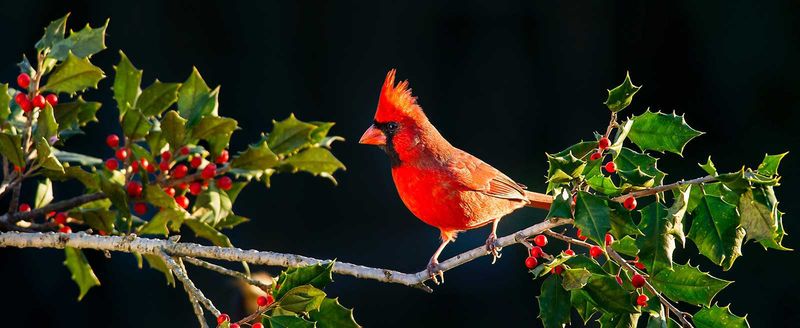
Cardinals don’t abandon your yard when seasons change if American holly grows there. February finds them sampling early berries while scouting nesting locations.
March brings courtship displays as males feed females bright red fruits, strengthening pair bonds before breeding season.
Spring nesting happens right in the holly’s dense interior branches. The evergreen foliage provides concealment from predators while remaining flexible enough for nest construction.
Female cardinals often choose nest sites between six and ten feet high where leaves create natural camouflage.
Summer heat drives cardinals into the holly’s shade during midday hours. They rest on interior branches where temperatures stay cooler than exposed areas.
The tree’s structure allows air circulation while blocking direct sun, creating comfortable microhabitats.
Winter transforms your holly into a cardinal cafeteria. Berry production peaks just as natural seeds become scarce across Northeast Florida.
Multiple cardinal pairs often share the same tree peacefully, with enough fruit to support several families through the coldest months when energy demands increase and food availability drops significantly.
4. But Here’s The Catch: You’re Going To Need Two Trees
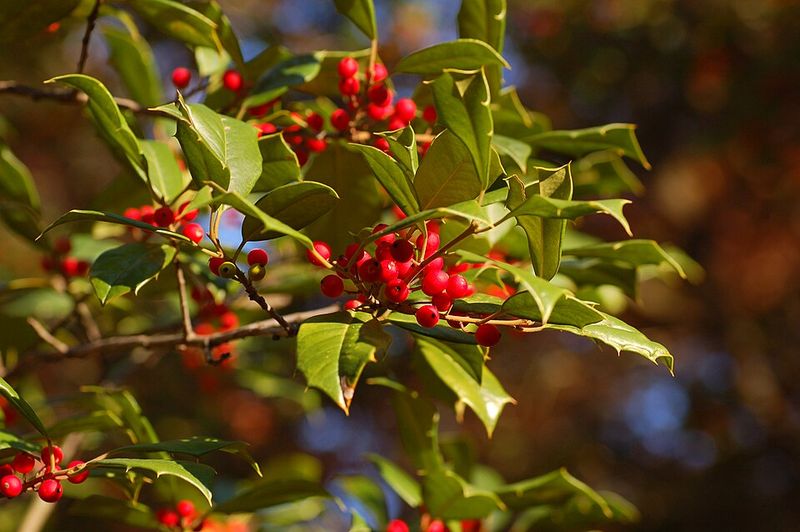
Here’s where many homeowners get frustrated. You plant one beautiful American holly, wait patiently for years, and never see a single berry appear.
Cardinals visit occasionally but don’t stay long. The problem isn’t your care or Florida’s climate.
American holly requires both male and female trees to produce berries. Only female trees create the red fruits cardinals love, but they can’t do it alone.
Pollen from male trees must reach female flowers during spring for fertilization to occur.
Most garden centers sell both varieties, but you need to ask specifically. The tags should indicate whether you’re buying male or female plants.
One male holly can pollinate up to five females if planted within fifty feet of each other.
Plan your spacing carefully before planting. Position trees where mature sizes won’t create problems but close enough for effective pollination.
Plant male and female trees within 30–50 feet for pollination, but allow at least 15–20 feet between trees for mature canopy spread. American holly performs best in North and parts of Central Florida.
South Florida gardeners should consider heat-tolerant native hollies like yaupon holly instead.
5. Male And Female Holly Trees Play Different Roles
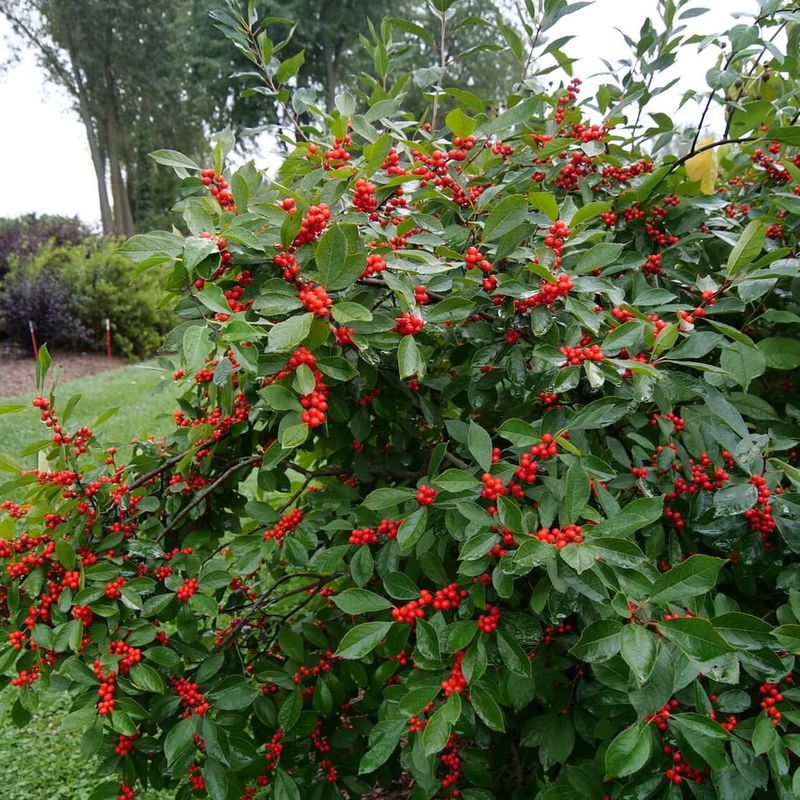
Learning to identify male and female holly trees changes how you plan your cardinal habitat. Male trees bloom with small white flowers in spring but never produce berries.
Their role involves creating pollen that bees and other insects carry to female flowers nearby.
Female hollies also bloom in spring with similar white flowers. The difference becomes obvious by fall when berry clusters develop on female branches while males remain bare.
Those berries represent the entire reason cardinals will choose your yard over your neighbor’s property.
Don’t dismiss male trees as unimportant despite their lack of berries. Without them, your female holly produces nothing for wildlife.
The male tree still provides shelter, nesting sites, and insect habitat that benefits cardinals year-round.
Consider aesthetics when selecting planting locations for each sex. Female trees become showier with their bright red berries and increased bird activity.
Position them where you’ll enjoy watching cardinals from windows or patios. Male trees work well as backdrop plantings or privacy screens where berry mess won’t matter on walkways or driveways beneath their canopies.
6. Plant American Holly In The Right Spot For Maximum Bird Traffic
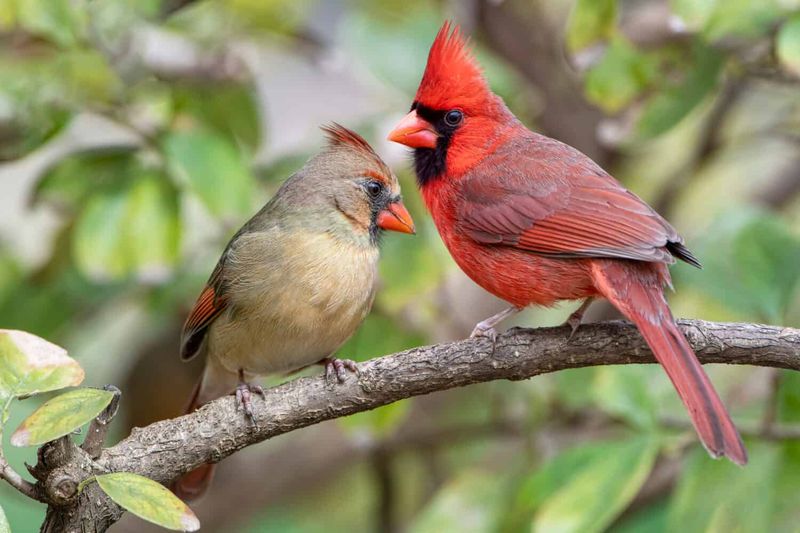
Location determines whether your American holly becomes a cardinal destination or just another tree. Start by observing where cardinals already move through your yard.
They prefer traveling along edges between open areas and protective cover rather than crossing wide expanses of lawn.
American holly grows best in partial sun with afternoon shade in Central Florida, while full sun works well in North Florida. The tree tolerates various soil types as long as drainage prevents standing water.
Space trees at least fifteen feet from structures to accommodate mature spread. Remember that American holly can reach twenty-five feet tall and fifteen feet wide over time.
Planting too close to your house creates pruning headaches later when branches press against walls or block windows.
Create a mini habitat zone around your holly plantings. Add a birdbath within twenty feet to provide water cardinals need.
Leave leaf litter beneath the tree instead of raking it away because cardinals forage on the ground for insects and seeds. Avoid using pesticides or herbicides near the root zone since chemicals concentrate in berries that birds consume.
7. Berry Production Takes Time But Pays Off Big
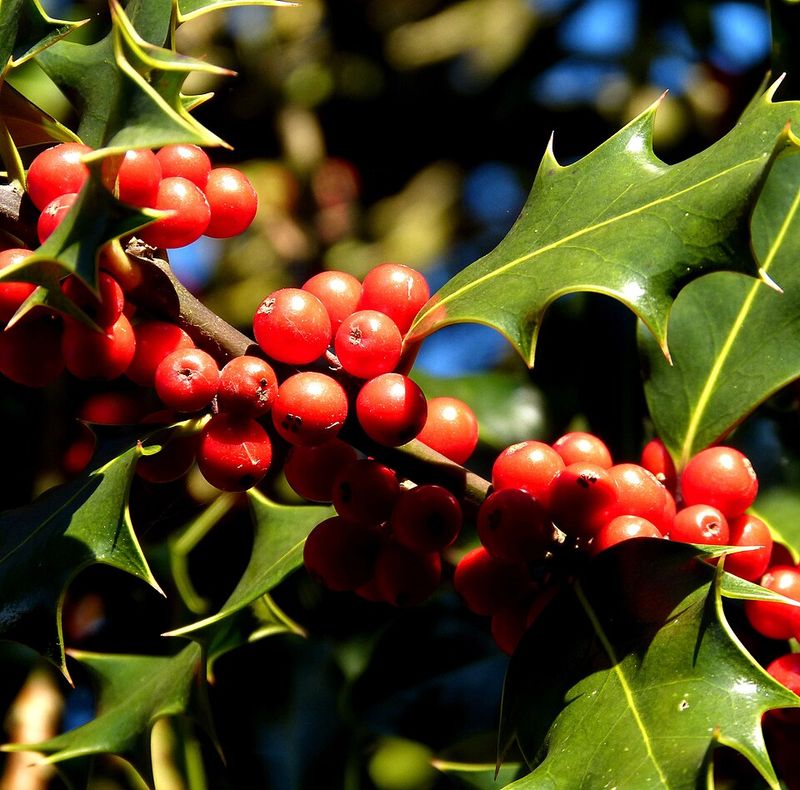
Patience tests every homeowner who plants American holly for cardinals. You won’t see berries the first year or probably even the second.
Female trees typically need three to five years after planting before producing their first fruit clusters, sometimes longer if growing conditions aren’t ideal.
That first year when berries finally appear feels like a victory. You’ll notice small green fruits forming in summer that gradually turn red by October.
Production increases each year as the tree matures and develops more flowering branches.
Established female hollies can produce hundreds of berry clusters annually. Each cluster contains dozens of individual fruits that persist through winter.
This abundance attracts not just your resident cardinals but traveling birds that spread word of your backyard bounty.
Berry production varies based on pollination success each spring. Rainy weather during flowering can reduce fruit set if it prevents bees from moving pollen effectively.
Drought stress during summer affects berry size and quantity the following year. Consistent watering during establishment and occasional deep watering during dry periods helps maximize production once your trees mature and begin their transformation into true cardinal magnets.
8. Avoid These Mistakes That Prevent Holly From Fruiting
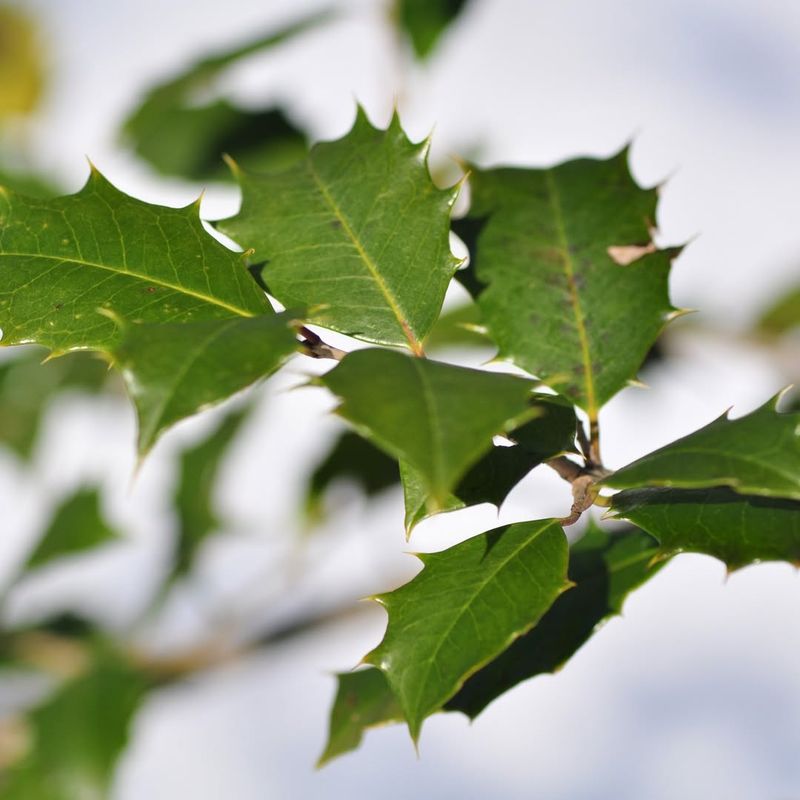
Nothing frustrates homeowners more than American holly trees that refuse to produce berries after years of waiting. The most common mistake involves planting only female trees without males nearby for pollination.
Even perfect growing conditions can’t overcome this fundamental problem.
Excessive pruning destroys berry production for the current year. Female hollies form flower buds on previous year’s growth during late summer.
Heavy pruning in fall or winter removes those buds before they can bloom and develop into berries. Limit pruning to light shaping in early spring after berries have been consumed.
Poor drainage slowly weakens holly trees and reduces flowering. American holly tolerates occasional wet soil but performs best in well-drained locations.
Roots need oxygen to function properly. Plant in raised beds if your yard has clay soil or low spots that hold water after summer thunderstorms roll through.
Fertilizing too heavily with high-nitrogen products promotes excessive leaf growth at the expense of flowering. American holly doesn’t require much supplemental fertilizer once established in Florida’s sandy soils.
A light application of balanced slow-release fertilizer in early spring provides adequate nutrition without pushing vegetative growth that reduces berry production.