These Are The Best Native Flowers You Should Plant In Your Texas Yard
Want a beautiful Texas yard that’s easy to care for and full of life? Native flowers are one of the smartest choices you can make.
These plants are naturally adapted to Texas heat, soil, and weather, which means they grow stronger and need less water and maintenance. Instead of struggling to survive, they thrive and reward you with long-lasting color and healthy growth.
Native flowers also attract pollinators like bees and butterflies, helping support the local ecosystem. Whether you’re planting a new garden or refreshing an old one, choosing native plants makes a big difference.
From bright blooms to hardy favorites, there are options for every type of space. If you want a yard that looks great while working with nature instead of against it, these native flowers are the perfect place to start.
1. Bluebonnet (Lupinus texensis)
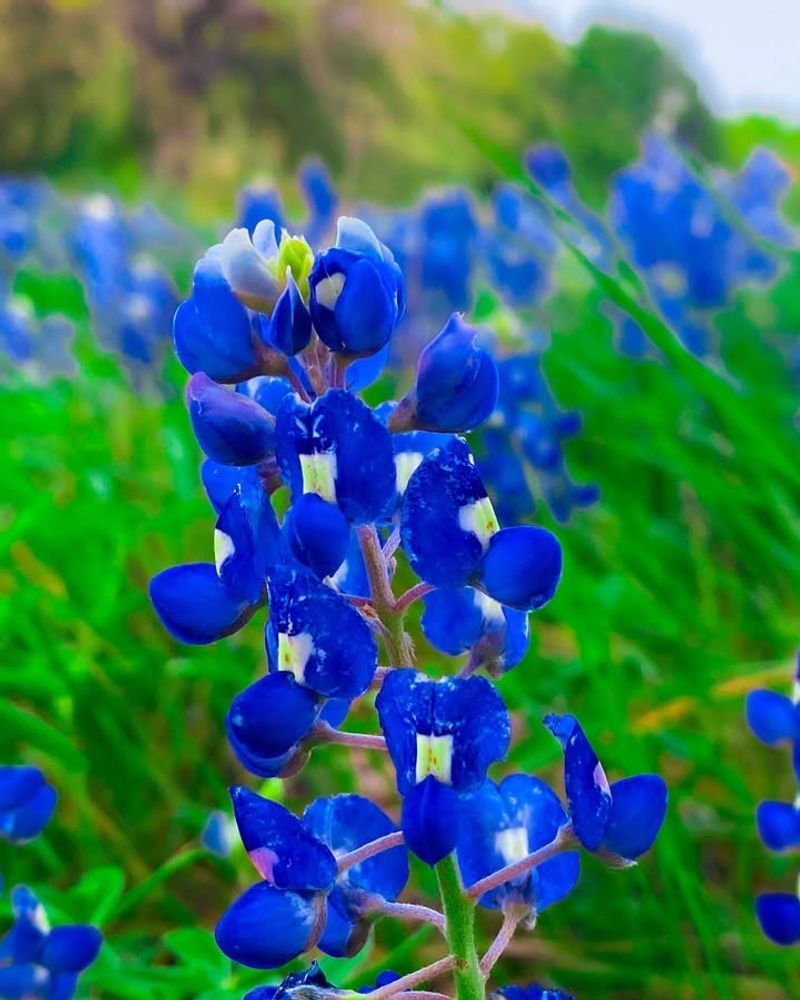
Ask any Texan to name a native flower, and bluebonnets will be the first answer every single time. This beloved wildflower earned its status as the official state flower of Texas back in 1901, and for good reason.
Bluebonnets paint entire hillsides and roadsides across Texas each spring with breathtaking waves of deep blue color that draw photographers and families from all over the state.
The flowers get their charming name from their resemblance to the bonnets pioneer women wore while settling Texas.
Growing bluebonnets in your yard is easier than most people think. These annuals reseed themselves naturally, so once you establish them, they return year after year without replanting.
Plant seeds in fall between September and November, and they will germinate during winter months before blooming in March and April.
Bluebonnets prefer well-drained soil and full sun, making them perfect for those sunny spots in your Texas landscape that other plants struggle to tolerate.
One major advantage of bluebonnets is their incredible drought tolerance once established. Their deep taproots reach down into the soil to find moisture that shallow-rooted plants cannot access.
They also fix nitrogen in the soil, which improves soil quality for surrounding plants. Bluebonnets attract beneficial pollinators like bumblebees and butterflies to your yard.
Remember that bluebonnets are legumes, so avoid fertilizing them heavily, as this produces more leaves than flowers.
Let these iconic Texas natives naturalize in your yard, and you will enjoy a spectacular spring display that connects your landscape to Texas heritage and natural beauty.
2. Black-Eyed Susan (Rudbeckia hirta)
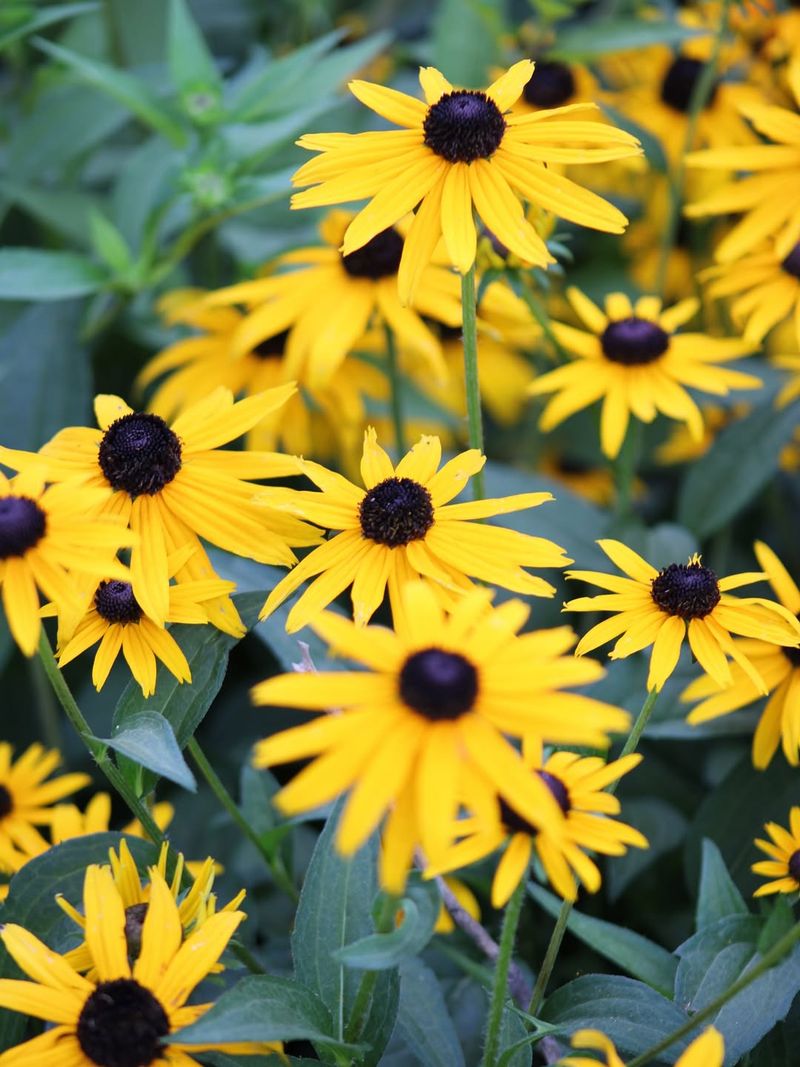
Cheerful golden petals surrounding a dark chocolate center make black-eyed Susans instantly recognizable and universally loved.
These tough perennials bring sunshine to Texas gardens from early summer straight through fall, providing months of continuous color when many other flowers have faded.
The daisy-like blooms sit atop sturdy stems that sway gracefully in the breeze, creating movement and interest in your landscape. Black-eyed Susans grow wild throughout Texas, proving their ability to handle whatever weather conditions the state throws at them.
Gardeners appreciate how forgiving these flowers are when it comes to soil conditions. Black-eyed Susans tolerate clay, sandy, or rocky soil as long as drainage is adequate.
Your Texas Garden Changes Every Week. Your Plan Should Too.
Gardening in Texas changes quickly throughout the season. Every Friday you’ll receive a simple weekly plan showing exactly what to plant, prune, fertilize, harvest, and protect so you never miss the right timing.
They thrive in full sun but can handle partial shade, making them versatile for different areas of your yard. Once established, they need very little supplemental watering, even during typical Texas summer heat.
These flowers self-seed readily, gradually forming larger clumps that create more impact each year without becoming invasive or difficult to manage.
Wildlife absolutely loves black-eyed Susans, which serve as an important food source for numerous species. Butterflies and bees visit the flowers constantly during blooming season, while goldfinches and other songbirds feast on the seed heads in fall and winter.
Deer typically leave these flowers alone, which is a huge bonus for Texas gardeners dealing with browsing wildlife. The flowers also make excellent cut flowers that last well in vases.
Deadheading spent blooms encourages more flowers, but leave some seed heads standing in fall to feed birds and provide natural reseeding for next year.
3. Texas Lantana (Lantana urticoides)
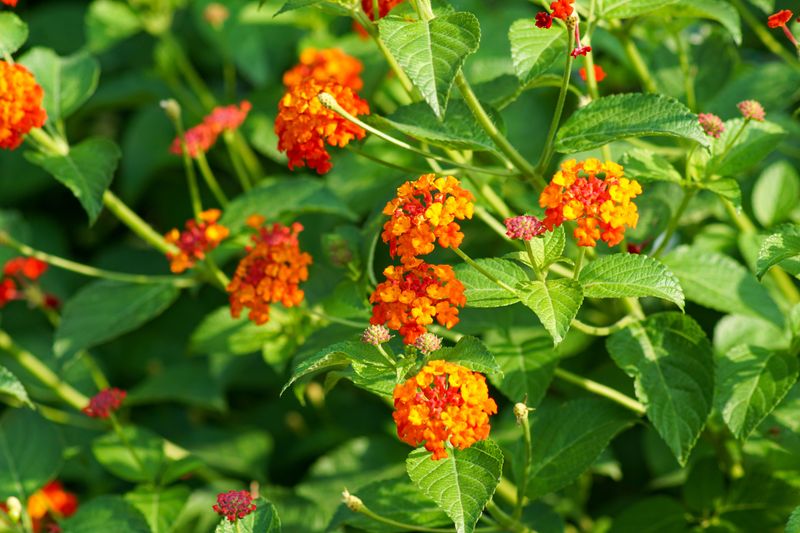
Butterflies practically live in Texas lantana from spring until the first frost arrives. This tough native shrub produces clusters of tiny flowers in brilliant combinations of orange, yellow, red, and pink that create a fiesta of color in your landscape.
Unlike its invasive tropical cousin, Texas lantana is a well-behaved native that supports local ecosystems rather than threatening them.
The plant forms a rounded, bushy shape that works beautifully as a foundation plant, in mass plantings, or mixed into perennial borders throughout Texas yards.
Extreme heat and drought do not faze Texas lantana one bit. This plant actually thrives in the conditions that stress most other flowering plants, making it ideal for water-wise Texas landscapes.
It grows best in full sun and well-drained soil but adapts to various soil types found across the state. Texas lantana typically reaches two to three feet tall and wide, though it can grow larger in ideal conditions.
Hard freezes may damage the top growth in winter, but the plant regrows vigorously from the roots each spring in most Texas regions.
The wildlife value of Texas lantana cannot be overstated for Texas gardens. Monarch butterflies, swallowtails, Gulf fritillaries, and dozens of other butterfly species visit the flowers constantly for nectar.
Hummingbirds also feed from the blooms regularly. The plant produces small berries that songbirds enjoy in fall.
Texas lantana requires almost no maintenance beyond occasional pruning to shape it or remove freeze-damaged stems. It rarely needs fertilizer or supplemental water once established.
This combination of non-stop color, minimal care requirements, and exceptional wildlife benefits makes Texas lantana a superstar for Texas landscapes.
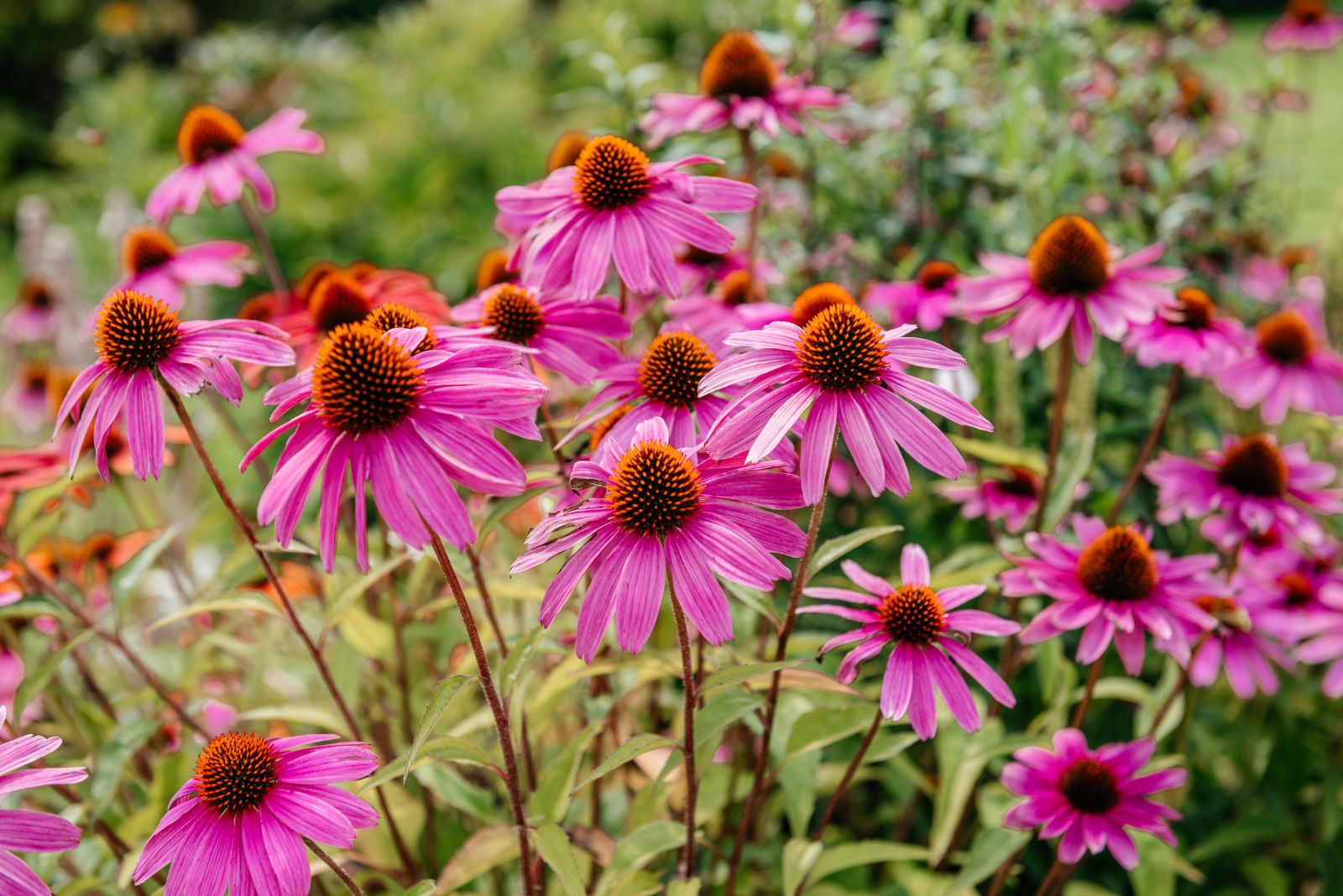
4. Purple Coneflower (Echinacea purpurea)
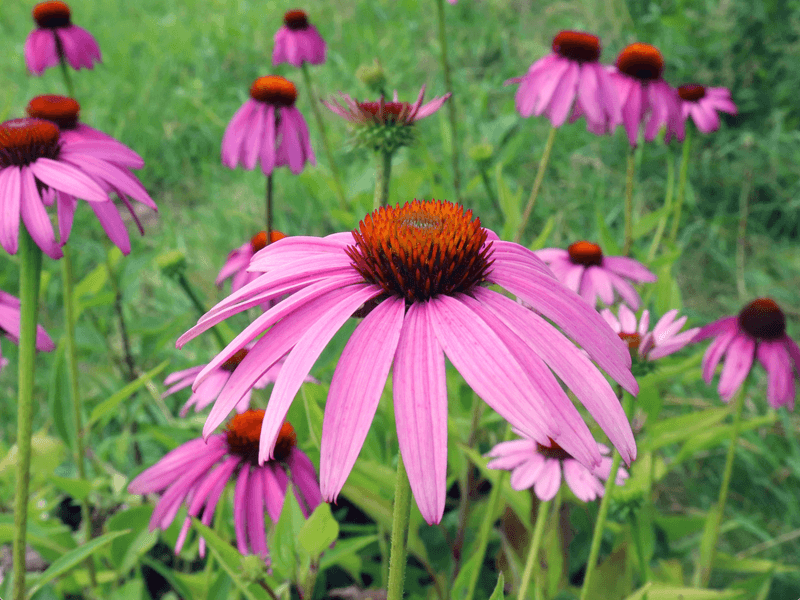
Bold pink-purple petals droop gracefully around a spiky orange cone that gives this flower its memorable name and distinctive appearance.
Purple coneflower ranks among the most popular native perennials for Texas gardens because it combines stunning beauty with remarkable toughness and medicinal properties that have been valued for centuries.
The flowers bloom on tall stems from late spring through summer, creating vertical interest and attracting attention from both people and pollinators. Each bloom can last for weeks, providing extended color that justifies the space these plants occupy in your yard.
Purple coneflowers adapt to various growing conditions across Texas with minimal fussing. They prefer full sun and average, well-drained soil but tolerate partial shade and less-than-perfect soil without complaint.
These perennials develop deep taproots that allow them to survive extended dry periods, though occasional watering during extreme drought helps them look their best.
Purple coneflowers typically reach two to four feet tall depending on growing conditions and variety.
They spread slowly to form clumps but never become aggressive or difficult to control in Texas landscapes.
Pollinators flock to purple coneflowers throughout the blooming season, making them essential for supporting bee and butterfly populations.
The seed heads that form after blooming provide valuable food for goldfinches and other seed-eating birds during fall and winter months.
Many gardeners leave the dried seed heads standing through winter because they add architectural interest to the winter garden while feeding birds. Purple coneflowers also make excellent, long-lasting cut flowers for arrangements.
These plants rarely suffer from serious pest or disease problems in Texas. Their combination of beauty, toughness, and ecological value makes them indispensable for Texas gardens.
5. Firewheel (Gaillardia pulchella)
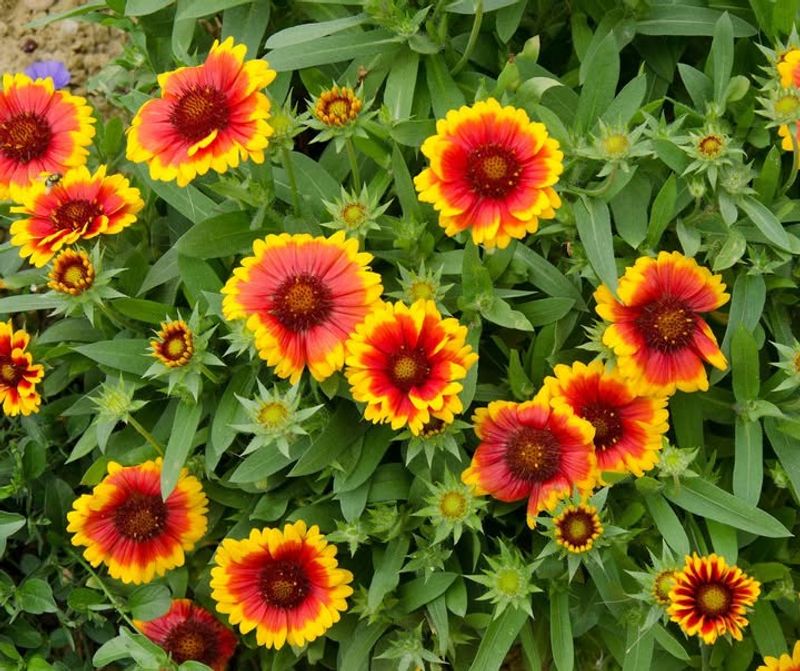
Resembling miniature sunbursts, firewheel flowers explode with rings of red and yellow that seem almost too vibrant to be real.
This cheerful annual wildflower blankets Texas roadsides and fields each spring and summer with color that stops traffic and makes people smile.
The common name perfectly describes the appearance of these flowers, which look like spinning wheels of flame with their red centers and yellow-tipped petals.
Firewheel is also called Indian blanket because the color pattern resembles the traditional blankets made by Native American tribes who have lived in Texas for thousands of years.
Growing firewheel in your Texas yard requires almost no effort or expertise. These flowers thrive in poor, dry soil that would challenge most other plants, making them perfect for difficult spots in your landscape.
They need full sun and good drainage but otherwise take care of themselves once planted. Firewheel reseeds prolifically, returning year after year and gradually spreading to cover more area.
The plants typically grow six to eighteen inches tall, creating a carpet of color rather than tall spikes. They bloom from spring through fall in most Texas regions, providing months of continuous color.
Butterflies and native bees visit firewheel flowers constantly, making them valuable for supporting pollinator populations in Texas.
The plants tolerate heat, humidity, drought, and poor soil without missing a beat, demonstrating the advantages of choosing native flowers adapted to Texas conditions.
Firewheel works beautifully in wildflower meadows, cottage gardens, or naturalized areas where you want low-maintenance color. They also grow well in containers for patios or balconies.
These flowers ask for nothing but deliver spectacular color and ecological benefits throughout the growing season in Texas landscapes.
6. Turk’s Cap (Malvaviscus arboreus var. drummondii)
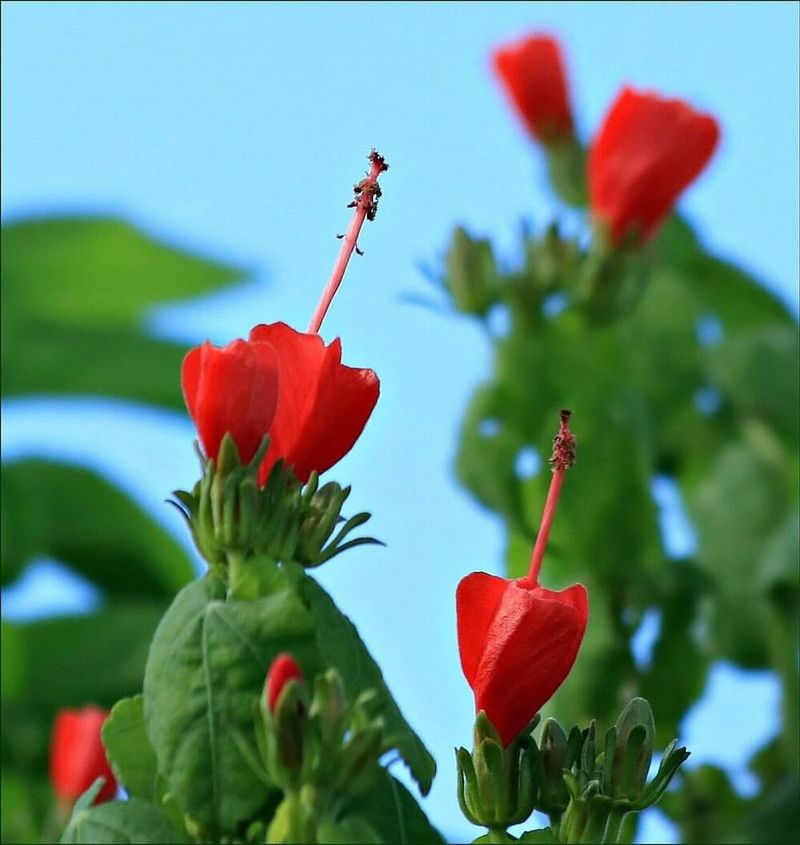
Bright red flowers that look like tiny wrapped turbans dangle from this charming native shrub from spring until frost.
Turk’s cap gets its whimsical name from the flowers that never fully open, instead remaining partially closed in a twisted shape that resembles the traditional caps worn in Turkey.
This Texas native shrub brings reliable color to shady spots where most flowering plants struggle, making it incredibly valuable for gardens with large trees or buildings that create shade.
The flowers attract hummingbirds like magnets, providing entertainment for anyone watching from windows or patios nearby.
Shade-loving flowering plants are rare in Texas gardening, which makes Turk’s cap especially appreciated. This shrub thrives in partial to full shade, though it also tolerates sun if given adequate moisture.
It prefers rich, well-drained soil but adapts to various soil types found throughout Texas. Turk’s cap typically grows three to five feet tall and wide, forming a rounded, bushy shape that works well as a foundation plant or informal hedge.
The plant may freeze back during hard winters in North Texas but regrows vigorously from the roots each spring.
Hummingbirds visit Turk’s cap flowers constantly throughout the blooming season, often defending favorite plants from other hummingbirds. Butterflies also nectar on the blooms regularly.
The plant produces small red fruits that birds and other wildlife enjoy. Turk’s cap requires minimal maintenance beyond occasional pruning to control size or shape.
It rarely suffers from serious pest or disease problems in Texas gardens. The long blooming period, shade tolerance, and exceptional wildlife value make Turk’s cap a must-have for Texas landscapes, especially in areas where most flowering plants refuse to perform well.
7. Autumn Sage (Salvia greggii)
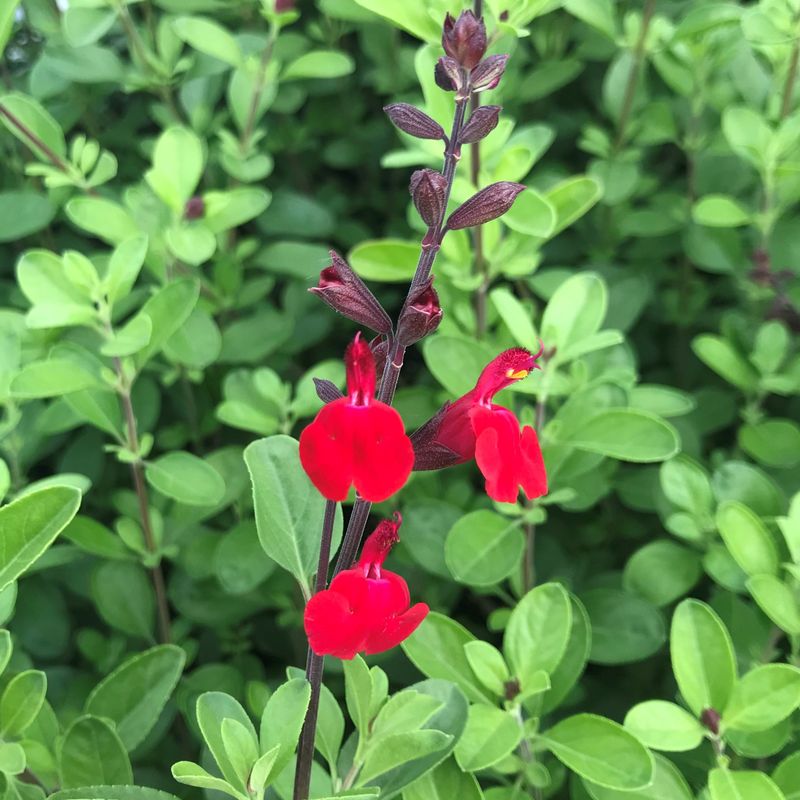
Hummingbirds zoom between the tubular flowers of autumn sage like tiny helicopters refueling at multiple stations.
This outstanding native shrub blooms almost year-round in South Texas and from spring through fall in other regions, providing nectar when many other flowers have stopped blooming.
Autumn sage comes in numerous colors including red, pink, white, coral, and purple, allowing you to choose shades that complement your landscape design.
The compact, evergreen foliage stays attractive even when not blooming, and the plant emits a pleasant fragrance when leaves are brushed or crushed.
Extreme drought and heat do not slow down autumn sage once established in Texas landscapes. This tough native actually prefers lean soil and infrequent watering, making it perfect for water-wise gardens throughout the state.
It thrives in full sun and well-drained soil, tolerating rocky or alkaline conditions common in many Texas regions. Autumn sage typically grows two to three feet tall and wide, though size varies by variety.
The plant maintains a naturally rounded shape with minimal pruning, though occasional trimming keeps it looking neat and encourages more blooms.
Hummingbirds, butterflies, and bees all visit autumn sage flowers regularly, making it essential for supporting pollinator populations. Deer usually avoid this plant because of its aromatic foliage, which is a significant advantage in areas with heavy deer pressure.
Autumn sage rarely suffers from pest or disease problems and requires no fertilizer in most Texas soils.
The combination of nearly constant blooms, minimal water needs, compact size, and exceptional wildlife value makes autumn sage one of the most useful and popular native plants for Texas gardens.
Plant it near windows or patios where you can enjoy watching hummingbirds visit throughout the day.