Easy Backyard Upgrades That Make A Big Difference For Texas Birds
Have you ever noticed birds flying over your yard without stopping? With a few simple upgrades, you can turn your backyard into a place Texas birds actually want to visit and stay.
You don’t need a huge budget or a full landscape makeover to make a difference. Small changes like adding the right plants, water sources, and shelter can quickly attract more birds and give them what they need to survive.
These upgrades also make your yard more peaceful and enjoyable, giving you front-row seats to colorful feathers and cheerful birdsong. Whether you live in the city, suburbs, or countryside, your outdoor space has the potential to become a safe and welcoming habitat.
If you’re ready to bring more life, movement, and natural beauty into your backyard, these easy upgrades can make a surprisingly big impact for Texas birds.
1. Add A Native Plant Garden
Native plants are like a magnet for Texas birds. They’ve evolved together over thousands of years, creating perfect partnerships that benefit both.
When you fill your yard with plants that naturally grow in Texas, you’re providing food sources that local birds already know and love. Seeds, berries, nectar, and the insects that live on these plants all become part of a natural buffet.
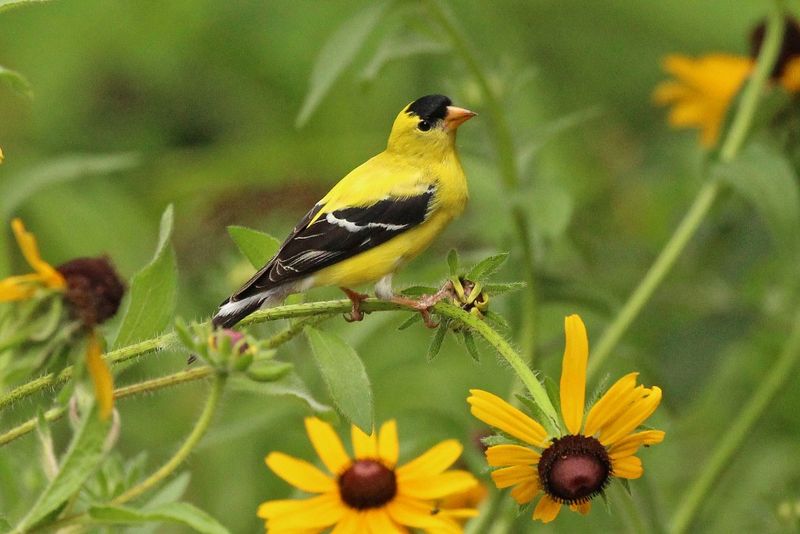
Creating a native garden doesn’t mean letting your yard go wild. You can design beautiful spaces with Texas favorites like black-eyed susans, coneflowers, and salvia.
These plants need less water than non-native species, which is perfect for our Texas climate. They’re also tougher and require less maintenance once established.
Birds like goldfinches adore the seeds from coneflowers, while hummingbirds can’t resist the bright red blooms of salvia.
Consider grouping plants in clusters rather than single specimens. This creates more visual impact and gives birds multiple feeding spots in one area.
Include plants of different heights to provide various perching options. Taller sunflowers and Mexican plum trees offer high vantage points, while lower shrubs like yaupon holly give cover for ground-feeding species.
The timing of blooms matters too. Choose plants that flower and produce seeds at different times throughout the year.
This ensures your backyard offers food during every season, including fall and winter when natural food sources become scarce. Spring migration brings hungry travelers through Texas, and your native garden becomes a crucial refueling station.
Summer residents will stick around longer when they find reliable food sources, and you might even convince some species to nest nearby.
Year-round residents like cardinals and Carolina wrens will thank you by becoming regular visitors to your beautiful, bird-friendly Texas garden.
2. Install A Water Feature With Moving Water
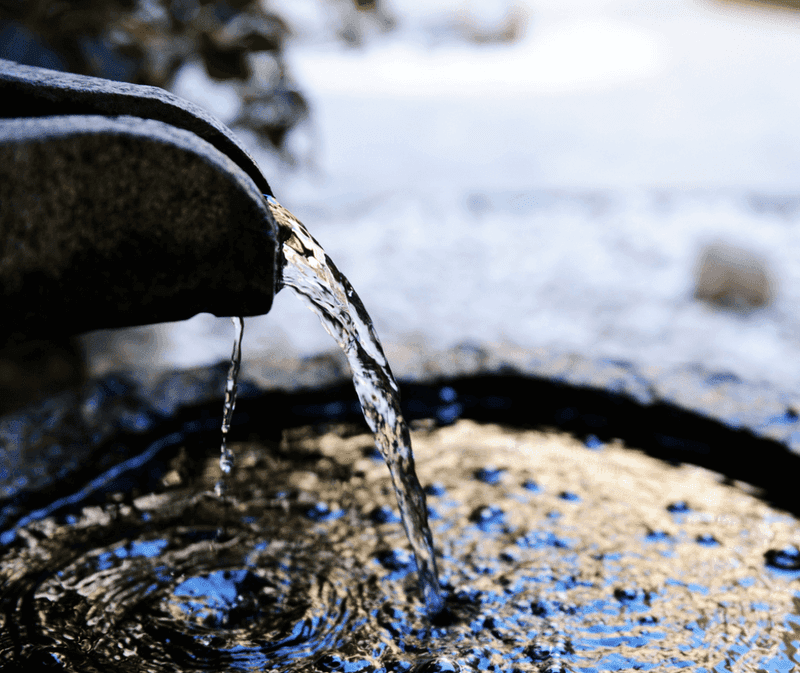
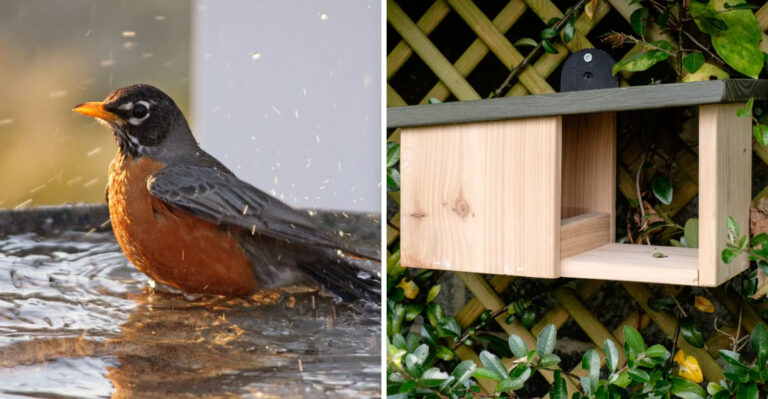
Water draws birds faster than almost anything else. Every bird needs to drink and bathe regularly, but finding clean water in Texas can be challenging, especially during hot, dry spells.
A simple water feature becomes an oasis that birds will visit multiple times daily. The sound of moving water acts like an advertisement, letting birds know from surprising distances that refreshment awaits.
Your Texas Garden Changes Every Week. Your Plan Should Too.
Gardening in Texas changes quickly throughout the season. Every Friday you’ll receive a simple weekly plan showing exactly what to plant, prune, fertilize, harvest, and protect so you never miss the right timing.
Still water in a basic birdbath works okay, but moving water works magic. Birds are naturally attracted to the sound and sight of splashing or dripping water.
You don’t need an expensive setup. A small solar fountain in a birdbath creates enough movement to catch attention.
Even a slow drip from a suspended container works wonders. The movement also keeps water fresher by preventing mosquito breeding and reducing algae growth.
Placement matters as much as the water itself. Position your feature where birds can see it from nearby trees or shrubs.
They prefer approaching water with escape routes nearby in case predators appear. Keep the area around your water feature relatively open so birds can spot danger. A location with some shade helps keep water cooler during brutal Texas summer days.
Depth is important for safety and accessibility. Birds need shallow areas where they can wade in comfortably.
Ideal depth ranges from half an inch to two inches at the edges. If your feature is deeper, add rocks or a textured platform to create shallow zones.
Different bird species have different preferences, so variety accommodates more visitors. Larger birds like grackles might use deeper sections, while tiny warblers stick to the shallowest spots.
Clean your water feature regularly, especially in summer when algae grows quickly. Fresh, moving water in your Texas backyard will attract species you never knew lived nearby, turning your space into the neighborhood watering hole.
3. Provide Multiple Feeder Types At Different Heights
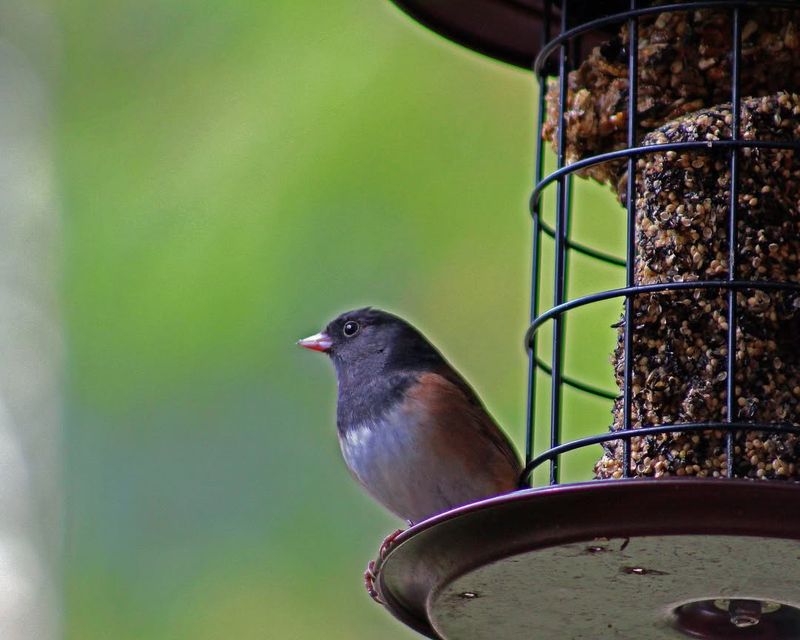
Different birds eat different foods and prefer feeding at different heights. Offering variety means more species will find something they like in your yard.
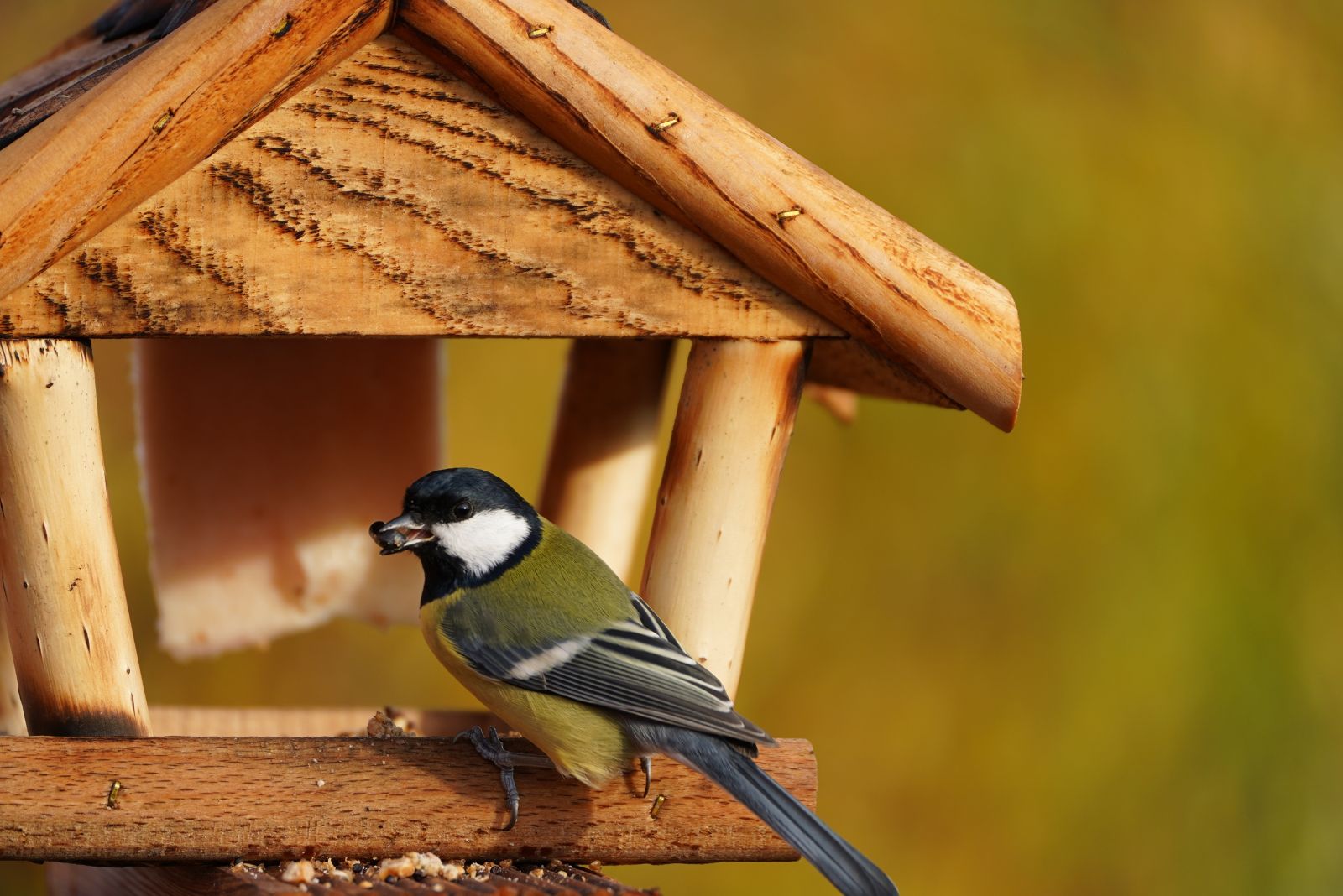
A single feeder limits your visitors, but a thoughtful combination turns your backyard into a popular dining destination. Think of it as running a restaurant with a diverse menu that appeals to everyone.
Start with a tube feeder filled with black oil sunflower seeds. This attracts favorites like cardinals, chickadees, and titmice.
Hang it at eye level or slightly higher, about five to six feet off the ground. Add a platform feeder lower down, maybe three feet high, for ground-feeding species like doves and towhees.
These birds feel more comfortable eating closer to the ground where they naturally forage. A nyjer seed feeder brings in goldfinches and pine siskins, which are common in Texas during certain seasons.
Don’t forget suet feeders for woodpeckers and nuthatches. These high-energy cakes are especially important during winter and migration periods when insects become scarce.
Attach suet feeders to tree trunks or hang them from sturdy branches. Woodpeckers naturally cling to vertical surfaces, so this placement feels natural to them.
Texas is home to several woodpecker species, including the beautiful red-bellied woodpecker and the ladder-backed woodpecker.
Spacing feeders throughout your yard prevents bullies from dominating all the food. Aggressive birds like blue jays can’t guard multiple locations simultaneously, giving smaller, shyer species a chance to eat peacefully.
Keep feeders at least ten feet apart when possible. Place them near trees or shrubs so birds have quick escape routes if hawks appear.
Clean all feeders every two weeks to prevent disease spread. Moldy or spoiled seed can make birds sick.
In humid Texas weather, seed spoils faster, so monitor feeders closely and refresh food regularly for healthy, happy visitors.
4. Create Brush Piles And Leave Some Messiness
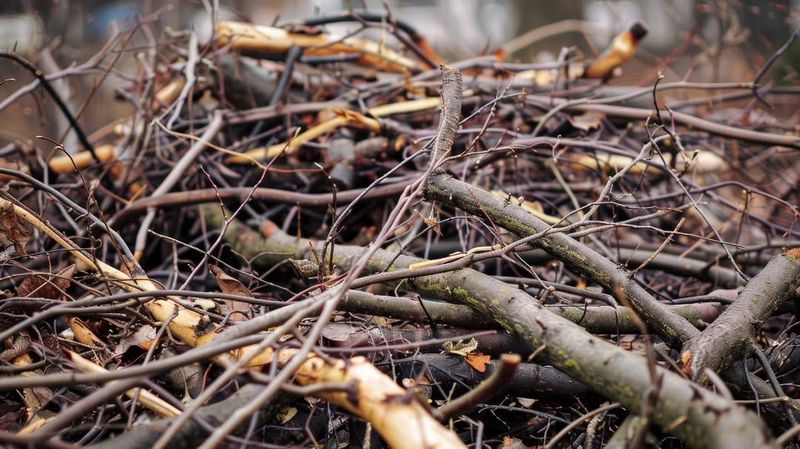
Perfectly manicured yards look nice to people but offer little to birds. A bit of controlled messiness creates vital habitat that many species desperately need.
Brush piles might seem like clutter, but to birds they’re safe havens, especially during storms, cold snaps, and when predators are near. Building one takes minimal effort and costs nothing if you use materials from your own yard.
Start by choosing a quiet corner of your property. Lay down larger branches first as a base, then pile smaller twigs and branches on top.
Create a loose structure with gaps and spaces throughout. These openings allow birds to move inside while providing ventilation.
Aim for a pile about three to four feet high and four to five feet wide. Carolina wrens, sparrows, and towhees will quickly discover this shelter and use it regularly.
Leave some leaf litter around your yard too. Raking every single leaf removes important foraging opportunities.
Many insects live in leaf litter, and birds like thrashers and thrushes flip through leaves searching for food. A layer of leaves under shrubs and trees mimics natural forest floors. This approach also reduces yard work, which is a bonus for busy homeowners.
Dry branches and snags serve purposes beyond aesthetics. If you have a dry tree or large branch that’s not threatening structures, consider leaving it standing.
Woodpeckers excavate nesting holes in dry wood, and those holes get reused by other species like chickadees and titmice after the woodpeckers move on. Perching birds use dry branches as singing posts and hunting platforms.
Texas has strict rules about tree removal in some areas, but leaving natural elements often complies perfectly with local guidelines while benefiting wildlife.
Your slightly wilder backyard becomes a refuge where birds feel secure, rest comfortably, and find the resources they need to thrive throughout the year.
5. Add Nesting Boxes For Cavity Nesters
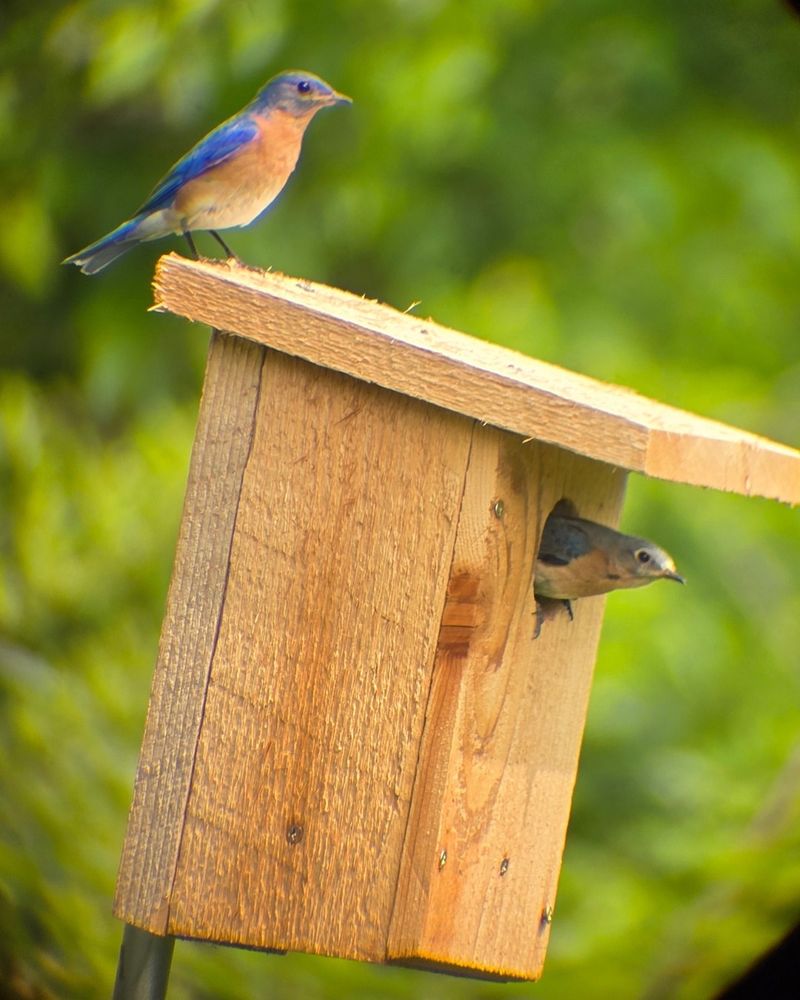
Many Texas birds struggle to find suitable nesting sites. Natural tree cavities have become scarce as old trees get removed and dry wood gets cleared away.
Nesting boxes fill this gap, providing safe places for cavity-nesting species to raise their young. Installing a few boxes can dramatically increase the bird families that call your yard home during breeding season.
Bluebirds are famous box users and they’re absolute treasures in any Texas yard. Their brilliant blue feathers and cheerful personalities make them favorites among bird watchers.
Bluebird boxes need specific dimensions and entrance hole sizes to work properly. The hole should measure exactly one and a half inches in diameter to allow bluebirds in while keeping larger, competitive species out.
Mount boxes on poles four to six feet high in open areas where bluebirds can spot insects in the grass below.
Chickadees and titmice also love nesting boxes. These friendly birds often become quite comfortable around people and might even nest close to your house.
Their boxes need slightly smaller entrance holes, around one and one-eighth inches across. Wrens are another common box user in Texas.
Carolina wrens especially will nest in almost any cavity, including boxes, hanging planters, or even mailboxes if given the chance.
Face entrance holes away from prevailing winds and afternoon sun. Texas heat can turn a poorly positioned box into an oven, making it unusable or even dangerous for nestlings.
Adding ventilation holes near the roof and drainage holes in the floor improves comfort and safety. Clean out old nests after each breeding season ends.
This prevents parasite buildup and makes boxes ready for the next occupants. Some species raise multiple broods per year, so they might reuse the same box if you keep it clean.
Watching parent birds fly back and forth feeding hungry chicks creates unforgettable backyard entertainment throughout spring and early summer.
6. Reduce Window Collisions With Visible Markers
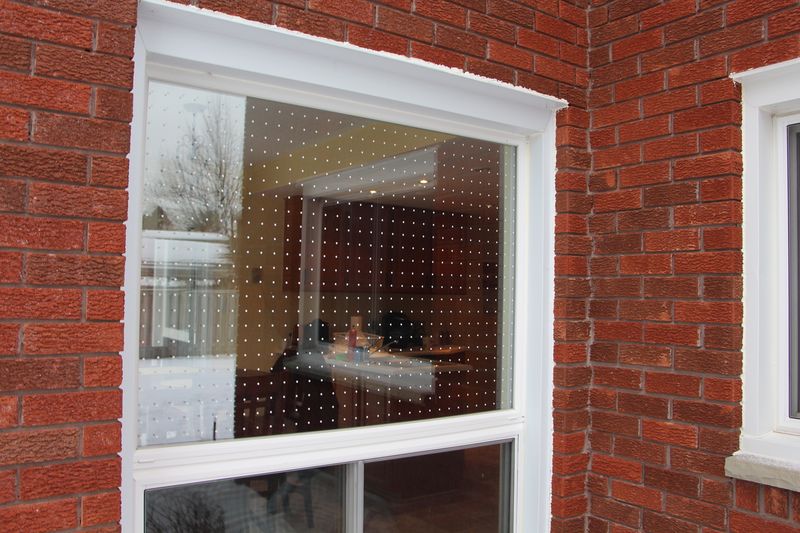
Windows pose serious dangers to birds across Texas. Reflections of trees and sky trick birds into thinking they can fly straight through.
The impact often causes immediate injury or leaves birds stunned and vulnerable to predators.
This problem affects millions of birds annually, but simple solutions can dramatically reduce collisions at your home. Making windows visible to birds requires minimal investment and effort.
Decals and stickers work when applied correctly. Random placement of one or two stickers per window doesn’t help much.
Birds will simply fly around them toward the reflection. Instead, use the two-inch by four-inch rule.
Place markers no more than two inches apart vertically and four inches apart horizontally across the entire window surface. This creates a pattern dense enough that birds recognize the barrier.
Many stores sell attractive decals specifically designed for this purpose, including designs that are nearly invisible to people but visible to birds.
External screens or netting provide excellent protection. If you have problematic windows where birds frequently strike, consider adding screens that sit a few inches away from the glass.
Birds bounce off the screen instead of hitting the hard glass surface. This cushioning effect prevents injuries.
Shade screens and insect screens mounted on the outside work similarly. They break up reflections while serving additional purposes like reducing heat and keeping bugs out.
Window films offer another solution. Frosted or patterned films reduce reflectivity while still allowing light inside.
You can apply them to the outside surface of windows for maximum effectiveness. Some films are one-way, meaning you can see out clearly while birds see a marked surface.
For sliding glass doors and large windows facing bird feeders or favorite perches, this upgrade becomes especially important. Turning off interior lights at night during migration seasons helps too.
Lights confuse migrating birds and draw them toward buildings. Texas sits along major migration routes, so spring and fall bring waves of travelers through your area. Protecting these journeying birds helps entire populations stay healthy.