These 9 Vegetables Keep Growing Even In Florida Heat
Summer gardening in Florida can feel like a losing battle. The sun is intense, the air stays heavy, and many vegetables slow down or stop producing altogether.
But not every plant gives up when temperatures climb. Some vegetables are built to handle long hot days and still keep growing when others struggle.
Choosing the right ones can mean the difference between empty beds and steady harvests. If you’ve ever watched your garden fade once summer hits, this is where smarter plant choices come in.
Florida gardeners rely on these vegetables for steady harvests when temperatures soar. Instead of fighting the climate, these plants work with it, making summer gardening easier, more productive, and far more rewarding.
1. Okra Thrives When Florida Heat Turns Brutal
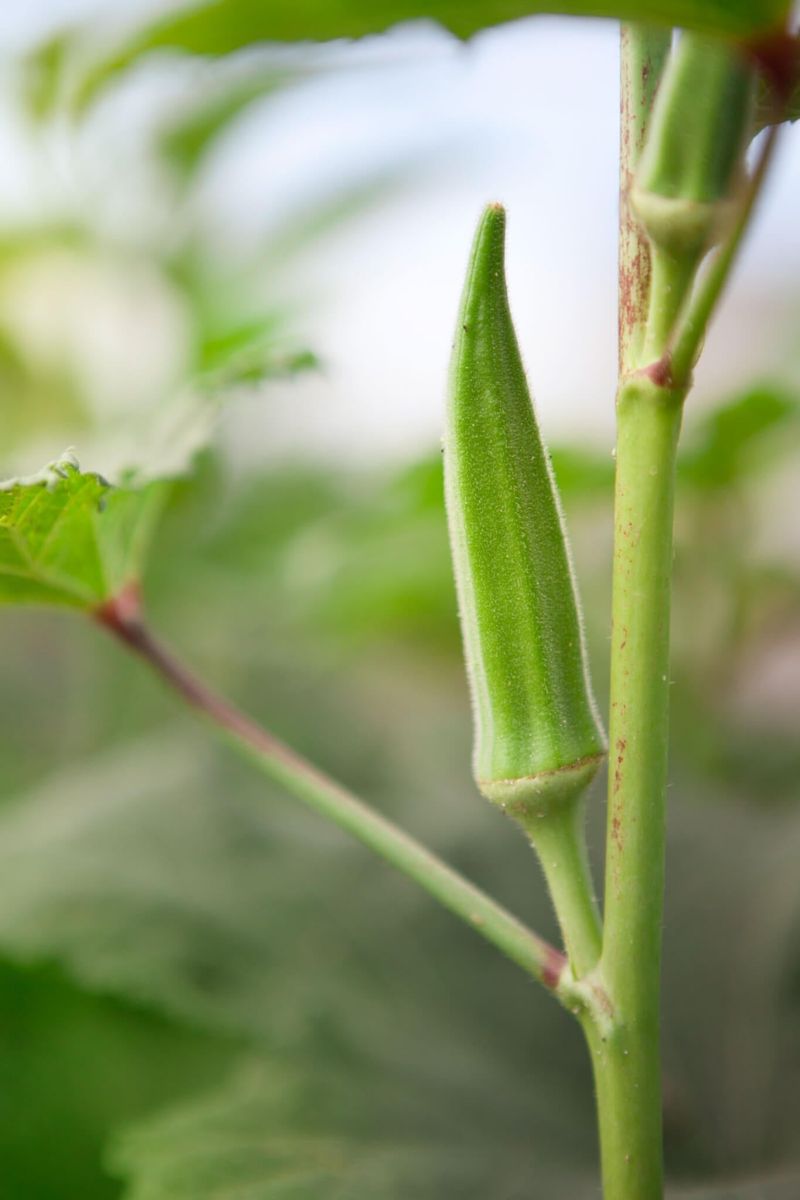
Walk into your garden on a scorching July afternoon and notice how most plants look tired. Okra stands tall with deep green leaves reaching toward the sun, loaded with tender pods ready for picking.
This African native treats Florida heat like a vacation spot.
Your okra plants want full sun and well-drained soil with plenty of organic matter mixed in. They grow fast once temperatures climb above 85 degrees.
Plant seeds directly in the ground after your last spring frost, spacing them about 12 inches apart in rows.
Water deeply twice weekly during dry spells, aiming for early morning to reduce evaporation. Okra roots go deep, so consistent moisture helps but these plants tolerate brief dry periods better than most vegetables.
Mulch around the base keeps soil cooler and holds moisture longer.
Pods develop quickly in summer heat. Check plants every other day because okra grows from flower to harvestable pod in just four days when temperatures soar.
Pick pods when they reach three to four inches long for the best texture and flavor.
2. Southern Peas Keep Producing When Other Crops Quit
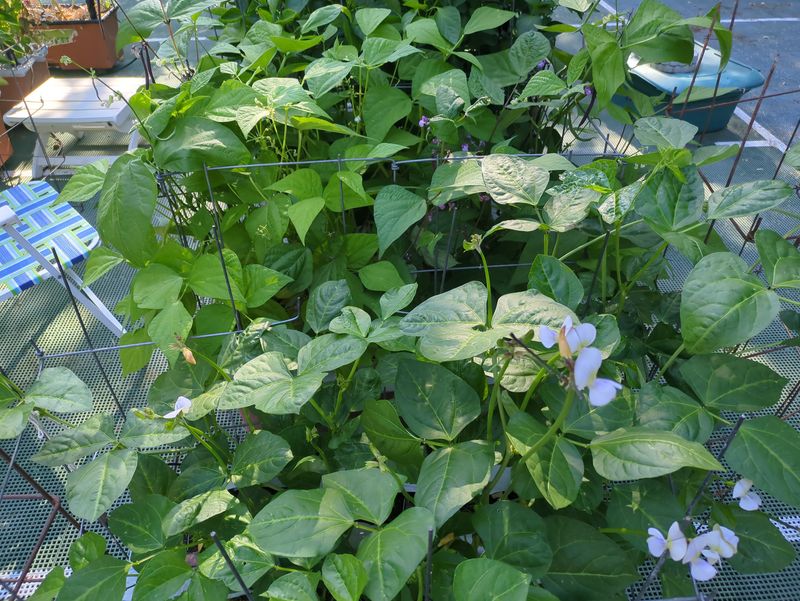
Southern peas handle brutal heat like champions. These include crowder peas, black-eyed peas, and purple hull varieties that actually prefer temperatures most vegetables cannot tolerate.
Your garden stays productive through the hottest months when you plant these reliable performers.
Choose a spot with six to eight hours of direct sunlight. Southern peas fix nitrogen in the soil, so they do not need heavy fertilization.
Sandy Florida soil works perfectly as long as you add compost before planting. Sow seeds one inch deep and three inches apart after soil warms to 65 degrees.
These plants develop deep root systems that search for moisture even during dry weeks. Water when the top two inches of soil feel dry, providing about one inch per week.
Morning watering gives leaves time to dry before nightfall, reducing disease pressure in humid Florida conditions.
Pods form continuously throughout summer. Harvest fresh shell peas when pods fill out but before they turn brown.
For dried peas, leave pods on the plant until they rattle. Most varieties produce for eight to ten weeks in peak summer heat.
3. Eggplant Loves Hot Weather And Long Summer Days
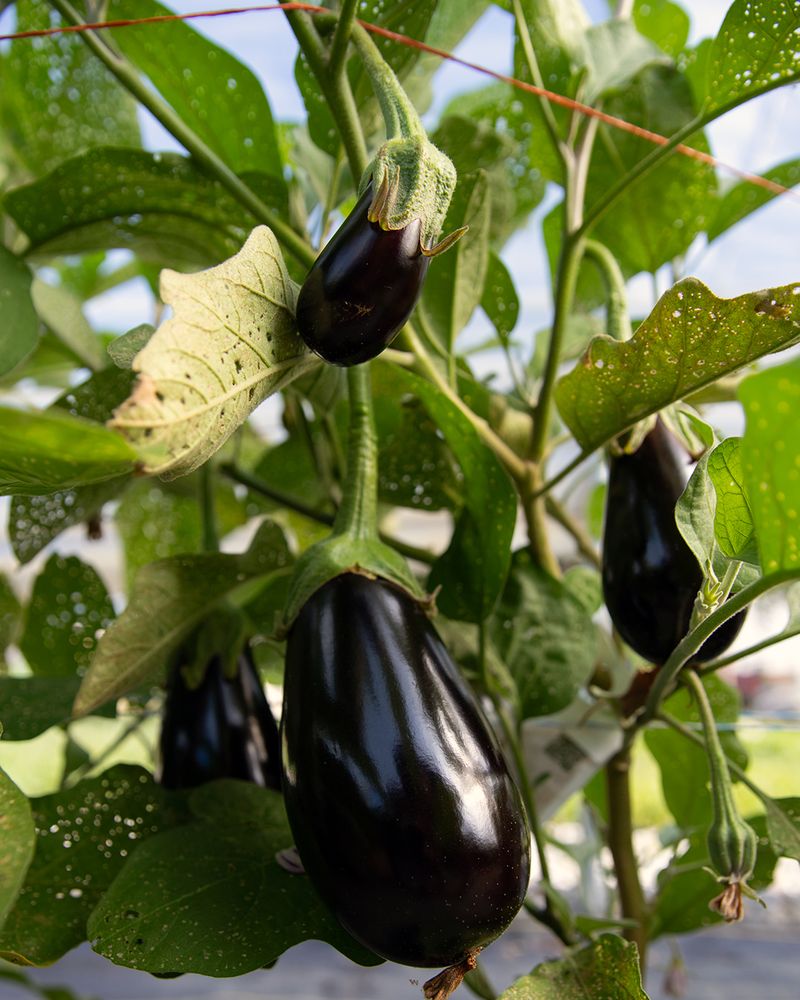
Your neighbor’s tomatoes might struggle, but eggplant keeps setting fruit when temperatures stay above 90 degrees for weeks. This heat-loving crop originated in India, so Florida summers feel like home.
Your Florida Garden Changes Every Week. Your Plan Should Too.
Gardening in Florida changes quickly throughout the season. Every Friday you’ll receive a simple weekly plan showing exactly what to plant, prune, fertilize, harvest, and protect so you never miss the right timing.
Plants grow bushier and more productive as temperatures climb through June and July.
Full sun exposure works best for eggplant in Florida gardens. These plants need rich soil with good drainage and a pH between 5.5 and 6.5.
Start with transplants in spring after frost danger passes, spacing them 24 inches apart to allow good air circulation around mature plants.
Consistent moisture matters more for eggplant than many heat-tolerant crops. Water deeply two to three times weekly, keeping soil evenly moist but never waterlogged.
A three-inch layer of mulch around plants helps maintain steady soil moisture and keeps roots cooler during the hottest afternoons.
Fruit develops steadily from early summer through fall in most Florida regions. Harvest eggplants when skin looks glossy and firm, usually when fruits reach six to eight inches long.
Regular picking encourages plants to set more flowers and extend your harvest season well into autumn.
4. Peppers Keep Pumping Out Fruit In Sweltering Conditions
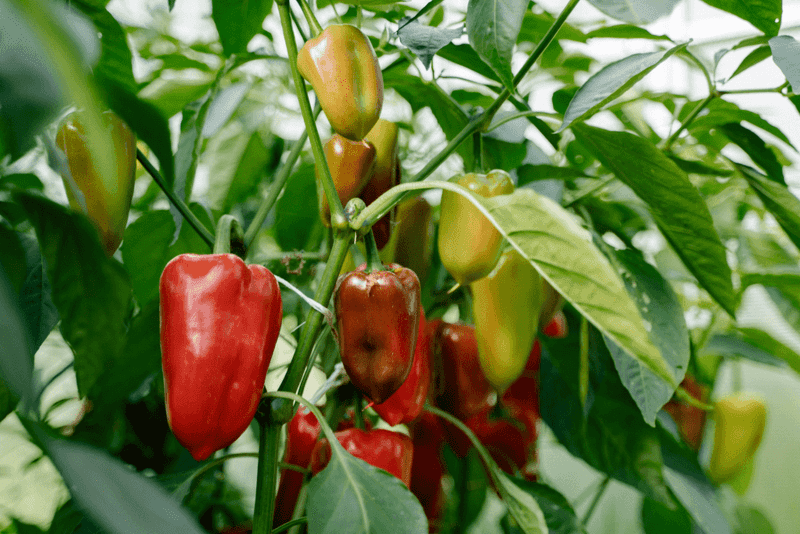
Pepper plants look stressed when spring temperatures first spike, but they adapt quickly. By midsummer, your pepper patch becomes one of the most productive areas in the garden.
Both sweet bells and hot varieties thrive when other crops slow down, remain productive through hot weather, though flowering may slow during extreme heat.
Plant peppers where they receive at least six hours of direct sun daily. They prefer slightly acidic soil enriched with compost or aged manure.
Space transplants 18 to 24 inches apart in rows, planting slightly deeper than they grew in containers to encourage strong root development.
During extreme heat, pepper plants need regular watering to prevent blossom drop. Provide one to two inches of water weekly, either through deep watering sessions or drip irrigation.
Mulching heavily around plants conserves moisture and prevents soil temperature spikes that stress shallow roots.
Expect fruit to develop slower during the hottest weeks, then production ramps up again as August arrives. Pick peppers at any stage, from green to fully colored.
Regular harvesting signals plants to keep flowering and setting new fruit throughout the growing season.
5. Sweet Potatoes Spread Fast And Laugh At High Temperatures
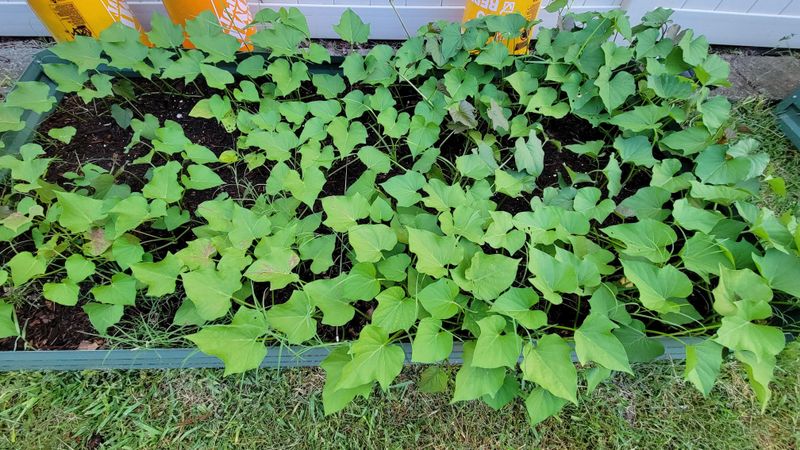
Sweet potato vines transform bare garden beds into dense green carpets by midsummer. These vigorous growers actually prefer hot weather and humid conditions that challenge other crops.
Watch the vines spread several feet in every direction once temperatures stay consistently warm, creating natural weed barriers while roots swell underground.
Full sun and loose, well-drained soil produce the best sweet potato harvests. Avoid heavy clay or compacted areas where roots cannot expand properly.
Plant slips in late spring, burying stems horizontally with only the top leaves showing above soil level. Space plants 12 to 18 inches apart in rows three feet wide.
Once established, sweet potatoes tolerate dry conditions better than most vegetables. Water regularly for the first month after planting, then reduce frequency.
These plants develop extensive root systems that find moisture deep in the soil. Too much water actually reduces root quality and encourages excessive vine growth, especially in sandy soils common in Florida.
Harvest begins about 100 days after planting, usually in fall when vines start yellowing. Dig carefully to avoid damaging tender roots.
Sweet potatoes need curing in warm, humid conditions for one to two weeks before storage, which improves flavor and extends shelf life.
6. Long Beans Grow Strong Even In Extreme Summer Heat
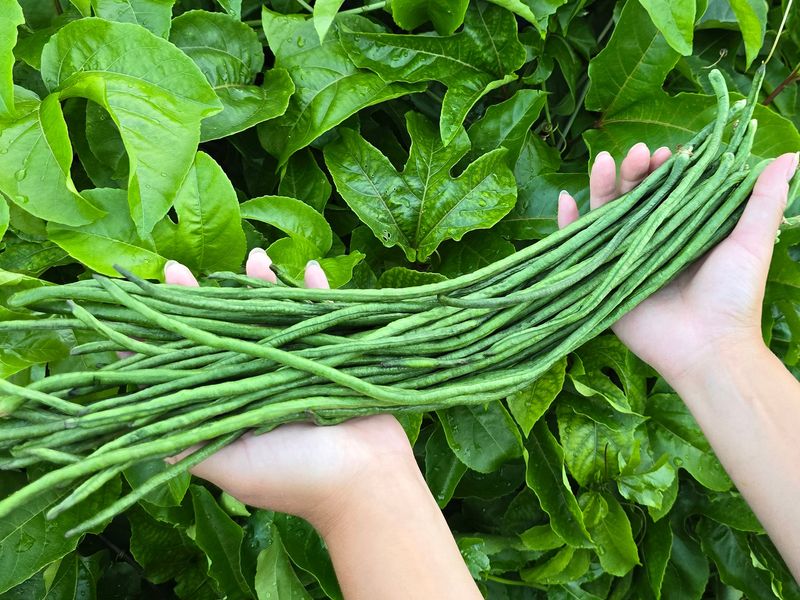
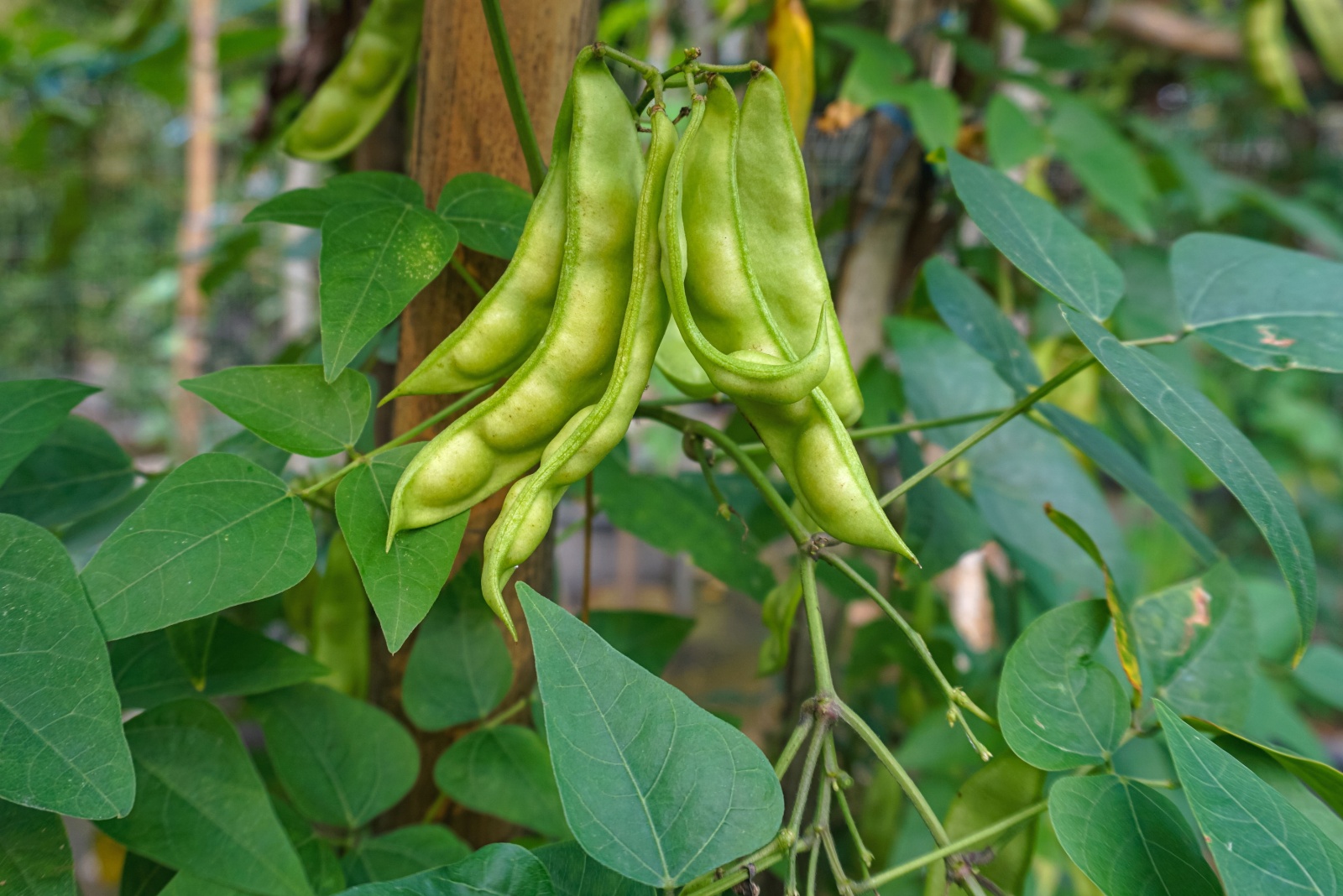
Long beans, sometimes called yard-long beans or asparagus beans, outperform regular green beans when temperatures soar past 95 degrees. These Asian vegetables produce slender pods that can reach 18 inches or longer, hanging in clusters from vigorous vines.
Your trellis fills with foliage and beans while other climbing crops struggle with heat stress.
Provide a sturdy support structure because these vines climb six to eight feet tall in Florida summers. Full sun and average garden soil work fine, though adding compost improves production.
Plant seeds one inch deep after soil warms thoroughly, spacing them four inches apart along your trellis or fence.
Long beans need consistent moisture during flowering and pod development. Water deeply twice weekly, more often during extended dry periods.
These plants tolerate brief droughts better than bush beans but produce more abundantly with regular watering. Mulch helps maintain even soil moisture through hot afternoons.
Pods develop rapidly in summer heat, often reaching picking size within a week of flowering. Harvest when pods reach 12 to 18 inches long but before seeds bulge noticeably.
Check plants every two to three days because pods toughen quickly when left too long. Regular picking extends production for several months.
7. Cherry Tomatoes Hold On When Regular Tomatoes Fail
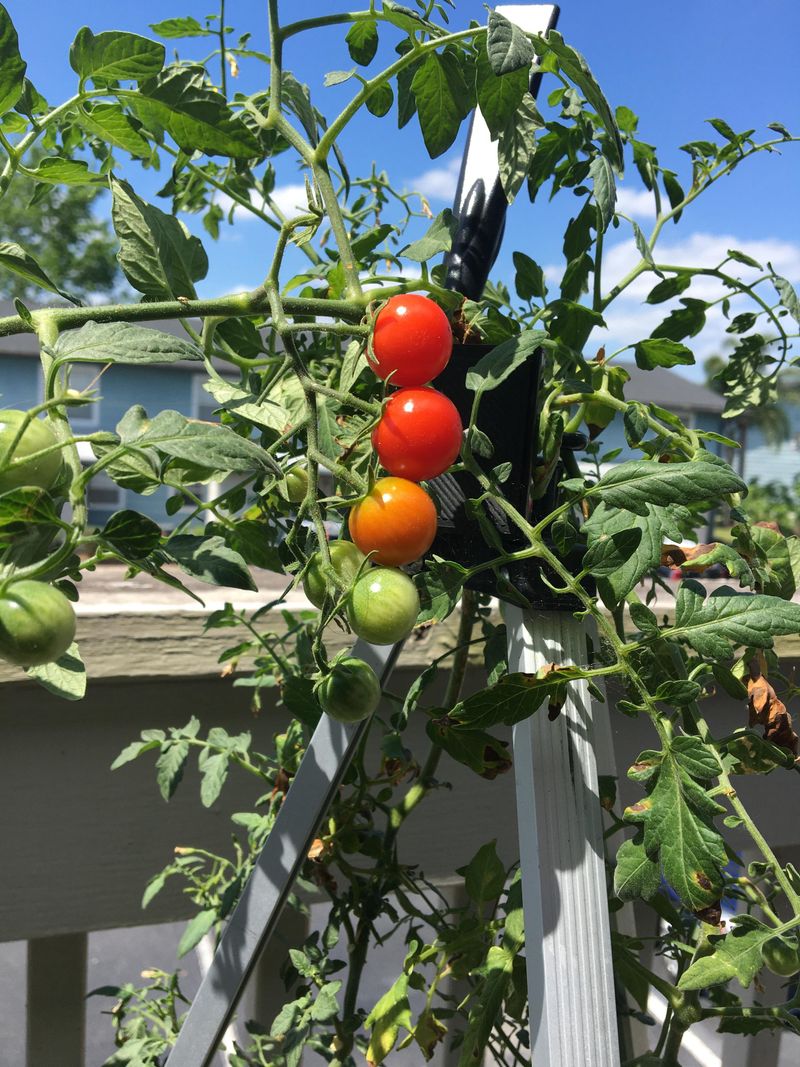
Large beefsteak tomatoes struggle with Florida summer diseases and heat, but cherry varieties keep producing. These smaller-fruited plants show better heat tolerance and disease resistance, maintain production longer into hot weather but may slow fruit set during peak summer heat.
Your summer salads stay fresh with regular harvests from just a few plants.
Choose heat-tolerant varieties bred for southern gardens. Plant in full sun with rich, well-drained soil amended with plenty of compost.
Space plants three feet apart and provide sturdy cages or stakes because cherry tomato vines grow vigorously in warm weather, often reaching six feet tall or taller.
Consistent watering prevents problems like blossom end rot and fruit cracking. Aim for one to two inches of water weekly, delivered through drip irrigation or soaker hoses.
Water in early morning so foliage dries quickly, reducing fungal disease pressure in humid Florida conditions. Mulch heavily to maintain even soil moisture.
Fruit ripens continuously from late spring through fall in most Florida regions. Pick tomatoes when fully colored and slightly soft to the touch.
Cherry tomatoes often produce hundreds of fruits per plant during a good season, providing fresh harvests several times weekly throughout the hottest months.
8. Sweet Corn Soaks Up Sunshine And Grows Fast
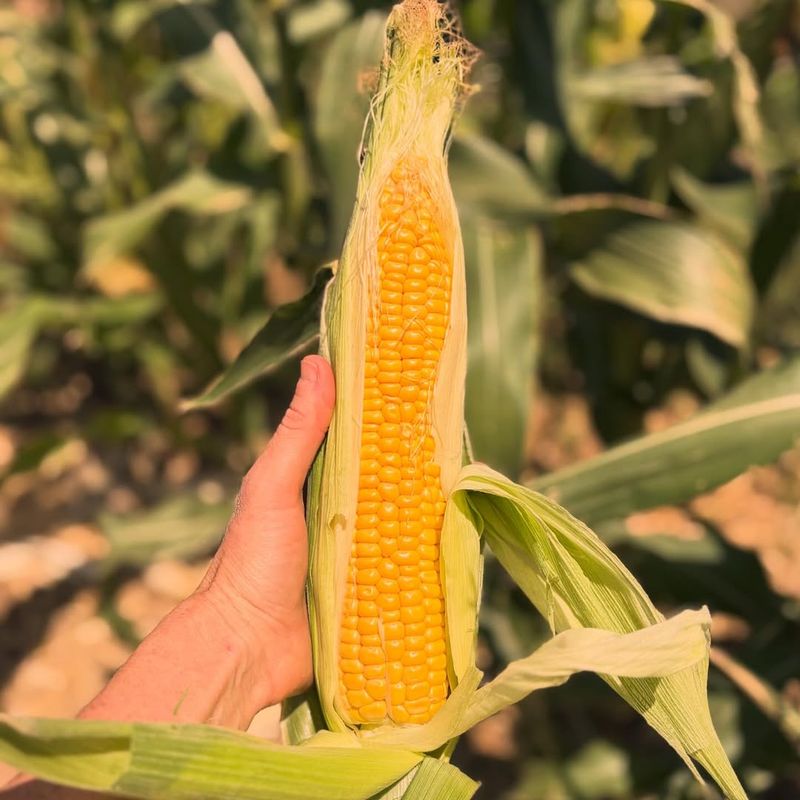
Corn transforms available sunlight and heat into rapid growth, shooting up several inches weekly during Florida summers. This warm-season grass thrives in conditions that stress cool-season crops, developing sweet ears in just 60 to 90 days from planting.
Your garden feels like a miniature cornfield when stalks reach six to eight feet tall by midsummer.
Full sun and fertile, well-drained soil produce the best corn harvests. Plant seeds one inch deep in blocks of at least four rows rather than single rows to ensure good pollination.
Space seeds eight inches apart within rows, thinning to 12 inches once seedlings emerge. Corn needs warm soil, so wait until soil temperatures reach at least 65 degrees.
Corn requires consistent moisture, especially during tasseling and ear development. Provide one to two inches of water weekly through deep soaking.
Shallow watering encourages shallow roots that cannot support tall stalks during summer storms. Side-dress with compost or balanced fertilizer when plants reach knee height to support rapid growth.
Ears mature about three weeks after silks appear. Test readiness by peeling back a small section of husk and piercing a kernel.
Milky liquid means corn is perfect for picking. Harvest in early morning for the sweetest flavor, picking ears just before cooking for the best taste.
9. Lima Beans Handle Heat Without Complaining
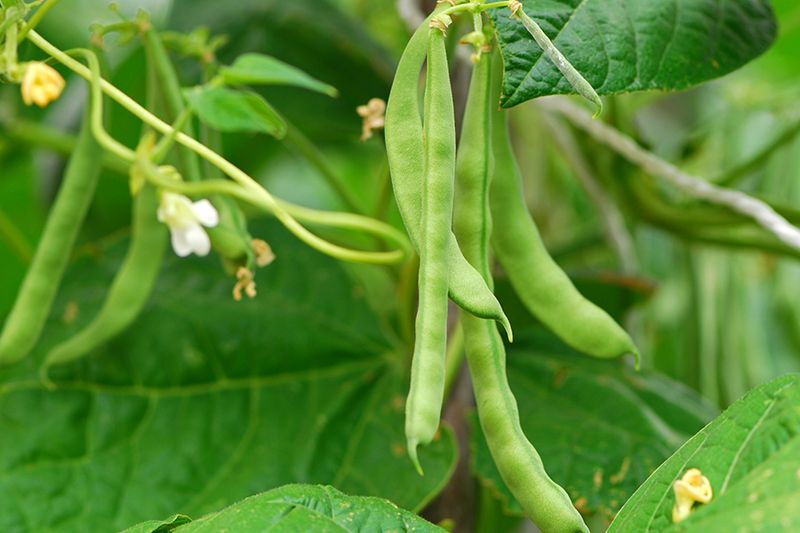
Lima beans quietly produce through Florida summers while gardeners focus on showier crops. These reliable plants set pods consistently when temperatures climb, developing that distinctive buttery flavor that makes fresh limas worth growing.
Both bush and pole varieties work well, giving you options based on available garden space and support structures.
Plant lima beans in full sun after soil warms to at least 65 degrees. They prefer well-drained soil with moderate fertility.
Space bush types six inches apart in rows, or plant pole varieties eight inches apart along a trellis or fence. Seeds germinate quickly in warm soil, usually sprouting within a week.
Once established, lima beans tolerate dry conditions reasonably well but produce better with consistent moisture. Water deeply once or twice weekly, providing about one inch total.
Avoid overhead watering during flowering because wet blossoms often drop without setting pods. Mulch around plants to conserve moisture and suppress weeds.
Pods develop over several weeks, maturing from bottom to top on each plant. Harvest when pods feel full but before they turn yellow and dry.
Fresh lima beans shell easily when pods reach proper maturity. Most varieties produce for six to eight weeks during summer, providing regular harvests for fresh eating or freezing.