How To Start Heat-Tolerant Seeds Early This Year In Texas
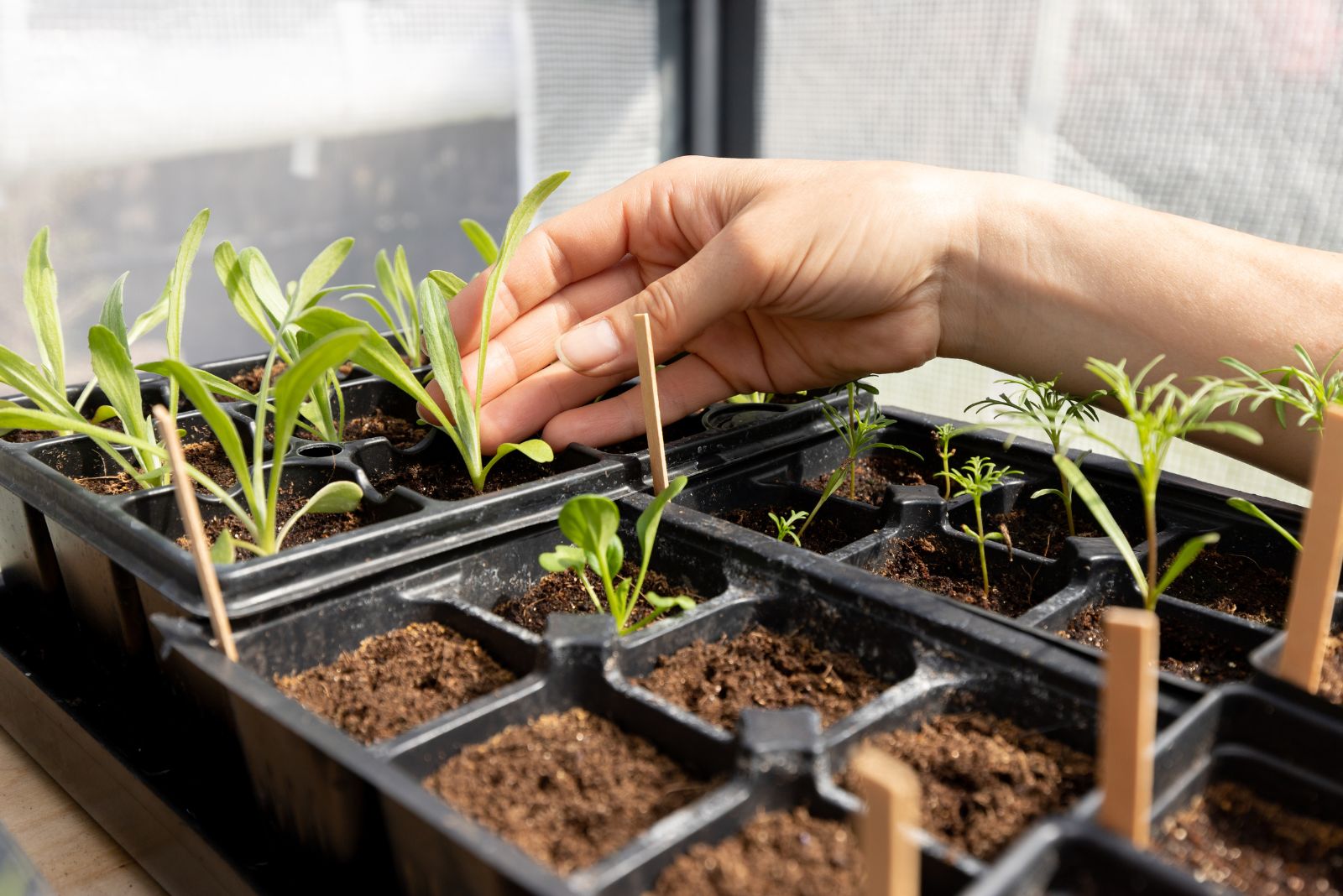
Want stronger plants before the Texas heat even kicks in? Starting seeds early can give Texas gardeners a big advantage, especially when summer temperatures arrive fast.
Many heat-tolerant plants need extra time to grow strong roots before they face high heat and dry weather. Waiting too long can lead to weak plants that struggle once they’re moved outdoors.
The good news is that you don’t need a greenhouse or expensive equipment to get started. With the right timing and a simple setup, you can grow healthy seedlings right at home.
Early planting also means earlier blooms, stronger harvests, and better results overall. Whether you’re growing flowers, vegetables, or herbs, getting a head start can make your garden more successful.
If you want to stay ahead of the heat this year and give your plants the best chance to thrive, learning how to start heat-tolerant seeds early is the perfect place to begin.
1. Choose The Right Heat-Loving Varieties For Texas
Not all seeds are created equal when it comes to surviving Texas heat. Some vegetables actually prefer hot weather and will produce better when temperatures climb.
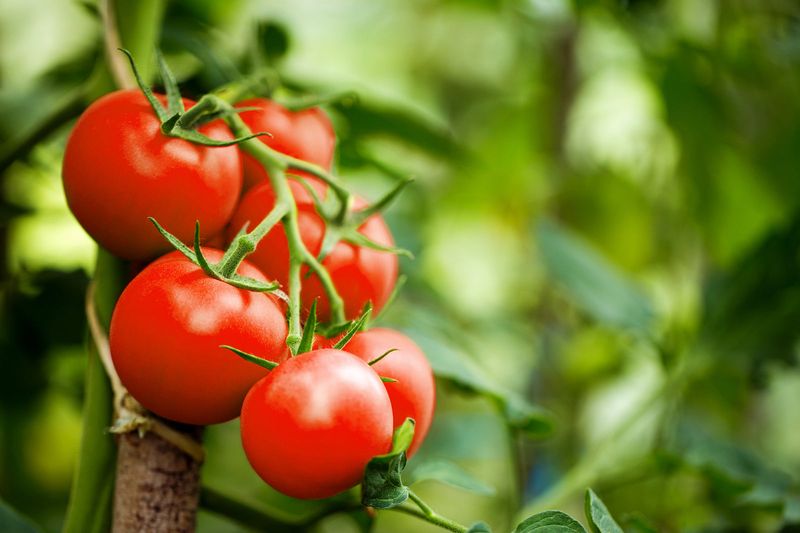
Tomatoes, peppers, okra, eggplant, and squash are champions in the Texas garden because they were bred for warm climates. When you shop for seeds, look for varieties labeled as heat-tolerant or drought-resistant.
Many seed companies now offer specific collections designed for southern gardens. These varieties have been tested in conditions similar to what you will face in Texas.
Cherry tomatoes like Sun Gold and Celebrity perform exceptionally well here. Pepper varieties such as Jalapeno, Serrano, and Anaheim were practically made for Texas gardens.
Okra is practically a Texas native and loves the heat more than almost any other vegetable. Clemson Spineless and Burgundy varieties grow like crazy once summer arrives.
Eggplant varieties like Black Beauty and Ichiban also thrive in scorching conditions. Armenian cucumber and Tromboncino squash handle heat better than traditional varieties.
Read the seed packet carefully before buying. Look for days to maturity, disease resistance, and heat tolerance information.
Some packets will specifically mention performance in hot climates. Shopping at local garden centers in Texas often gives you access to varieties that work best in your specific region. The staff can recommend what grows well in your area.
Starting with the right genetics makes everything else easier. Your plants will be naturally equipped to handle the brutal Texas summer. This one decision sets the foundation for your entire growing season.
2. Time Your Indoor Seed Starting Perfectly
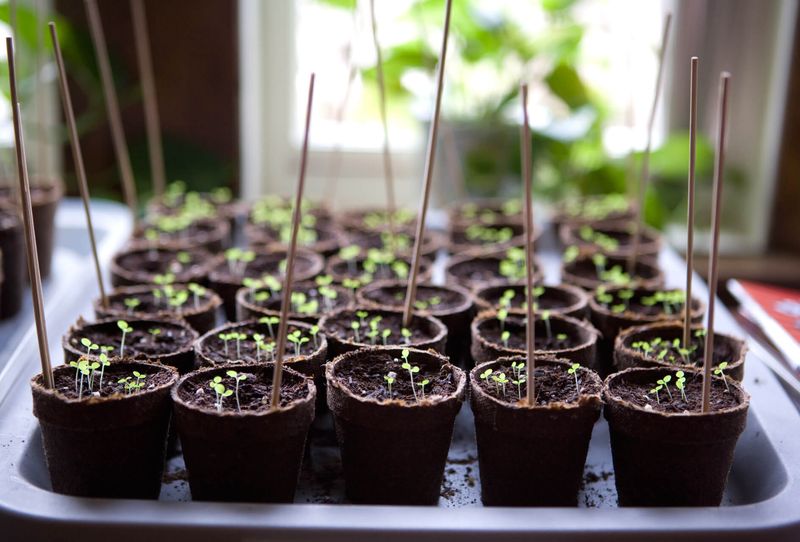
Timing is everything when starting seeds indoors in Texas. Start too early and your seedlings become leggy and weak before they can go outside.
Start too late and you miss the optimal planting window. Most heat-loving vegetables need to be started six to eight weeks before your last expected frost date.
In Texas, last frost dates vary dramatically depending on where you live. South Texas gardeners near the Gulf Coast might see their last frost in mid-January or early February.
Your Texas Garden Changes Every Week. Your Plan Should Too.
Gardening in Texas changes quickly throughout the season. Every Friday you’ll receive a simple weekly plan showing exactly what to plant, prune, fertilize, harvest, and protect so you never miss the right timing.
Central Texas around Austin and San Antonio typically sees last frost around mid-March. North Texas including Dallas and Fort Worth usually experiences last frost in late March or early April.
Count backward from your last frost date to determine when to start seeds indoors. For tomatoes and peppers, start seeds eight weeks before transplanting outdoors.
Eggplant also needs about eight weeks. Squash and cucumbers grow faster, so start them only four weeks before transplanting.
Keep a gardening journal to track your dates each year. Write down when you started seeds, when you transplanted them, and how they performed.
This information becomes incredibly valuable over time. You will start to see patterns specific to your microclimate.
Many Texas gardeners do two rounds of seed starting. The first happens in late winter for spring transplanting.
The second occurs in midsummer for fall gardens. Fall gardening in Texas can actually be more productive than spring because plants mature in cooler weather. Your early seed-starting practice in spring prepares you perfectly for the fall season.
3. Create The Ideal Soil Mix For Strong Seedlings
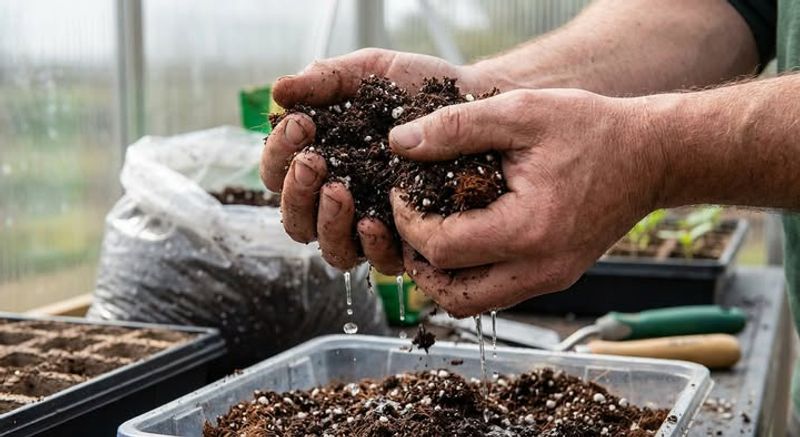
Your seedlings need a special soil mix that is completely different from regular garden soil. Seed starting mix is lighter, fluffier, and drains better than potting soil.
This prevents damping off, a fungal disease that destroys baby seedlings overnight. Never use soil from your yard because it is too heavy and contains organisms that harm delicate seedlings.
Commercial seed starting mixes work great and are available at any garden center in Texas. These mixes typically contain peat moss or coconut coir, vermiculite, and perlite.
They are sterile, which means no disease organisms lurk inside. The texture allows tiny roots to spread easily while still holding enough moisture.
You can also make your own seed starting mix at home. Combine equal parts peat moss or coconut coir, vermiculite, and perlite.
Mix everything thoroughly in a large container. Some gardeners add a small amount of compost for nutrients, but this is optional. The advantage of making your own mix is cost savings if you start lots of seeds.
Before filling your containers, moisten the seed starting mix. Dry mix can be difficult to wet after seeds are planted.
Add water gradually and mix until the texture feels like a wrung-out sponge. The mix should hold together when squeezed but not drip water.
Fill your seed trays or containers to about half an inch from the top. Gently firm the mix but do not pack it down hard.
Seedlings need air pockets in the soil for roots to grow properly. Good soil mix is one of the most important factors in growing healthy transplants for your Texas garden.
4. Provide Adequate Light For Stocky Growth
Light is the single biggest challenge when starting seeds indoors. Seedlings need incredibly bright light to grow strong and stocky.
A sunny windowsill in Texas might seem bright enough, but it rarely provides sufficient light. Seedlings grown in windows often become tall and spindly as they stretch toward the light source.
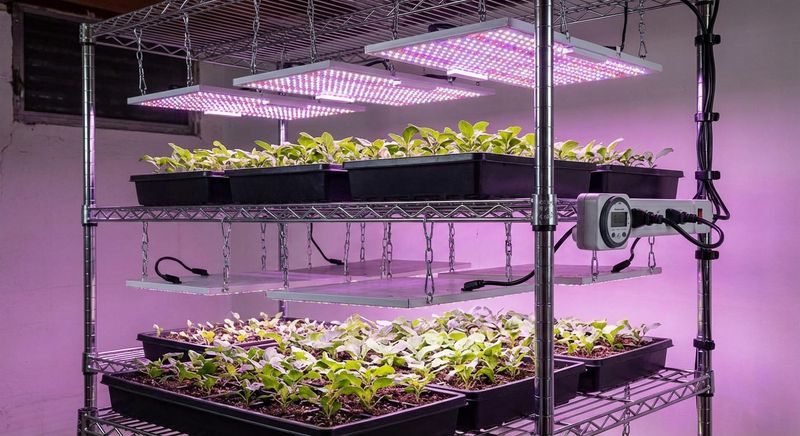
Grow lights solve this problem completely. LED grow lights have become affordable and energy-efficient in recent years.
A basic shop light fixture with full-spectrum LED bulbs works perfectly for most home gardeners. Hang the lights on adjustable chains so you can raise them as seedlings grow.
Position grow lights just two to three inches above the tops of your seedlings. This close placement provides the intense light that young plants crave.
As seedlings grow taller, raise the lights to maintain that two to three inch distance. Keeping lights too far away causes the same stretching problem as insufficient light.
Seedlings need 14 to 16 hours of light each day. Use an automatic timer to turn lights on and off consistently.
This removes the guesswork and ensures your plants get the same light schedule every day. Most Texas gardeners turn lights on around 6 AM and off around 10 PM.
Even with grow lights, rotate your trays every few days. This ensures all sides of each plant receive equal light exposure.
Watch your seedlings carefully. Healthy seedlings have thick stems, deep green leaves, and compact growth.
If stems look thin or plants seem to be leaning, they need more light or the light source needs to be closer.
5. Maintain Proper Temperature And Humidity Levels
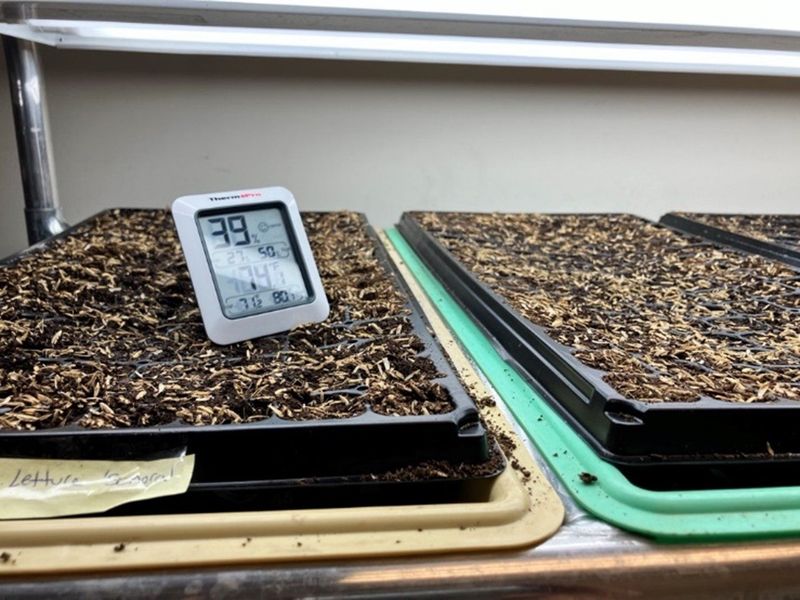
Temperature control makes the difference between seeds that germinate in three days versus three weeks. Most heat-loving vegetables germinate best when soil temperature stays between 75 and 85 degrees Fahrenheit.
Room temperature in Texas homes during winter often hovers around 68 to 72 degrees, which is too cool for optimal germination.
Seedling heat mats solve this problem beautifully. These waterproof mats go under your seed trays and gently warm the soil from below.
They typically raise soil temperature by 10 to 20 degrees above room temperature. Most heat mats come with a thermostat so you can set the exact temperature you want.
Once seeds sprout and develop their first true leaves, they prefer slightly cooler conditions. Daytime temperatures between 65 and 75 degrees work well for most seedlings.
Nighttime temperatures can drop 5 to 10 degrees lower. This temperature fluctuation actually strengthens seedlings and prepares them for outdoor conditions.
Humidity is equally important during the germination phase. Cover seed trays with clear plastic domes or plastic wrap to trap moisture.
This creates a mini greenhouse effect that keeps soil consistently moist. Remove the cover as soon as you see green sprouts emerging. High humidity around seedlings with leaves can encourage fungal diseases.
After removing humidity domes, air circulation becomes critical. A small oscillating fan running on low speed strengthens stems and prevents disease.
The gentle breeze mimics outdoor conditions and helps seedlings develop sturdy stems. Point the fan so it moves air across the tops of plants without blasting them directly.
Good environmental control produces transplants that are ready to tackle tough Texas growing conditions.
6. Water Correctly And Feed At The Right Time
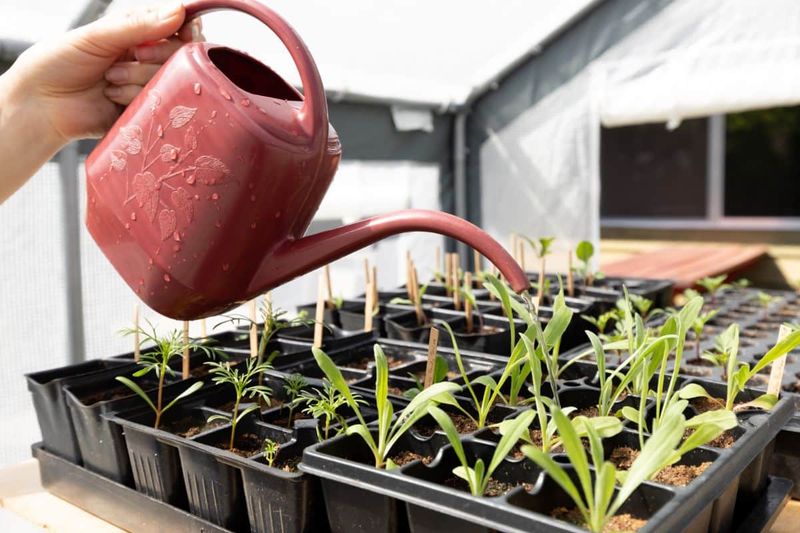
Watering seedlings requires a delicate touch that many new gardeners struggle with. Too much water drowns roots and causes fungal diseases.
Too little water stresses plants and stunts growth. The goal is keeping soil consistently moist but never soggy. Stick your finger into the soil up to your first knuckle to check moisture levels.
Bottom watering works better than top watering for seedlings. Place your seed tray in a larger tray filled with an inch of water.
The soil will absorb moisture from below through drainage holes. Remove the tray from the water after 30 minutes. This method keeps leaves dry and reduces disease problems.
Use room temperature water rather than cold tap water. Cold water can shock tender roots and slow growth.
Fill a watering container the night before and let it sit until morning. This also allows chlorine in city water to evaporate.
Some Texas cities have very hard water with high mineral content. If your water is extremely hard, consider using filtered water for seedlings.
Seed starting mix contains almost no nutrients, so seedlings need fertilizer once they develop true leaves. True leaves are the second set of leaves that appear and look like miniature versions of adult plant leaves.
Mix liquid fertilizer at quarter strength and apply every week. Fish emulsion, seaweed extract, or balanced liquid fertilizers all work well.
As transplant time approaches, gradually increase fertilizer to half strength. This builds strong plants ready for the transition outdoors.
Never fertilize dry soil because concentrated nutrients can burn roots. Always water first, then apply diluted fertilizer.
Proper watering and feeding create robust seedlings that establish quickly in your Texas garden.
7. Harden Off Seedlings Before Transplanting Outdoors
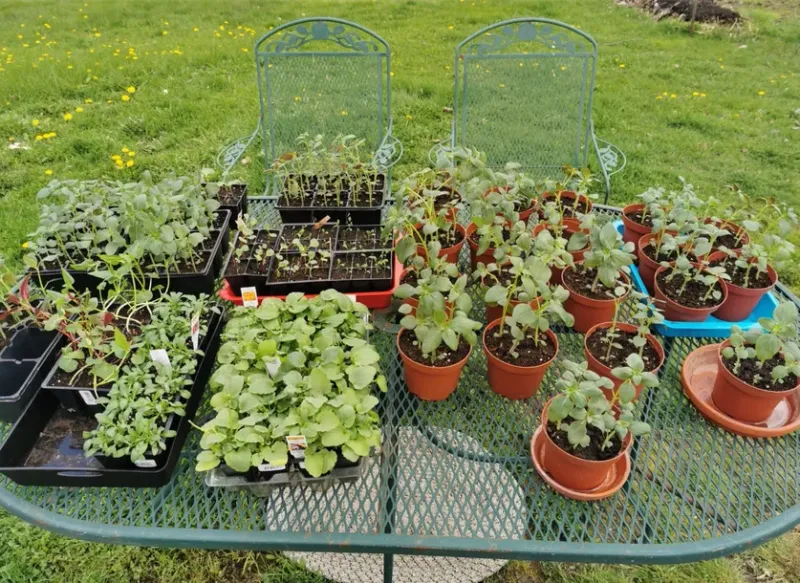
Hardening off is the process of gradually acclimating indoor seedlings to outdoor conditions. Skipping this step is one of the biggest mistakes Texas gardeners make.
Seedlings grown indoors are tender and pampered. Moving them directly into the garden causes transplant shock, sunburn, and sometimes complete failure. The hardening off process usually takes seven to ten days.
Start by placing seedlings outside in a shaded, protected location for just one hour on the first day. Choose a spot that is sheltered from wind and receives only dappled sunlight.
Bring plants back inside after that first hour. On day two, leave them outside for two hours in the same location.
Gradually increase outdoor time each day while slowly introducing more sunlight. By day four or five, seedlings can stay outside for half the day.
Move them into morning sun, which is gentler than harsh afternoon sun. Continue bringing plants inside each night until they have experienced several nights outdoors.
Watch the weather forecast carefully during hardening off. Protect seedlings from unexpected cold snaps, heavy rain, or strong winds.
Texas weather can change quickly, especially in spring. Be ready to bring plants inside if conditions turn nasty. A sudden hailstorm or temperature drop can destroy weeks of work in minutes.
By the end of the hardening off period, your seedlings should stay outside 24 hours a day. They will look tougher with thicker stems and darker leaves.
This is exactly what you want before transplanting into the garden. Hardened seedlings establish faster, grow stronger, and produce more food.
Taking the time to properly harden off your plants is the final step in creating heat-tolerant transplants that will thrive in Texas gardens all season long.