8 Texas Native Wildflowers You Can Plant Before Spring
Want to enjoy a burst of color as soon as spring hits Texas? The secret is planting native wildflowers before the season begins.
While many people wait until it’s warm to get started, smart Texas gardeners know that late winter is the perfect time to sow wildflower seeds. These tough, beautiful plants are adapted to Texas weather.
They’re built to handle unpredictable cold snaps and bounce back when the sun returns. Even better, native wildflowers need very little water or care once established, making them perfect for low-maintenance landscapes.
From bluebonnets and Indian paintbrush to black-eyed Susans and coreopsis, these flowers bring vibrant color and support local pollinators.
Whether you’re planting in a garden bed, along a fence line, or scattering seeds over a field, now’s the time to act. Here’s how to choose the best native wildflowers to plant in Texas before spring arrives.
1. Bluebonnets
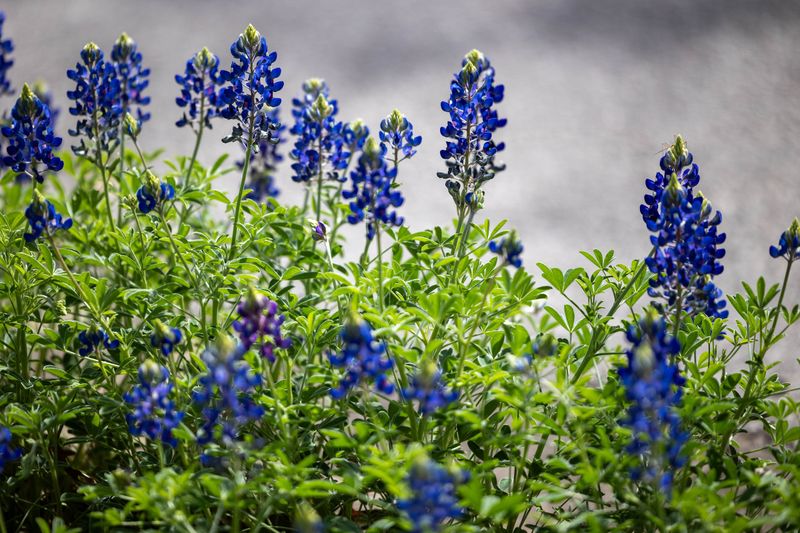
Everyone recognizes the state flower of Texas. Bluebonnets create stunning carpets of blue across roadsides and fields every spring, and you can have that same magic in your own yard.
Fall planting works best because these flowers need a cold period to germinate properly. Scarifying the seeds before planting helps them sprout faster.
You can do this by gently rubbing them with sandpaper or soaking them overnight in water. Once planted, bluebonnets need very little care and can handle drought conditions remarkably well.
These flowers grow best in full sun and well-drained soil. They do not like wet feet, so avoid planting them in areas where water tends to collect.
Bluebonnets also fix nitrogen in the soil, which means they actually improve the ground where they grow. Plant them in large groups for the most dramatic effect.
A single bluebonnet looks nice, but a whole patch creates that classic Texas landscape everyone loves. They reseed themselves year after year, so your initial planting becomes a lasting investment.
Children love playing near bluebonnet patches, and photographers flock to them every spring. These iconic flowers bring a piece of authentic Texas heritage right to your doorstep, and they require almost no maintenance once established in your garden.
2. Indian Blanket
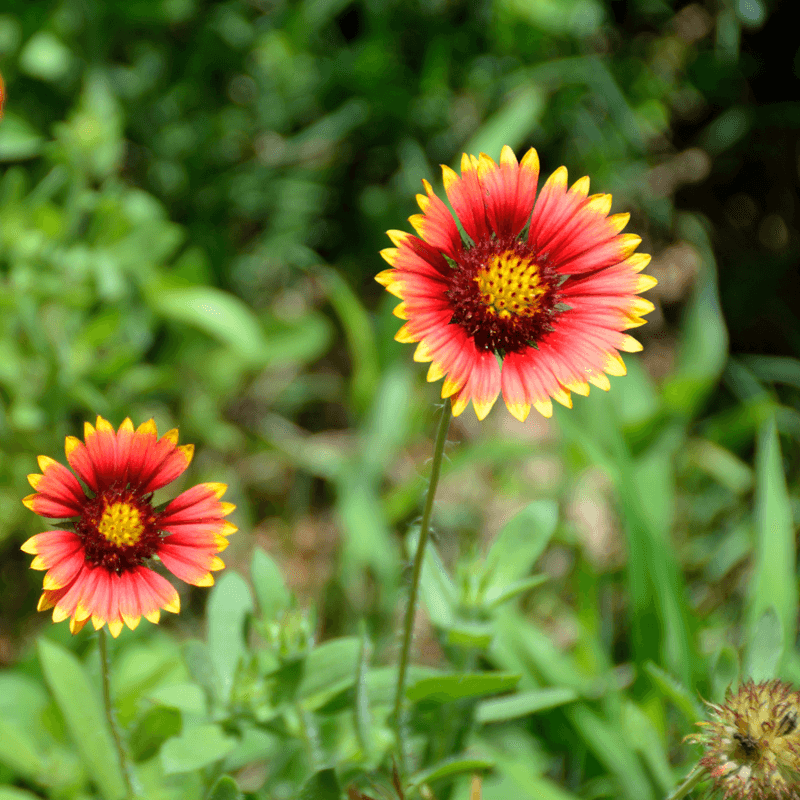
Bright red petals tipped with cheerful yellow make this wildflower impossible to miss. Indian blanket earned its common name because the colors reminded settlers of traditional Native American textiles.
This hardy annual thrives throughout Texas and blooms from late spring through summer. Direct seeding works perfectly for Indian blanket.
Scatter seeds in fall or early winter, and let nature take care of the rest. These flowers love poor soil and actually bloom better when you do not fertilize them too much.
Full sun is essential for Indian blanket to reach its full potential. The plants grow about a foot tall and spread nicely to fill empty spaces in your garden.
They also make excellent cut flowers that last well in vases. Butterflies and bees visit Indian blanket constantly throughout the blooming season.
The flowers produce abundant nectar, making them valuable for pollinator gardens. They also reseed readily, so you will have new plants appearing year after year without any extra work.
Your Texas Garden Changes Every Week. Your Plan Should Too.
Gardening in Texas changes quickly throughout the season. Every Friday you’ll receive a simple weekly plan showing exactly what to plant, prune, fertilize, harvest, and protect so you never miss the right timing.
Drought tolerance makes Indian blanket perfect for Texas summers. Once established, these flowers rarely need watering even during hot, dry spells.
Their cheerful colors brighten up any landscape and bring a festive feeling to your outdoor spaces all season long.
3. Texas Paintbrush
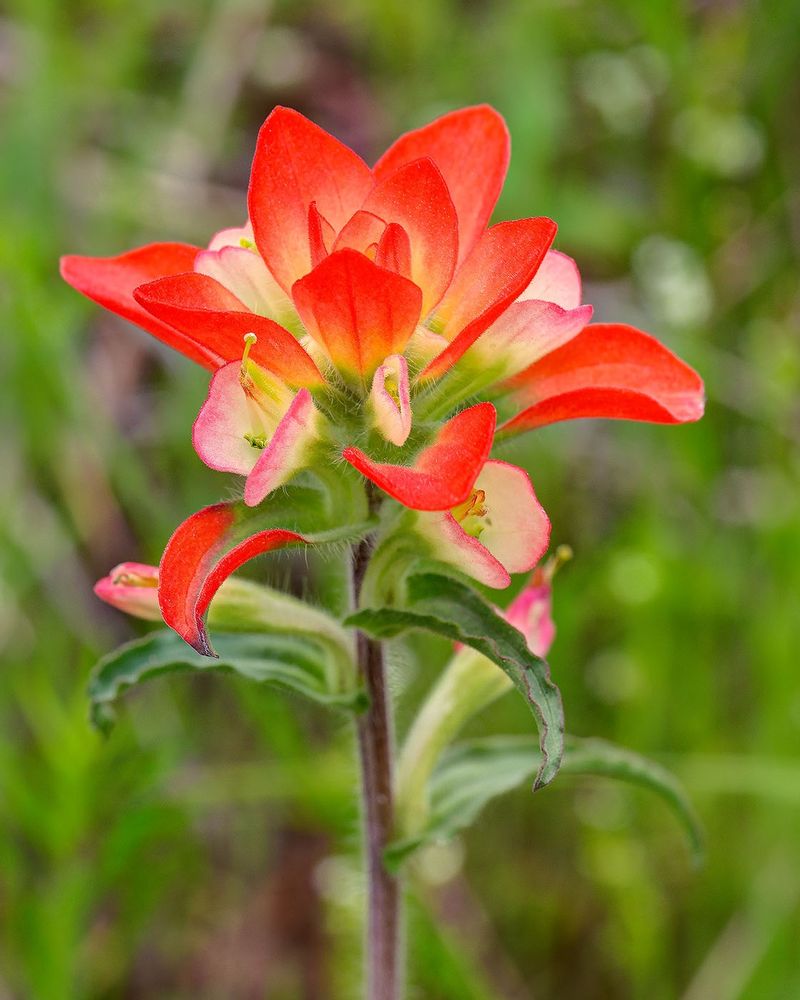
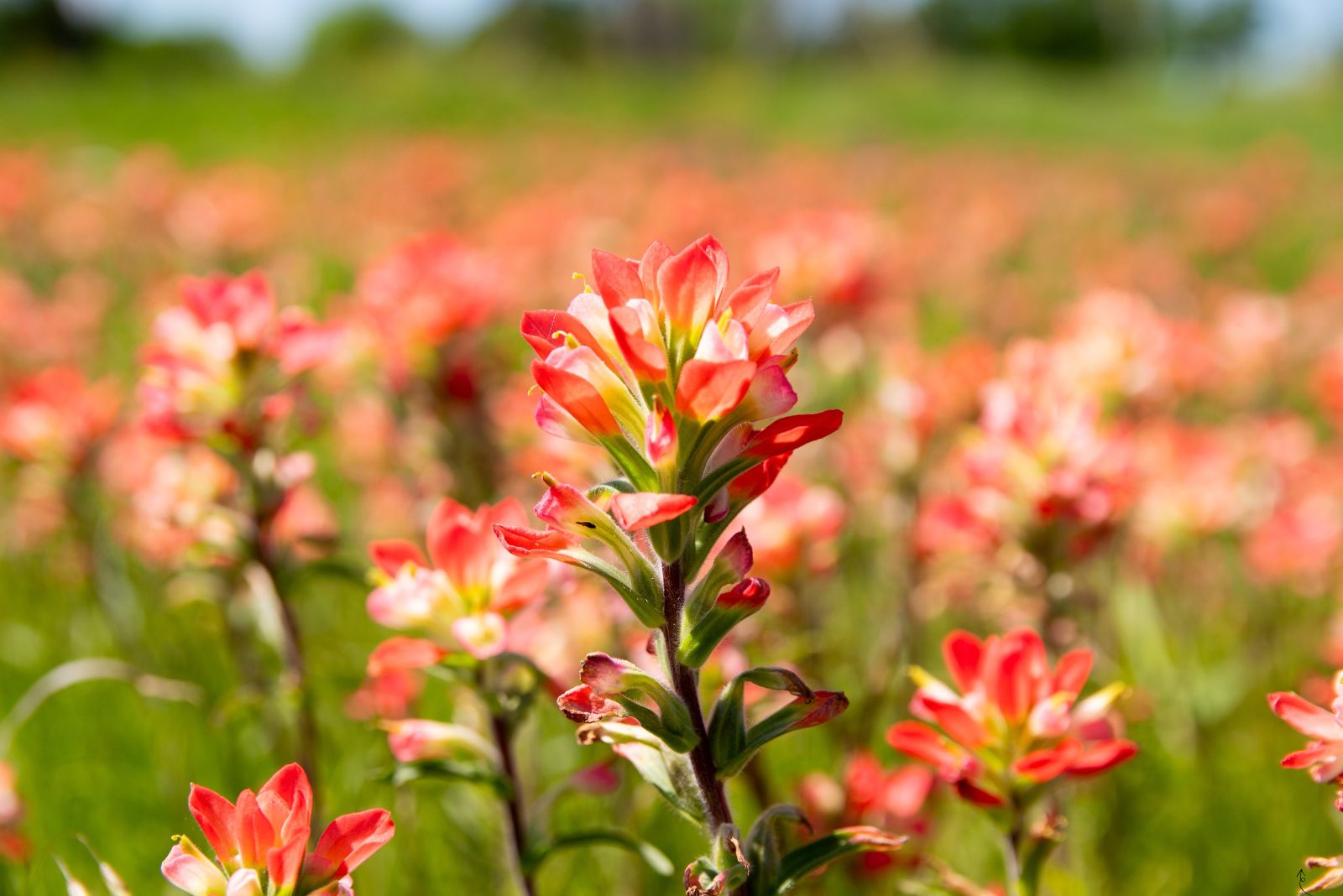
Fiery red-orange blooms make Texas paintbrush one of the most eye-catching wildflowers in the state. The colorful parts are actually modified leaves called bracts, while the true flowers are small and tucked inside.
This unique structure gives paintbrush its distinctive appearance that stands out in any meadow. Planting paintbrush takes a bit more patience than other wildflowers.
These plants are semi-parasitic, meaning they attach their roots to nearby grasses to share nutrients. This relationship is not harmful to the grass and actually helps paintbrush grow stronger and bloom more abundantly.
Fall planting gives paintbrush seeds the cold treatment they need to germinate properly. Mix the seeds with native grass seeds for best results.
The grasses provide the host plants that paintbrush needs to thrive in your Texas garden. Full sun and well-drained soil create ideal growing conditions.
Paintbrush does not compete well with aggressive weeds, so keep the planting area relatively clean during the first season. After that, established plants can hold their own quite well.
Hummingbirds absolutely love Texas paintbrush. The tubular flowers provide perfect feeding spots for these tiny birds.
Watching hummingbirds zip around your paintbrush patch adds extra excitement to your wildflower garden throughout the blooming season.
4. Pink Evening Primrose
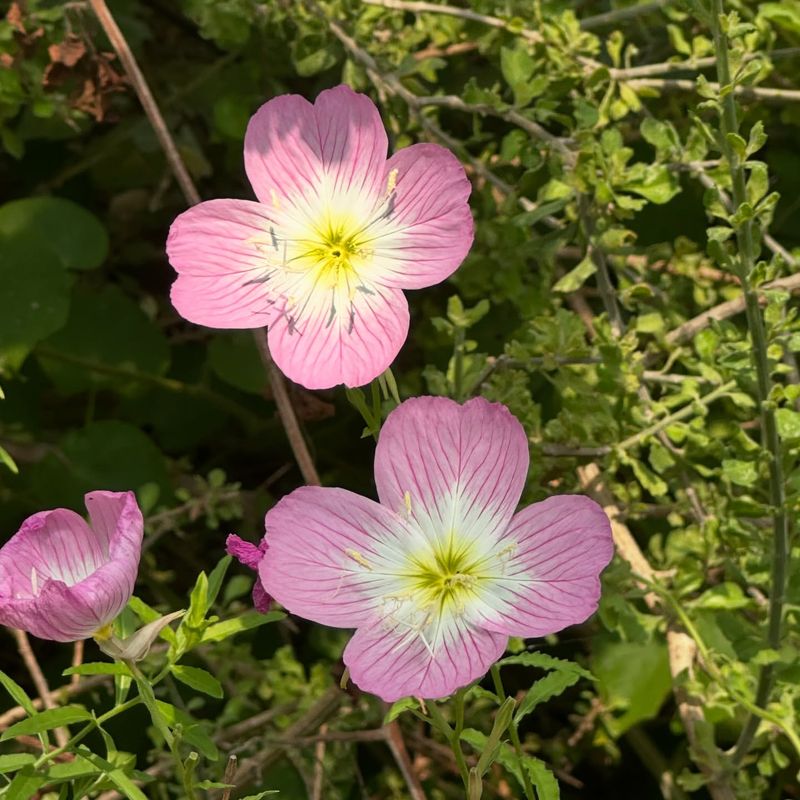
Delicate pink flowers open in the evening and stay beautiful through the next morning. Pink evening primrose grows low to the ground and spreads to form attractive mats of color.
This tough little plant handles heat, drought, and poor soil without complaining. Planting in fall gives primrose roots time to establish before blooming season arrives.
The plants grow from seeds or transplants equally well. Once started, they spread by underground runners to fill in bare spots naturally.
These flowers prefer full sun but tolerate partial shade better than most wildflowers. They grow especially well in rocky or sandy soil that other plants struggle with.
Pink evening primrose also works beautifully along pathways or as a groundcover in difficult areas. Blooms appear from spring through fall in Texas gardens.
The four-petaled flowers have a simple beauty that complements showier wildflowers perfectly. They also attract sphinx moths and other evening pollinators that many gardeners never get to see.
Deer usually leave pink evening primrose alone, which makes it valuable in areas where browsing animals pose problems. The plants require almost no maintenance and actually bloom better when left to their own devices.
Their spreading habit means a small planting eventually covers a large area with cheerful pink blooms.
5. Black-Eyed Susan
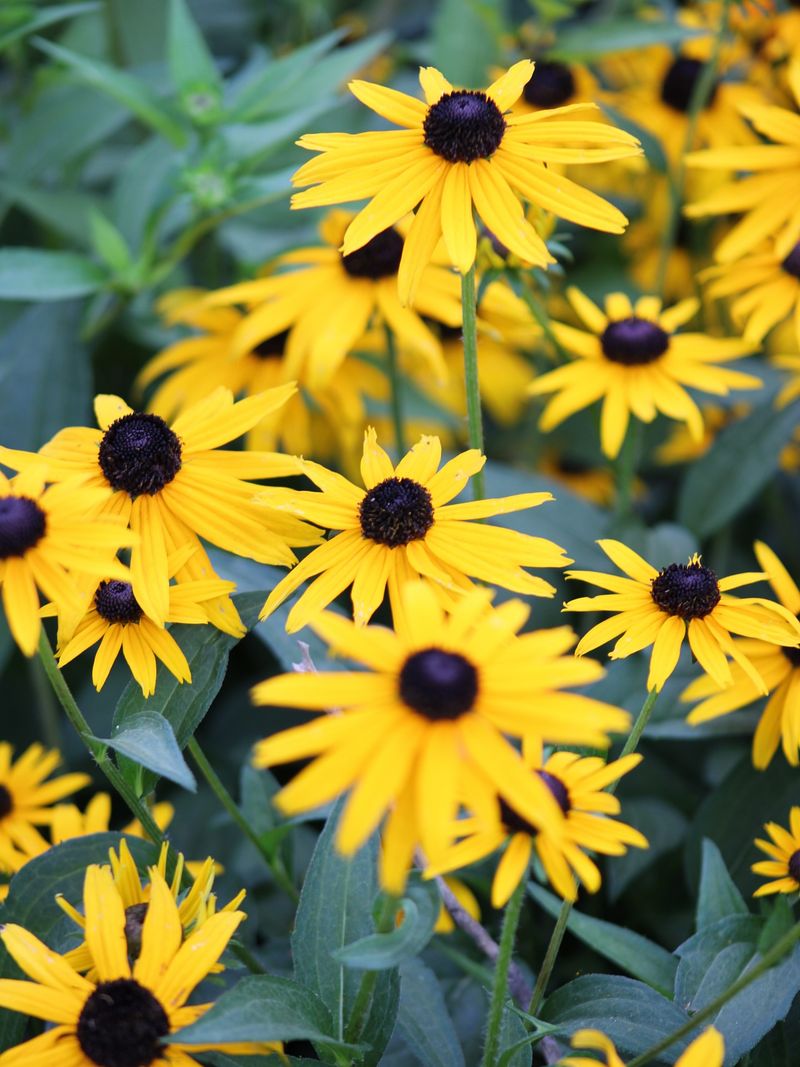
Golden yellow petals surround dark brown centers on these classic wildflowers. Black-eyed Susans bring sunshine to gardens even on cloudy days.
These cheerful flowers bloom for months and provide reliable color when other plants take a break from flowering. Fall seeding works wonderfully for black-eyed Susans in Texas.
The plants grow as short-lived perennials or biennials, coming back for several years. They also self-seed generously, so your patch expands naturally without any help from you.
Full sun produces the most blooms, though black-eyed Susans handle light shade reasonably well. They grow two to three feet tall and make excellent background plants in wildflower mixes.
The sturdy stems hold up well in wind and rain. Butterflies, bees, and other beneficial insects visit these flowers constantly.
Goldfinches love eating the seeds in fall, providing entertainment as they perch on the dried flower heads. Leaving some stems standing through winter gives birds food and shelter.
These flowers tolerate a wide range of soil conditions throughout Texas. Clay, sand, or loam all work fine as long as drainage is decent.
Black-eyed Susans also handle both humid East Texas conditions and drier western areas with equal success, making them truly versatile wildflowers.
6. Purple Coneflower
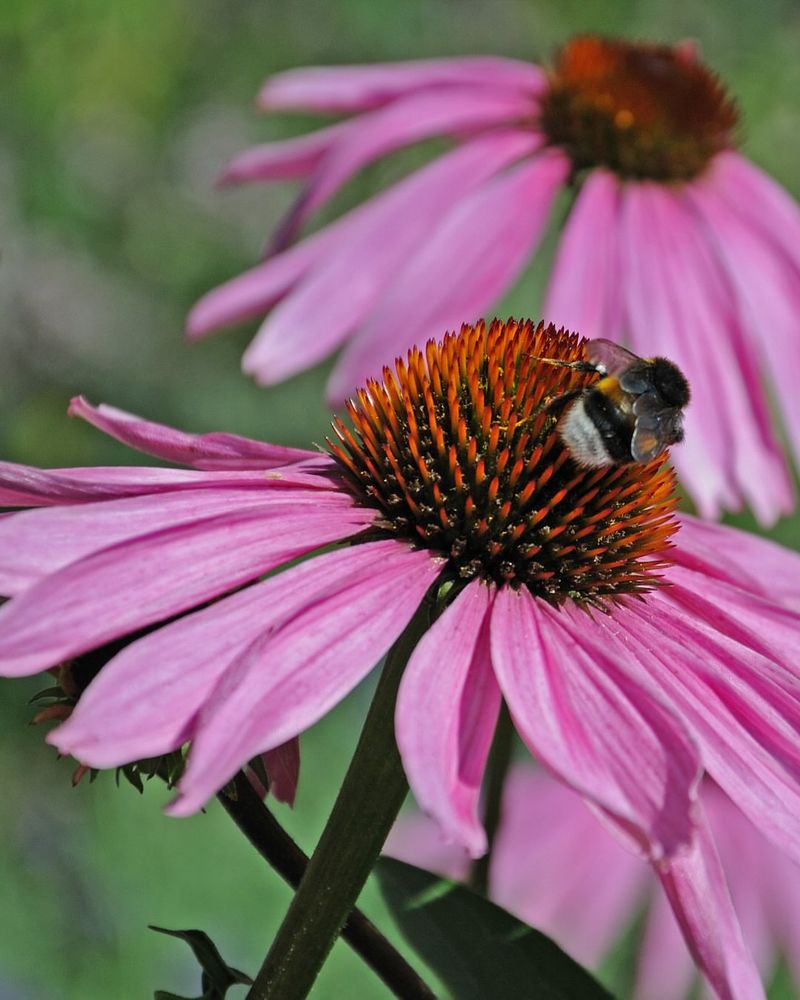
Bold purple-pink petals droop gracefully around spiky orange cones. Purple coneflower ranks among the toughest and most beautiful wildflowers you can grow in Texas.
These substantial plants reach three feet tall and create dramatic focal points in any garden. Planting seeds in fall gives coneflowers the cold period they prefer for germination.
The first year focuses on root growth, with blooming beginning the second season. Once established, these perennials return faithfully year after year with increasingly impressive displays.
Full sun and good drainage keep purple coneflowers healthy and blooming abundantly. They handle drought exceptionally well once their deep roots develop.
These flowers also resist most pests and diseases that trouble other garden plants. Butterflies cluster on coneflower blooms throughout summer.
The flowers provide excellent nectar sources that support monarch butterflies during their migration through Texas. Leaving seed heads standing in fall feeds goldfinches and other songbirds through winter.
Purple coneflower has natural medicinal properties that humans have used for centuries. The roots and flowers contain compounds that may support immune health.
Beyond their practical uses, these stunning flowers simply make gardens more beautiful with their bold colors and architectural form that stands out in any landscape.
7. Lanceleaf Coreopsis
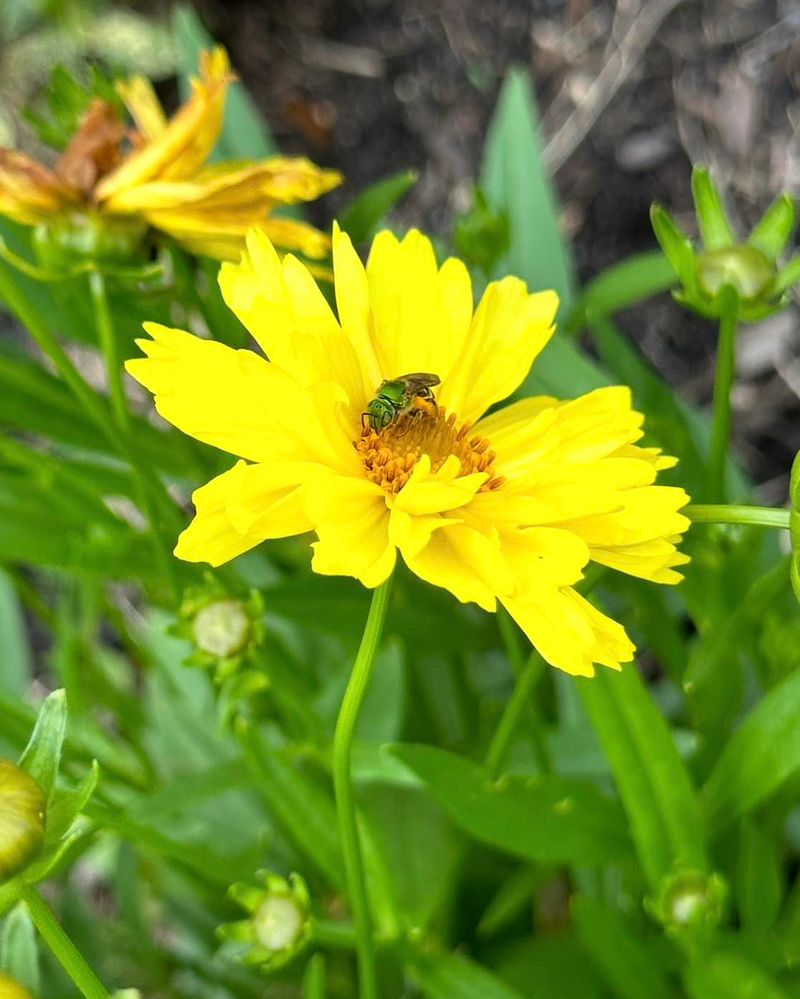
Masses of golden yellow blooms dance on thin stems above narrow leaves. Lanceleaf coreopsis creates clouds of color that seem to float above the ground.
This native Texas wildflower blooms heavily in spring and often continues flowering sporadically through summer. Seeds planted in fall produce the strongest plants with the most abundant blooms.
These flowers grow quickly and often bloom their first spring. They prefer well-drained soil and full sun but adapt to various Texas growing conditions remarkably well.
The plants grow one to two feet tall with an airy, informal appearance. They work beautifully in meadow-style gardens or mixed with other wildflowers.
Lanceleaf coreopsis also makes excellent cut flowers that brighten indoor arrangements. Bees and small butterflies visit these flowers constantly during blooming season.
The abundant blooms provide reliable nectar sources when pollinators need them most. Birds also appreciate the seeds that form after flowers fade.
Drought tolerance makes lanceleaf coreopsis perfect for low-maintenance Texas gardens. The plants self-seed readily, filling in gaps and expanding your flower display each year.
Their cheerful yellow blooms combine beautifully with purple coneflowers and bluebonnets to create classic Texas wildflower combinations that look natural and effortless.
8. Wine Cup
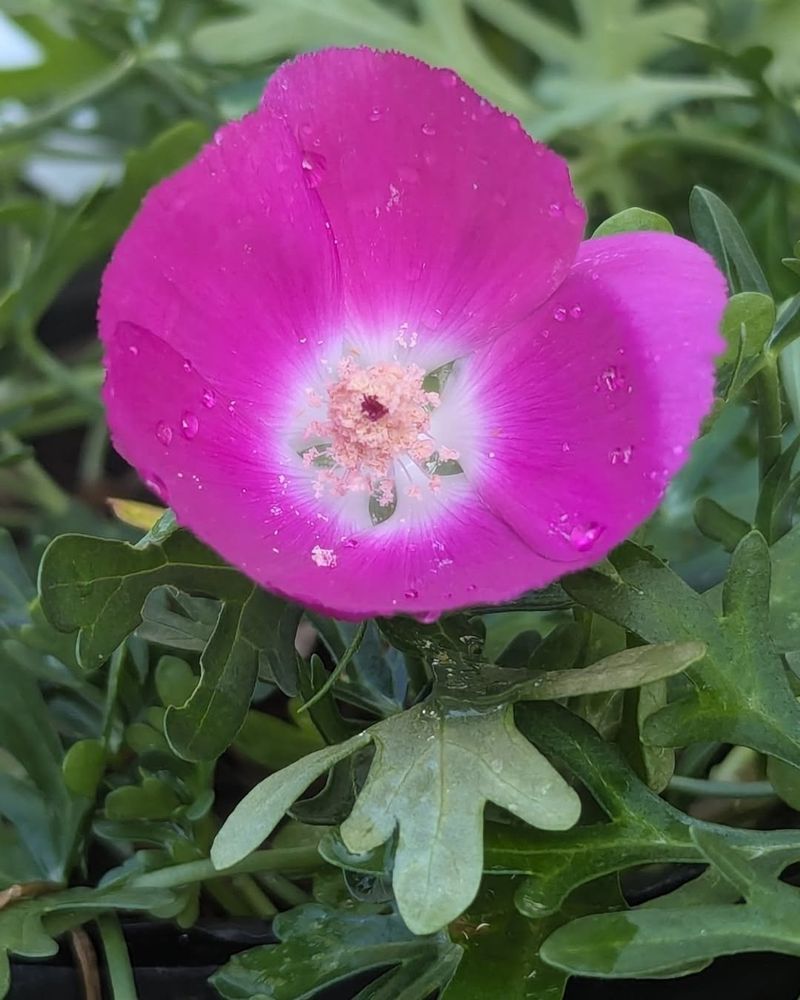
Deep magenta cup-shaped flowers glow like jewels among silvery foliage. Wine cup gets its name from the rich color and shape of its blooms.
This low-growing perennial spreads by trailing stems that root as they go, creating attractive groundcover that blooms for months. Fall planting allows wine cup to establish strong roots before flowering begins in spring.
The plants grow from seeds or transplants and spread steadily once happy in their location. They prefer well-drained soil and full sun but tolerate light shade in hotter parts of Texas.
Blooms appear from spring through fall with peak flowering in late spring. Each flower lasts only a day, but plants produce so many buds that fresh blooms open constantly.
The silvery-green leaves remain attractive even when flowers take a break. Wine cup handles drought beautifully once established.
The deep taproot reaches water that surface-rooted plants cannot access. This makes wine cup perfect for rock gardens or areas where watering is difficult or impractical.
Bees and butterflies visit wine cup flowers throughout the blooming season. The spreading habit makes this wildflower excellent for erosion control on slopes or banks.
Its rich color provides stunning contrast when planted near yellow coreopsis or white-flowered companions in diverse Texas wildflower gardens.