Avoid Pruning These 8 Florida Plants In February At All Costs
Florida’s mild winter weather is a trap. February feels like the perfect moment to clean up your yard, tame wild branches, and get a head start on spring.
But for many popular landscape plants, this is the most dangerous time to prune. One wrong cut can quietly wipe out flower buds, weaken growth, and undo months of careful maintenance before the season even begins.
While your garden looks still and sleepy, major changes are already happening beneath the surface. Plants are redirecting energy, forming buds, and preparing for explosive spring growth.
Step in with pruners now and you are not helping, you are interrupting a process that cannot be reversed. The damage stays hidden at first.
Then spring arrives, and instead of lush color and full blooms, you are left with bare branches and regret. Put the shears down.
What you do next could decide the fate of your entire spring landscape.
1. Don’t Touch Azaleas In February
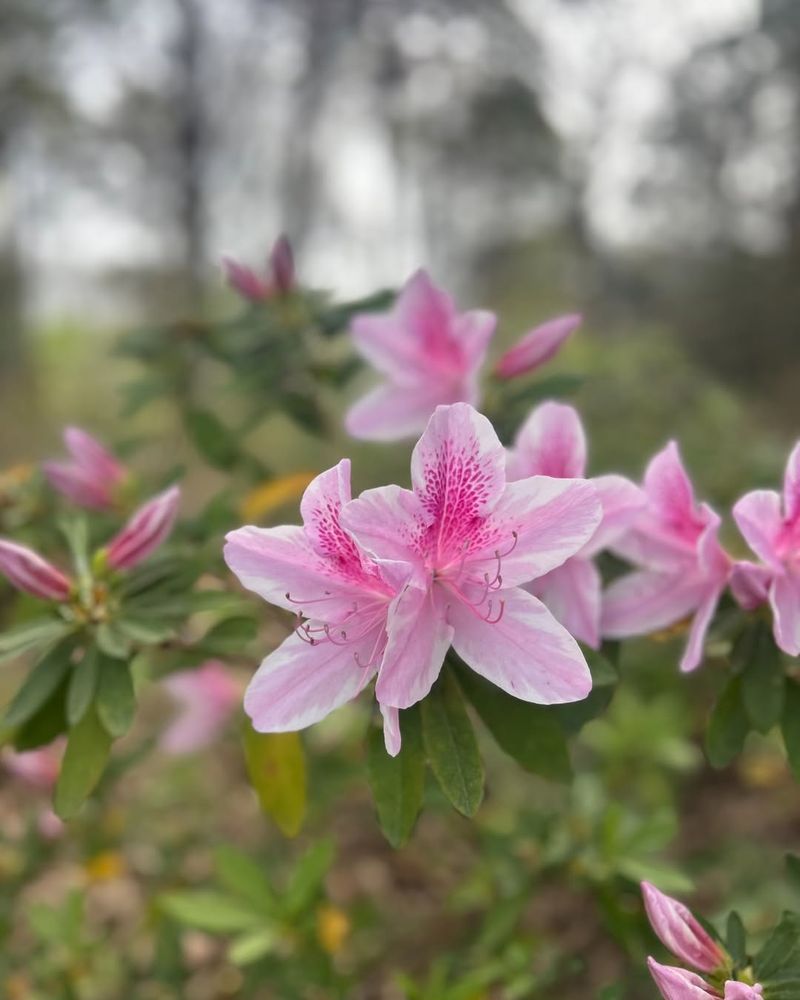
Azaleas rank among Florida’s most beloved flowering shrubs, painting neighborhoods with stunning colors each spring. These popular ornamentals spend the winter months quietly developing flower buds that will open into magnificent displays.
When you prune azaleas in February, you’re essentially removing all the work the plant has done to prepare for its annual show. The timing of azalea pruning makes all the difference between abundant blooms and bare branches.
Most Florida azalea varieties form their flower buds during late summer and fall, then hold them through winter. By February, those buds are nearly ready to burst open, just waiting for slightly warmer temperatures. Cutting branches now means snipping off hundreds of potential flowers that would have appeared in just a few weeks.
Florida gardeners should wait until immediately after the blooming period ends to shape their azaleas. This approach allows you to enjoy the full flower display while giving the plant plenty of time to set next year’s buds.
The best pruning window typically falls between late spring and early summer, depending on your specific location in Florida. Patience during February pays off with the spectacular azalea blooms that make Florida springs so memorable.
2. Pruning Camellias Now Wrecks Flowers
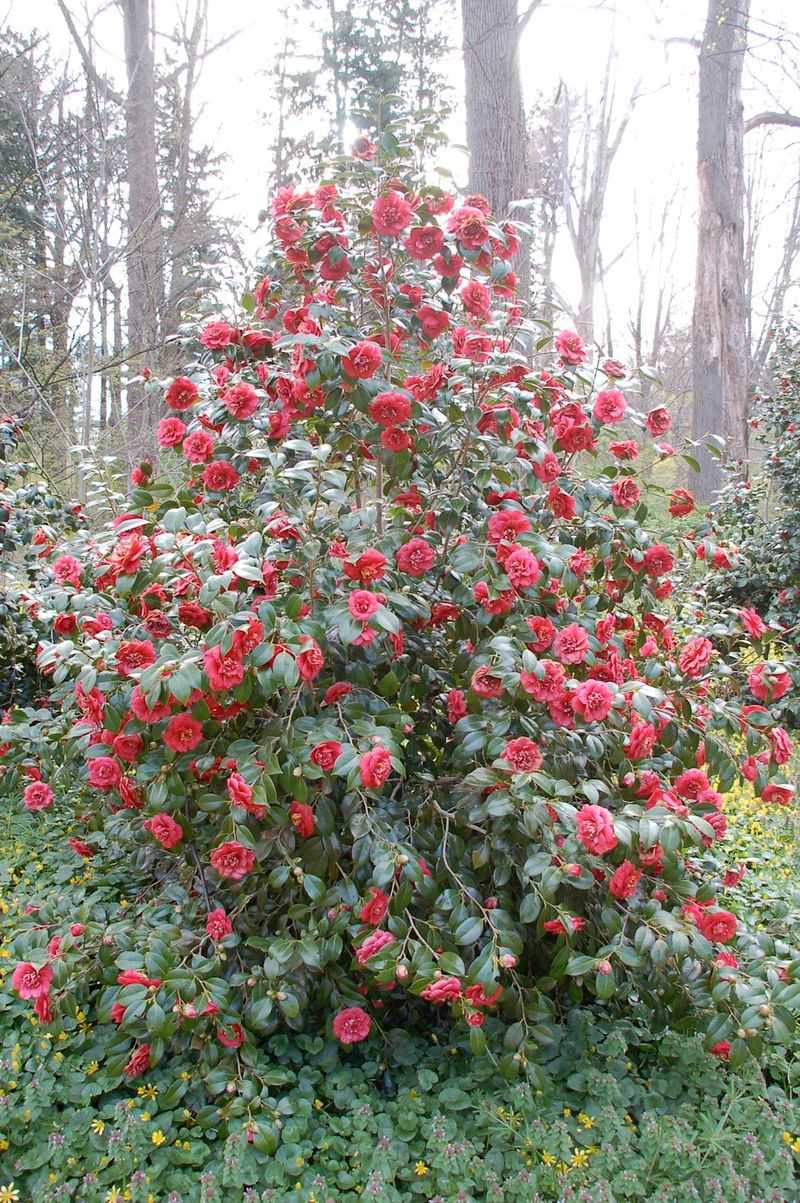
Camellias bring elegance to Florida landscapes with their rose-like flowers that appear during cooler months. Many varieties bloom from late fall through early spring, with February representing peak flowering time for numerous cultivars.
Reaching for pruning shears during this period interrupts their most beautiful moment of the year. These glossy-leaved shrubs have already invested tremendous energy into producing the buds currently opening across Florida gardens.
Each flower represents months of development, and February pruning removes both open blooms and unopened buds. The loss becomes especially frustrating because camellias don’t bloom constantly throughout the year like some tropical plants.
Florida’s climate allows camellias to thrive in areas with partial shade and consistent moisture. Their blooming schedule differs from many other flowering shrubs, making proper timing even more important.
Waiting until late spring gives you the chance to enjoy every single flower before reshaping the plant. Camellias respond well to pruning after flowering concludes, quickly producing new growth that will bear next season’s buds.
Your Florida Garden Changes Every Week. Your Plan Should Too.
Gardening in Florida changes quickly throughout the season. Every Friday you’ll receive a simple weekly plan showing exactly what to plant, prune, fertilize, harvest, and protect so you never miss the right timing.
Respecting their blooming cycle ensures these sophisticated plants continue gracing your Florida property with their stunning flowers year after year without interruption.
3. Gardenias Hate Late Winter Pruning
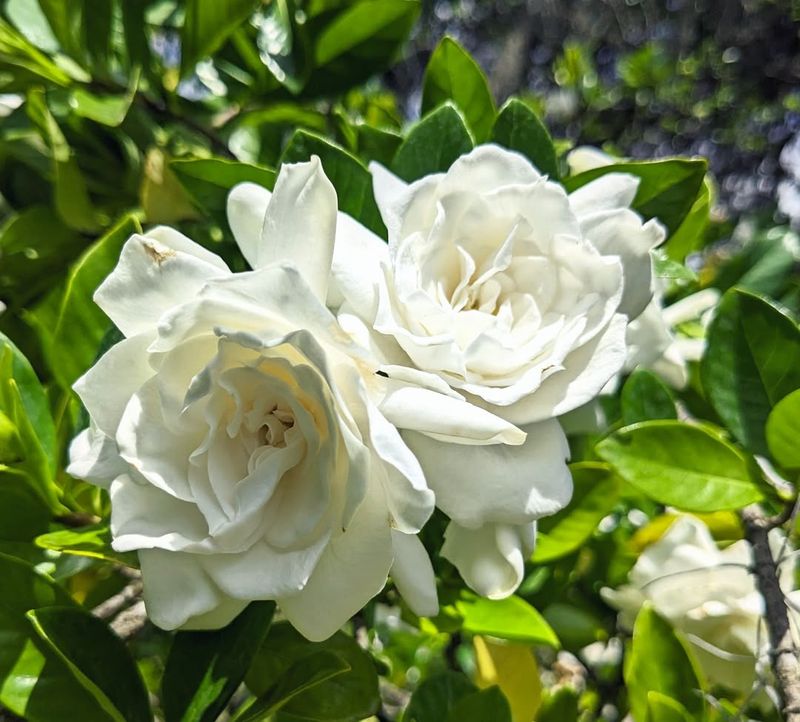
You probably grow gardenias for their glossy leaves and powerful fragrance that floods your yard in late spring and early summer. But even if your plants look uneven or scraggly after winter, February is one of the worst times for heavy pruning in most parts of Florida, especially North and Central Florida where flower buds are actively forming.
By late winter, gardenias in North and Central Florida begin forming flower buds for the upcoming bloom season. Prune now and you often cut away the very stems responsible for those prized blossoms.
The damage is sneaky. At first, the plant may appear healthy and full of new growth.
Weeks later, disappointment sets in when flowering is sparse and underwhelming. Patience is the real secret.
Wait until gardenias finish their main bloom cycle before trimming. In South Florida, only very light shaping may be done earlier, but major pruning should still wait until after flowering.
After flowering ends, light shaping keeps plants tidy without sacrificing future buds. Holding off through February protects bloom volume, fragrance intensity, and the show-stopping beauty gardeners crave.
4. Hydrangeas Lose Flowers If Cut Now
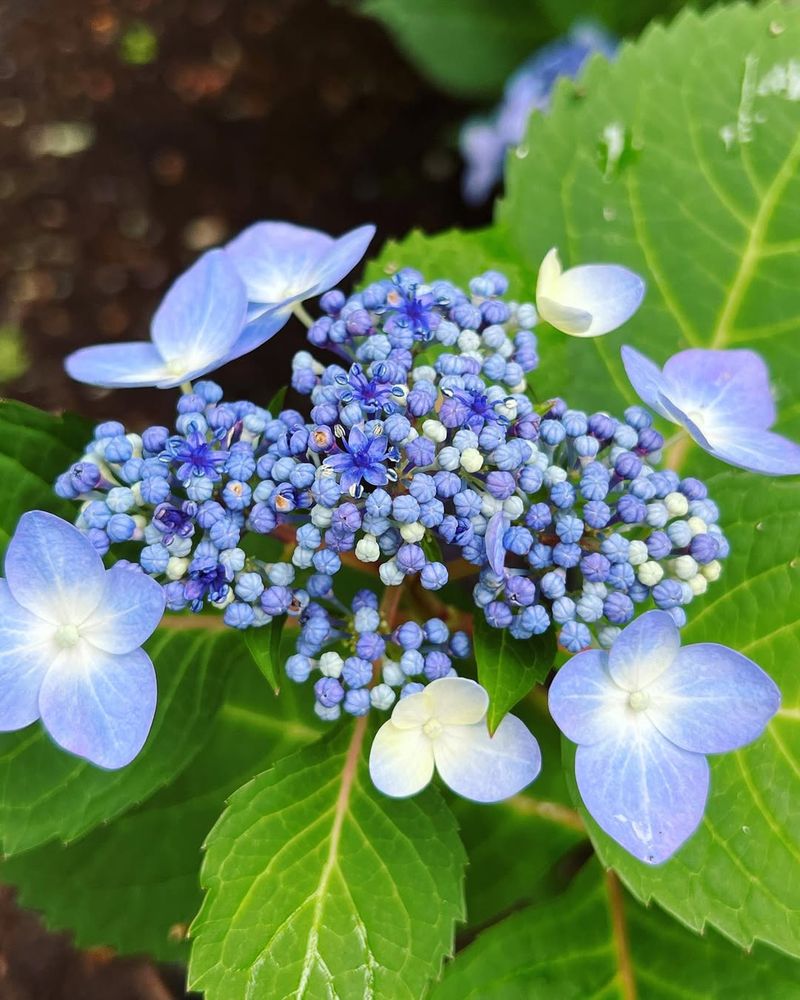
Bigleaf hydrangeas are grown for their oversized blue and pink blooms that dominate shady garden spaces. What many Florida gardeners don’t realize is that these shrubs already carry next season’s flowers long before spring arrives.
By late winter, the stems produced the previous year are quietly holding the material needed for upcoming blooms. When pruning happens in February, the plant loses that hidden flower potential.
Growth may still look strong afterward, with fresh leaves quickly filling in, but the real damage shows up weeks later when bloom time arrives and color is noticeably lacking. This delayed reaction often makes it difficult to connect the problem to pruning done months earlier.
Resisting the urge to cut hydrangeas back during winter is one of the simplest ways to protect their flowering performance. Once the main bloom cycle has finished, trimming becomes much safer and more effective.
At that point, removing weak or damaged growth and tidying the plant’s shape won’t interfere with future flowers. Giving hydrangeas this seasonal break allows them to deliver fuller, more reliable color year after year.
(This applies to bigleaf and mountain hydrangeas, not newer reblooming varieties bred to flower on new growth.)
5. Hands Off Spring-Blooming Viburnum
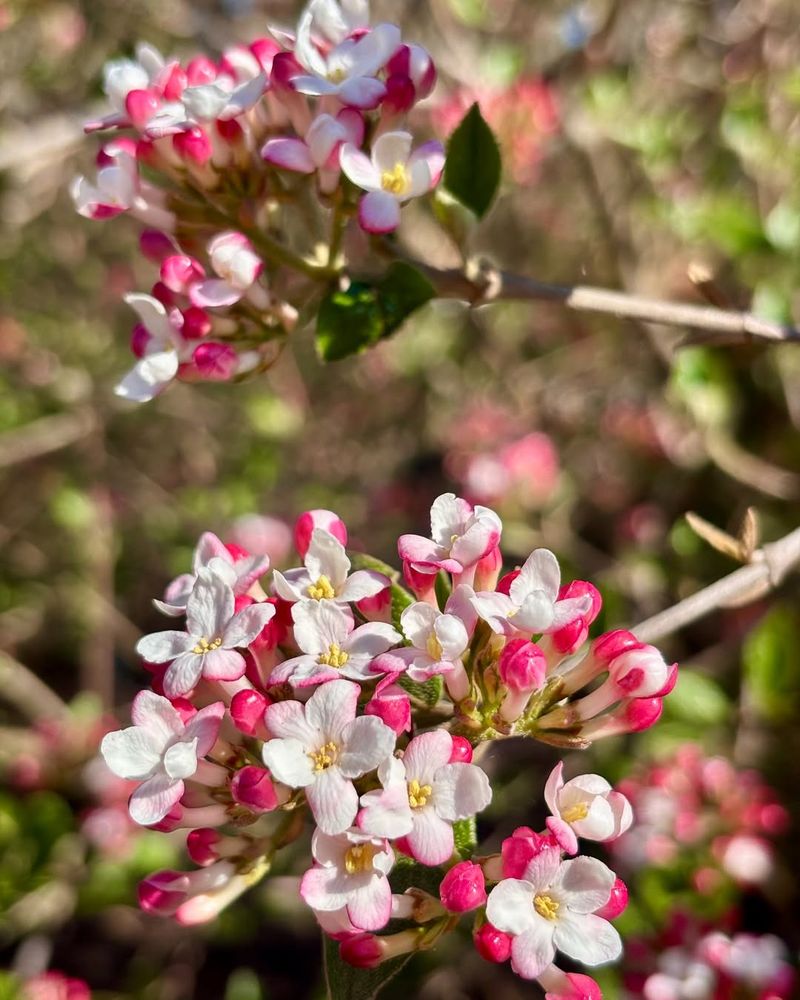
Spring-blooming viburnums are popular Florida shrubs valued for their clusters of white, pink, or cream-colored flowers that bring early-season color to yards and neighborhoods. Many people choose viburnum specifically because it blooms when most other plants are still waking up.
That early display depends on months of preparation that happens quietly during the cooler part of the year. As winter ends, viburnum shrubs already carry the growth that will support upcoming flowers.
Cutting branches at this stage removes future blooms before they ever appear. Because the plant often looks inactive on the outside, it’s easy to underestimate how close it is to flowering.
The result is fewer blossoms or completely missing the spring display that makes viburnum such a landscape favorite. You should wait until flowering finishes before trimming viburnum.
Once the blooms fade, shaping the plant becomes much safer and won’t interfere with next season’s performance. This simple timing change protects seasonal color and keeps viburnum reliable year after year.
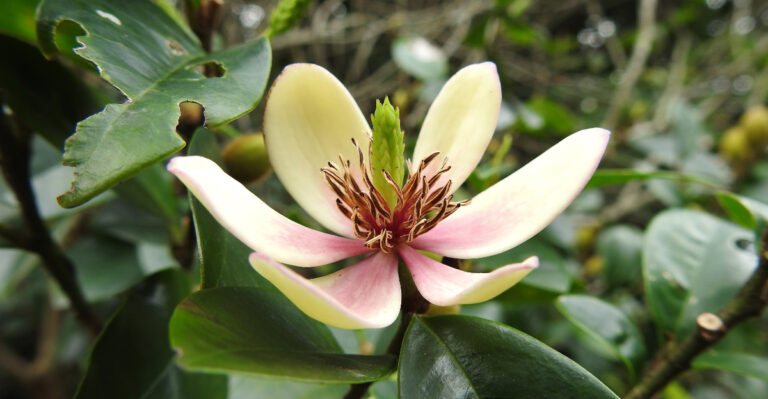
6. February Cuts Reduce Magnolia Flowers
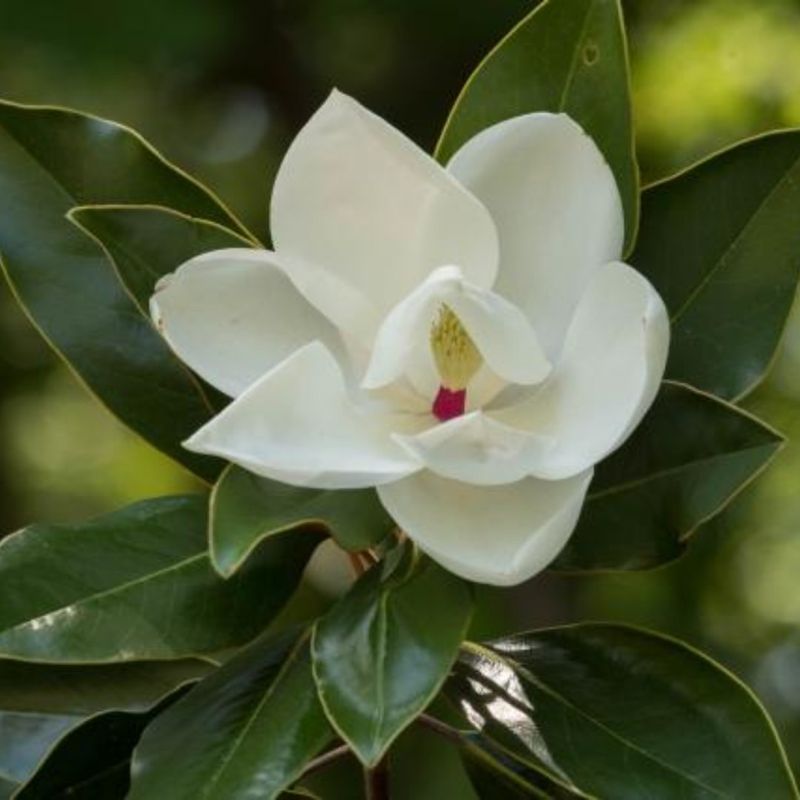
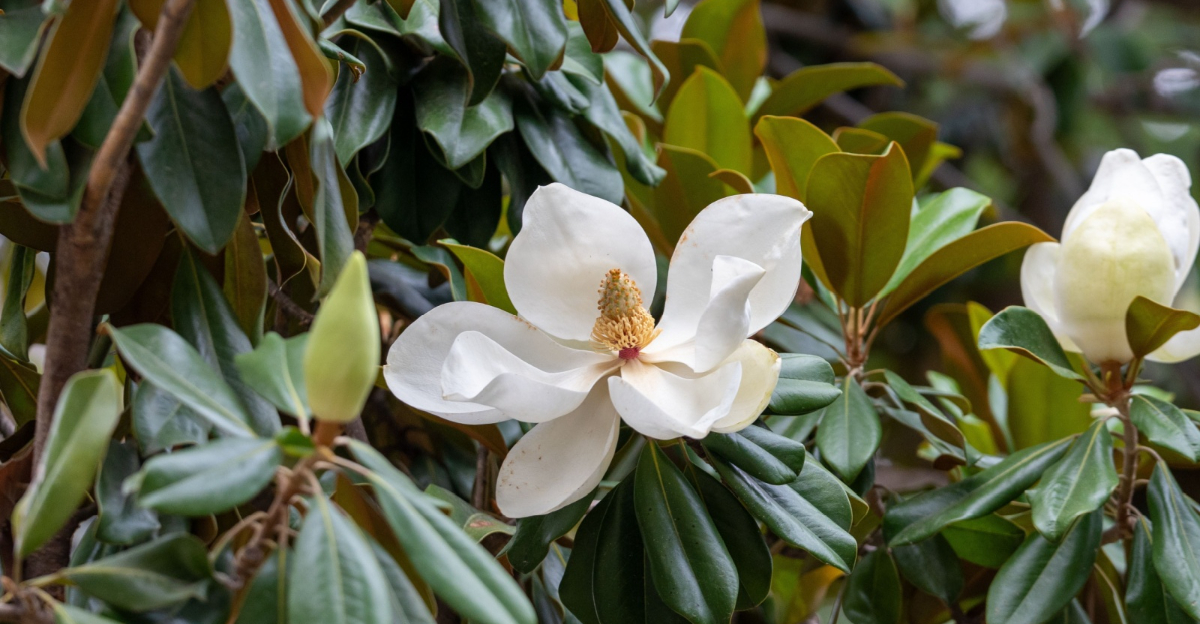
Southern magnolias are iconic Florida trees admired for their massive, fragrant white flowers and bold evergreen leaves that provide year-round beauty. These impressive blooms do not appear overnight.
Magnolia flower buds form months in advance on wood that develops well before the main flowering season begins, meaning much of the tree’s spring display is already determined by late winter.
While light corrective pruning can be done in late winter if absolutely necessary, heavy pruning in February can remove developing flower buds and place unnecessary stress on the tree just as sap flow and new growth activity begin to increase.
This combination often leads to fewer flowers, delayed blooming, and uneven growth later in the season. Because magnolias grow slowly and do not respond well to aggressive cutting, Florida homeowners should limit February pruning to deceased, damaged, crossing, or hazardous branches only.
Structural shaping or size reduction during this period can take years to fully recover and may permanently alter the tree’s natural form. For best flowering results, major shaping and aesthetic pruning should be done immediately after flowering ends, typically in late spring or early summer.
This timing allows the tree to recover quickly while preserving next season’s flower buds. Allowing magnolias to remain mostly undisturbed during bud development ensures stronger blooms, healthier growth, and a fuller, more impressive canopy year after year.
7. Pruning Blueberries Now Destroys Your Harvest
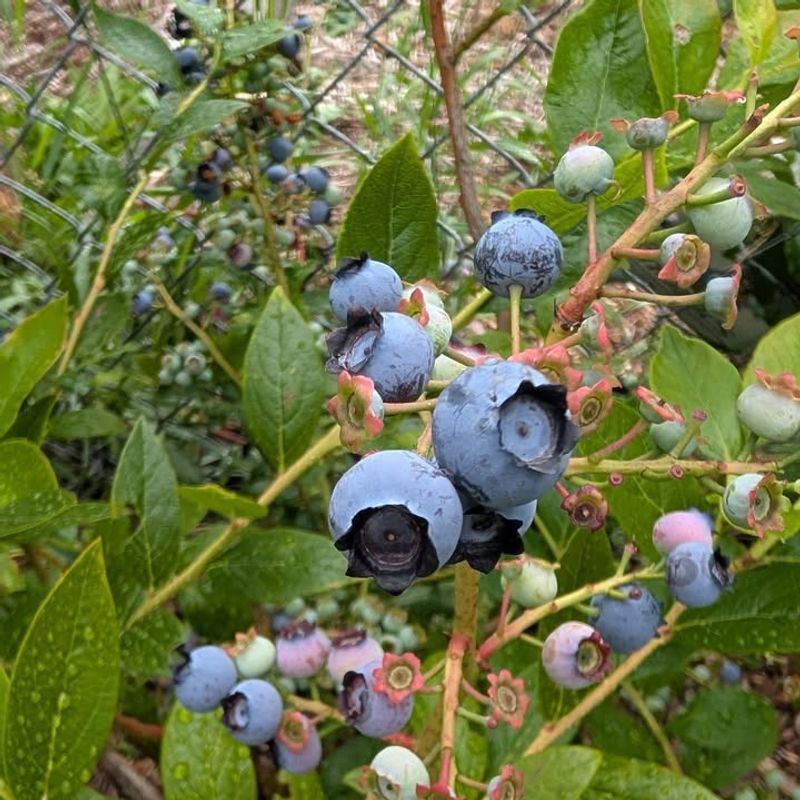
Blueberries have become increasingly popular in Florida landscapes, serving both as attractive ornamental shrubs and highly productive fruit plants.
Thanks to Florida-bred low-chill varieties, many blueberry bushes begin flowering much earlier than gardeners expect, with blooms appearing as early as January or February depending on location, winter temperatures, and seasonal weather patterns.
Once flowering begins, the plant shifts into full fruit-production mode. At this stage, energy is directed toward pollination, fruit set, and berry development.
Pruning during this period removes flower-bearing wood and directly reduces the upcoming harvest. Even light trimming can significantly impact yield, especially on younger plants that are still developing their branch structure and root systems.
In Florida, major blueberry pruning should be finished during dormancy, usually December through January in North and Central Florida, and earlier in South Florida where chilling hours are limited.
Pruning during dormancy allows gardeners to shape the plant, remove weak or overcrowded growth, and encourage strong new shoots without sacrificing fruit production.
Once flowers appear, pruning should stop immediately to protect developing fruit regardless of Florida region. Allowing bushes to remain undisturbed during bloom supports better pollination, stronger fruit set, larger berries, and more consistent harvests later in the season.
Proper timing not only improves yields but also helps maintain healthy, productive blueberry plants year after year.
8. Spring Bloomers Lose Flowers If Cut Now
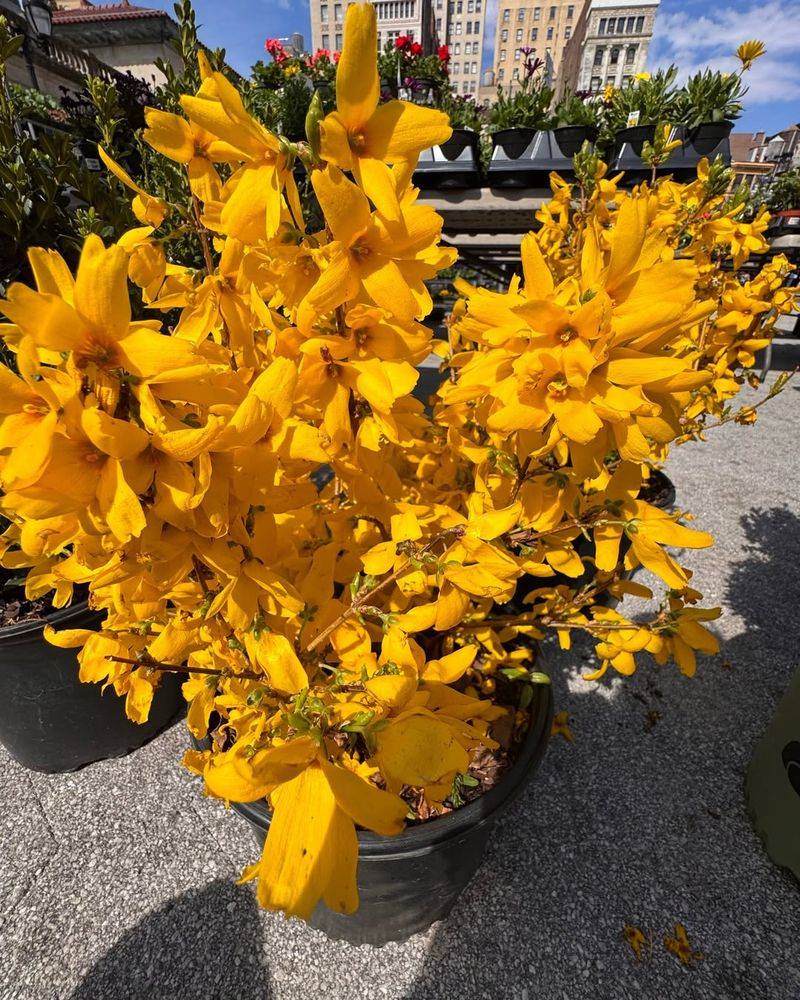
Forsythia and other spring-flowering shrubs such as spirea and weigela are grown for one main reason: their burst of early-season color when most landscapes are still waking up. In Florida, these plants perform best in North Florida and cooler areas of Central Florida, where winter temperatures provide the chilling needed to support dependable flowering.
Unlike shrubs that bloom on new growth, these early bloomers form their flower buds during the previous growing season. Those buds remain attached through winter and continue developing as temperatures gradually rise.
By the time February arrives, much of the spring display is already in place and waiting to open. Cutting branches during this stage eliminates entire sets of flower buds before they ever have a chance to bloom.
The plant may still leaf out normally, giving the appearance of healthy growth, but the seasonal color show is often greatly reduced or completely absent. Florida’s mild winters can also cause these shrubs to break dormancy early, making late-winter pruning even more damaging.
To protect their spring performance, gardeners should wait until flowering has finished before reaching for the pruners. Trimming after bloom allows plants to recover, shape new growth, and prepare buds for the following season without sacrificing the current year’s display.
Proper timing keeps these shrubs vibrant, reliable, and visually striking every spring.