Always Check This Before Buying Plants In Florida
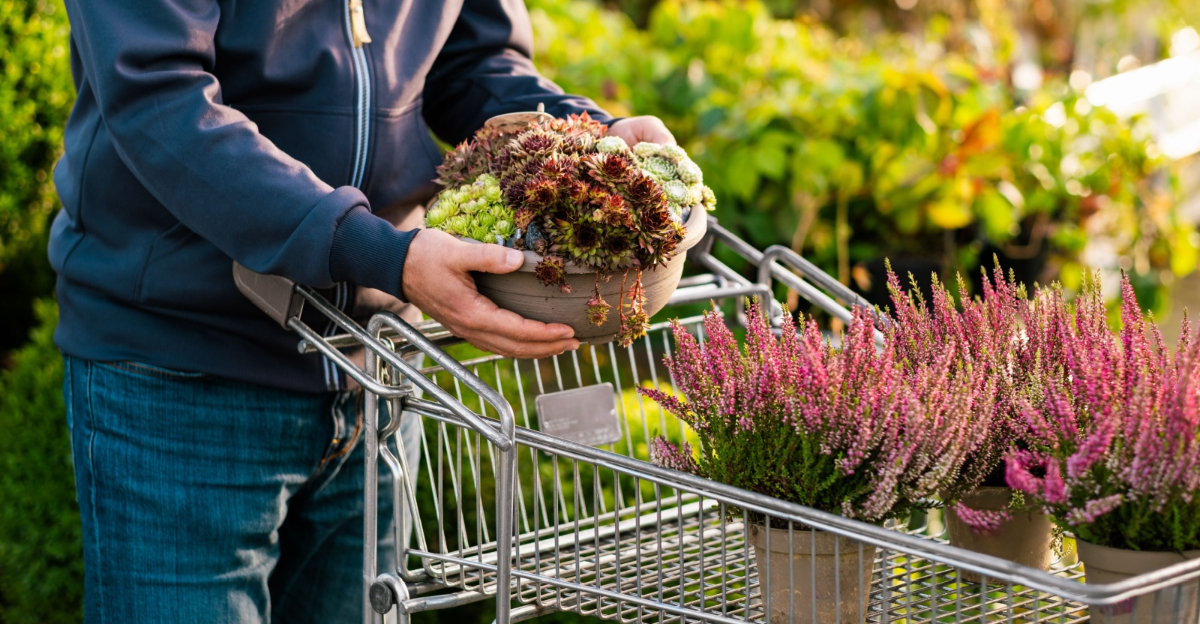
Plant shopping in Florida is not for the careless. Bright leaves, big blooms, and “sale” tags can pull you in fast, but the wrong choice can turn excitement into instant regret.
Heat, humidity, sandy soil, and sudden weather swings punish weak plants hard and fast. Small warning signs and smart checks make the difference between success and struggle, yet many buyers rush right past them.
That rush shows up later as drooping leaves, stalled growth, mystery problems, and money wasted on replacements. A few extra seconds at the nursery can save weeks of frustration in the yard.
Better picks settle in faster, grow stronger, and handle Florida’s tough conditions with less babysitting. This is how experienced gardeners keep their landscapes thriving while others keep starting over.
Before the next plant lands in your cart, slow down and shop smarter. One simple habit can protect your time, your budget, and the look of your entire garden.
1. Check UF/IFAS Status
Before you place any plant in your cart, take a moment to find out its UF/IFAS status. The University of Florida’s Institute of Food and Agricultural Sciences maintains a list that categorizes plants based on how they behave in Florida landscapes.
Some plants spread aggressively and crowd out native species, causing real problems for local ecosystems. Plants marked as invasive should stay on the shelf no matter how pretty they look.
These troublemakers can escape your garden and take over natural areas, harming wildlife habitats and costing millions in control efforts across Florida. The list gets updated regularly as researchers learn more about how different species behave in our state’s unique conditions.
You can easily search the UF/IFAS Assessment online using your phone right there in the nursery. Simply type in the plant’s scientific name or common name to see its status.
Plants labeled as “not recommended” or “invasive” should be avoided completely, while those marked “not a problem” or “native” make excellent choices for Florida gardens. Many garden centers in Florida now label their plants with UF/IFAS status information, making your job easier.
If you can’t find this information on the tag, don’t hesitate to ask a nursery employee. Responsible retailers appreciate customers who care about choosing plants that won’t harm Florida’s environment.
Making this simple check protects your investment and helps preserve the natural beauty that makes Florida special.
2. Match Sun Exposure
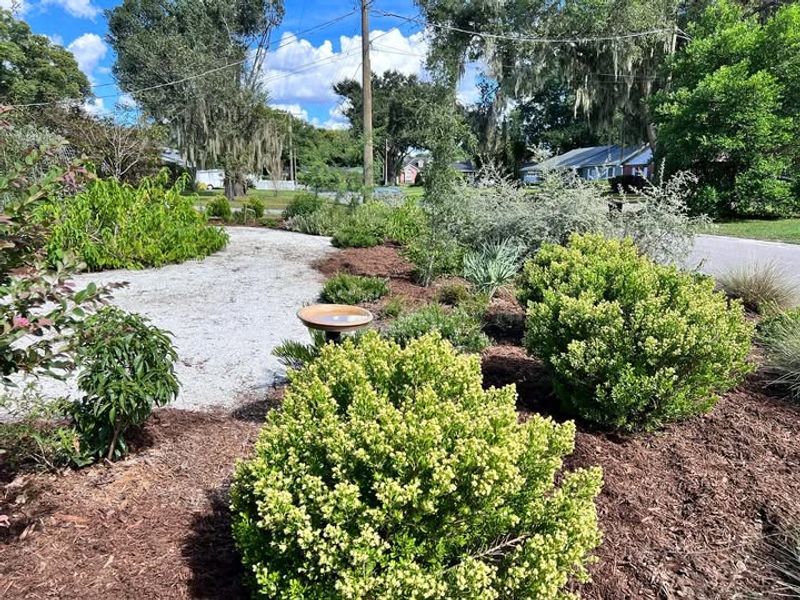
Putting a shade-loving plant in full sun is like asking someone to work a double shift without breaks—it just won’t end well. Florida’s intense sunshine can quickly stress plants that prefer cooler, shadier spots.
On the flip side, sun-loving plants placed in shade will stretch and weaken as they desperately reach for light they can’t find. Read the plant tag carefully to understand its light requirements.
Full sun means at least six hours of direct sunlight daily, which Florida delivers in abundance most of the year. Partial sun or partial shade typically means three to six hours of sunlight, while full shade indicates less than three hours of direct light.
Your Florida Garden Changes Every Week. Your Plan Should Too.
Gardening in Florida changes quickly throughout the season. Every Friday you’ll receive a simple weekly plan showing exactly what to plant, prune, fertilize, harvest, and protect so you never miss the right timing.
Consider where you plan to place your new plant before buying it. Walk around your Florida yard at different times of day to see which areas get morning sun, afternoon sun, or stay shaded throughout the day.
Morning sun tends to be gentler than Florida’s brutal afternoon rays, so plants labeled for partial sun often do best with morning light and afternoon shade. Florida’s sun intensity varies by season too.
Winter sun feels milder than summer’s scorching rays, so some plants that handle full sun in December might struggle come July. If you’re unsure about your garden’s light conditions, start with plants that tolerate a range of exposures.
Native Florida plants often adapt better to varying light conditions than imports from other regions.
3. Verify USDA Zone
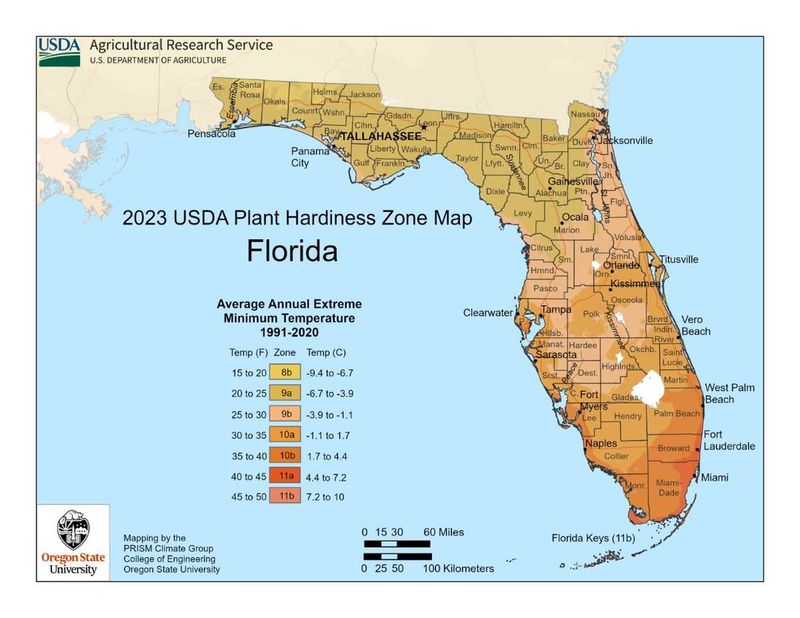
Florida stretches across multiple USDA hardiness zones, and this matters more than many gardeners realize. North Florida falls into zones 8 and 9, while South Florida sits in zones 10 and 11.
These zones tell you the average coldest temperature your area experiences, which determines whether a plant can survive your winters. A plant rated for zone 10 might thrive in Miami but suffer during a cold snap in Jacksonville.
Even within the same city, microclimates can create warmer or cooler pockets that affect plant survival. Areas near the coast typically stay warmer than inland locations, and low-lying spots can become frost pockets during cold nights.
Check your specific zone before buying plants, especially if you live in North or Central Florida where winter freezes occur. The USDA updated its hardiness zone map recently, so some areas shifted to different zones.
Don’t rely on old information or assumptions about where you live. Tropical plants that flourish in South Florida often won’t make it through winter in Tallahassee or Pensacola.
If you fall in love with a plant rated for a warmer zone than yours, you’ll need to treat it as an annual or bring it indoors during cold weather. Container growing offers flexibility for zone-pushing, but in-ground plants must match your zone to survive long-term.
Smart Florida gardeners choose plants rated for their zone or colder to ensure success through temperature fluctuations.
4. Inspect Root Health
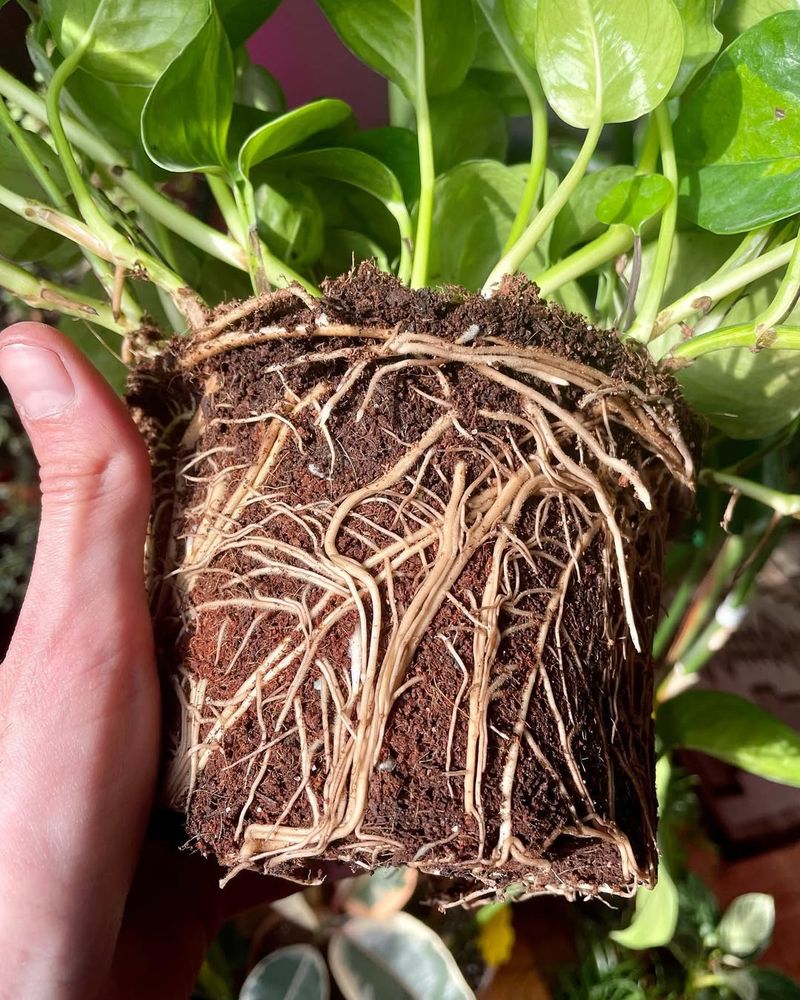
Roots tell the real story of a plant’s health, yet most shoppers never look beyond the pretty leaves and flowers. Gently slide the plant out of its container to examine what’s happening below the soil line.
Healthy roots appear white or light tan, feel firm to the touch, and spread throughout the soil without circling endlessly around the pot’s edges. Root-bound plants have roots that wrap around themselves in tight circles, creating a dense mat that struggles to grow outward even after planting.
These plants often fail to establish properly in Florida’s sandy soils and may never perform as well as healthier specimens. Dark, mushy, or foul-smelling roots indicate rot caused by overwatering or disease.
In Florida’s warm, humid conditions, root problems can develop quickly at nurseries if plants sit too long in their containers. Even though a plant looks gorgeous above ground, compromised roots will lead to disappointing results in your garden.
If you spot issues, choose a different plant of the same variety that shows better root development. Some root circling can be corrected by teasing apart the roots before planting, but severely root-bound plants rarely recover fully.
You’re better off selecting a smaller, healthier plant than a larger specimen with root problems. Florida’s growing conditions are challenging enough without starting with disadvantaged plants.
This simple inspection takes just seconds but reveals crucial information that affects your plant’s future success in your landscape.
5. Choose Native Or Florida-Friendly Plants
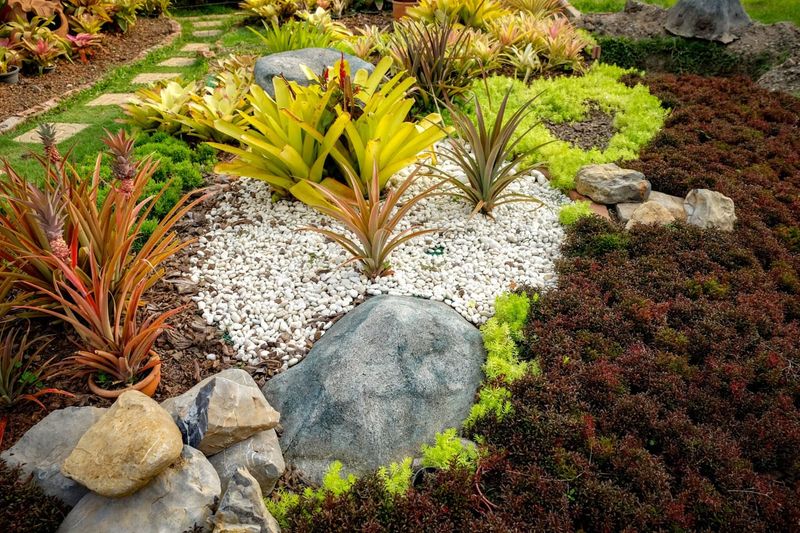
Native Florida plants evolved over thousands of years to handle our state’s quirky weather patterns, from summer deluges to winter dry spells. These plants already know how to survive here because this is their home.
They require less water once established, need fewer fertilizers, and resist local pests better than imports from other regions. Florida-Friendly plants include both natives and well-behaved non-natives that thrive without excessive resources or maintenance.
The Florida-Friendly Landscaping program identifies plants that conserve water, protect water quality, and provide habitat for wildlife while looking beautiful in residential landscapes. These plants make practical sense for Florida gardeners who want attractive gardens without constant fussing.
Native plants support local wildlife in ways that exotic species simply cannot. Florida butterflies, bees, and birds evolved alongside native plants and depend on them for food and shelter.
When you fill your yard with natives, you create a mini ecosystem that supports the broader environment around you. Many garden centers in Florida now feature dedicated native plant sections, making selection easier than ever.
Look for species like coontie, firebush, beautyberry, and muhly grass; all tough, attractive natives that flourish across the state. These plants laugh at Florida’s challenges while providing year-round interest with minimal input from you.
Starting with natives or Florida-Friendly selections dramatically increases your chances of gardening success while reducing the time and money you’ll spend maintaining your landscape.
6. Look For Pests
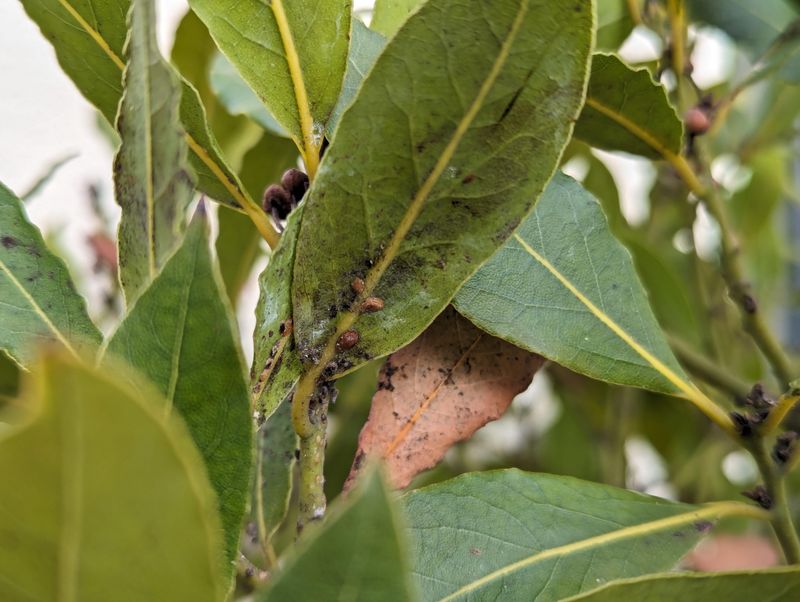
Bringing home a plant infested with pests is like inviting trouble through your front door. Those tiny hitchhikers can spread to your existing plants and create headaches that last for months.
Before purchasing, examine the plant carefully from all angles, checking both the tops and undersides of leaves where pests like to hide. Common culprits in Florida include aphids, scale insects, whiteflies, spider mites, and mealybugs.
Look for sticky residue on leaves, tiny moving dots, cottony masses, or discolored spots that indicate pest activity. Yellowing leaves, distorted growth, or webbing between stems can all signal problems.
Florida’s warm climate allows pest populations to explode quickly, so even a small infestation can become a major problem once you get the plant home. Reputable nurseries monitor their plants regularly and treat problems promptly, but some pests are sneaky and difficult to spot without close inspection.
Don’t feel embarrassed about examining plants thoroughly at the garden center; smart shoppers do this routinely. If you notice any signs of pests, choose a different plant or ask the staff about their pest management practices.
Some nurseries will treat affected plants or offer replacements if problems develop shortly after purchase. Starting with pest-free plants protects your entire Florida garden and saves you the frustration of battling infestations later.
A few extra minutes of inspection at the store prevents hours of treatment work at home.
7. Confirm Water Needs
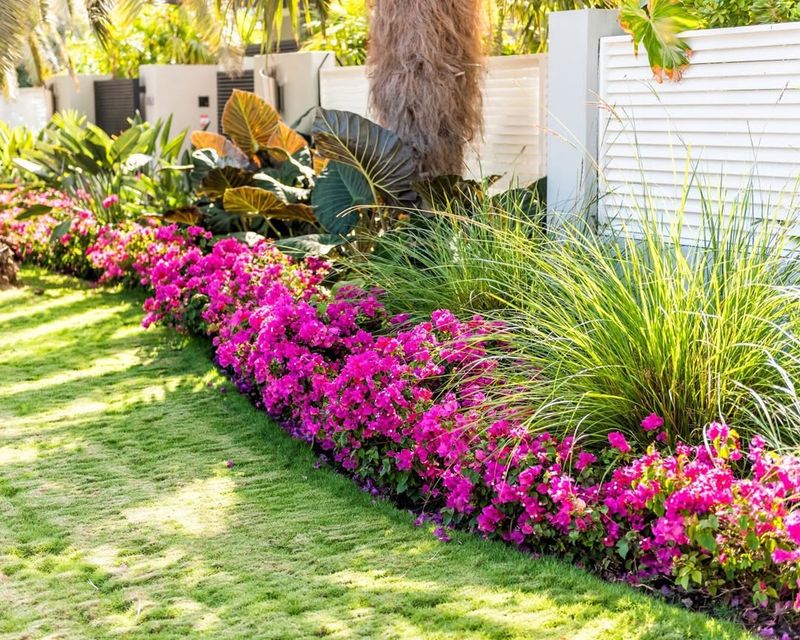
Water requirements vary dramatically among plants, and matching them to your landscape conditions saves resources and prevents problems. Some plants need consistently moist soil while others prefer drying out between waterings.
Florida’s rainy season delivers abundant water from June through September, but our dry season can leave landscapes parched without supplemental irrigation. Plants with high water needs make sense near downspouts or in low areas that stay naturally moist, but they’ll struggle on sandy berms or in spots far from water sources.
Drought-tolerant plants thrive in Florida’s dry season without constant attention, making them smart choices for busy gardeners or areas where irrigation is impractical. Consider your willingness and ability to water regularly before selecting plants.
If you travel frequently or prefer low-maintenance landscaping, choose species that tolerate dry conditions once established. Florida water restrictions in many areas also make drought-tolerant plants a responsible choice that helps conserve this precious resource.
Grouping plants with similar water needs creates efficient irrigation zones and prevents overwatering some plants while underwatering others. The plant tag should clearly state water requirements; if it doesn’t, ask before buying or look up the species online.
Native Florida plants generally need less supplemental watering than tropical imports once their roots establish. Starting plants during Florida’s rainy season gives them time to develop strong root systems before facing dry conditions.
Understanding water needs upfront helps you place plants appropriately and maintain a thriving landscape without wasting water or watching plants struggle.