Stunning Flowering Shrubs Texans Are Planting Instead Of Hydrangeas
Thinking about replacing your hydrangeas this year? More and more Texans are turning to flowering shrubs that thrive better in local conditions and still deliver stunning blooms.
While hydrangeas are undeniably beautiful, they can be picky about heat and water, especially in Texas. Luckily, there are plenty of bold, blooming alternatives that are just as eye-catching but far easier to care for.
These shrubs are winning over Texas gardeners who want beauty without the stress. Whether you’re redesigning your whole yard or just swapping out a few struggling plants, the right flowering shrub can make all the difference.
These alternatives don’t just survive the Texas climate, they love it. Ready to discover what’s blooming big in Texas gardens now? Here are the top flowering shrubs Texans are choosing instead of hydrangeas this season.
1. Desert Rose (Adenium obesum)
Forget everything you thought you knew about flowering shrubs. Desert Rose brings a tropical look to Texas landscapes while laughing at our toughest weather conditions.
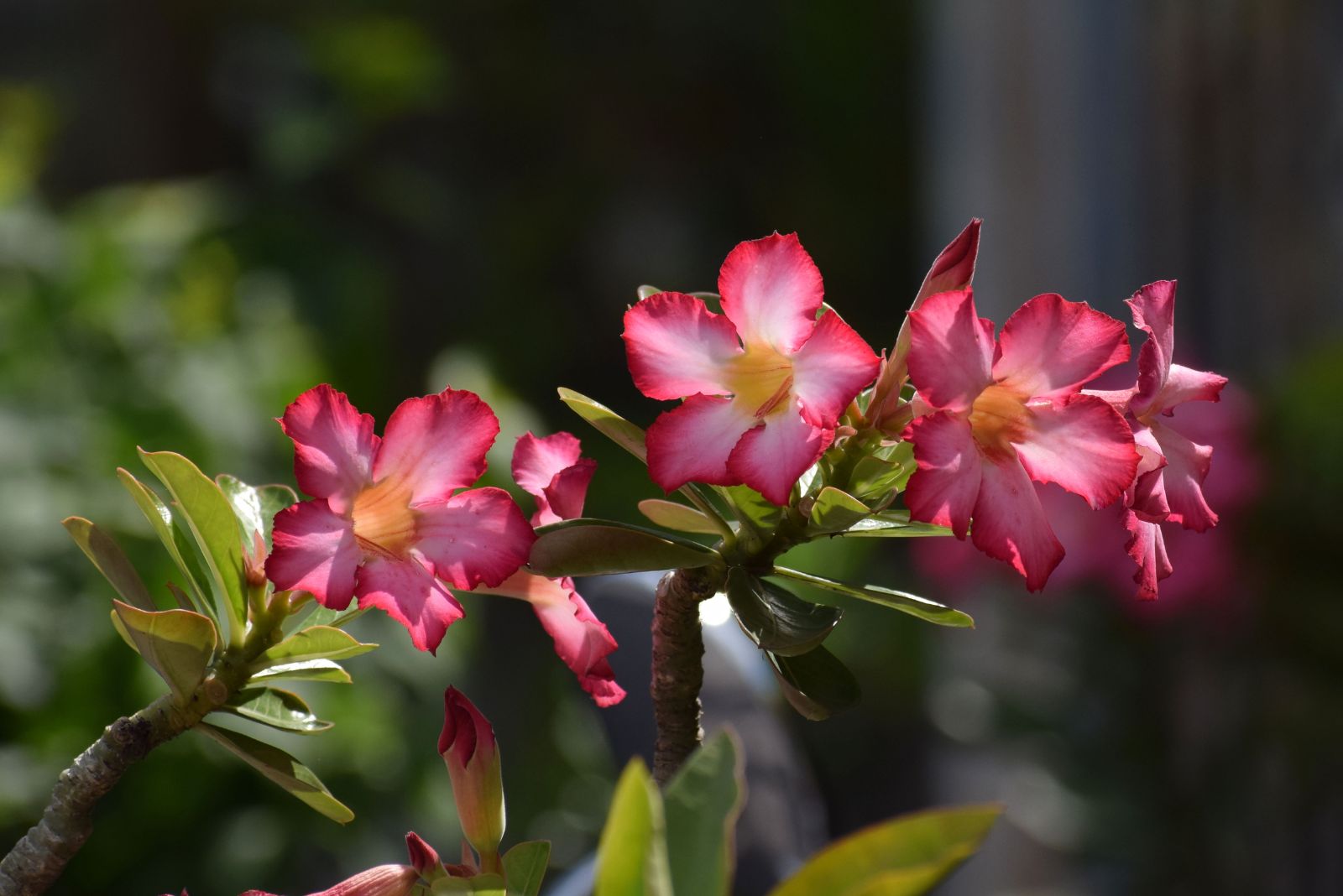
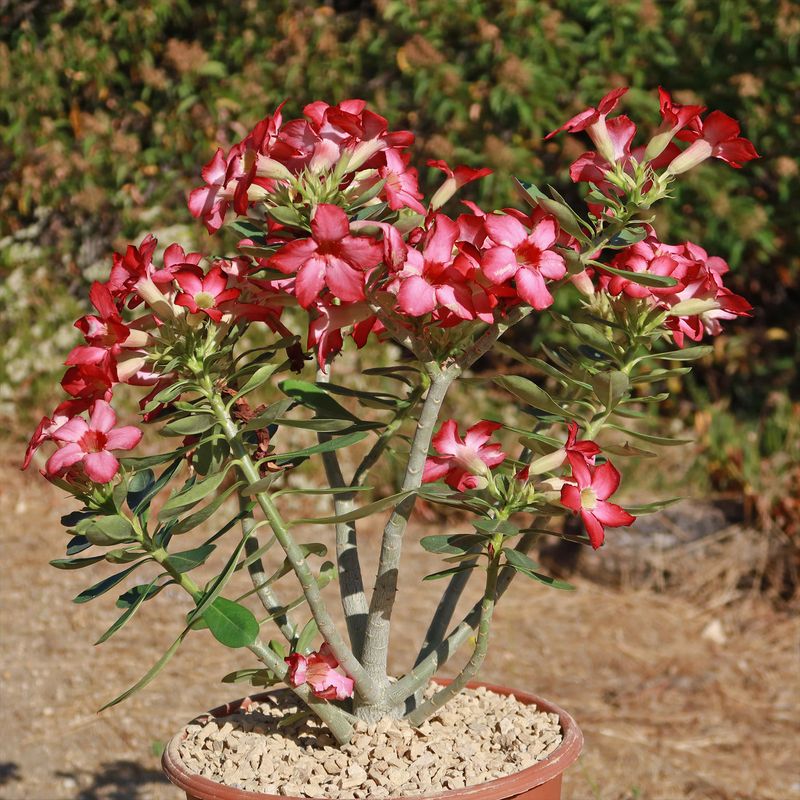
This succulent shrub produces stunning trumpet-shaped flowers in shades of pink, red, white, and even bi-colors that would make any hydrangea jealous. The thick, swollen trunk stores water like a camel, making this plant incredibly drought-tolerant once established.
Texas gardeners in zones 9-11 can grow Desert Rose year-round outdoors, while those in cooler areas enjoy it as a container plant that winters indoors. The blooms appear from spring through fall, giving you months of continuous color.
Growing Desert Rose couldn’t be simpler in Texas. Plant it in well-draining soil with full sun exposure, and water sparingly.
Too much water actually harms this beauty, making it perfect for forgetful gardeners or those looking to conserve water. The plant naturally grows into an attractive shape without much pruning.
San Antonio and Houston gardeners particularly love how Desert Rose handles humidity without developing fungal problems. The glossy leaves stay clean and attractive even during our muggiest months.
Plus, the exotic flowers attract butterflies and hummingbirds to your yard. Container growing works wonderfully for Desert Rose throughout Texas.
Use a cactus soil mix and a pot with drainage holes. During winter in North Texas, simply bring your potted plant indoors where it will continue blooming near a sunny window.
This adaptable shrub proves that stunning flowers and easy care can absolutely go together in Texas gardens.
2. Texas Sage (Leucophyllum frutescens)
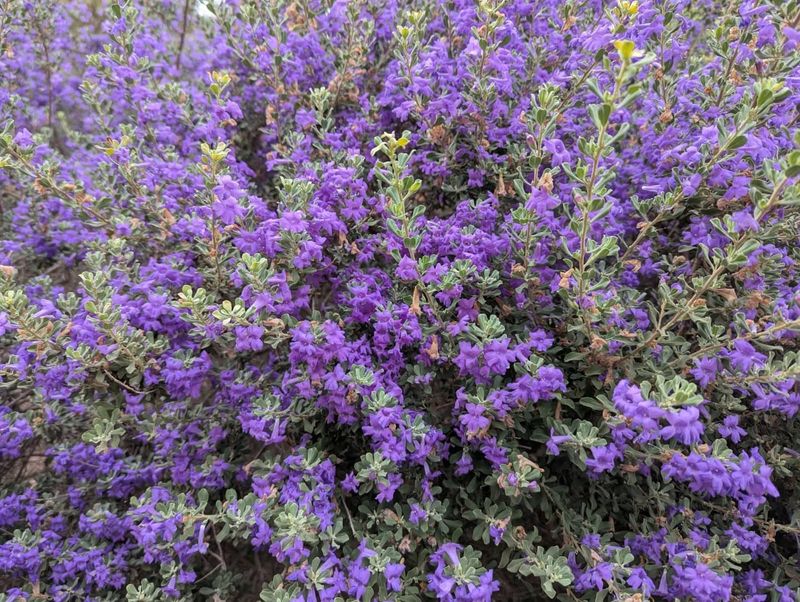
Native to Texas and northern Mexico, this silvery-leafed beauty earns its place in landscapes across the state. Texas Sage bursts into clouds of purple, pink, or white flowers after summer rains, creating a spectacular display that signals changing weather patterns.
Local gardeners call it the “barometer bush” because it often blooms before storms arrive. The silvery-gray foliage provides year-round interest even when flowers aren’t present.
This evergreen shrub typically grows 4-6 feet tall and wide, making it perfect for foundation plantings, hedges, or specimen plants. The soft, fuzzy leaves feel pleasant to touch and create a cooling visual effect in hot Texas summers.
Drought tolerance makes Texas Sage a champion for water-wise landscaping throughout the state. Once established, it survives on rainfall alone in most Texas regions.
Your Texas Garden Changes Every Week. Your Plan Should Too.
Gardening in Texas changes quickly throughout the season. Every Friday you’ll receive a simple weekly plan showing exactly what to plant, prune, fertilize, harvest, and protect so you never miss the right timing.
The plant actually blooms better with less water, unlike hydrangeas that wilt and suffer during dry spells. Full sun and well-drained soil keep this shrub happy and healthy.
Dallas and Austin gardeners appreciate how Texas Sage handles urban conditions including pollution, heat reflection from pavement, and compacted soils. The plant thrives in alkaline soils that challenge many other flowering shrubs.
Deer generally leave it alone, another major advantage for rural and suburban Texas properties. Pruning requirements stay minimal with Texas Sage.
Light shaping in late winter maintains size and promotes bushier growth. Multiple varieties offer different flower colors and growth habits, letting you customize your landscape.
This tough, beautiful native shrub delivers reliable color without the fussiness that makes hydrangeas frustrating in Texas gardens.
3. Esperanza (Tecoma stans)
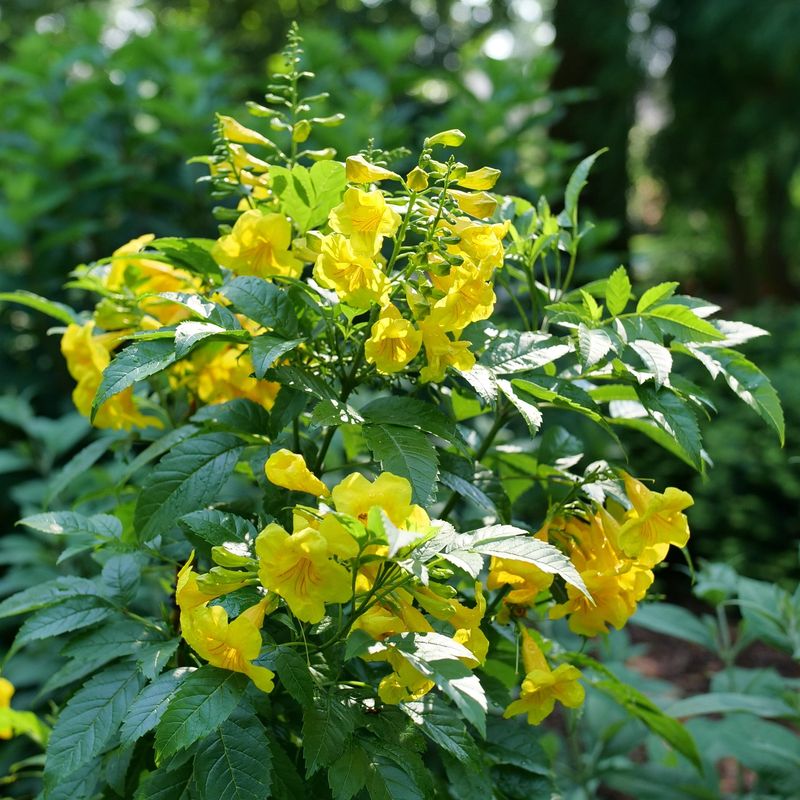
Golden trumpet-shaped flowers practically glow against dark green foliage on this heat-loving shrub. Esperanza means “hope” in Spanish, and this plant brings hope to Texas gardeners tired of struggling with temperamental flowering shrubs.
Blooms appear continuously from late spring through the first frost, providing months of cheerful yellow color. Hummingbirds cannot resist Esperanza flowers.
Plant this shrub near a window or patio, and you’ll enjoy watching these tiny birds visit throughout the growing season. Butterflies also flock to the nectar-rich blooms, making your garden a wildlife haven without any extra effort.
Fast growth means Esperanza quickly fills spaces in new landscapes. The shrub typically reaches 6-9 feet tall in South Texas, while cooler areas see smaller sizes of 3-5 feet.
In zones 8 and below, Esperanza behaves like a perennial, freezing back in winter but returning vigorously from roots each spring. Houston and Corpus Christi gardeners grow Esperanza as a permanent evergreen shrub that blooms year-round in mild winters.
The plant handles coastal conditions beautifully, tolerating salt spray and sandy soils. Inland Texas gardeners appreciate how it powers through summer heat without dropping blooms or wilting.
Minimal care keeps Esperanza thriving. Plant in full sun with average soil, water regularly until established, then reduce watering as the plant matures.
Light pruning in early spring encourages bushier growth and more flower production. This cheerful yellow-blooming shrub proves that Texas-tough plants can be absolutely gorgeous while requiring a fraction of the attention hydrangeas demand.
4. Flame Acanthus (Anisacanthus quadrifidus var. wrightii)
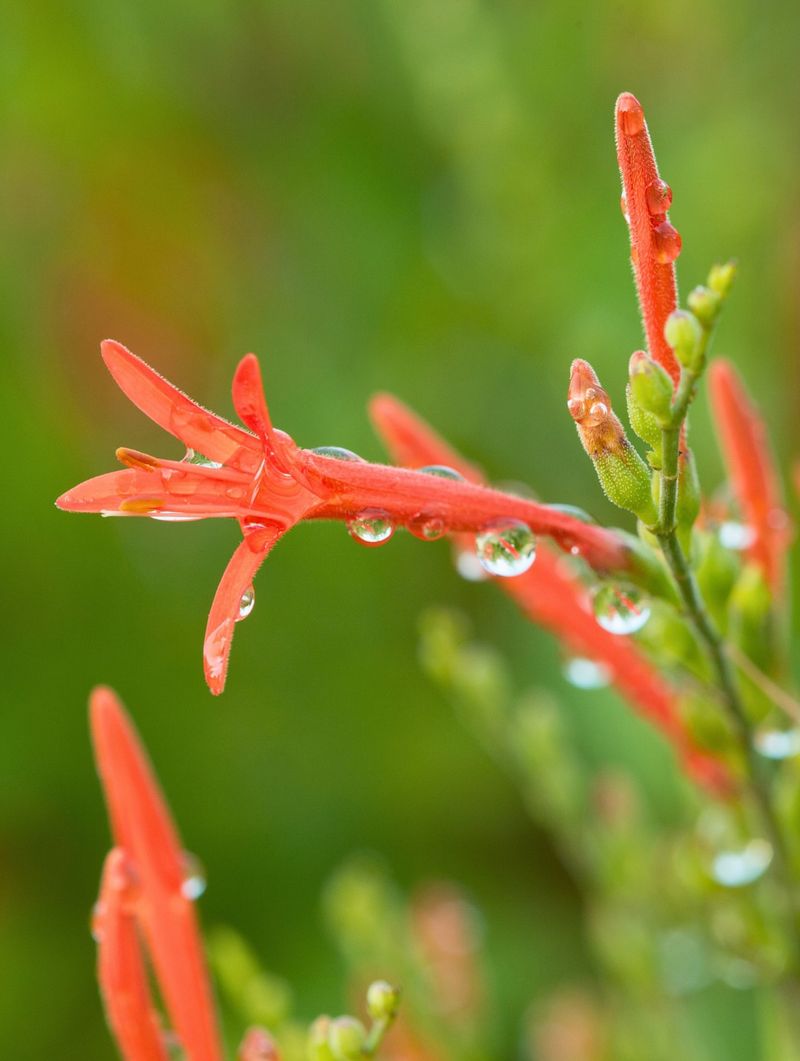
Fiery orange-red blooms set this Texas native apart from ordinary flowering shrubs. Flame Acanthus creates a blaze of color from late spring through fall, thriving in conditions that would stress most other bloomers.
The tubular flowers practically vibrate with color, making them impossible to overlook in the landscape. Native to Central and West Texas, this shrub knows exactly how to handle our challenging climate.
It shrugs off drought, heat, and poor soil while producing abundant flowers that attract hummingbirds by the dozens. The hummingbird appeal alone makes Flame Acanthus worth planting, but the easy care seals the deal.
Growing 3-4 feet tall and wide, Flame Acanthus fits perfectly in smaller gardens and mixed borders. The airy growth habit allows you to see through the plant, creating depth in landscape designs.
Bright green leaves provide a fresh backdrop for the vivid flowers, and the plant maintains good looks even during the hottest weather. Austin and San Antonio gardeners particularly value Flame Acanthus for its ability to bloom in partial shade.
While full sun produces the most flowers, this adaptable shrub still performs well with just 4-5 hours of direct sunlight. This flexibility helps in landscapes with large trees or buildings that create shade patterns.
Winter cold causes Flame Acanthus to lose leaves in most of Texas, but the plant bounces back quickly each spring. Simply cut dry stems to the ground in late winter, and fresh growth emerges as temperatures warm.
This native beauty combines spectacular blooms, wildlife value, and genuine toughness in one outstanding package that outperforms hydrangeas throughout Texas.
5. Turk’s Cap (Malvaviscus arboreus var. drummondii)
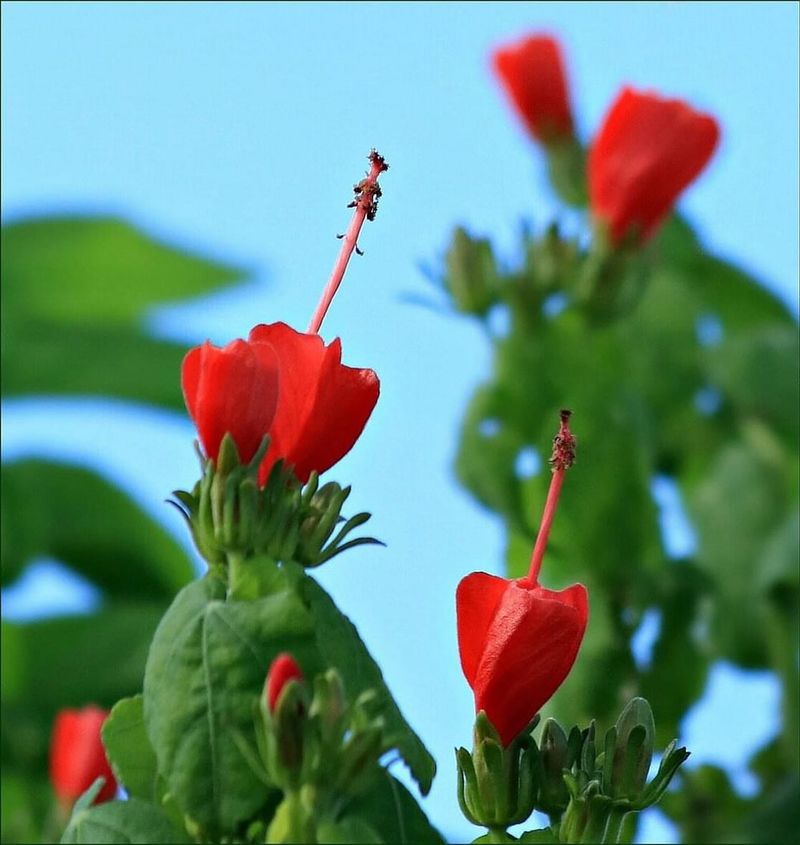
Imagine a flowering shrub that actually prefers shade in Texas gardens. Turk’s Cap fills those difficult shady spots with bright red turban-shaped flowers that bloom from spring until frost.
The unique flowers never fully open, creating a distinctive look that sets this native shrub apart from anything else in your landscape. Shade tolerance makes Turk’s Cap incredibly valuable for Texas gardeners.
Plant it under trees, along north-facing walls, or anywhere you struggle to find flowering options. While it tolerates full sun in cooler areas, partial to full shade brings out the best performance in most of Texas, especially during brutal summer months.
Hummingbirds adore Turk’s Cap flowers, visiting constantly throughout the blooming season. The shrub also produces small red fruits that birds eat enthusiastically, providing food for wildlife nearly year-round.
This makes Turk’s Cap perfect for anyone wanting to create a wildlife-friendly garden without complicated planning. Growing 2-5 feet tall depending on location and care, Turk’s Cap works in various landscape situations.
Houston gardeners often use it as an understory plant beneath large trees, while Dallas gardeners tuck it into shaded corners where nothing else thrives. The plant spreads slowly by underground stems, gradually forming attractive colonies.
Maintenance stays minimal with Turk’s Cap. Water during establishment, then let rainfall handle irrigation in most Texas locations.
The plant looks best with occasional trimming to remove old stems and maintain shape, but it survives just fine without any pruning. Freezing weather damages foliage in North Texas, but roots survive and send up fresh growth each spring.
This shade-loving native offers reliable blooms where hydrangeas would languish in Texas conditions.
6. Coral Honeysuckle (Lonicera sempervirens)
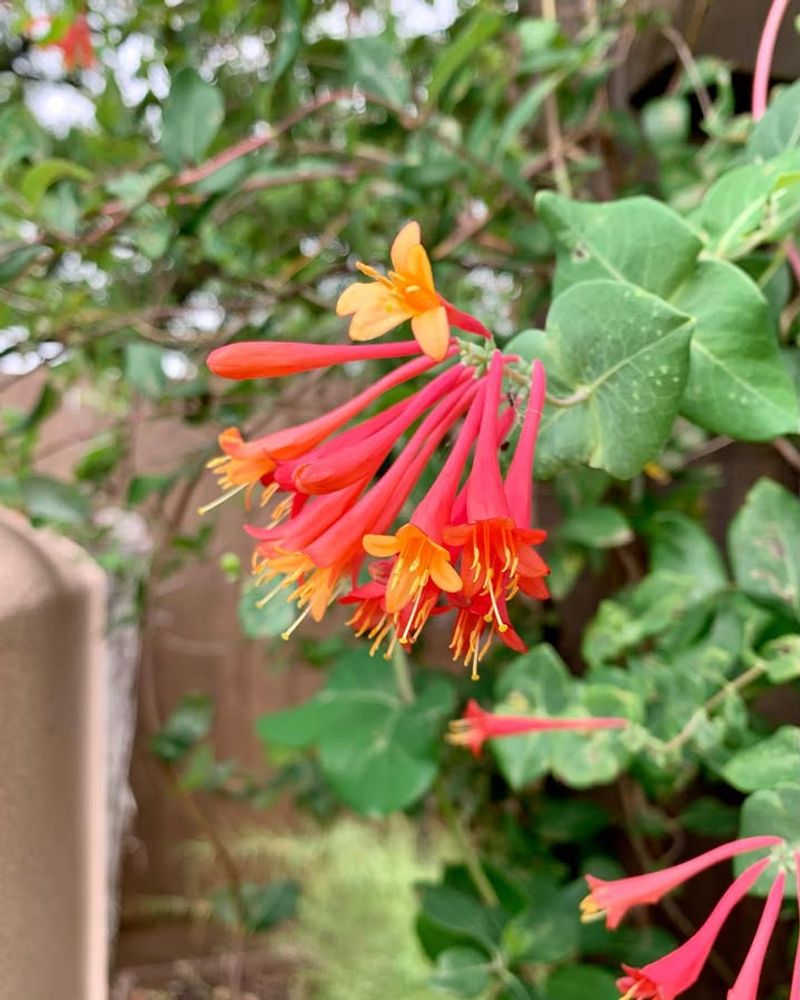
While typically grown as a vine, Coral Honeysuckle can be trained and pruned into a stunning flowering shrub form. The coral-red tubular flowers appear in clusters from spring through summer, creating a show that rivals any traditional flowering shrub.
Unlike invasive honeysuckle species, this Texas native behaves perfectly in gardens. Training Coral Honeysuckle as a shrub takes minimal effort.
Plant it without a support structure and prune it regularly to encourage bushy growth rather than climbing habit. The result is a rounded, flowering shrub that reaches 3-4 feet tall and wide.
This technique gives you the gorgeous flowers in a more controlled, shrub-like form. Hummingbirds rank Coral Honeysuckle among their absolute favorite plants.
The bright tubular flowers provide abundant nectar, and you’ll enjoy watching these aerial acrobats visit your garden repeatedly. The flowers typically lack strong fragrance, but the visual display and wildlife value more than compensate.
Texas gardeners from El Paso to Beaumont successfully grow Coral Honeysuckle. The plant adapts to various soil types and handles both heat and cold better than most flowering shrubs.
Evergreen to semi-evergreen foliage provides year-round structure, and the blue-black berries that follow flowers feed songbirds in fall. Planting in full sun to partial shade works well across Texas.
The shrub tolerates drought once established but looks fuller and blooms more heavily with occasional deep watering during extended dry spells. Minimal fertilizer needs and resistance to most pests make this native honeysuckle a low-maintenance choice.
Fort Worth and Amarillo gardeners appreciate how it handles cold winters, while South Texas gardeners love its heat tolerance. This versatile native outshines hydrangeas throughout the state.
7. Salvia greggii (Autumn Sage)
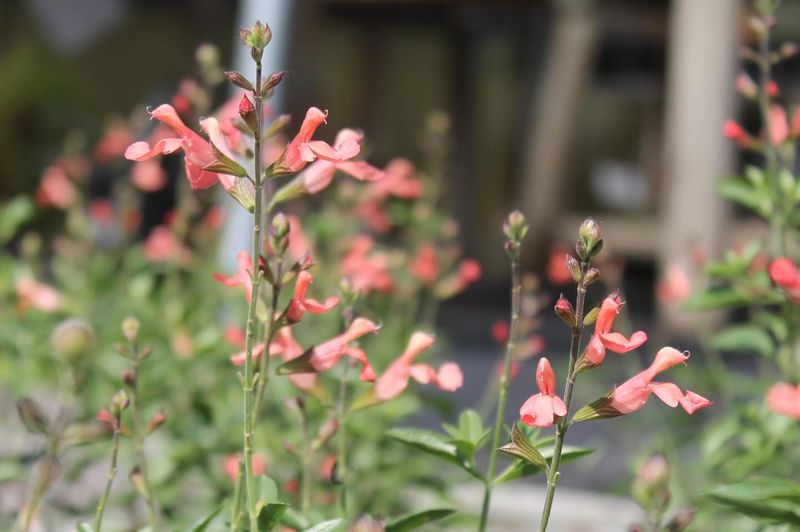
Compact size and nonstop blooms make Autumn Sage a superstar in Texas landscapes. This native salvia produces tubular flowers in shades of red, pink, coral, white, or purple from spring through fall, and often into winter in mild areas.
The plant stays neat and tidy at 2-3 feet tall, perfect for front-of-border plantings or container gardens. Heat and drought mean nothing to Autumn Sage.
This tough Texas native actually blooms more profusely during hot, dry weather when other flowering shrubs give up. The small, aromatic leaves release a pleasant fragrance when brushed, adding sensory interest to your garden.
Deer typically avoid this plant, making it ideal for areas where browsing creates problems. Hummingbirds and butterflies visit Autumn Sage constantly, creating a lively garden scene.
Plant several different color varieties together for a stunning display that looks intentional and artistic. The various colors bloom simultaneously, creating combinations that change as different flowers open and fade.
Water-wise landscaping throughout Texas features Autumn Sage prominently. Once established, the plant survives on minimal supplemental water, making it perfect for xeriscapes and areas where water conservation matters.
Well-drained soil and full sun keep this salvia happy, though it tolerates light shade in hotter regions. Lubbock to Laredo, Texas gardeners rely on Autumn Sage for reliable color.
Light pruning after bloom flushes encourages bushier growth and more flowers. The plant stays evergreen in South Texas and semi-evergreen in central regions, while North Texas sees it behave more like a perennial that returns from roots each spring.
This native sage delivers continuous blooms, easy care, and genuine toughness that hydrangeas simply cannot match in Texas conditions.