9 Salt-Tolerant Plants Every Coastal Florida Yard Needs This Season
Life near the ocean is beautiful, but your garden feels the struggle first. Salt spray, sandy soil, strong winds, and blazing sun can take out weak plants in no time.
One bad choice can leave beds looking tired and patchy before the season even gets going. Smart plant picks flip the script, turning harsh conditions into an advantage instead of a constant battle.
Salt-tolerant plants are built to handle ocean air, drought stretches, and intense heat without constant care.
They stay fuller, keep their color longer, and recover faster after storms than most standard yard plants.
Better choices also mean less watering, fewer replacements, and stronger long-term growth. Only the toughest plants thrive near the shoreline, and these stand out for surviving salty air while keeping yards looking sharp.
Your outdoor space deserves plants that work with the environment, not against it!
1. Sea Grape Handles Coastal Salt
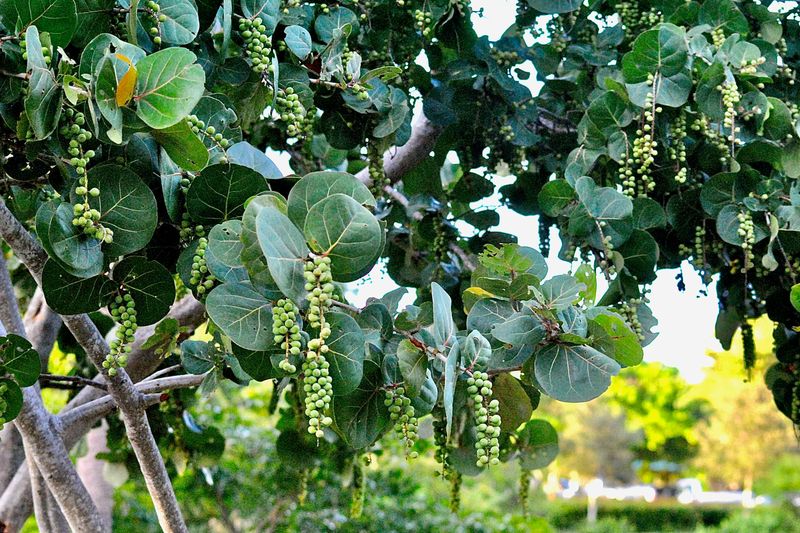
Sea grape stands as one of the toughest plants you can grow along the Florida coast. Its thick, round leaves look like giant lily pads and turn beautiful shades of red and purple as they age.
The plant gets its name from the clusters of purple fruits that hang down like grapes and attract birds to your yard throughout the summer months. This native Florida plant can grow as a small tree reaching 25 feet tall or be trimmed into a dense hedge for privacy.
The leaves have a waxy coating that protects them from salt spray, making sea grape perfect for planting right along the beach. You will find this plant growing wild on many Florida beaches because it naturally loves sandy soil and salty conditions.
Sea grape needs very little care once it gets established in your yard. Water it regularly for the first few months after planting, then it can survive on rainfall alone.
The plant grows fairly quickly and fills in nicely to create a natural barrier against wind and salt. In coastal Florida neighborhoods, sea grape remains a popular choice because it looks tropical while handling harsh conditions.
The fruits are actually edible and can be made into jelly, though most people grow sea grape for its beauty and toughness rather than harvesting the fruit.
2. Beach Sunflower Spreads Fast
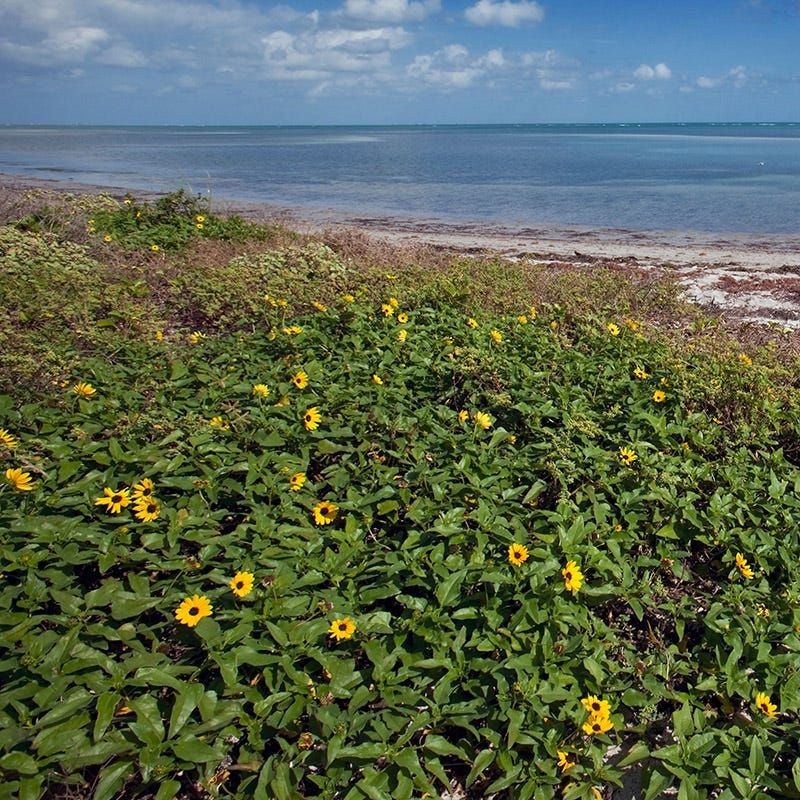
Bright yellow flowers can light up even the sandiest spots in your coastal yard. Beach sunflower (Helianthus debilis) blooms almost all year in Florida, producing cheerful flowers that attract butterflies and bees.
This low-growing plant spreads quickly across the ground, making it perfect for covering bare sandy areas where other plants struggle. The flowers look like small versions of regular sunflowers, with golden petals surrounding dark centers.
Each bloom lasts several days before new ones open up to replace them. Beach sunflower grows only about 12 to 18 inches tall but can spread several feet wide, creating a thick carpet of green leaves and bright blooms.
This native Florida plant actually helps hold sand in place with its spreading roots. Coastal homeowners love using beach sunflower on slopes or areas where erosion is a problem.
Your Florida Garden Changes Every Week. Your Plan Should Too.
Gardening in Florida changes quickly throughout the season. Every Friday you’ll receive a simple weekly plan showing exactly what to plant, prune, fertilize, harvest, and protect so you never miss the right timing.
The plant handles salt spray without any trouble and thrives in full sun with very little water once established. You can plant beach sunflower from seeds or small plants, and it will fill in quickly during the warm months.
The plant needs almost no fertilizer and actually prefers poor, sandy soil. Trim it back if it spreads too far, but otherwise this tough ground cover takes care of itself while brightening up your Florida coastal landscape.
3. Railroad Vine Holds Sand Firm
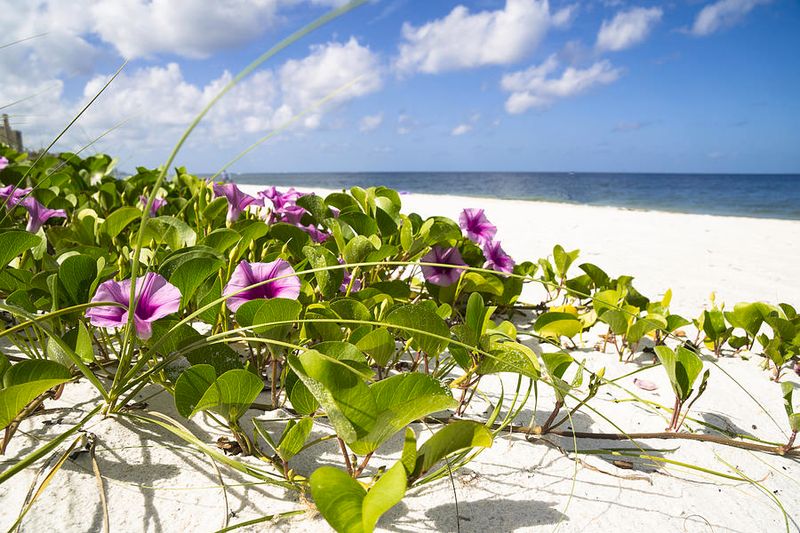
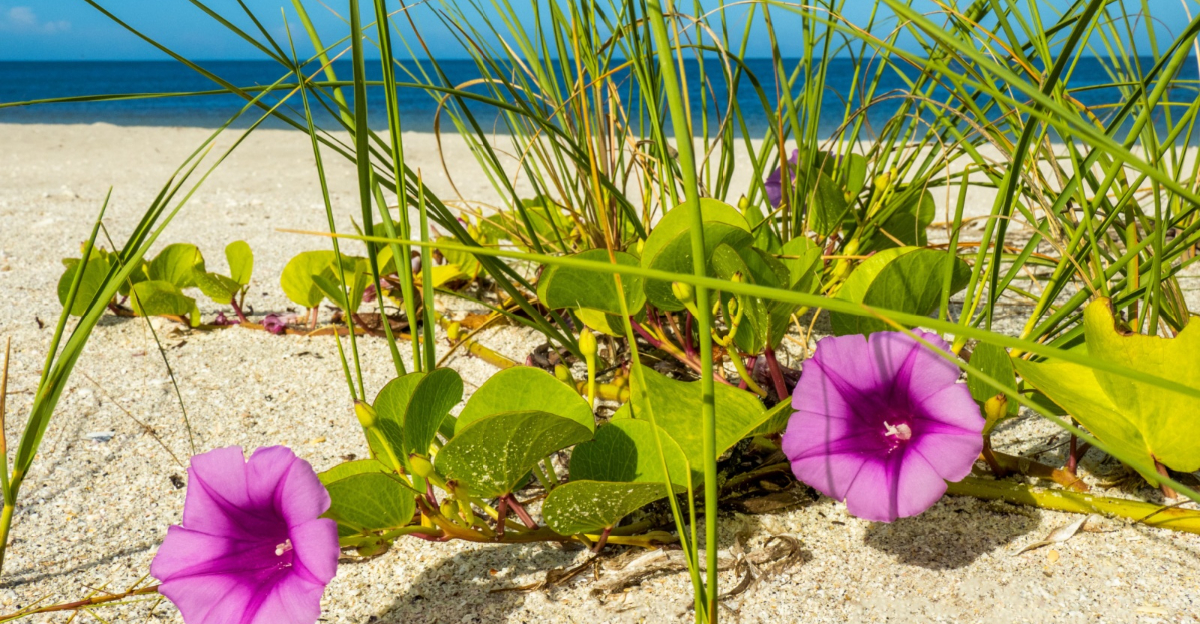
Purple morning glory flowers appear each day on this tough vine that grows wild along Florida beaches. Railroad vine earned its name because it spreads along the ground in straight lines like railroad tracks, sending out long stems that root wherever they touch sand.
The plant produces beautiful trumpet-shaped flowers that open in the morning and close by afternoon. This aggressive grower serves an important purpose on coastal properties by stabilizing sand dunes and preventing erosion.
The thick stems and deep roots grab onto sand and hold it in place during storms and high winds. Many Florida beach communities actually plant railroad vine on purpose to protect dunes from washing away.
The heart-shaped leaves stay green year-round in most of Florida, creating a living blanket across sandy areas. Railroad vine tolerates salt spray better than almost any other plant and actually prefers growing right near the ocean.
You can plant it on slopes, along pathways, or anywhere you need tough ground cover that spreads quickly. Keep in mind that railroad vine grows very fast and can take over areas where you might want other plants.
Use it in spots where you want aggressive coverage, like between your property and the beach. The plant needs no care at all once established and will spread on its own to cover large areas of sand.
4. Saw Palmetto Thrives Near The Ocean
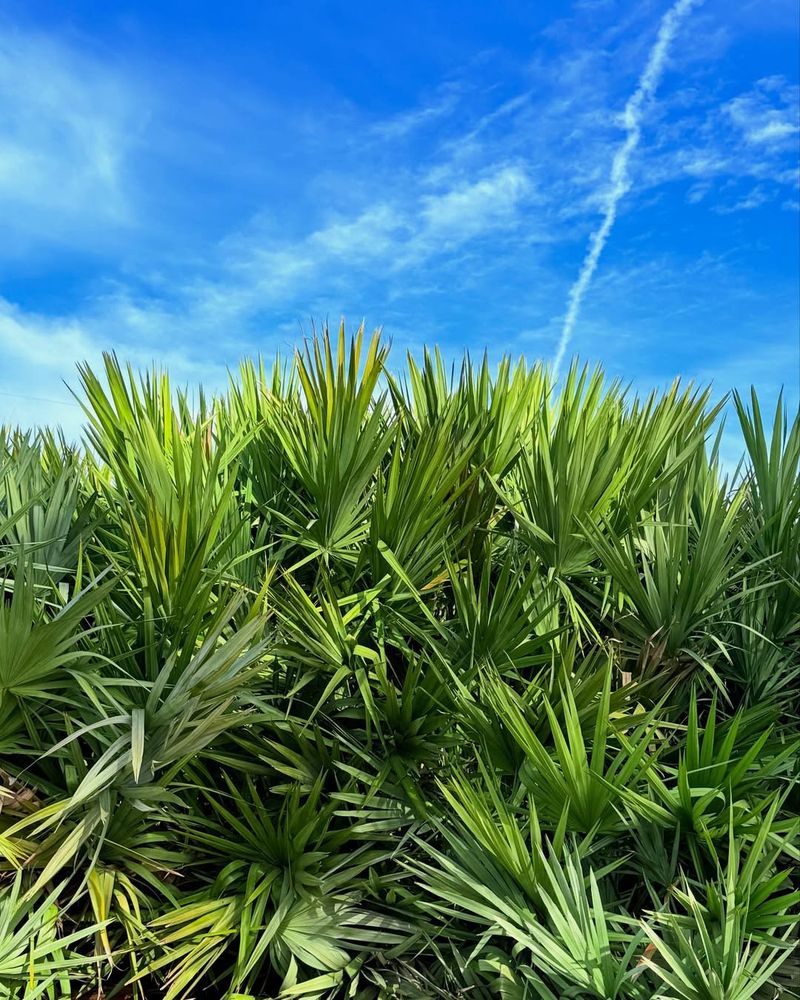
Fan-shaped fronds spread out from this compact native palm that grows throughout coastal Florida. Saw palmetto rarely gets taller than 10 feet and usually stays much shorter, making it perfect for under windows or in front of taller plants.
The leaves have sharp spines along their edges, which is how the plant got its name. This palm handles salt, wind, and drought without any problems.
Saw palmetto grows naturally along Florida beaches and in coastal forests, proving it can take whatever the ocean environment throws at it. The plant needs almost no water once established and actually grows better when left alone rather than being pampered.
Small white flowers appear in spring, followed by dark berries that many types of wildlife enjoy eating.
The dense growth habit of saw palmetto makes it useful for creating natural barriers or defining property lines.
Some coastal Florida homeowners plant several together to form a low, spiky hedge that requires zero maintenance. Saw palmetto grows slowly, which means it will not take over your yard like some faster-growing plants.
You can find small plants at most Florida nurseries, and they transplant easily into sandy soil. The silvery-green color of the fronds looks beautiful against darker green plants and adds nice texture to coastal landscapes throughout the year.
5. Cocoplum Makes Great Hedges
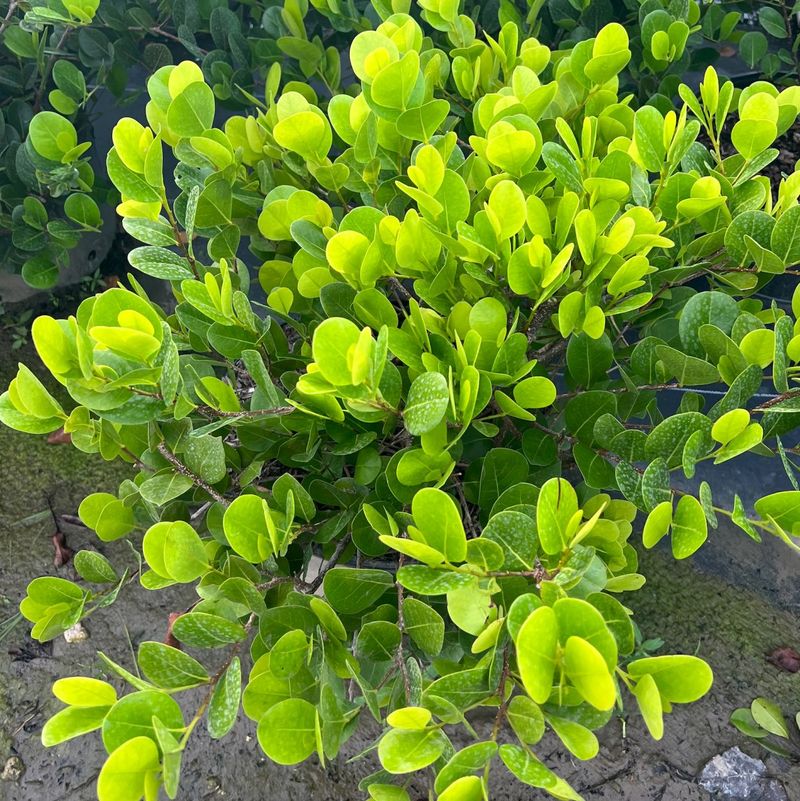
Dense green foliage stays attractive all year on this versatile shrub that Florida coastal residents love. Cocoplum can be shaped into formal hedges or left to grow naturally into rounded shrubs.
The leaves have a glossy finish that makes them look healthy even during hot, dry periods when other plants start looking stressed. Small white or pink fruits appear after tiny flowers bloom, giving the plant its name.
These plums are actually edible and taste sweet when fully ripe, though most people grow cocoplum for its landscaping value rather than fruit production.
Birds love eating the plums, which adds wildlife interest to your coastal yard.
Salt tolerance makes cocoplum perfect for planting near the beach in Florida. The plant handles salt spray, sandy soil, and strong winds without showing any damage.
You can plant cocoplum right along property lines to create living fences, or use single plants as foundation plantings around your house. This shrub grows at a moderate pace and responds well to pruning and shaping.
Water cocoplum regularly when first planted, then reduce watering as the roots establish. The plant reaches about 15 feet tall if left unpruned but can easily be kept much shorter.
Cocoplum rarely has pest problems and needs very little fertilizer, making it one of the easiest hedges you can grow along the Florida coast.
6. Seaside Goldenrod Brightens Coastal Landscapes
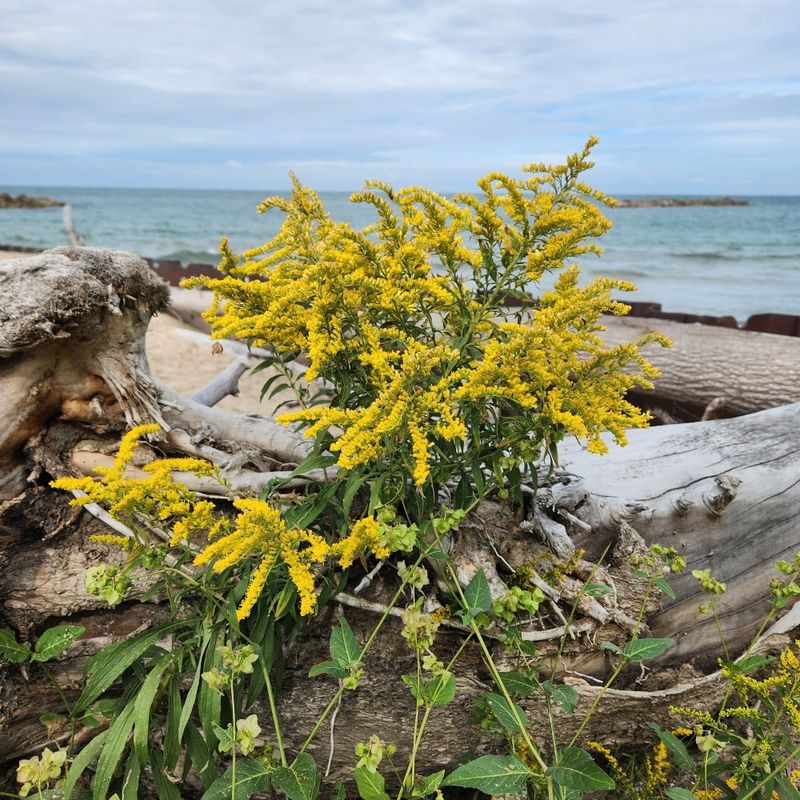
Tall golden flower spikes add bold color to coastal Florida yards during late summer and fall. Seaside goldenrod produces clusters of bright yellow blooms that stand out beautifully against sandy soil and ocean backdrops.
This native coastal plant grows naturally on Florida dunes and barrier islands, proving it can handle salt spray, strong wind, and harsh seaside conditions. The thick stems and deep roots help stabilize sandy soil, making seaside goldenrod useful in areas where erosion can be a problem.
Seaside goldenrod typically reaches three to five feet tall and forms upright clumps that add height and structure to landscape beds. The narrow green leaves stay attractive throughout the growing season, even during hot and dry weather.
Butterflies, bees, and other pollinators flock to the flowers when they bloom, bringing extra life and movement to your yard.
Coastal homeowners often plant seaside goldenrod along fences, property edges, or mixed with grasses and shrubs for natural-looking borders.
Plant seaside goldenrod in full sun and well-drained sandy soil for best results. Water regularly when first planted, then reduce watering once the plant becomes established.
This tough coastal wildflower needs very little fertilizer and rarely has pest problems. With minimal care, seaside goldenrod delivers reliable color while thriving in Florida’s salty beach environment.
7. Muhly Grass Waves Beautifully
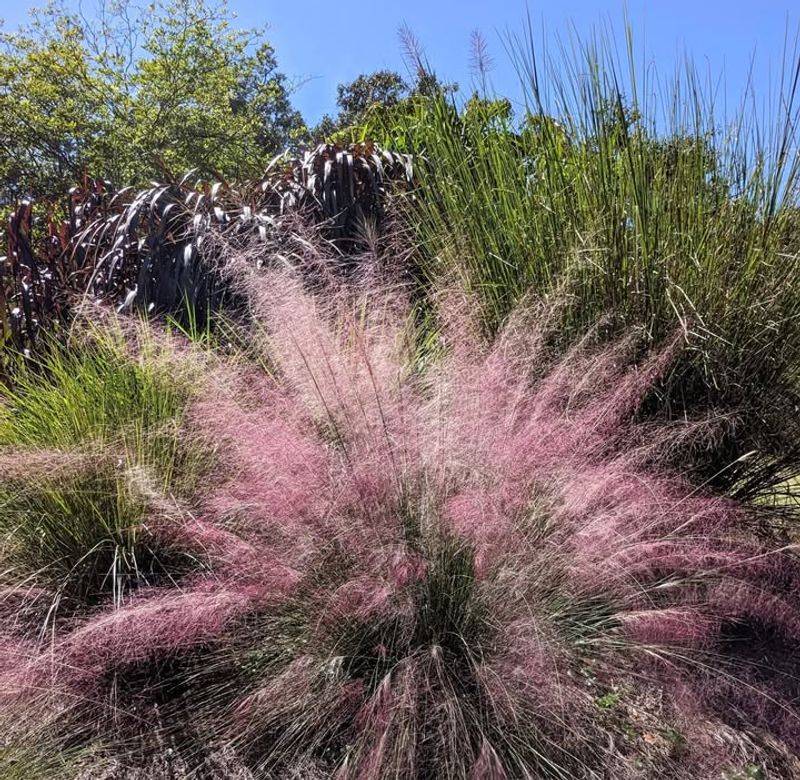
Clouds of pink appear in fall when this ornamental grass sends up its stunning flower plumes. Muhly grass looks like someone sprinkled cotton candy across your yard, with soft pink or purple seed heads that seem to float above the green foliage.
The grass grows in neat clumps that reach about three feet tall and wide, making it perfect for borders or mass plantings. Native to Florida coastal areas, muhly grass handles salt spray and sandy soil like a champion.
The grass stays green most of the year, then puts on its famous pink show in autumn. Even after the colorful plumes fade, the dried seed heads look attractive waving in ocean breezes throughout winter.
This grass needs full sun to produce its best color but requires very little else from you. Water muhly grass regularly when first planted, then it can survive on rainfall in most of coastal Florida.
The grass rarely has pest problems and needs no fertilizer to thrive in sandy soil. Many Florida coastal homeowners plant muhly grass in groups to create dramatic displays of fall color.
The grass also works well mixed with other salt-tolerant plants, adding height and texture to landscape beds. Cut back the old foliage in late winter before new growth starts, and your muhly grass will return bigger and more beautiful each year in your coastal yard.
8. Buttonwood Stands Up To Coastal Extremes
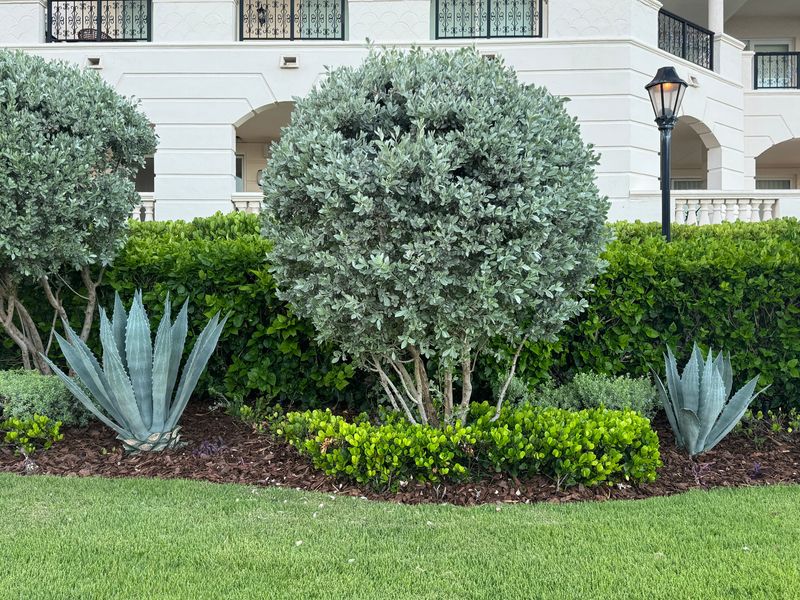
Twisted trunks and silvery or green leaves give buttonwood a unique appearance that fits perfectly in coastal Florida landscapes. This tough native plant can grow as a medium-sized tree or be trimmed into a large shrub, depending on how you want to use it in your yard.
Buttonwood handles salt spray, flooding, and strong coastal winds better than most other trees, making it extremely valuable for beachfront and near-ocean properties.
Many Florida coastal homes have mature buttonwood plants that have survived years of storms and harsh seaside conditions.
Green buttonwood has soft green leaves and natural branching that creates shade and wind protection. This variety can reach up to 40 feet tall if left untrimmed, but many homeowners shape it into tall hedges or privacy screens.
Silver buttonwood features shimmering gray-green foliage that reflects sunlight and ocean breezes. This variety usually grows 15 to 25 feet tall and stands out in coastal landscapes because of its bright, silvery color.
Silver buttonwood tolerates direct salt spray better than almost any ornamental tree or shrub. Both types grow naturally along Florida’s coast and thrive in sandy or wet soil where other plants struggle.
The roots help stabilize soil while the dense branches create natural wind barriers around homes and yards. Water buttonwood regularly during the first year after planting to help roots establish.
Once settled, the plant becomes drought tolerant and needs very little care. Buttonwood rarely requires fertilizer and only needs pruning if you want to control its size or shape.
This hardy coastal plant provides long-lasting beauty while standing up to Florida’s toughest beachfront conditions.
9. Inkberry Creates Natural Privacy
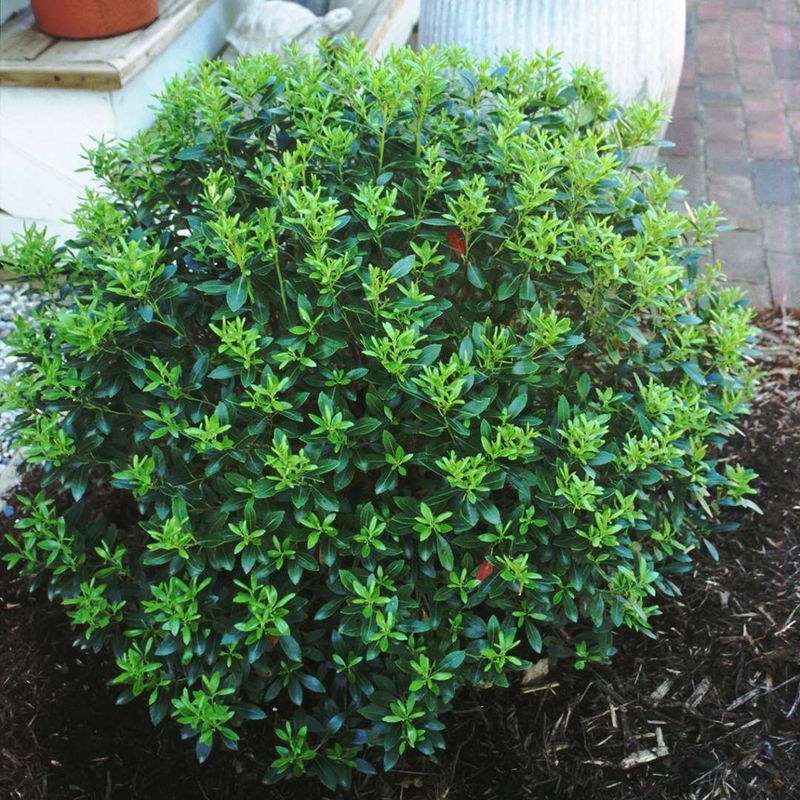
Dark green leaves stay on this evergreen shrub all year, providing constant privacy and color in coastal Florida yards. Inkberry grows into a dense, rounded shape that makes it perfect for hedges or foundation plantings.
The small leaves have a neat appearance that looks tidy without needing constant trimming. Tiny white flowers bloom in spring, followed by black berries that give the plant its name.
Birds love eating inkberry fruits, which adds wildlife value to your landscape. The berries stay on the plant through winter, providing food when other sources become scarce.
This native shrub tolerates salt spray and coastal conditions much better than most broadleaf evergreens. Inkberry grows naturally in wet areas throughout Florida but adapts well to typical yard conditions near the beach.
The plant reaches six to eight feet tall and can be pruned to stay smaller if needed. Inkberry prefers partial shade but will grow in full sun along the Florida coast.
The plant likes moist soil and benefits from mulch to keep roots cool during hot summer months. You can plant inkberry in groups to create screens or use single plants as accents in shady spots under larger trees.
This shrub grows slowly but steadily, filling in to create thick barriers over time. Inkberry rarely has insect or disease problems and needs very little fertilizer in coastal Florida soils.
Choose plants that work with nature, not against it, and your coastal yard will reward you with beauty, wildlife activity, and long-lasting curb appeal.