These Winter Care Tips Keep Spider Plants Thriving In Texas Homes
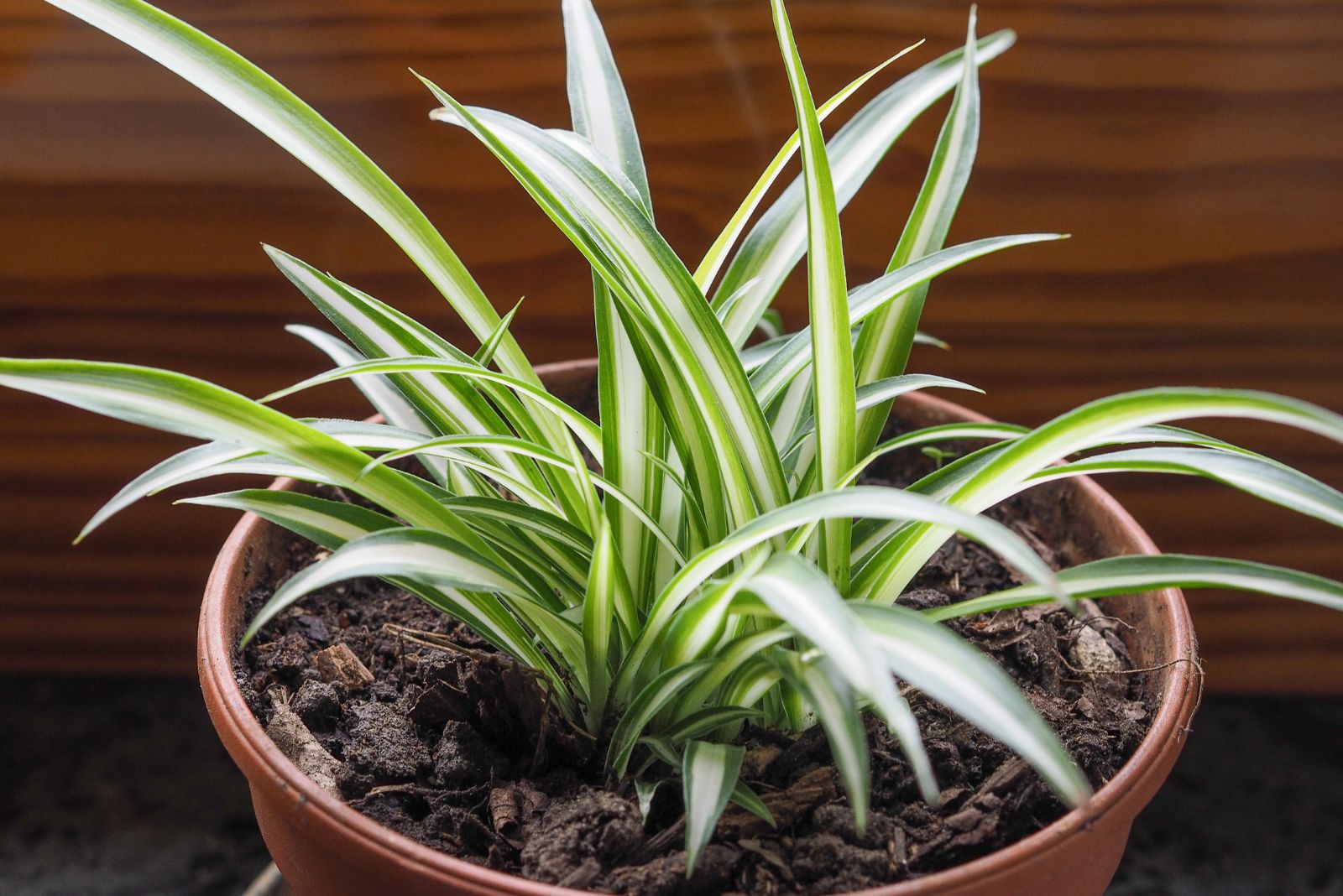
Have you noticed your spider plant looking a little less perky lately? Winter in Texas may not bring snowstorms everywhere, but the colder months can still affect how houseplants behave, especially spider plants.
These easygoing green beauties are known for their long arching leaves and baby “spiderettes,” but even the toughest plants can struggle indoors when the seasons shift.
Dry air from heaters, sudden temperature changes, and lack of light can all take a toll on their health. Luckily, a few small changes can make a big difference.
Whether your plant lives on a windowsill, shelf, or hanging basket, the right care now can keep it happy and growing strong all winter long.
If you want your spider plant to stay lush, green, and full of life through February and beyond, these simple tips will help you do just that, without overthinking it.
1. Adjust Your Watering Schedule For Cooler Weather
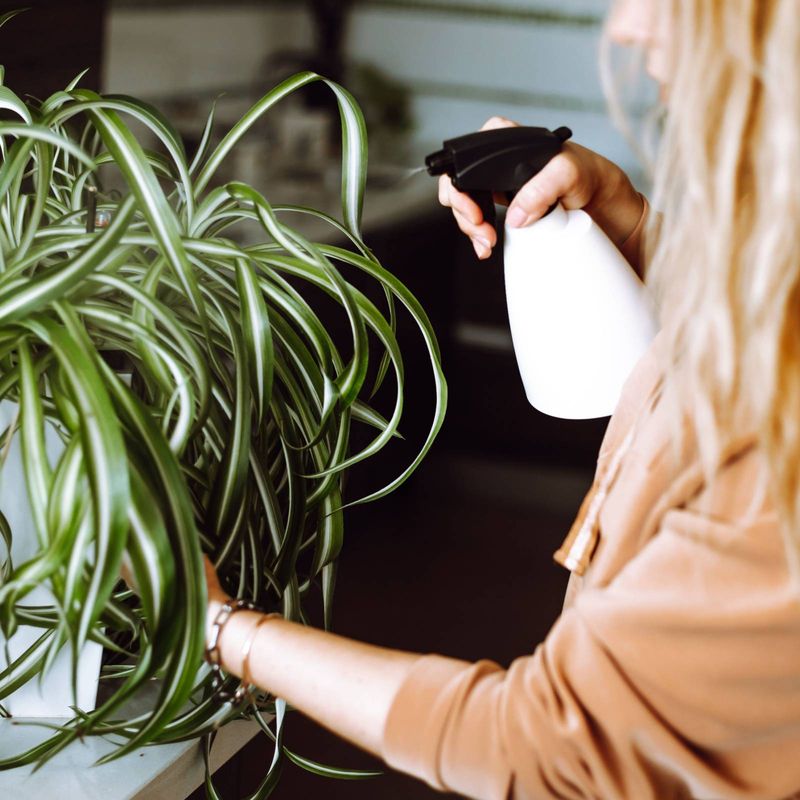
Winter changes everything about how much water your spider plant needs. Growth slows down significantly when temperatures drop, which means the roots are not taking up moisture as quickly as they do in summer.
Many Texas plant owners make the mistake of keeping their summer watering schedule going all year long, which leads to soggy soil and potential root problems. Check the soil before you water by sticking your finger about two inches down into the pot.
If it feels dry at that depth, it is time to water. If it still feels damp, wait a few more days.
This simple touch test is more reliable than any calendar schedule. Spider plants are quite forgiving and can handle a bit of dryness better than too much moisture.
In Texas homes during winter, you will probably water about half as often as you did during the hot summer months. For most people, this means watering every two to three weeks instead of weekly.
When you do water, make sure to water thoroughly until water runs out the drainage holes. This ensures the entire root system gets moisture.
Then empty the saucer underneath so the plant is not sitting in standing water. Room temperature water works best since cold water can shock the roots during winter months.
Pay attention to your heating system too. If you run your heater constantly, the air gets drier and your plant might need water more frequently than expected.
Each Texas home is different, so observe your specific plant and adjust accordingly rather than following a rigid schedule.
2. Maintain Proper Humidity Levels In Dry Indoor Air
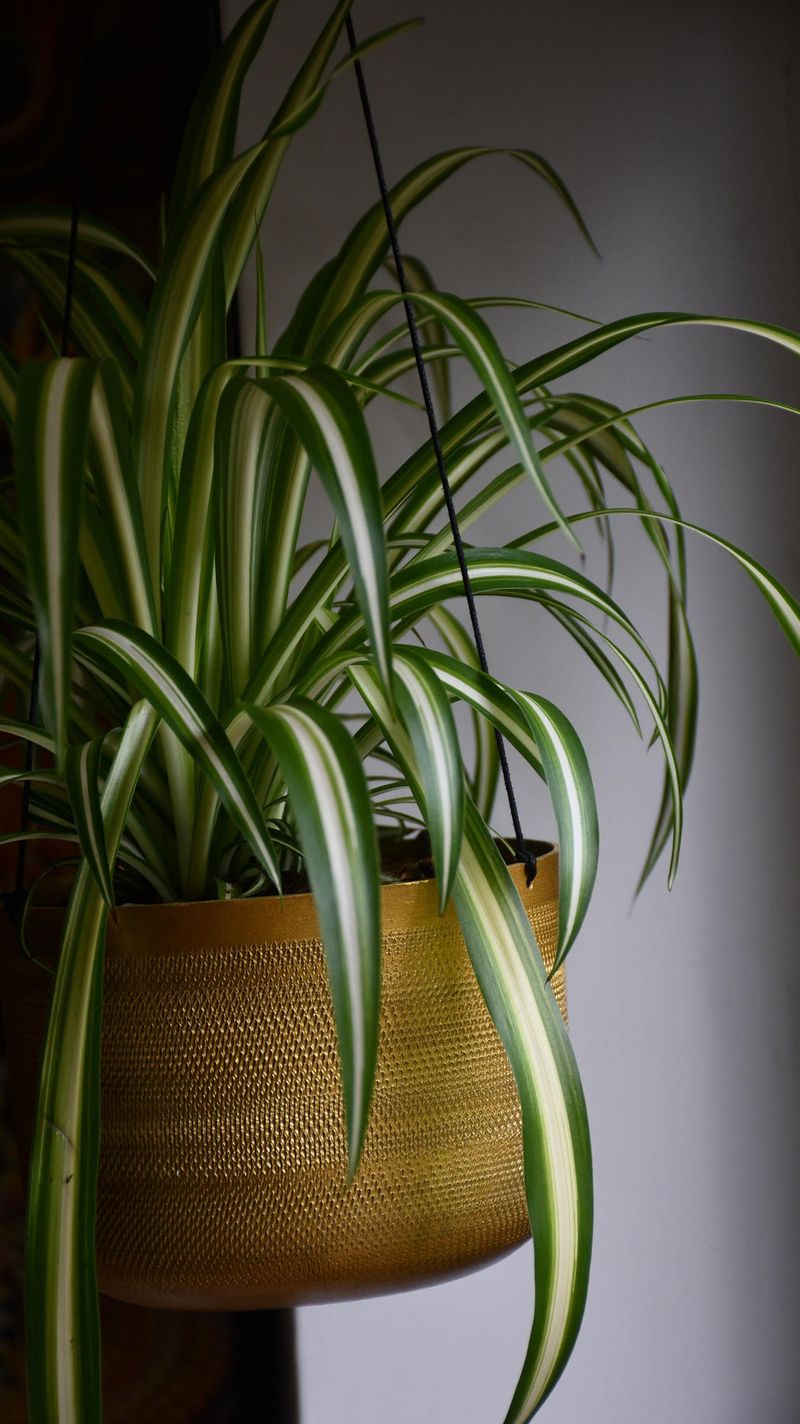
Heating systems in Texas homes can turn your indoor air into a desert, even though our outdoor winter humidity is not terrible. Spider plants come from tropical South Africa where the air stays moist year-round.
When they encounter the dry conditions inside heated homes, those leaf tips start turning brown and crispy. You do not need expensive equipment to fix this problem.
A simple pebble tray works wonders for increasing humidity around your plant. Fill a shallow tray with pebbles or small stones, add water until it reaches just below the top of the pebbles, then set your plant pot on top.
Your Texas Garden Changes Every Week. Your Plan Should Too.
Gardening in Texas changes quickly throughout the season. Every Friday you’ll receive a simple weekly plan showing exactly what to plant, prune, fertilize, harvest, and protect so you never miss the right timing.
As the water evaporates, it creates a humid microclimate around your spider plant. Grouping your houseplants together also helps since plants naturally release moisture through their leaves.
This creates a little humidity bubble that benefits all of them. Just make sure air can still circulate between the pots to prevent fungal issues.
If you already run a humidifier for your own comfort during Texas winters, your spider plant will appreciate being in the same room. Aim for humidity levels between 40 and 60 percent, which is comfortable for both people and plants.
You can find inexpensive humidity meters at most garden centers to monitor levels. Misting your spider plant seems like a good idea, but it actually does not help much since the moisture evaporates too quickly.
The water can also sit on the leaves and encourage fungal problems. Stick with the pebble tray method or a humidifier for better results that last longer throughout the day.
3. Position Plants Away From Cold Drafts And Heating Vents
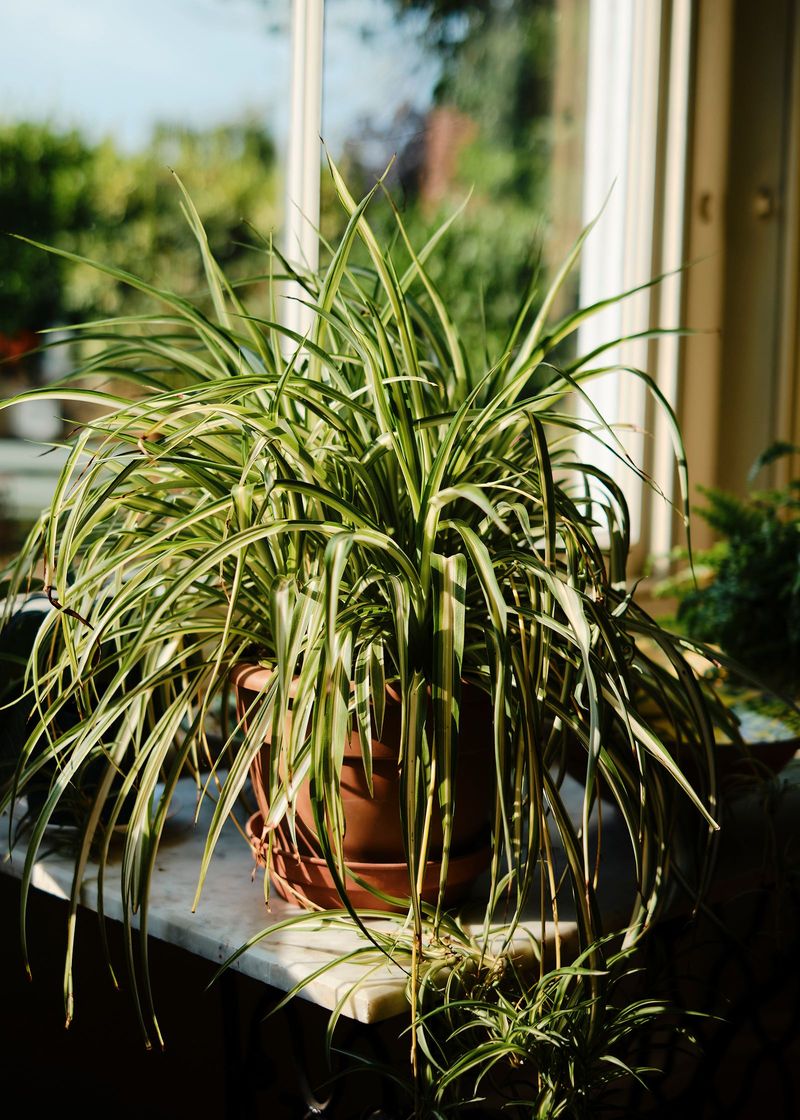
Spider plants are tropical and they really dislike sudden temperature changes. Texas winters might not seem that harsh, but the cold drafts sneaking through windows and doors can stress your plant quickly.
Even a well-insulated home gets drafty spots, especially during those rare cold snaps we get in January and February. Walk around your home and feel for cold air near windows, exterior doors, and even fireplace dampers.
These spots can be ten or fifteen degrees colder than the rest of the room. Your spider plant will show its displeasure with wilting leaves, brown spots, or slowed growth if exposed to these chilly drafts regularly.
Heating vents present the opposite problem but are equally damaging. The hot, dry air blasting from vents can scorch leaves and dry out soil too quickly.
Spider plants prefer steady, moderate temperatures rather than extreme heat or cold. The constant air movement from vents also increases moisture loss from the leaves.
Find a spot in your Texas home that stays consistently between 60 and 75 degrees Fahrenheit. This usually means somewhere in the middle of a room, away from exterior walls and HVAC vents.
Spider plants do fine in lower light during winter, so you can move them away from windows without worrying too much about light levels.
If you must keep your plant near a window for light, make sure the window is properly sealed and consider using a sheer curtain as a buffer against cold glass.
Even on sunny winter days in Texas, window glass gets quite cold at night and can chill your plant.
4. Reduce Fertilizer Applications During Dormant Months
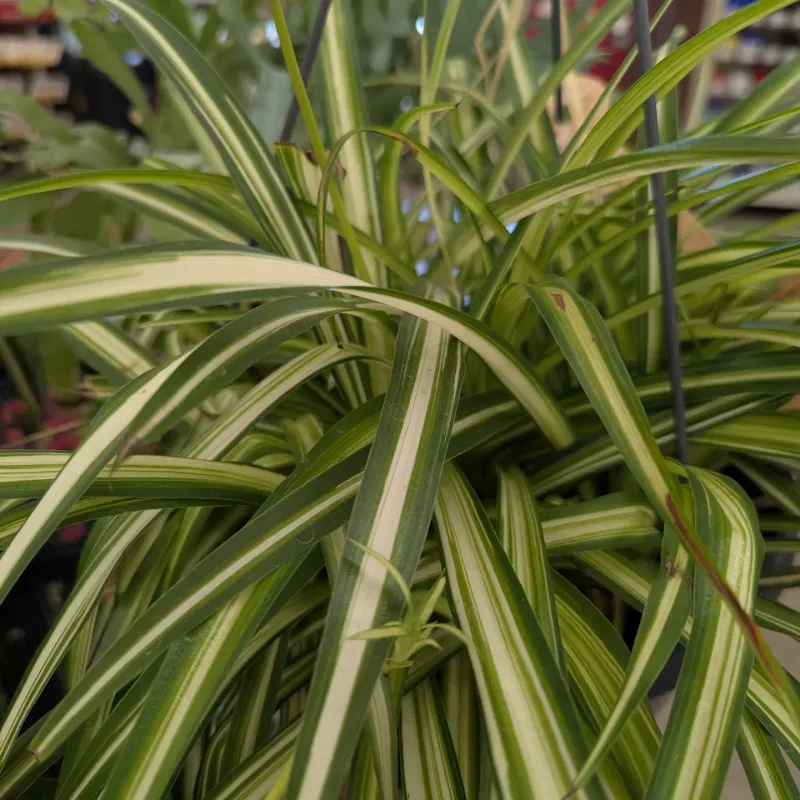
Your spider plant basically takes a vacation during winter months. Growth slows way down or stops completely, which means the plant is not using nutrients nearly as fast as it does during spring and summer.
Continuing to fertilize on your regular schedule can actually harm your plant by causing salt buildup in the soil. Spider plants are not heavy feeders even during their active growing season.
In winter, they need even less. Most Texas plant owners should skip fertilizer entirely from November through February.
Your plant will be perfectly fine without any extra nutrients during this rest period. If your spider plant is in a particularly warm, bright spot and still showing new growth during winter, you can fertilize once in January with a diluted solution.
Use only a quarter of the strength recommended on the fertilizer bottle. This gives the plant a tiny boost without overwhelming it.
Watch for signs of fertilizer buildup, which shows up as white crusty deposits on the soil surface or around the drainage holes. This salt accumulation can damage roots and cause brown leaf tips.
If you see this happening, flush the soil by running water through the pot for several minutes to wash away excess salts. When spring arrives in Texas, usually around mid-March, you can resume your regular fertilizing schedule.
Start with half-strength applications and work back up to full strength as you see new growth emerging. Spider plants will tell you when they are ready to grow again by producing fresh leaves and baby plantlets on their runners.
5. Provide Adequate Light Without Harsh Direct Sun
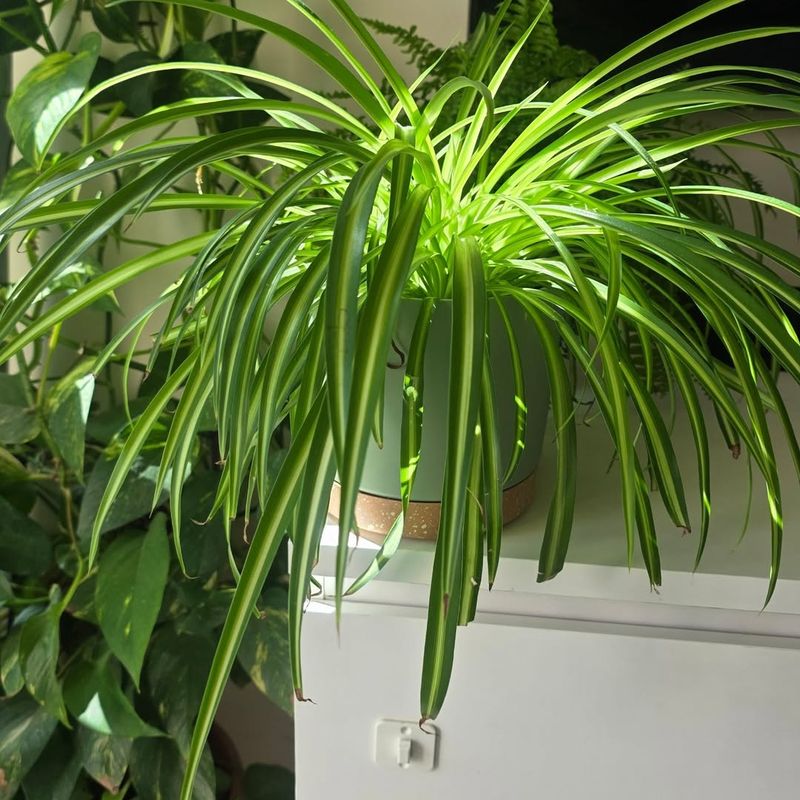
Sunlight angles change dramatically during winter months, even in Texas. The sun sits lower in the sky and comes through windows at different angles than summer.
This can mean your spider plant suddenly gets way more direct sun than it did before, which can scorch those delicate leaves. Spider plants prefer bright, indirect light year-round.
They can tolerate lower light conditions pretty well, which makes them perfect for Texas homes where you might need to move them away from cold windows. A spot that gets bright light but not direct sun rays hitting the leaves is ideal during winter months.
South-facing windows in Texas homes get intense sun even in winter. If your spider plant sits in a south window, watch for signs of sun damage like bleached or brown patches on the leaves.
East or west windows work better, giving bright light without the harsh intensity. North windows might not provide enough light during shorter winter days.
You can also supplement natural light with artificial grow lights if your home does not have great natural lighting. LED grow lights work well and do not generate much heat.
Place them about 12 to 18 inches above your spider plant and run them for 10 to 12 hours daily to mimic natural daylight. Rotate your plant every week or two so all sides get equal light exposure.
This keeps growth even and prevents the plant from leaning heavily toward the light source. Spider plants can get lopsided quickly if one side gets more light than the other, especially during winter when growth is already slower.
6. Watch For Pests That Thrive In Warm Indoor Conditions
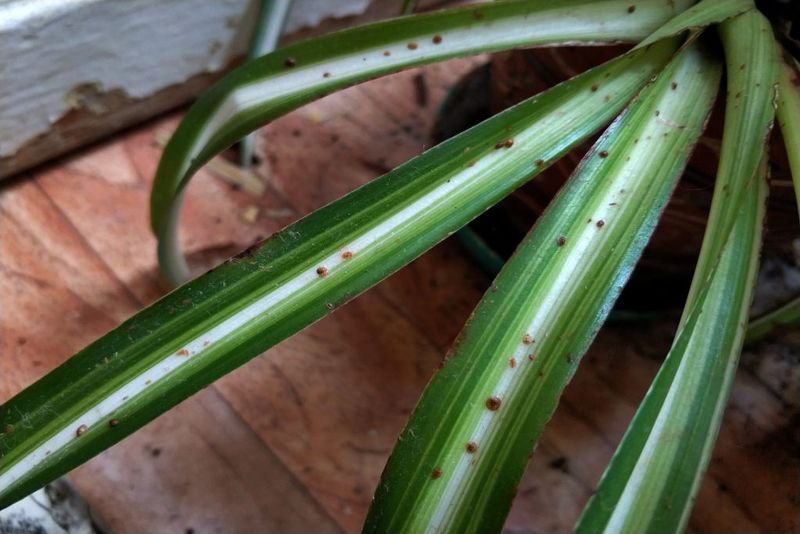
Spider mites and scale insects absolutely love the warm, dry conditions inside heated Texas homes during winter. These tiny pests can multiply quickly and cause serious damage before you even notice them.
Spider plants are particularly attractive to spider mites, which is ironic given the plant’s name. Check your plant weekly by looking at the undersides of leaves where pests like to hide.
Spider mites leave fine webbing that looks like tiny spider webs, along with small yellow or brown spots on leaves. Scale insects look like small brown bumps stuck to stems and leaves.
Catching these problems early makes them much easier to handle. If you spot pests, isolate your spider plant immediately so the bugs do not spread to other houseplants.
A simple spray of water can knock off many pests, especially spider mites. Take your plant to the sink or shower and spray the undersides of leaves thoroughly with lukewarm water.
Repeat this every few days for two weeks. For stubborn infestations, mix a solution of mild dish soap and water.
Use about one teaspoon of soap per quart of water. Spray this mixture on affected areas, let it sit for a few hours, then rinse it off completely.
The soap suffocates soft-bodied insects without harming your plant. Neem oil works well as both a treatment and preventative measure.
Apply it according to package directions, usually once a week for three weeks. Better humidity levels also help prevent spider mites since they hate moisture. Keeping your Texas home less dry benefits both you and your plants during winter months.
7. Prune Brown Tips And Dry Leaves Regularly
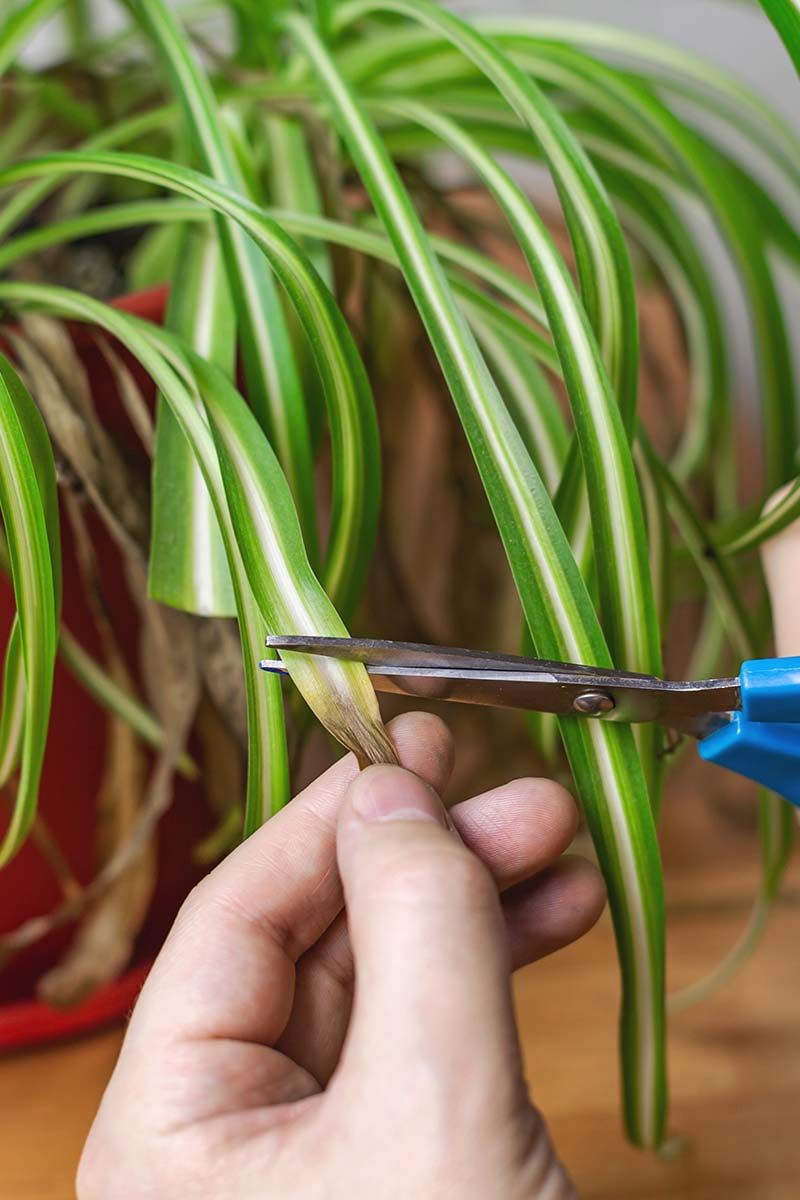
Brown leaf tips are almost inevitable on spider plants during Texas winters, even with perfect care. Low humidity, temperature fluctuations, and natural aging all contribute to this cosmetic issue.
While those brown tips do not harm the plant’s overall health, they do make it look shabby and tired. Keep a pair of clean, sharp scissors handy for regular grooming sessions.
You can trim just the brown parts off the tips of leaves, cutting at an angle to mimic the natural leaf shape. This makes the cuts less noticeable and keeps your plant looking tidy.
Wipe your scissors with rubbing alcohol between cuts to prevent spreading any potential diseases. Remove any completely brown or yellow leaves by cutting them off at the base where they emerge from the soil.
These dry leaves serve no purpose and can harbor pests or fungal problems. Your spider plant will redirect energy to healthy growth instead of maintaining damaged foliage.
Winter is also a good time to remove old plantlets or babies that might be draining energy from the mother plant. Those long stems with baby plants look charming, but they do take resources.
You can cut them off and root them in water to start new plants, or simply remove them to let your main plant conserve energy during the slower winter months. Regular pruning encourages bushier, healthier growth when spring arrives.
Spider plants respond well to grooming and will often produce fresh new leaves after you clean them up. This maintenance takes just a few minutes every couple of weeks but makes a huge difference in how your plant looks throughout the winter season in your Texas home.