The 10 Best Set-And-Forget Shrubs For Florida Front Yards To Grow This Season
Have you noticed how some Florida front yards always look neat, green, and full, even through blazing sun, heavy rain, and thick humidity? The secret is not endless watering, constant trimming, or expensive landscaping crews.
It comes down to choosing the right shrubs, plants built to thrive in Florida’s tough climate with very little attention. Ready to turn your front yard into a clean, colorful, low-effort space that looks good in every season?
The right set-and-forget shrubs hold their shape, stay vibrant, and handle heat, sandy soil, and sudden storms without constant care.
From evergreen structure to reliable bursts of color, these tough performers keep your landscape looking polished while demanding minimal work.
Spend less time fixing, trimming, and replacing struggling plants, and more time enjoying a front yard that stays attractive, welcoming, and effortlessly maintained no matter what Florida weather brings throughout the growing season ahead.
1. Coontie: The Bulletproof Native
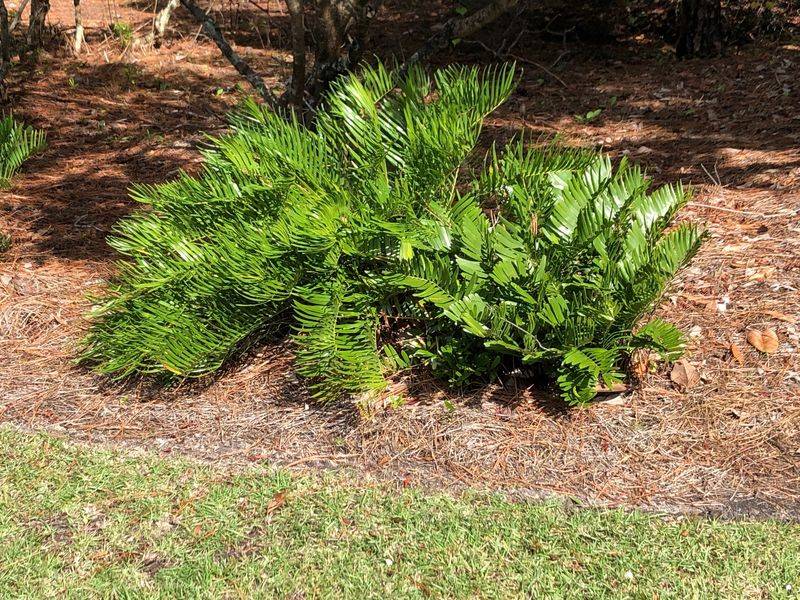
Coontie stands out as one of Florida’s toughest native plants, and it’s been growing here longer than any of us can remember. This low-growing cycad looks like a small palm but actually belongs to an ancient plant family that survived the dinosaurs.
Once you get it in the ground and watered for the first few months, it pretty much runs on autopilot.
The plant grows about two to three feet tall and spreads slowly into a neat clump of dark green fronds. It works perfectly along walkways, under trees, or as a foundation planting where you want something that won’t block windows.
Coontie handles full sun to deep shade across Florida, from Miami to Jacksonville, making it incredibly versatile for any yard situation.
Drought tolerance is where this shrub really shines. After establishment, it can go weeks without water, even during Florida’s dry spring months.
Pests basically ignore it, and diseases rarely touch it. You won’t need to fertilize it much either, maybe once a year if you’re feeling generous.
The bonus? Coontie is the only host plant for the beautiful Atala butterfly, so you’re helping local wildlife while keeping your yard low-maintenance.
No trimming, no spraying, no fussing required.
2. Simpson’s Stopper: The No-Drama Evergreen
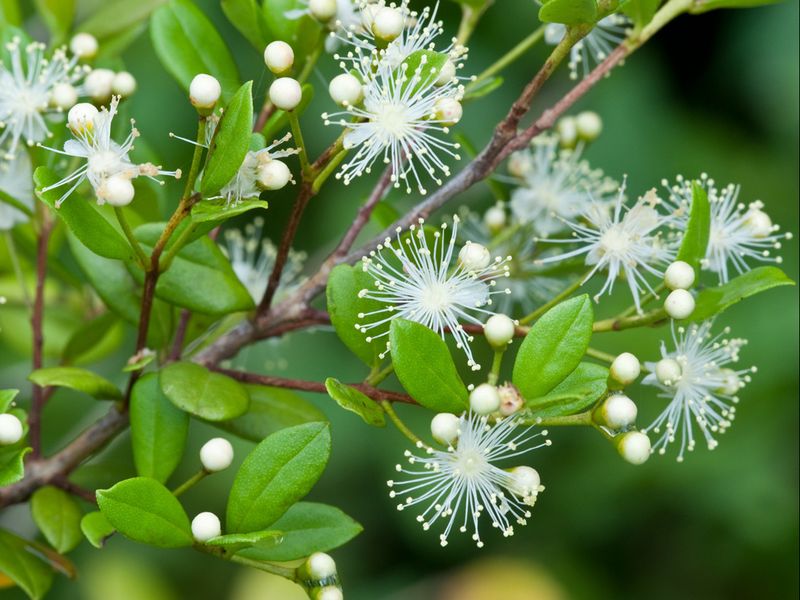
Simpson’s Stopper earned its reputation as the plant you can forget about after planting. Native to South and Central Florida, this evergreen shrub adapts to almost any condition you throw at it.
The small, glossy leaves stay green year-round, and the plant naturally grows into a dense, rounded shape without any help from you.
Reaching about six to eight feet tall, it works great as a hedge, privacy screen, or standalone accent plant. The tiny white flowers appear throughout the warm months, attracting butterflies and bees without creating a mess.
Later, small red berries show up to feed birds, adding another wildlife benefit to your front yard.
What makes Simpson’s Stopper truly set-and-forget is its incredible tolerance range. It handles full sun and partial shade equally well across Florida landscapes.
Your Florida Garden Changes Every Week. Your Plan Should Too.
Gardening in Florida changes quickly throughout the season. Every Friday you’ll receive a simple weekly plan showing exactly what to plant, prune, fertilize, harvest, and protect so you never miss the right timing.
Salt spray doesn’t bother it, making it perfect for coastal properties. Once established, it laughs at drought conditions and doesn’t mind occasional flooding either.
Pruning is completely optional; the plant maintains a nice shape on its own. Pests and diseases generally leave it alone.
You can plant it anywhere from the Keys to North Florida and expect the same reliable, attractive performance. It’s the kind of shrub that makes your neighbors think you’re a great gardener when you’re really just smart about plant selection.
3. Dwarf Yaupon Holly: The No-Trim Workhorse
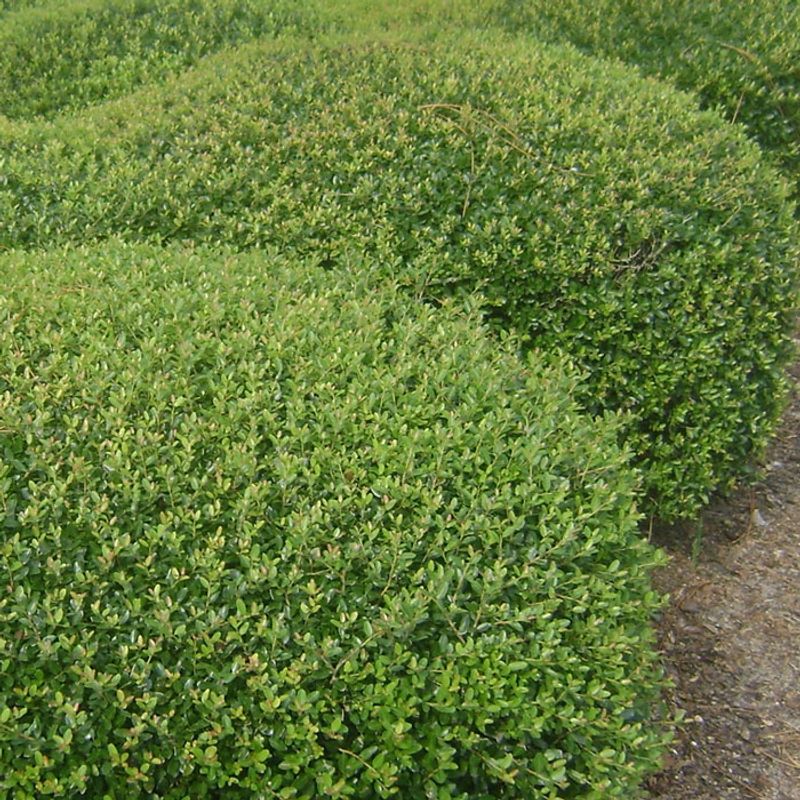
Dwarf Yaupon Holly grows naturally into a perfect mound without you ever touching pruning shears. This compact evergreen stays under three feet tall and spreads about the same width, creating neat little domes of fine-textured foliage.
It’s become a favorite for Florida homeowners who want formal-looking landscapes without the formal maintenance schedule.
The tiny leaves pack densely together, creating a solid green mass that looks great year-round. Unlike many hollies, the dwarf form keeps its compact size naturally; no constant trimming to keep it in bounds.
Plant it along borders, in mass groupings, or as a low hedge that actually stays low.
This shrub handles Florida’s toughest conditions with ease. Blazing sun?
No problem. Sandy soil?
It actually prefers it. Drought?
Once established, it barely notices. From the Panhandle to South Florida, Dwarf Yaupon Holly performs consistently well.
Pests rarely bother it, and diseases stay away. You won’t need to fertilize it often; perhaps once in spring if your soil is particularly poor.
It tolerates both acidic and alkaline soils, which is great news for Florida gardeners dealing with variable soil pH. The plant even handles light foot traffic if planted near walkways.
For a shrub that looks manicured but requires zero maintenance, this one tops the list.
4. Firebush: The Heat-Proof Bloomer
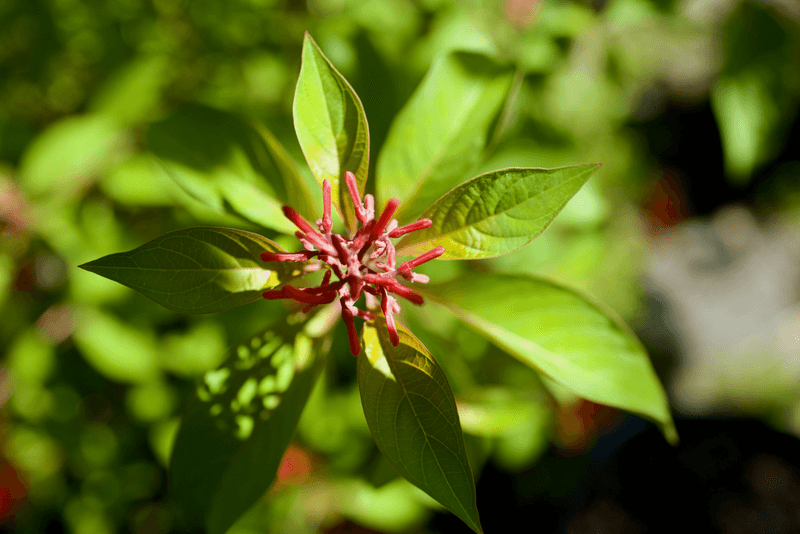
Firebush actually gets better the hotter it gets, which makes it perfect for Florida summers when other plants look exhausted. Those bright red-orange tubular flowers keep coming from spring through fall, creating a constant show of color that hummingbirds can’t resist.
The plant grows quickly into a loose, airy shrub that brings movement and life to any front yard.
Expect it to reach about six to eight feet tall in Florida, though you can keep it shorter with occasional light pruning. The flowers appear at the tips of branches, standing out beautifully against the green foliage.
As temperatures drop in winter, the leaves turn reddish, adding seasonal interest before the plant goes dormant in North Florida or stays evergreen in Central and South Florida.
What’s remarkable about Firebush is how little water it needs once established. It thrives in the heat that makes you want to stay indoors.
Plant it in full sun anywhere in Florida, and it’ll reward you with non-stop blooms. Sandy soil, clay soil, or anything in between – it adapts!
Pests typically ignore it and diseases aren’t common. You also don’t need to deadhead spent flowers.
The plant self-cleans and keeps producing new blooms. Butterflies and hummingbirds visit constantly, making your front yard the neighborhood wildlife hotspot without any extra effort from you.
5. Muhly Grass: The Pink Cloud Plant
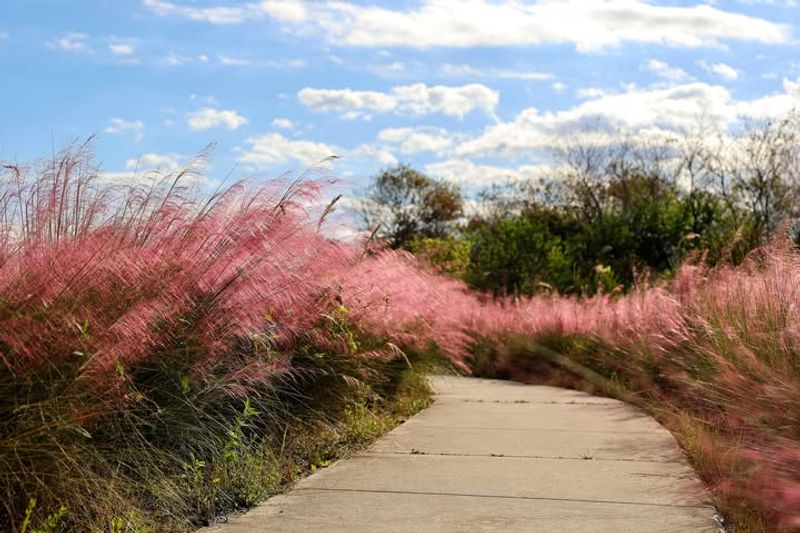
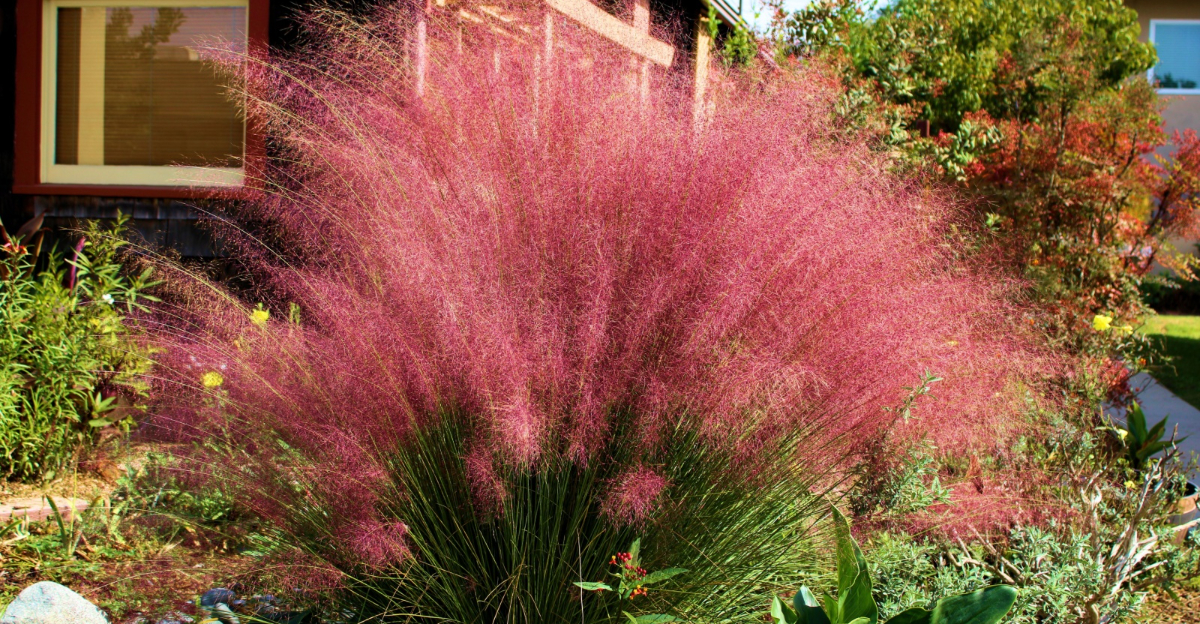
When fall arrives in Florida, Muhly Grass explodes into clouds of pink that look almost unreal. This ornamental grass spends most of the year as an unassuming clump of fine green foliage, then surprises everyone with spectacular airy plumes that glow pink in the sunlight.
It’s become one of the most popular ornamental grasses across Florida for good reason.
The plant grows about three feet tall and wide, forming a neat mound that needs zero maintenance during the growing season. Come September and October, the flower stalks shoot up another foot or two, creating that famous pink haze effect.
The show lasts for weeks, sometimes months, depending on your location in Florida.
Muhly Grass handles full sun and heat like a champion. It’s native to Florida, so it already knows how to deal with our sandy soils and variable rainfall.
Once established, it needs almost no supplemental water. It doesn’t attract pests, doesn’t get diseases, and doesn’t need fertilizer to perform well.
The only maintenance is cutting it back to about six inches in late winter before new growth starts. That’s it – one haircut per year.
Plant it in groups for maximum impact, or use single specimens as accent plants. From Pensacola to Key West, Muhly Grass delivers that wow factor without demanding anything in return.
6. Walter’s Viburnum: The Tough Native Hedge
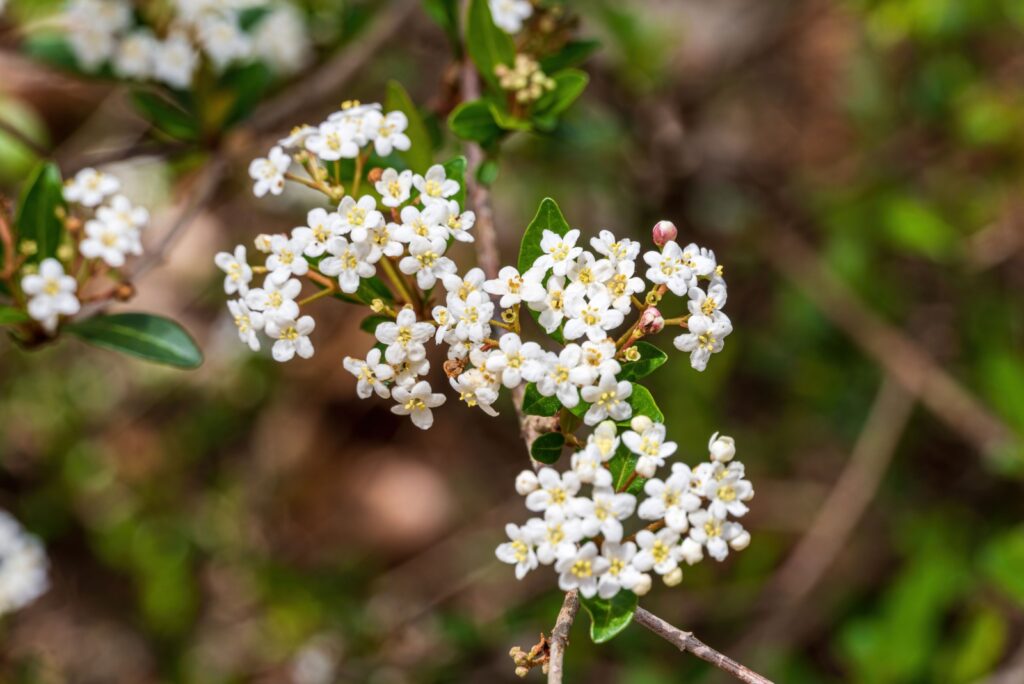
Walter’s Viburnum grows wild in Florida swamps and forests, which tells you everything about its toughness. This native shrub handles wet feet, dry spells, and everything in between without missing a beat.
It’s the kind of plant that makes you look like a landscaping genius while doing absolutely nothing special.
Growing ten to fifteen feet tall, it works perfectly as a privacy screen or background plant in Florida front yards. The glossy green leaves look attractive year-round, and clusters of small white flowers appear in spring, filling the air with a light, pleasant fragrance.
Later, birds feast on the blue-black berries that follow the flowers.
What sets Walter’s Viburnum apart is its ability to thrive in challenging spots. Got a low area that stays wet?
Plant it there. Have a high, dry spot with sandy soil?
It’ll grow there too. Full sun to partial shade across Florida – it adapts to all of it.
Pests rarely bother it and diseases stay away. You can prune it to shape if you want, or let it grow naturally into an attractive informal screen.
It doesn’t need fertilizer to look good. Once established, it handles drought periods without wilting or dropping leaves.
For a native hedge that practically plants itself and then takes care of everything else, Walter’s Viburnum is hard to beat.
7. Beautyberry: The Purple Berry Star
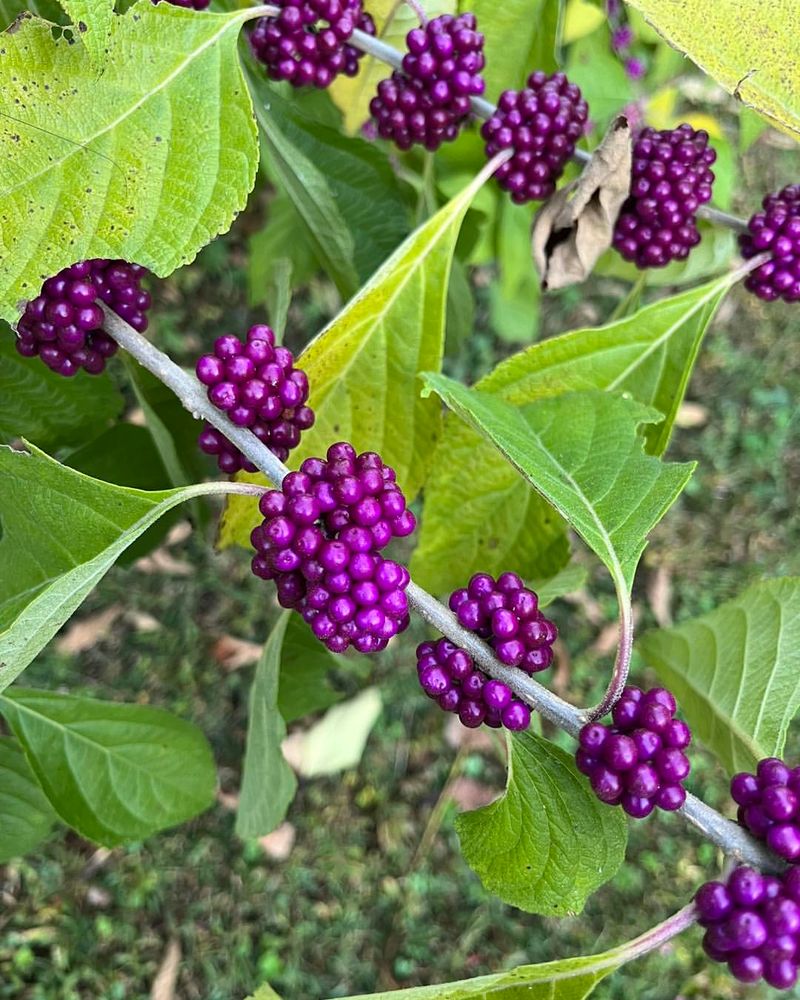
Beautyberry earns its name every fall when the branches become loaded with bright purple berries that look like someone glued on jewelry. This Florida native shrub stays fairly unremarkable through spring and summer, then puts on a show that stops people in their tracks when berry season arrives.
The color is so vivid it almost looks fake.
The plant grows about five to eight feet tall with an arching, open habit that gives it a casual, naturalistic look. Small pink flowers appear in summer, but nobody really notices them until those incredible purple berries develop along every stem.
Birds eventually feast on them, but the berries persist for weeks, giving you a long season of color.
Growing Beautyberry in Florida is ridiculously easy. Plant it in sun to partial shade, water it for a few weeks, then forget about it.
It handles sandy soils, clay soils, wet conditions, and dry spells. From North Florida to Central Florida, it performs reliably without any special care.
You can cut it back hard in late winter to keep it compact and encourage better berry production, but that’s optional. Even without pruning, it looks fine and produces plenty of berries.
Pests and diseases are rare sights in these plants. In most cases, fertilizer isn’t necessary.
For a native shrub that gives you fall color without the work of raking leaves, Beautyberry delivers.
8. Cocoplum: The Coastal-Tough Evergreen
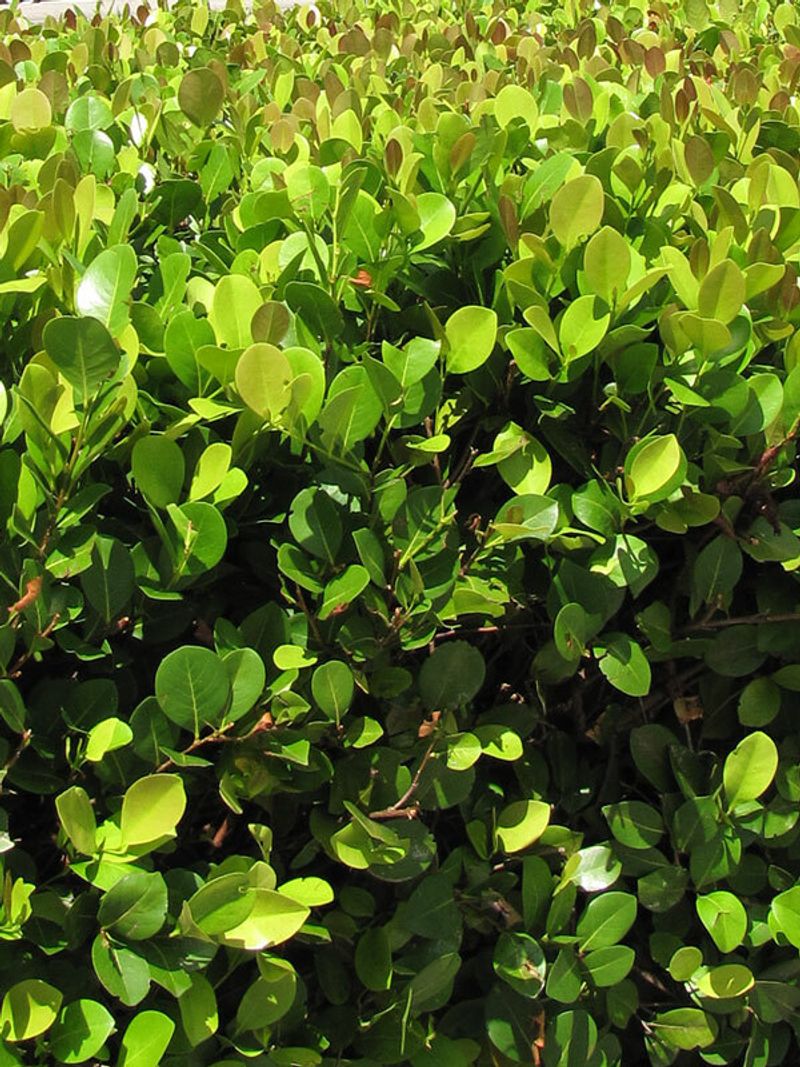
Cocoplum grows naturally along Florida beaches, which means it laughs at salt spray, wind, and sandy soil that would stress out most shrubs. This evergreen native features rounded, glossy leaves that look almost plastic in their perfection.
It grows naturally into a dense, rounded shape that works great as a hedge, foundation plant, or standalone specimen.
Depending on the variety, Cocoplum grows anywhere from three to fifteen feet tall. The compact varieties stay small and manageable, while the larger types create excellent privacy screens.
Small white flowers appear year-round but aren’t showy. The real interest comes from the purple fruits that give the plant its name, though they’re not particularly ornamental.
What makes Cocoplum truly set-and-forget is its adaptability across Florida. Coastal areas with salt spray?
Perfect. Inland yards with no ocean influence?
Also perfect. It handles full sun to partial shade, wet soil to dry soil, and everything in between.
Once established, it needs almost no water beyond natural rainfall.
You can shear it into a formal hedge if you want that look, or let it grow naturally for a softer appearance. Either way, it stays dense and attractive.
From South Florida to Central Florida, Cocoplum delivers reliable performance without asking for anything in return. It’s the ultimate plant-it-and-forget-it shrub for Florida conditions.
9. Green Island Ficus: The Glossy Green Shrub
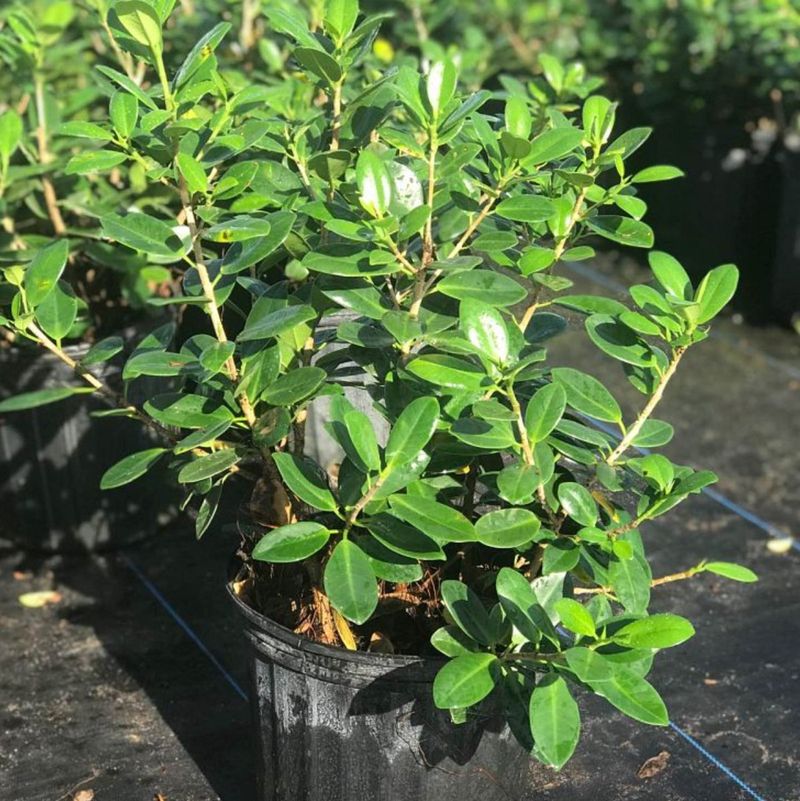
Green Island Ficus grows into perfect little mounds of glossy green foliage that look like someone spent hours shaping them. The reality?
It does this naturally without any help. This compact shrub stays under three feet tall and spreads about the same width, creating neat, rounded forms that work beautifully in formal Florida landscapes.
The small leaves pack densely together, creating a solid mass of green that stays attractive year-round. Unlike larger ficus varieties, Green Island doesn’t get aggressive roots or grow into a tree.
It knows its place and stays there, making it perfect for front yards where you want predictable, controlled growth.
Growing this shrub in Florida is straightforward. Plant it in full sun to partial shade, give it regular water for the first few months, then back off.
Once established, it tolerates dry periods well and handles Florida’s heat without stress. It performs best in Central and South Florida, though protected spots in North Florida can work too.
You can shear it to maintain size and shape if desired, but even without pruning, it stays compact and attractive. The plant responds well to trimming, quickly filling in any gaps.
For a shrub that looks manicured without constant attention, Green Island Ficus delivers that polished appearance Florida homeowners love.
10. Plumbago: The Easy Blue Bloomer
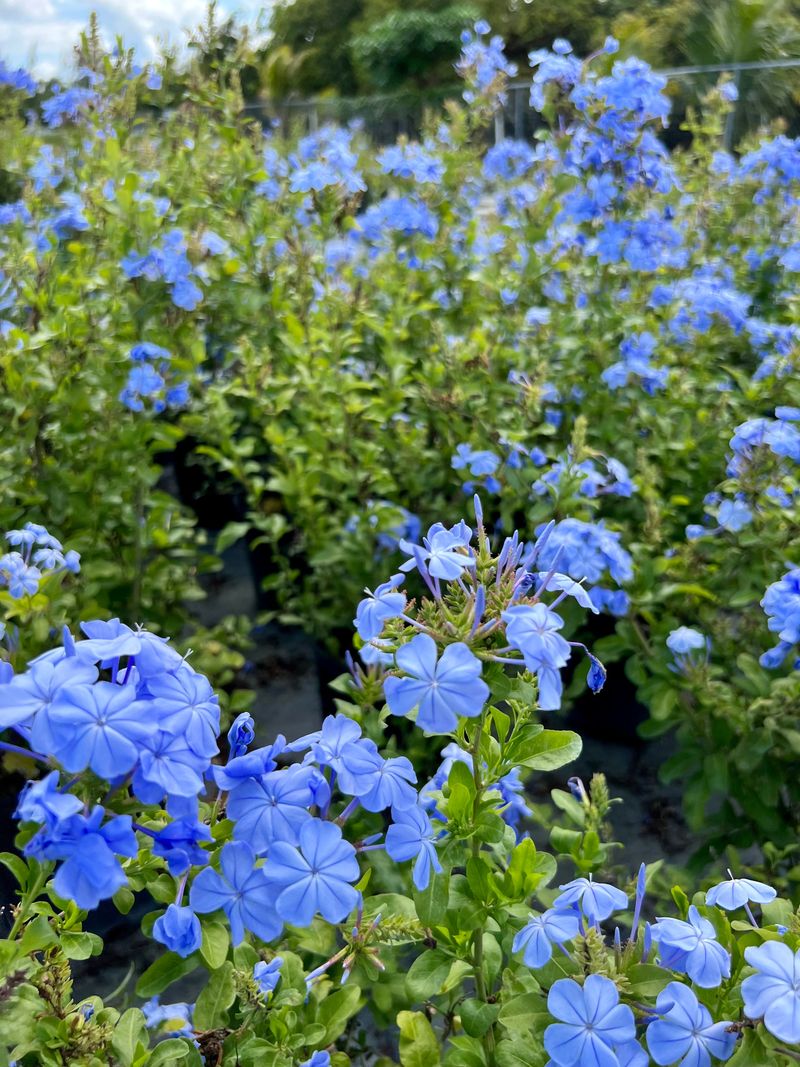
Plumbago produces sky-blue flowers almost year-round in Florida, which is rare enough to make it special. Most blue-flowering plants are finicky or short-lived, but Plumbago keeps blooming through heat, humidity, and neglect.
The light, airy growth habit and constant flowers create a cottage-garden feel that softens any front yard.
The plant grows about three to four feet tall and spreads wide, creating a mounding shape covered in clusters of pale blue flowers. The foliage is light green and unremarkable, but nobody notices because the flowers steal the show.
It works great as a foundation plant, in mixed borders, or as a low informal hedge across Florida landscapes.
What makes Plumbago truly low-maintenance is its ability to keep blooming without deadheading or special care. Just plant it in full sun to light shade, water it occasionally until established, then let it do its thing.
It handles Florida’s sandy soils and occasional dry spells without complaint.
You can prune it back in late winter if it gets too large or leggy, but that’s optional. Even without pruning, it blooms reliably.
The flowers attract butterflies constantly, adding movement and life to your yard. From Central Florida southward, Plumbago delivers easy blue color that most gardeners dream about but rarely achieve with so little effort.