7 Wandering Jew Companion Plants That Grow Well Together In Texas
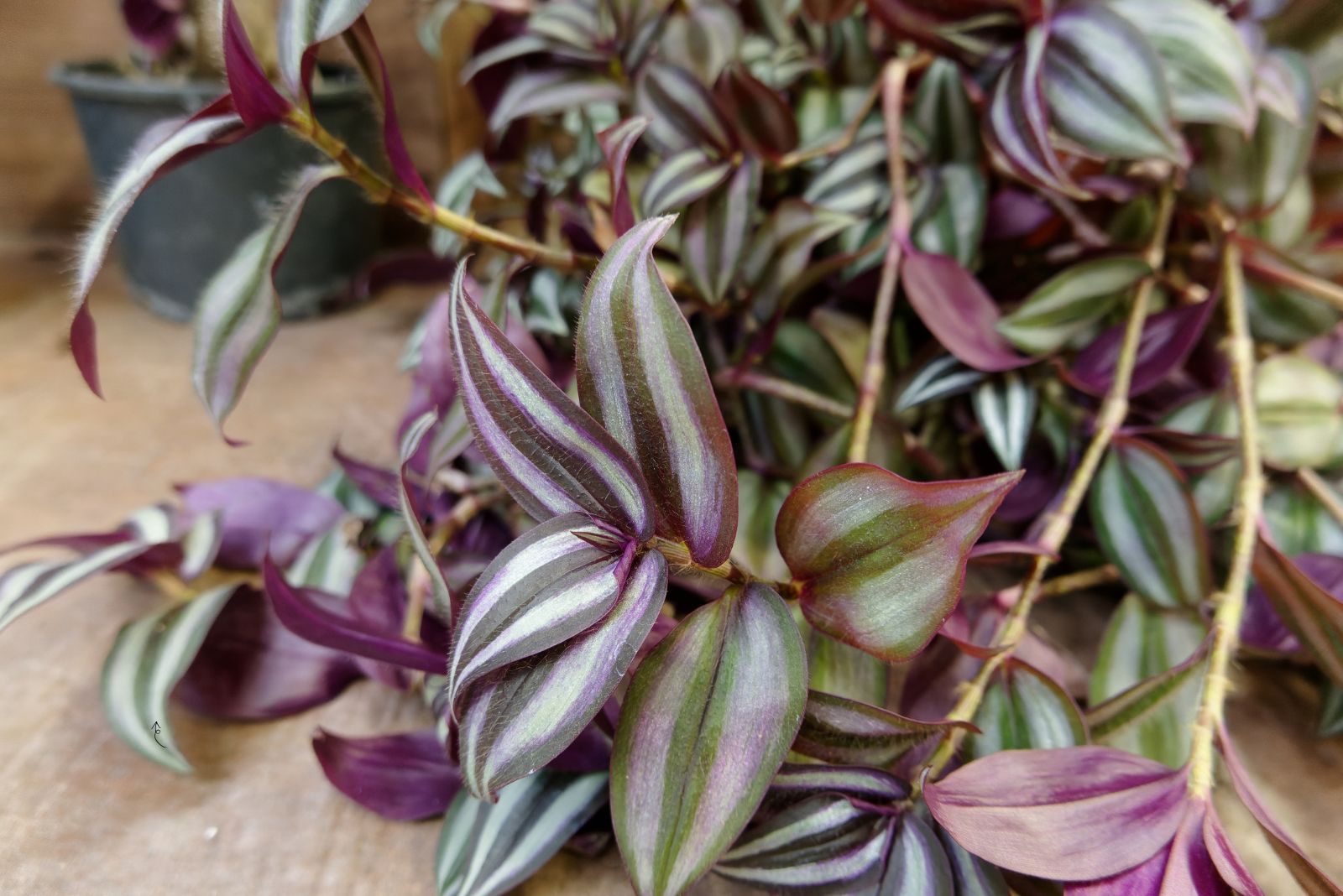
If you love the bold colors and trailing look of a wandering jew plant, you are probably already thinking about what else would look good growing alongside it in your Texas home or garden.
The good news is this fast growing favorite plays very well with others when you choose the right companions for Texas conditions.
Pairing it with plants that enjoy similar light, watering, and warmth makes care easier and your space more visually interesting. The right mix can turn a simple pot, patio planter, or garden bed into a layered, eye catching display full of texture and contrast.
Some companion plants help balance its vibrant color, while others highlight those striking leaf patterns even more. Whether you are styling an indoor container or refreshing an outdoor space in Texas, smart plant pairings make a big difference.
Ready to create a combo that thrives in Texas heat and looks amazing? Let’s explore wandering jew companion plants that grow well together.
1. Pothos
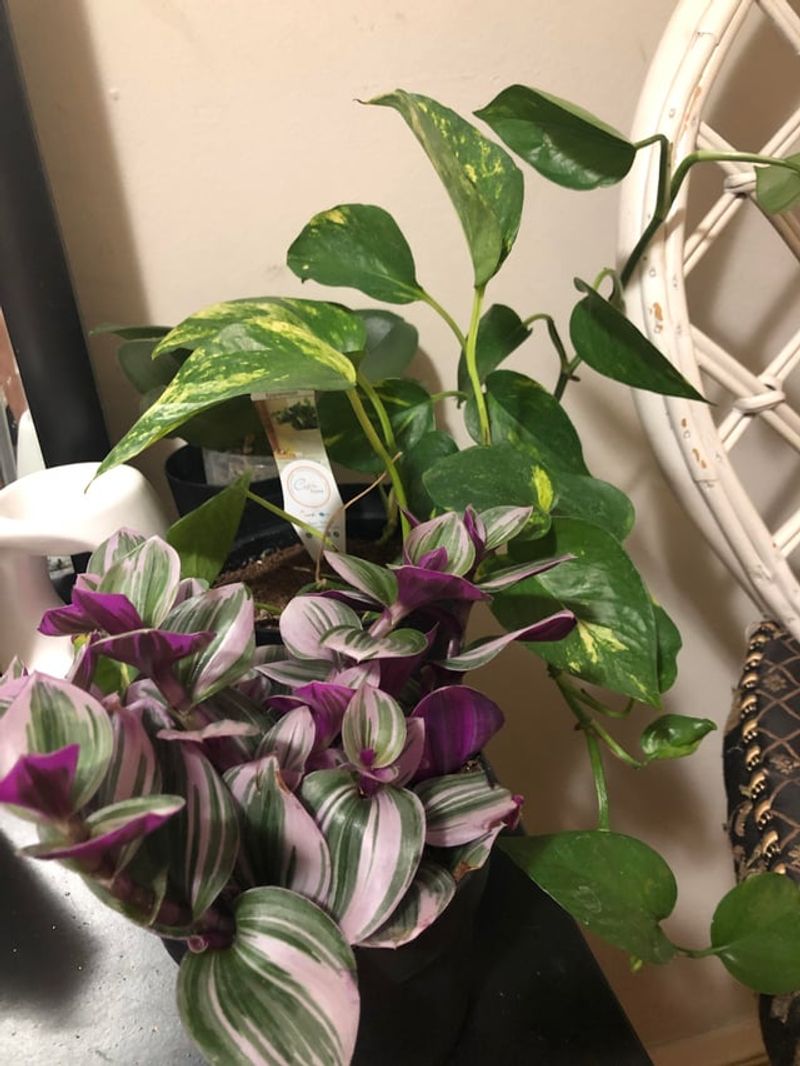
Pothos ranks as one of the easiest houseplants to grow alongside Wandering Jew because both thrive in similar conditions. These trailing vines feature heart-shaped leaves that cascade beautifully from hanging baskets or shelves.
Your pothos will happily grow in the same bright, indirect light that keeps your Wandering Jew colorful and healthy.
Both plants appreciate consistent moisture without sitting in soggy soil. You can water them on the same schedule, which makes plant care much simpler for busy households.
Pothos tolerates occasional neglect better than most houseplants, so if you forget to water for a few days, both plants will forgive you.
The combination of pothos green leaves and Wandering Jew purple foliage creates a stunning visual contrast in any room.
Many gardeners in Texas use this pairing in their sunrooms where humidity stays naturally higher. Pothos grows quickly and can fill empty spaces in your plant displays within months.
These two plants also share similar temperature preferences, enjoying the typical indoor range of 65 to 80 degrees. Neither plant likes cold drafts or sudden temperature changes.
You can place them together near a bright window where they’ll both flourish without requiring different care routines.
Pothos propagates easily from stem cuttings, just like Wandering Jew. You can create new plants to share with friends or expand your collection. Both plants root quickly in water, making propagation a fun project for beginners.
2. Philodendron
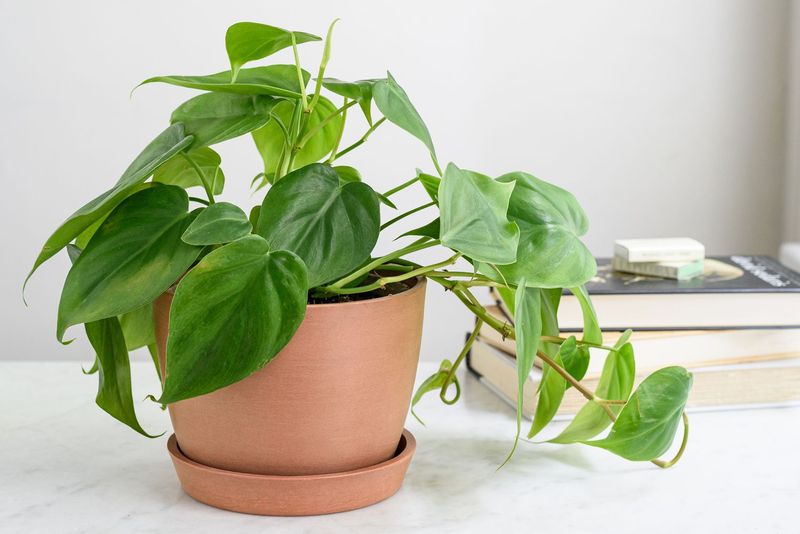
Philodendrons share almost identical growing conditions with Wandering Jew plants, making them natural companions for any indoor space.
Their glossy, heart-shaped leaves provide a sophisticated backdrop for the vibrant purple and silver stripes of Wandering Jew.
Both plants originate from tropical regions and appreciate the warmth and humidity found in most homes.
Watering becomes incredibly simple when you pair these two together. They both prefer evenly moist soil that drains well and never becomes waterlogged.
You can check the top inch of soil and water both plants at the same time without worrying about overwatering one or underwatering the other.
The climbing or trailing nature of philodendrons creates beautiful vertical interest alongside the cascading stems of Wandering Jew. Many plant enthusiasts in Texas display these plants together on shelves where they can grow and trail naturally.
Your Texas Garden Changes Every Week. Your Plan Should Too.
Gardening in Texas changes quickly throughout the season. Every Friday you’ll receive a simple weekly plan showing exactly what to plant, prune, fertilize, harvest, and protect so you never miss the right timing.
The combination looks especially stunning in bright bathrooms where humidity levels stay elevated.
Philodendrons tolerate lower light conditions slightly better than Wandering Jew, but both thrive in bright, filtered sunlight. Placing them near east-facing windows gives them gentle morning sun without the harsh afternoon rays.
This positioning keeps the Wandering Jew’s colors vivid while allowing the philodendron to maintain its deep green shade.
Both plants respond well to monthly feeding during the growing season with diluted houseplant fertilizer. They grow actively from spring through fall and slow down during winter months.
This synchronized growth pattern makes seasonal care adjustments straightforward and predictable.
3. Spider Plant
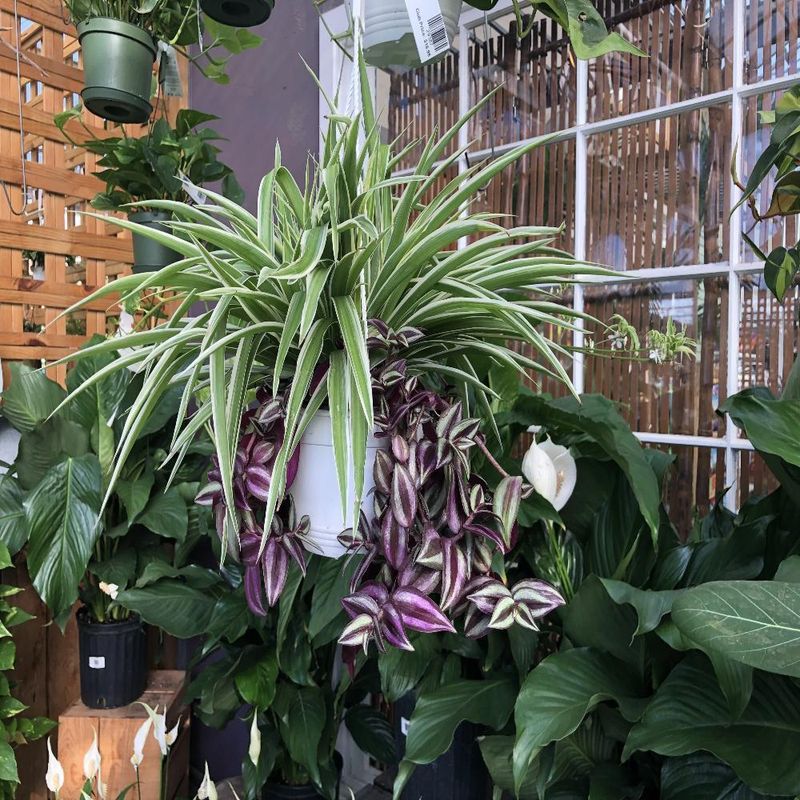
Spider plants make fantastic companions because they match the Wandering Jew’s preference for moderate light and regular watering. Their graceful arching leaves with creamy white stripes complement the rich purple tones of Wandering Jew foliage.
These plants produce adorable baby plantlets that dangle from long stems, adding another layer of visual interest to your display.
Both species adapt well to typical household humidity levels, though they appreciate occasional misting during dry winter months.
Spider plants purify indoor air while looking beautiful, making them popular choices for bedrooms and home offices. They grow well in hanging baskets positioned near your Wandering Jew arrangements.
The care requirements overlap almost perfectly between these two plants. Neither tolerates direct afternoon sun, which can scorch their leaves and fade their vibrant colors.
Both prefer their soil to dry slightly between waterings rather than staying constantly damp.
Spider plants develop thick, fleshy roots that store water, giving them some drought tolerance similar to Wandering Jew. This characteristic means you won’t stress if your watering schedule gets disrupted occasionally.
Many gardeners in Texas find this pairing works well indoors where outdoor conditions can be harsh.
These plants grow at comparable rates, so neither will overwhelm the other in a shared planter or nearby pots.
Spider plants occasionally produce small white flowers on their stems, adding unexpected blooms to your indoor garden. The combination creates a lush, jungle-like atmosphere that feels relaxing and natural.
4. Ferns
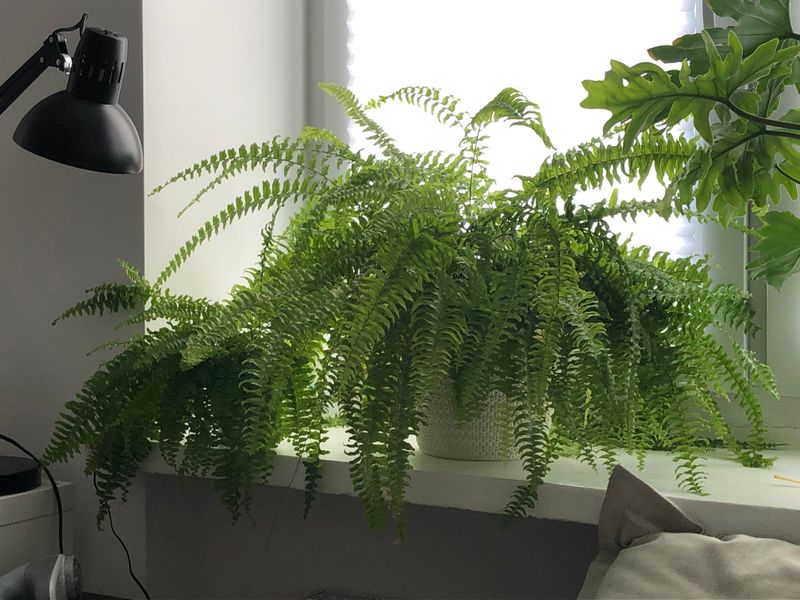
Ferns bring a soft, feathery texture that contrasts beautifully with the bold, colorful leaves of Wandering Jew plants. Boston ferns and maidenhair ferns work particularly well as companions because they enjoy the same humid conditions and indirect light.
The delicate fronds of ferns create a woodland atmosphere when paired with the tropical vibes of Wandering Jew.
Humidity requirements bring these plants together as perfect partners. Both appreciate moisture in the air, especially during winter when indoor heating can dry out your home.
Grouping them together actually helps create a microclimate where they share moisture through transpiration.
Ferns need consistently moist soil, which aligns well with Wandering Jew watering needs. You should never let either plant dry out completely, as both will show stress through drooping or browning leaves.
The color combination of bright green fern fronds and purple Wandering Jew foliage creates a refreshing, natural palette. This pairing works wonderfully in shaded corners of your home where other plants might struggle.
Both plants prefer temperatures between 60 and 75 degrees, avoiding cold drafts and heating vents.
Ferns grow more slowly than Wandering Jew, but this difference actually benefits your display. The steady growth of ferns provides a stable backdrop while the faster-growing Wandering Jew fills in spaces quickly.
Together they create layers of texture and color that look professionally designed without requiring expert skills.
5. Coleus
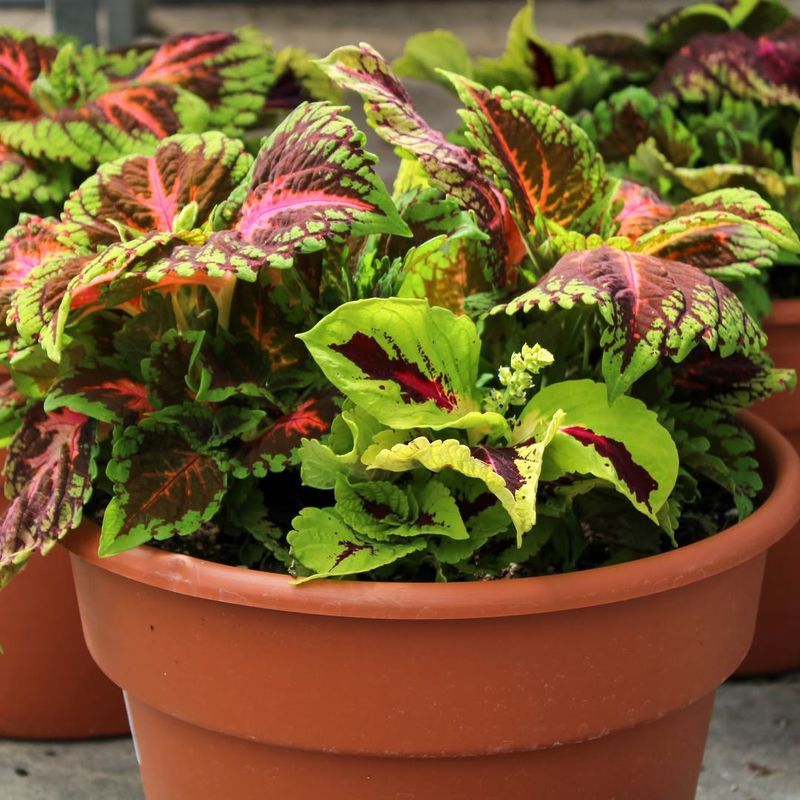
Coleus plants explode with color in shades of red, pink, orange, yellow, and burgundy that complement or contrast with Wandering Jew beautifully.
Both plants love bright, indirect light that keeps their foliage colors intense and vibrant. Growing them together creates a rainbow effect that brightens any room in your home.
The fast-growing nature of coleus matches the vigorous growth of Wandering Jew perfectly. Both plants will fill out containers quickly and create full, lush displays within weeks.
You can pinch back both plants regularly to encourage bushier growth and prevent them from becoming leggy.
Watering needs align almost perfectly between these two colorful companions. Both prefer their soil to stay evenly moist and will wilt dramatically if they get too dry.
Fortunately, both plants recover quickly once watered, making them forgiving choices for learning gardeners.
Coleus thrives in the same temperature range as Wandering Jew, enjoying warm conditions between 65 and 80 degrees.
Neither plant tolerates frost or cold temperatures, so they work best as indoor plants in most regions. Gardeners in Texas often pair these plants in bright indoor spaces during winter months.
Both plants benefit from regular feeding during their active growing season. A balanced, water-soluble fertilizer applied every two to three weeks keeps their colors vibrant and growth strong.
The combination of coleus patterns and Wandering Jew stripes creates an artistic display that looks intentionally designed.
6. Peperomia
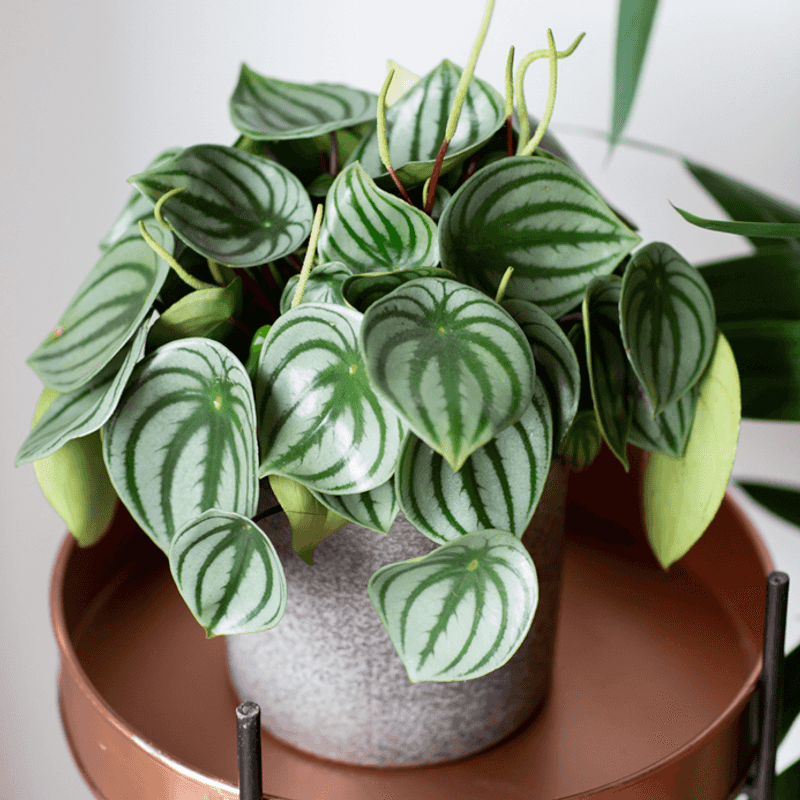
Peperomia plants come in dozens of varieties with different leaf shapes, colors, and textures that pair wonderfully with Wandering Jew. Their compact size makes them ideal companions that won’t compete for space.
Both plants appreciate similar light conditions, preferring bright, filtered sunlight that doesn’t scorch their leaves.
The thick, succulent-like leaves of peperomia store water, giving them some drought tolerance similar to Wandering Jew. Both plants prefer to dry out slightly between waterings rather than staying constantly wet.
This shared preference makes watering schedules simple and prevents the root problems that come from overwatering.
Peperomia varieties offer incredible diversity in appearance, from rippled leaves to variegated patterns to trailing forms. You can choose varieties that either match or contrast with your Wandering Jew colors.
The combination creates visual interest without overwhelming your space with too many competing textures.
Both plants grow well in small to medium-sized pots, making them perfect for apartment living or offices with limited space. They tolerate typical indoor humidity levels without requiring extra misting or humidifiers.
Many plant lovers in Texas appreciate this pairing because both plants handle drier indoor air reasonably well.
Temperature preferences overlap completely, with both plants enjoying the comfortable range most people keep their homes. Neither plant requires special care or complicated routines.
Together they create a low-maintenance display that looks sophisticated and brings life to any room without demanding constant attention.
7. Begonia
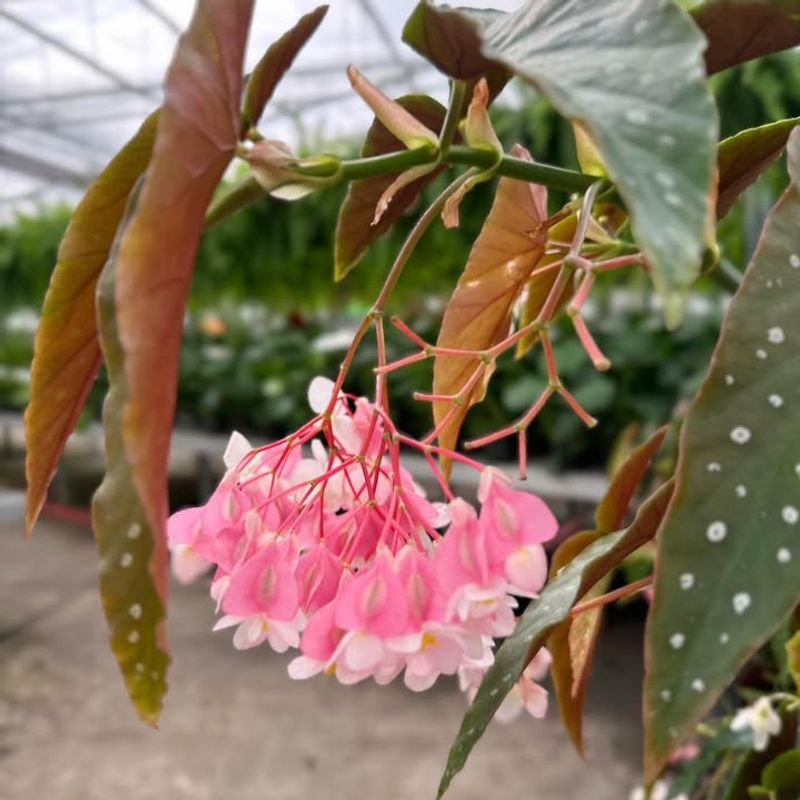
Begonias offer stunning leaf patterns and occasional blooms that enhance the beauty of Wandering Jew displays. Rex begonias feature metallic, swirled, or spotted leaves that create dramatic focal points alongside Wandering Jew foliage.
Both plants thrive in the bright, indirect light found near windows with sheer curtains or in naturally bright rooms.
The moisture requirements of begonias align well with Wandering Jew needs. Both appreciate consistent watering that keeps soil evenly moist but never soggy.
They both show stress quickly if they dry out too much, making it easy to know when they need water.
Begonias bring a slightly more formal appearance that balances the casual, trailing nature of Wandering Jew. This combination works beautifully in living rooms or entryways where you want plants to look polished and intentional.
The variety of begonia colors and patterns means you can customize your display to match your decor.
Both plants prefer slightly acidic soil with good drainage, so you can use the same potting mix for both. They also appreciate similar humidity levels, doing best when the air isn’t too dry.
Gardeners in Texas often pair these plants in bright bathrooms or kitchens where natural humidity helps them flourish.
Begonias grow at a moderate pace that complements the faster growth of Wandering Jew. Together they fill spaces beautifully without one overtaking the other.
Both plants benefit from occasional grooming to remove spent leaves and maintain their appearance, making care routines simple and predictable.