These Vegetables Climb And Support Each Other In Texas Gardens
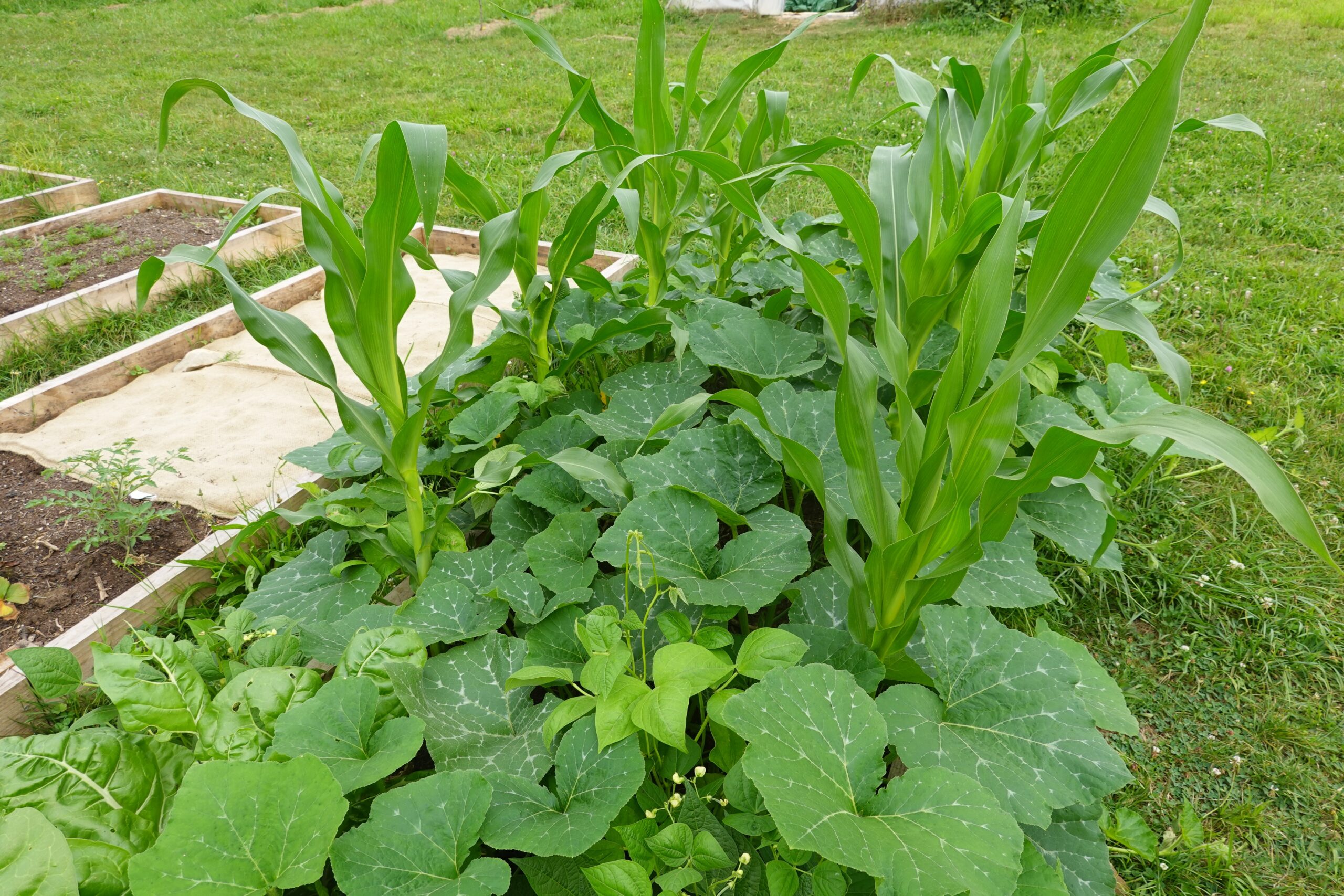
Looking for a clever way to grow more food without crowding your Texas garden? Many gardeners are turning to vegetables that naturally climb and support each other, creating a productive and eye catching setup.
Instead of spreading across your beds, these plants reach upward, weave together, and form a natural framework that makes better use of space.
Texas gardeners appreciate this method because it encourages stronger growth, improves airflow, and keeps plants healthier overall.
It also makes watering, maintenance, and harvesting far more convenient. With the right pairings, your garden can become both efficient and visually appealing without extra structures or complicated planning.
Ready to see how plant teamwork can transform your garden? Let’s take a closer look at the climbing vegetables that thrive together in Texas and how you can use this simple strategy for better growth and bigger harvests at home.
1. Pole Beans And Corn Create A Natural Trellis System
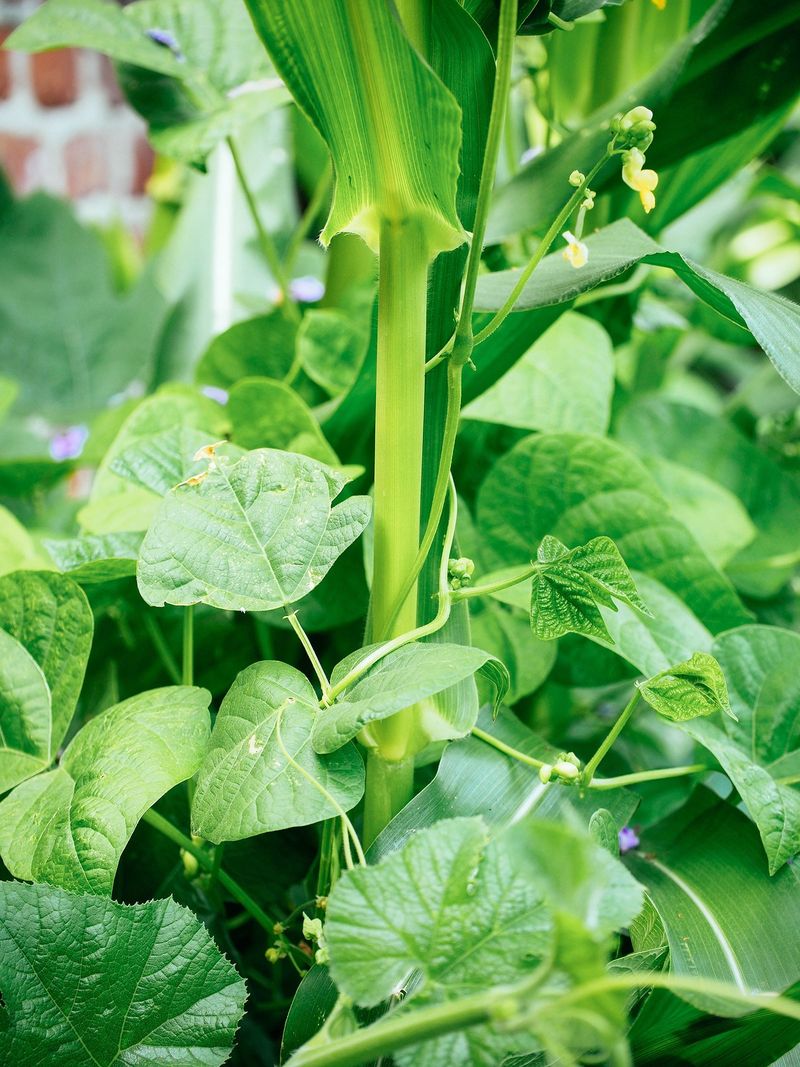
Corn stalks make perfect natural poles for climbing beans, creating one of the oldest companion planting combinations used across Texas. The corn grows tall and sturdy first, providing a strong framework that beans can wrap around as they develop.
This partnership saves money on trellises while maximizing vertical growing space in your garden beds.
Plant your corn seeds about two weeks before adding bean seeds to the same holes. This head start lets the corn establish strong roots and grow tall enough to support the beans when they start climbing.
Space your corn plants about 12 inches apart in blocks rather than single rows for better pollination and stability.
The beans actually help the corn by adding nitrogen back into the soil through their root systems. This natural fertilization process strengthens both plants throughout the growing season.
Texas heat can stress both crops, but when grown together they create shade for each other’s root zones, keeping soil cooler and moisture levels more consistent.
Choose varieties suited to Texas conditions, like Silver Queen corn and Kentucky Wonder pole beans. Both handle heat well and mature at compatible rates.
The beans will spiral up the corn stalks naturally, reaching for sunlight while anchoring themselves securely.
Harvest beans regularly to encourage more production, and leave the corn standing until the ears fully mature and dry down for the best flavor and storage quality.
2. Cucumbers And Sunflowers Form Strong Vertical Partnerships
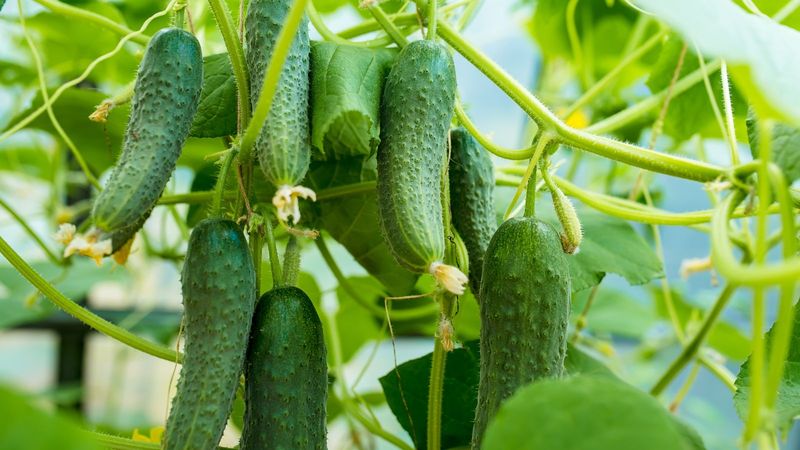
Sunflowers develop thick, sturdy stalks that provide excellent support for cucumber vines throughout the growing season. Plant sunflowers first in early spring, spacing them about 18 inches apart in rows.
Once they reach about two feet tall, add cucumber seeds at the base of each sunflower, giving them a ready-made climbing structure.
This combination works beautifully in Texas gardens because both plants love full sun and warm weather. Sunflowers grow quickly in our climate, establishing strong stems before cucumbers need vertical support.
The large sunflower leaves create dappled shade that protects cucumber roots from the harshest afternoon sun, reducing water stress during peak summer months.
Cucumbers naturally reach out with their tendrils, grabbing onto the rough sunflower stems as they climb upward. This keeps the cucumber fruits off the ground where they stay cleaner, develop better shape, and avoid soil-borne diseases.
Your Texas Garden Changes Every Week. Your Plan Should Too.
Gardening in Texas changes quickly throughout the season. Every Friday you’ll receive a simple weekly plan showing exactly what to plant, prune, fertilize, harvest, and protect so you never miss the right timing.
The vertical growth also makes harvesting much easier since you can spot ripe cucumbers without bending over or searching through tangled ground vines.
Select mammoth sunflower varieties that grow six to eight feet tall for the strongest support system. Pair them with vining cucumber types like Straight Eight or Marketmore, which produce heavily when given room to climb.
Water both plants deeply at the base rather than overhead to prevent fungal problems. The sunflowers will bloom beautifully while the cucumbers produce crisp, fresh vegetables all summer long in your Texas garden.
3. Squash And Corn Share Space In Three Sisters Method
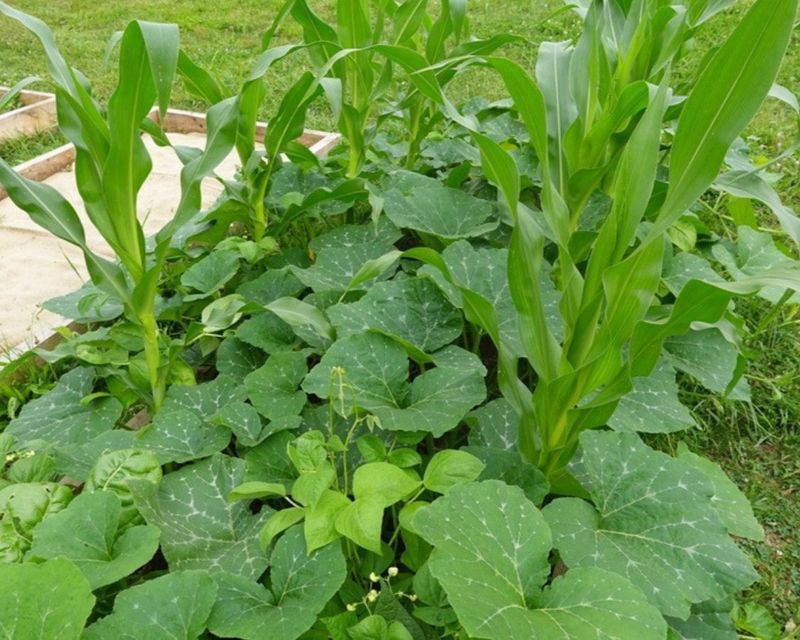
Winter squash varieties work alongside corn in the famous Three Sisters planting method, creating a mutually beneficial ground cover system.
While squash doesn’t climb as dramatically as beans, its sprawling vines spread between corn stalks, covering bare soil and preventing weeds from taking over.
This ancient technique adapts perfectly to Texas growing conditions when you choose heat-tolerant varieties.
Start by planting corn in small hills or clusters about three feet apart. Once the corn reaches knee height, plant squash seeds around the base of each cluster.
The squash vines will spread outward and between the corn stalks, creating a living mulch that keeps soil temperatures lower and moisture from evaporating too quickly in Texas heat.
The large, prickly squash leaves discourage pests from climbing up to reach the corn and beans above. Their extensive root systems also help stabilize the soil, preventing erosion during heavy summer thunderstorms common across Texas.
The shade created by squash foliage keeps the root zone cooler for all three crops, which is especially valuable during July and August.
Choose compact bush varieties like Butternut or Acorn squash rather than massive pumpkin types that might overwhelm your corn. Plant them at least 18 inches away from the corn base to avoid competition for nutrients early on.
Water the squash deeply twice weekly, focusing on the root zone rather than wetting the leaves, which can lead to powdery mildew problems in humid Texas conditions.
4. Malabar Spinach Climbs Corn For Summer Greens
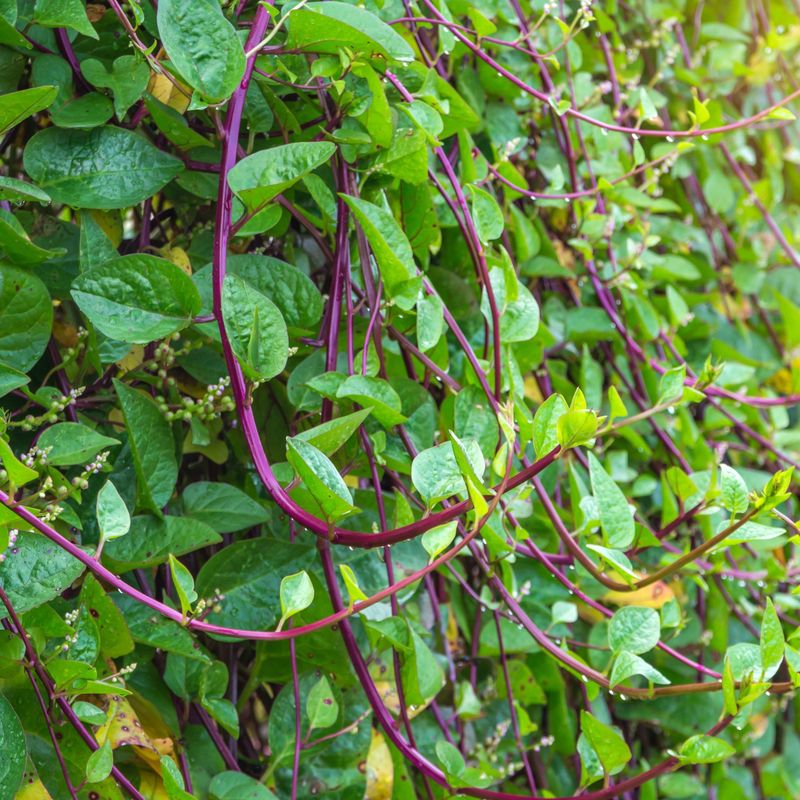
Few greens survive Texas summers, but Malabar spinach thrives in heat while using corn stalks as natural support structures.
This tropical vine produces thick, succulent leaves continuously through the hottest months when regular spinach would wilt and bolt immediately.
The glossy, heart-shaped leaves climb readily, twining around corn stalks without damaging them.
Plant Malabar spinach seeds after your corn reaches about three feet tall and all danger of frost has passed. This heat-loving vine needs warm soil to germinate and won’t grow well until temperatures consistently stay above 80 degrees.
Space seeds about six inches from the corn base, planting two or three per stalk for abundant leaf production throughout summer.
The vine grows quickly once established, reaching eight to ten feet tall by midsummer in Texas gardens. Its climbing habit keeps leaves off the ground where they stay cleaner and easier to harvest.
The red-stemmed variety adds beautiful color contrast against green corn stalks, making your garden attractive while producing food. Regular harvesting encourages more leaf growth and keeps the vine from becoming too heavy for the corn to support.
Malabar spinach leaves have a slightly mucilaginous texture when cooked, similar to okra, which many Texas gardeners appreciate. Use them fresh in salads when young and tender, or cook older leaves like regular spinach.
The plant produces small purple berries later in the season that can be saved for next year’s planting, giving you a self-sustaining crop that returns annually in Texas gardens.
5. Peas And Oats Create Early Spring Support
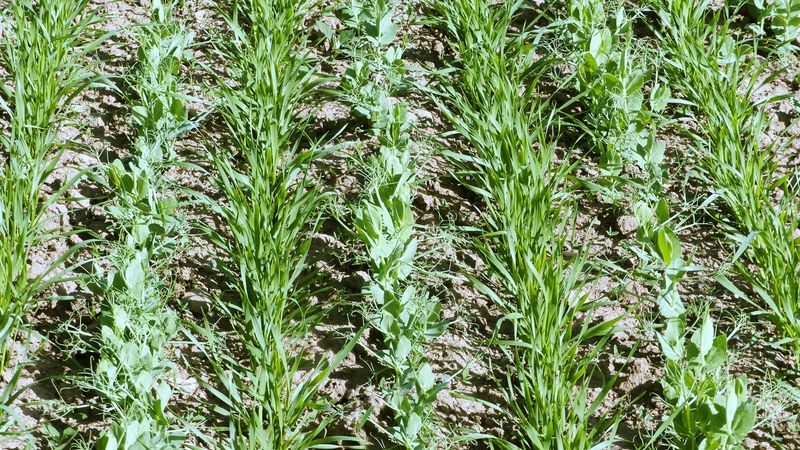
Spring peas need support to produce well, and planting them alongside oats creates a simple, biodegradable trellis system perfect for Texas gardens.
Oats grow quickly in cool weather, establishing strong stems that support climbing pea vines during the short spring window before summer heat arrives. This combination makes excellent use of early spring growing conditions across Texas.
Broadcast oat seeds thickly in late winter, about six weeks before your last frost date. Once the oats sprout and reach four inches tall, plant pea seeds directly into the same bed, spacing them about three inches apart.
The peas will germinate quickly in cool soil and immediately find the oat stems to climb, eliminating the need for stakes or string trellises.
Both crops prefer the same cool, moist conditions that Texas provides in February and March. The oats don’t compete significantly with peas for nutrients because they have different root depths and growth patterns.
As temperatures rise in late April and May, harvest your peas before they become tough and starchy. The oats will continue growing, eventually producing seed heads you can harvest for next year’s planting or leave standing for beneficial insects.
Choose sugar snap or snow pea varieties that mature quickly, like Oregon Sugar Pod or Sugar Ann. These handle Texas spring weather better than shelling peas, which need longer cool periods.
After harvesting peas, cut the oat stalks and leave them as mulch, adding organic matter back into your soil for summer plantings.
6. Yard Long Beans Spiral Up Okra Stems
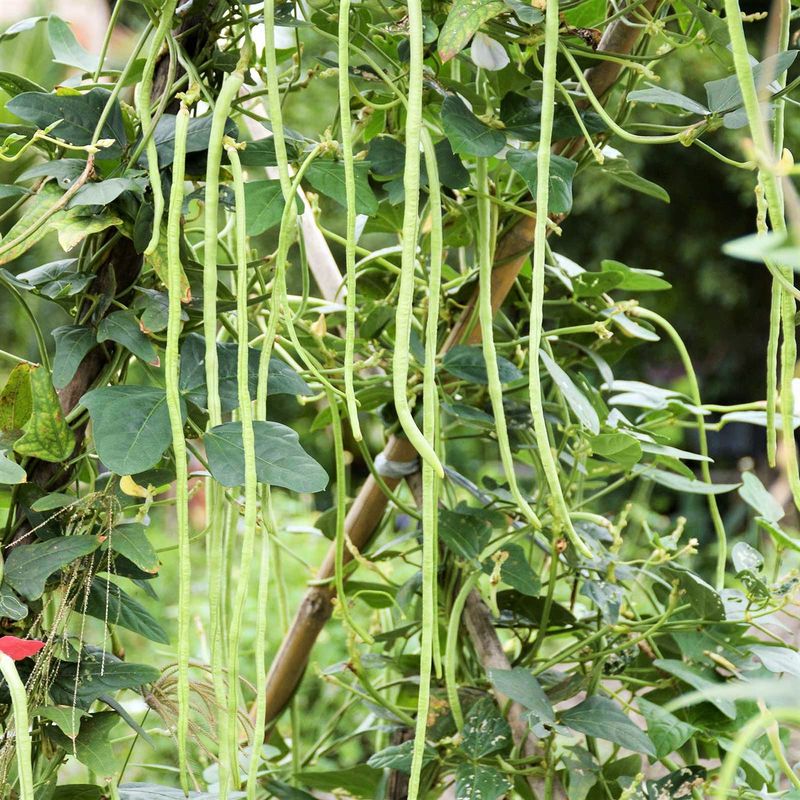
Okra plants develop strong, woody stems that make excellent living supports for yard long beans, creating a productive vertical combination that thrives in Texas heat. Both plants are heat-loving crops that grow vigorously during summer when most vegetables struggle.
Pairing them together maximizes garden space while producing two different vegetables from the same footprint.
Plant okra first in late spring after soil temperatures reach 70 degrees, spacing plants about 18 inches apart in rows. Let the okra establish itself and grow to about two feet tall before planting yard long bean seeds around each okra plant.
The beans germinate quickly in warm soil and immediately start climbing the sturdy okra stems, wrapping their tendrils around the branches.
Yard long beans produce incredibly long pods, sometimes reaching three feet in length, that hang down from the okra plants like green streamers. This makes harvesting easy since the beans are visible and accessible without searching through ground-level foliage.
The beans actually benefit the okra by fixing nitrogen in the soil, providing natural fertilization that encourages more okra pod production throughout the season.
Both plants need consistent watering in Texas summer heat, so mulch heavily around the base to conserve moisture.
Harvest okra pods when they’re three to four inches long and still tender, and pick yard long beans when they reach 12 to 18 inches for the best texture and flavor.
This combination produces abundantly from June through September, giving you fresh vegetables during the hottest months when your Texas garden needs all the help it can get.
7. Armenian Cucumber Vines Scale Sorghum Stalks
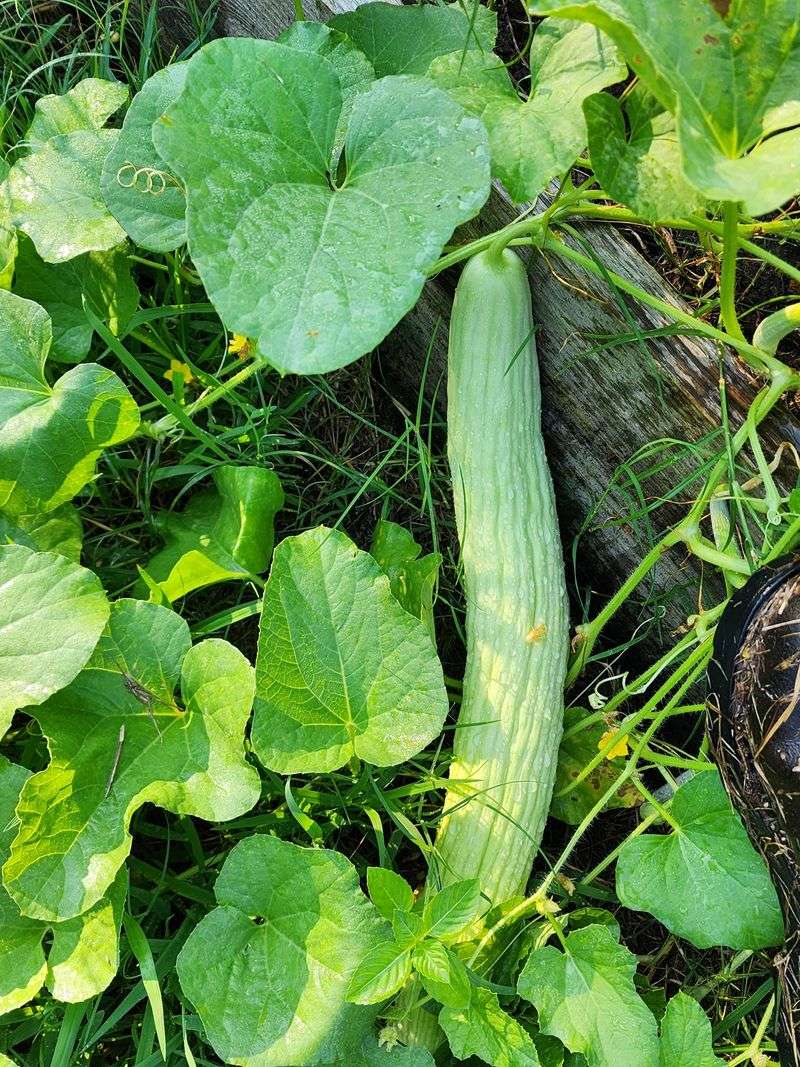
Sorghum grows exceptionally well in Texas, developing tall, strong stalks that provide perfect support for Armenian cucumber vines.
This drought-tolerant grain thrives in hot, dry conditions while creating a sturdy framework that climbing cucumbers can use throughout the growing season. The combination produces both fresh vegetables and grain from the same garden space.
Sow sorghum seeds in late spring when soil temperatures stay consistently above 60 degrees, planting them in clusters about two feet apart.
Once the sorghum reaches three feet tall and shows strong stem development, plant Armenian cucumber seeds at the base of each cluster.
These heat-loving cucumbers germinate quickly in warm Texas soil and start climbing immediately, using their tendrils to grip the rough sorghum stalks.
Armenian cucumbers are actually a type of melon that tastes like cucumber, and they handle Texas heat better than regular cucumber varieties. The fruits grow long and curved, hanging down from the sorghum stalks where they’re easy to spot and harvest.
Growing them vertically prevents the fruits from touching soil, keeping them cleaner and reducing disease problems common in humid Texas summers.
Sorghum’s deep root system makes it extremely drought-tolerant, though the cucumbers need regular watering to produce crisp, mild-flavored fruits. Water deeply at the base twice weekly rather than overhead to prevent fungal issues.
The sorghum will eventually produce seed heads in late summer that you can harvest for birdseed or leave standing to attract beneficial birds to your Texas garden through fall and winter months.