Gorgeous Hydrangea Alternatives Texans Can Grow Without The Struggle In Early Spring
Love the look of lush, colorful hydrangeas but tired of the extra care they often demand in Texas? You are not alone.
While hydrangeas can be tricky in heat and unpredictable spring weather, plenty of stunning alternatives offer the same beauty with far less effort.
Texas gardeners are discovering plants that deliver full blooms, vibrant color, and reliable performance without constant fussing.
These early spring favorites handle local conditions better, need less pampering, and still bring that soft, garden rich charm many homeowners love.
Some provide long lasting flowers, others offer unique textures and shapes that stand out just as much as classic hydrangeas. These easygoing plants are becoming garden favorites across the state right now.
1. Texas Sage
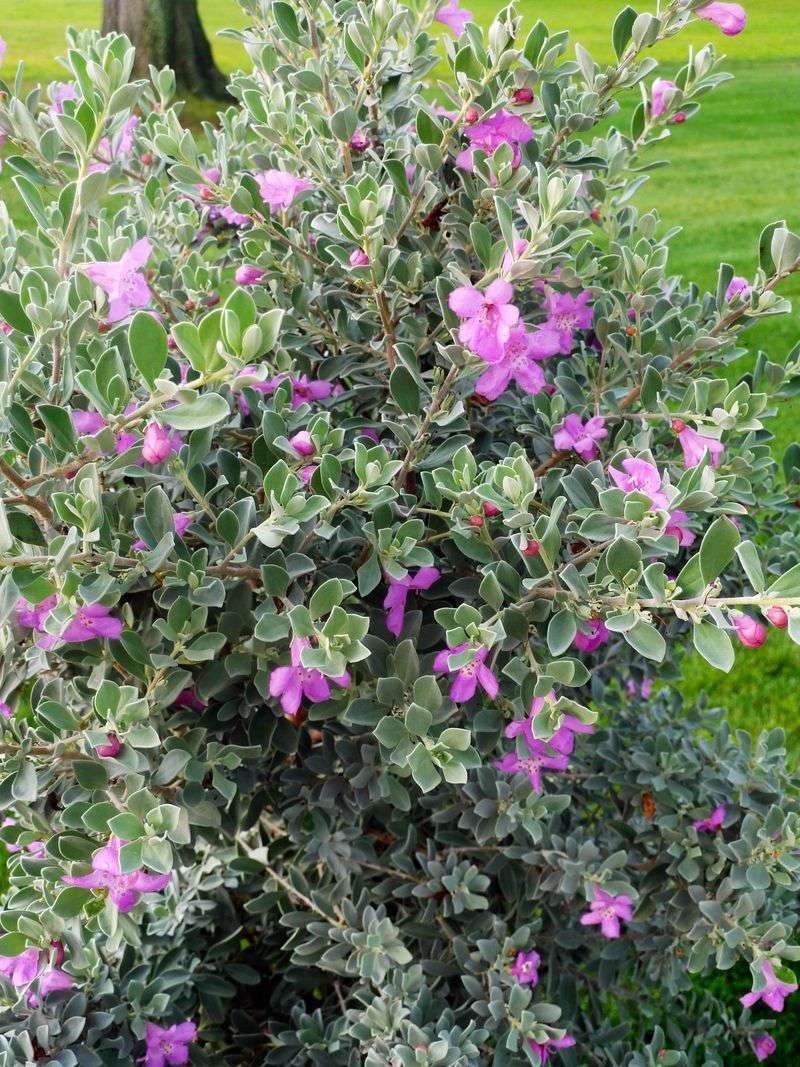
Purple blooms appear like magic after summer rains, but Texas Sage doesn’t wait for monsoons to show off in spring.
This native shrub starts its flowering season in early spring across Texas landscapes, covering itself in tubular flowers that hummingbirds absolutely adore.
The silvery-green foliage looks beautiful even when flowers take a break, giving your garden year-round visual interest without demanding constant attention.
Growing this tough native couldn’t be easier for Texas gardeners. It thrives in full sun and actually prefers our alkaline soil, which is the complete opposite of fussy hydrangeas.
Once established, it needs almost no supplemental water, making it perfect for water-conscious landscapes throughout the state. You can plant it in Dallas, San Antonio, or anywhere in between with confidence.
The compact varieties stay around three feet tall, while larger cultivars can reach six to eight feet, giving you flexibility in your landscape design. Prune it lightly after flowering to maintain shape, but don’t overdo it because excessive trimming reduces blooms.
This shrub handles our brutal summer heat without breaking a sweat, and it bounces back from winter cold snaps that would devastate tender hydrangeas.
Texas Sage comes in several flower colors beyond purple, including pink, white, and deep magenta options. The blooms appear in waves throughout the growing season, with the heaviest show in spring and after rainfall.
Deer usually leave it alone, which is a huge bonus for rural Texas gardeners. Plant it as a foundation shrub, in mixed borders, or as a low-maintenance hedge that looks professionally landscaped without the professional price tag.
2. Turk’s Cap
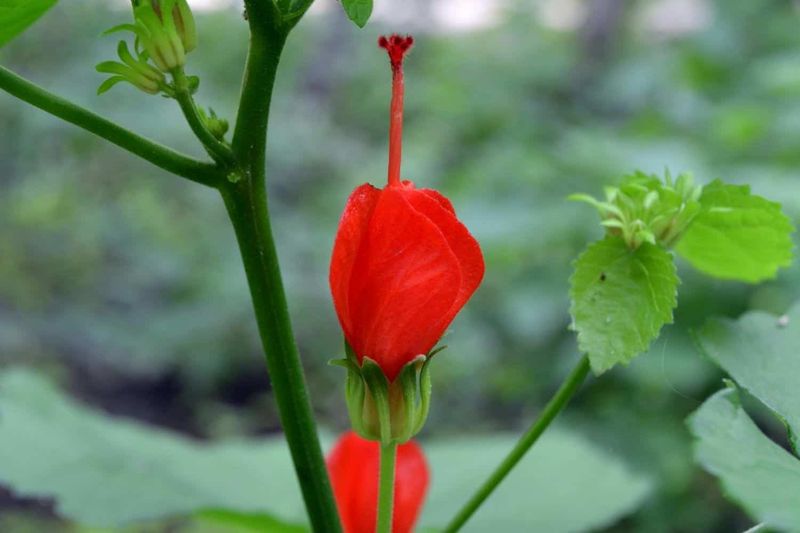
Bright red flowers dangle from arching stems like tiny turbans, giving Turk’s Cap its memorable name. This Texas native starts blooming in early spring and keeps going until frost, providing months of color that hydrangeas could never match in our climate.
The tubular red blooms attract hummingbirds and butterflies by the dozens, turning your garden into a wildlife watching paradise right outside your window.
Shade-loving gardeners rejoice because Turk’s Cap thrives in partial shade to full shade conditions. It fills those tricky spots under trees where most flowering plants struggle, making it incredibly valuable for Texas landscapes with mature oak or pecan trees.
The plant reaches three to five feet tall and spreads into a nice rounded shape without needing constant pruning or shaping.
Your Texas Garden Changes Every Week. Your Plan Should Too.
Gardening in Texas changes quickly throughout the season. Every Friday you’ll receive a simple weekly plan showing exactly what to plant, prune, fertilize, harvest, and protect so you never miss the right timing.
Turk’s Cap handles our clay soil beautifully and doesn’t pitch a fit about pH levels like hydrangeas do. It prefers regular water but tolerates short dry spells once established, giving you flexibility during our unpredictable Texas weather patterns.
The heart-shaped leaves look lush and tropical, creating a soft texture that contrasts beautifully with spiky plants or ornamental grasses in your beds.
This native shrub produces small apple-like fruits that birds love, extending its wildlife value beyond just nectar for pollinators. Freeze damage might occur in harsh winters, but the plant rebounds quickly from the roots when spring arrives.
You can grow it successfully in Houston’s humidity or in the drier conditions of Central Texas. Plant several together for a dramatic display, or use single specimens as accent plants in shaded borders where you need reliable color and texture.
3. Abelia
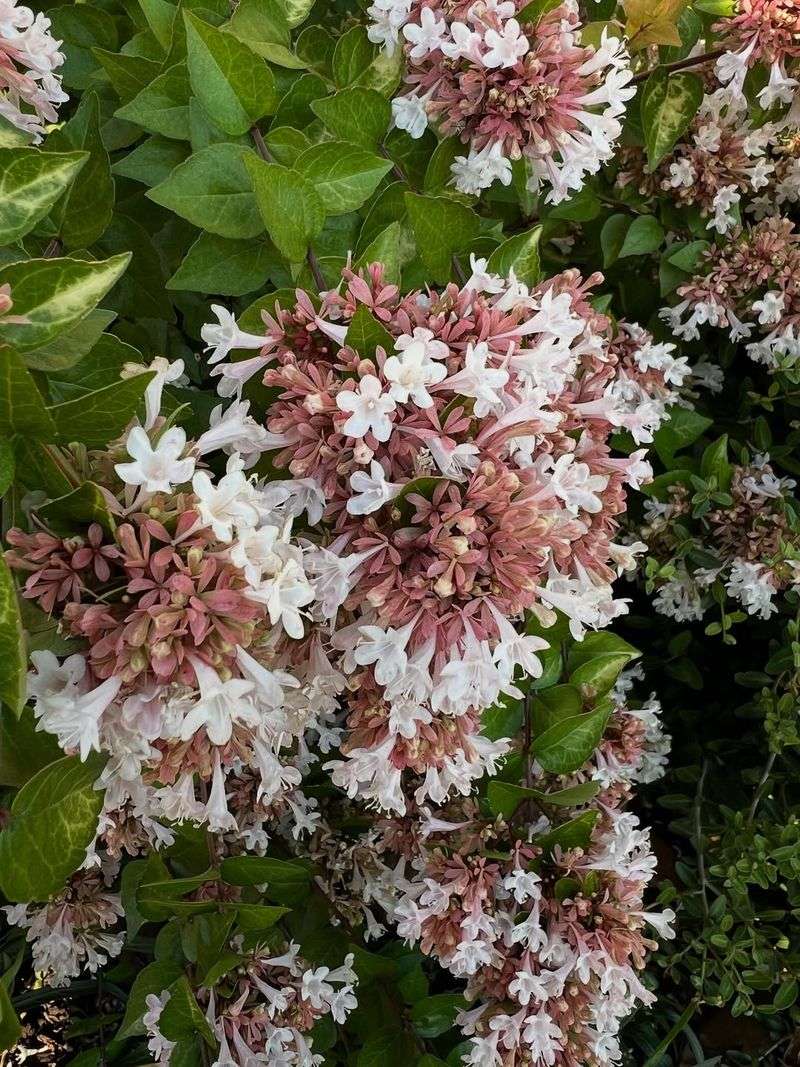
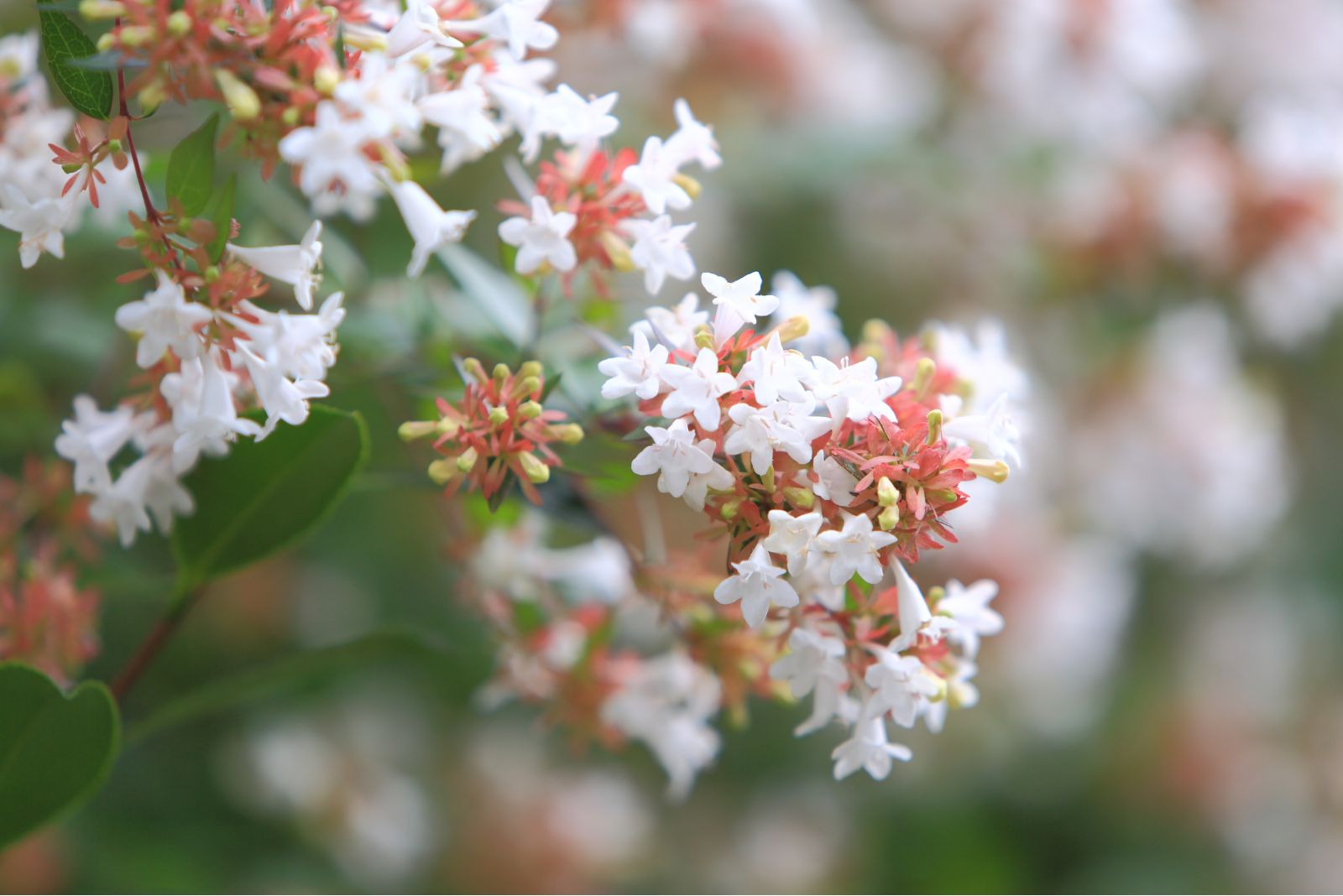
Glossy leaves catch the sunlight while delicate flowers perfume the air from spring through fall. Abelia offers that refined, elegant look that hydrangea lovers crave, but it delivers this beauty without demanding acidic soil amendments or constant moisture monitoring.
The tubular flowers start white or pale pink and attract butterflies throughout the growing season, giving your Texas garden that cottage-garden charm with zero fuss.
Dwarf varieties like ‘Kaleidoscope’ stay compact at two to three feet, perfect for small yards or container gardens in urban Texas settings.
Larger cultivars reach five to six feet, making excellent foundation plantings or informal hedges that look polished without rigid shearing.
The foliage often shows bronze or burgundy tints in cooler weather, adding seasonal interest that keeps your landscape looking intentional year-round.
Abelia adapts to both full sun and partial shade, though it flowers most heavily with at least six hours of direct sunlight. It tolerates our alkaline Texas soil without complaint and handles heat stress better than almost any other flowering shrub.
Regular water during establishment gets it off to a strong start, but mature plants handle dry periods reasonably well, especially in East Texas where humidity provides some relief.
The semi-evergreen nature means Abelia keeps most of its leaves through mild Texas winters, maintaining structure in your landscape when deciduous plants look bare.
Prune it lightly in late winter before new growth emerges, removing any freeze-damaged stems and shaping as needed.
Abelia resists most pests and diseases, saving you money on treatments and sprays. Plant it near patios or walkways where you can enjoy the light fragrance, or use it in mass plantings for a cohesive, professional landscape design.
4. Esperanza
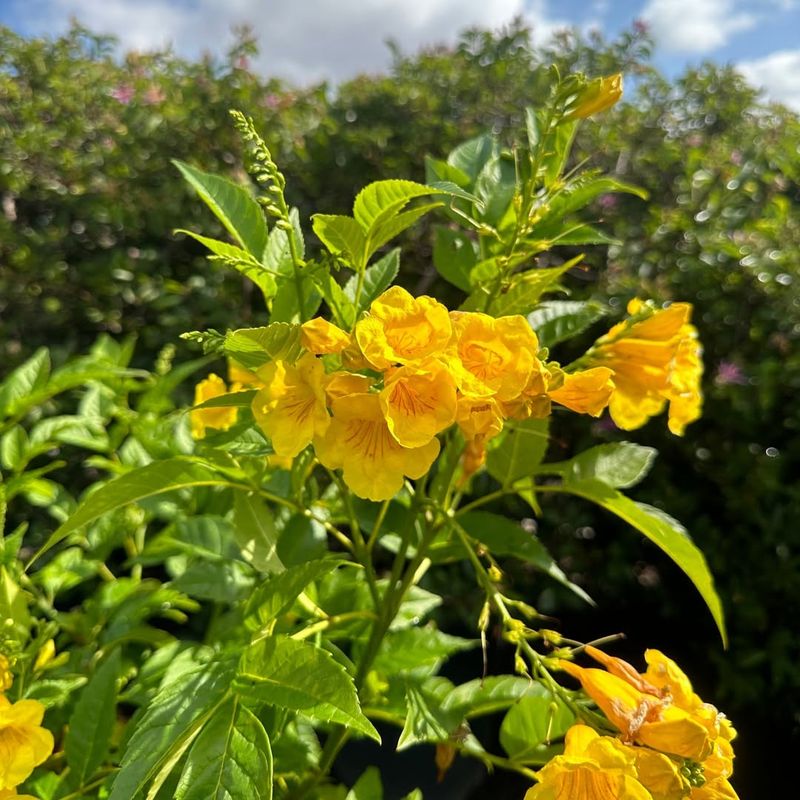
Sunshine yellow trumpets explode across this tropical-looking shrub, bringing Caribbean vibes to your Texas landscape. Esperanza delivers bold color that makes hydrangeas look timid by comparison, with flowers so bright they practically glow in your garden beds.
The blooms appear in clusters from late spring through fall, with the heaviest flush happening in early summer when Texas gardens need all the help they can get.
Heat doesn’t just fail to bother Esperanza; this plant actually loves our scorching Texas summers. It thrives in full sun and alkaline soil, checking all the boxes for easy-care Texas gardening.
The shrub grows quickly, reaching four to six feet tall in a single season, giving you instant impact without waiting years for maturity. Butterflies and hummingbirds flock to the nectar-rich flowers, adding movement and life to your outdoor spaces.
South and Central Texas gardeners can treat Esperanza as a perennial that comes back from roots after light freezes. North Texas gardeners might see it behave more like an annual in harsh winters, but it grows so fast that replanting isn’t a burden.
The tropical appearance works beautifully in modern landscapes or traditional cottage gardens, proving its versatility across design styles.
Esperanza produces long seed pods after flowering, adding architectural interest if you leave them in place. Regular deadheading encourages more blooms, but the plant flowers abundantly even without this extra attention.
It handles our clay soil surprisingly well and doesn’t need special amendments or pH adjustments. Plant Esperanza where you want maximum impact with minimum effort, like near entryways, along fence lines, or as a backdrop for lower-growing perennials.
The cheerful yellow flowers lift spirits and create focal points that draw the eye across your Texas landscape.
5. Rose Of Sharon
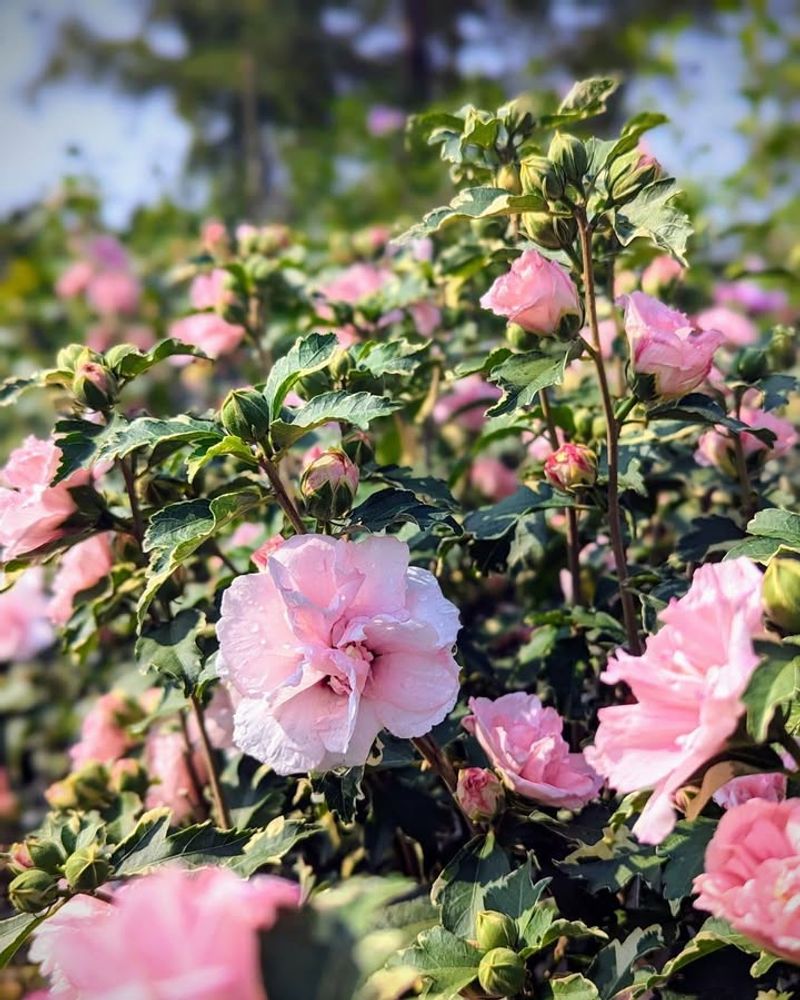
Large hibiscus-like blooms open fresh each morning, giving you that showy flower size hydrangea lovers appreciate.
Rose of Sharon blooms from early summer through fall, but it leafs out beautifully in spring, providing structure and greenery when your Texas garden shakes off winter.
The flowers come in pink, white, purple, or bicolor combinations, letting you customize your color scheme without fighting our soil chemistry.
This old-fashioned favorite grows eight to twelve feet tall, making it perfect for privacy screens or backdrop plantings in Texas landscapes. You can also prune it into a small tree form, creating a focal point that adds height and drama to your design.
The upright growth habit takes up minimal ground space, which is valuable in smaller urban yards where every square foot counts.
Rose of Sharon tolerates our alkaline soil, clay texture, and summer heat without special coddling. It prefers full sun but accepts partial shade, especially in the brutal afternoon sun of West Texas.
Once established, it handles dry spells reasonably well, though regular water during extreme heat keeps it looking its freshest. The plant self-seeds moderately, which some gardeners love for naturalistic looks and others control with deadheading.
Newer cultivars like ‘Lil Kim’ stay compact at three to four feet, offering the same beautiful blooms in a petite package. The flowers attract butterflies and hummingbirds, while deer typically browse other plants first.
Rose of Sharon works beautifully in mixed borders, as specimen plantings, or in rows for screening.
It thrives across all regions of Texas, from the Panhandle to the Rio Grande Valley, adapting to local conditions with remarkable ease that makes hydrangeas look impossibly demanding.
6. Rockrose
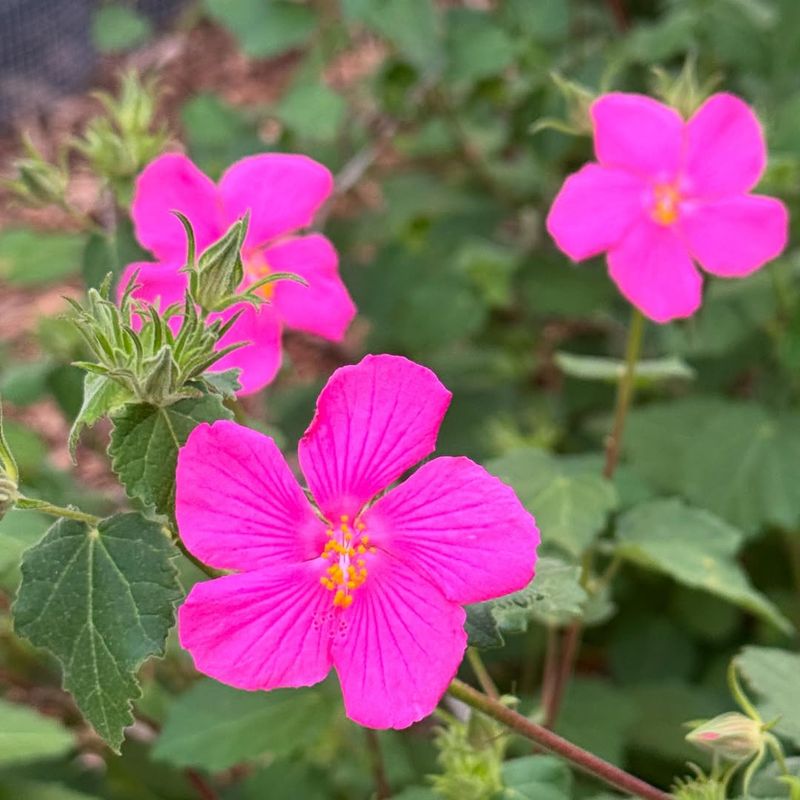
Papery flowers unfurl in shades of pink, white, or magenta each spring morning, creating a Mediterranean atmosphere in your Texas garden. Rockrose blooms heavily in early spring, covering itself in flowers that resemble wild roses or single peonies.
Each bloom lasts just one day, but the plant produces so many buds that you get continuous color for weeks without any deadheading or maintenance.
Drought tolerance makes Rockrose a superstar for water-conscious Texas gardeners who want beauty without guilt.
This evergreen shrub thrives in our alkaline soil and actually suffers from overwatering, making it perfect for those forgetful gardeners or anyone tired of babysitting thirsty plants.
The gray-green foliage looks attractive year-round, providing texture and color even when flowers take their seasonal break.
Rockrose stays compact at two to four feet tall and wide, fitting perfectly in foundation plantings, rock gardens, or xeriscapes throughout Texas. It handles our intense summer sun without wilting or burning, and it laughs at our unpredictable winter weather.
The aromatic foliage releases a pleasant resinous scent on hot days, adding another sensory dimension to your landscape.
Deer avoid Rockrose, which is excellent news for rural Texas gardeners fighting the constant browse battle. The plant needs excellent drainage, so it works beautifully in raised beds or on slopes where water runs off quickly.
Avoid heavy clay areas unless you amend with gravel or sand to improve drainage. Rockrose requires no fertilizer, no special pH adjustments, and no fussy care routines.
Plant it in full sun, water occasionally during establishment, then step back and watch it thrive. It brings that effortless European cottage garden look to Texas landscapes without the European cottage garden maintenance requirements.
7. Dwarf Bottlebrush
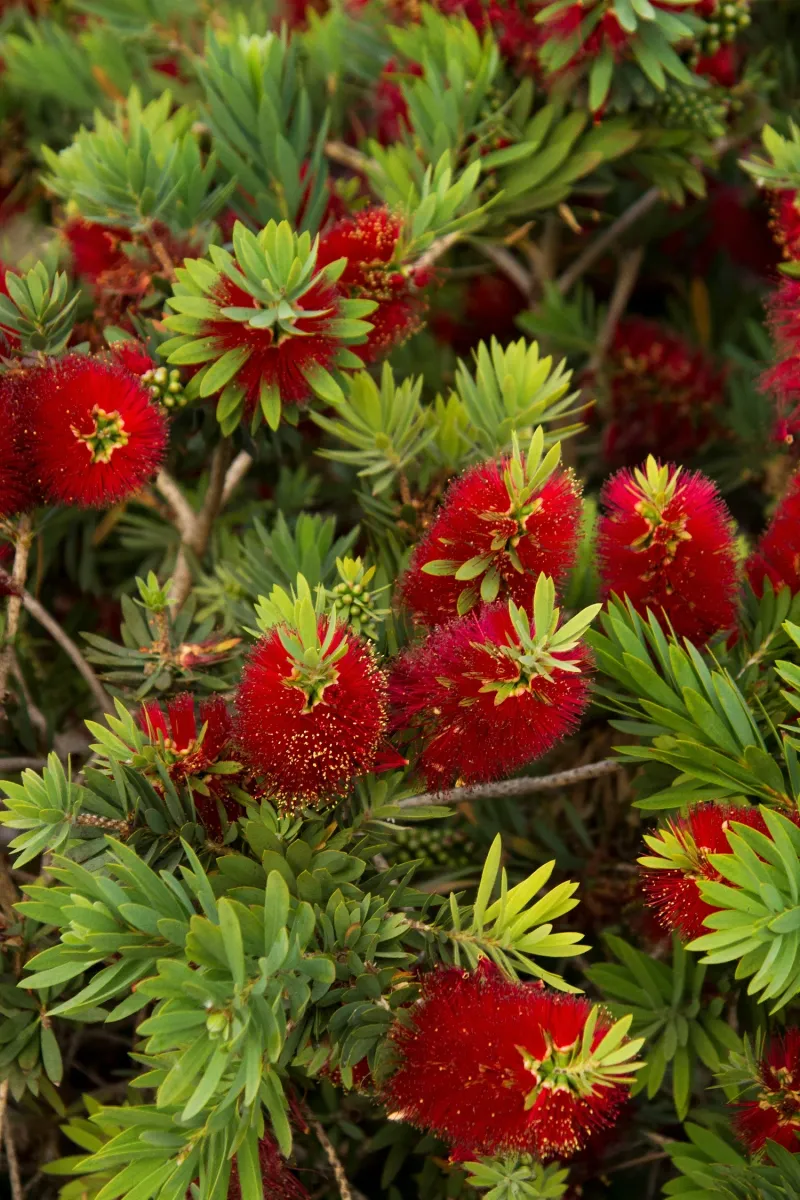
Red flower spikes burst forth like fireworks, creating drama that hydrangeas could never achieve in Texas conditions.
Dwarf Bottlebrush blooms heavily in spring with sporadic flowers appearing throughout summer and fall, giving you extended color from a single tough plant.
The unique cylindrical flowers look exactly like old-fashioned bottle brushes, adding whimsy and conversation-starting interest to your landscape design.
Hummingbirds go absolutely crazy for Bottlebrush flowers, making this shrub essential for wildlife gardens across Texas. The plant stays compact at three to five feet tall, unlike its larger cousins that can reach fifteen feet or more.
This manageable size works perfectly in foundation plantings, mixed borders, or container gardens on Texas patios where space is limited but impact matters.
Dwarf Bottlebrush handles our alkaline soil, scorching heat, and occasional drought with remarkable resilience. It prefers full sun and actually flowers more heavily with intense light, making it perfect for those brutal south-facing exposures where other plants struggle.
The narrow evergreen leaves provide fine texture year-round, creating beautiful contrast against broader-leafed companions in your beds.
Freezes can damage Dwarf Bottlebrush in North Texas, but it typically recovers from roots when spring warmth returns. Central and South Texas gardeners can count on it as a reliable evergreen that maintains structure through winter.
The plant tolerates pruning well, so you can shape it as needed or remove any freeze-damaged growth without harming future flowering. Bottlebrush resists most pests and diseases, requiring no spraying or special treatments.
Plant it where you can watch hummingbirds visit, like near windows or outdoor living spaces, and enjoy the show this Texas-tough beauty provides without any of the struggle hydrangeas demand.