The 10 Most Colorful Tropical Annuals For Florida Gardens To Plant By March
March opens the door to bold tropical annuals that love heat, humidity, and blazing sun. Plant now and watch beds, borders, and containers explode with nonstop color that lasts into fall.
Think glowing reds, electric pinks, sunny yellows, and lush foliage that refuses to fade in summer heat. The right flowers grow fast, bloom hard, and turn ordinary yards into eye catching showpieces.
Miss the March window and plants struggle against rising temperatures before roots gain strength. Get them in the ground now and enjoy bigger plants, heavier blooms, and months of vibrant beauty with less effort.
Florida friendly, heat tough, and beginner easy, these colorful annuals deliver serious impact without constant care. Ready to transform your garden into a tropical burst of color this season?
Start with these proven performers.
1. Pentas Bring Nonstop Starry Color In Florida Heat
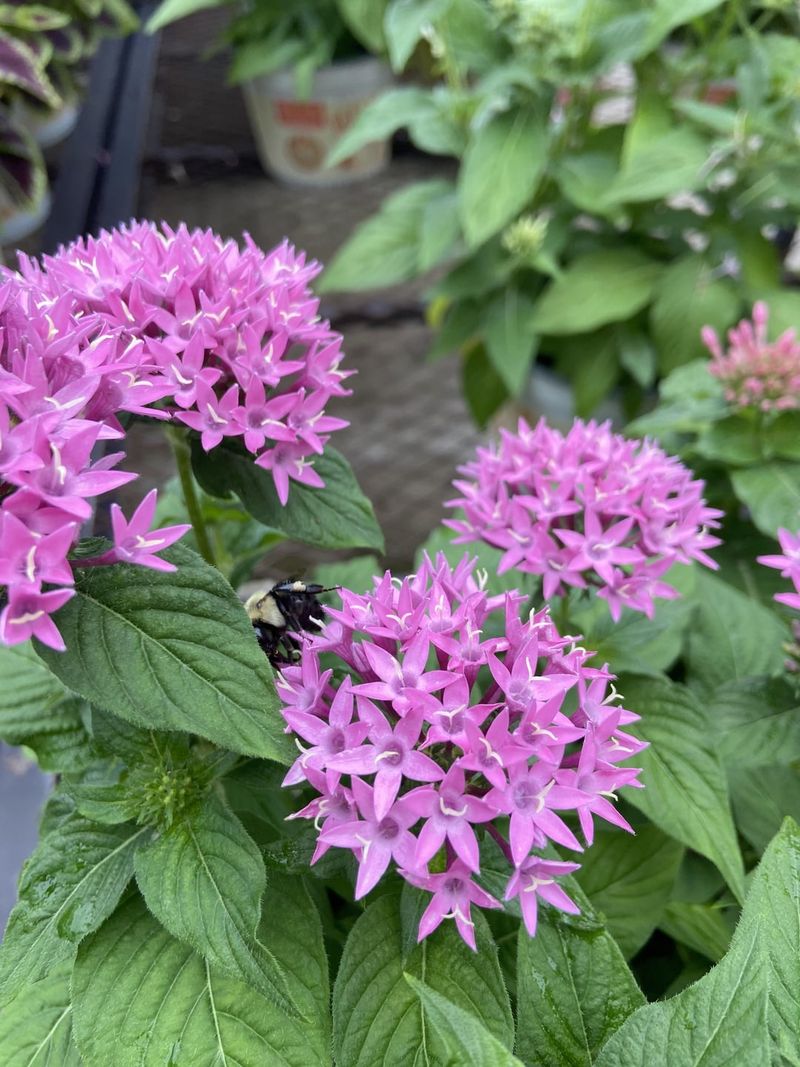
Butterflies and hummingbirds flock to pentas like kids to ice cream trucks on hot summer days. These cheerful plants produce clusters of star-shaped flowers in shades of pink, red, white, and lavender that bloom continuously from spring until the first cold snap.
Pentas handle Florida’s scorching temperatures and humidity without missing a beat, making them one of the most reliable annuals for Sunshine State gardens.
Plant pentas in full sun for the best flowering performance, though they can tolerate a few hours of afternoon shade. Space plants about twelve to eighteen inches apart in well-draining soil enriched with compost.
Water regularly during the first few weeks to help roots establish, then reduce watering once plants are growing vigorously.
Pentas grow between twelve and thirty-six inches tall depending on the variety you choose. Dwarf types work beautifully in containers and border edges, while taller varieties create stunning mid-border displays.
Pinch back young plants to encourage bushier growth and more flower clusters.
These plants rarely suffer from serious pest problems in Florida gardens. Deadheading spent blooms keeps plants looking tidy, though it is not necessary for continued flowering.
Feed pentas monthly with a balanced fertilizer to support their heavy blooming habit throughout the growing season.
2. Vinca Thrives In Heat With Bright Glossy Blooms
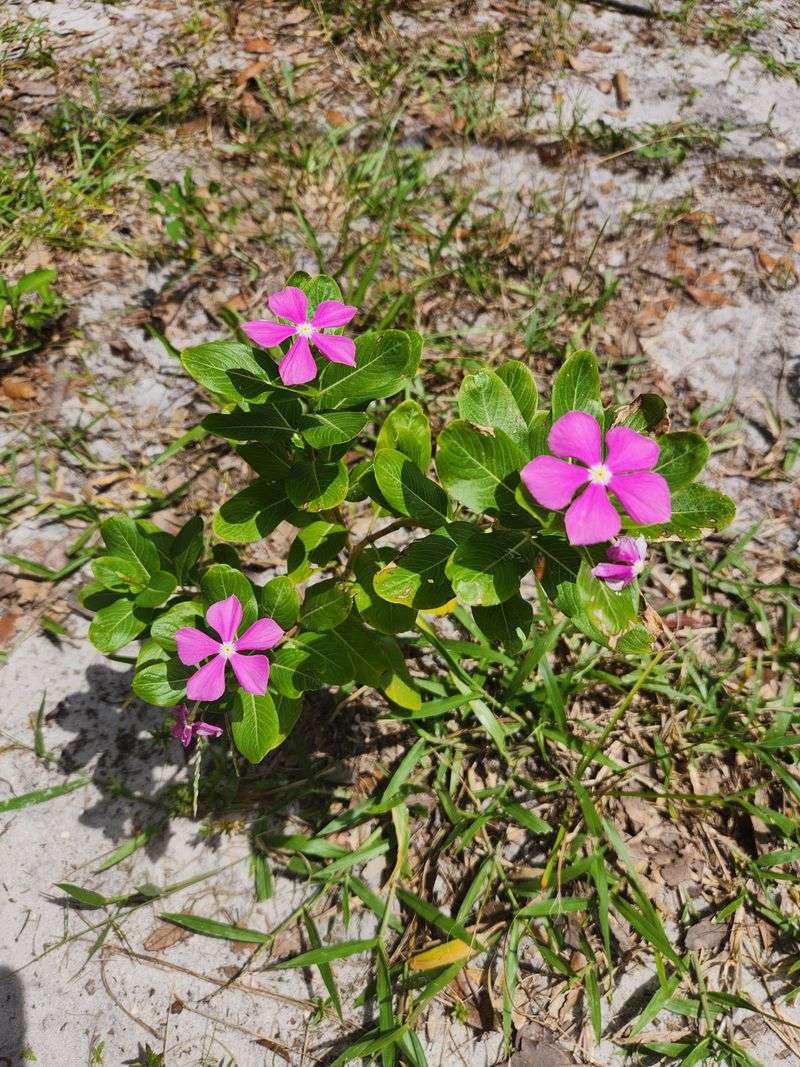
Few annuals can match vinca for sheer toughness in brutal Florida heat. Also called Madagascar periwinkle, this plant laughs at temperatures that would wilt lesser flowers.
Vinca produces cheerful blooms in shades of pink, white, red, and lavender, each flower featuring a contrasting eye that adds extra visual interest to your beds and containers.
The glossy, deep green foliage stays attractive even during the hottest months when other plants look tired and stressed. Vinca grows six to eighteen inches tall and spreads nicely to create a carpet of color.
Plant them in full sun for maximum flowering, spacing plants about eight to twelve inches apart in well-draining soil.
One secret to success with vinca in Florida involves avoiding overwatering. These plants actually prefer slightly dry conditions once established and can develop root problems if kept too wet.
Water deeply but infrequently, allowing soil to dry somewhat between waterings.
Your Florida Garden Changes Every Week. Your Plan Should Too.
Gardening in Florida changes quickly throughout the season. Every Friday you’ll receive a simple weekly plan showing exactly what to plant, prune, fertilize, harvest, and protect so you never miss the right timing.
Vinca flowers continuously without deadheading, making them wonderfully low-maintenance for busy gardeners. They work beautifully as groundcovers, in hanging baskets, or massed in beds for bold color impact.
Feed every four to six weeks with a balanced fertilizer to keep plants blooming vigorously from March through November in most Florida locations.
3. Celosia Ignites The Garden With Fiery Tropical Plumes
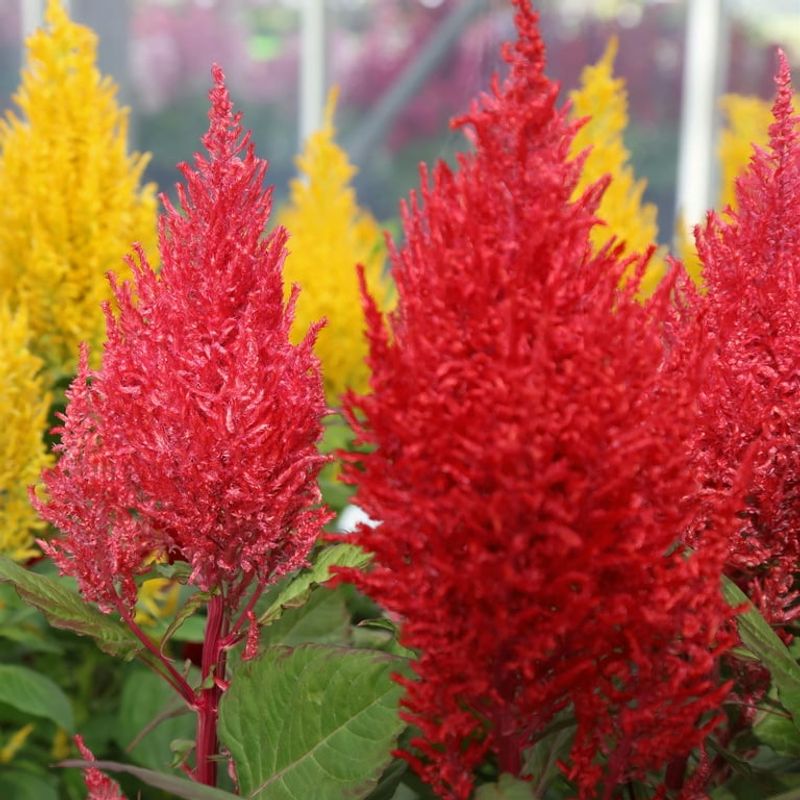
Nothing quite matches celosia for pure drama and tropical flair in Florida gardens. These spectacular plants produce feathery plumes or crested blooms in blazing shades of red, orange, yellow, pink, and magenta that seem to glow in bright sunlight.
Celosia comes in two main types: plumed varieties with soft, feathery flower heads and crested types with brain-like blooms that fascinate everyone who sees them.
Both forms thrive in Florida’s warmth and actually perform better as temperatures climb. Plant celosia in full sun where they will receive at least six hours of direct light daily.
Space plants twelve to eighteen inches apart in soil that drains well, as soggy conditions can cause problems.
Celosia grows anywhere from six inches to three feet tall depending on variety. Shorter types make excellent edging plants and container specimens, while taller varieties create stunning vertical accents in mixed borders.
The flowers hold their color for weeks and dry beautifully if you want to create long-lasting arrangements.
Water celosia regularly during establishment, then reduce frequency as plants mature. These annuals tolerate dry conditions better than constant moisture.
Feed monthly with a balanced fertilizer to encourage continuous bloom production. Celosia flowers attract butterflies and add incredible texture to Florida landscapes from spring through fall.
4. Crossandra Glows With True Tropical Orange Flowers
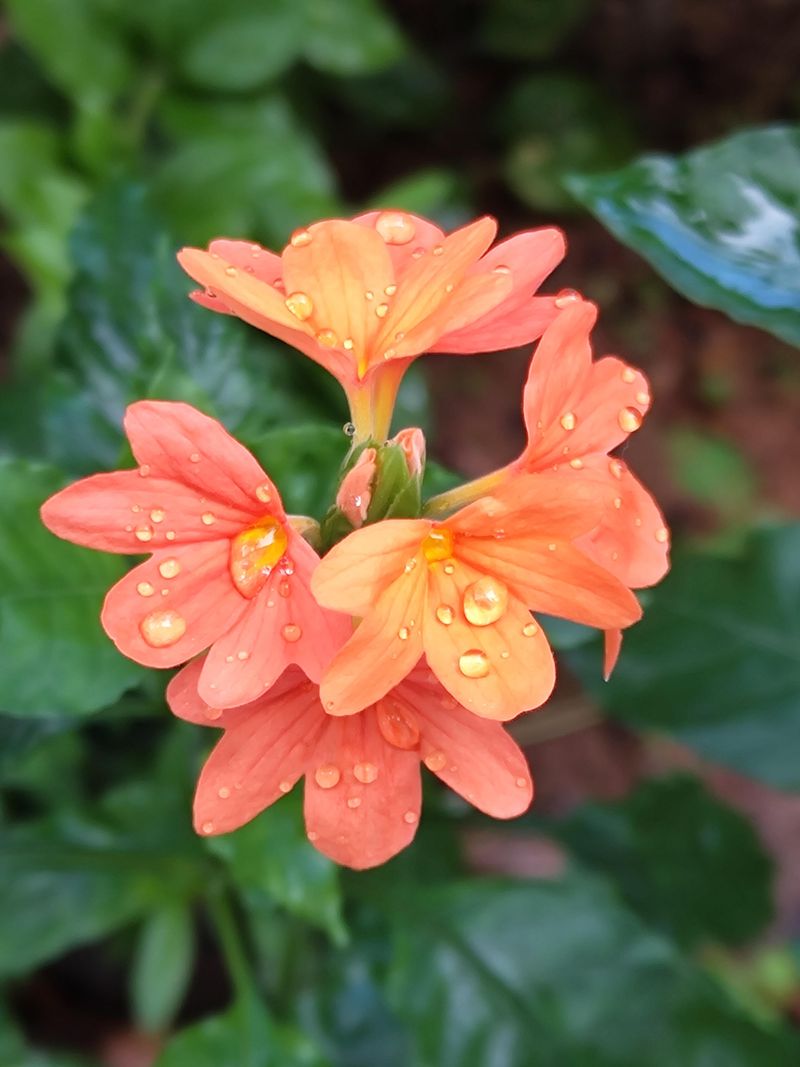
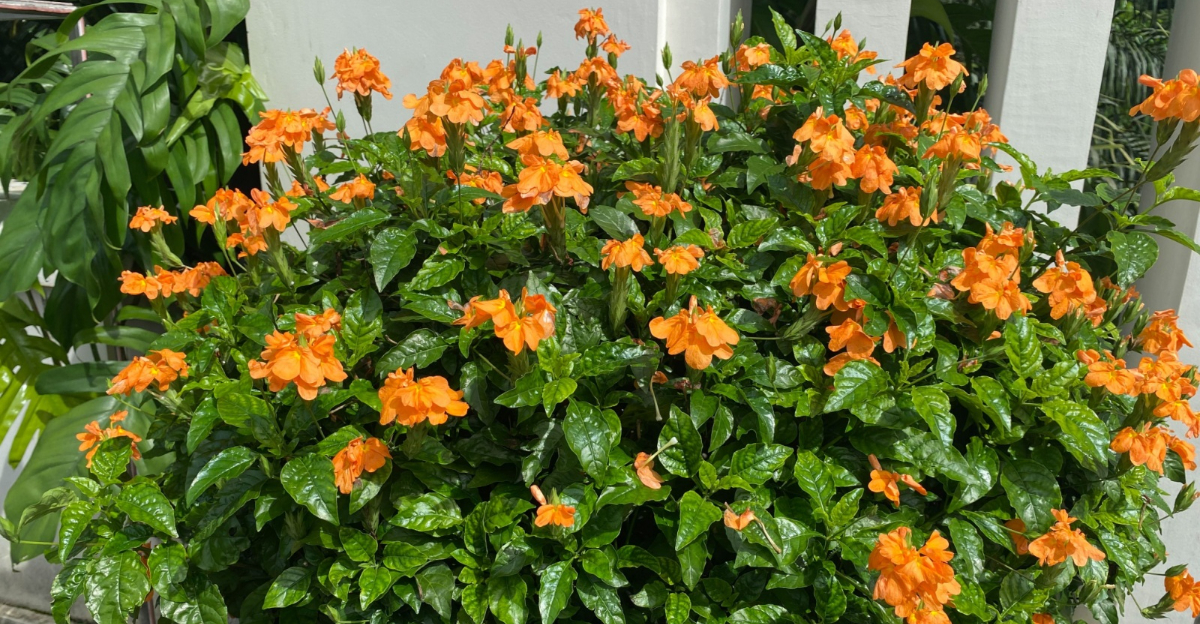
Crossandra brings authentic tropical beauty to Florida gardens with its brilliant orange blooms and lustrous foliage. Sometimes called firecracker flower, this underused annual deserves more attention for its ability to provide vibrant color in partially shaded spots where many other annuals struggle.
The tubular orange flowers emerge continuously from spring through fall, creating waves of warm color.
Unlike many sun-loving annuals, crossandra actually prefers some afternoon shade in Florida, especially in the southern parts of the state. Morning sun with protection from intense afternoon rays produces the healthiest plants and most prolific flowering.
Plant crossandra in rich, well-draining soil amended with plenty of organic matter.
Space plants about twelve to fifteen inches apart to allow for mature spread. Crossandra typically grows twelve to eighteen inches tall and wide, forming neat, compact mounds.
The dark green, glossy leaves provide beautiful contrast to the bright blooms and remain attractive throughout the growing season.
Keep soil consistently moist but never waterlogged, as crossandra appreciates regular watering in Florida’s climate. Mulch around plants to help retain moisture and keep roots cool.
Feed every three to four weeks with a balanced fertilizer to support continuous blooming. Crossandra works wonderfully in containers, shaded borders, and under trees where it brings cheerful color to areas that often lack bright blooms.
5. Coleus Paints The Garden With Bold Vibrant Foliage
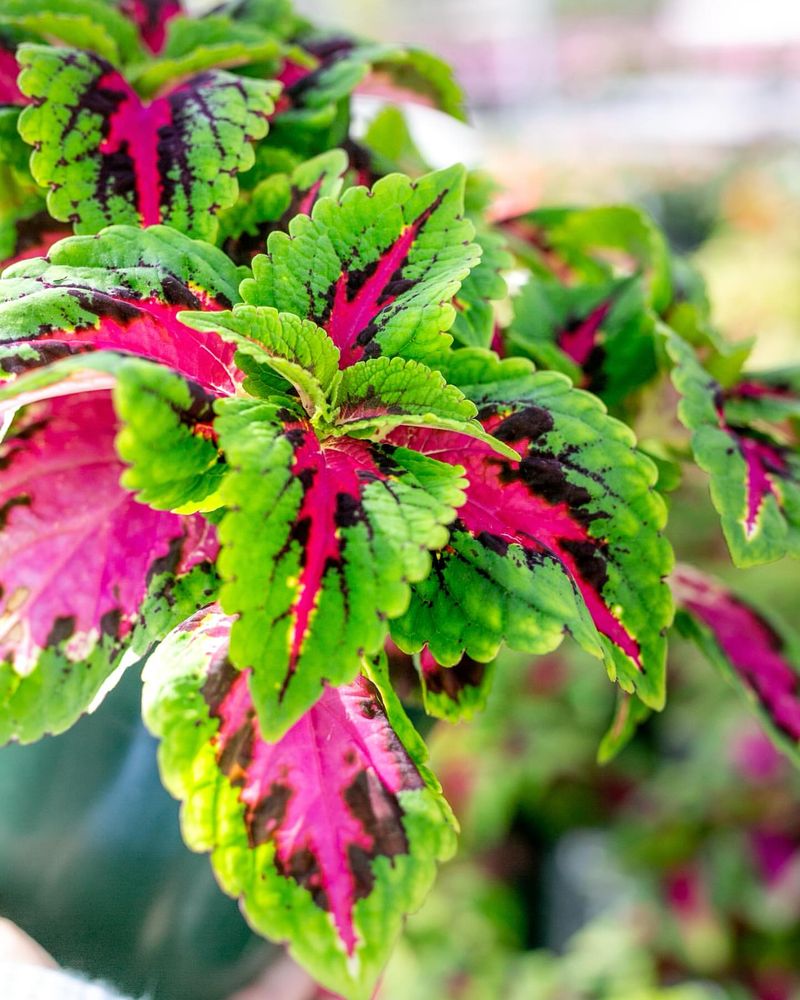
Coleus has experienced an incredible renaissance in recent years, with breeders introducing varieties in every color combination imaginable. While technically grown for foliage rather than flowers, coleus delivers more visual impact than most blooming annuals.
Leaves come in wild patterns mixing red, pink, yellow, orange, burgundy, lime green, and chocolate brown that create living artwork in Florida gardens.
Modern coleus varieties handle full sun beautifully, though many still prefer some afternoon shade, especially during peak summer months. The incredible diversity of available varieties means you can find coleus suited to nearly any light condition from full sun to deep shade.
Plant them in rich, moisture-retentive soil for best growth.
Coleus grows anywhere from six inches to three feet tall depending on variety and growing conditions. Compact types work perfectly in containers and as edging plants, while larger varieties create stunning focal points.
Pinch growing tips regularly to encourage bushy, full plants and remove flower spikes as they appear to keep energy focused on foliage production.
Water coleus regularly as these plants prefer consistently moist soil and can wilt quickly when dry. Fortunately, they bounce back rapidly once watered.
Feed every two to three weeks with a balanced fertilizer to maintain vibrant leaf colors. Coleus combines beautifully with flowering annuals and adds incredible texture and color to shaded areas throughout Florida.
6. Wax Begonias Deliver Reliable Color In Sun Or Shade
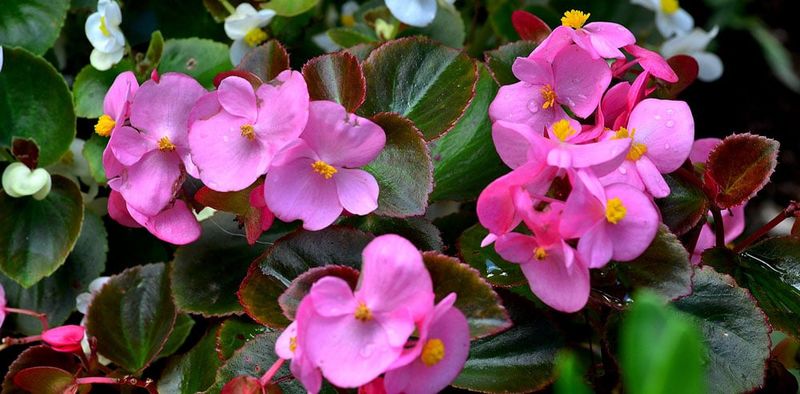
Gardeners love wax begonias for their incredible versatility and nonstop performance in Florida landscapes. These compact plants produce masses of small flowers in shades of pink, red, white, and coral that bloom continuously from spring through fall without any deadheading required.
The rounded, glossy leaves come in green or bronze tones that complement the cheerful blooms perfectly.
Wax begonias adapt to a wide range of light conditions, growing happily in full sun or partial shade throughout most of Florida. In the hottest southern regions, afternoon shade helps prevent leaf scorch during peak summer.
Plant begonias eight to ten inches apart in well-draining soil enriched with compost or other organic matter.
These tidy plants typically grow six to twelve inches tall and wide, forming neat mounds that work beautifully as edging, in mass plantings, or tucked into containers. Bronze-leafed varieties show especially good heat tolerance and create stunning color combinations when paired with plants featuring chartreuse or silver foliage.
Water wax begonias regularly to keep soil evenly moist but never soggy, as they dislike both drought and waterlogged conditions. Mulch around plants to help maintain consistent soil moisture.
Feed monthly with a balanced fertilizer to support continuous blooming throughout the long Florida growing season. Wax begonias rarely suffer from pest problems and provide months of carefree color in gardens across the state.
7. Zinnias Burst With Big Bright Summer Color
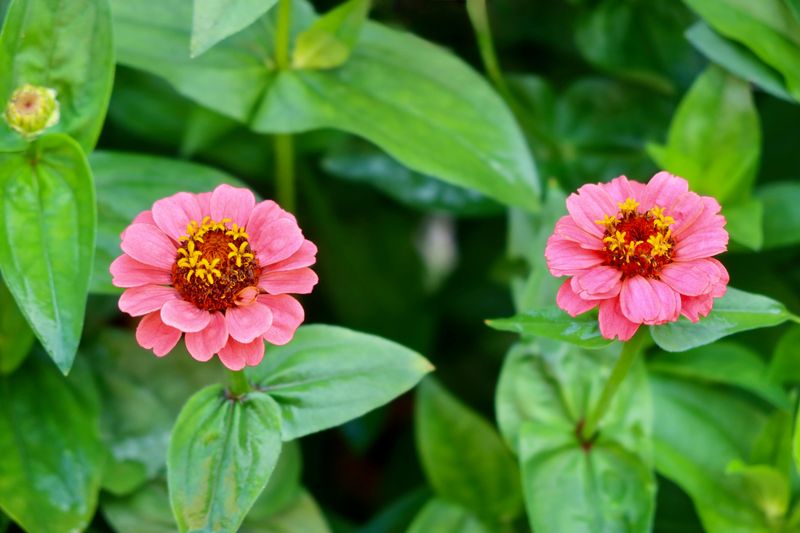
Zinnias rank among the easiest and most rewarding annuals for Florida gardeners seeking bold, cheerful color. These American natives produce flowers in nearly every color except blue, ranging from soft pastels to electric brights.
Blooms vary from small button types to dinner-plate-sized giants, with forms including single, double, and cactus-flowered varieties that add incredible diversity to plantings.
Plant zinnias in full sun where they receive at least six hours of direct light daily. Space plants according to mature size, typically six to eighteen inches apart depending on variety.
Zinnias prefer well-draining soil and actually tolerate somewhat lean conditions better than overly rich soil, which can promote excessive foliage at the expense of flowers.
Direct seeding works beautifully with zinnias in Florida, making them perfect for gardeners who want quick results without purchasing transplants. Sow seeds after the last frost date, and you will see blooms within six to eight weeks.
Taller varieties may need staking in windy locations.
Water zinnias at soil level rather than overhead to reduce disease problems, as wet foliage can encourage powdery mildew. Allow soil to dry slightly between waterings once plants are established.
Deadhead spent blooms regularly to encourage continuous flower production. Zinnias make outstanding cut flowers and attract butterflies throughout the growing season, providing beauty both in the garden and in vases indoors.
8. Marigolds Shine With Classic Golden Warmth
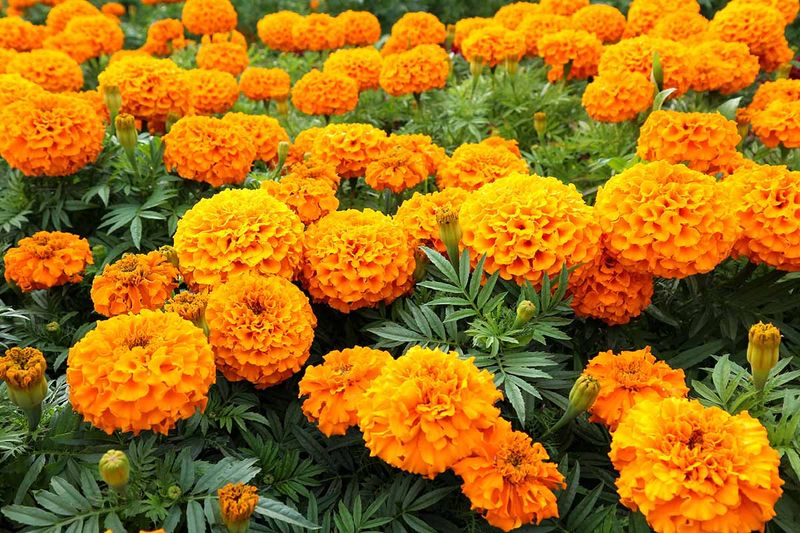
Marigolds bring sunny disposition and old-fashioned charm to Florida gardens with their cheerful blooms and distinctive scent. These reliable performers produce flowers in shades of yellow, orange, gold, and mahogany red that glow warmly in bright sunlight.
Both French and African types grow well in Florida, with French marigolds offering compact size and African types providing larger blooms on taller plants.
Full sun exposure produces the best flowering and most compact growth in marigolds. Plant them in well-draining soil, spacing French types six to eight inches apart and African varieties ten to twelve inches apart.
Marigolds tolerate poor soil better than many annuals but perform best in moderately fertile conditions.
These tough plants handle heat beautifully and rarely suffer from serious pest problems. Many gardeners plant marigolds throughout vegetable gardens, believing they help repel certain insects, though scientific evidence remains mixed.
Regardless, marigolds certainly add cheerful color to productive spaces.
Water marigolds regularly during establishment, then reduce frequency as plants mature and develop strong root systems. These annuals tolerate dry conditions better than constant moisture.
Deadhead spent blooms to keep plants looking tidy and encourage continued flowering, though marigolds will bloom without this extra attention. Feed monthly with a balanced fertilizer.
Marigolds work beautifully in borders, containers, and mass plantings, providing reliable color from spring through fall across Florida.
9. Impatiens Light Up Shady Spots With Soft Color
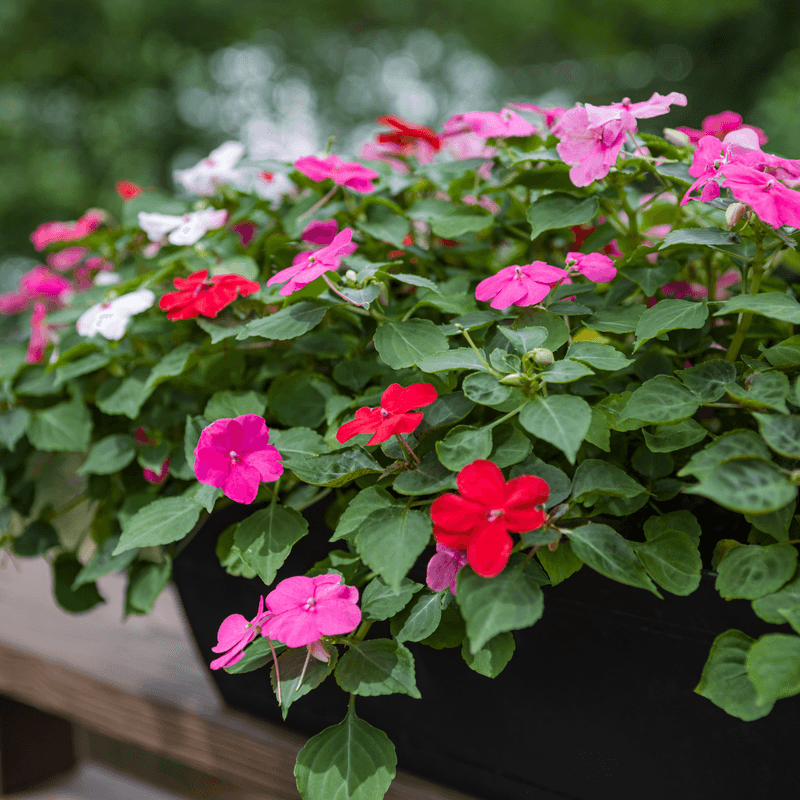
Shade gardeners treasure impatiens for their ability to bloom prolifically in low-light conditions where few other annuals perform well. These popular plants produce flowers in a rainbow of colors including pink, coral, red, orange, white, and lavender that brighten dark corners and shaded beds throughout Florida.
The flowers appear continuously from spring through fall without any deadheading needed.
Impatiens prefer partial to full shade in Florida, especially in the southern regions where intense sun can scorch foliage. Morning sun with afternoon shade works well in northern parts of the state.
Plant impatiens in rich, moisture-retentive soil amended with plenty of organic matter, spacing plants eight to twelve inches apart.
Standard impatiens grow six to eighteen inches tall and wide, forming mounds covered with blooms. New Guinea impatiens tolerate more sun and feature larger flowers and more colorful foliage, though they cost more than standard types.
Both kinds work beautifully in containers, hanging baskets, and shaded borders.
Keep soil consistently moist as impatiens wilt quickly when dry, though they recover rapidly once watered. Mulch around plants to help retain moisture and keep roots cool during warm weather.
Feed every two to three weeks with a balanced fertilizer to support heavy blooming. Impatiens occasionally suffer from fungal problems during very humid weather, so provide good air circulation and avoid overcrowding plants.
10. Salvia Adds Bright Spikes And Pollinator Energy
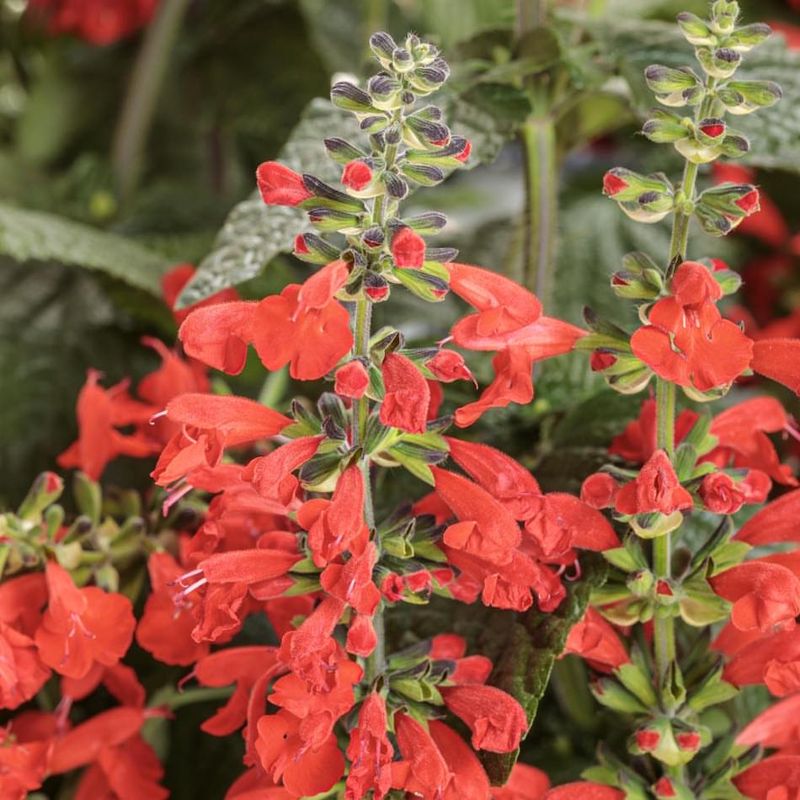
Salvia brings vertical interest and pollinator appeal to Florida gardens with its colorful flower spikes that rise above the foliage. Annual salvias produce blooms in brilliant shades of red, purple, blue, pink, and white that attract hummingbirds, butterflies, and bees throughout the growing season.
The tubular flowers arranged along upright stems create a completely different look from the rounded blooms of many other annuals.
Plant salvia in full sun to partial shade, though flowering is most prolific with at least six hours of direct sunlight daily. Space plants twelve to eighteen inches apart in well-draining soil.
Salvia tolerates a range of soil types but performs best in moderately fertile conditions that are not overly rich.
Different salvia species offer varying heights from compact eight-inch types to towering varieties reaching three feet or more. Shorter salvias work well in containers and border fronts, while taller types create stunning vertical accents in mixed plantings.
The flowers bloom in flushes, with light trimming after each flush encouraging new flower production.
Water salvia regularly during establishment, then reduce frequency as plants develop strong roots. These annuals tolerate dry conditions reasonably well once mature.
Avoid overwatering, as salvias prefer soil on the drier side. Feed monthly with a balanced fertilizer to support continuous blooming.
Salvia combines beautifully with other sun-loving annuals and adds movement and energy to Florida gardens from spring through fall.