Is Paying For Lawn Service Worth It This March And What Floridians Should Know Before Hiring
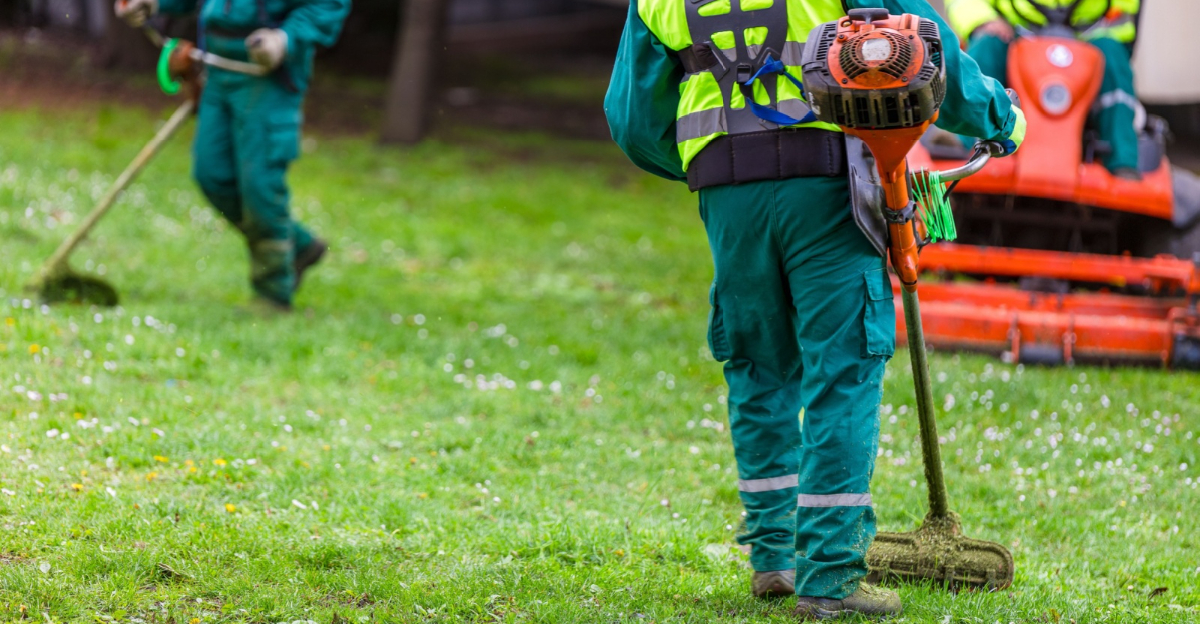
Your lawn can raise your home’s value or quietly drain your wallet this March. In Florida, warm spring weather makes grass grow fast and weeds show up almost overnight, right as lawn service prices begin to rise.
A clean, healthy yard saves time, boosts curb appeal, and protects the money put into your home. Still, not every lawn crew delivers real results.
The wrong choice can leave patchy grass, uneven cuts, and wasted cash, while the right team keeps your yard thick, green, and cared for. Clear pricing, reliable visits, and real knowledge of Florida lawns make all the difference.
When everything feels clear, choosing becomes easy and stress stays low. One smart choice this March can save money or quietly cost you the whole season.
1. Take Control Of Spring Lawn Growth Before It Takes Over
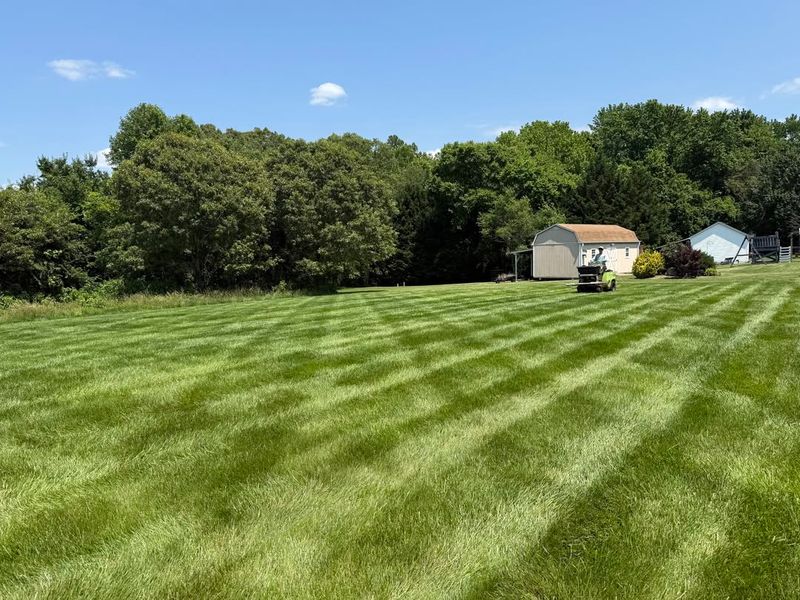
Spring growth in Florida happens fast. St. Augustine, Bahia, and Zoysia grasses begin active growth as temperatures climb into the 70s and 80s, though South Florida lawns often green up earlier while North Florida may not see full growth until late March or April.
Rain showers fuel this growth even more, meaning your lawn can go from neat to overgrown in less than a week.
Many homeowners underestimate how quickly their yards change in March. What looked fine last month may suddenly need weekly mowing, and in fast-growing or heavily irrigated lawns sometimes more often.
Weeds like dollarweed and crabgrass increase during this time, often competing with your grass for space and nutrients, with dollarweed especially linked to excess moisture or overwatering. Getting ahead of this growth means less stress later.
Professional services understand Florida’s spring lawn behavior. They know when to fertilize, how often to mow, and which weeds to target before they spread.
If you choose to DIY, plan to spend more time outdoors than you did in winter. Mowing frequency increases, edging becomes necessary, and keeping up with irrigation adjustments is essential.
March is an important early-season window that helps set the tone for the growing season, though Florida lawns require consistent care year-round. Lawns that receive proper care now tend to stay healthier and require less intervention during summer heat.
Whether you hire help or go solo, taking action early prevents bigger problems down the road.
2. Know What Lawn Care Really Costs
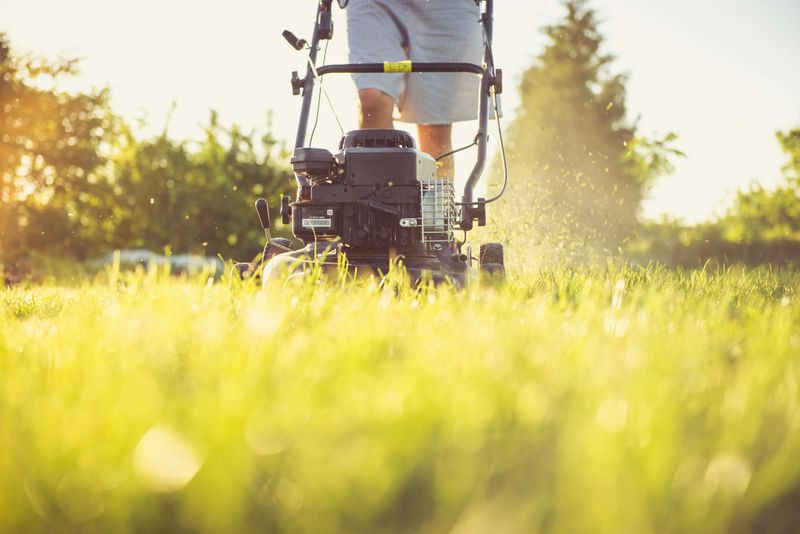
Lawn service pricing in Florida varies widely depending on your yard size, grass type, and service frequency. Basic mowing and edging for an average quarter-acre lot typically runs between 30 and 50 dollars per visit.
If you need weekly service throughout March and spring, expect to pay 120 to 200 dollars monthly just for cutting.
Adding fertilization, weed control, and pest treatments increases costs significantly. Full-service lawn care packages that include these treatments often range from 75 to 150 dollars per application, with most programs requiring four to six treatments annually.
Some companies bundle services, while others charge separately for each visit.
DIY costs are lower upfront but require equipment investment. A decent push mower costs 200 to 400 dollars, string trimmers run 50 to 150 dollars, and edgers add another 100 dollars.
Your Florida Garden Changes Every Week. Your Plan Should Too.
Gardening in Florida changes quickly throughout the season. Every Friday you’ll receive a simple weekly plan showing exactly what to plant, prune, fertilize, harvest, and protect so you never miss the right timing.
Fertilizer, weed destroyer, and gas add ongoing expenses. Over time, DIY can save money, but only if you already own equipment and have time to use it.
Professional services also carry licensing requirements in Florida. Anyone applying fertilizers or pesticides to your lawn must hold proper state certification.
Hiring unlicensed operators might save money initially, but improper application can damage your grass or violate local ordinances, leading to fines.
3. Choose Professional Help When It Pays Off
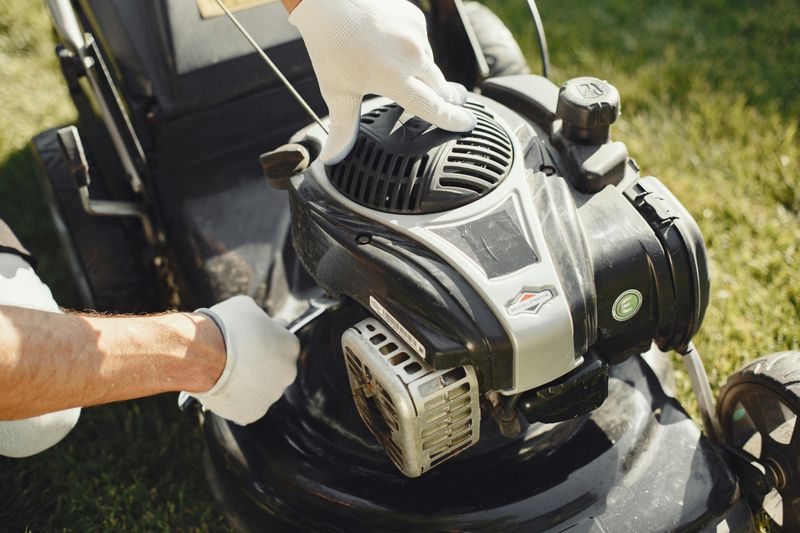
Hiring professionals makes financial sense in specific situations. Large properties over half an acre become time-consuming to maintain alone, especially during peak growth months like March.
If mowing your lawn takes more than two hours weekly, outsourcing frees up valuable personal time.
Complex lawn problems also justify professional intervention. Persistent weed infestations, disease outbreaks, or pest damage require specialized knowledge and commercial-grade products.
Licensed applicators can access certain professional-grade treatments and often resolve problems more efficiently when timing and diagnosis are correct. University of Florida IFAS Extension research shows proper timing and product selection significantly impact treatment success.
Physical limitations matter too. Pushing a mower in Florida heat becomes exhausting quickly.
Older homeowners, those with health concerns, or anyone recovering from injury benefit from hiring help. Safety and comfort outweigh cost savings when physical strain becomes a factor.
Professionals also bring consistency. They show up on schedule regardless of weather or your personal commitments.
This reliability keeps your lawn looking maintained even during busy periods. For homeowners who travel frequently or work long hours, consistent service prevents the yard from becoming an eyesore that bothers neighbors or violates HOA rules.
4. Handle It Yourself When The Lawn Is Simple
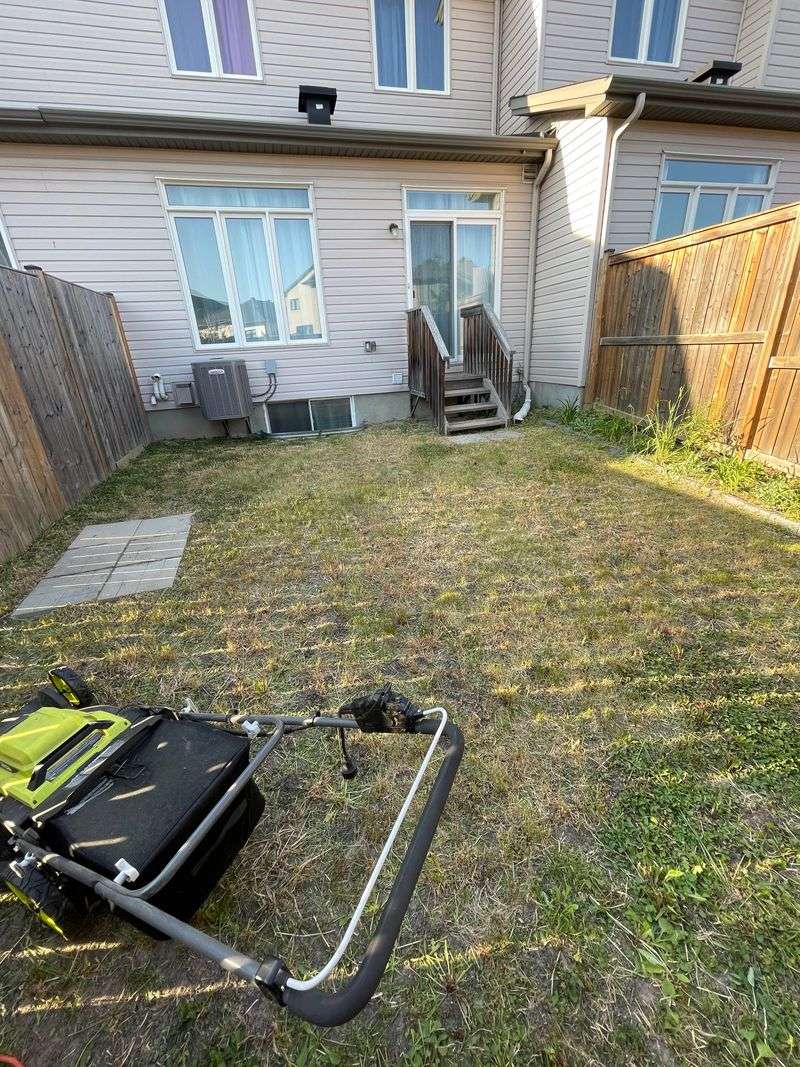
Small, straightforward yards make excellent DIY candidates. If your property is under a quarter acre with minimal landscaping obstacles, maintaining it yourself remains manageable.
Simple rectangular lawns without elaborate flower beds, trees, or irrigation systems require less time and technical skill.
Healthy lawns with few problems are easier to maintain independently. If your grass grows evenly without significant bare spots, disease, or weed pressure, basic mowing and occasional fertilizing might be all you need.
March is a good month to assess your lawn’s condition and decide if problems require professional expertise.
DIY works best when you enjoy outdoor work. Some homeowners find lawn care relaxing and take pride in maintaining their own property.
If you have weekends free and don’t mind physical activity, doing it yourself provides exercise and satisfaction. Equipment investment pays off over multiple seasons when you use it regularly.
Florida-Friendly Landscaping principles from IFAS Extension encourage simple, low-maintenance designs. Reducing lawn area, choosing appropriate grass types, and minimizing fertilizer needs make DIY care more sustainable.
If your property follows these guidelines, you’ll spend less time and money maintaining it regardless of whether you hire help or handle it alone.
5. Protect Yourself Before Signing Any Lawn Contract
Contracts protect both you and the service provider. Before signing anything, read every detail carefully.
Understand exactly what services are included, how often they occur, and what happens if you’re unsatisfied. Many companies offer monthly or seasonal contracts, while others require annual commitments.
Verify the company holds proper Florida licensing. Lawn care businesses applying fertilizers or pesticides must have certification from the Florida Department of Agriculture and Consumer Services.
Ask to see proof of insurance covering property damage and worker injury. Unlicensed or uninsured operators create liability risks if something goes wrong.
Pricing terms should be crystal clear. Know whether you’re paying per visit or a flat monthly rate.
Understand what triggers additional charges, like extra mowing during heavy growth periods or treating unexpected pest problems. Hidden fees cause frustration and budget problems later.
Cancellation policies matter significantly. Some contracts lock you in for full seasons with penalties for early termination.
Others allow cancellation with reasonable notice. March contracts often extend through summer, so ensure you’re comfortable with the commitment length.
Get everything in writing, including verbal promises about service quality or response times. Reputable companies provide clear, detailed agreements without pressure tactics.
6. Avoid These Common Hiring Mistakes
Choosing the cheapest option often backfires. Extremely low prices usually indicate corner-cutting, unlicensed workers, or inadequate equipment.
Quality lawn care requires proper products, trained staff, and reliable equipment. Companies charging significantly below market rates may skip important steps or disappear mid-season.
Failing to check references causes problems. Ask potential companies for customer references and actually call them.
Online reviews provide insight, but direct conversations reveal more about reliability and service quality. Established companies with positive local reputations are safer bets than unknown startups.
Ignoring communication red flags leads to frustration. Companies that don’t return calls promptly, provide vague answers, or pressure you to sign immediately may deliver poor service.
Professional businesses communicate clearly, answer questions thoroughly, and give you time to decide.
Skipping written agreements creates disputes. Even with trusted companies, verbal agreements lead to misunderstandings about services, pricing, or schedules.
Always insist on written contracts detailing exactly what you’re paying for. This protects both parties and provides recourse if problems arise.
Overlooking Florida-specific expertise matters. Lawn care practices that work elsewhere may not suit Florida’s climate, grass types, or regulations.
Hire companies familiar with local conditions, UF IFAS recommendations, and state fertilizer ordinances. Local knowledge prevents costly mistakes and environmental violations.
7. Hire Smart In March For Maximum Value
March offers unique hiring advantages. Many lawn services offer spring promotions or discounted startup rates to build their seasonal customer base.
Booking early often locks in better pricing than waiting until peak summer demand when companies raise rates and have less availability.
Scheduling flexibility improves when you hire in March. Companies have more open time slots before their busiest period begins.
You can often negotiate preferred service days or request specific technicians. As spring progresses into summer, scheduling becomes rigid and accommodating special requests gets harder.
Starting service in March allows proper lawn preparation. Professional companies can apply pre-emergent weed control, adjust fertilization schedules, and address problems before they worsen in summer heat.
This proactive approach costs less than correcting major issues later. Early intervention sets your lawn up for success throughout the growing season.
Evaluating service quality is easier when you start early. If you’re unhappy with a company’s work in March, you have time to switch providers before summer.
Discovering problems in July or August leaves fewer options and may mean tolerating poor service until the season ends. March gives you a testing period to ensure you’ve chosen the right company.
8. Understand Florida-Specific Lawn Requirements
Florida lawns face unique challenges that influence hiring decisions. High humidity, intense summer heat, and frequent rain create conditions unlike other states.
St. Augustine grass, the most popular Florida turf, requires specific care different from northern grass types. Understanding these regional needs helps you evaluate whether professional expertise justifies the cost.
Water management becomes critical in Florida. Many counties enforce irrigation restrictions, especially during dry seasons.
Professionals understand local watering regulations and can adjust schedules accordingly. Overwatering wastes money and promotes fungal diseases, while underwatering stresses grass during hot periods.
Proper irrigation timing matters more than frequency.
Fertilizer ordinances vary by county and municipality. Many Florida counties and municipalities restrict fertilizer application during the summer rainy season (typically June through September) to prevent nutrient runoff into waterways, though rules vary by location.
The Florida-Friendly Landscaping program promotes sustainable practices that reduce environmental impact. Licensed professionals stay current on these regulations, while DIY homeowners must research local rules to avoid violations and fines.
Pest pressure differs across Florida regions. Chinch bugs, sod webworms, and mole crickets cause significant damage if left untreated.
Identifying these pests correctly and applying appropriate controls requires knowledge many homeowners lack. Professional services monitor for problems and treat them before widespread damage occurs, potentially saving you money on lawn replacement costs.