7 Signs Your Plant Is Beyond Saving After February Cold Damage In Florida
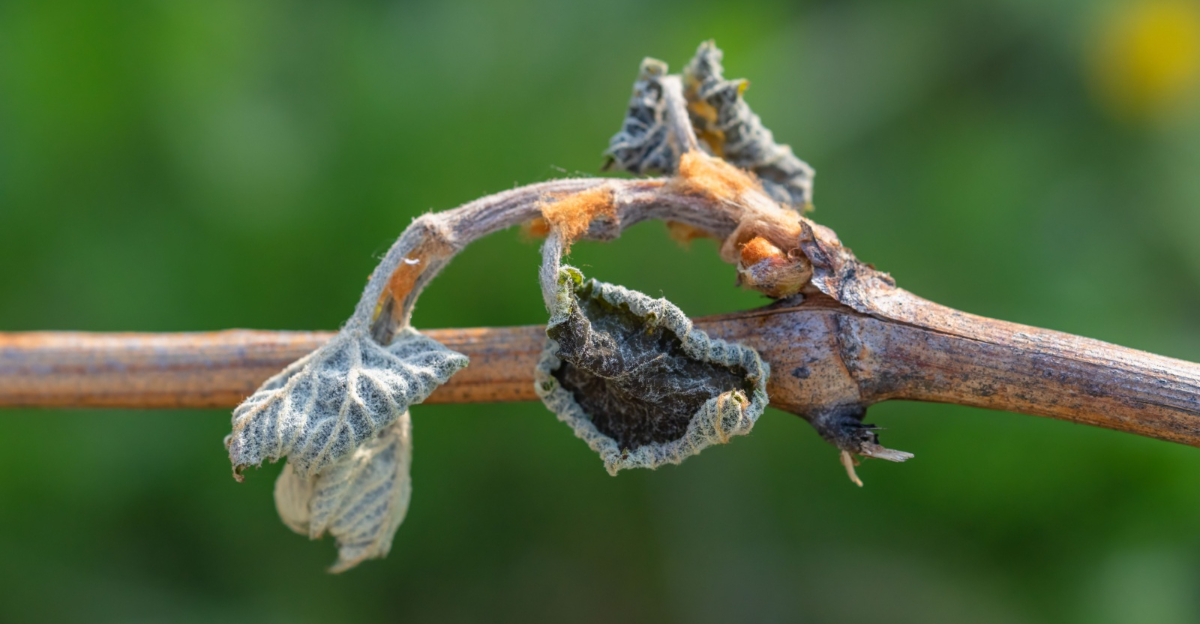
A rare February frost swept across Florida and left many gardens looking shocked by morning. You walked outside, saw drooping leaves, blackened tips, and plants that once thrived now struggling to stand.
At first, hope pushed you to water, trim, and wait, trusting warmth would bring them back. Days passed, yet some never showed new growth.
Cold damage in Florida hits fast and deep, bursting cells, weakening stems, and allowing rot to take hold where life once flowed. Many local gardeners face the same tough moment each year after an unexpected freeze.
The key lies in knowing when care helps and when a plant has reached the point of no return. Clear warning signs reveal which ones still fight and which ones need removal to protect the rest of your yard.
Spot the truth early, save time and money, and give your surviving plants the best chance to recover and thrive again.
1. Stems And Branches Stay Brown, Dry, And Brittle
Healthy stems and branches have a certain flexibility and moisture content that keeps them supple. After a hard freeze, damaged tissue loses this quality completely.
When you gently bend a stem between your fingers, living wood will flex slightly before it snaps, but tissue that has sustained severe cold injury breaks with a sharp crack, like a dry twig.
The scratch test reveals what’s happening beneath the surface. Use your thumbnail or a clean knife to scrape away a small section of bark on a questionable branch.
Living tissue shows green or cream-colored cambium underneath, which is the active growing layer that transports water and nutrients. Brown, tan, or gray cambium usually indicates the vascular tissue is no longer functioning and is unlikely to regenerate.
Several weeks after temperatures warm up, damaged stems remain unchanged while healthy portions begin showing signs of recovery. In Florida, many plants begin showing new growth within several weeks, though woody plants and some tropical species may take longer.
Branches that stay uniformly brown, dry, and brittle throughout this recovery window have lost all function.
Start checking from the branch tips and work your way down toward the main trunk. Sometimes only the outer portions suffer severe damage while lower sections remain alive.
Mark the transition point between brown and potentially living wood, then wait another few weeks before making final removal decisions. Plants with brittle branches throughout most of their structure often struggle to recover, though some may still resprout from lower stems or roots.
2. No New Growth After Temperatures Warm
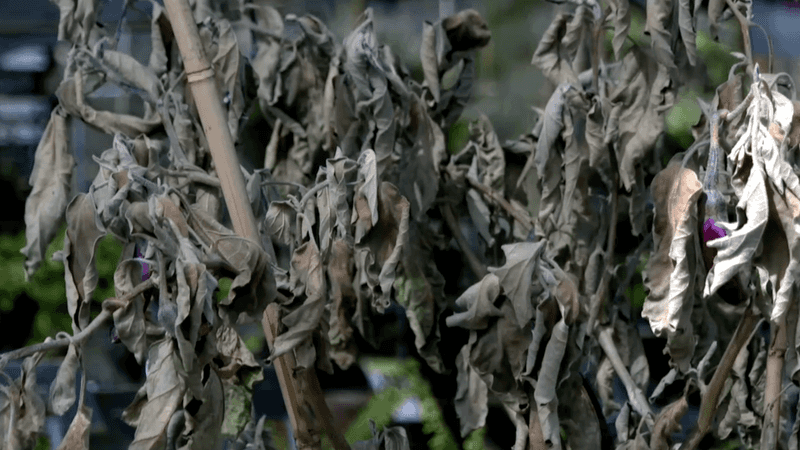
Plants have remarkable survival instincts built into their biology. When temperatures climb back into comfortable ranges after a cold event, living plants quickly redirect energy toward producing fresh growth.
This response happens remarkably fast in Florida’s climate, where warm conditions return within days or weeks of a February freeze.
Buds are your first indication of recovery potential. Look carefully along stems and at branch junctions for small swellings or green bumps that signal new growth preparing to emerge.
Even severely damaged plants will push out adventitious buds from unexpected locations if they have any life left. These emergency growth points often appear lower on stems or even from the base near soil level.
Your Florida Garden Changes Every Week. Your Plan Should Too.
Gardening in Florida changes quickly throughout the season. Every Friday you’ll receive a simple weekly plan showing exactly what to plant, prune, fertilize, harvest, and protect so you never miss the right timing.
University of Florida IFAS Extension recommends waiting at least four to six weeks after the last freeze before making final assessments. This patience allows plants adequate time to mobilize stored energy reserves and begin regeneration.
Some species take longer than others, with woody shrubs and trees requiring more recovery time than herbaceous perennials.
Complete absence of any budding, sprouting, or green tissue emergence after two months strongly suggests the plant may have very limited viable tissue, especially if similar nearby plants are already regrowing. Meanwhile, neighboring plants of the same species will typically show obvious signs of recovery during this same timeframe.
This comparison provides valuable context for your decision-making. Plants that remain completely dormant while everything around them leafs out may have sustained damage that is difficult to recover from.
3. Bark Splits, Peels, Or Shows Sunken Damage
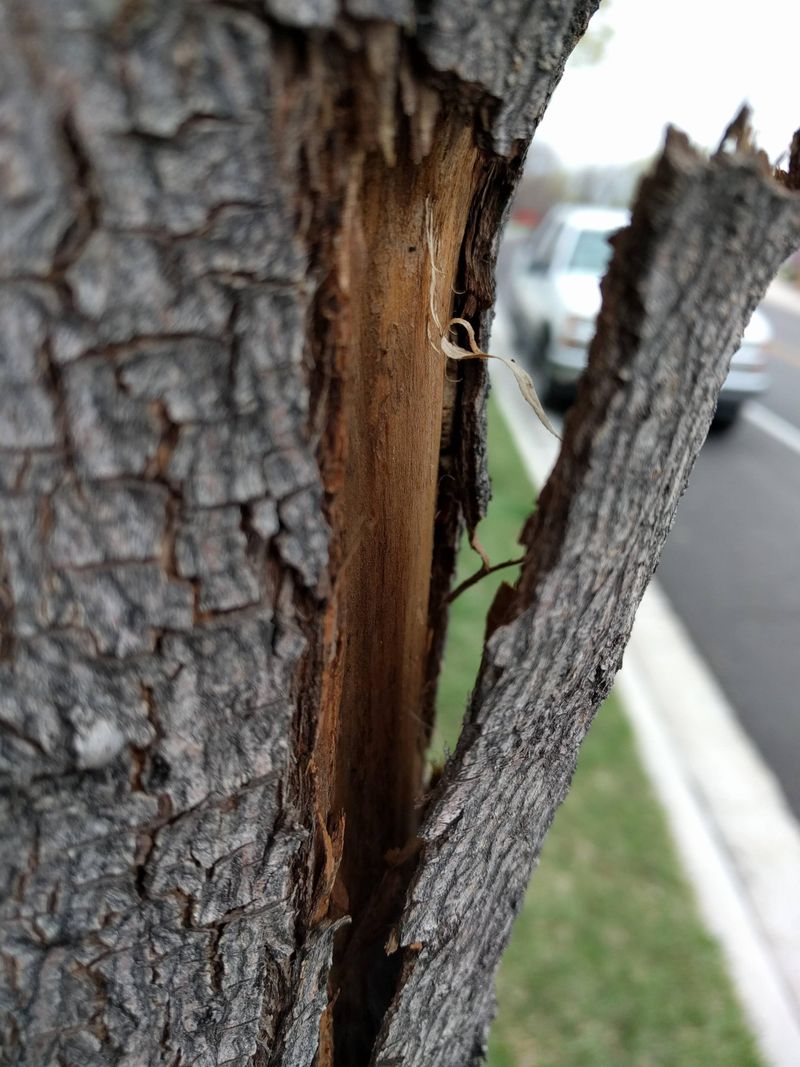
Bark serves as protective armor for the vital cambium layer underneath. When water inside plant cells freezes and expands, it ruptures cell walls and causes tissue to split apart.
You’ll notice vertical cracks running up and down trunks or branches, sometimes with bark pulling away from the wood in large sheets. This type of injury exposes the inner layers to disease, pests, and desiccation.
Sunken or depressed areas on trunks indicate the cambium and sapwood have collapsed beneath the bark surface. Press gently on these spots and you’ll feel how the tissue has lost its firm structure.
These sunken sections can’t transport water and nutrients anymore because the vascular system has been destroyed. Even if portions of the plant survive, these damaged zones create permanent weak points.
Peeling bark that reveals brown or black tissue underneath signals extensive freeze damage. Healthy bark stays firmly attached to living wood, and when you peel it away, you should see moist, light-colored cambium.
Dark, dry, or slimy tissue means cellular breakdown has occurred. Florida’s humidity can cause secondary fungal infections to develop in these wounded areas, further compromising plant health.
Trees and shrubs with bark damage around more than half the trunk circumference often struggle to recover. This girdling effect cuts off the flow of water and nutrients between roots and canopy.
Plants may persist for several months using stored reserves, but they often weaken over time without the ability to sustain normal functions. Extensive bark splitting across multiple major branches indicates system-wide damage that is often difficult for the plant to overcome.
4. Leaves Turn Black, Mushy, Or Fully Dry
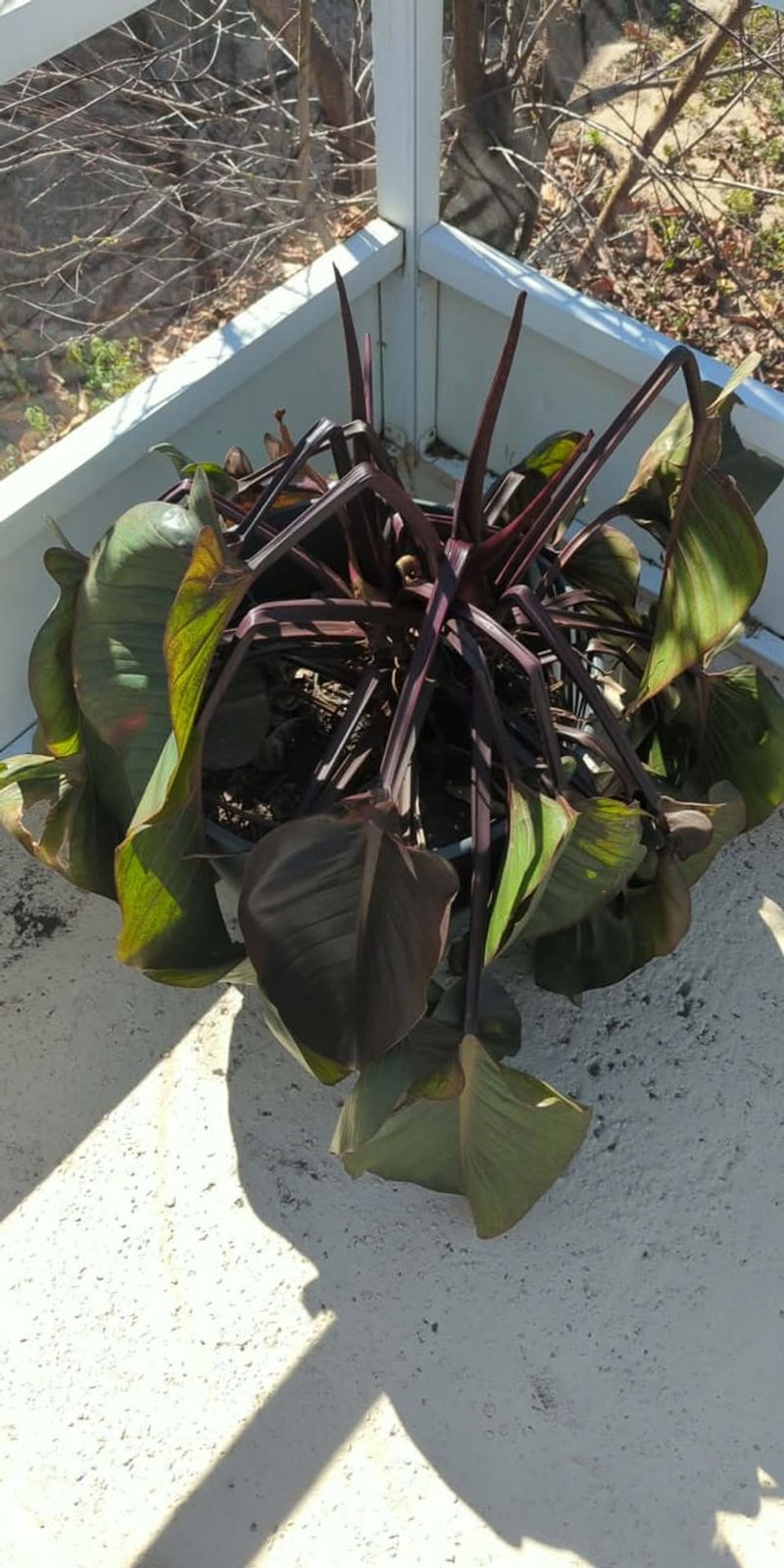
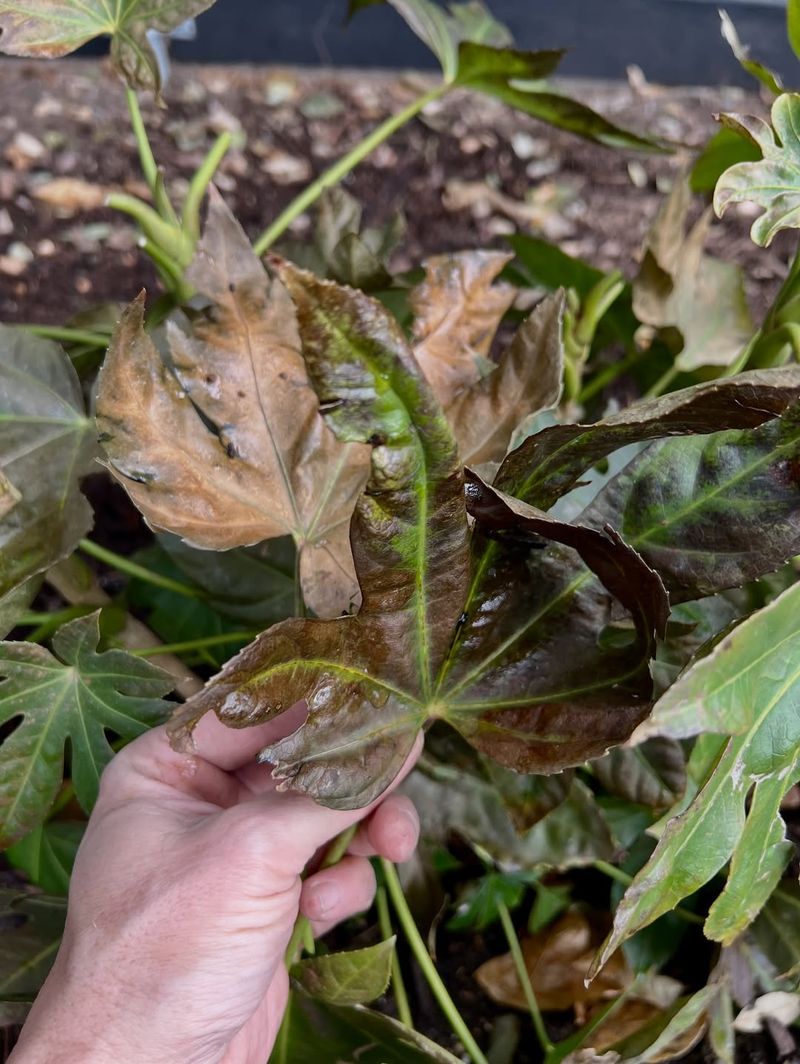
Leaf tissue responds to freezing temperatures faster than woody stems because it contains more water and has thinner cell walls. The morning after a hard freeze, you’ll often see dramatic changes in foliage appearance.
Leaves that were vibrant and healthy the previous day suddenly look dark, water-soaked, or completely desiccated. This rapid transformation reveals how severely cold temperatures disrupted cellular function.
Black, mushy leaves indicate cell walls have ruptured and released their contents, creating a soggy, collapsed texture. Touch these leaves and they’ll feel limp and wet, quite different from their normal firm structure.
This mushiness results from ice crystal formation inside cells, which punctures membranes and causes everything to leak out. Once this breakdown occurs, those specific leaves can’t recover their function.
Completely dried, crispy leaves show a different pattern of freeze injury. Rather than cellular rupture, these leaves experienced such severe dehydration during the freeze that all moisture evaporated from the tissue.
They’ll crumble when you touch them, turning to dust between your fingers. This level of desiccation means the leaf tissue is no longer functioning.
The critical question isn’t whether damaged leaves will recover, because they won’t. Instead, focus on whether the plant can generate new foliage from buds and stems.
Some Florida plants naturally drop freeze-damaged leaves and push out fresh growth within weeks. However, plants showing extensive leaf damage combined with other warning signs rarely possess enough energy reserves to produce replacement foliage.
When every leaf is severely damaged and no buds appear after several weeks of warm weather, the plant may have limited ability to regrow.
5. Roots Show Rot Or No Signs Of Life
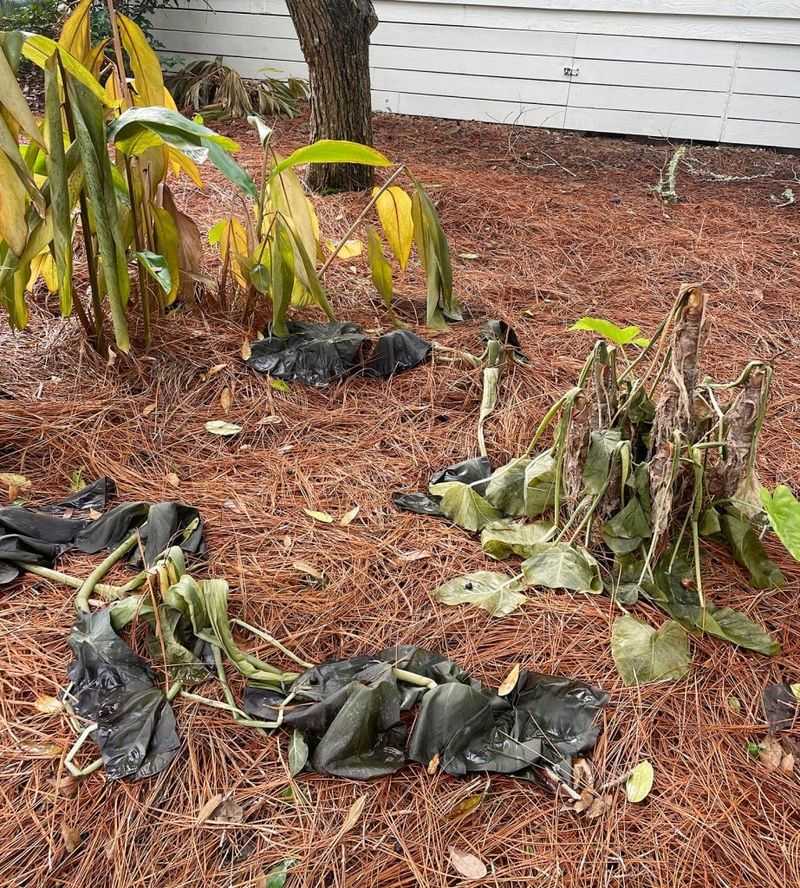
Root systems often sustain hidden damage during cold events, especially when freezing temperatures persist for extended periods or when plants grow in containers above ground. Roots need to absorb water and nutrients to support any recovery efforts, but damaged root systems can’t perform these essential functions.
Checking root health requires some careful investigation without causing additional harm to struggling plants.
Gently excavate soil from around the base of the plant, exposing some of the main roots near the surface. Healthy roots appear firm and show white or light tan colors when you scratch the surface.
Living roots have a fresh, earthy smell. Damaged roots feel soft and mushy, show brown or black discoloration, and often emit a sour or unpleasant odor indicating rot has set in.
Florida’s warm, moist soil conditions can accelerate root decay after freeze damage. Opportunistic fungi and bacteria quickly colonize weakened tissue, turning minor cold injury into complete root system failure.
Once rot spreads throughout the root zone, plants often lose their ability to support recovery. Even if some top growth remains alive temporarily, roots can’t support long-term recovery.
Container plants face higher risk of root damage because pots provide less insulation than ground soil. The entire root ball can freeze solid, rupturing cells throughout the system.
Several weeks after a freeze, check potted plants by gently removing them from containers. Roots should show signs of new white growth tips if the plant has recovery potential.
Roots that remain brown, black, or mushy with no new white growth usually indicate the plant has very limited ability to regenerate.
6. Plant Loses Strength And Structural Stability
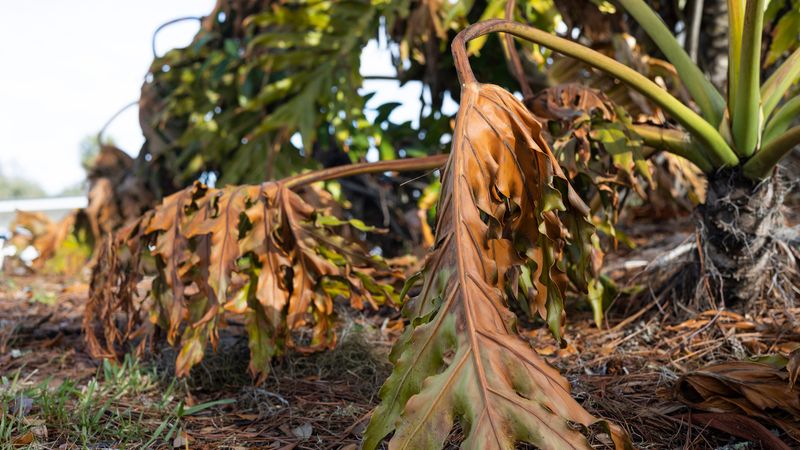
Structural collapse happens when cold damage compromises the plant’s internal support system. Water-conducting vessels and strengthening fibers break down, causing stems to weaken and lose their ability to hold the plant upright.
You’ll notice branches that previously stood firm now droop or lean at odd angles. The entire plant might tilt to one side or show sections that have partially collapsed under their own weight.
This loss of structural integrity reflects extensive vascular damage throughout the plant. The xylem and phloem tissues that transport water, nutrients, and sugars have been destroyed by freezing.
Without functioning transport systems, plants can’t maintain the turgor pressure that keeps cells rigid and stems upright. What you’re seeing is essentially the plant’s skeleton failing.
Gently try to straighten a drooping branch or stem. Healthy tissue will resist your pressure and spring back when released, but severely damaged growth offers no resistance and stays in whatever position you place it.
This flaccid response indicates the supporting structures inside have completely broken down. Some plants naturally droop during recovery as they shed damaged foliage, but they maintain basic structural strength in their stems.
Trees and large shrubs that develop pronounced leans or show major branches hanging downward face extremely poor recovery prospects. The weight of even reduced foliage becomes too much for compromised vascular tissue to support.
Florida’s afternoon thunderstorms and summer winds will likely topple structurally weakened plants even if they show minor signs of attempted regrowth. Plants that cannot support their own weight may have extensive internal damage, often struggle to recover fully, and can pose safety risks if they collapse unexpectedly.
7. No Recovery Even After Proper Post-Freeze Care
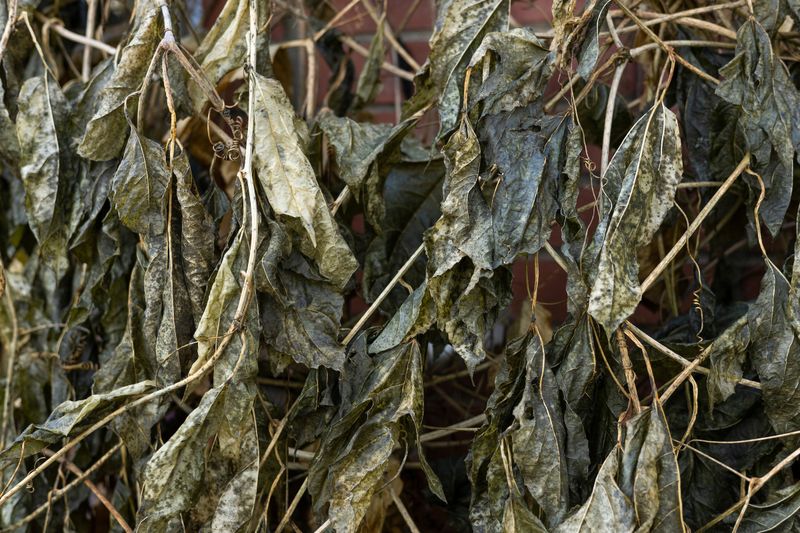
Sometimes you do everything right after a freeze event but the plant still shows no improvement. You’ve followed University of Florida IFAS Extension guidelines by avoiding premature pruning, providing adequate water without overwatering, and protecting the plant from additional stress.
You’ve waited the recommended timeframe for recovery. Yet the plant remains unchanged or continues declining despite your best efforts.
Proper post-freeze care includes holding off on fertilization until plants show active new growth, since damaged roots can’t process nutrients effectively. You’ve resisted the urge to heavily prune right away, understanding that waiting allows you to see exactly which portions remain viable.
You’ve maintained consistent moisture without creating soggy conditions that promote root rot. You’ve even added mulch to insulate the root zone and moderate soil temperatures.
Neighboring plants that sustained similar damage levels have begun showing recovery signs like new buds, fresh shoots, or improved leaf color. Your struggling plant, however, displays none of these positive indicators.
This comparison provides important context because it shows that growing conditions support recovery, but your specific plant lacks the internal resources to respond.
After eight to ten weeks of warm growing conditions and appropriate care with no improvement, the plant is showing prolonged stress with little sign of recovery. Plants possess remarkable regenerative abilities when viable tissue remains, and Florida’s favorable growing conditions typically support recovery efforts.
When a plant fails to respond to ideal care during prime growing season, it indicates damage that may be too extensive for full recovery.
At this point, removal and replacement becomes the practical choice rather than continuing to invest resources in a plant that may not improve despite continued care.