9 Native Florida Shrubs That Thrive In Front Yards When Planted In February
February changes everything for your yard. While most landscapes still look dull and lifeless, the smartest homeowners plant now and watch their front yards explode with color, texture, and life just weeks later.
Florida native shrubs hold the secret. Built for heat, humidity, sandy soil, and sudden downpours, these plants demand little yet give nonstop beauty, wildlife activity, and curb appeal that turns heads.
No fragile imports, no constant struggle, no wasted effort. Just strong, resilient growth that fits Florida perfectly.
The right shrubs create structure, frame your home, attract butterflies and birds, and keep your yard vibrant through every season. Plant in February, and roots establish fast before intense heat arrives, setting the stage for lush growth and bold color.
Your landscape transforms from ordinary to unforgettable, starting with these powerful native shrubs ready to thrive right in your front yard.
1. Firebush: Bright Color That Loves Florida Heat
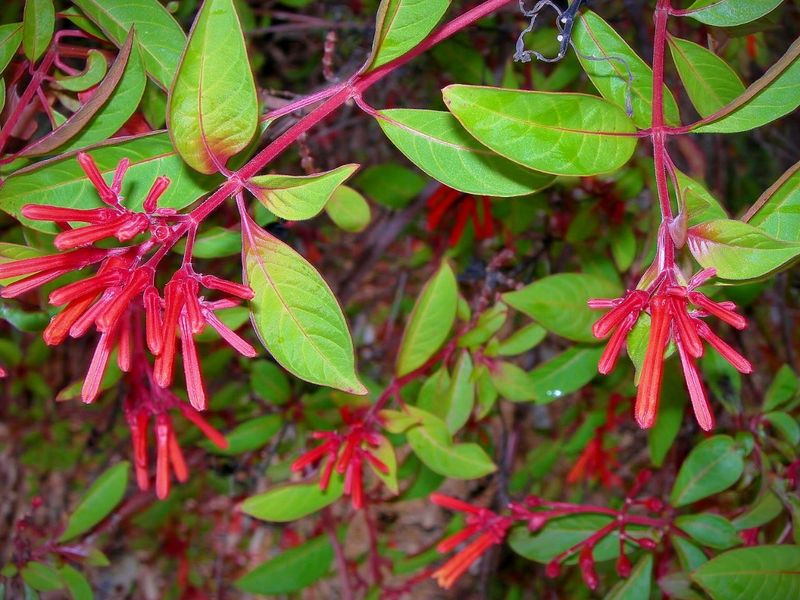
Firebush earns its name honestly with clusters of brilliant orange-red tubular flowers that seem to glow in the Florida sunshine. This native beauty blooms nearly year-round in warmer parts of the state, attracting hummingbirds and butterflies like a magnet.
Planting in February allows roots to establish before the growing season kicks into high gear.
Reaching four to eight feet tall depending on variety and conditions, firebush works beautifully as a colorful focal point or informal hedge in front yards. It handles full sun to partial shade, though flowering peaks with more direct light.
The shrub tolerates Florida’s sandy, well-drained soils without complaint and becomes quite drought-tolerant once settled in.
Occasional freezes may nip back tender growth in North Florida, but the plant typically rebounds vigorously from the roots when warmer weather returns. Regular watering during the first growing season helps build a strong foundation.
After establishment, firebush requires little attention beyond occasional pruning to maintain shape.
University of Florida IFAS Extension recognizes firebush as an excellent Florida-Friendly Landscaping choice. Its low maintenance requirements, wildlife value, and reliable color make it a smart investment for homeowners seeking both beauty and practicality in their front yard plantings.
2. American Beautyberry With Purple Berries That Steal The Show
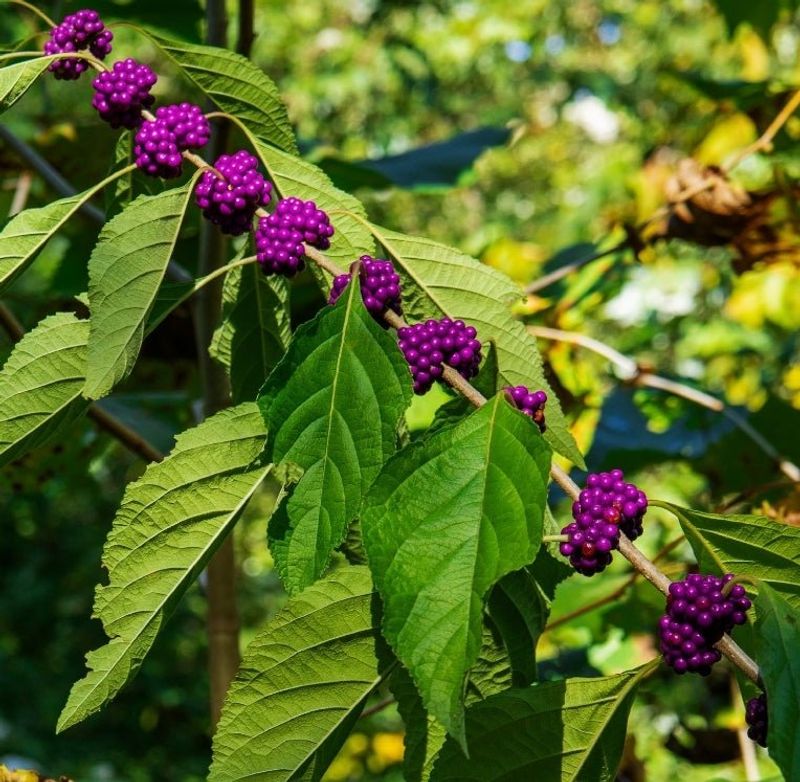
Few native shrubs create autumn drama quite like American beautyberry with its jaw-dropping clusters of metallic purple berries. These vibrant fruits appear along arching branches in late summer and fall, providing food for mockingbirds, cardinals, and other wildlife.
February planting gives this deciduous shrub time to develop roots before producing its signature show.
Growing four to six feet tall and equally wide, beautyberry creates an informal, graceful presence in front yard landscapes. It prefers partial shade but adapts to sunnier spots with adequate moisture during establishment.
The shrub handles typical Florida soils well and becomes moderately drought-tolerant once mature.
Light pink flowers appear in spring and summer but play second fiddle to the spectacular berry display that follows. The plant naturally grows with an open, loose habit that fits cottage-style and naturalistic landscapes perfectly.
Some gardeners prune beautyberry back hard in late winter to encourage bushier growth and heavier fruiting.
Your Florida Garden Changes Every Week. Your Plan Should Too.
Gardening in Florida changes quickly throughout the season. Every Friday you’ll receive a simple weekly plan showing exactly what to plant, prune, fertilize, harvest, and protect so you never miss the right timing.
This Florida native loses its leaves in winter across most of the state, which some homeowners appreciate for seasonal interest. University of Florida research confirms beautyberry’s value for wildlife habitat and low-maintenance landscaping.
Its unique berry color and easygoing nature make it a conversation starter that practically cares for itself.
3. Simpson’s Stopper Is A Classic Florida Landscape Favorite
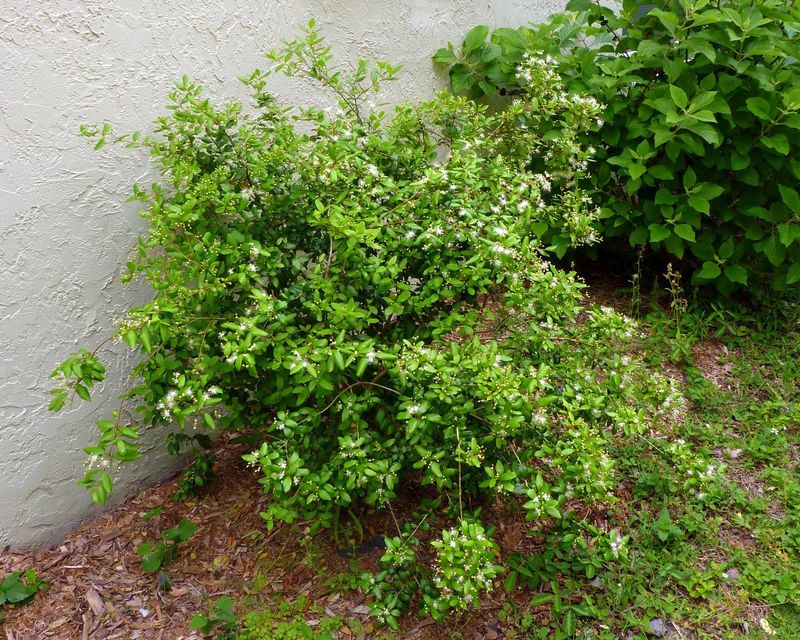
Simpson’s stopper brings refined elegance to Florida front yards with its dense evergreen foliage and petite white flowers. This South Florida native has earned widespread popularity throughout the state for its versatility and polished appearance.
Planting in February takes advantage of cooler weather to establish this reliable performer before summer arrives.
Reaching six to ten feet tall with regular pruning, Simpson’s stopper works as a formal hedge, foundation plant, or standalone specimen. Small glossy leaves create fine texture that contrasts beautifully with bolder foliage plants.
Fragrant white blooms appear in spring and sporadically through summer, followed by small dark berries that birds appreciate.
This shrub thrives in full sun to partial shade and handles various soil types common across Florida. Once established, it demonstrates excellent drought tolerance and requires minimal supplemental irrigation.
Simpson’s stopper responds well to pruning and shaping, making it ideal for homeowners who enjoy maintaining neat, structured landscapes.
Cold tolerance varies by location, with plants in Central and North Florida occasionally experiencing frost damage during unusually harsh winters. However, the shrub typically recovers quickly when temperatures warm.
Florida-Friendly Landscaping guidelines highlight Simpson’s stopper for its low water needs, pest resistance, and year-round visual appeal in residential settings.
4. Walter’s Viburnum Is Tough, Reliable And Evergreen
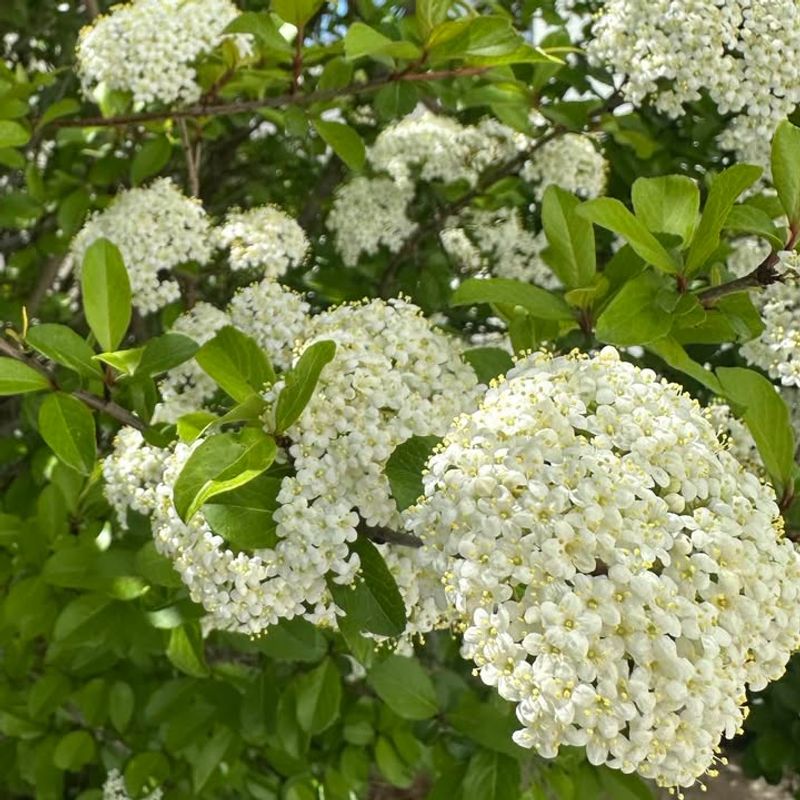
Walter’s viburnum stands out as one of Florida’s most adaptable and forgiving native shrubs for front yard plantings. Its glossy evergreen leaves maintain a tidy appearance year-round, while clusters of small white flowers in spring give way to red berries that mature to black.
February planting allows this workhorse to establish before facing summer stress.
Growing six to twelve feet tall depending on conditions and pruning, Walter’s viburnum functions beautifully as a privacy screen, background plant, or pruned specimen. It tolerates a wide range of light conditions from full sun to considerable shade, though flowering improves with more direct light.
The shrub adapts to various Florida soil types and demonstrates impressive drought tolerance once roots are established.
This native handles occasional flooding and brief dry spells with equal grace, making it suitable for challenging spots in the landscape. Wildlife appreciate the berries, and the dense foliage provides excellent cover for birds.
Walter’s viburnum rarely suffers from serious pest or disease problems, contributing to its reputation for easy maintenance.
University of Florida IFAS Extension frequently recommends this species for Florida-Friendly landscapes because it delivers reliable performance without demanding constant attention. Its combination of attractive foliage, seasonal interest, and tough constitution makes Walter’s viburnum a smart choice for busy homeowners.
5. Dwarf Yaupon Holly: Compact Beauty With Year Round Appeal
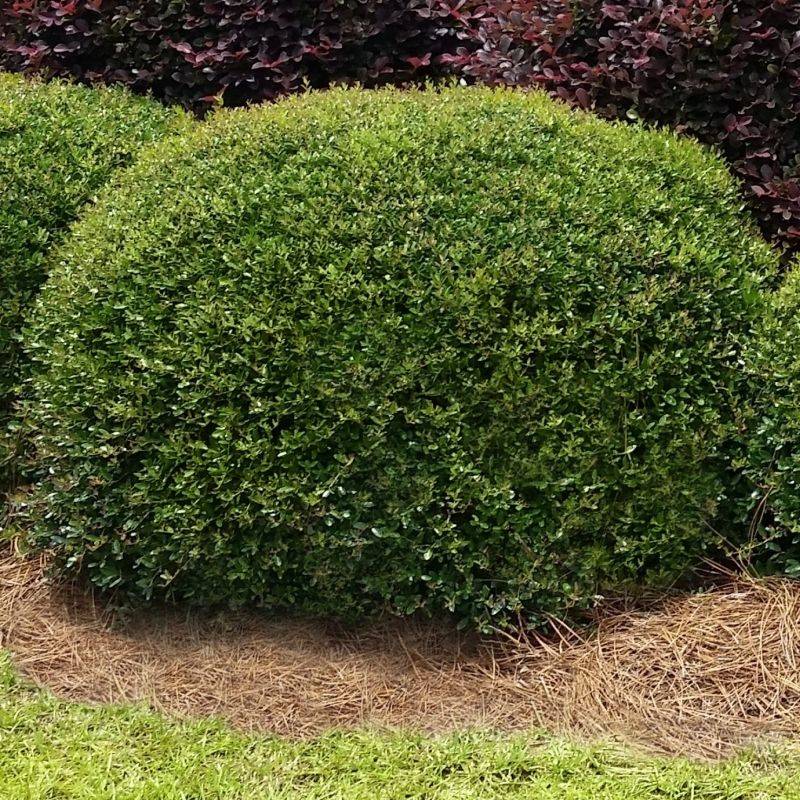
Dwarf yaupon holly packs tremendous visual punch into a manageable size, making it perfect for front yard foundation plantings and borders. This smaller form of native yaupon holly typically stays under four feet tall, creating neat mounds of fine-textured evergreen foliage.
February planting helps roots develop before the demands of Florida’s growing season begin.
Tiny leaves create a refined appearance that works with both formal and casual landscape styles. Female plants produce abundant red berries in fall and winter, providing food for cedar waxwings and other birds.
The shrub tolerates full sun to partial shade and adapts to various soil conditions found across Florida.
Drought tolerance after establishment makes dwarf yaupon holly an excellent choice for water-conscious homeowners. It handles pruning well, though its naturally compact growth habit often requires little shaping.
The plant demonstrates good salt tolerance, making it suitable for coastal front yards.
Cold hardiness throughout Florida means this native shrub performs reliably from the Panhandle to the Keys. It rarely experiences serious pest problems and maintains its appearance with minimal intervention.
Florida-Friendly Landscaping principles embrace dwarf yaupon holly for its low maintenance requirements and year-round structure. Its combination of tidy growth, wildlife value, and adaptability explains why landscape professionals frequently specify this dependable native for residential projects.
6. Wild Coffee With Glossy Leaves And Tropical Charm
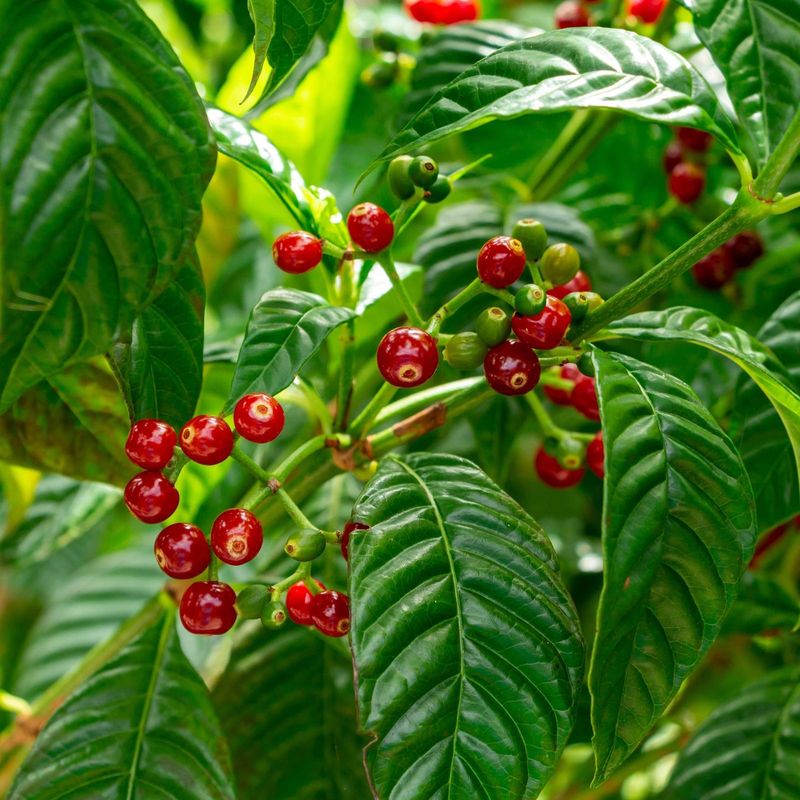
Wild coffee brings lush tropical character to shaded front yard areas where many shrubs struggle. Its large, glossy dark green leaves create a bold statement that brightens dim spots under trees or along north-facing walls.
Planting in February gives this shade-loving native time to settle in before warmer weather promotes active growth.
Reaching four to six feet tall in typical landscape conditions, wild coffee works beautifully as an understory plant or foundation shrub in shadier locations. Small white fragrant flowers appear in warm months, followed by red berries that mature to dark purple.
Birds enjoy the fruits, and the flowers attract pollinators despite the limited light conditions.
This Florida native prefers partial to full shade and performs best with consistent moisture, especially during establishment. It handles typical Florida soils well and appreciates organic mulch to maintain soil moisture and moderate temperature.
Wild coffee demonstrates moderate drought tolerance once established but looks best with regular water during extended dry periods.
Cold sensitivity limits its use in North Florida, where occasional hard freezes may damage foliage. However, plants typically recover from the roots when temperatures warm.
University of Florida resources highlight wild coffee as an excellent choice for Florida-Friendly landscapes needing shade-tolerant native options. Its attractive foliage and tropical appearance make it valuable for creating layered, naturalistic front yard plantings.
7. Marlberry: Native Greenery That Handles Florida Conditions
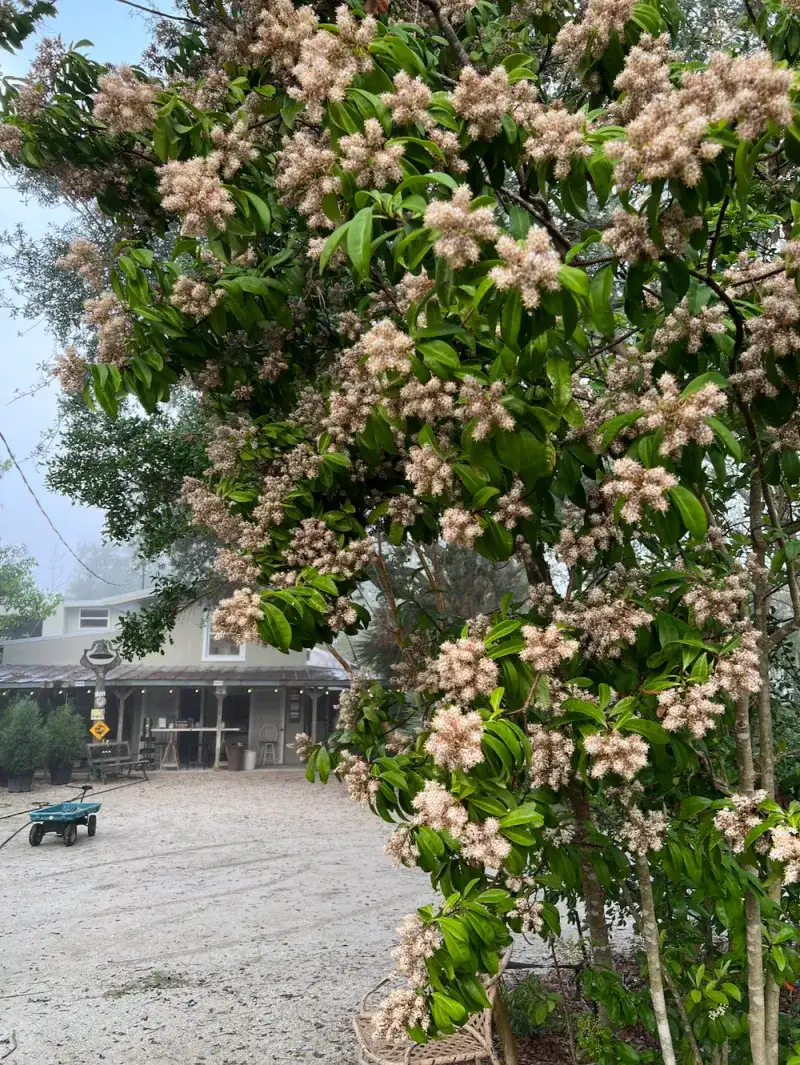
Marlberry offers dependable evergreen structure for Florida front yards, particularly in coastal and South Florida locations. This tough native shrub features leathery leaves and small white flowers that develop into dark purple to black berries.
February planting allows roots to establish during cooler months before the plant faces summer heat and humidity.
Growing six to fifteen feet tall depending on variety and growing conditions, marlberry works as a background plant, informal hedge, or pruned specimen. It handles full sun to partial shade and adapts to various soil types including the challenging conditions found near the coast.
Salt tolerance makes it valuable for beachside properties where many plants struggle.
Once established, marlberry demonstrates excellent drought tolerance and requires little supplemental irrigation. The shrub maintains a naturally dense form that provides good screening and privacy.
Its berries attract birds and other wildlife, contributing to habitat value in residential landscapes.
Marlberry grows more slowly than some native shrubs but rewards patience with long-term durability and minimal maintenance needs. It tolerates pruning well for size control or shaping.
Florida-Friendly Landscaping principles recognize marlberry for its adaptability to challenging sites and low resource requirements. Its combination of salt tolerance, wildlife value, and evergreen presence makes it particularly useful for front yards in coastal communities where tough, attractive plants are essential.
8. Chapman’s Senna: Yellow Blooms Pollinators Love
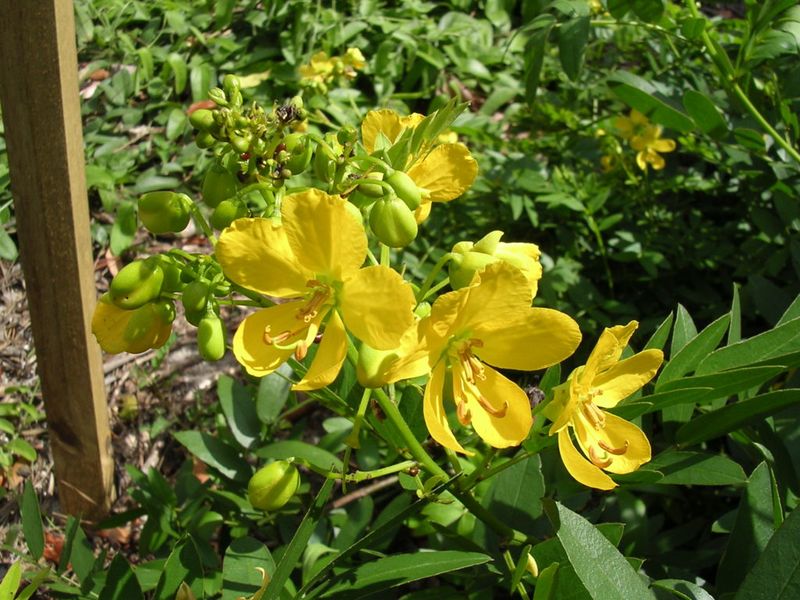
Chapman’s senna transforms front yards into pollinator magnets with its cheerful yellow flowers that bloom heavily in warm weather. This Florida native produces abundant pea-like blossoms that butterflies, especially sulfurs and cloudless sulfurs, find irresistible.
February planting gives roots time to develop before the shrub enters its impressive flowering season.
Reaching three to five feet tall with an equal spread, Chapman’s senna creates an informal, cottage-garden appearance that suits casual landscape styles. Compound leaves add fine texture, and the overall form remains naturally rounded without constant pruning.
The plant thrives in full sun and well-drained sandy soils typical of Florida.
Drought tolerance after establishment makes this native an excellent choice for water-wise landscapes. It handles heat without complaint and continues blooming through summer and fall when many plants look tired.
Chapman’s senna may experience some frost damage in North Florida during cold snaps but typically rebounds quickly from the roots.
This shrub occasionally self-seeds, which some gardeners appreciate for naturalizing areas while others prefer to remove seedlings. University of Florida IFAS Extension highlights Chapman’s senna as a valuable Florida-Friendly plant for supporting pollinators.
Its combination of bright color, wildlife benefits, and low maintenance requirements makes it particularly appealing for homeowners wanting both beauty and ecological function in their front yard landscapes.
9. Coontie: Florida’s Ancient Survivor
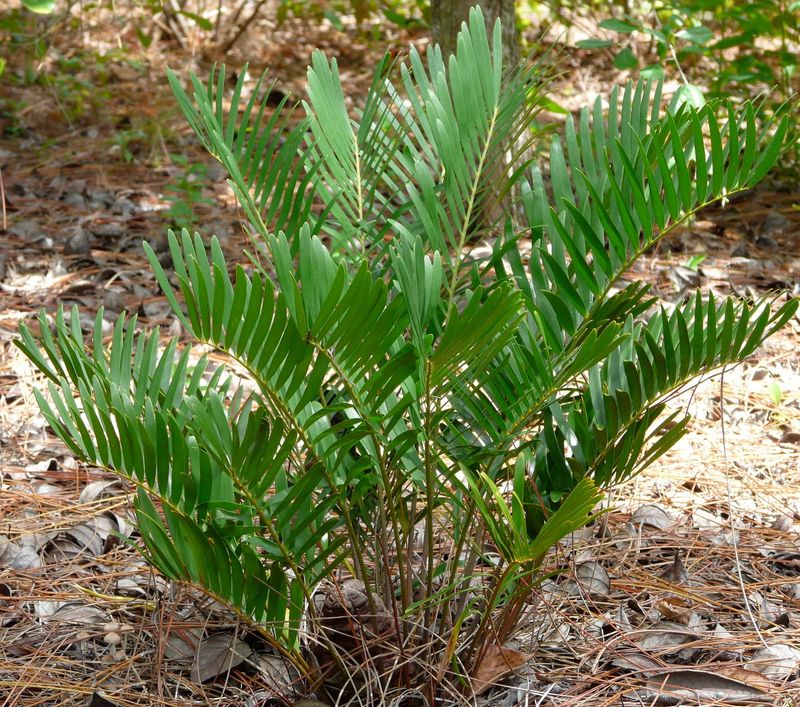
Coontie represents a living connection to prehistoric Florida, having survived millions of years virtually unchanged. This native cycad resembles a small palm or fern with dark green feathery fronds emerging from a central trunk.
February planting allows coontie to establish roots during cooler weather before summer growth begins.
Growing two to three feet tall and wide, coontie fits perfectly in front yard beds, borders, and foundation plantings. It tolerates full sun to considerable shade, making it remarkably versatile for various landscape positions.
The plant adapts to typical Florida soils and demonstrates exceptional drought tolerance once established.
Coontie serves as the only host plant for the beautiful atala butterfly, making it ecologically important beyond its ornamental value. Female plants produce attractive orange seed cones that add seasonal interest.
The shrub requires virtually no maintenance beyond occasional removal of old fronds.
Cold hardy throughout Florida, coontie handles occasional freezes without damage. It grows slowly, which appeals to homeowners seeking permanent plantings that maintain their size without constant pruning.
Florida-Friendly Landscaping guidelines strongly recommend coontie for its minimal water needs, pest resistance, and wildlife value. University of Florida research confirms its status as one of the most durable and low-maintenance native plants available.
Its prehistoric heritage and modern practicality make coontie a fascinating and functional addition to Florida front yards.