These Cold Sensitive Tropical Plants Keep Disappointing Florida Homeowners
Florida promises lush gardens and year round color, yet many homeowners face a rude surprise each winter. A single cold snap can wipe out prized tropical plants overnight, and turns dream landscapes into brown, lifeless patches.
Nurseries sell images of paradise, but reality brings frost, wind, and sudden temperature drops that fragile species cannot survive. Homeowners invest time, money, and hope, only to watch those plants collapse after one chilly night.
The cycle repeats across neighborhoods, and leaves frustration, wasted cash, and empty garden beds.
Why does this keep occur in a state famous for warmth and sunshine?
The answer lies in hidden climate swings, poor plant choices, and myths about tropical resilience. Smart knowledge of the real risks can save landscapes, protect budgets, and restore confidence for Florida homeowners.
Before the next cold front arrives, every homeowner needs to know the truth about cold sensitive tropical plants.
1. Tropical Hibiscus Bright Blooms That Struggle In Cold
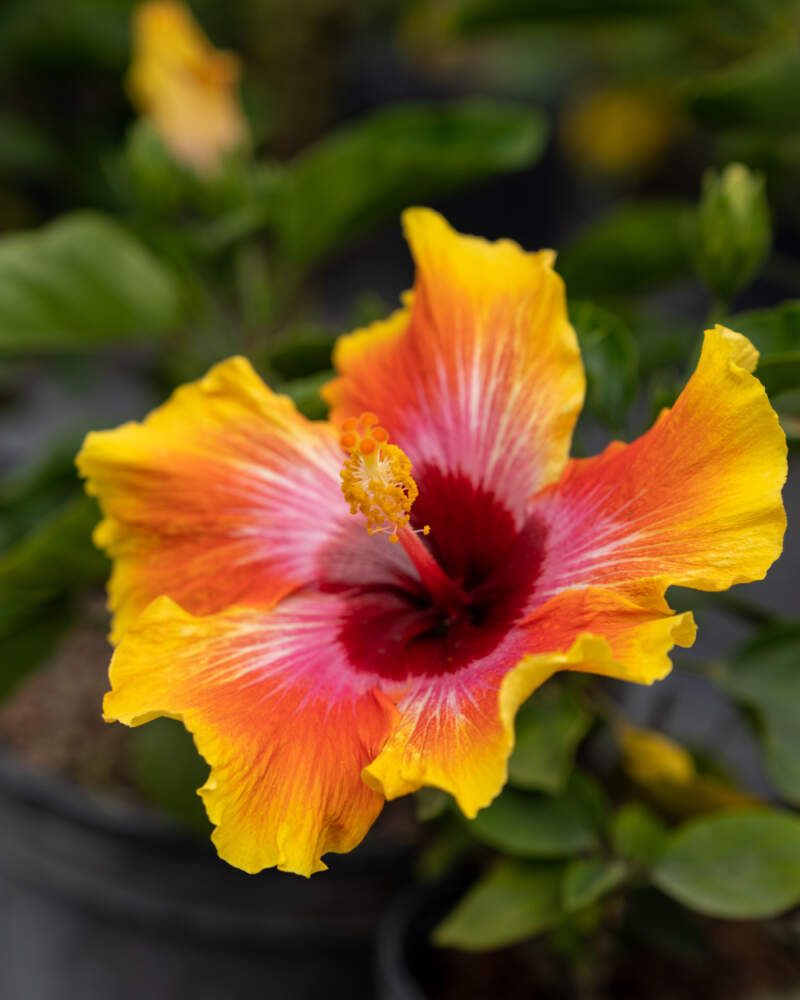
Few landscape plants deliver color as boldly as tropical hibiscus, with blooms in red, pink, yellow, orange, and even purple shades. Homeowners across Florida plant these beauties hoping for year-round color.
Tropical hibiscus begins to show stress below about 45–50°F. Prolonged cold weakens the plant, and anything near freezing causes serious damage to both flowers and foliage.
When cold weather arrives, the large glossy leaves turn yellow, then brown, and eventually drop off completely. Flower buds stop forming, and any open blooms wilt quickly.
In South Florida, tropical hibiscus thrives with minimal cold damage most winters. Central and North Florida gardeners often see winter damage as their plants struggle through colder periods.
Recovery takes weeks or even months after cold events. New growth emerges slowly once temperatures warm up again.
Some plants bounce back if roots stayed protected, but others decline year after year. Some homeowners choose to replace older or repeatedly damaged plants after unusually harsh winters.
Protection methods like covering plants with blankets or moving containers indoors help during brief cold snaps. However, the effort required throughout winter months frustrates many Florida homeowners who expected easy-care tropical beauty.
2. Bougainvillea Stunning Color That Fades After Freezes
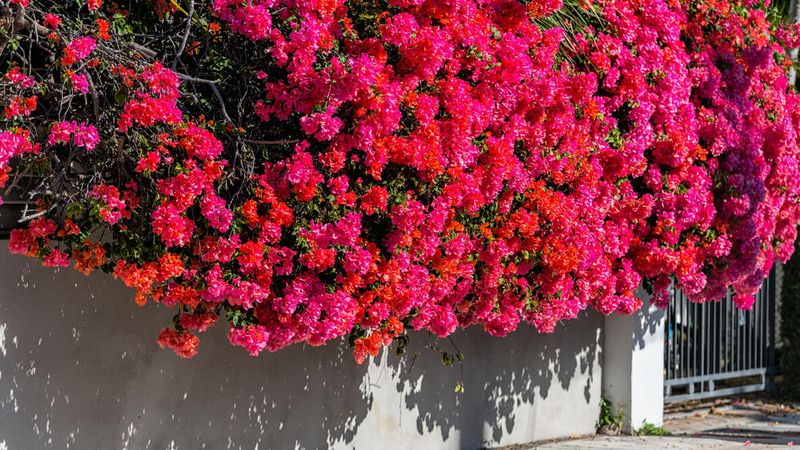
Brilliant cascades of color make bougainvillea one of the most eye-catching vines in warm-climate landscapes. The colorful show lasts for months when conditions stay warm.
Homeowners love training these vigorous vines over arbors, fences, and walls. Cold temperatures quickly end the tropical spectacle and leave plants looking rough for extended periods.
Frost causes the colorful bracts to turn brown and drop within days. Leaves also suffer damage, turning crispy and falling off when temperatures dip into the low 30s.
The woody stems usually survive light freezes, but tender new growth gets zapped immediately. In coastal South Florida, bougainvillea performs beautifully with minimal winter setback.
Central Florida gardeners see their bougainvillea go dormant or semi-dormant most winters. North Florida homeowners often lose plants completely after hard freezes.
Even when roots survive, regrowth takes considerable time. Expect several months before the vine looks full and colorful again.
Your Florida Garden Changes Every Week. Your Plan Should Too.
Gardening in Florida changes quickly throughout the season. Every Friday you’ll receive a simple weekly plan showing exactly what to plant, prune, fertilize, harvest, and protect so you never miss the right timing.
Some Florida homeowners accept the winter downtime and enjoy bougainvillea as a warm-season showstopper. Others grow frustrated watching their vibrant vines become sparse and dormant during colder periods.
Repeated freeze damage weakens plants over time, making them less vigorous with each passing year.
3. Croton Bold Foliage That Cannot Handle Chills
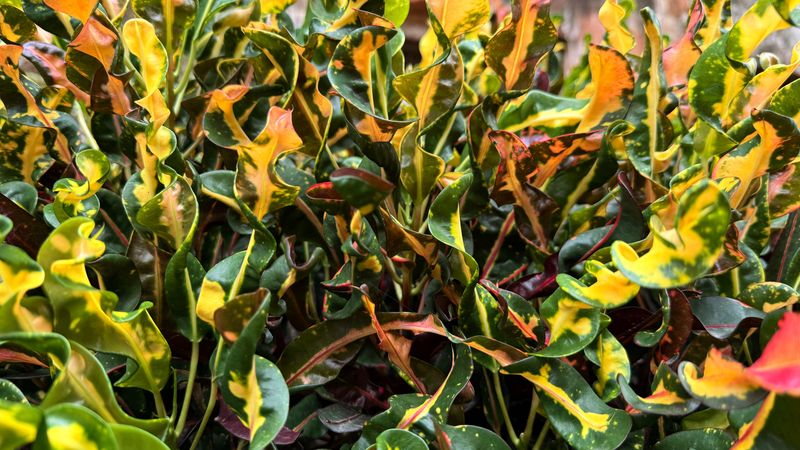
Bold, multicolored foliage gives crotons their reputation as one of Florida’s most striking landscape shrubs. The bold patterns and bright hues make these shrubs popular foundation plants and accent specimens.
Garden centers sell them year-round, and homeowners plant them expecting permanent tropical color. Cold sensitivity makes crotons one of the most disappointing choices for Central and North Florida yards.
Temperatures in the mid-40s and below can cause croton leaves to droop and lose their vibrant colors. Anything approaching freezing turns the beautiful foliage black and mushy within hours.
The damage looks devastating, with entire plants appearing completely ruined after a single cold night. South Florida gardeners enjoy crotons without much winter worry, but further north brings constant frustration.
Recovery happens slowly if roots survived the cold event. New leaves emerge gradually over many weeks, and plants often look sparse and unattractive for months.
Some crotons never fully recover their former size and fullness. Homeowners often remove damaged plants and try again, only to face the same disappointment the following winter.
Protection works for small plants or containers that can be moved indoors. Larger landscape crotons require extensive covering during cold snaps.
Many Florida homeowners eventually give up on crotons after several winters of damage and slow recovery cycles.
4. Areca Palm Lush Look That Suffers In Cold Snaps
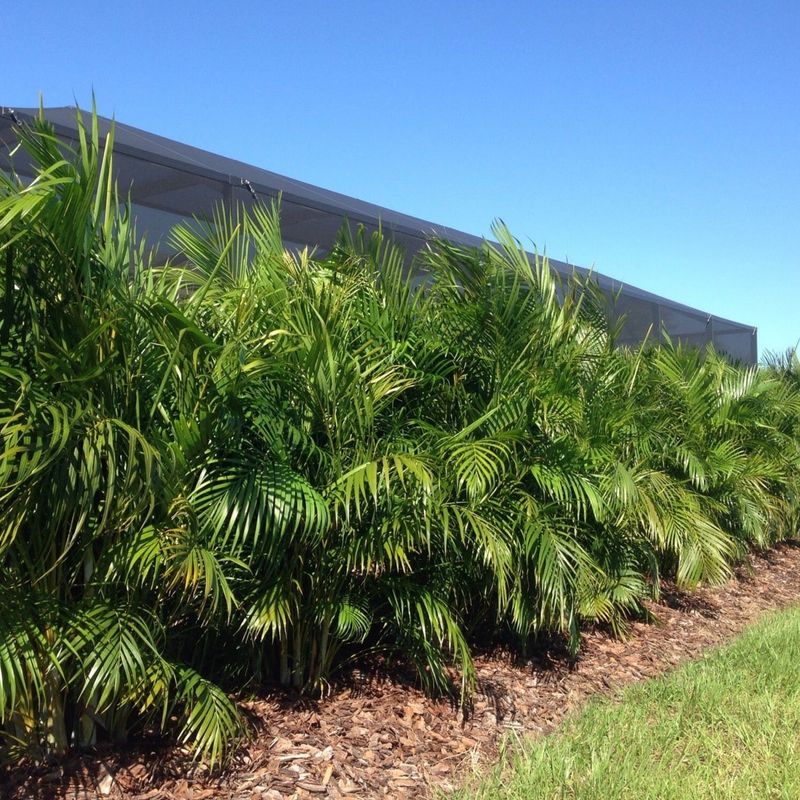
Areca palms create that classic tropical look with graceful, feathery fronds and clumping growth habit. Landscapers use them extensively for privacy screens, foundation plantings, and poolside accents throughout Florida.
The lush green foliage and moderate size make arecas seem like perfect landscape palms. Cold sensitivity limits their success outside the warmest regions of the state.
Fronds start showing damage when temperatures drop into the low 40s. The tips turn brown first, then the browning spreads down the leaflets.
Severe freezes can damage or eliminate all visible fronds, leaving just the stems standing. South Florida provides the warm conditions arecas need for consistent performance.
Central Florida may see occasional cold damage that can leave these palms looking rough for part of the winter.
New fronds grow from the center of each stem, but growth slows dramatically during cool months. Brown, damaged fronds remain visible for many months until homeowners remove them.
Even with regular pruning, cold-damaged arecas look sparse and unattractive. North Florida winters are often too harsh for long-term areca palm success without protection.
Some growers plant arecas in protected locations near buildings or under tree canopies. Others accept the seasonal damage as part of growing tropical palms in a subtropical climate.
Many gardeners eventually replace arecas with hardier palm species after years of disappointment.
5. Bird Of Paradise Tropical Beauty That Burns In Frost
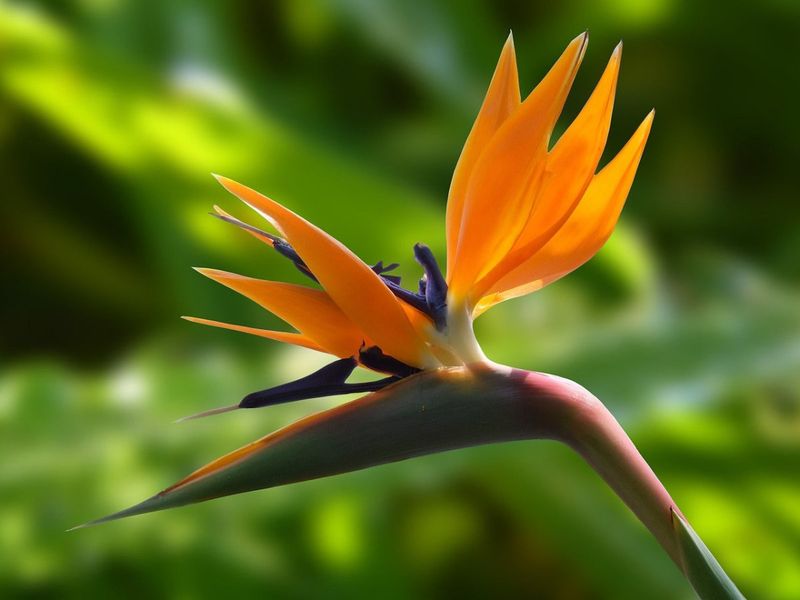
Dramatic paddle-shaped leaves and exotic flowers give this plant its unmistakable tropical presence. The tropical appearance makes them highly desirable for creating resort-style yards.
Mature plants can reach impressive sizes, and the unique flowers attract attention whenever they appear. Cold temperatures quickly damage the beautiful foliage and halt flower production for extended periods.
Leaves tear easily in wind after cold weather weakens the tissue. Frost burns the edges and tips of the large leaves, creating brown, crispy margins that look unsightly.
Temperatures in the low 30s can damage all visible foliage, leaving plants looking completely devastated. The thick rhizomes usually survive underground, but top growth suffers significantly.
Regrowth takes considerable time because each new leaf unfurls slowly from the center of the plant. It may take several weeks to a few months for a cold-damaged bird of paradise to regain a full appearance.
Flowering usually pauses during recovery periods. South Florida gardeners enjoy reliable performance, while Central Florida homeowners face regular winter setbacks.
Protection helps during brief cold snaps, but the large size of mature plants makes covering difficult. Many growers plant bird of paradise in protected courtyards or near south-facing walls.
Others accept that these plants will look rough every winter and enjoy them during warm months when they truly shine.
6. Ti Plant Vibrant Leaves That Collapse In Cold
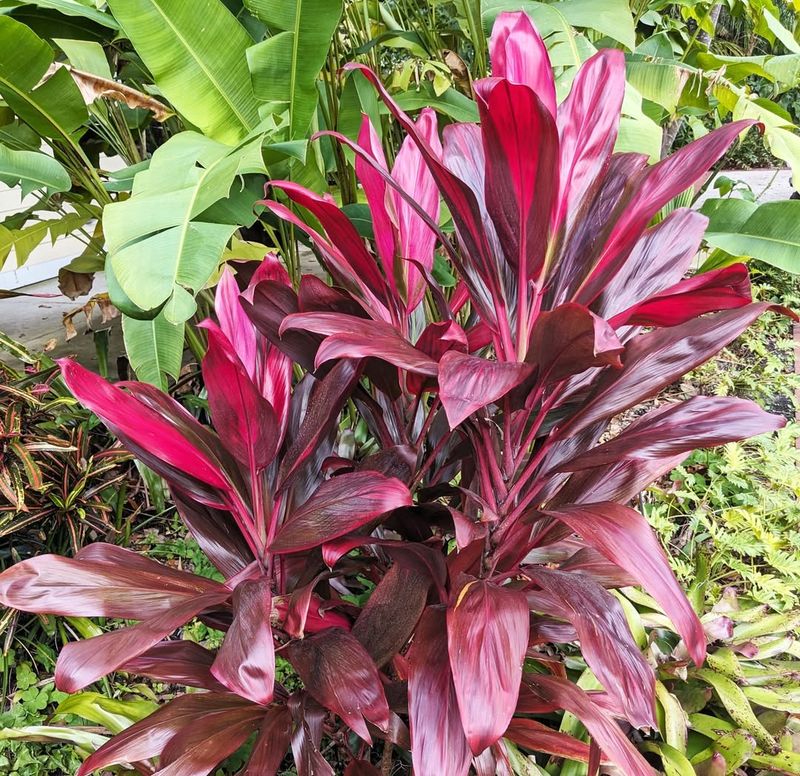
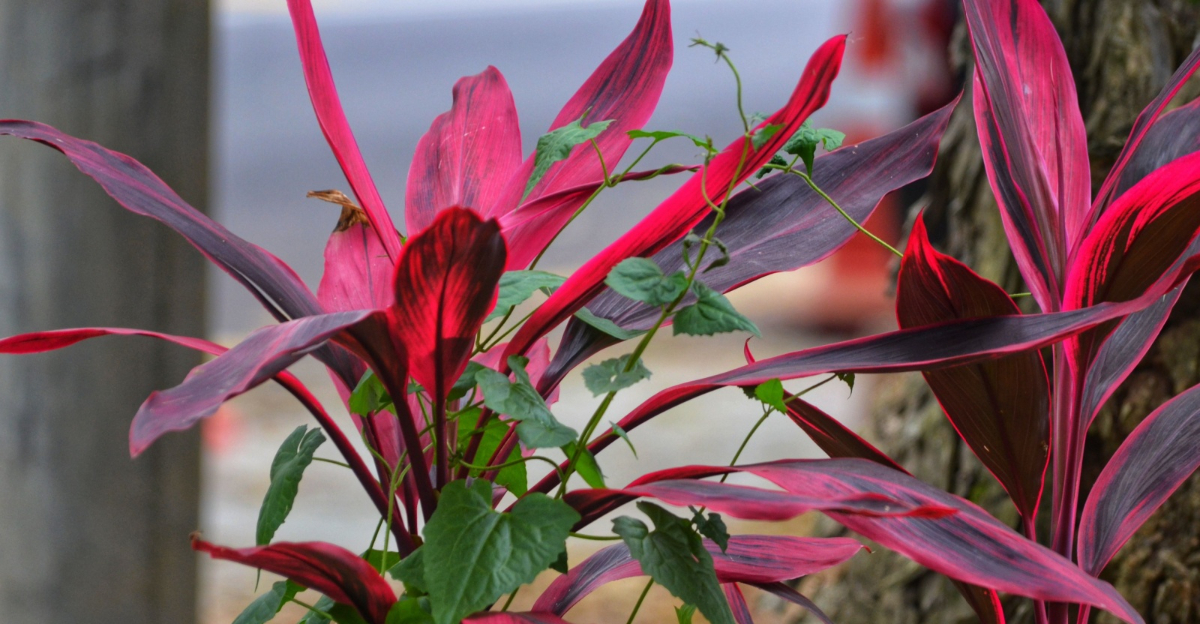
Few tropical ornamentals rival the vivid foliage colors seen in shades of red, pink, burgundy, green, and variegated blends. The sword-shaped leaves grow in attractive rosettes atop slender stems.
Garden centers feature ti plants prominently, and their bold colors tempt homeowners looking for easy tropical accents. Cold sensitivity makes ti plants among the most frustrating tropical choices for most Florida regions.
Leaves collapse and turn mushy when temperatures approach freezing. The damage happens quickly, often overnight, leaving previously gorgeous plants looking completely ruined.
Even temperatures in the mid-40s can cause leaf discoloration and drooping. South Florida provides suitable conditions, but Central and North Florida winters bring repeated devastation.
Recovery depends on whether the stems and roots survived the cold event. New leaves emerge from stem tips if damage stayed minimal.
Severe freezes can eliminate all top growth, forcing plants to regenerate from ground level. This process takes many months, and plants remain unattractive throughout the entire recovery period.
Some homeowners grow ti plants in containers that can be moved to protected areas during cold weather. Others plant them in the warmest microclimates available in their yards.
Many Florida gardeners eventually abandon ti plants after watching them collapse winter after winter. The vibrant foliage simply cannot withstand the temperature fluctuations that occur across most of Florida during the cooler months.
7. Plumeria Fragrant Blooms That Fear Winter Chill
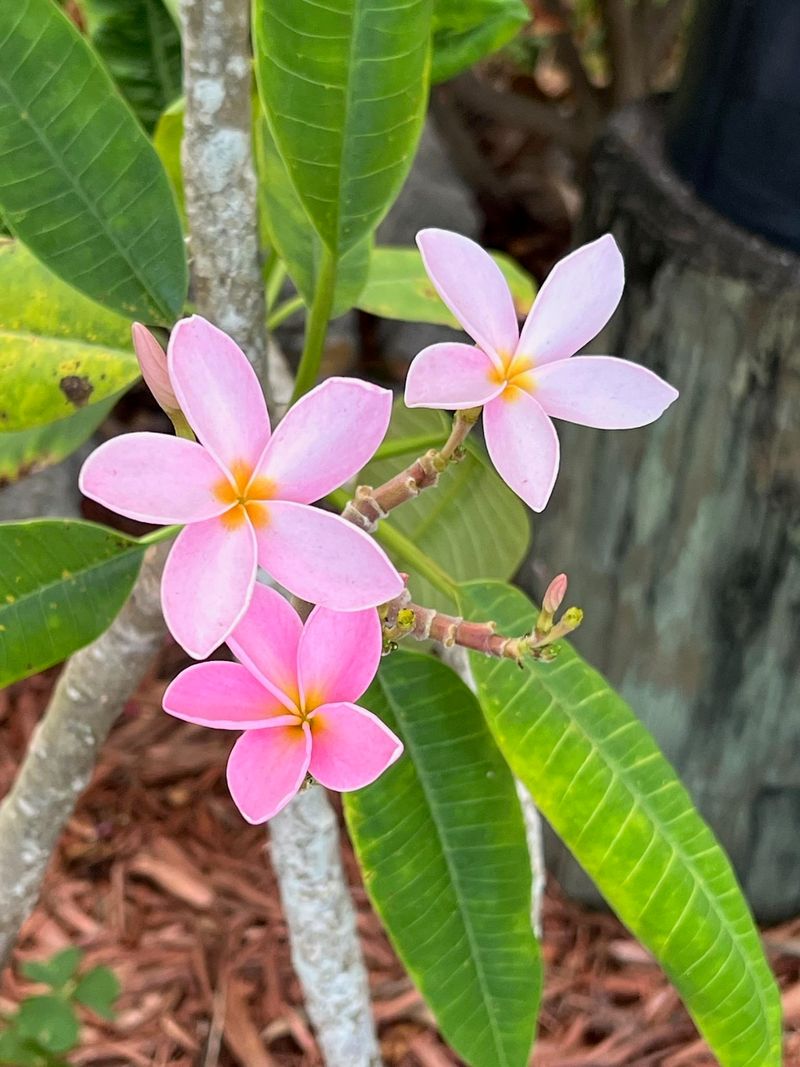
Plumeria trees produce some of the most fragrant and beautiful flowers in the tropical plant world. The waxy blooms come in white, yellow, pink, red, and multicolor combinations.
The sweet scent fills yards during warm months, and the exotic flowers work perfectly for leis and arrangements. Homeowners across Florida plant plumerias dreaming of endless fragrant blooms, but cold weather brings disappointment and concern.
Plumerias naturally drop their leaves as temperatures cool, entering dormancy even without freezing conditions. The bare branches look stark and unappealing for months.
Frost damages the thick, succulent stems, turning them brown or black. Severe freezes can eliminate entire branches or even whole plants.
South Florida gardeners enjoy longer bloom periods and minimal cold damage most years.
Central Florida plumerias often stay dormant from November through March or April.
New leaves and flowers emerge slowly once consistent warmth returns.
North Florida winters prove too harsh for reliable plumeria survival without extensive protection. Some plants may weaken over time if repeatedly exposed to freeze damage without protection.
Container growing allows homeowners to move plumerias to protected areas during winter. In-ground plants need covering during freeze warnings.
The effort required frustrates many Florida gardeners who expected carefree tropical beauty. Watching plumeria stand leafless during winter dormancy can disappoint homeowners expecting year-round foliage.
8. Banana Plant Fast Growth That Stops In Cold
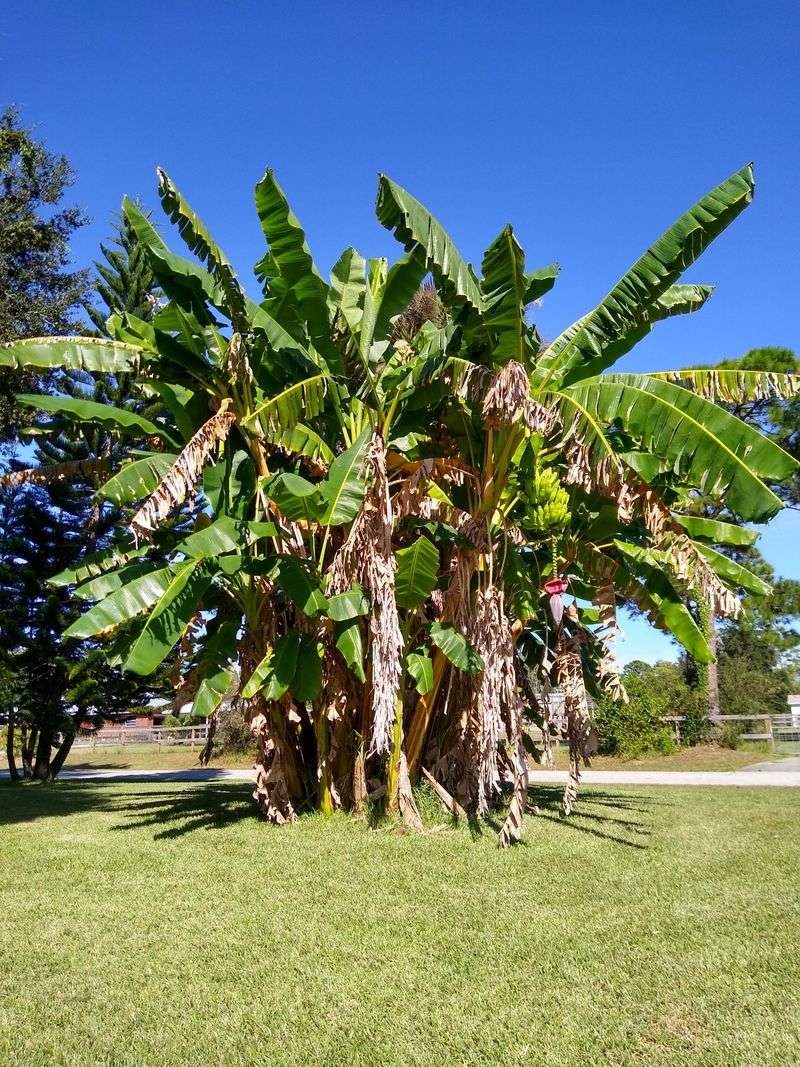
Banana plants grow incredibly fast during warm months, producing huge tropical leaves that create instant jungle atmosphere. The dramatic foliage and potential for edible fruit make bananas popular with Florida homeowners.
Young plants can grow several feet in a single summer, and the lush appearance transforms ordinary yards into tropical retreats. Cold weather stops the impressive growth and often damages or eliminates all visible plant parts.
Leaves shred and turn brown when temperatures drop into the 40s. The soft pseudostems collapse into mushy brown mounds after freezing temperatures arrive.
Only the underground corms survive hard freezes, leaving nothing visible above ground for months. South Florida bananas can fruit reliably and maintain foliage year-round in many locations.
Central Florida bananas go through boom and bust cycles, growing vigorously in summer and getting cut down by winter cold. New shoots emerge from underground corms each spring, but in cooler parts of the state fruiting can be inconsistent before the next winter arrives.
North Florida gardeners can grow bananas as seasonal plants that return from roots, but fruiting rarely happens.
Some cold-hardy banana varieties tolerate more cold than common dessert types, but even these suffer visible damage during freezes. Homeowners often feel frustrated watching their impressive banana clumps reduced to brown mush each winter.
The fast summer growth often cannot fully compensate for repeated cold setbacks in cooler parts of Florida.