How To Create A Heat-Proof Garden In Texas Before Summer Hits
Worried your garden might struggle once the intense Texas heat rolls in? Preparing early can make the difference between stressed plants and a thriving, colorful space.
Texas summers are known for scorching sun, dry soil, and long hot days, but a smart plan can help your garden stay strong. Choosing heat tolerant plants, improving soil, and using simple shading techniques can protect greenery before temperatures climb.
Watering wisely and adding mulch also help lock in moisture and keep roots cool. These small steps create a garden that handles heat with less stress and less maintenance.
You do not need complicated tools or expensive upgrades to see results. With the right preparation, your plants can stay vibrant, productive, and full of life even during peak summer.
Start now, and your garden will be ready to face the Texas heat with confidence and lasting beauty.
1. Choose Native Texas Plants That Love The Heat
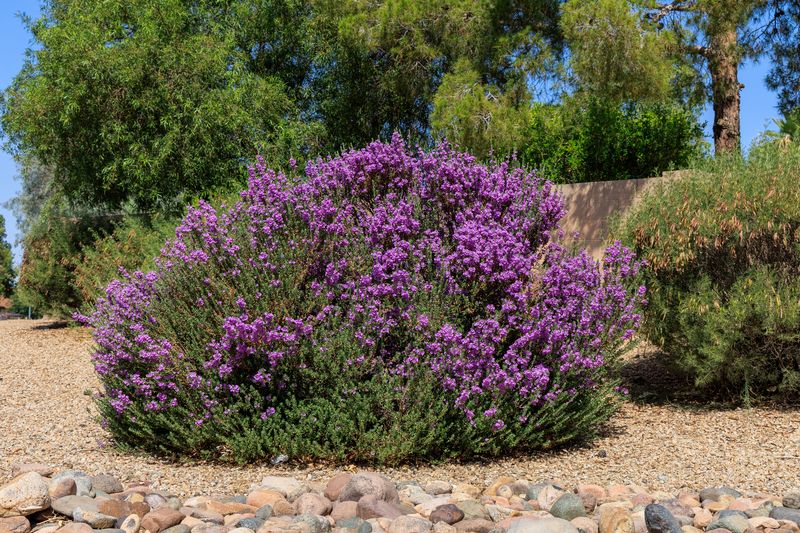
Native Texas plants have spent thousands of years adapting to the state’s harsh climate, making them your best allies against summer heat. Plants like Texas sage, black-eyed Susan, and lantana can handle triple-digit temperatures without breaking a sweat.
They have deep root systems that reach far down into the soil to find moisture, even when the surface is bone dry.
When you plant species that naturally grow in Texas, you are working with nature instead of fighting against it. These plants need less water, less fertilizer, and less attention than exotic varieties that struggle in the heat.
Bluebonnets, Indian blanket, and Mexican hat are gorgeous options that bloom beautifully while requiring minimal care.
Many gardeners in Texas make the mistake of choosing plants that look pretty at the nursery but cannot survive the summer.
Those delicate flowers from cooler climates will wilt and suffer no matter how much you water them. Native plants, on the other hand, actually prefer hot, dry conditions.
Your local extension office can provide lists of native plants perfect for your specific area of Texas. Houston gardeners might choose different varieties than those in El Paso because the state has diverse climate zones.
Visiting native plant nurseries gives you expert advice and healthy specimens ready to thrive.
Switching to native plants also helps local wildlife like butterflies, bees, and hummingbirds. These creatures have evolved alongside Texas plants and depend on them for food and shelter.
Your heat-proof garden becomes a haven for beneficial insects and beautiful birds all summer long.
2. Install A Smart Drip Irrigation System
Watering your Texas garden efficiently makes the difference between plants that thrive and plants that barely survive. Traditional sprinklers waste huge amounts of water through evaporation, especially when temperatures soar above 95 degrees.
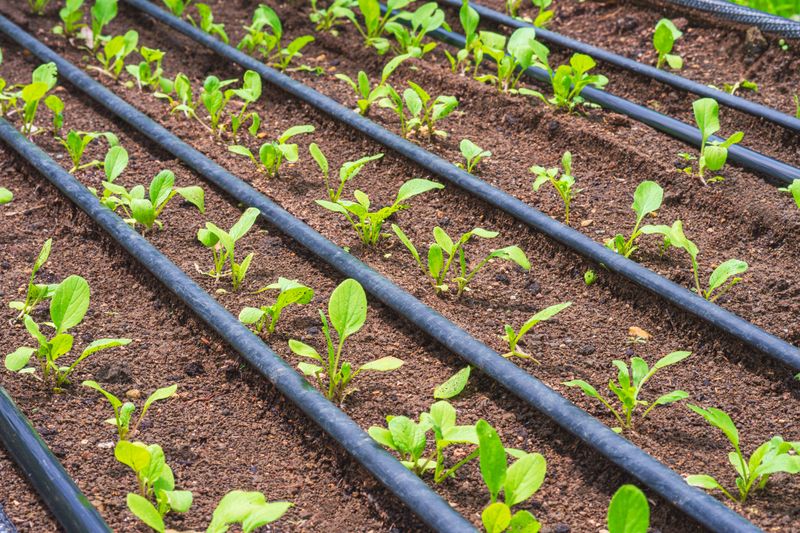
A drip irrigation system delivers water directly to plant roots where it is needed most.
These systems use tubes with small holes or emitters that release water slowly and steadily. The water soaks deep into the soil instead of running off or evaporating in the hot air.
You can save up to 50 percent of your water usage compared to overhead sprinklers while keeping your plants healthier.
Your Texas Garden Changes Every Week. Your Plan Should Too.
Gardening in Texas changes quickly throughout the season. Every Friday you’ll receive a simple weekly plan showing exactly what to plant, prune, fertilize, harvest, and protect so you never miss the right timing.
Setting up a drip system is easier than most people think. Basic kits are available at garden centers throughout Texas, and you can customize them to fit your exact garden layout.
The tubes run along the ground between your plants, staying out of sight while doing their important work.
Smart timers take your irrigation to the next level by watering during the coolest parts of the day. Early morning watering gives plants moisture before the heat arrives, and the foliage has time to dry before nightfall.
Some advanced timers even adjust watering schedules based on weather forecasts and soil moisture levels.
During a typical Texas summer, you might need to water deeply two or three times per week rather than giving plants a light sprinkle every day.
Deep watering encourages roots to grow downward, making plants more drought-resistant. Shallow watering creates weak root systems that cannot handle heat stress.
3. Add Thick Mulch Layers To Protect Soil
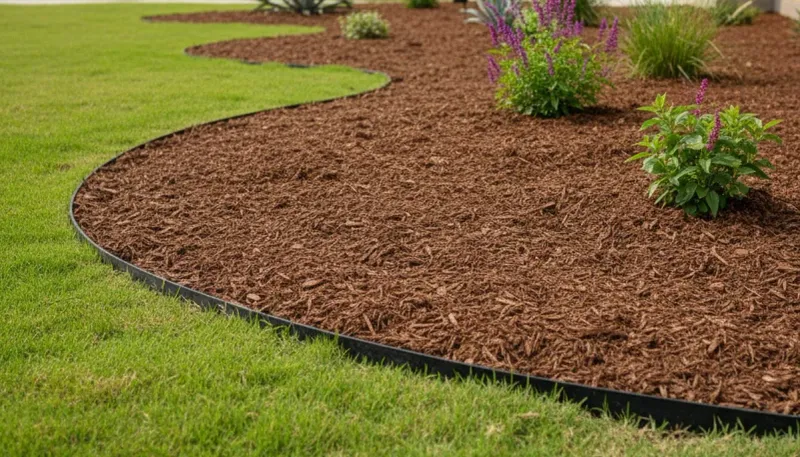
Bare soil in a Texas garden is like leaving your front door wide open during a dust storm. The blazing sun bakes the ground, turning it hard and dry while evaporating every drop of moisture.
A generous layer of mulch acts like a protective blanket that shields the soil from extreme heat.
Organic mulches such as shredded bark, wood chips, or pine needles work wonderfully in Texas gardens.
Spread mulch three to four inches deep around your plants, being careful not to pile it against stems or trunks. This layer keeps soil temperatures up to 20 degrees cooler than unmulched ground.
Mulch does more than just regulate temperature. It slows down water evaporation, meaning you need to irrigate less frequently even during heat waves.
The organic material also breaks down slowly over time, adding nutrients back into your soil and improving its structure.
Weeds struggle to grow through thick mulch, which saves you hours of work pulling unwanted plants in the scorching heat. Fewer weeds also mean less competition for water and nutrients, so your garden plants get everything they need.
In cities like San Antonio and Fort Worth, where water restrictions are common, mulch helps you comply while maintaining a beautiful garden.
Refresh your mulch layer each spring before temperatures climb. As the old mulch decomposes, it gets thinner and less effective.
Adding new mulch annually keeps your garden protected and looking neat. Cedar and cypress mulches also help repel certain insects while providing all the standard benefits.
4. Create Shade Structures For Delicate Plants
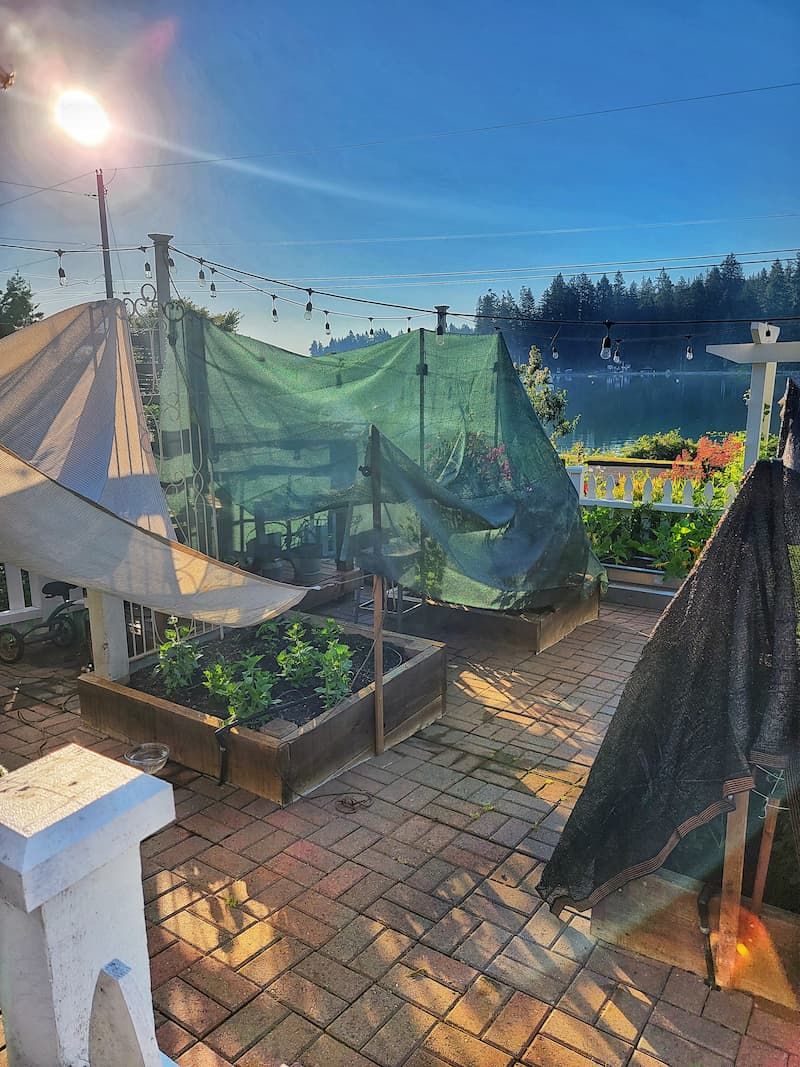
Even sun-loving plants appreciate a break from the relentless Texas afternoon sun. Temperatures on exposed leaves can reach 120 degrees or higher, causing permanent damage to plant tissues.
Strategic shading protects vulnerable plants during the hottest parts of the day while still allowing morning and evening light.
Shade cloth comes in different densities, typically blocking 30 to 70 percent of sunlight. For most Texas gardens, 40 to 50 percent shade cloth provides the perfect balance.
You can drape it over simple frames made from PVC pipe or wood, creating covered areas for heat-sensitive plants like lettuce, herbs, and certain flowers.
Larger shade structures like pergolas or arbors add beauty to your landscape while serving a practical purpose.
Plant heat-tolerant vines such as Carolina jasmine or trumpet vine to climb these structures, creating living shade that gets denser each year. The combination of structure and plants provides excellent protection.
Positioning matters when creating shade in your garden. Observe where the afternoon sun hits hardest, usually from the west and southwest.
That is where your plants need the most protection. Morning sun from the east is generally gentler and beneficial for most plants.
Container gardens especially benefit from shade structures because pots heat up faster than ground soil. Moving containers under shade during peak heat hours, or building permanent shade over a patio garden area, prevents root damage.
Many Texas gardeners use their shade structures to extend the growing season for cool-weather crops into early summer.
5. Improve Soil With Compost And Amendments
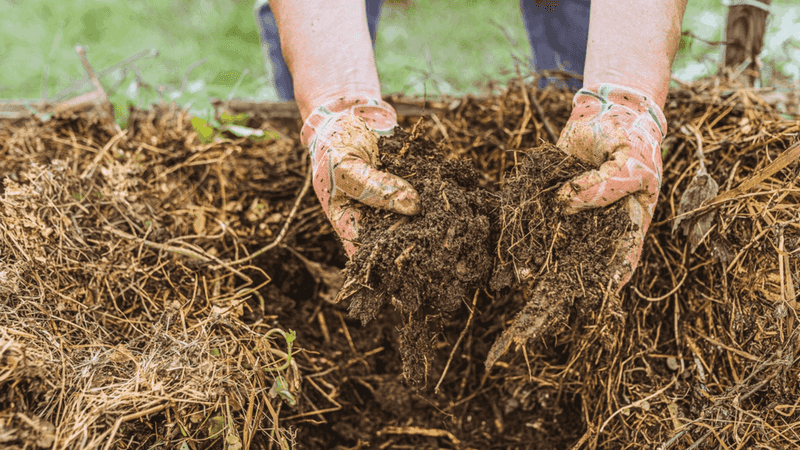
Texas soil varies wildly depending on where you live, but much of it tends toward clay or sand, neither of which holds moisture well during summer heat.
Clay soil becomes rock-hard when dry, while sandy soil lets water drain away before plants can use it. Improving your soil structure is essential for heat resistance.
Compost is like a miracle worker for troubled soil. Adding several inches of finished compost and working it into the top 6 to 8 inches of soil creates a spongy texture that holds moisture without becoming waterlogged.
Compost also feeds beneficial microorganisms that help plants absorb nutrients more efficiently.
You can make your own compost from kitchen scraps and yard waste, or buy it in bags or bulk from garden centers across Texas. Either way, adding compost before planting gives your garden a strong foundation.
Plants growing in amended soil develop healthier root systems that can access water deep underground.
Other helpful amendments include expanded shale for clay soils and peat moss or coconut coir for sandy soils. These materials improve drainage in heavy clay while helping sandy soil retain moisture longer.
The goal is creating soil that drains well enough to prevent root rot but holds enough water to support plants between irrigations.
Testing your soil pH helps you understand what amendments might be needed. Most Texas soils are alkaline, and adding sulfur can lower pH if you want to grow acid-loving plants.
However, choosing plants suited to your natural soil pH is usually easier than constantly fighting to change it.
6. Plant Windbreaks And Natural Barriers
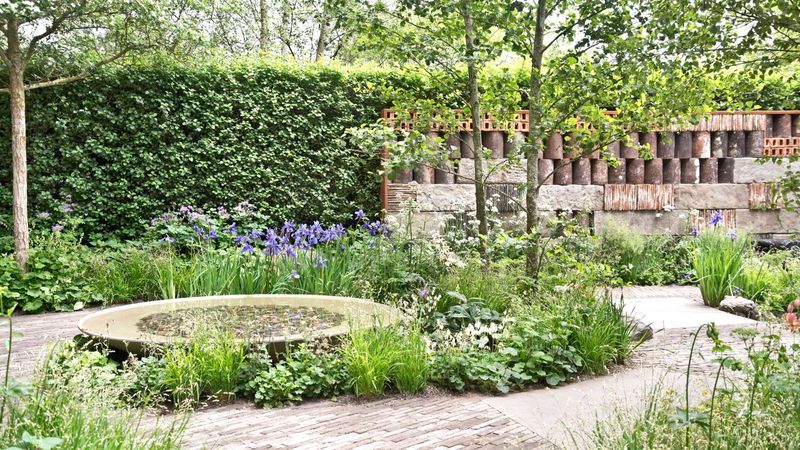
Hot, dry winds sweep across Texas during summer, stealing moisture from plants faster than you can replace it. These winds also blow away mulch, spread diseases, and create stressful growing conditions.
Natural windbreaks reduce wind speed and create calmer microclimates within your garden.
Tall ornamental grasses like Miscanthus or bamboo muhly make excellent living windbreaks.
Plant them in rows or clusters on the side of your garden where prevailing winds come from, usually the south or southwest in most of Texas. These grasses grow quickly and need minimal care once established.
Shrubs such as Texas ranger, yaupon holly, or wax myrtle create denser barriers that block wind more completely.
Space them close enough that their branches touch when mature, forming a solid wall of greenery. This not only protects your garden but also provides privacy and habitat for birds.
Windbreaks work by slowing air movement rather than stopping it completely. A good windbreak reduces wind speed for a distance of about 10 times its height on the protected side. A six-foot hedge protects an area extending 60 feet beyond it.
Fences and walls can serve as windbreaks too, but they create turbulence on the downwind side that can damage plants. Living windbreaks filter wind more gently while adding beauty and ecological value.
In open areas like the Texas Panhandle or West Texas, windbreaks are absolutely essential for successful gardening.
Combining different heights of plants creates the most effective windbreak. Tall trees in back, medium shrubs in the middle, and shorter plants in front work together to slow wind at all levels.
7. Group Plants By Water Needs
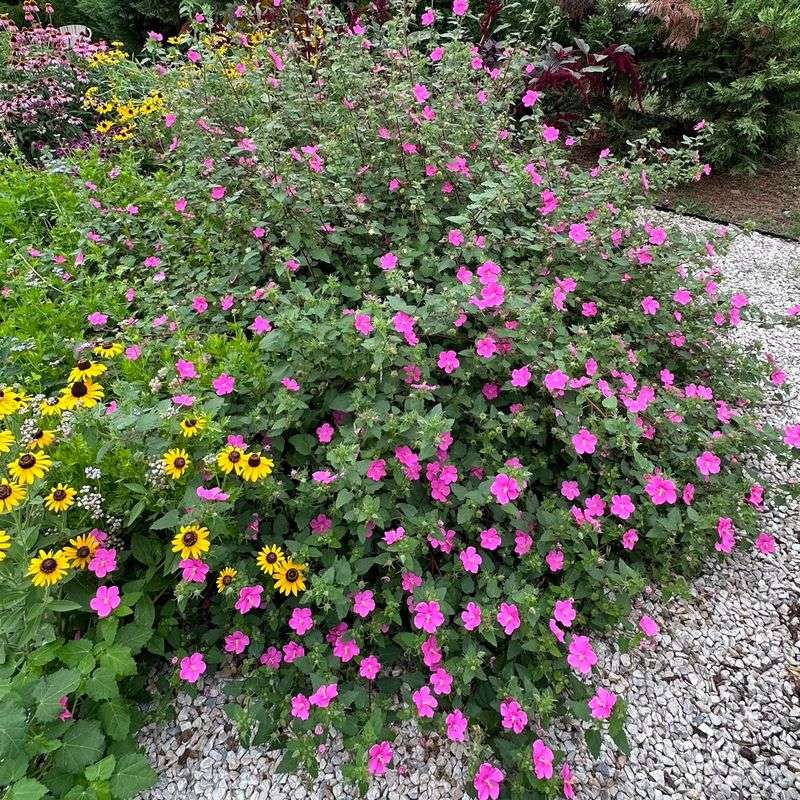
Planting everything randomly throughout your garden leads to wasted water and struggling plants. Some species need regular moisture while others prefer to stay on the dry side.
Grouping plants with similar water requirements, called hydrozoning, makes irrigation more efficient and keeps all your plants happy.
Create distinct zones in your Texas garden based on water needs. Place thirsty plants like vegetables, annuals, and moisture-loving perennials together in one area where you can water them frequently.
Put drought-tolerant natives, succulents, and established shrubs in another zone that receives less irrigation.
This strategy prevents you from overwatering drought-tolerant plants or underwatering moisture-lovers. Overwatering desert-adapted plants can actually harm them by encouraging root rot and fungal diseases.
Meanwhile, plants that need consistent moisture will suffer if planted among species that prefer dry conditions.
Your highest-water-use zone should be closest to your house where you will see and enjoy it most. This might include a small lawn area, colorful flower beds, or a vegetable garden.
Medium-water-use plants can occupy the middle ground, while the outer edges of your property work perfectly for tough, drought-resistant species.
As plants mature and their root systems develop, many can be moved to lower-water zones. A shrub that needed weekly watering during its first year might only need monthly watering once established. Adjusting your zones over time maximizes water efficiency.
Mark your different zones on a simple garden map so you remember which areas need more attention. This becomes especially helpful during the peak of Texas summer when every drop of water counts.