These 9 Tough Shrubs Won’t Snap During Florida Storms (Plus 3 To Avoid)
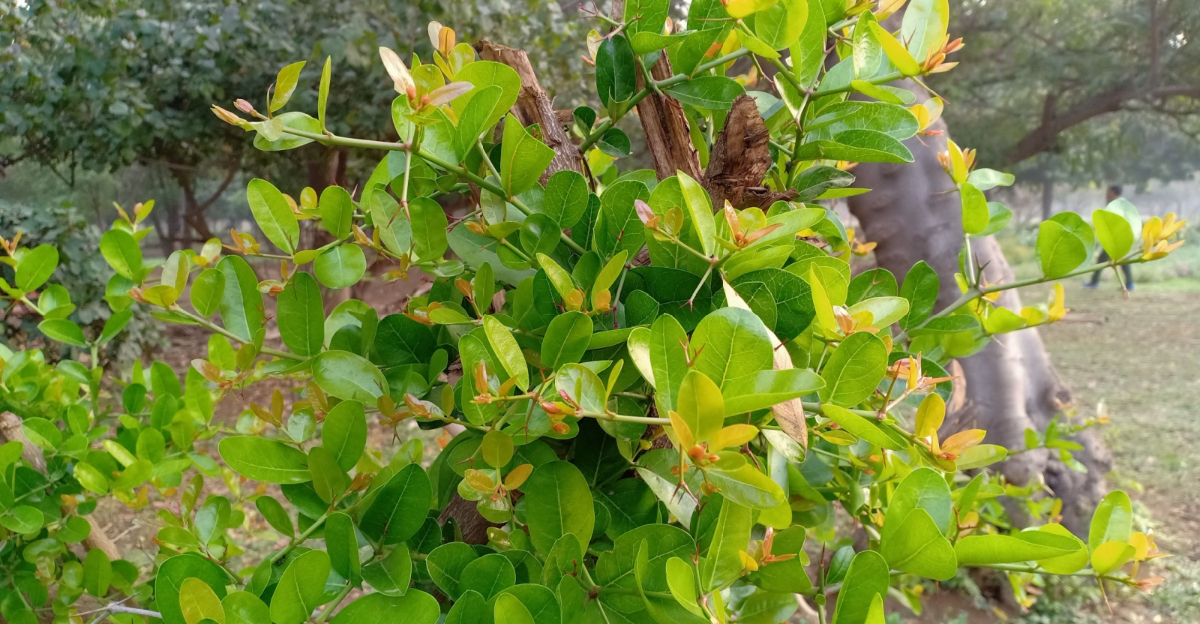
Florida landscapes take a beating every storm season. Hurricane winds shred weak shrubs, tear shallow roots from soaked soil, and leave piles of broken limbs across yards.
Many popular ornamentals look great in calm weather yet collapse fast once powerful gusts arrive, turning beauty into expensive cleanup. Strong plant choices change that outcome.
Wind-tolerant shrubs flex instead of snap, stay anchored in saturated ground, and bounce back after heavy damage. Native and well-adapted Florida species grow deeper roots, tighter branching, and smaller leaves that reduce wind pressure during severe weather.
Yards built with storm-hardy shrubs stay greener, safer, and far easier to manage after tropical systems move through.
Ahead comes a practical look at shrubs known for solid wind performance across Florida, plus three familiar favorites that often struggle when storm winds push hard against exposed landscapes.
1. Plant Simpson’s Stopper For Wind-Resistant Structure
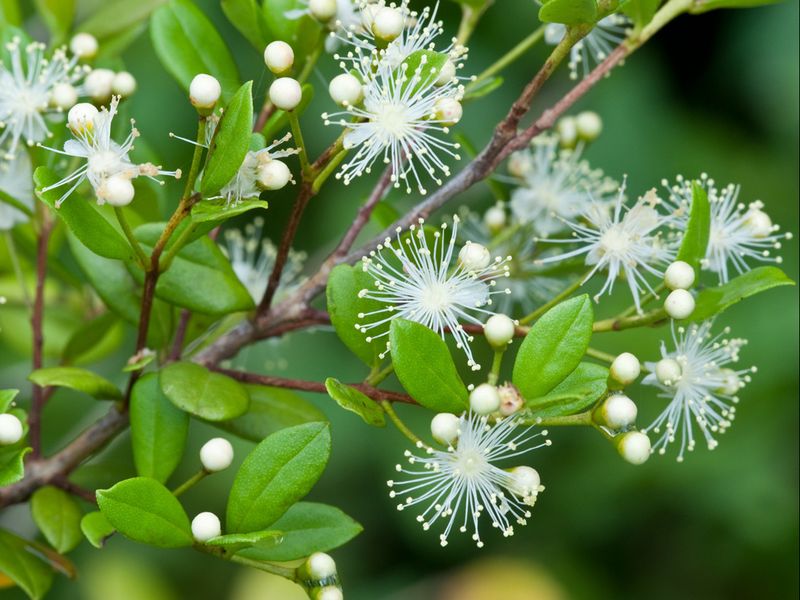
Simpson’s stopper grows with naturally dense branching that creates a sturdy framework resistant to wind damage. Native to South Florida coastal areas, this shrub develops deep roots that anchor it firmly in sandy or limestone soils common across the state.
Its small, glossy leaves reduce wind resistance compared to large-leafed shrubs, allowing gusts to pass through the canopy without snapping branches.
Mature plants reach six to ten feet tall and spread nearly as wide, creating excellent screening or foundation plantings. The flexible wood often bends under pressure rather than breaking in moderate to strong winds.
White spring flowers attract pollinators and produce small berries that birds enjoy throughout the year.
Plant Simpson’s stopper in full sun to partial shade, spacing specimens four to five feet apart for hedges. Water regularly during the first growing season to establish strong roots, then reduce frequency as the plant matures.
Prune lightly in late winter to maintain shape and remove any crossing branches that might rub during high winds. This shrub tolerates salt spray near coastal areas and performs well in both irrigated landscapes and drier conditions once established.
2. Grow Wax Myrtle For Flexible Storm Strength
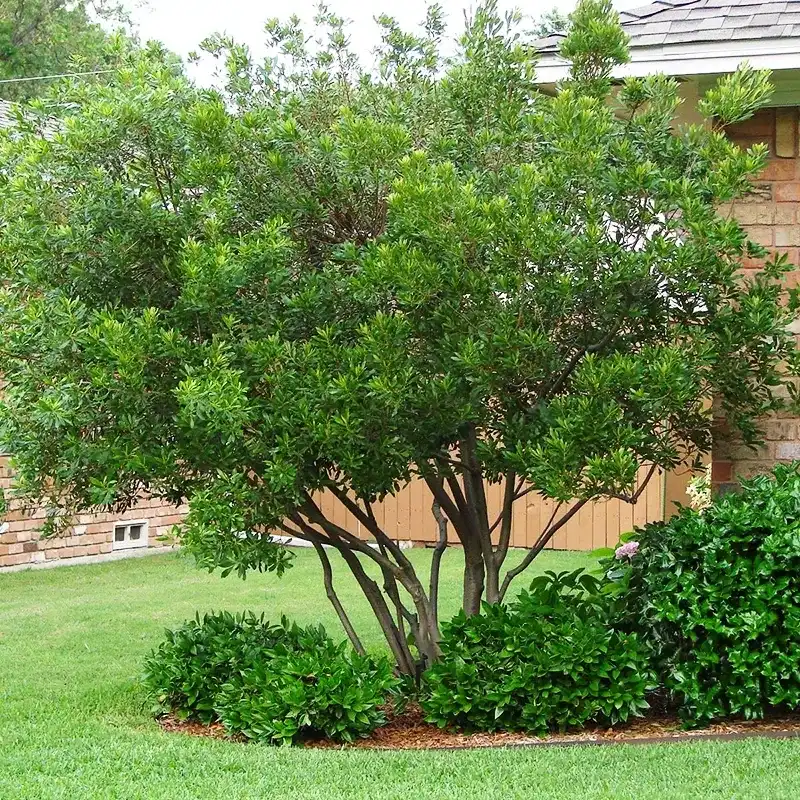
Wax myrtle ranks among Florida’s toughest native shrubs, bending dramatically in strong winds without breaking. The slender, aromatic leaves and supple branches create minimal wind resistance, allowing storm gusts to flow through the plant instead of pushing against rigid structure.
Fast growth and vigorous root development help young plants establish quickly and withstand their first hurricane season within two years of planting.
This adaptable shrub grows eight to fifteen feet tall in most landscapes, forming dense screens or naturalistic groupings. Male and female plants grow separately, with females producing waxy gray berries that provide important winter food for migrating songbirds.
The olive-green foliage stays attractive year-round and releases a pleasant fragrance when brushed or pruned.
Space wax myrtle plants five to six feet apart for screening purposes or allow more room for specimen growth. Plant in full sun for best density, though the shrub tolerates partial shade in hotter inland areas.
Water regularly until roots establish, then rely on rainfall except during extended dry periods. Prune in late winter or early spring to control size and remove any damaged wood from previous storms.
Your Florida Garden Changes Every Week. Your Plan Should Too.
Gardening in Florida changes quickly throughout the season. Every Friday you’ll receive a simple weekly plan showing exactly what to plant, prune, fertilize, harvest, and protect so you never miss the right timing.
Wax myrtle grows well in wet or dry soils and tolerates brief flooding during heavy rainfall events.
3. Choose Cocoplum For Coastal Wind Protection
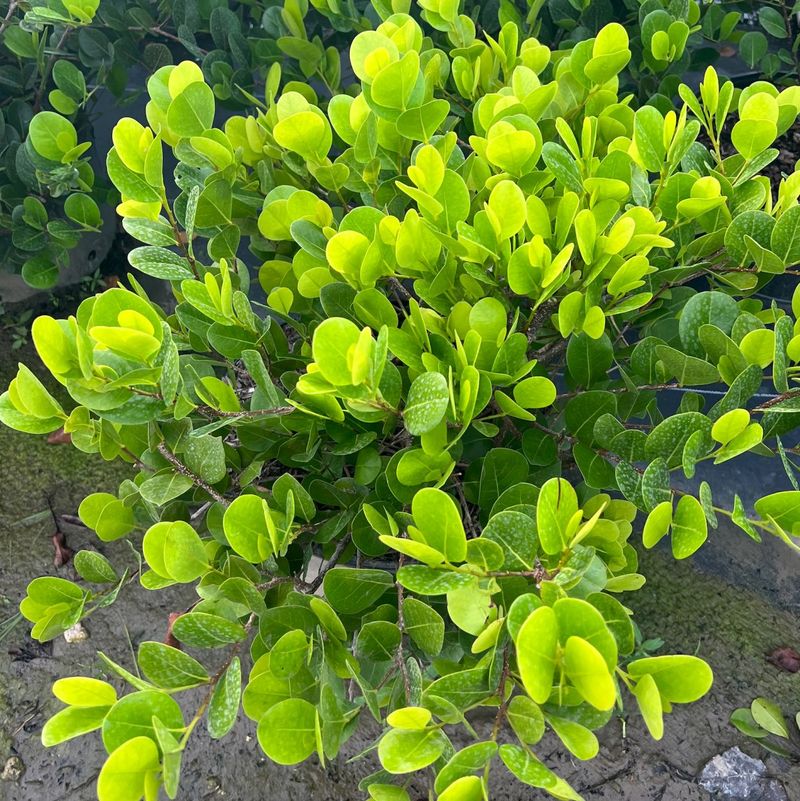
Cocoplum handles salt spray and strong coastal winds better than most Florida shrubs, making it ideal for properties near the ocean. The thick, rounded leaves and compact branching pattern create a solid windbreak that protects more delicate plants behind it.
Strong wood and extensive root systems help reduce toppling in strong coastal storms and hurricanes from ocean approaches.
Two varieties serve different landscape purposes: green cocoplum grows taller and works well for tall hedges, while horizontal cocoplum stays lower and spreads wider for groundcover use. Both types produce white flowers followed by purple fruits that wildlife consume readily.
The glossy foliage often shows purple or bronze tints on new growth, adding subtle color interest throughout the year.
Plant cocoplum in full sun to light shade, spacing green types four feet apart and horizontal varieties three feet apart. The shrub tolerates various soil types including sand, shell, and limestone.
Water weekly during establishment, then reduce frequency as roots spread. Prune two or three times yearly to maintain formal hedge shapes, or leave unpruned for natural, rounded forms.
Cocoplum recovers quickly from storm damage and regrows broken branches within one growing season under normal conditions.
Note: Cocoplum is best suited for South and coastal Florida and may suffer cold damage in North Florida.
4. Add Walter’s Viburnum For Dense Storm Stability
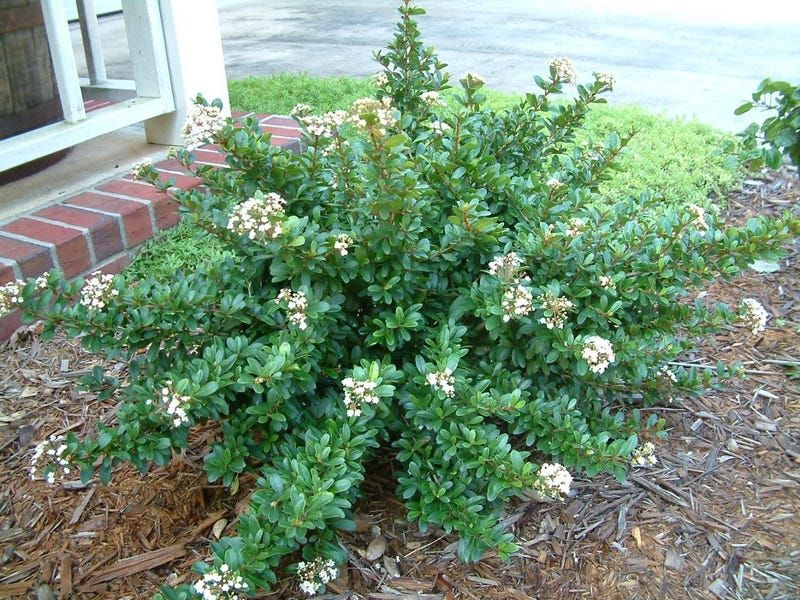
Walter’s viburnum develops exceptionally dense branching that creates natural wind resistance through structural strength rather than flexibility. Native to Florida wetlands and hammocks, this shrub produces thick, leathery leaves that withstand battering rain and moderate wind without tearing.
The compact growth habit and strong wood prevent the splitting and breaking common in looser, more open shrubs during severe weather.
Mature specimens reach six to twelve feet tall with similar spread, creating excellent privacy screens or specimen plantings. Clusters of small white flowers appear in spring, followed by red berries that ripen to black and attract numerous bird species.
The glossy foliage remains attractive through all seasons and tolerates both wet and moderately dry conditions.
Space Walter’s viburnum four to five feet apart for hedges or allow six feet for individual specimens. Plant in full sun to partial shade, though flowering improves with more direct sunlight.
Water regularly during the first year to encourage deep root growth that anchors the plant during storms. Prune after flowering to shape plants or control size, removing no more than one-third of the growth in a single session.
This shrub performs well in various soil types and tolerates the brief flooding common during tropical storms and heavy summer thunderstorms across Florida.
5. Plant Yaupon Holly For Tough, Resilient Growth
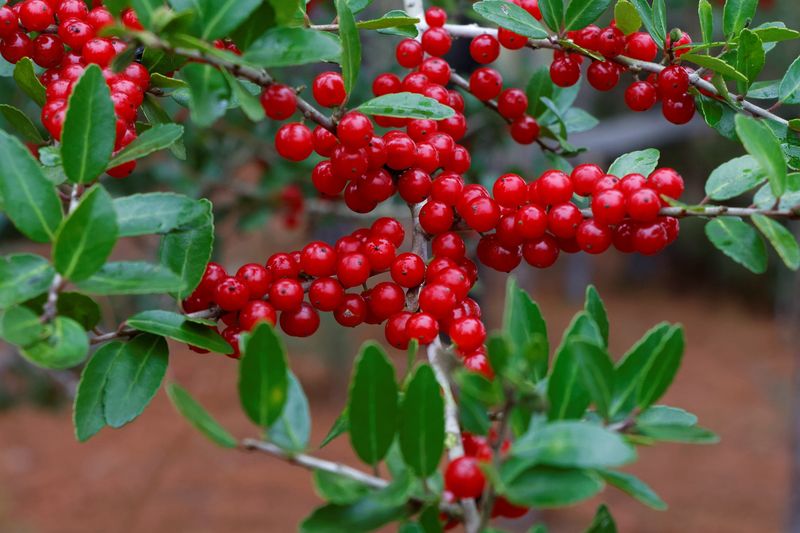
Yaupon holly withstands Florida storms through a combination of small leaves, dense twigs, and remarkably strong wood. Native to the southeastern United States including North Florida, this shrub bends under wind pressure but rarely breaks even in sustained hurricane conditions.
The tiny evergreen leaves create minimal surface area for wind to catch, allowing gusts to pass through the canopy with little resistance.
Several forms exist, from dwarf varieties reaching three feet to larger types growing fifteen feet tall. Female plants produce abundant bright red berries in fall and winter, creating stunning displays that persist through the holiday season.
The fine-textured foliage works well for formal hedges or naturalistic groupings depending on pruning approach.
Space yaupon holly three to six feet apart depending on variety and desired effect. Plant in full sun to partial shade, though berry production increases with more light exposure.
Water regularly during establishment, then reduce frequency as the extensive root system develops. Prune anytime to maintain size and shape, or leave unpruned for natural form.
Yaupon tolerates various soil types including sand and clay, and handles both wet and dry conditions once roots establish. The shrub recovers quickly from any storm damage and regrows broken branches rapidly during the growing season.
6. Use Florida Privet For Reliable Wind Tolerance
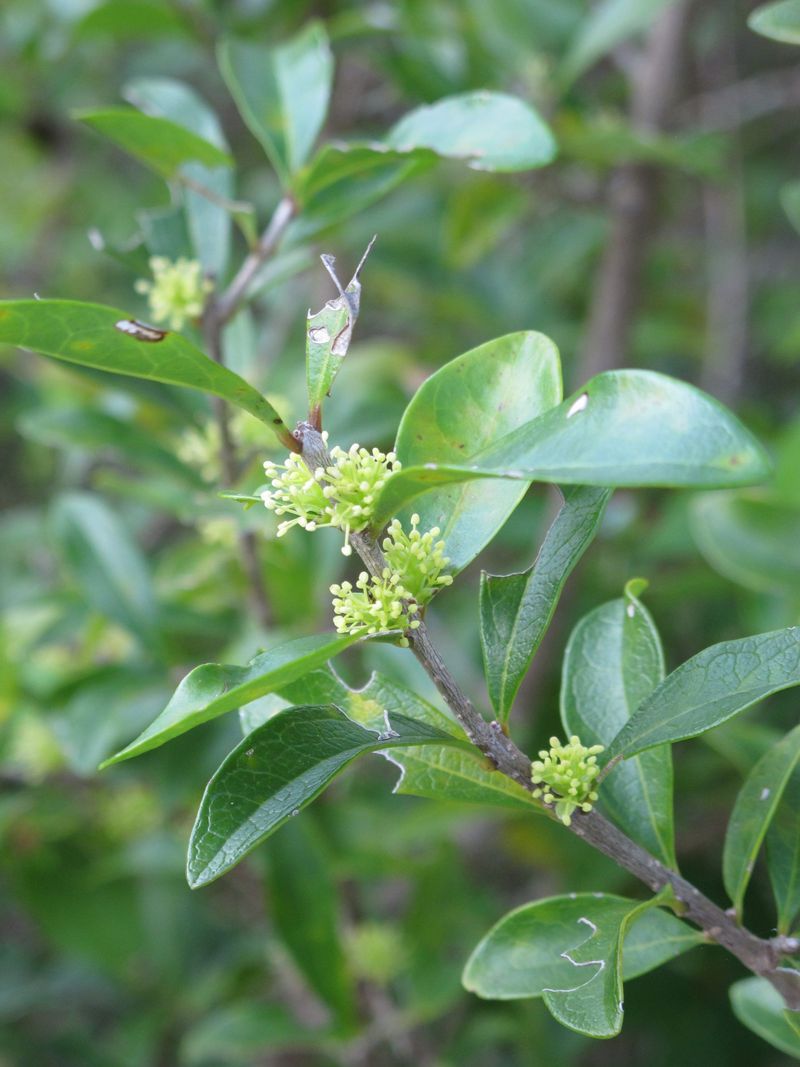
Florida privet combines moderate flexibility with sturdy branching to handle moderate storm winds better than many ornamental shrubs. Native to hammocks and woodland edges throughout the state, this plant develops strong roots that anchor it firmly in various soil types.
The glossy leaves and compact growth pattern create attractive hedges that maintain their appearance even after experiencing significant wind and rain.
Mature plants reach ten to fifteen feet tall if left unpruned, though regular trimming keeps them at any desired height. Fragrant white flowers appear in spring and early summer, followed by dark purple berries that birds consume quickly.
The dense evergreen foliage provides year-round screening and privacy for residential landscapes.
Plant Florida privet in full sun to partial shade, spacing specimens four feet apart for hedge use. The shrub adapts to wet or dry soils and tolerates the variable moisture conditions common in Florida yards.
Water weekly during the first growing season, then rely primarily on rainfall. Prune two or three times yearly to maintain formal shapes, or trim once annually for looser, more natural forms.
Florida privet tolerates salt spray in coastal areas and performs well inland throughout Central and South Florida. The shrub regrows quickly after storms and fills in gaps left by broken branches within a single growing season.
7. Grow Buttonwood For Strong Coastal Defense
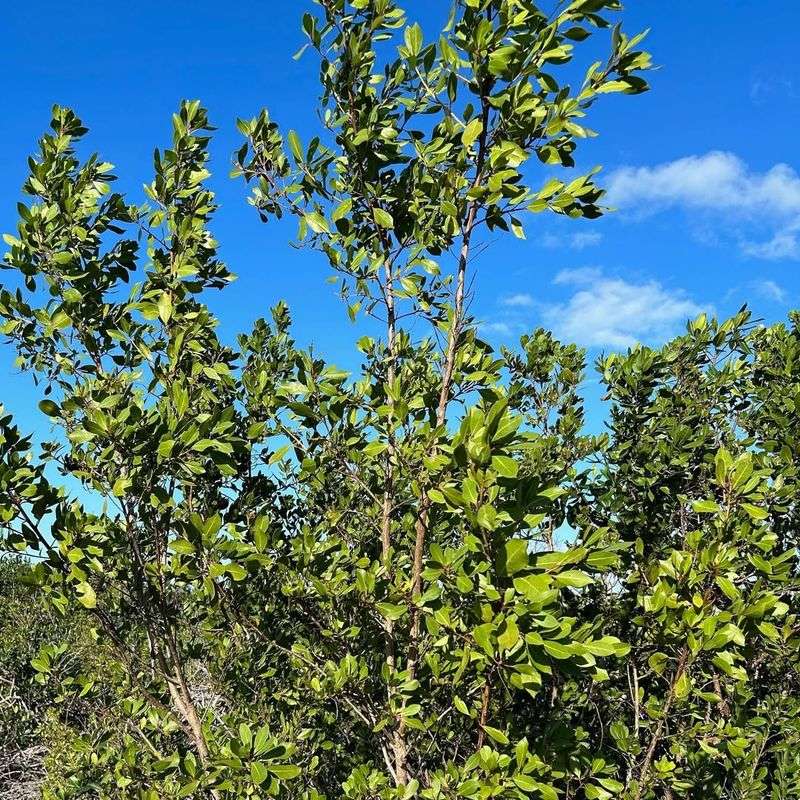
Buttonwood thrives in the harshest coastal conditions where salt spray and constant wind challenge most other plants. Native to Florida’s mangrove edges and coastal hammocks, this shrub develops extremely dense wood and a low center of gravity that helps reduce toppling in strong coastal winds, though severe hurricanes can still cause damage.
The silvery-green foliage and irregular branching create a distinctive appearance that fits naturally into coastal landscapes.
Two varieties serve different purposes: green buttonwood grows taller and faster, while silver buttonwood stays more compact with brighter foliage. Both types tolerate flooding, salt, wind, and poor soil better than nearly any other Florida shrub.
Mature specimens reach fifteen to twenty feet if left unpruned, though regular trimming maintains any desired size.
Space buttonwood plants six to eight feet apart for screening or allow more room for specimen growth. Plant in full sun for best performance and densest growth.
The shrub tolerates various soil types including sand, shell, and limestone common in coastal areas. Water regularly during establishment, then reduce frequency dramatically as roots spread.
Prune anytime to control size or shape, though buttonwood looks most natural when allowed to grow with minimal trimming. This shrub recovers from storm damage better than most others and regrows broken branches quickly.
Buttonwood works well for windbreaks that protect more delicate plants positioned behind it in the landscape.
8. Plant Firebush For Flexible Storm Survival
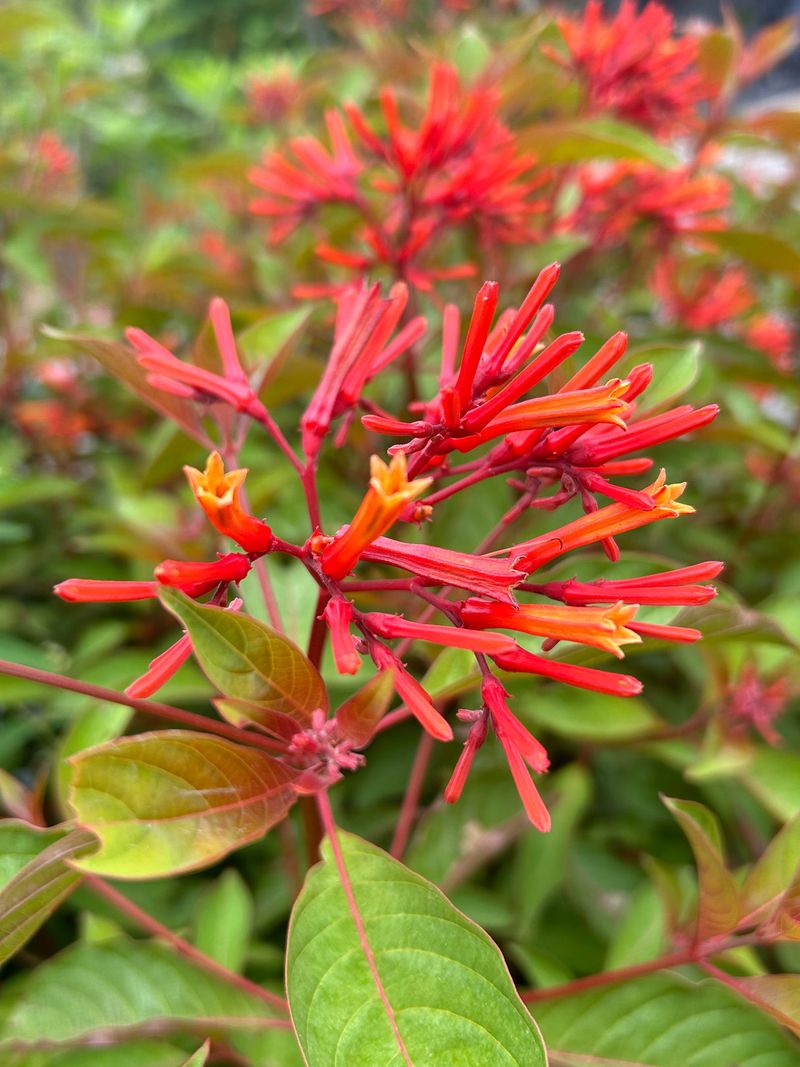
Firebush often survives storms through flexibility, though plants may be blown over or defoliated in hurricanes and later regrow. Native to South Florida and the Keys, this shrub produces soft, pliable wood that springs back upright after wind subsides.
The loose, open branching pattern creates minimal wind resistance, allowing gusts to flow through the plant rather than pushing against dense foliage.
Bright tubular flowers bloom nearly year-round in warm areas, attracting hummingbirds and butterflies constantly. The flowers range from orange to red depending on variety and growing conditions.
Fast growth helps damaged plants recover quickly, often regrowing several feet within months after storms pass.
Space firebush plants four to five feet apart for informal hedges or mass plantings. Plant in full sun to light shade, though flowering decreases in shadier locations.
Water regularly during establishment, then reduce frequency as roots develop. The shrub tolerates brief dry periods but performs best with consistent moisture during growing season.
Prune in late winter to control size and encourage bushier growth, or trim lightly throughout the year to maintain shape. Firebush tolerates various soil types and adapts to both wet and dry conditions.
Plants may experience some tip damage in freezes across North and Central Florida but regrow quickly from roots when temperatures warm. The shrub self-seeds readily, producing volunteer seedlings that establish easily in landscape beds.
9. Add Marlberry For Durable Native Protection
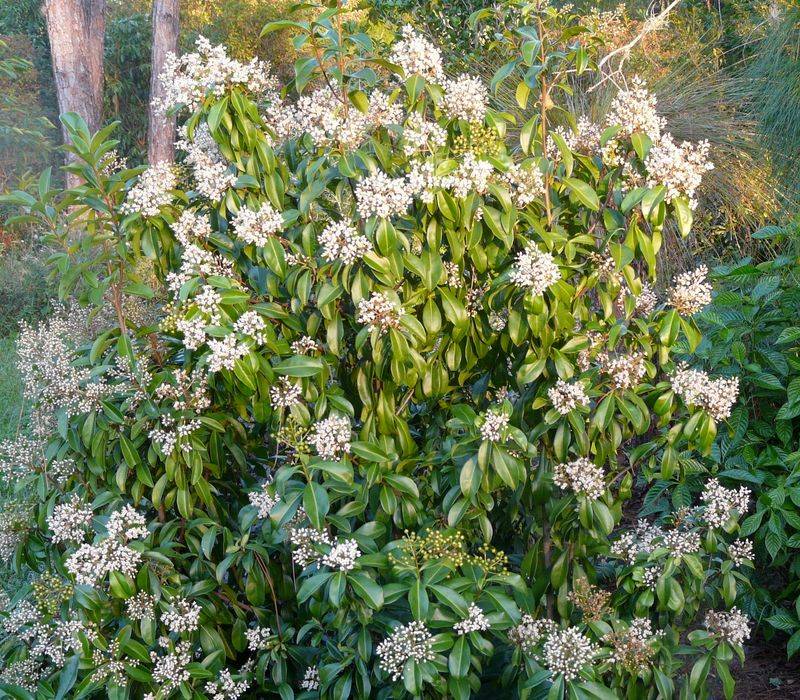
Marlberry withstands Florida storms through dense wood, compact branching, and deep roots that anchor firmly in various soils. Native to hammocks and coastal areas throughout South and Central Florida, this shrub develops naturally strong structure that resists wind damage without requiring special pruning or care.
The thick, glossy leaves handle driving rain without tearing, and the tight branching pattern prevents limbs from splitting under pressure.
Mature plants reach six to ten feet tall with similar spread, creating excellent foundation plantings or hedge rows. Small white flowers appear in clusters during warm months, followed by dark purple berries that numerous bird species consume.
The evergreen foliage remains attractive year-round and tolerates both sun and shade conditions.
Plant marlberry in full sun to partial shade, spacing specimens four to five feet apart for hedges. The shrub adapts to wet or dry soils and tolerates brief flooding during heavy rain events.
Water regularly during the first growing season to establish strong roots, then reduce frequency significantly. Prune lightly after flowering to maintain shape or control size, removing no more than one-third of growth annually.
Marlberry tolerates salt spray in coastal locations and performs well inland throughout its native range. The shrub recovers quickly from any storm damage and regrows broken branches within one growing season under normal conditions.
Marlberry performs best in South and Central Florida and is less common in colder North Florida landscapes.
10. Avoid Croton In High-Wind Landscapes
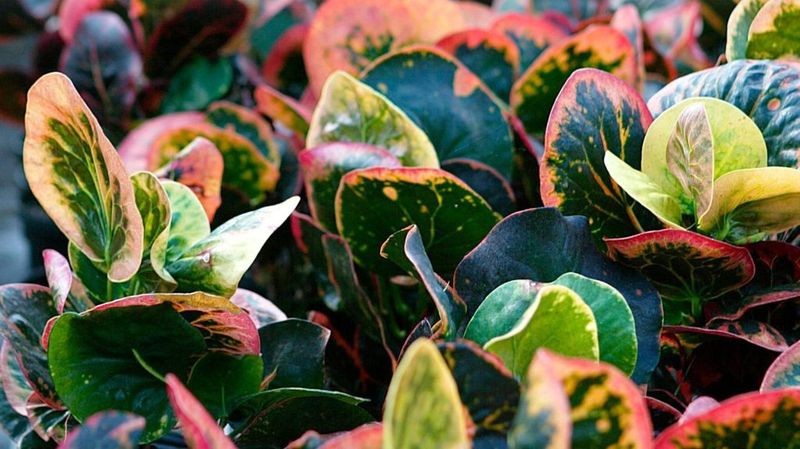
Croton produces brittle wood and weak branch attachments that fail quickly when strong winds arrive. The large, colorful leaves create significant wind resistance, catching gusts like sails and placing tremendous stress on fragile stems.
Branches snap easily even in moderate tropical storm conditions, leaving ragged stumps and bare spots that take months to recover.
The shallow root system provides poor anchorage, causing entire plants to lean or topple during sustained winds. While croton creates stunning color displays in calm weather, the cleanup and replacement costs after storms make it impractical for exposed locations.
The plant performs better in protected courtyards or areas shielded by buildings and tougher shrubs.
If you choose croton despite storm risks, plant it in sheltered locations away from prevailing wind directions. Space plants three to four feet apart and water regularly to encourage the deepest possible root development.
Prune regularly to reduce overall size and remove heavy branches that might catch wind. Stake young plants to improve stability during their first year.
Croton requires replacement more frequently than tougher shrubs in storm-prone areas, increasing long-term landscape maintenance costs. Consider using more resilient alternatives for exposed foundation plantings, property borders, and other locations that receive direct wind impact during severe weather events throughout Florida’s hurricane season and summer thunderstorm periods.
11. Skip Hibiscus Where Storm Winds Hit Hard
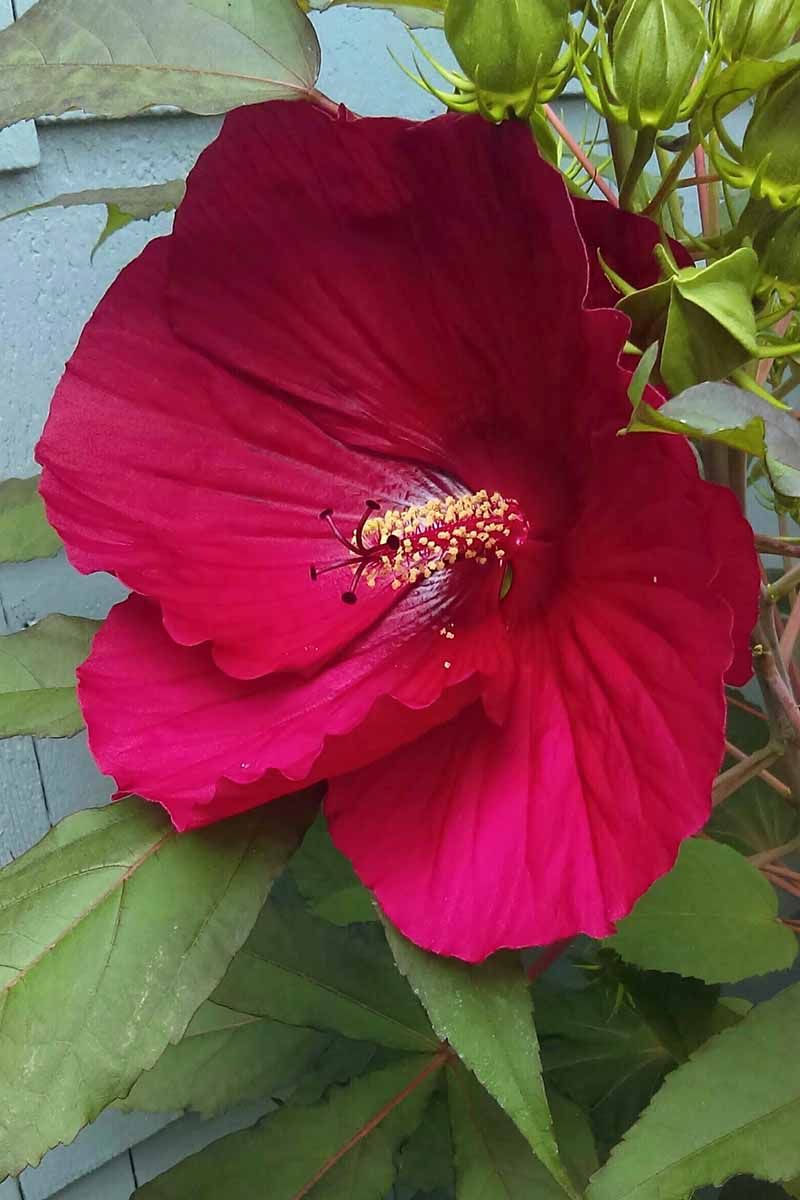
Hibiscus develops soft, pithy wood that splits and breaks easily under wind stress. The large flowers and broad leaves create substantial wind resistance that places enormous pressure on weak branch junctions during storms.
Even moderate tropical storm winds snap branches freely, leaving damaged plants that require heavy pruning and long recovery periods.
Shallow roots provide minimal anchorage, causing plants to lean severely or uproot completely in sustained winds. While hibiscus produces spectacular blooms that attract attention in calm weather, the predictable storm damage makes it unsuitable for exposed locations.
The plant performs better in protected areas near walls or under tree canopies that block direct wind.
If you want hibiscus despite its weakness, plant it in courtyards or other sheltered spots away from open exposure. Space plants four feet apart and water deeply to encourage the strongest possible root growth.
Prune regularly to reduce height and remove long, heavy branches that catch wind easily. Stake plants to improve stability, though this provides limited help during severe weather.
Expect to prune damaged growth heavily after each storm and allow several months for recovery. Consider replacing hibiscus with tougher flowering shrubs like firebush or Simpson’s stopper in locations that receive direct wind impact.
These alternatives provide color and interest without the constant maintenance and replacement costs associated with hibiscus in storm-prone Florida landscapes.
12. Do Not Rely On Oleander In Storm Zones
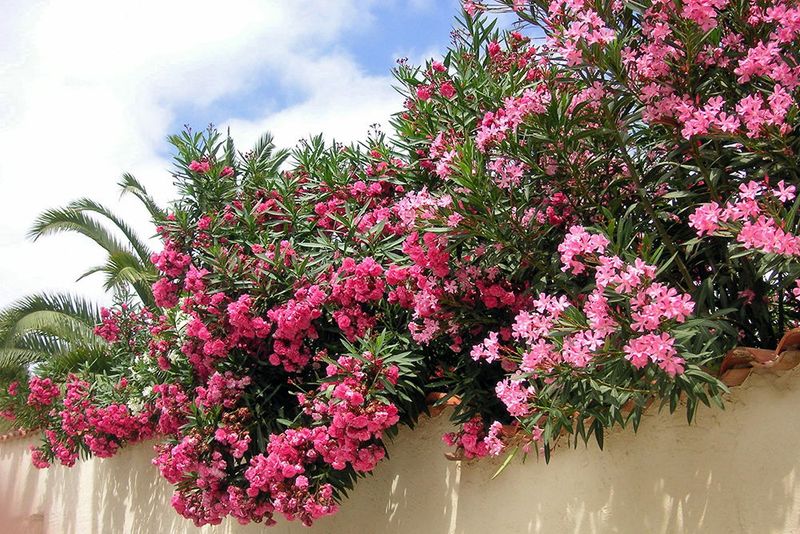
Oleander has moderate wind tolerance but can suffer branch breakage in strong tropical storms and hurricanes. While tougher than many flowering shrubs, damage is still common in exposed locations.
The narrow leaves create less wind resistance than some shrubs, but the weak wood and shallow roots cause significant damage during tropical storms and hurricanes. Branches break cleanly at weak attachment points, leaving jagged wounds that heal slowly and attract pests.
The shallow root system anchors poorly in sandy Florida soils, causing mature plants to lean badly or topple completely when sustained winds arrive. While oleander tolerates heat and drought well during calm weather, its storm performance makes it risky for exposed locations.
The plant also contains toxic compounds throughout all parts, creating additional concerns when broken branches scatter across yards during cleanup.
If you choose oleander, plant it only in well-protected locations away from prevailing storm winds. Space plants five feet apart and water deeply during establishment to encourage the deepest possible rooting.
Prune regularly to reduce overall height and remove crossing branches that might rub and weaken during high winds. Wear gloves when pruning due to the toxic sap that causes skin irritation.
Expect significant damage and cleanup work after each major storm event. Some homeowners prefer native alternatives like Walter’s viburnum or wax myrtle for improved storm resilience and lower cleanup after severe weather.
Oleander is widely used in hurricane-prone coastal areas but still performs best in somewhat protected locations.