The 10 Must-Do Gardening Tasks For February In Florida
Florida gardeners, February decides the success of your entire future season. One smart move now can mean lush harvests, vibrant flowers, and strong lawns by spring.
One missed step can lead to pests, weak growth, and wasted effort. As temperatures rise and daylight expands, plants shift from winter rest to active growth. This brief window can make or break the months ahead.
Timing matters more now than at any other point in the season, and small actions taken today can deliver major results later. Conditions vary across the state, yet every Florida yard responds to the same simple truth: act at the right moment, and growth follows.
Take control of your landscape now and set the foundation for months of color, strength, and abundance.
The work done today shapes the garden you enjoy tomorrow, so step outside, check your plants, and start the tasks that turn an ordinary yard into a healthy Florida garden space.
1. Prune Cold-Damaged Plants After Frost Risk Passes
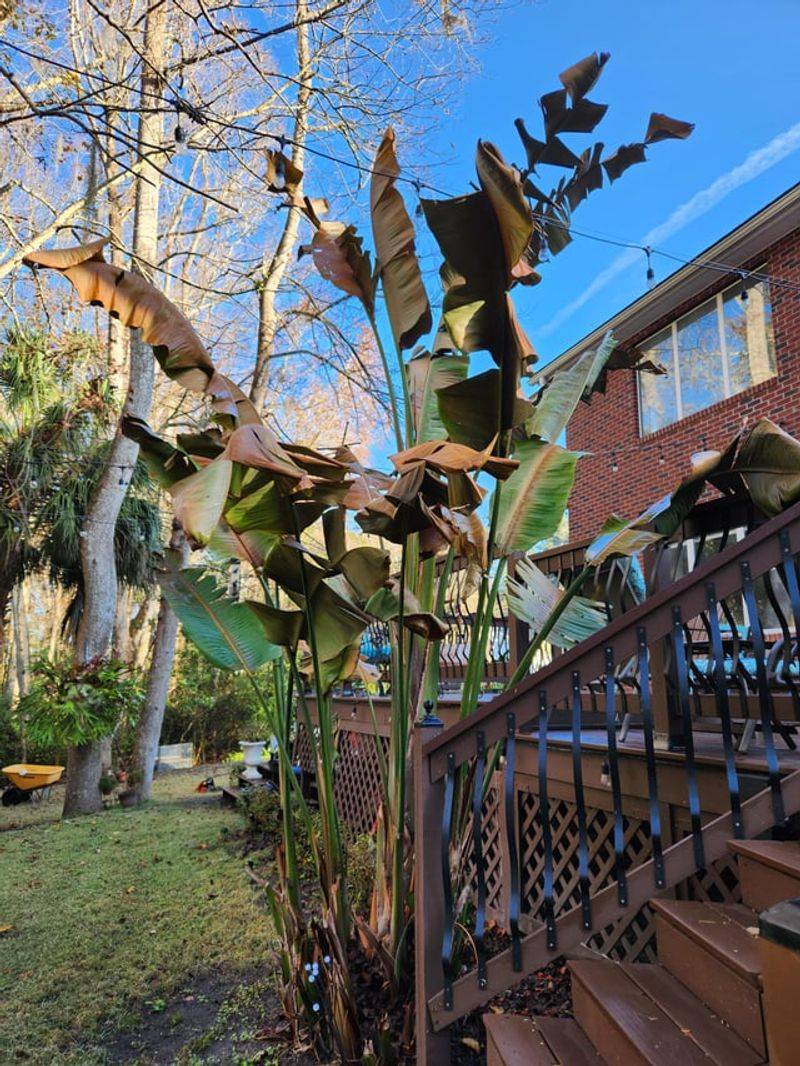
Waiting until the threat of frost passes is crucial before you start cutting back plants that look damaged from winter cold. Pruning too early can encourage tender new growth that gets harmed if another cold snap arrives unexpectedly.
In North Florida, hold off until late February or early March, while Central and South Florida gardeners can usually begin earlier in the month once temperatures stabilize above freezing at night.
Look for brown, wilted, or blackened foliage on tropicals, perennials, and tender shrubs. These damaged portions won’t recover, but the plant’s root system and lower stems often remain healthy and ready to push out fresh growth.
Use clean, sharp pruning tools to remove only the obviously damaged tissue, cutting back to where you see green, living wood or stems.
Resist the urge to prune everything down to the ground right away. Sometimes damage looks worse than it actually is, and plants surprise you by sending out new shoots from seemingly lifeless branches.
Give your plants a few weeks to show signs of recovery before making final decisions about how much to remove. Patience during this process helps preserve as much healthy plant material as possible.
2. Plant Warm-Season Vegetables For Spring Harvest
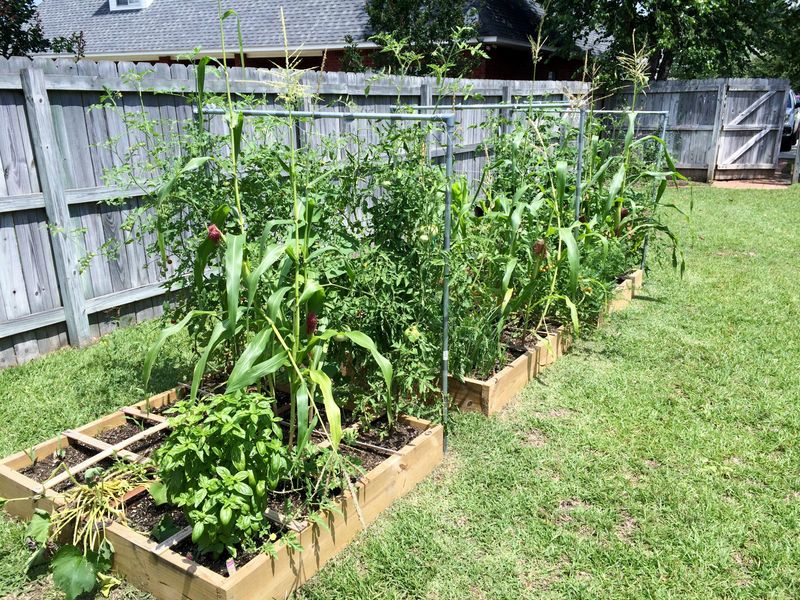
February offers an excellent window for planting warm-season vegetables in Central and South Florida, while North Florida gardeners should wait until late February or March or be prepared to protect plants from late frosts. Soil temperatures start warming up enough to support crops like tomatoes, peppers, squash, and beans, especially in Central and South Florida where the growing season kicks off earlier.
North Florida gardeners should watch weather forecasts carefully and be ready to protect young transplants if late cold weather threatens.
Tomatoes and peppers transplanted now have time to establish strong root systems before summer heat arrives. Choose varieties suited to Florida’s climate, as not all types perform well in our humid conditions and intense summer sun.
Prepare beds with compost or aged manure to provide nutrients these heavy feeders need throughout their growing season.
Your Florida Garden Changes Every Week. Your Plan Should Too.
Gardening in Florida changes quickly throughout the season. Every Friday you’ll receive a simple weekly plan showing exactly what to plant, prune, fertilize, harvest, and protect so you never miss the right timing.
Direct-seed crops like beans, cucumbers, and summer squash can go straight into the garden once soil feels warm to the touch. These vegetables germinate quickly in warmer soil and grow rapidly as spring progresses.
Space plants properly to allow good air circulation, which helps prevent fungal diseases that thrive in Florida’s humidity. Water newly planted vegetables consistently while they establish, keeping soil moist but not waterlogged.
In North Florida, soil may still be too cool early in the month for beans and cucumbers, which prefer warmer soil above 65°F for good germination.
3. Start Feeding Lawns As Growth Slowly Returns
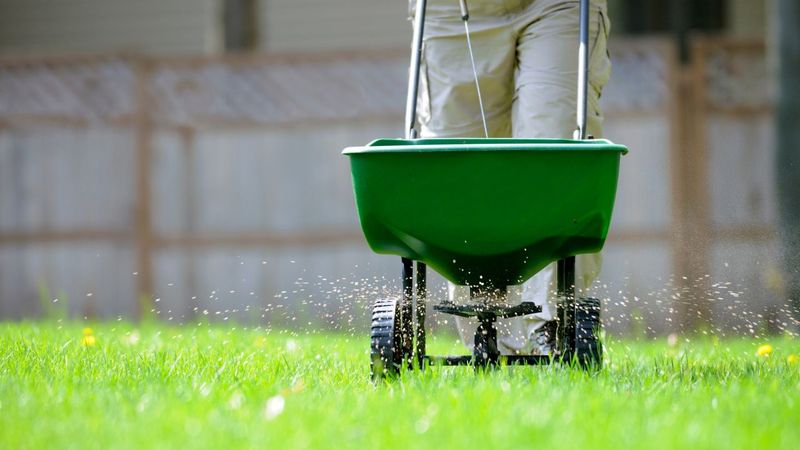
Grass begins waking from winter dormancy as temperatures climb, but most North and Central Florida lawns should NOT be fertilized until the grass is fully green and actively growing — usually March or April.
South Florida lawns may be ready earlier if growth has clearly resumed.
St. Augustine, Bahia, and Bermuda lawns show signs of renewed growth as days warm up, though the pace remains slower than the vigorous growth you’ll see in April and May. South Florida lawns typically green up first, while northern areas may need to wait until March depending on weather patterns.
Apply a slow-release fertilizer with a balanced formula or one slightly higher in nitrogen to encourage healthy blade growth and deep green color. Avoid heavy applications this early because grass isn’t growing fast enough yet to use large amounts of nutrients efficiently.
Excess fertilizer can wash away with spring rains or encourage unwanted weed growth instead of benefiting your turf.
Check soil moisture before fertilizing and water lightly afterward to help nutrients move into the root zone. If your lawn still looks mostly dormant or brown, hold off another few weeks until you see clear signs of active growth.
Timing your first application correctly helps grass green up evenly without wasting fertilizer or stressing turf that isn’t ready to respond.
Always check local fertilizer regulations, as some Florida counties restrict application timing and nitrogen amounts.
4. Refresh Mulch To Retain Moisture And Suppress Weeds
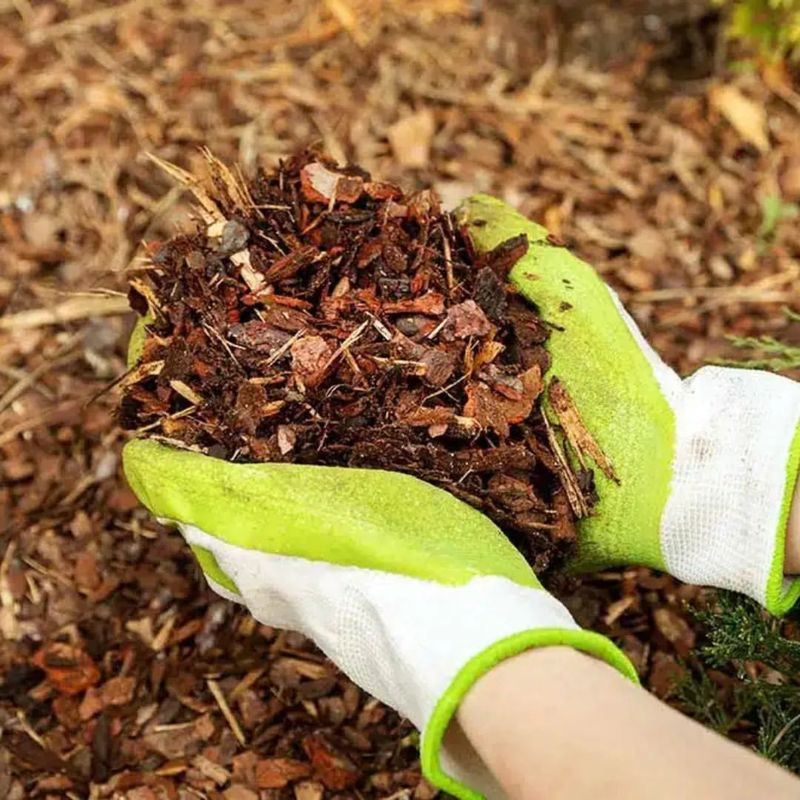
Mulch breaks down gradually over time, and by late winter many Florida gardens show thin spots where soil lies exposed to sun and rain. February provides an ideal opportunity to replenish mulch layers before spring weeds explode and before the dry season intensifies.
A fresh layer of organic mulch helps soil retain moisture during drier months ahead while also moderating soil temperature and discouraging weed seeds from sprouting.
Pull back any remaining old mulch from plant stems and tree trunks before adding new material. Mulch piled against bark creates moisture problems and invites insects and disease.
Aim for a two to three inch layer of pine bark, cypress mulch, or other organic material spread evenly across planting beds, keeping it a few inches away from plant bases.
Fresh mulch not only improves your garden’s appearance but also feeds soil as it decomposes, adding organic matter that benefits plant roots. Choose mulch types that work well in Florida’s climate and avoid materials that wash away easily during summer thunderstorms.
Refreshing mulch now means less watering later and fewer weeds competing with your ornamental plants for nutrients and water throughout spring and summer.
5. Plant Florida Native Shrubs And Perennials
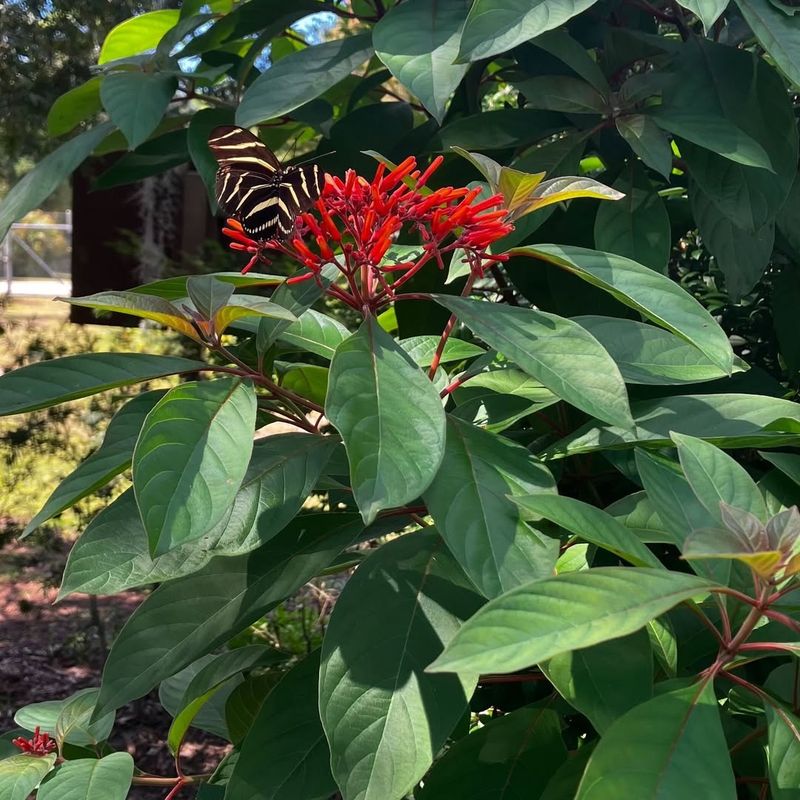
Native plants adapted to Florida’s climate establish more successfully when planted during cooler months, and February offers favorable conditions before heat and humidity intensify.
Shrubs like firebush (after frost risk in North Florida), beautyberry, and Simpson’s stopper along with perennials such as blanket flower and coreopsis thrive when given time to develop strong roots before summer stress arrives.
These plants evolved to handle Florida’s weather extremes, making them naturally more resilient than many non-native species.
Prepare planting holes wider than the root ball but no deeper, as Florida’s sandy soils drain quickly and plants need good contact with surrounding soil. Amend planting areas with compost to improve soil structure, then water thoroughly after planting to settle roots and eliminate air pockets.
Native plants generally require less maintenance once established, but consistent watering during their first growing season helps them develop the deep root systems they need.
Choosing natives also supports local wildlife, providing food and shelter for butterflies, bees, and birds that evolved alongside these plants. Many Florida natives bloom prolifically, offering beautiful flowers while requiring less fertilizer and pesticide than exotic ornamentals.
February planting gives these species several months of moderate weather to settle in before facing their first full Florida summer.
6. Check Irrigation Systems Before Dry Season Begins
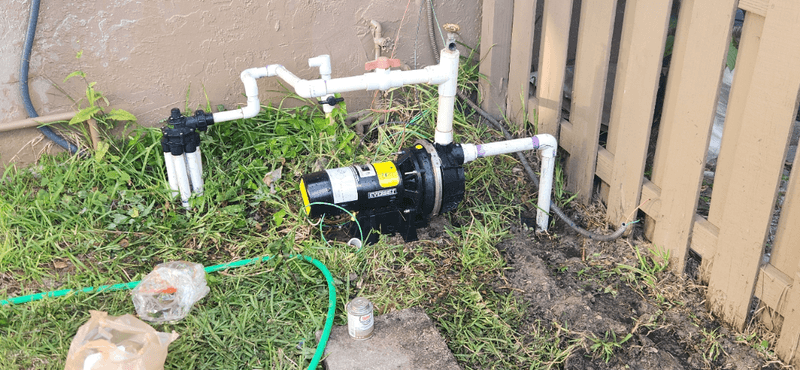
Much of Florida experiences its driest period from late fall through spring, especially in Central and South Florida. Check sprinkler heads for clogs, leaks, or misaligned spray patterns that waste water by hitting pavement instead of plant beds.
Even small leaks can waste significant amounts of water over time while failing to deliver moisture where your landscape needs it most.
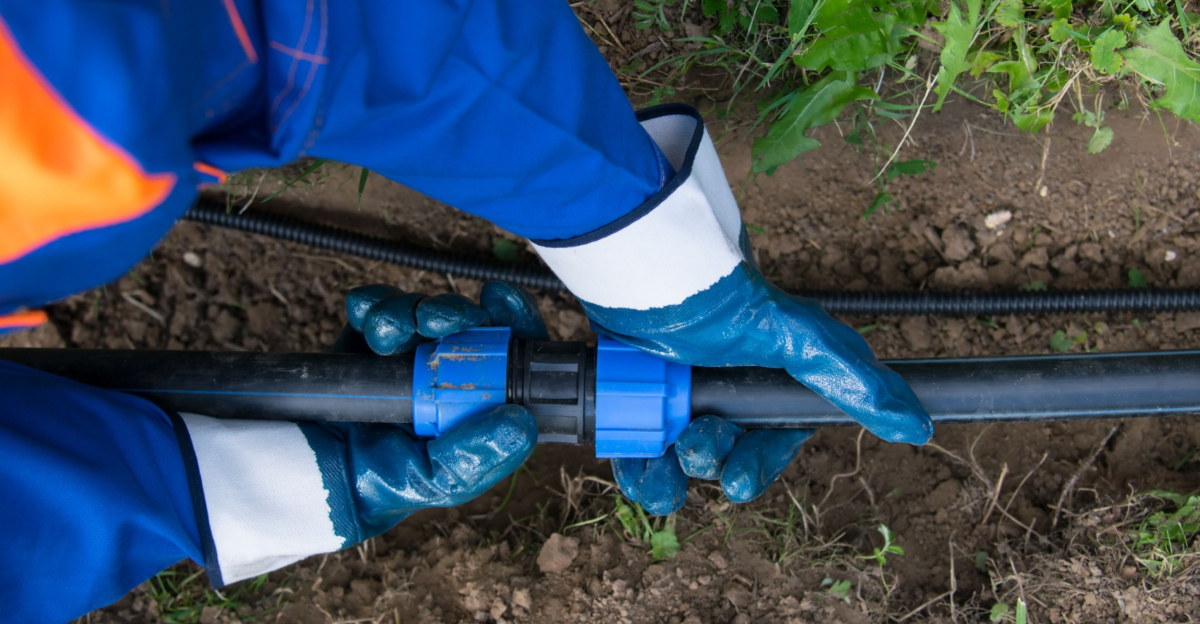
Run each irrigation zone and watch how water distributes across your yard. Look for areas that receive too much water and spots that stay dry, then adjust heads or add emitters as needed.
Clean filters and flush lines to remove any sediment that accumulated during winter months when the system may have run less frequently.
Consider upgrading to more efficient irrigation technology if your system is older. Drip irrigation and micro-sprayers deliver water directly to root zones with less waste than traditional spray heads, and smart controllers adjust watering schedules based on weather conditions.
Making these improvements now prepares your landscape for the drier months ahead while conserving water. Proper irrigation management becomes increasingly important as spring transitions into summer and rainfall patterns shift toward afternoon thunderstorms rather than all-day soaking rains.
7. Control Early Spring Weeds Before They Spread
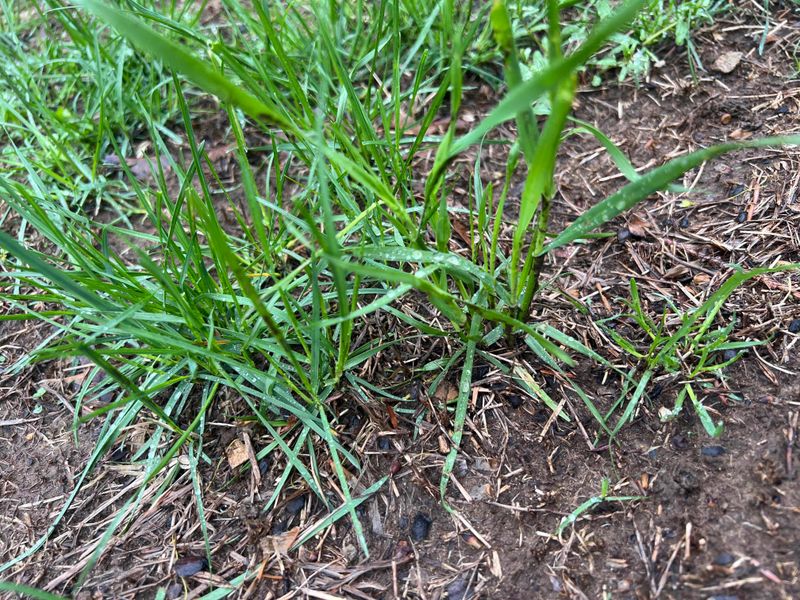
Warmer February temperatures trigger weed seeds to germinate, and tackling these invaders while they’re still small saves enormous effort later. Young weeds pull easily from moist soil and haven’t yet developed the extensive root systems or seed production that make mature weeds so difficult to manage.
Walk through your garden regularly to spot new weed growth early, especially in areas where mulch has thinned or soil lies bare.
Hand-pulling works well for small infestations, especially after rain when soil releases roots more readily. Use a hoe or cultivating tool for larger areas, scraping just below the soil surface to cut weeds off at their roots.
Remove pulled weeds from the garden rather than leaving them on the ground, as some species can re-root or continue producing seeds even after being uprooted.
Apply pre-emergent herbicides to lawn areas if you prefer a chemical approach, but read labels carefully to ensure products are safe for use around existing ornamental plants.
Organic mulches suppress many weed seeds by blocking light, so refreshing mulch layers provides natural weed control.
Consistent attention to weeds during February prevents them from flowering and dropping thousands of new seeds that create bigger problems throughout the growing season.
8. Fertilize Citrus And Fruit Trees Carefully
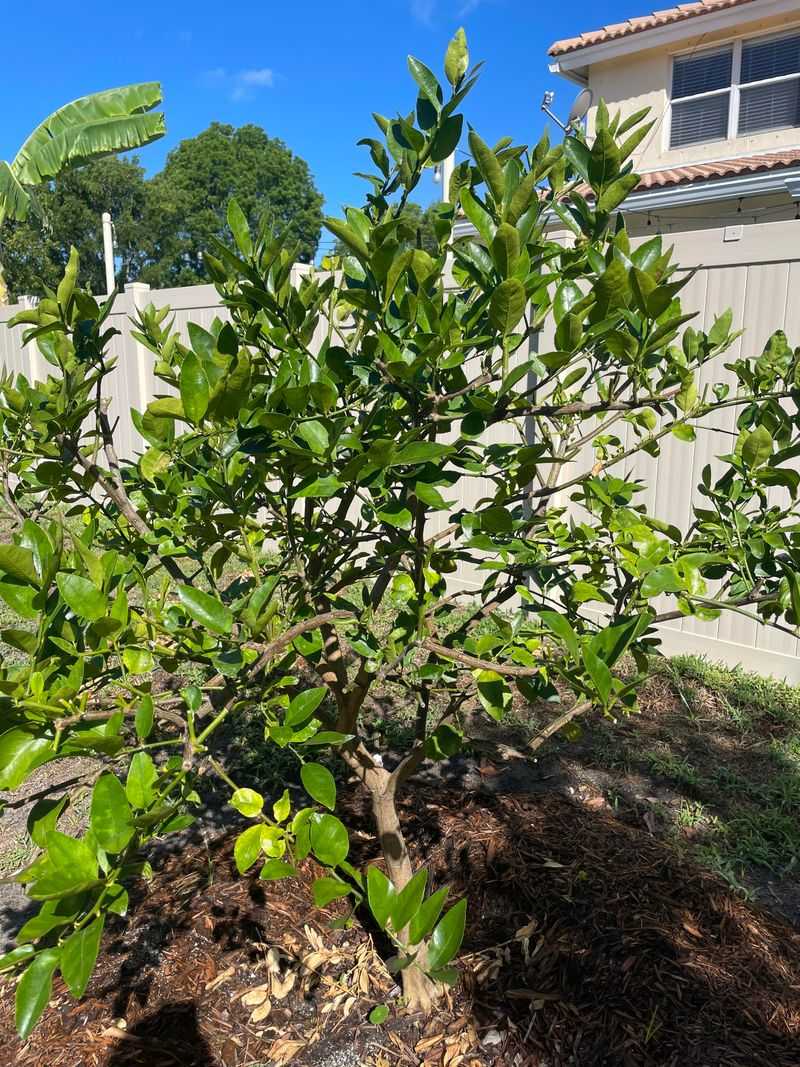
Citrus and other fruit trees benefit from fertilizer applications timed to support spring growth and fruit development. February is the first feeding time for citrus and fruit trees in South and much of Central Florida, while North Florida gardeners usually wait until March to avoid stimulating growth before the last frost.
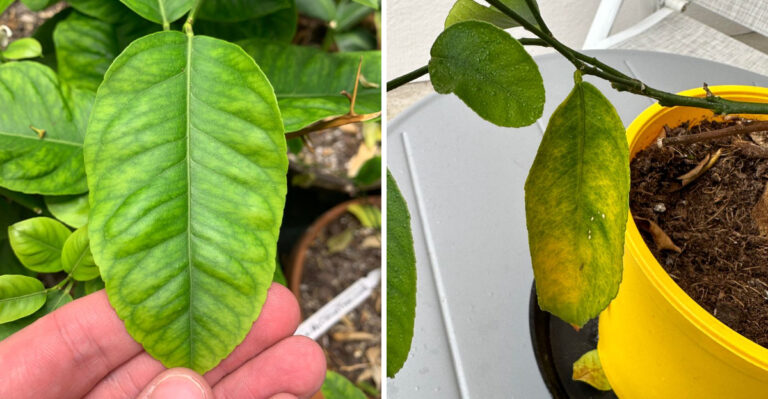
Use fertilizers formulated specifically for citrus, as these contain the micronutrients like iron, manganese, and zinc that citrus trees need to stay healthy in many Florida soils, which are often sandy and may be slightly alkaline depending on region.
Apply fertilizer evenly under the tree canopy, starting a foot away from the trunk and extending out to the drip line where feeder roots concentrate. Water thoroughly after applying to move nutrients into the root zone and prevent fertilizer burn.
Young trees need smaller amounts of fertilizer than mature specimens, so follow package directions based on tree size and age.
Avoid fertilizing if a cold snap threatens, as new growth stimulated by fertilizer is more susceptible to frost damage. South Florida gardeners face less frost risk and can fertilize earlier in February, while northern areas should wait until late in the month or early March.
Split your annual fertilizer into several smaller applications throughout the growing season rather than applying large amounts at once, which promotes steady growth and better fruit production without overwhelming trees.
9. Inspect Plants For Pests And Disease Activity
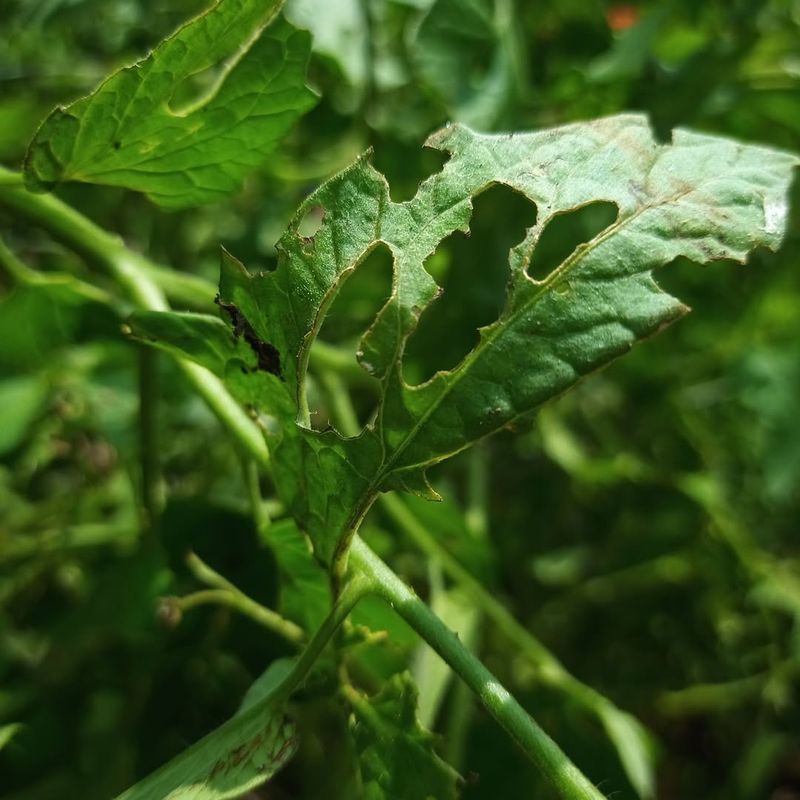
Warming temperatures in February wake up more than just plants, as insect pests and disease organisms also become active after winter’s slower period. Regular inspection of your landscape plants helps catch problems early when they’re easier to manage.
Look closely at new growth, leaf undersides, and stem joints where pests like aphids, whiteflies, and scale insects tend to congregate. Early detection allows you to remove affected plant parts or use targeted treatments before infestations spread.
Check for signs of fungal diseases such as powdery mildew or black spot, which thrive as humidity increases. Remove infected leaves and improve air circulation around plants by thinning dense growth or adjusting spacing.
Many disease problems can be managed through cultural practices like avoiding overhead watering and ensuring plants aren’t crowded together.
Beneficial insects like ladybugs and lacewings help control pest populations naturally, so avoid broad-spectrum pesticides that harm these helpful creatures along with pests. If treatment becomes necessary, choose the least toxic option that addresses your specific problem.
Healthy plants resist pests and diseases better than stressed specimens, so proper watering, fertilizing, and overall care provide your first line of defense against garden problems throughout the growing season.
10. Prepare Garden Beds For Spring Planting
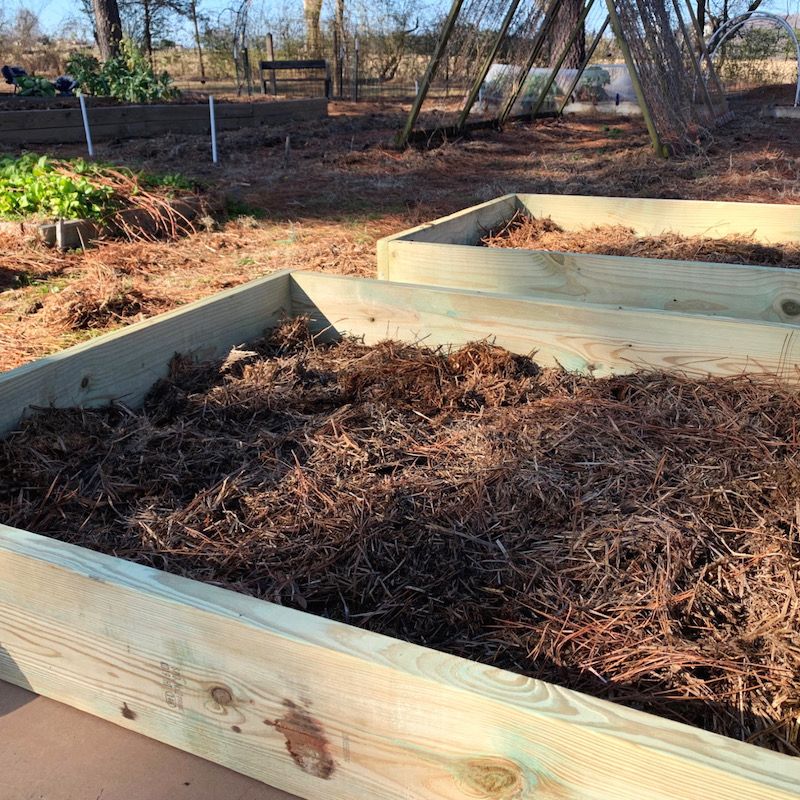
Getting garden beds ready now means you can plant quickly when the perfect moment arrives later in spring. February weather allows comfortable outdoor work while soil remains workable, making this an ideal time to improve bed structure and fertility.
Remove any remaining winter debris, spent plants, or weeds that took hold during cooler months. Clearing beds completely gives you a fresh start and removes hiding places for pests and disease organisms.
Work several inches of compost or well-aged manure into the top layer of soil to boost organic matter content and improve drainage in sandy Florida soils. Organic amendments help soil retain moisture and nutrients while supporting beneficial microorganisms that contribute to plant health.
If you’re starting new beds, consider building raised beds filled with quality soil mix, which provides better drainage and easier management than trying to improve poor native soil.
Test soil pH if you haven’t done so recently, as Florida soils tend toward alkaline in some regions and acidic in others depending on location. Adding appropriate amendments now gives them time to adjust soil chemistry before planting.
Well-prepared beds produce healthier plants, better yields, and fewer problems throughout the growing season, making this preparation time a worthwhile investment in your garden’s success.