Top Statement Houseplants With Large And Showy Leaves For Texas Homes In 2026
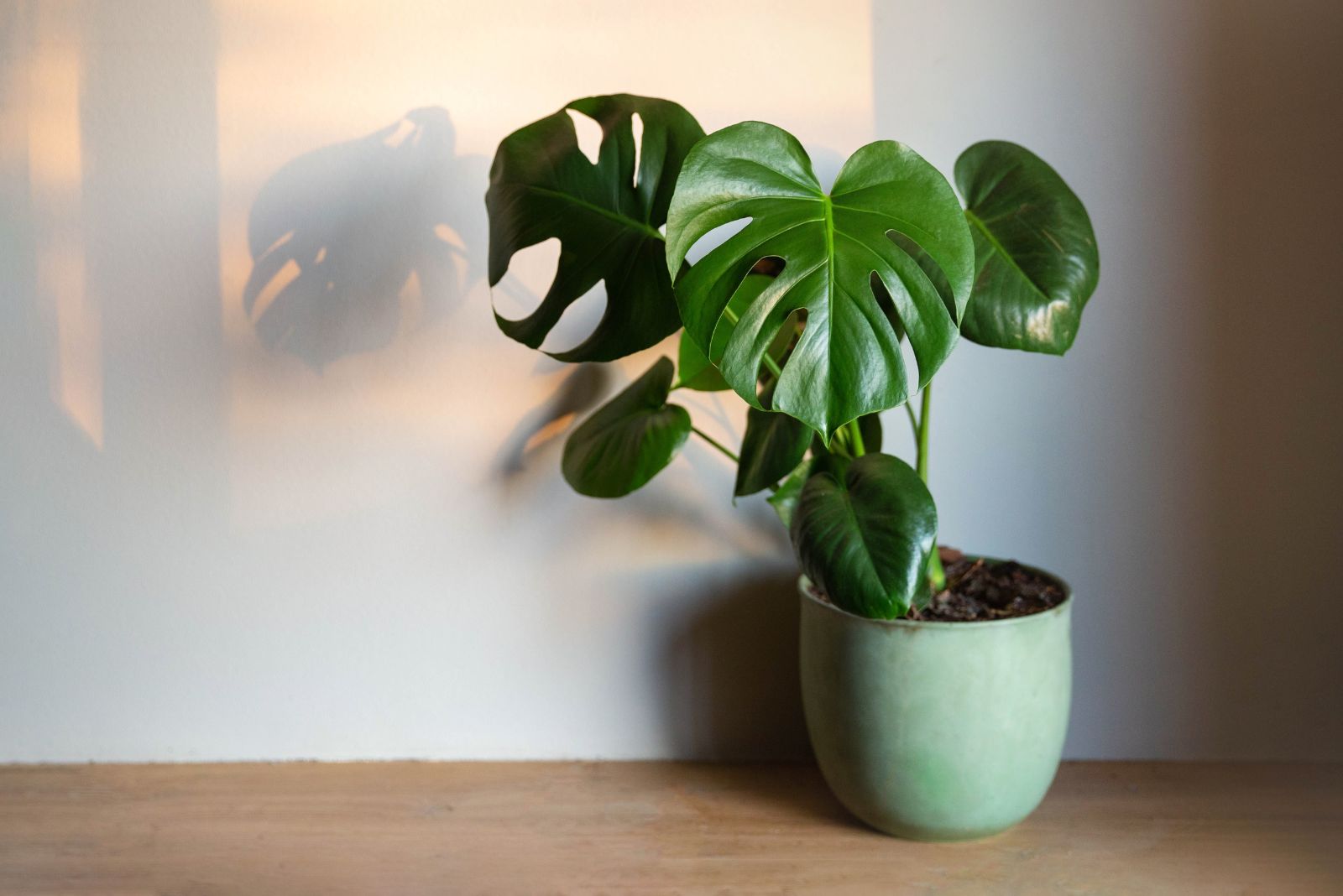
Want a houseplant that instantly grabs attention the moment someone walks into your Texas home? Statement plants with large, showy leaves create bold impact and bring a lush, tropical feel indoors.
Their oversized foliage adds drama, texture, and rich greenery that can transform any room from simple to stunning. Many of these plants thrive in Texas homes, handling warm temperatures and bright light with ease when given proper care.
Whether placed in a living room corner, near a sunny window, or as a centerpiece, they become natural focal points. Beyond their striking appearance, large leaf plants also help create a calm, refreshing atmosphere that makes indoor spaces feel more alive.
With the right selection, you can enjoy impressive greenery that looks stylish, vibrant, and full of personality all year long.
1. Monstera Deliciosa
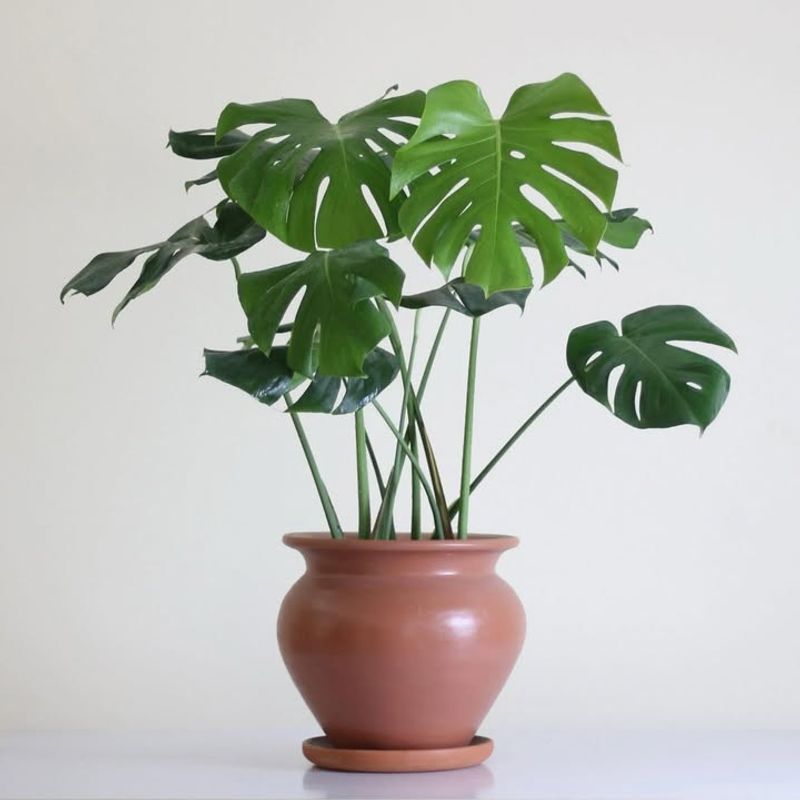
Monstera deliciosa has become the poster child of Instagram-worthy houseplants, and for good reason. Those iconic split leaves, called fenestrations, start out whole on young plants and develop their signature holes and splits as the plant matures.
In Texas homes, this tropical beauty adapts remarkably well to indoor conditions, especially in areas with bright indirect light.
The leaves on a mature monstera can reach two to three feet across, creating an instant focal point in any room. These plants naturally climb in the wild, so providing a moss pole or trellis helps them grow upward rather than sprawling outward.
Texas gardeners find success placing them near east or north-facing windows where they get plenty of light without harsh afternoon sun.
Watering needs are moderate, which works perfectly for busy Texas homeowners. Let the top two inches of soil dry out between waterings, and your monstera will reward you with steady growth.
During Houston’s humid summers, you might water less frequently than in drier regions like West Texas.
One of the best features of monstera deliciosa is how forgiving it is with occasional neglect. If you forget to water for a week, it bounces back quickly.
The plant also tolerates a range of temperatures common in Texas homes, from air-conditioned cool to naturally warm rooms.
Watch for new leaves unfurling – they emerge as tight rolls and slowly open over several days. Each new leaf typically grows larger and more fenestrated than the last, giving you something exciting to anticipate.
This growth pattern makes monstera deliciosa endlessly fascinating for plant lovers across Texas.
2. Fiddle Leaf Fig
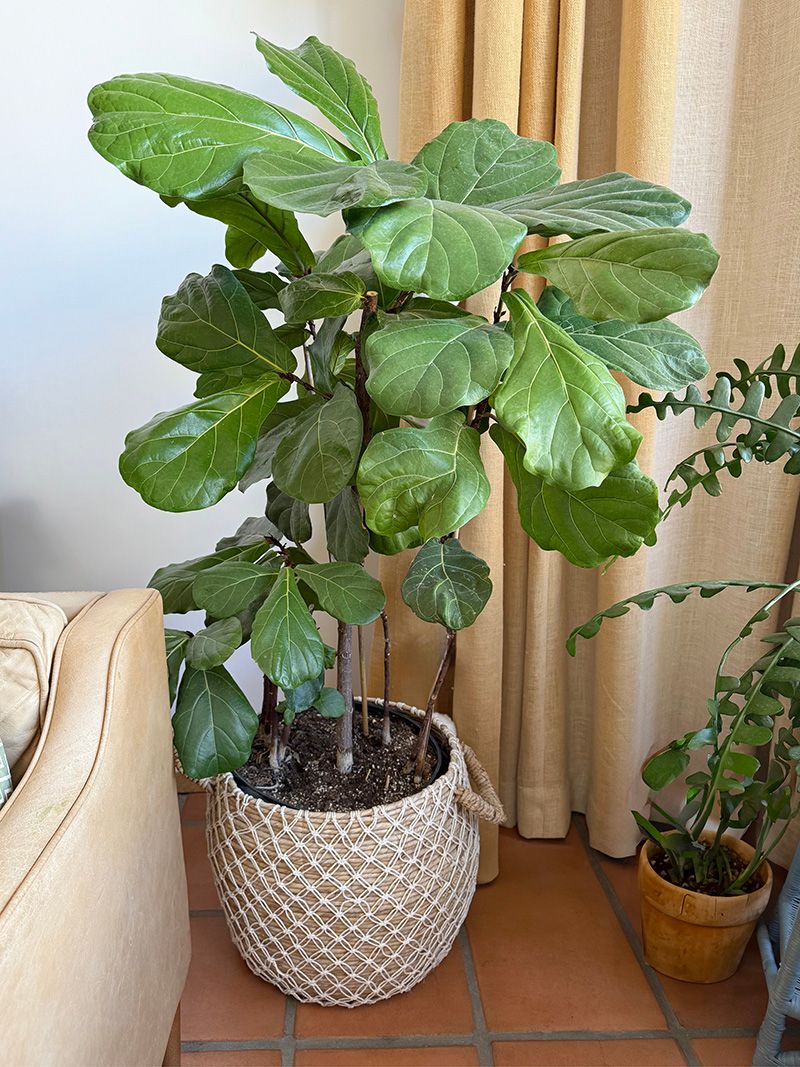
Few houseplants command attention quite like the fiddle leaf fig with its enormous, violin-shaped leaves. Each leaf can grow up to 18 inches long and features prominent veining that adds texture and visual interest.
This plant has ruled interior design magazines for years, and Texas homeowners have learned to keep these beauties thriving despite their reputation for being finicky.
Consistency is the secret weapon when caring for fiddle leaf figs in Texas homes. These plants hate being moved around, so choose your spot carefully from the start.
A location with bright, filtered light works best – think several feet back from a south-facing window or right next to an east-facing one.
Your Texas Garden Changes Every Week. Your Plan Should Too.
Gardening in Texas changes quickly throughout the season. Every Friday you’ll receive a simple weekly plan showing exactly what to plant, prune, fertilize, harvest, and protect so you never miss the right timing.
The watering routine makes or breaks your success with this plant. Texas tap water often contains minerals that can build up in the soil, so consider using filtered water if possible.
Water thoroughly when the top inch of soil feels dry, then let excess drain completely. Never let your fiddle leaf fig sit in standing water.
Temperature stability matters tremendously for these plants. Keep them away from air conditioning vents and drafty doors.
Texas homes typically maintain temperatures between 65 and 75 degrees, which fiddle leaf figs love. They also appreciate occasional leaf cleaning to remove dust and help them photosynthesize efficiently.
New growth emerges from the top of the plant, and you can encourage branching by notching the trunk. Many Texas plant parents have created full, tree-like specimens by strategically pruning their fiddle leaf figs.
With patience and consistent care, this statement plant becomes a stunning architectural element in your home.
3. Bird Of Paradise
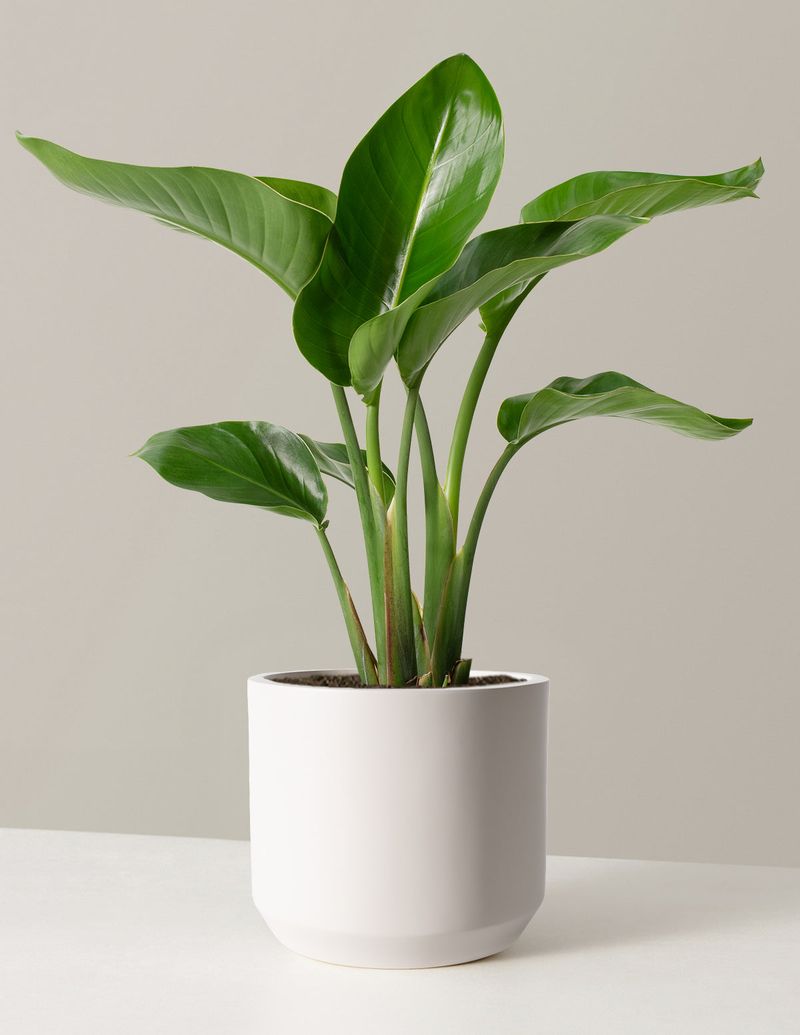
Bird of paradise brings a slice of tropical paradise straight into your Texas living space. The massive, paddle-shaped leaves can stretch up to six feet tall indoors, creating an instant vacation vibe.
These plants are surprisingly tough, making them excellent choices for Texas homes where conditions can vary from room to room.
Bright light is non-negotiable for bird of paradise plants. They need at least four to six hours of direct sunlight daily to maintain their impressive size and health.
South-facing windows work beautifully in Texas homes, and these plants can even tolerate some afternoon sun that would scorch more delicate species.
Space requirements deserve consideration before bringing one home. A mature bird of paradise needs room to spread its leaves without touching walls or furniture.
Plan for a diameter of about four to five feet. The dramatic presence makes it perfect for filling empty corners or anchoring large, open rooms common in newer Texas homes.
Watering needs increase during hot Texas summers when growth accelerates. Keep the soil consistently moist but not soggy during the growing season.
In winter, reduce watering frequency as the plant enters a rest period. Well-draining soil prevents root problems that can plague these plants.
The leaves naturally split along their veins, which isn’t damage but rather an adaptation to handle wind in their native habitat. This splitting gives them a wild, exotic appearance that enhances their appeal.
Feed your bird of paradise monthly during spring and summer with a balanced fertilizer to support those enormous leaves and encourage the occasional orange and blue flower that gives the plant its name.
4. Elephant Ear Plant
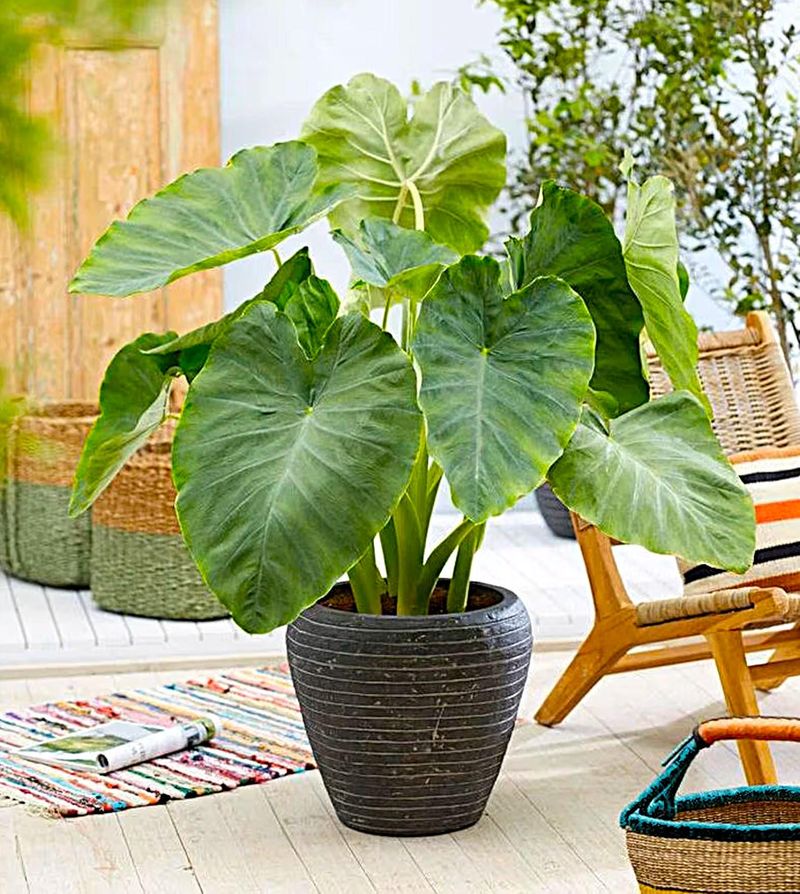
Nothing says drama quite like elephant ear plants with their heart-shaped leaves that can grow as large as three feet across. These showstoppers come in various colors, from deep green to purple-black, giving Texas homeowners plenty of options to match their decor.
The common name comes from the leaves’ resemblance to elephant ears, and once you see them, the comparison is unmistakable.
Growing elephant ears indoors in Texas requires attention to humidity and moisture. These plants are thirstier than most houseplants and appreciate frequent watering during active growth.
Never let the soil dry out completely, or you’ll notice the leaves drooping dramatically. A pebble tray filled with water under the pot helps maintain humidity levels.
Light preferences lean toward bright, indirect conditions. While elephant ears can tolerate some direct morning sun, the intense afternoon rays common in Texas can scorch those massive leaves.
East-facing windows provide ideal conditions, giving the plant morning brightness without overwhelming heat.
Temperature-wise, elephant ears prefer warmth, making them perfect for Texas homes year-round. They thrive between 65 and 80 degrees, which aligns perfectly with typical indoor temperatures.
Keep them away from cold drafts in winter, especially if you live in North Texas where temperatures can drop significantly.
Many varieties of elephant ear plants go dormant in winter, and the leaves may yellow and fade. This is natural behavior, not a sign of problems.
Reduce watering during dormancy and resume normal care when new growth appears in spring.
Some Texas gardeners move their elephant ears outdoors during summer, then bring them back inside before the first frost. This seasonal rotation can produce even more impressive leaf growth.
5. Rubber Plant
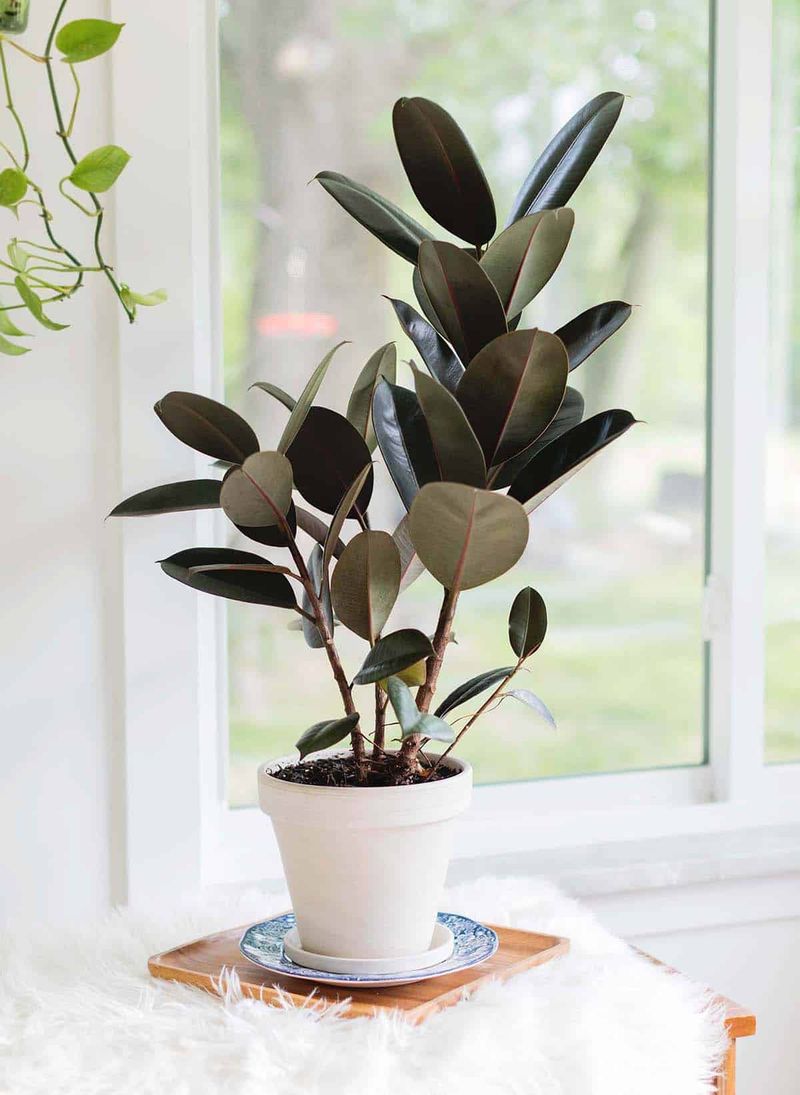
Rubber plants offer bold, glossy leaves that reflect light beautifully and come in shades ranging from deep green to burgundy. Each leaf can grow 8 to 12 inches long with a thick, substantial texture that feels almost artificial.
These plants have experienced a major comeback in recent years, and Texas plant enthusiasts have embraced them for their low-maintenance nature and striking appearance.
Durability is a hallmark of rubber plants. They tolerate a range of light conditions, though they grow fastest and look best in bright, indirect light.
In Texas homes, placing them near windows with sheer curtains provides ideal conditions. They can also adapt to lower light situations, though growth will slow considerably.
Watering requirements are straightforward and forgiving. Allow the top inch or two of soil to dry between waterings, then water thoroughly until it drains from the bottom.
During hot Texas summers, you might water weekly, while winter watering can stretch to every two weeks. Overwatering causes more problems than underwatering with rubber plants.
One unique feature of rubber plants is their ability to remove toxins from indoor air. Studies have shown they’re particularly effective at filtering formaldehyde, making them both beautiful and functional in Texas homes.
The large leaf surface area maximizes this air-cleaning benefit. Pruning controls the size and encourages bushier growth. If your rubber plant gets too tall, cut it back in spring, and it will branch out from below the cut.
Wipe the leaves monthly with a damp cloth to remove dust and keep them looking their glossy best.
Many Texas homeowners have kept the same rubber plant thriving for decades with minimal effort.
6. Swiss Cheese Vine
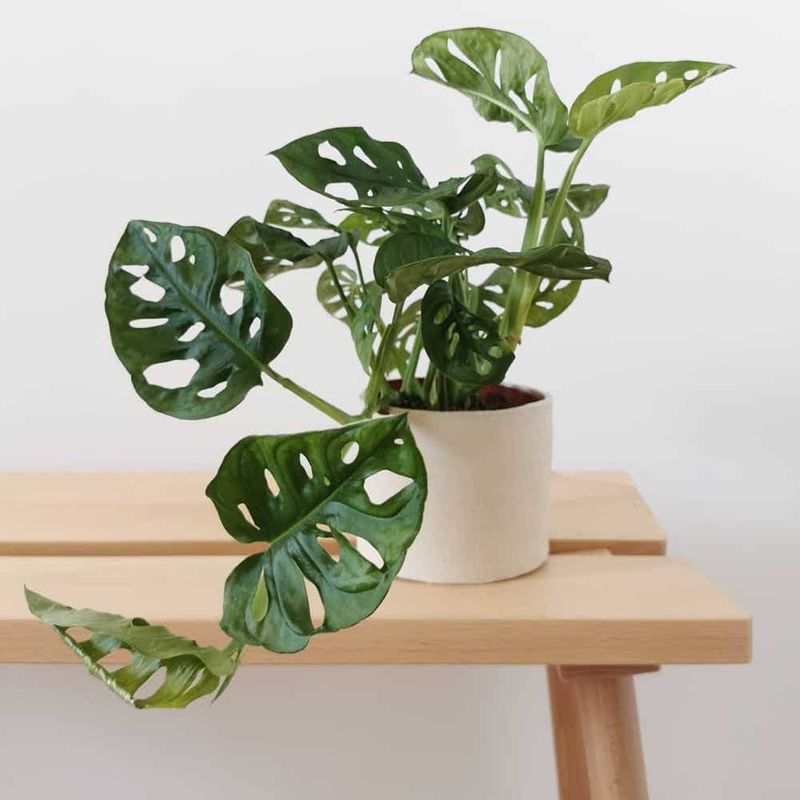
Swiss cheese vine, also called Monstera adansonii, delivers all the fenestrated leaf drama of its larger cousin in a more compact, vining package.
The heart-shaped leaves feature intricate holes that develop as the plant matures, creating a delicate, lacy appearance despite their substantial size.
Each leaf can reach 8 to 10 inches long, and the vining habit makes this plant incredibly versatile in Texas homes.
Display options are endless with swiss cheese vine. Let it trail from a hanging basket, train it up a moss pole, or allow it to cascade across a bookshelf.
The flexible stems grow quickly under good conditions, sometimes adding several feet of length in a single growing season. Texas plant lovers appreciate how this fast growth delivers impressive results without years of waiting.
Light needs fall into the moderate to bright indirect category. Too much direct sun bleaches the leaves and reduces the number of holes, while too little light slows growth dramatically.
A spot a few feet from a bright window works perfectly in most Texas homes. The plant adapts well to artificial light, making it suitable for interior rooms without windows.
Humidity preferences lean toward the higher side, which can be challenging in air-conditioned Texas homes during summer. Misting the leaves every few days or grouping it with other plants helps create a more humid microclimate.
Alternatively, place it in a bathroom with a window where shower steam provides natural humidity.
The vining nature means occasional pruning keeps the plant looking tidy. Trim back leggy stems in spring to encourage fuller growth.
You can propagate the cuttings in water, creating new plants to share with friends or expand your own collection throughout your Texas home.
7. Philodendron Xanadu
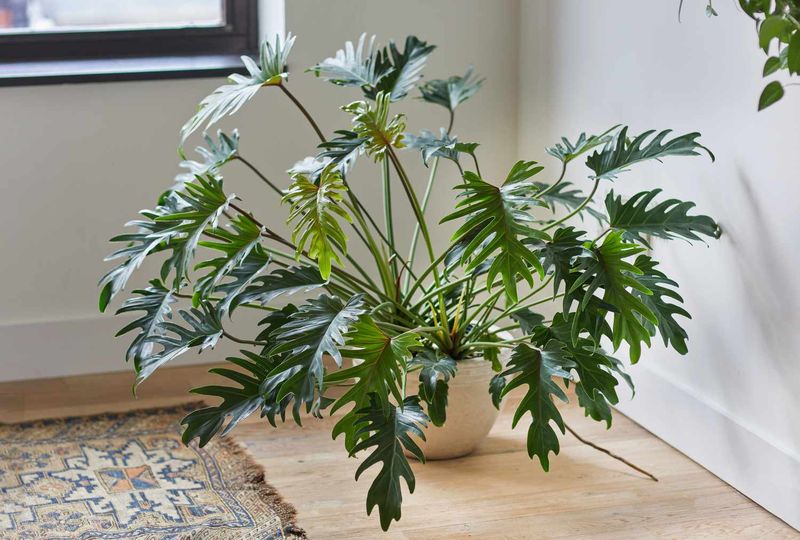
Philodendron xanadu breaks the mold of typical philodendrons with its self-heading growth habit and deeply lobed leaves. Rather than vining, this plant grows in a compact, symmetrical mound that can spread three to four feet wide.
Each leaf is deeply cut, creating a tropical, almost prehistoric appearance that makes it a conversation starter in Texas homes.
Adaptability is xanadu’s superpower. It tolerates a wider range of conditions than most large-leafed houseplants, making it perfect for Texas beginners.
Low to bright indirect light all work, though growth and leaf size increase with more light. This flexibility means you can place it almost anywhere in your home and expect reasonable success.
Watering is refreshingly simple with philodendron xanadu. Water when the top two inches of soil feel dry, and the plant will thrive.
It can tolerate occasional drying out better than constant overwatering. Texas summers might require weekly watering, while winter can stretch to every ten days or more.
The compact growth habit makes xanadu ideal for smaller Texas homes or apartments where space is limited. Unlike sprawling monsters or tall trees, this plant stays relatively contained while still delivering impressive visual impact.
The symmetrical shape looks intentional and polished without requiring constant pruning or training.
Leaf size and the depth of the lobes increase as the plant matures. Younger plants have less dramatic foliage, but within a year or two, you’ll see the characteristic deeply cut leaves that make xanadu so distinctive.
Feed monthly during the growing season to support healthy leaf development. This plant rarely experiences pest problems and maintains its good looks year-round in Texas homes, making it a reliable choice for lasting beauty.