6 ‘It’ Plants Gardeners Are Loving For Low-Maintenance Texas Yards In 2026
Looking for plants that stay stylish without demanding constant care in your Texas yard this year? In 2026, gardeners across the state are falling for a new wave of low maintenance favorites that combine beauty with toughness.
These popular picks handle heat, dry spells, and changing weather while still looking fresh and vibrant. They bring color, texture, and personality without turning yard work into a full time job.
Many also attract pollinators and thrive with minimal watering once established, making them perfect for busy homeowners. These trending plants are proving that easy care does not mean boring.
If you want a yard that looks modern, lively, and effortless, these standout choices are leading the way. With the right selection, your Texas landscape can stay beautiful, resilient, and easy to manage throughout the year.
1. Rosemary
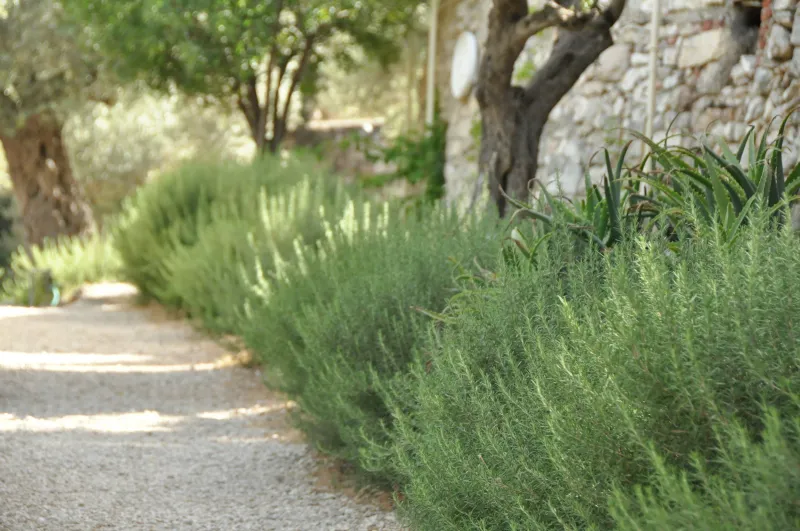
Rosemary has become the superstar herb that Texas homeowners are planting everywhere, and it’s easy to see why. This Mediterranean native absolutely loves the hot, dry conditions that make other plants struggle.
Once established in your Texas yard, rosemary practically takes care of itself, needing very little water even during those brutal summer months.
The plant grows into a beautiful evergreen shrub that stays green all year long, which means your landscape looks good even in winter. You can choose from upright varieties that grow tall or creeping types that spread along the ground.
Either way, you’re getting a plant that handles Texas heat like a champion while filling your yard with a wonderful piney fragrance that keeps mosquitoes away naturally.
Beyond looking great, rosemary gives you fresh herbs right outside your door for cooking. Just snip off a few sprigs whenever you need them for roasting chicken, making bread, or flavoring potatoes.
The plant actually grows better with regular trimming, so harvesting helps keep it bushy and full.
Rosemary thrives in well-drained soil and full sun, which describes most Texas yards perfectly. It rarely needs fertilizer and can handle occasional neglect without complaint. Deer tend to leave it alone too, which is a huge bonus for folks dealing with wildlife.
Plant it near walkways where people will brush against it and release that amazing scent. Use it as a low hedge, tuck it into rock gardens, or let it cascade over retaining walls.
This tough herb is proving itself as the ultimate multitasker for low-maintenance Texas landscapes in 2026.
2. Sedum
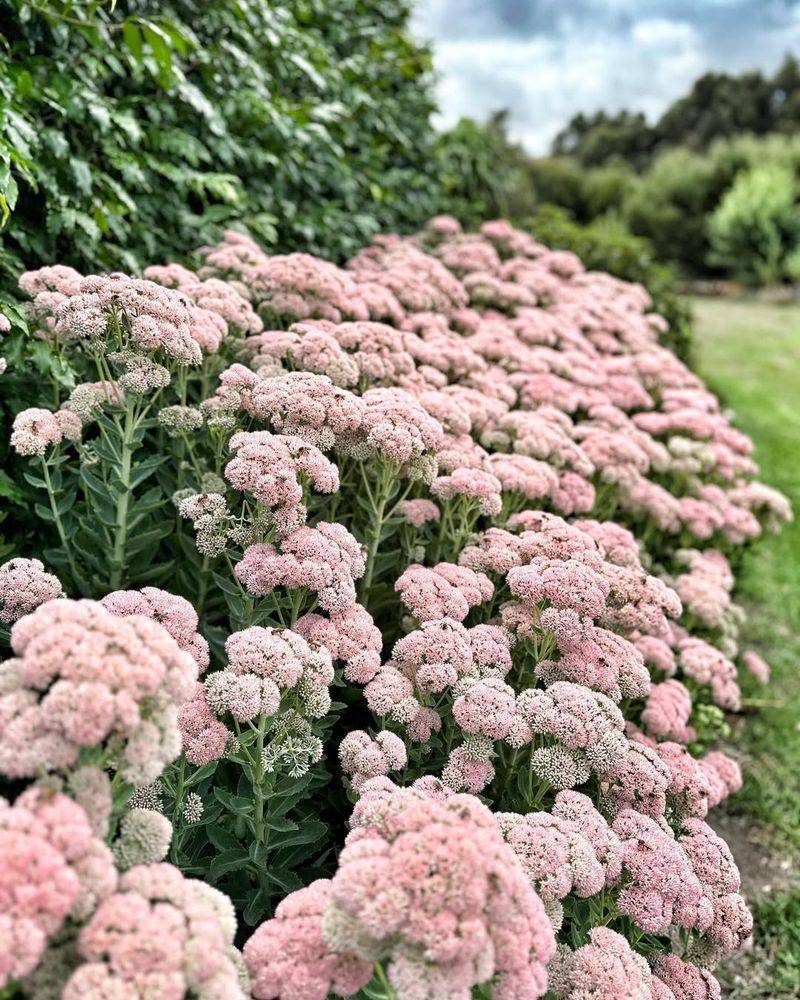
Succulents are having a major moment in Texas landscaping, and sedum is leading the pack as the go-to choice for gardeners who want beauty without the work.
These chunky little plants store water in their thick leaves, which means they can go weeks without a drink and still look fantastic. For Texas homeowners tired of babysitting thirsty plants, sedums are absolute lifesavers.
What makes sedum so popular right now is the incredible variety available. You can find low-growing groundcovers that spread like living carpets or upright types that reach knee-high with stunning flower clusters.
Colors range from lime green to deep burgundy, and many change shades with the seasons, giving your yard constant visual interest.
Your Texas Garden Changes Every Week. Your Plan Should Too.
Gardening in Texas changes quickly throughout the season. Every Friday you’ll receive a simple weekly plan showing exactly what to plant, prune, fertilize, harvest, and protect so you never miss the right timing.
These plants absolutely thrive in Texas heat and full sun. They actually prefer poor soil and don’t want fertilizer, which makes them perfect for those tough spots where nothing else will grow.
Rock gardens, slopes, and areas with thin soil become showcase spots when you plant sedums.
Come fall, many sedum varieties explode with flowers that butterflies and bees go crazy for.
The blooms last for weeks and then dry into attractive seed heads that look good through winter. Even after flowering finishes, the foliage stays put, giving you year-round coverage.
Sedum spreads slowly but steadily, filling in gaps without becoming aggressive. It needs zero maintenance once established and can handle foot traffic better than grass in some situations.
Texas gardeners are using sedums to replace high-maintenance lawn areas, create living mulch around trees, and add texture to container gardens that can survive vacation neglect.
3. Lantana
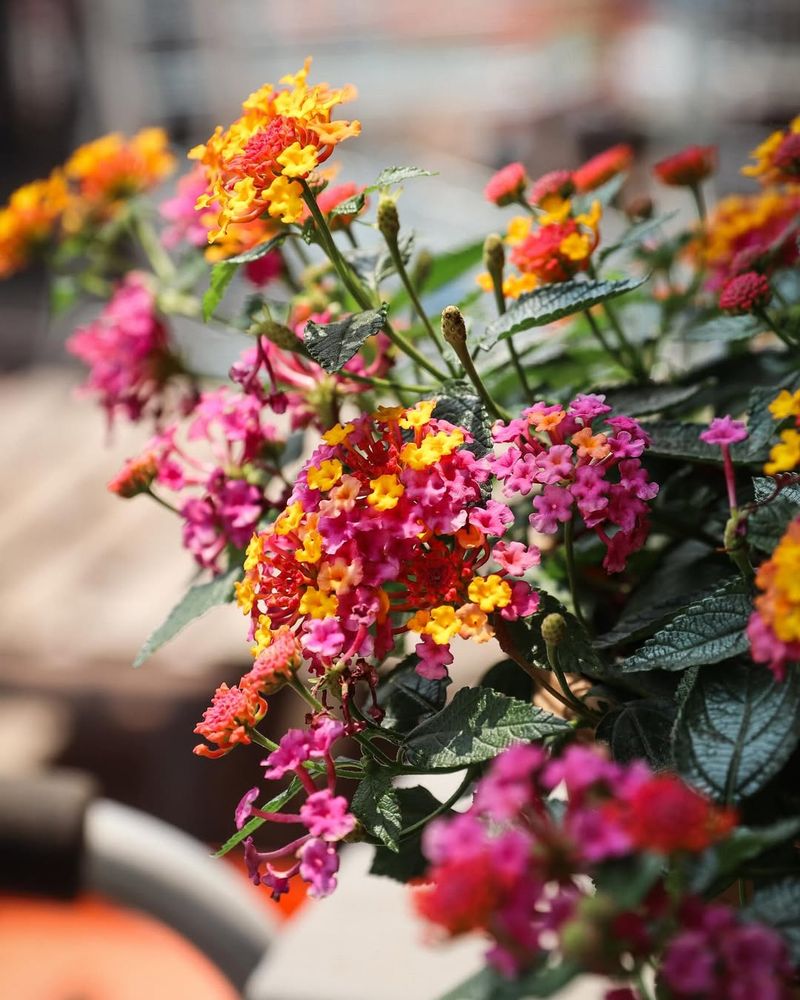
Walk through any trendy Texas neighborhood right now and you’ll spot lantana everywhere, lighting up yards with nonstop color from spring through fall. This flowering powerhouse has won over gardeners who are sick of replanting annuals every season.
Lantana comes back year after year in most Texas zones, getting bigger and more spectacular with each passing summer.
The flowers are absolute showstoppers, forming rounded clusters that often display multiple colors at once. You might see orange, yellow, and pink all swirled together in the same bloom cluster.
Butterflies treat lantana like an all-you-can-eat buffet, hovering around the flowers constantly and bringing amazing wildlife action to your yard.
Lantana laughs at Texas heat and drought. Once the roots are established, this plant keeps blooming even when other flowers are wilting in 100-degree temperatures.
It actually blooms more profusely in hot weather, which is exactly what Texas gardeners need. Forget daily watering schedules – lantana thrives on neglect.
You can find lantana in different forms to suit your landscape needs. Trailing varieties work beautifully in hanging baskets or cascading over walls.
Upright types create colorful hedges or standalone specimens that grow into substantial shrubs. All types stay covered in blooms without deadheading, which saves you tons of time.
Deer usually avoid lantana because of its slightly rough foliage texture, making it perfect for areas where wildlife browsing is a problem. The plant handles Texas clay soil, sandy soil, and everything in between.
Just give it full sun and occasional water during extreme dry spells, and lantana will reward you with months of brilliant color and pollinator activity.
4. Strawberries
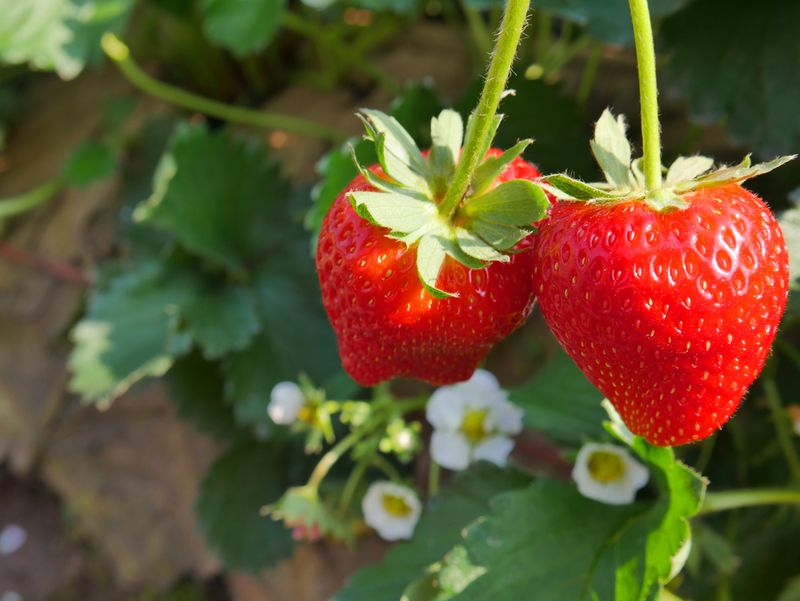
Strawberries might surprise you as a low-maintenance choice, but Texas gardeners are discovering that these fruit producers are way easier than expected when you pick the right varieties. Forget those finicky June-bearing types that need constant attention.
Everbearing and day-neutral strawberries are taking over Texas yards because they produce fruit for months with minimal fussing.
Growing your own strawberries means fresh, sweet berries that taste nothing like the bland ones from grocery stores. Kids especially love having a berry patch where they can pick snacks straight from the garden.
Strawberries also work as attractive groundcover, spreading to fill spaces with pretty green leaves, white flowers, and colorful fruit all at once.
In Texas, strawberries actually perform better than in many other states because our mild winters let them establish strong root systems. Plant them in fall, and they’ll reward you with fruit by early spring.
They keep producing through late spring and often give you a second crop in fall when temperatures cool down.
Strawberry plants need regular water but not as much as you’d think once they’re settled in. Mulching around them helps retain moisture and keeps the fruit clean.
They grow well in containers, raised beds, or traditional garden rows, making them adaptable to any yard size or style.
Texas gardeners are getting creative with strawberry plantings, using them as edible borders along walkways or tucking them into ornamental beds.
The plants spread by sending out runners, which you can either let fill in an area or trim back to keep them contained.
With varieties bred specifically for Southern heat tolerance, strawberries are proving themselves as both productive and pretty additions to low-maintenance Texas landscapes.
5. Sedge
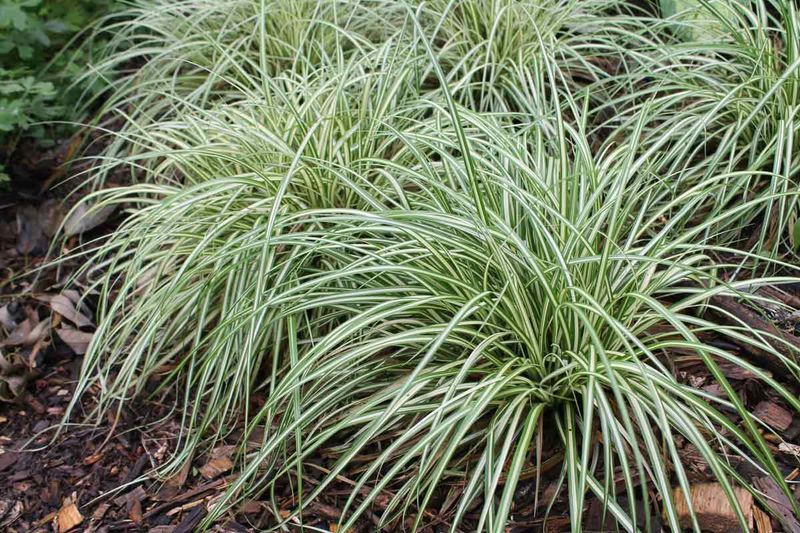
Sedge is the cool alternative to traditional grass that’s sweeping across Texas yards in 2026. These grass-like plants look similar to lawn grass but require a fraction of the work, water, and maintenance.
Texas homeowners are replacing struggling turf areas with sedge varieties that stay green, need no mowing, and handle shade better than almost any grass.
Unlike true grasses, sedges have triangular stems and grow in clumps that create beautiful texture without spreading aggressively. They come in heights ranging from a few inches to several feet, so you can choose the right size for your specific landscape needs.
Many sedges native to Texas naturally thrive in local conditions without any special treatment.
The water savings alone make sedge worth considering. Most varieties need far less irrigation than St. Augustine or Bermuda grass, which means lower water bills and less time dragging hoses around.
During drought periods, sedges typically stay greener than traditional lawns while using minimal resources.
Sedge works brilliantly in shady spots where grass struggles to grow thick and healthy. Plant it under trees, along fence lines, or in areas that get only partial sun.
It also tolerates wet spots better than grass, making it perfect for low areas that stay damp after rain.
You’ll never need to mow sedge if you choose low-growing varieties, though some people give taller types an annual trim to freshen them up. No fertilizing, no aerating, no overseeding – sedge just grows steadily without demanding constant attention.
Texas gardeners are using sedges to create flowing borders, fill problem areas, and even replace entire lawn sections with this low-maintenance alternative that stays attractive year-round.
6. Lavender
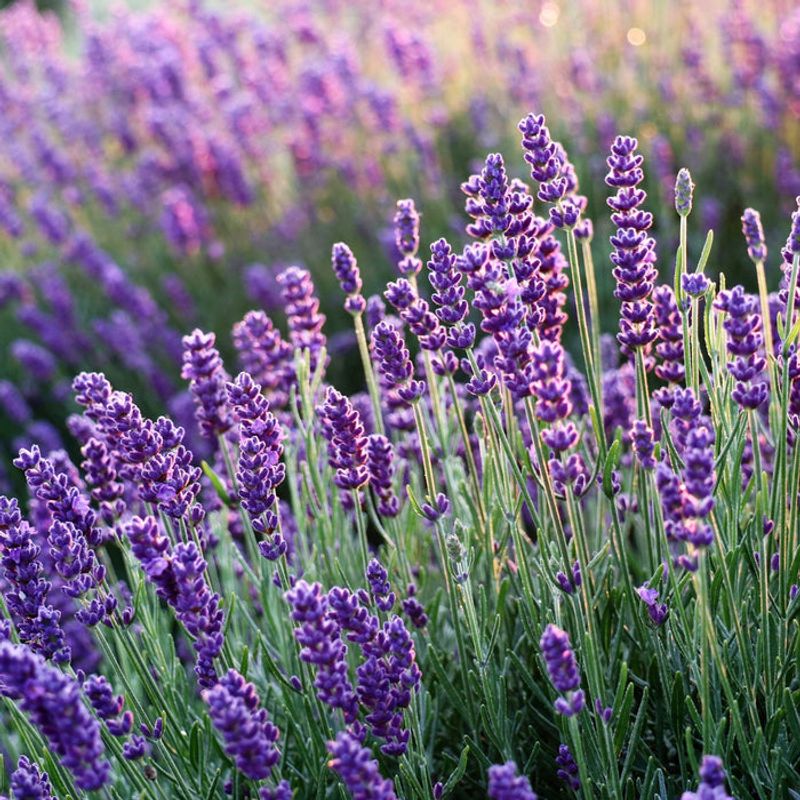
Lavender is absolutely exploding in popularity across Texas as gardeners discover that certain varieties handle our climate beautifully.
Spanish and French lavender types are particularly well-suited to Texas heat, producing gorgeous purple flower spikes that fill your yard with that signature calming fragrance.
Once you get lavender established, it becomes one of the most carefree plants you can grow.
The silvery-green foliage looks attractive even when the plant isn’t blooming, giving your landscape year-round structure and color. When those purple flowers appear, they create stunning visual impact while attracting beneficial pollinators like crazy.
Bees especially love lavender, so planting it helps support local pollinator populations while beautifying your property.
Lavender demands very little water once its roots are down, making it ideal for Texas water conservation efforts. It actually performs better with less water rather than more, which is the opposite of most flowering plants.
Overwatering is the main way people mess up lavender, so the less you fuss with it, the better it does.
The fragrant flowers are perfect for cutting and bringing indoors. Hang bundles upside down to dry them, then use them in sachets, potpourri, or homemade crafts.
Many people also use fresh or dried lavender in cooking and baking, adding a unique floral note to desserts and beverages.
Plant lavender in full sun with excellent drainage, and it’ll thrive without fertilizer or special soil amendments. Deer and rabbits typically avoid it, which is a huge advantage for Texas gardeners dealing with wildlife.
Trim it back lightly after blooming to keep plants compact and encourage more flowers. Whether you plant a single specimen or create a whole lavender hedge, this fragrant beauty is proving itself as a must-have for low-maintenance Texas yards.