Grow These Plants Under Tomatoes For Stronger Vines In Your Texas Garden
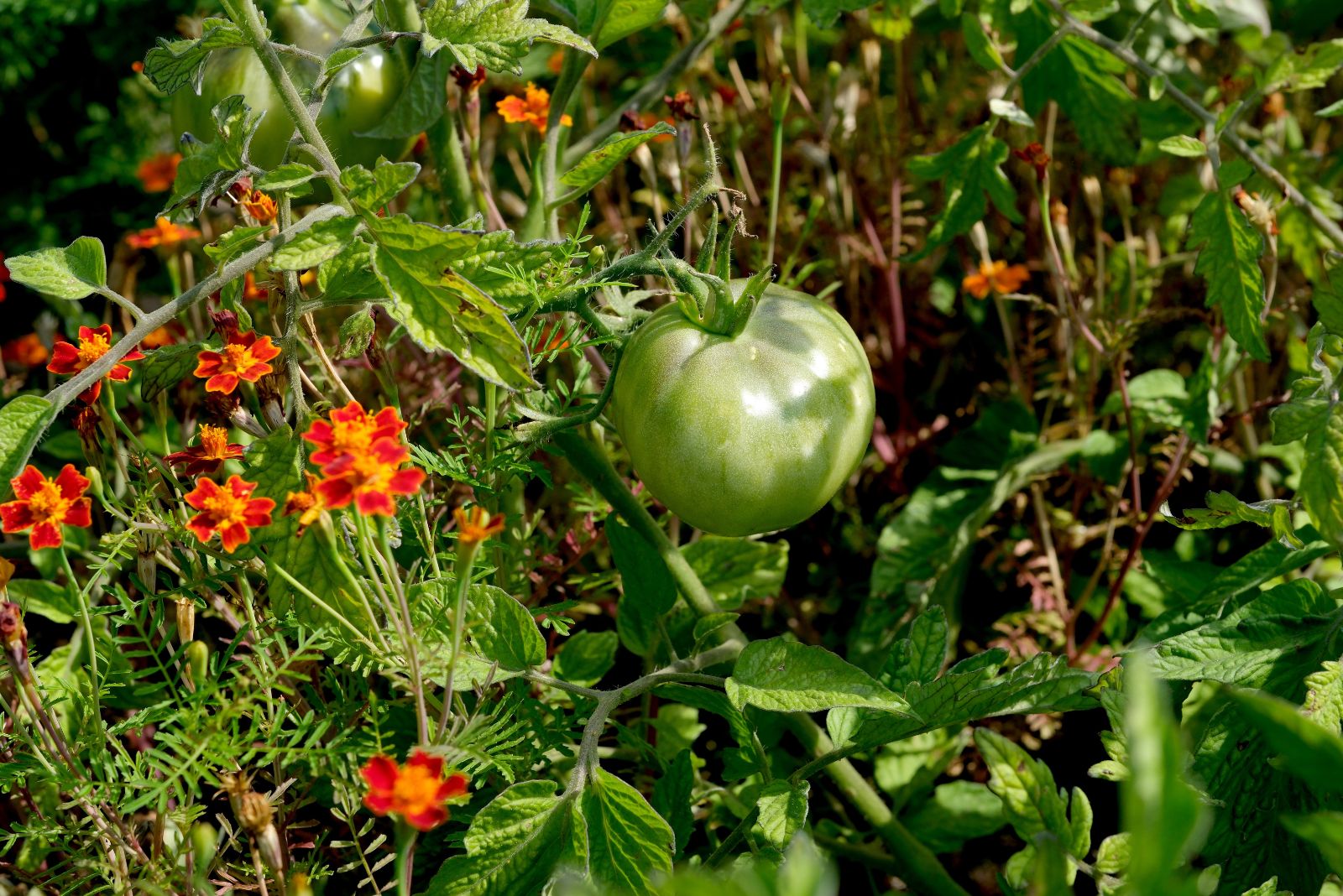
Tomatoes may be the stars of your Texas garden, but the right companions can help them shine even brighter. Some plants quietly support tomato vines by improving soil, attracting helpful insects, and keeping pests away.
When grown together, they create a little ecosystem that helps tomatoes stay healthier and produce more fruit. Texas heat can be tough on gardens, so choosing plants that thrive in warm conditions while offering extra benefits makes a noticeable difference.
A few smart additions can boost growth, strengthen vines, and bring more balance to your garden beds. Many of these companions are simple to grow and add their own charm through scent, texture, or color.
Add them beneath your tomato plants and you may be surprised at how much stronger and more productive your vines become as the season unfolds.
1. Basil Creates Natural Pest Protection
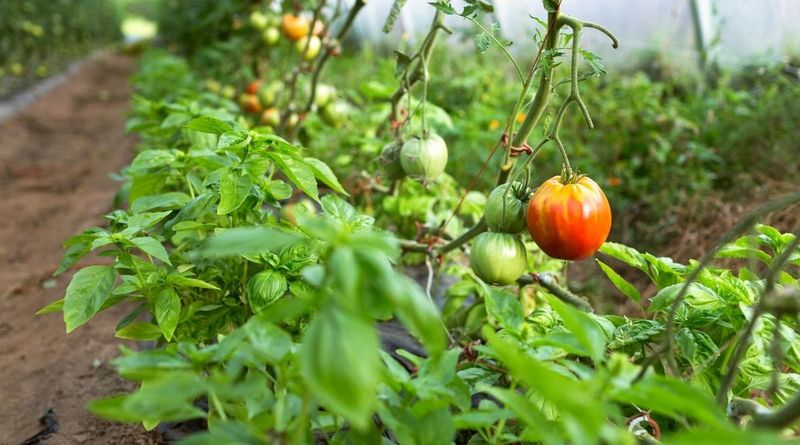
Basil stands out as one of the most popular companions for tomatoes in gardens across Texas.
This fragrant herb releases oils that naturally repel aphids, whiteflies, and hornworms that commonly attack tomato plants. The strong scent confuses pests and makes it harder for them to locate your tomato vines.
Texas gardeners appreciate how basil thrives in the same warm, sunny conditions that tomatoes love. Both plants need similar watering schedules and enjoy our long growing season.
You can plant basil seeds or transplants directly under your tomato cages once the soil warms up in spring.
The herb grows quickly and fills in the space beneath your tomatoes within just a few weeks. Its bushy growth pattern helps shade the soil and keeps moisture from evaporating too quickly during hot Texas afternoons.
This ground cover effect means you water less often while still keeping your tomato roots happy.
Many gardeners notice their tomatoes taste better when grown near basil plants. Some research suggests the herbs may actually improve the flavor of nearby tomatoes through root interactions in the soil.
Whether this is scientifically proven or not, having fresh basil right next to your tomatoes makes meal preparation incredibly convenient.
Harvest basil leaves regularly throughout the summer to encourage bushier growth and prevent flowering. Pinch off the top leaves every week or two, and your plants will produce more side branches.
This creates even better ground coverage under your tomato vines while giving you plenty of herbs for cooking.
Space basil plants about eight inches apart around the base of each tomato plant for best results in your Texas garden.
2. Nasturtiums Work As Trap Crops
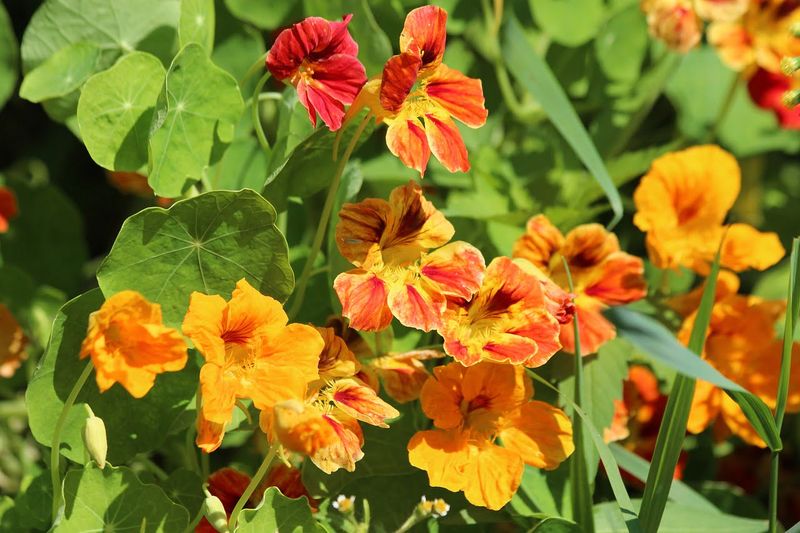
Nasturtiums serve double duty in Texas tomato gardens by acting as sacrificial plants. Aphids absolutely love nasturtiums and will often choose them over your tomato vines.
This trap crop strategy draws pests away from your vegetables and onto plants that can handle the damage better.
These fast-growing flowers spread quickly to cover bare soil under your tomatoes. Their round, lily pad-shaped leaves create living mulch that keeps weeds down and soil temperatures cooler during brutal Texas summer days.
The trailing varieties work especially well because they spread out without climbing up your tomato supports.
Your Texas Garden Changes Every Week. Your Plan Should Too.
Gardening in Texas changes quickly throughout the season. Every Friday you’ll receive a simple weekly plan showing exactly what to plant, prune, fertilize, harvest, and protect so you never miss the right timing.
Both the flowers and leaves are completely edible with a peppery flavor similar to watercress. You can toss them into salads or use them as colorful garnishes for summer dishes.
Having edible flowers growing right in your vegetable garden adds an unexpected element to home cooking.
Nasturtiums prefer slightly drier conditions than tomatoes, making them perfect for the outer edges of your watering zone. Plant them where they get some moisture from tomato irrigation but are not sitting in soggy soil.
They actually bloom better when not overwatered, producing more flowers with vibrant orange, yellow, and red colors.
Start nasturtiums from seed directly in the garden after your last frost date. They germinate quickly in warm Texas soil and begin flowering within six weeks.
Scatter seeds around established tomato plants or sow them at the same time you transplant tomatoes.
Check nasturtiums weekly for aphid infestations, and simply remove heavily infested leaves to keep pest populations under control while protecting your valuable tomato crop.
3. Marigolds Defend Against Soil Pests
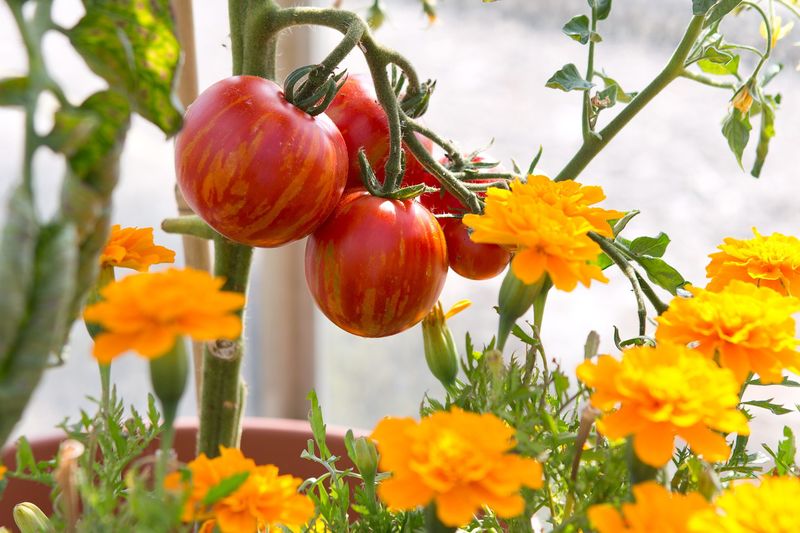
Marigolds bring cheerful color to your tomato bed while working hard beneath the surface. Their roots release chemicals that discourage harmful nematodes from attacking tomato roots.
These microscopic worms can seriously damage plants in Texas gardens, especially in areas where tomatoes grow year after year.
French marigolds work particularly well as companions because they stay compact and bushy.
Plant them around the perimeter of your tomato plants or tuck them in between vines if you have multiple tomatoes growing together. Their bright blooms add visual interest while protecting your vegetables.
The flowers also attract beneficial insects like ladybugs and lacewings that feed on aphids and other tomato pests.
Pollinators visit marigold blooms throughout the day, which helps if you have other vegetables nearby that need pollination. This makes your entire Texas garden more productive and balanced.
Marigolds handle our Texas heat remarkably well once established. They need less water than tomatoes, so plant them slightly away from the main stem where they receive some irrigation but do not sit in constantly moist soil. This prevents root rot while still keeping them healthy and blooming.
Deadhead spent flowers regularly to keep marigolds blooming all summer long. Simply pinch off faded blooms at their base, and new buds will form within days.
This maintenance takes just minutes each week but keeps your plants looking attractive and functioning as effective pest deterrents.
Marigolds also self-seed readily in Texas gardens, so you may find volunteer plants appearing next season exactly where you need them most under your tomato vines.
4. Oregano Provides Ground Cover And Flavor
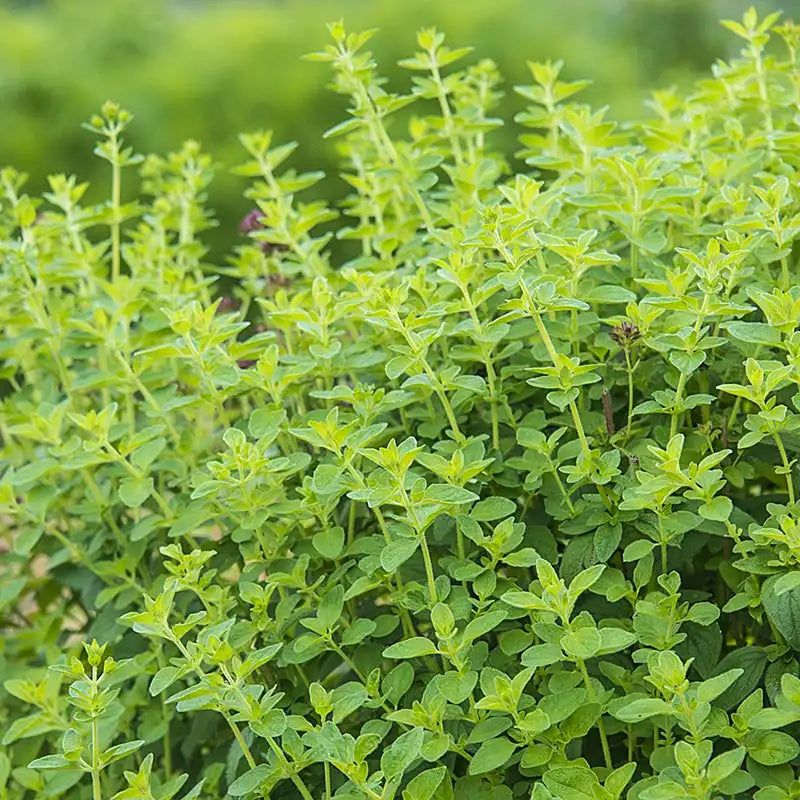
Oregano forms a dense, aromatic carpet beneath tomato plants while requiring minimal care in Texas gardens. This Mediterranean herb loves our hot, dry conditions and actually grows better with less attention than most plants.
Its low-growing habit makes it ideal for filling space under taller tomato vines without competing for sunlight.
The herb releases strong-smelling oils that help mask the scent of tomato plants from certain insect pests. While not as powerful a deterrent as basil, oregano still contributes to a healthier garden ecosystem.
Its small flowers attract tiny beneficial wasps that prey on tomato hornworm eggs before they hatch.
Texas gardeners love how drought-tolerant oregano becomes once established. After the first month, it needs very little supplemental water beyond what your tomatoes receive.
The plant actually develops stronger flavor when grown in drier conditions, making it perfect for areas that do not stay constantly moist.
Greek oregano and Italian oregano both work well as tomato companions, though Greek varieties tend to be more compact and flavorful.
Plant small transplants or rooted cuttings about ten inches apart around your tomato plants in early spring. They spread slowly but surely to create solid coverage by midsummer.
Harvest oregano sprigs anytime during the growing season for fresh use in cooking. The herb tastes best just before flowering, so trim plants regularly to prevent blooms if you want maximum flavor.
However, letting some flowers develop benefits pollinators and beneficial insects in your Texas garden.
Oregano is perennial in most parts of Texas, returning year after year and requiring even less maintenance as plants mature and establish deeper root systems.
5. Parsley Attracts Beneficial Insects
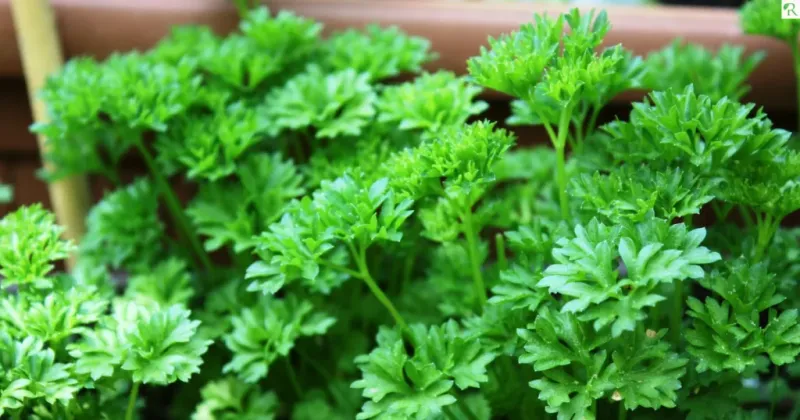
Parsley brings unexpected benefits when planted under tomatoes in Texas gardens. This common herb attracts swallowtail butterflies, which lay eggs on parsley leaves.
While the caterpillars will munch on your parsley, the adult butterflies help pollinate other plants in your garden and add beauty to your outdoor space.
More importantly, parsley flowers attract parasitic wasps and hoverflies that prey on aphids and other soft-bodied pests. These beneficial insects need nectar sources to survive, and parsley provides exactly what they need.
A healthy population of good bugs means fewer problems with bad bugs on your tomato vines.
Both curly and flat-leaf parsley work well as companions, though flat-leaf varieties tend to be more heat-tolerant for Texas conditions. The plants grow into bushy clumps that help shade soil and reduce water evaporation.
Their deep green color contrasts nicely with tomato foliage and creates visual interest in your vegetable bed.
Parsley is biennial, meaning it grows leaves the first year and flowers the second year before setting seed. In Texas, you can often get parsley to survive mild winters and return the following spring.
This makes it an economical choice since established plants keep producing without replanting.
Plant parsley transplants under tomatoes in early spring once nighttime temperatures stay above fifty degrees. The herb germinates slowly from seed, so starting with transplants gives you quicker results.
Water parsley regularly along with your tomatoes since it prefers consistently moist soil. Harvest outer leaves as needed throughout the season, which encourages the plant to produce more foliage.
Leave some stems unharvested to eventually flower and support those beneficial insects that keep your Texas tomato garden healthy and productive.
6. Lettuce Fills Space In Early Season
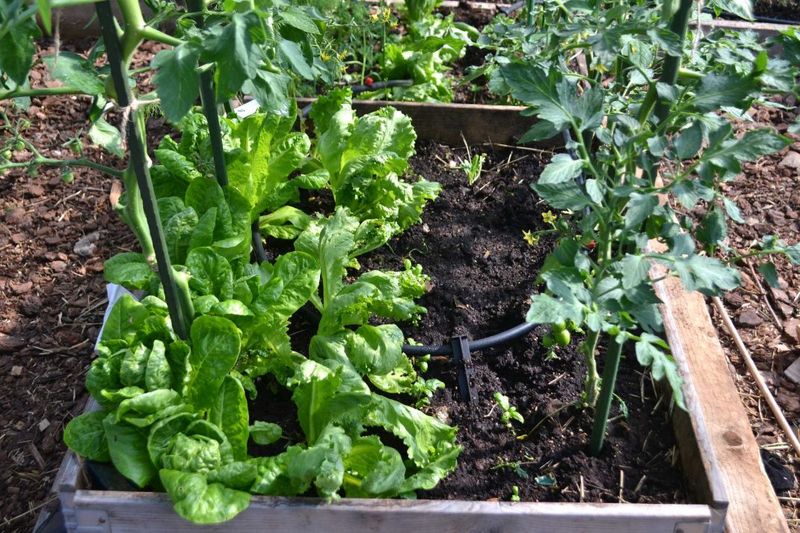
Lettuce makes smart use of space under tomato plants during the cooler months in Texas. Young tomato transplants start small and take weeks to fill out their cages or supports.
Meanwhile, the ground underneath sits empty and exposed to sun and wind. Lettuce fills this gap perfectly during spring.
Loose-leaf varieties like Oak Leaf or Salad Bowl lettuce work best because you can harvest individual leaves without removing entire plants.
This cut-and-come-again method gives you fresh salad greens for weeks while your tomatoes grow larger overhead. By the time tomatoes need the space, your lettuce has finished producing.
Texas spring weather can be unpredictable with warm days followed by cool nights. Lettuce thrives in these conditions and actually prefers temperatures between sixty and seventy degrees.
As summer heat arrives and temperatures climb, lettuce naturally declines just when your tomato plants need more room and create shade.
Plant lettuce seeds or transplants around tomato plants in late winter or early spring. Space them about six inches apart in a circle around each tomato.
Water regularly to keep soil moist since lettuce has shallow roots and wilts quickly when dry. The frequent watering benefits your young tomato transplants too.
Harvest lettuce leaves when they reach four to six inches long for the best texture and flavor. Pick outer leaves first and let inner leaves continue growing.
This extends your harvest for several weeks before plants bolt in the heat. Once lettuce finishes, pull out the old plants and add them to your compost pile.
The space they occupied is now shaded by larger tomato vines and ready for a different companion plant or simply left as open space for air circulation around mature tomato plants in your Texas garden.