This Is How Warm February Weather Affects Texas Gardens

Warm February days in Texas can feel like a gift, but they often leave gardeners wondering what’s really happening beneath the soil. A sudden stretch of mild weather can wake plants up far earlier than expected, encouraging new growth before winter is truly over.
It may look exciting at first, yet these early signals can create confusion for perennials, shrubs, and even fruit trees. Some plants jump ahead, others stay dormant, and the whole garden starts running on an uneven schedule.
Pests and diseases may also appear sooner, taking advantage of the premature warmth. At the same time, pollinators and beneficial insects might not be active yet, which leaves early blooms without support.
When the next cold snap rolls in, tender new growth can take the hit. Understanding how warm February weather affects your Texas garden helps you protect your plants, prepare for surprises, and keep everything on track for spring.
1. Why Warm February Weather Matters In Texas?
Texas weather patterns shift unpredictably during late winter. One week might bring freezing temperatures, and the next could feel like early spring.
Gardeners across the state notice these dramatic swings more than most people. When February brings warmth, gardens respond immediately. Soil temperatures rise, triggering biological activity beneath the surface.
Microorganisms become active, breaking down organic matter faster. Plant roots sense the warmth and begin absorbing nutrients more efficiently.
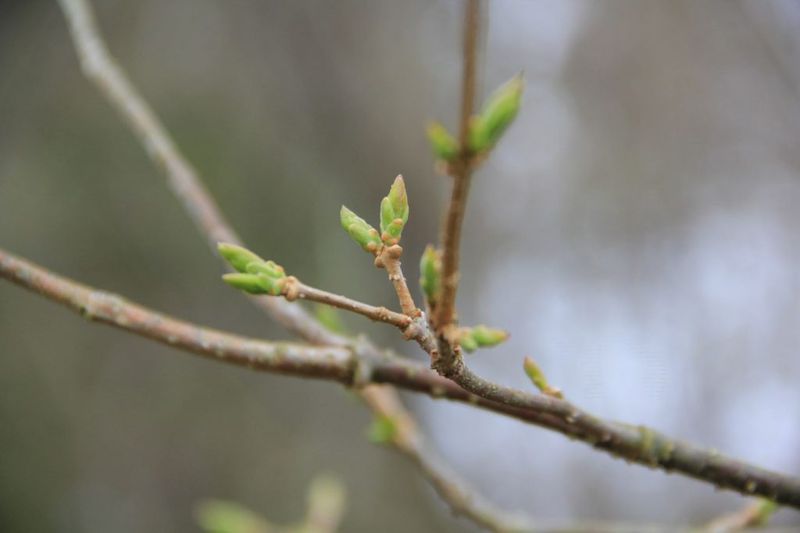
Above ground, changes happen just as quickly. Buds swell on fruit trees and ornamental shrubs.
Cool-season vegetables put on rapid growth. Weeds emerge from dormancy with enthusiasm. Even insects stir from their winter hiding places.
Texas gardeners must pay attention during these warm spells. The benefits can be significant, offering extra growing time and better soil conditions.
However, risks lurk around every corner. A sudden cold front can damage tender new growth. Planting too early might result in losses.
Understanding the balance between opportunity and risk becomes essential. Experienced Texas gardeners learn to read weather patterns, not just current temperatures.
They watch soil conditions, monitor plant responses, and keep frost blankets handy. Smart planning during warm February weather sets the stage for success throughout the growing season.
Geography matters too. North Texas gardeners face different conditions than those along the Gulf Coast.
Central Texas sits somewhere in between. Each region experiences warm February weather differently, requiring localized strategies and careful observation.
2. Early Soil Warming: Opportunities And Risks

Warm February temperatures transform Texas garden soil rapidly. Cold, hard ground becomes workable within days of sustained warmth.
Gardeners can finally dig without fighting frozen clumps. This makes bed preparation much easier than during typical February conditions.
Soil that warms early offers real advantages. Compost and amendments mix in more thoroughly.
Beneficial soil organisms wake up and start processing nutrients. Root systems of existing plants can access food and water more effectively. Cool-season crops planted in warm soil establish faster and stronger.
However, early soil warming creates challenges too. Moisture evaporates more quickly from warm soil surfaces.
Gardens that seemed adequately watered can dry out surprisingly fast. Mulch becomes more important as temperatures climb and soil loses its winter moisture reserves.
Your Texas Garden Changes Every Week. Your Plan Should Too.
Gardening in Texas changes quickly throughout the season. Every Friday you’ll receive a simple weekly plan showing exactly what to plant, prune, fertilize, harvest, and protect so you never miss the right timing.
Another risk involves timing mistakes. Warm soil in February tempts gardeners to plant warm-season crops too early.
Tomatoes, peppers, and squash seem like good ideas when temperatures hit 75 degrees. But Texas weather remains fickle through March and even into early April. One hard freeze after warm weather can damage or destroy tender transplants.
Smart gardeners use soil thermometers, not just air temperature, to guide decisions. Cool-season vegetables tolerate soil temperatures around 40 to 50 degrees.
Warm-season crops need consistent soil temperatures above 60 degrees. A few warm February days rarely provide that stability.
Patience pays off, even when warm weather makes waiting difficult. Texas gardeners succeed by respecting both opportunities and limitations that early soil warming brings.
3. Impact On Cool-Season Vegetables
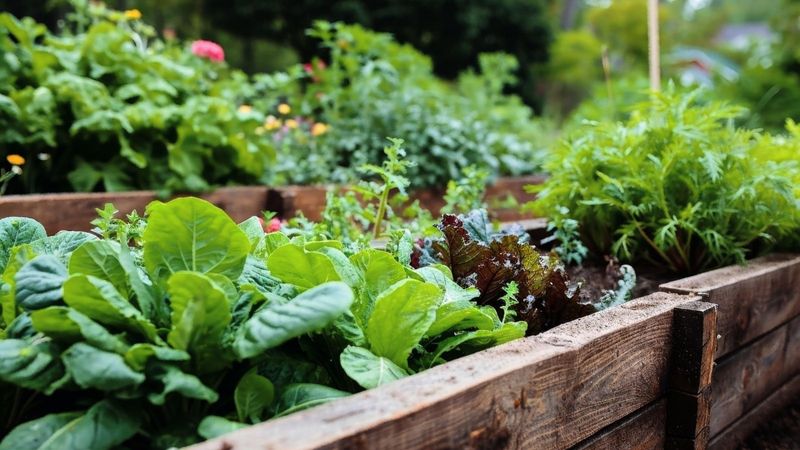
Cool-season vegetables love moderate temperatures. Lettuce, spinach, kale, carrots, and peas thrive when days stay cool and nights remain chilly.
Warm February weather in Texas accelerates their growth dramatically. Plants that crawled along slowly suddenly put on inches of new growth weekly.
This rapid growth can be wonderful. Harvest comes earlier than expected. Leaves grow larger and more tender. Root vegetables size up faster.
Gardeners enjoy fresh produce weeks ahead of schedule. The extended mild weather allows multiple harvests from cut-and-come-again crops like lettuce and spinach.
But warm weather creates problems for these cool-lovers. Many cool-season vegetables are programmed to bolt when temperatures rise.
Bolting means the plant switches from producing leaves to making flowers and seeds. Once lettuce bolts, leaves turn bitter. Spinach becomes inedible. The harvest window closes abruptly.
Young plants face another danger. Warm February weather encourages tender new growth that has no cold tolerance.
If a late freeze arrives after plants have grown soft and lush, damage occurs quickly. Leaves blacken, stems collapse, and entire plantings can be lost overnight.
Texas gardeners can manage these risks with smart strategies. Plant bolt-resistant varieties when warm weather seems likely.
Provide shade cloth during the warmest afternoon hours. Keep plants well-watered to reduce stress.
Monitor weather forecasts constantly and cover tender crops when cold threatens. Succession planting helps too, ensuring some vegetables remain at different growth stages.
Warm February weather rewards prepared gardeners but punishes those caught unprepared.
4. Perennials And Shrubs Responding Early
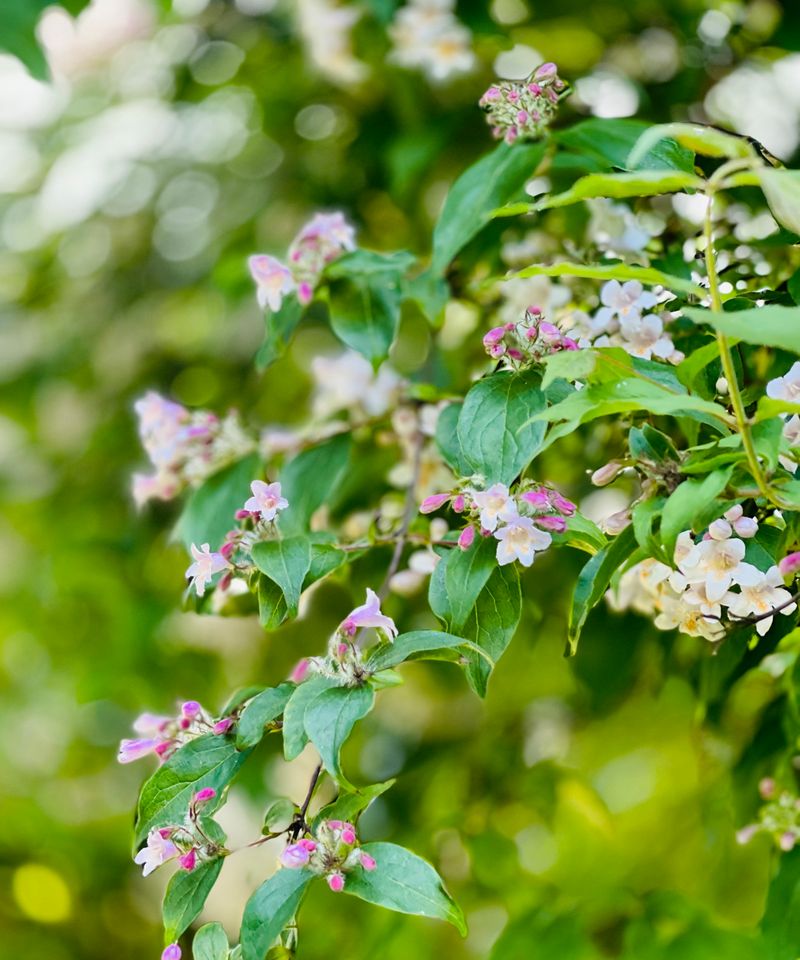
Perennial plants and shrubs respond to temperature cues powerfully. Warm February days trigger biological signals that tell plants spring has arrived.
Roses send out new red growth from their canes. Fruit trees develop fat, swelling buds. Ornamental shrubs begin pushing out fresh leaves.
This early growth looks beautiful and promising. Gardeners feel excited seeing their landscapes come alive weeks early.
Fruit trees covered in developing buds suggest abundant harvests ahead. Flowering shrubs preparing to bloom early extend the season of beauty.
The problem comes when Texas weather does what Texas weather does best: change suddenly. A hard freeze after warm weather causes severe damage to tender new growth.
Rose canes that pushed out soft new shoots can suffer dieback. Fruit tree buds that opened prematurely may freeze, eliminating the year’s crop entirely. Ornamental shrubs with new leaves face potential defoliation.
Some plants handle this better than others. Native Texas plants evolved with unpredictable weather patterns.
They often have mechanisms to survive late cold snaps. Non-native ornamentals from milder climates lack these protections.
Tropical and subtropical plants suffer most when caught between warm spells and sudden freezes.
Protecting valuable plants becomes essential during warm February weather in Texas. Keep frost blankets and covers ready.
Water plants well before predicted freezes, as moist soil holds heat better. Avoid fertilizing during warm spells, since fertilizer encourages tender new growth.
Resist the urge to prune damaged growth immediately after freezes. Wait until true spring arrives to assess actual damage.
Patience and preparation help perennials and shrubs survive the roller coaster of late Texas winter weather.
5. Pest Activity And Disease Pressure
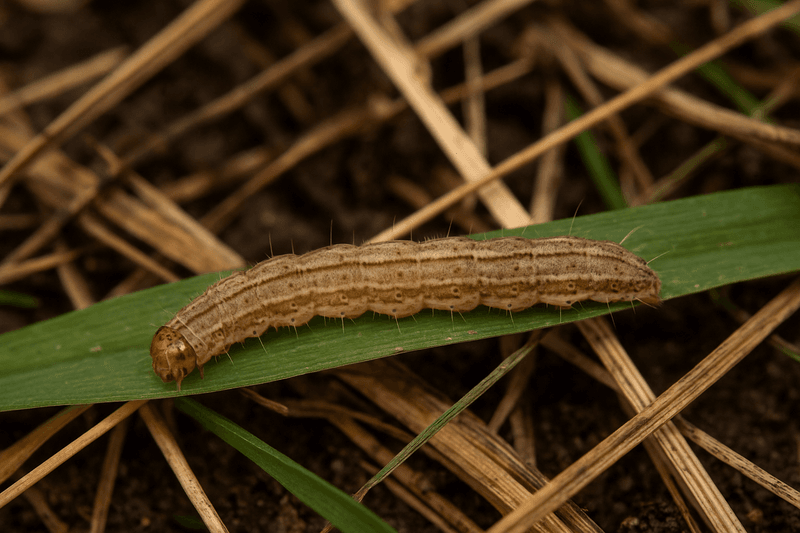
Insects and diseases respond to warm weather just like plants do. Mild February temperatures wake pests from dormancy earlier than usual.
Aphids appear on tender new growth almost overnight. Spider mites multiply rapidly in warm, dry conditions.
Whiteflies emerge and begin feeding on susceptible plants. Caterpillars hatch and start munching leaves weeks ahead of normal timing.
These early pest appearances catch many Texas gardeners unprepared. Spray schedules designed for typical seasons become inadequate.
Small pest populations explode quickly when conditions favor them. Warm days combined with cool nights create ideal conditions for rapid insect reproduction.
Disease pressure increases too. Fungal spores germinate more readily in mild, humid conditions.
Some areas of Texas experience morning dew and fog even during warm spells. This moisture combined with moderate temperatures creates perfect environments for fungal diseases.
Powdery mildew, rust, and leaf spot diseases appear earlier and spread faster. Bacterial problems can emerge too. Soft, lush growth encouraged by warm weather makes easy targets for bacterial infections.
Fire blight threatens fruit trees. Bacterial leaf spots affect vegetables. Once established, these diseases spread quickly through susceptible plants.
Prevention works better than treatment for early pest and disease problems. Scout gardens regularly during warm February weather.
Inspect leaf undersides where many pests hide. Look for early disease symptoms like discolored spots or unusual growth patterns.
Remove affected plant parts promptly. Consider preventive sprays of organic fungicides or insecticidal soaps.
Encourage beneficial insects that prey on pests. Good air circulation reduces disease pressure.
Proper watering practices help too, since stressed plants succumb more easily to both pests and diseases.
6. Planning And Planting Considerations
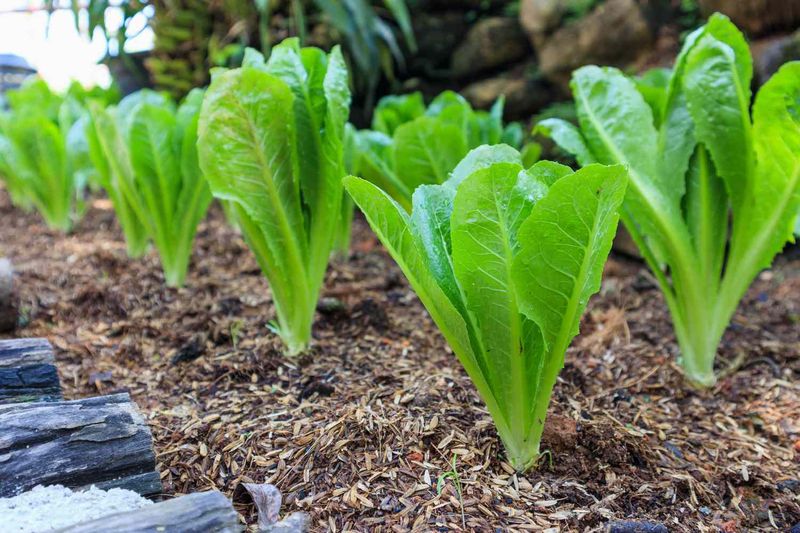
Warm February weather in Texas tests gardener patience and judgment. Temperatures climbing into the 70s and 80s make planting warm-season crops seem reasonable.
Garden centers stock tomatoes, peppers, and summer annuals earlier each year. The temptation to plant becomes nearly irresistible. Resist anyway. Texas gardening success depends on timing decisions carefully.
Cool-season crops remain the safe choice through February, even during warm spells. Lettuce, spinach, kale, broccoli, cabbage, and peas all handle February planting well.
These vegetables tolerate cold snaps and actually prefer cool weather. Hardy perennials can go in the ground too. Their root systems establish during cool weather, preparing plants for summer stress.
Warm-season crops require more caution. Tomatoes, peppers, squash, cucumbers, and beans need consistently warm conditions.
Soil temperatures must stay above 60 degrees, and nighttime lows should remain above 50 degrees. February rarely provides this stability, even in South Texas. March and April offer much safer planting windows for these crops.
Smart gardeners use tools and information to guide decisions. Soil thermometers provide accurate readings of ground temperature.
Weather forecasts extending two weeks ahead help identify potential cold fronts. Historical climate data shows average last frost dates for different Texas regions.
North Texas gardeners typically wait until mid-April. Central Texas can often plant by late March. South Texas and coastal areas enjoy earlier safe planting dates.
Keep protection materials ready regardless of planting timing. Row covers, frost blankets, and cloches allow quick response when unexpected cold threatens.
Water plants before freezes arrive. Avoid fertilizing during uncertain weather periods. Success comes from balancing optimism with realistic assessment of Texas weather patterns.
7. Balancing Benefits And Risks
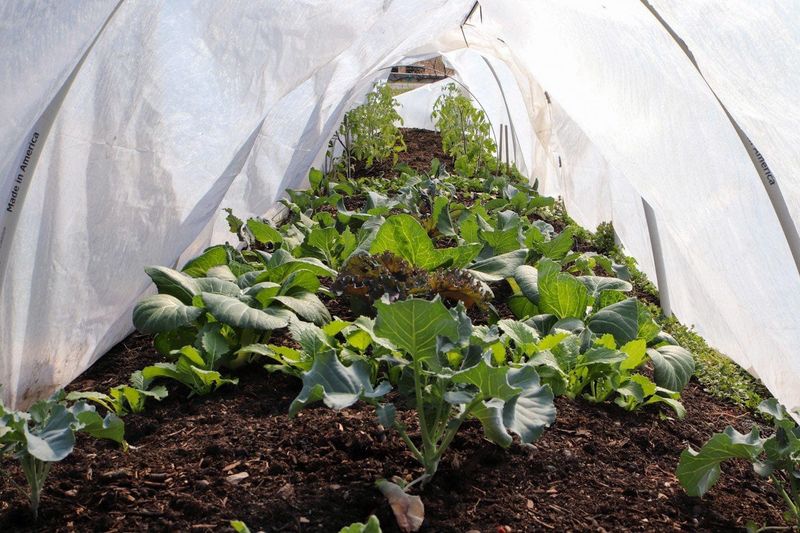
Warm February weather in Texas offers genuine advantages for gardeners. Extended growing seasons mean more harvest time.
Soil conditions improve earlier, allowing better bed preparation. Cool-season vegetables produce abundantly.
Gardens look beautiful weeks ahead of normal timing. The extra warmth feels wonderful after winter cold.
These benefits come with corresponding risks that demand respect. Plants tricked into early growth face freeze damage.
Gardeners who plant too soon lose transplants and seeds. Pests and diseases establish earlier and spread faster.
Soil dries out quickly, requiring more irrigation. Weather uncertainty makes planning difficult.
Successful Texas gardeners learn to walk the line between opportunity and caution. They take advantage of warm weather for appropriate tasks while avoiding risky decisions.
Soil preparation, composting, and planting hardy crops make sense during warm spells. Installing irrigation systems, building raised beds, and organizing garden spaces work well too.
These activities capitalize on pleasant weather without exposing plants to danger. Observation becomes the most valuable skill. Watch how plants respond to temperature changes.
Monitor soil moisture levels daily during warm periods. Track pest populations before they explode. Notice which plants in your specific location handle temperature swings well. Learn from both successes and failures.
Temperature itself provides less useful information than temperature trends. A single warm day means little.
A week of mild weather suggests more, but still requires caution. Consistent warmth extending through several weeks offers better confidence for advancing planting schedules.
Even then, Texas gardeners keep protection materials ready and weather forecasts handy. The state’s climate rewards those who prepare for anything while hoping for the best.
Balance and flexibility define successful Texas gardening during unpredictable February weather.