These Garden Pests Start Waking Up During Late Winter In Texas (Plus Prevention Tips)
Late winter in Texas may feel calm on the surface, but your garden is already starting to wake up, and so are the pests that come with the warmer days.
As temperatures creep upward, several unwelcome visitors begin stirring beneath leaves, soil, and mulch, ready to snack on tender new growth long before spring officially arrives.
Many gardeners are caught off guard, wondering why plants look stressed even though the season hasn’t fully shifted. The truth is, these early risers can cause damage before you even notice they’re back.
The good news? A little awareness now can save you a lot of trouble later.
Understanding which pests become active first and how to get ahead of them can keep your garden healthier and your plants far less vulnerable. With a few simple prevention steps, you can set the stage for a strong, thriving landscape as the new season rolls in.
1. Aphids
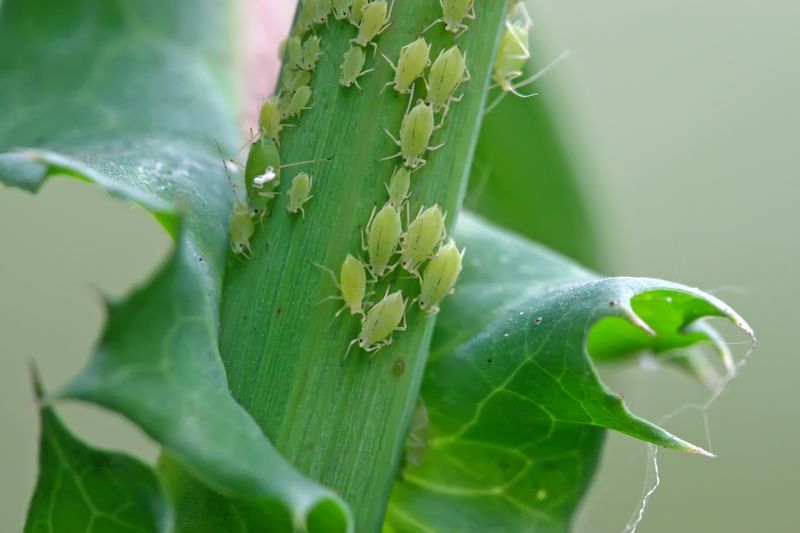
Aphids are among the first pests to show up when late winter warmth hits Texas gardens. These tiny, soft-bodied insects may be green, black, yellow, or even pink, and they gather in clusters on tender new growth.
They feed by piercing plant tissue and sucking out the sap, which weakens plants and can stunt their growth.
What makes aphids particularly troublesome is how quickly they multiply. A single female can produce dozens of offspring without mating, so a small problem can explode into a major infestation within days.
As temperatures rise and plants start pushing out fresh leaves and buds, aphids wake from their overwintering stage and begin feeding immediately.
You’ll often find them on the undersides of leaves or clustered around tender stems and flower buds.
They leave behind a sticky substance called honeydew, which can attract ants and encourage mold growth. This residue is often the first sign gardeners notice before spotting the aphids themselves.
Prevention starts with regular inspection of your plants, especially during warm spells in February and March across Texas. Check new growth every few days.
If you spot aphids early, a strong spray of water from the hose can knock them off before they establish a colony.
For persistent problems, insecticidal soap or neem oil works well and won’t harm beneficial insects when used correctly.
Encouraging natural predators like ladybugs and lacewings in your garden provides long-term control. These helpful insects feast on aphids and help keep populations under control naturally.
Planting flowers that attract these beneficials, such as yarrow or alyssum, creates a balanced garden ecosystem that resists aphid outbreaks.
2. Spider Mites
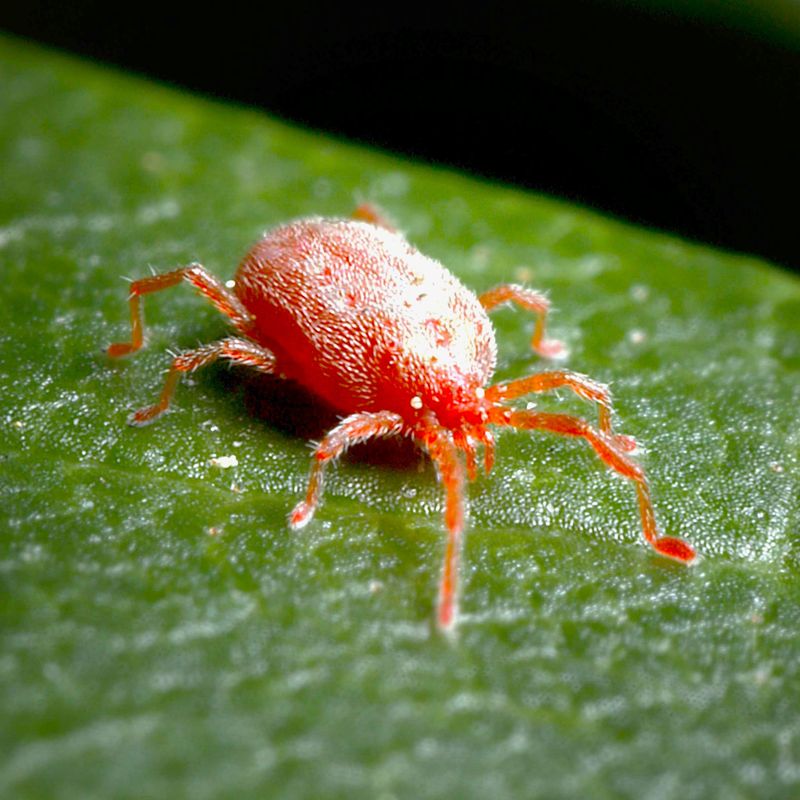
Spider mites are almost invisible to the naked eye, but the damage they cause is unmistakable. These eight-legged pests, often red or yellow in color, feed by puncturing plant cells and sucking out the contents.
This creates a distinctive stippled or speckled appearance on leaves, which may eventually turn yellow and drop off completely.
Late winter in Texas brings conditions that spider mites love. Indoor plants, greenhouse environments, and even outdoor plants during dry warm spells provide perfect breeding grounds.
Your Texas Garden Changes Every Week. Your Plan Should Too.
Gardening in Texas changes quickly throughout the season. Every Friday you’ll receive a simple weekly plan showing exactly what to plant, prune, fertilize, harvest, and protect so you never miss the right timing.
These pests reproduce rapidly in warm, dry conditions, with a new generation appearing every few weeks.
You might notice fine webbing on plant leaves and stems, especially when infestations become severe. This webbing helps protect the mites and their eggs from predators and harsh conditions.
Spider mites particularly target stressed plants, so keeping your garden healthy is your first line of defense.
Water is your best friend when fighting spider mites. These pests thrive in dry conditions, so keeping plants properly watered and occasionally misting foliage can discourage them. A strong spray of water can also physically remove mites from plant surfaces.
Neem oil provides effective control when applied to both the tops and undersides of leaves. Make sure to coat all plant surfaces thoroughly, as mites often hide on leaf undersides.
For ongoing problems, introducing predatory mites offers biological control that continues working even after you stop treating.
In Texas greenhouses and indoor growing spaces, maintaining humidity levels above 40 percent makes the environment less hospitable to spider mites. Good air circulation also helps prevent the hot, stagnant conditions these pests prefer for rapid reproduction.
3. Whiteflies
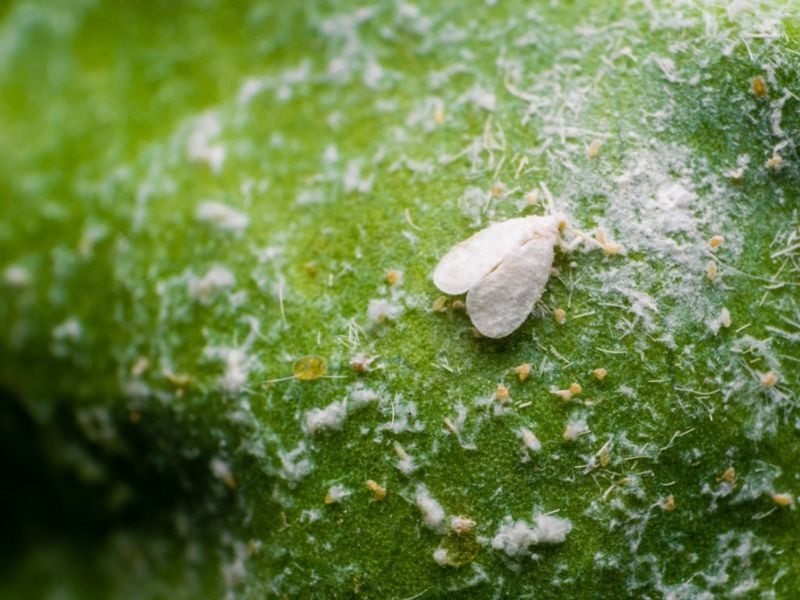
Whiteflies look like tiny white moths that flutter up in a cloud when you disturb an infested plant. Despite their name and appearance, they’re not actually flies but are more closely related to aphids and scale insects.
They feed on plant sap by inserting their needle-like mouthparts into leaf tissue, primarily on the undersides of leaves.
These pests become active early in Texas, especially in protected environments like greenhouses, sunrooms, and covered patios where temperatures warm up first.
Even a few mild days in late winter can trigger whitefly activity if plants are present. They reproduce quickly, with females laying hundreds of eggs during their lifetime.
The damage from whiteflies goes beyond just sap removal. Like aphids, they excrete honeydew that coats leaves and encourages sooty mold growth.
Heavy infestations can cause leaves to yellow, wilt, and eventually drop. Whiteflies can also transmit plant viruses, making them doubly dangerous to your garden.
Regular inspection is crucial for early detection. Check the undersides of leaves weekly, especially on plants kept indoors or in protected areas during late winter.
Look for the tiny white adults, pale green nymphs, or white oval eggs arranged in circular patterns.
Yellow sticky traps work wonderfully for monitoring and reducing whitefly populations. Hang them near susceptible plants to catch adults before they can lay eggs. The bright yellow color attracts whiteflies, and they become stuck on the adhesive surface.
Insecticidal soap or neem oil sprays can control whiteflies when applied thoroughly to leaf undersides where the pests congregate. Multiple applications are usually necessary because these products only affect insects they contact directly.
Repeat treatments every five to seven days to catch newly hatched nymphs before they mature and reproduce.
4. Scale Insects
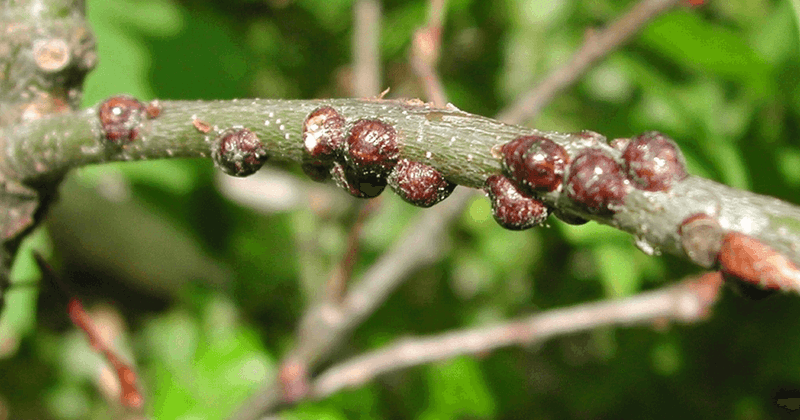
Scale insects are masters of disguise. They attach themselves to stems and leaves, forming hard or soft protective coverings that make them look like bumps or growths rather than living insects.
Underneath these shells, the insects feed continuously on plant sap, slowly weakening their host.
Two main types affect Texas gardens: armored scales with hard protective coverings, and soft scales that produce a waxy coating.
Both become active in late winter as rising temperatures trigger the hatching of overwintering eggs. The first sap flow in plants provides the perfect food source for emerging scale crawlers.
Adult scales stay in one place once they settle and begin feeding, but the young crawlers are mobile and spread to new areas of the plant or neighboring plants. This crawler stage is the most vulnerable time for control measures.
Heavy scale infestations can weaken plants significantly, causing yellowing leaves, stunted growth, and branch dieback.
Soft scales also produce honeydew, which leads to sooty mold problems that further stress plants. You might notice ants farming scales for this sweet secretion, which is another warning sign of an infestation developing in your Texas garden.
For small infestations on manageable plants, manual removal works well. Use your fingernail or a soft brush to scrape scales off stems and leaves. This method is time-consuming but effective for valuable plants with light infestations.
Horticultural oil provides excellent control when applied during dormancy or just as buds begin to swell in late winter. The oil smothers scales under their protective coverings. Apply thoroughly, coating all plant surfaces including bark crevices where scales hide.
Monitor new growth carefully throughout spring, as this is where you’ll first spot new scale activity. Catching infestations early, before scales mature and reproduce, makes control much easier and prevents serious damage to your plants.
5. Caterpillars (Early-Emerging Species)
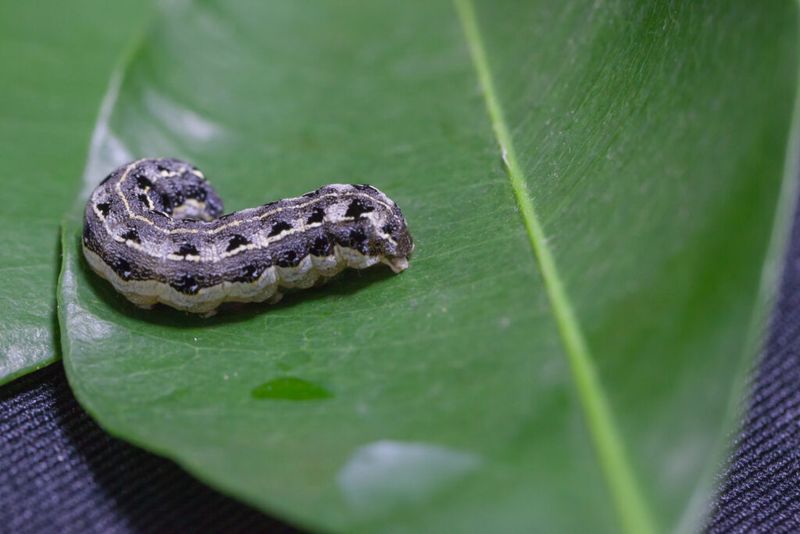
Caterpillars are the larval stage of moths and butterflies, and while some species are welcome garden visitors, many can cause significant damage by chewing through leaves.
Texas’s mild winters mean that eggs laid during the previous fall may not experience enough cold to delay hatching, so caterpillars can appear surprisingly early when temperatures warm up.
Different caterpillar species have different feeding preferences. Some munch on vegetable crops, while others target ornamental plants or fruit trees.
The damage is usually obvious: irregular holes in leaves, entire leaves stripped down to the midrib, or missing sections along leaf edges.
Some caterpillars feed openly on leaf surfaces where they’re easy to spot, while others hide on leaf undersides or roll leaves around themselves for protection.
Frass (caterpillar droppings) on leaves or the ground below plants is often the first clue that caterpillars are present even before you see the insects themselves.
Early detection makes control much simpler. Walk through your Texas garden regularly during late winter warm spells, inspecting both sides of leaves.
Many caterpillars feed at night and hide during the day, so early morning inspections often reveal them before they retreat to their hiding spots.
Handpicking is the most straightforward control method for small numbers of caterpillars. Drop them into soapy water rather than squashing them on the plant, which can spread disease.
Wear gloves if you’re concerned about irritation, as some caterpillar species have stinging hairs.
Bacillus thuringiensis, commonly called Bt, is a natural bacterial insecticide that specifically targets caterpillars without harming beneficial insects, pets, or people. It works best on young caterpillars, so apply it as soon as you notice feeding damage.
Row covers provide physical protection for vulnerable plants during warm spells when moths are actively laying eggs. The lightweight fabric allows light and water through while keeping adult moths away from your plants.
6. Mealybugs
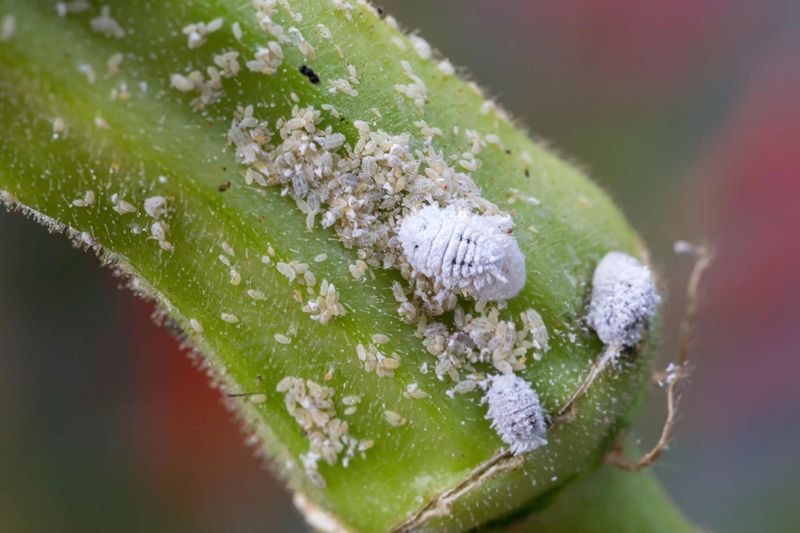
Mealybugs look like tiny bits of cotton stuck to your plants. These soft-bodied insects are covered with a white, waxy coating that gives them their distinctive fuzzy appearance.
They feed on plant sap and tend to hide in protected areas like leaf axils, where leaves meet stems, or even in the soil around roots.
Late winter warmth, especially indoors or in protected outdoor areas across Texas, stimulates mealybug activity after their dormant period. They move slowly but can spread throughout a plant and to neighboring plants if left unchecked.
Female mealybugs lay hundreds of eggs in cottony masses, leading to rapid population growth.
The damage from mealybugs includes stunted growth, yellowing leaves, and leaf drop. Like other sap-sucking pests, they produce honeydew that attracts ants and encourages mold growth.
Heavy infestations can seriously weaken plants, making them more susceptible to diseases and other problems.
Mealybugs are particularly troublesome on houseplants and in greenhouses, where conditions remain favorable year-round. However, outdoor plants in Texas can also host populations that emerge from hiding spots when temperatures rise in late winter.
Regular inspection is essential for catching mealybugs early. Check new growth, leaf undersides, and stem joints weekly.
Look for the white cottony masses or the sticky honeydew residue that indicates their presence.
For small infestations, dipping a cotton swab in rubbing alcohol and touching it directly to individual mealybugs works remarkably well.
The alcohol dissolves their protective coating and eliminates them on contact. This method requires patience but is very effective for light infestations on small plants.
Insecticidal soap provides good control for larger populations. Spray thoroughly, making sure to reach all the hidden spots where mealybugs congregate. Repeat applications every seven to ten days to catch newly hatched nymphs.
Isolate infested plants to prevent mealybugs from spreading to healthy plants in your Texas home or garden.