How To Choose A Gorgeous Magnolia For Your Texas Garden
Thinking about adding a magnolia to your Texas garden but not sure which one will truly shine? These trees are famous for their dramatic blooms, glossy leaves, and timeless Southern charm, yet each type offers something a little different.
Some stay compact and fit beautifully into smaller yards, while others grow tall and create a striking focal point. Texas weather can be unpredictable, so picking a magnolia that handles heat, sun, and occasional cold snaps makes all the difference.
The right choice will reward you with season after season of fragrant flowers and rich greenery with very little fuss.
Whether you want a tree that bursts with large, creamy petals or one that surprises you with pink, purple, or star-shaped blooms, there’s a magnolia perfect for your space.
With a bit of guidance, choosing a stunning variety becomes an exciting part of shaping your Texas landscape.
1. Why Magnolias Are A Texas Garden Favorite
Magnolia trees have earned their place as beloved landscape features across Texas for good reason. Their showy blooms create breathtaking displays that few other trees can match.
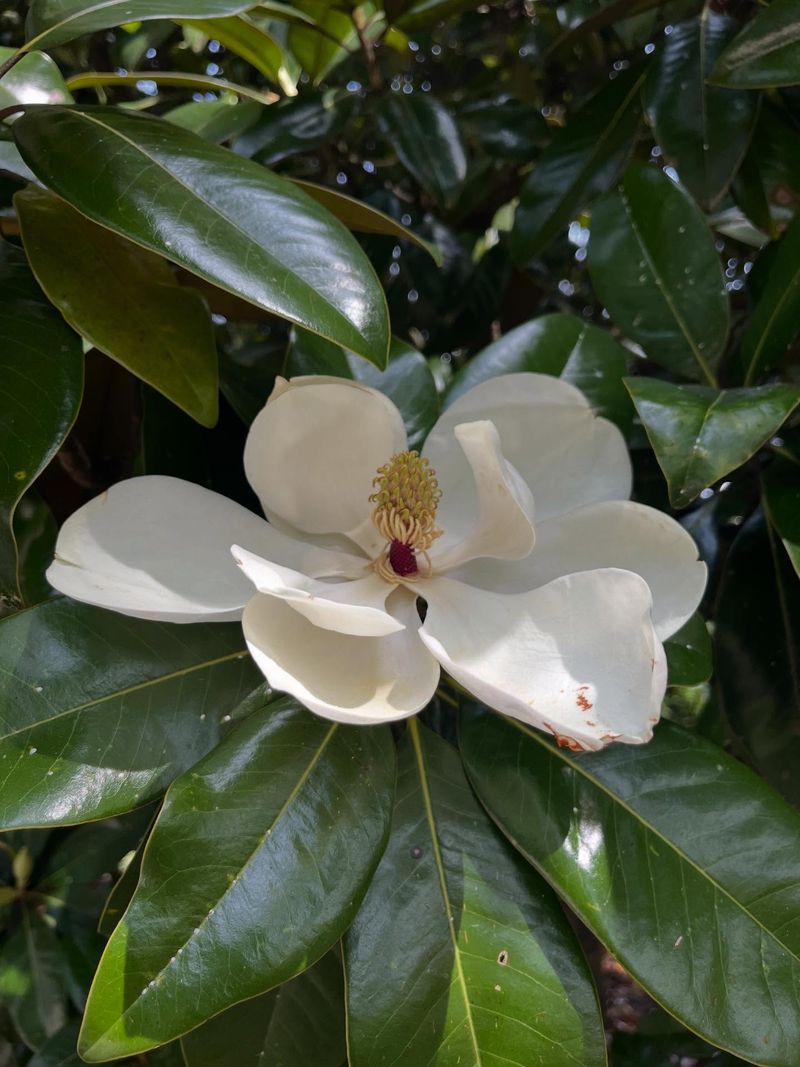
The flowers range from delicate white petals to vibrant pink hues, often measuring six to twelve inches across.
Many varieties produce a sweet, lemony fragrance that fills entire yards during bloom season. This natural perfume makes spending time outdoors even more enjoyable. Homeowners often plant magnolias near patios and windows to enjoy the scent.
Beyond their beauty, magnolias adapt remarkably well to various Texas climates. From the humid conditions of East Texas to the drier regions of Central Texas, these trees show impressive resilience.
Their ability to handle heat makes them especially valuable in southern landscapes. Magnolias fit beautifully into different garden styles too.
A stately Southern Magnolia works perfectly as a formal focal point in traditional landscapes. Smaller varieties complement cottage gardens and modern designs equally well.
The trees also provide practical benefits beyond aesthetics. Larger magnolias offer valuable shade during scorching Texas summers. Their dense foliage creates cool spots where families gather and children play.
Evergreen varieties maintain their glossy leaves throughout winter, providing year-round visual interest. This continuous greenery helps gardens look alive even during dormant months.
Deciduous types offer dramatic seasonal changes with bare branches transforming into flower-covered spectacles each spring.
Birds and beneficial insects appreciate magnolias too. The trees attract pollinators during bloom time and provide nesting spots.
Choosing a magnolia means investing in a tree that serves both beauty and function in your Texas landscape.
2. Consider Your Texas Region And Climate
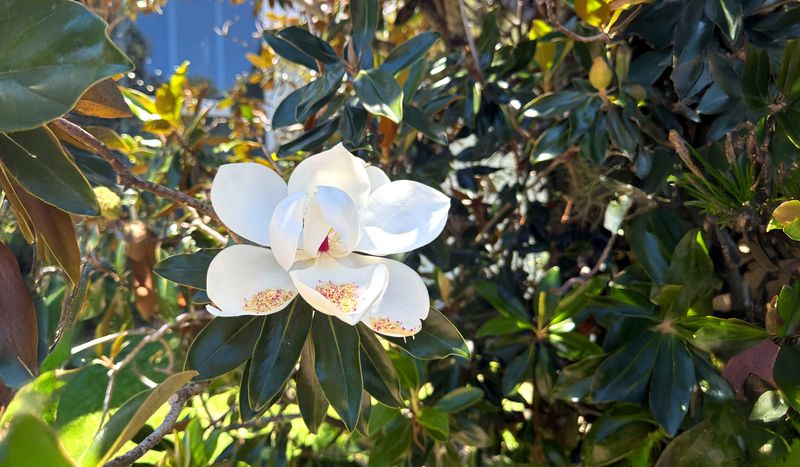
Texas spans multiple climate zones, and understanding yours helps ensure magnolia success.
North Texas experiences colder winters with occasional hard freezes that can damage tender varieties. Selecting cold-hardy magnolias becomes essential in areas like Dallas and Fort Worth.
Central Texas presents different challenges with intense summer heat and variable rainfall. Austin and San Antonio gardeners need magnolias that tolerate drought periods and temperature swings.
The region’s limestone-based soil also affects which varieties thrive best.
East Texas enjoys higher humidity and more consistent rainfall throughout the year. This region’s conditions closely match the native habitat of several magnolia species.
Your Texas Garden Changes Every Week. Your Plan Should Too.
Gardening in Texas changes quickly throughout the season. Every Friday you’ll receive a simple weekly plan showing exactly what to plant, prune, fertilize, harvest, and protect so you never miss the right timing.
Gardeners in Houston and surrounding areas have more variety options that flourish in moisture-rich environments.
South Texas features the mildest winters but the most intense summer heat. Magnolias in this region must handle prolonged high temperatures and strong sun exposure.
Coastal areas add salt spray considerations that affect plant selection. Soil type varies dramatically across Texas and impacts magnolia health significantly. Clay-heavy soils common in North and Central Texas require amendments for proper drainage.
Magnolias hate sitting in waterlogged soil and develop root problems quickly. Sandy soils in parts of East and South Texas drain too quickly and need organic matter added.
Testing your soil pH helps too, as magnolias prefer slightly acidic conditions. Most Texas soils tend toward alkaline, requiring sulfur or other amendments.
Rainfall patterns matter when choosing your magnolia. Areas receiving less than 30 inches annually need drought-tolerant varieties or supplemental watering systems.
Matching your magnolia to your specific Texas microclimate ensures healthier growth and better blooming performance over time.
3. Decide Between Evergreen Vs Deciduous Magnolias
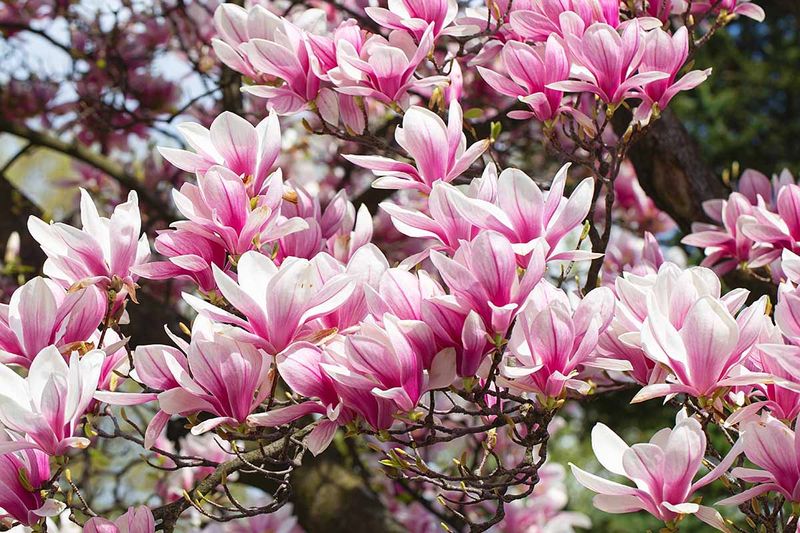
Evergreen magnolias keep their leaves all year long, providing constant greenery in your Texas landscape.
The Southern Magnolia stands as the most popular evergreen choice, featuring thick, leathery leaves with rusty undersides. These trees create living privacy screens and windbreaks that never lose effectiveness.
Southern Magnolias handle Texas heat exceptionally well, especially in central and southern regions.
Their large white flowers bloom from late spring through summer, releasing an intoxicating fragrance. Mature trees can reach 60 to 80 feet tall, making them ideal shade providers.
The evergreen nature means year-round leaf cleanup though. These leaves decompose slowly and accumulate under trees.
However, many gardeners appreciate the consistent appearance and structure evergreens provide during winter months.
Deciduous magnolias drop their leaves each fall, creating a different seasonal rhythm. Sweetbay Magnolia offers a semi-evergreen to deciduous option depending on winter temperatures. In warmer parts of Texas, it may hold leaves most of the year.
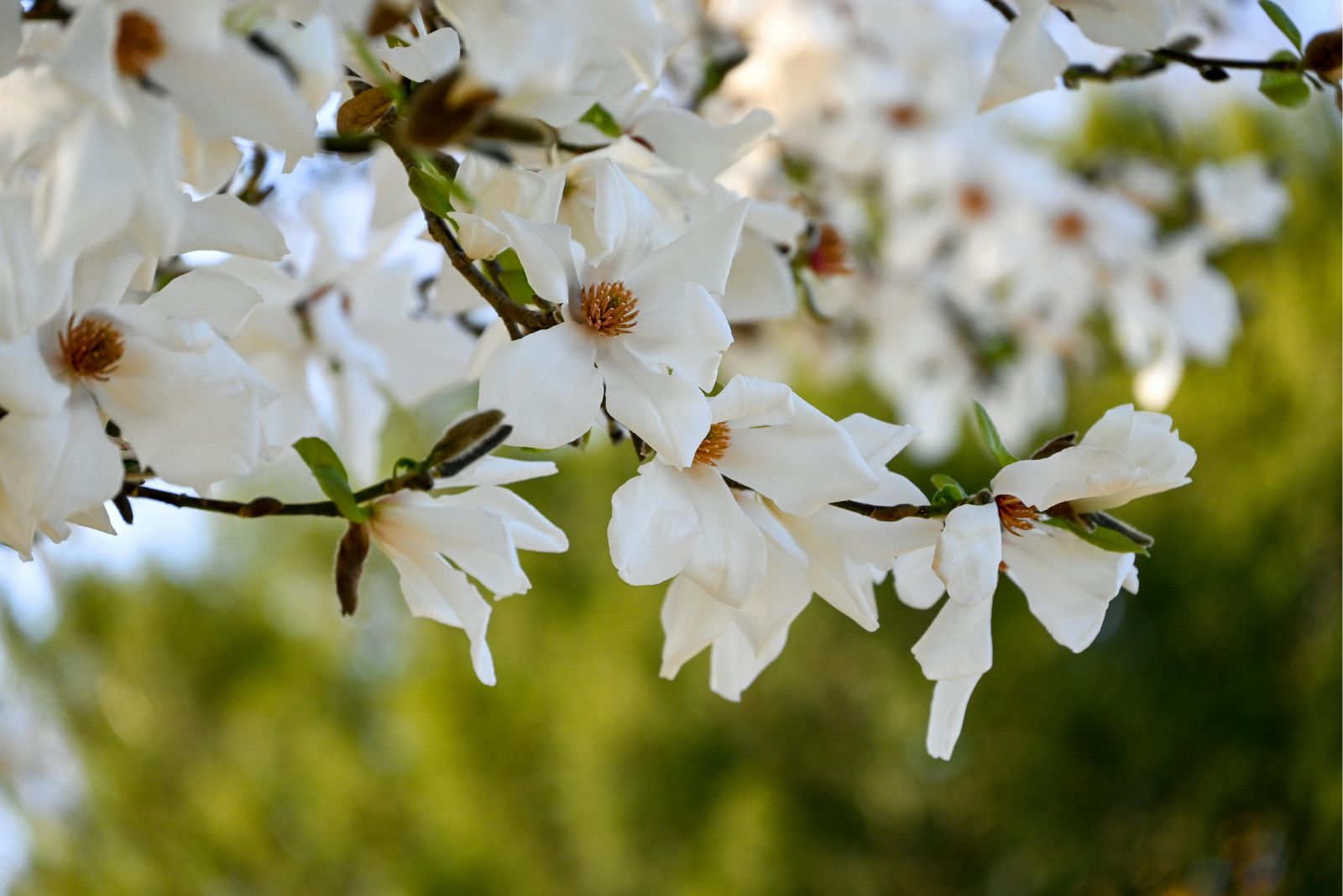
Star Magnolia represents a fully deciduous choice with spectacular early spring blooms. The flowers appear on bare branches before leaves emerge, creating a stunning display. This variety stays smaller, reaching only 15 to 20 feet tall.
Deciduous magnolias typically show better cold tolerance than evergreens. They enter dormancy naturally, protecting themselves from freeze damage.
North Texas gardeners often find deciduous varieties more reliable through unpredictable winters.
The bare winter branches of deciduous magnolias reveal interesting structure and form. Some gardeners love this architectural quality in their landscape. Spring leaf emergence brings fresh green color that feels especially vibrant after winter.
Your choice depends on whether you value year-round foliage or seasonal transformation. Both types offer beauty, just in different ways throughout the Texas growing season.
4. Size And Growth Habit
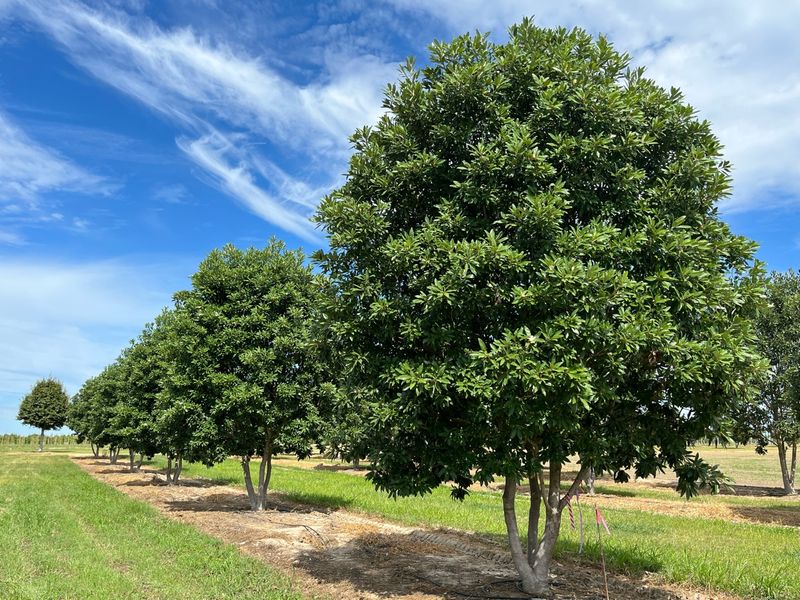
Understanding mature size prevents future headaches and ensures your magnolia fits its space properly.
Standard Southern Magnolias become massive trees reaching 60 to 80 feet tall with spreads of 30 to 50 feet. These giants need plenty of room away from structures, power lines, and other trees.
Planting a large variety too close to your house creates problems years later. Roots can interfere with foundations, and branches may damage roofs during storms. Always research mature dimensions before selecting a planting location.
Medium-sized magnolias like Sweetbay grow 10 to 35 feet tall depending on conditions. These work well in average suburban yards where space is limited. They provide impact without overwhelming smaller properties.
Dwarf and compact varieties have revolutionized magnolia growing for urban Texas gardeners. Little Gem Magnolia reaches only 20 to 25 feet tall with a narrow spread.
This columnar growth habit fits perfectly along fences or in tight side yards.
Teddy Bear Magnolia stays even smaller at 12 to 20 feet, making it suitable for container growing on large patios.
These compact varieties bloom just as beautifully as their larger cousins. They simply take up less space while delivering the same fragrance and flowers.
Growth habit affects more than just size. Some magnolias grow in pyramidal shapes, others develop rounded canopies.
Columnar varieties like Bracken’s Brown Beauty grow tall but narrow, ideal for screening purposes.
Consider growth rate too when planning your Texas landscape. Fast-growing magnolias reach mature size quicker but may require more pruning. Slower growers take patience but often develop stronger branch structure.
Matching growth habit to your available space and garden goals creates better long-term results. Measure your planting area carefully and choose a magnolia that will thrive without constant maintenance or eventual removal.
5. Flower Color, Fragrance, And Bloom Time
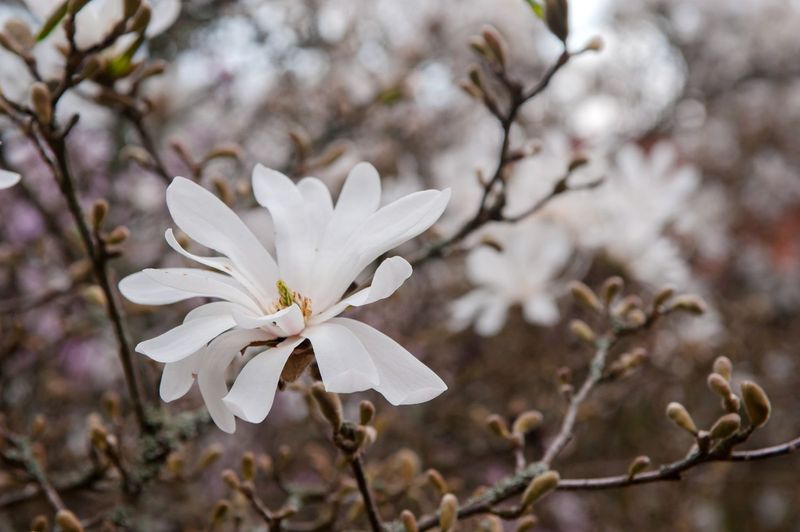
Magnolia flowers deliver visual drama in shades that complement any Texas landscape palette.
Classic white blooms appear most commonly, ranging from pure snow-white to creamy ivory tones. These lighter colors seem to glow at dusk, creating magical evening garden moments.
Pink magnolias add romantic charm with petals in soft blush to deep rose shades. Jane Magnolia produces purple-pink flowers that create stunning contrast against spring skies.
Some varieties display flowers with white interiors and pink exteriors for two-toned appeal.
Fragrance intensity varies significantly between magnolia types. Southern Magnolias produce powerfully sweet scents that carry across entire yards. Just a few flowers can perfume outdoor living spaces for weeks.
Star Magnolias offer lighter, more delicate fragrances that smell subtly sweet. Some people prefer these gentler scents near patios and windows.
Sweetbay Magnolias produce lemony fragrances especially noticeable on warm afternoons.
Bloom timing affects how you experience your magnolia in Texas gardens. Early spring bloomers like Star Magnolia flower in February or March, sometimes risking late frost damage.
North Texas gardeners should consider this when selecting early varieties. Late spring bloomers such as Southern Magnolia typically flower from May through June. These blooms avoid frost problems but face intense Texas heat instead.
Central and South Texas heat can shorten bloom duration on some varieties. Some magnolias produce sporadic flowers throughout summer after their main spring display. This extended blooming adds value for gardeners wanting longer color periods.
Sweetbay Magnolia often blooms intermittently from May through September in Texas. Matching bloom time to your regional climate improves success rates. North Texas gardeners benefit from later-blooming varieties that avoid freeze damage.
Southern regions can enjoy earlier bloomers without weather concerns. Consider when you spend most time outdoors too, choosing varieties that bloom during your peak garden enjoyment months.
6. Practical Tips For Planting And Care In Texas
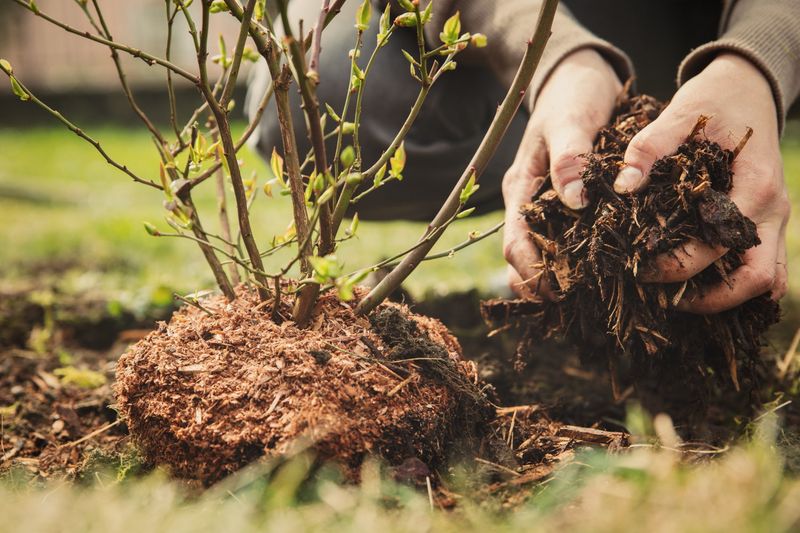
Proper planting sets your magnolia up for decades of healthy growth in Texas conditions. Choose a location receiving at least six hours of sunlight daily for best flowering.
Morning sun with afternoon shade works excellently in hotter regions, protecting leaves from intense heat.
Soil preparation makes or breaks magnolia success. Dig a hole twice as wide as the root ball but no deeper. Magnolias should sit at the same depth they grew in their nursery container.
Amend clay soils with compost and pine bark to improve drainage. Mix amendments throughout the planting area, not just the hole.
This encourages roots to spread into surrounding soil rather than circling in amended pockets.
For alkaline Texas soils, add sulfur or acidifying fertilizer to lower pH gradually. Test soil yearly and adjust as needed to maintain slightly acidic conditions. Magnolias show yellowing leaves when pH climbs too high.
Spacing matters tremendously for air circulation and future growth. Plant large varieties at least 20 feet from structures and other trees. Smaller magnolias need 10 to 15 feet of clearance.
Water deeply but infrequently once established, encouraging deep root development. New plantings need consistent moisture for the first two growing seasons. Apply water slowly so soil absorbs it rather than running off.
Mulch application conserves moisture and moderates soil temperature during Texas extremes. Spread 3 to 4 inches of organic mulch around the root zone, keeping it several inches from the trunk. Refresh mulch annually as it decomposes.
When selecting nursery specimens, inspect root systems for circling or damaged roots. Choose trees with evenly distributed branches and healthy green foliage.
Look for flower buds on mature specimens, indicating the tree is ready to bloom. Avoid plants with yellowing leaves, broken branches, or dried-out root balls, as these struggle to establish in Texas gardens.