Protect Your Plants From False Texas Spring With These Helpful Tips
Warm sunshine in February can feel tempting, but longtime Texans know that “false spring” is always lurking around the corner. Just when plants begin to wake up, a surprise cold snap can sweep in and undo all that early growth.
New buds, tender shoots, and freshly pruned branches are especially vulnerable during these unpredictable warm spells. Many gardeners find themselves unsure whether to encourage their plants forward or shield them from what might come next.
The trick is staying one step ahead and giving your garden a little extra support until real spring settles in.
Simple habits like timing your watering, using protective coverings, and holding off on certain chores can make a huge difference in how well your plants handle the rollercoaster weather.
With a thoughtful approach, you can enjoy those mild days without risking damage to your landscape when winter decides it’s not quite finished.
1. Watch The Weather Forecast Daily
Keeping an eye on weather forecasts becomes super important during late winter in Texas. Temperatures can swing wildly from one day to the next. You might see 75 degrees one afternoon and then 28 degrees the following morning.
Check your local weather at least once every day during February and March. Look specifically for frost warnings and freezing temperature alerts. Many weather apps let you set up notifications so you get warnings right on your phone.
Pay special attention to nighttime low temperatures. Even if daytime feels warm, nighttime can still bring damaging cold. Plants can handle cool weather better than sudden freezes that come after warm spells.
Understanding wind chill matters too because cold winds make temperatures feel even lower for plants. Strong north winds often signal that colder air is moving into Texas from the plains.
Local news stations in Texas usually give gardening alerts during false spring periods. These alerts help you know exactly when to take action.
Some stations even have gardening experts who explain which plants need the most protection.
Keep a simple notebook or use your phone to track temperature patterns. Writing down high and low temperatures helps you notice patterns. You will start recognizing when false spring conditions are developing in your area.
Remember that different parts of Texas experience different weather patterns. North Texas sees colder temperatures than South Texas. Always follow forecasts specific to your exact location for the best plant protection.
2. Cover Plants Before Sunset On Cold Nights
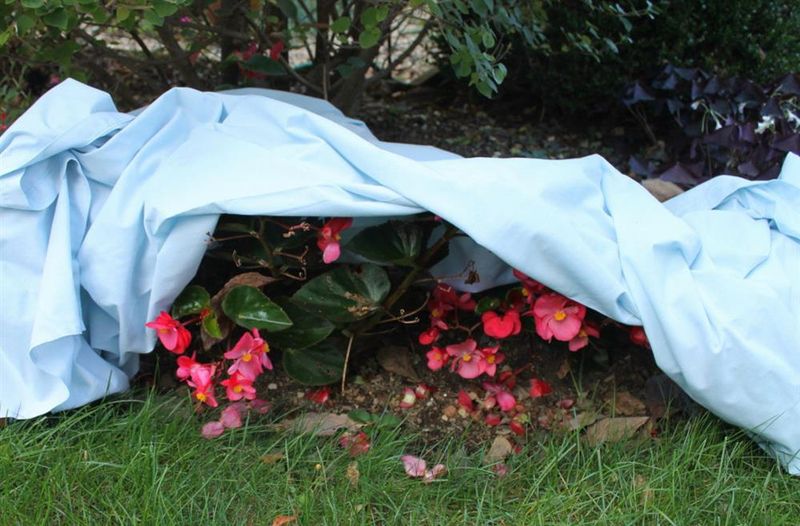
Acting before temperatures drop saves your plants from frost damage. Waiting until after dark makes the job harder and less effective. Start covering your plants in late afternoon when you know cold weather is coming.
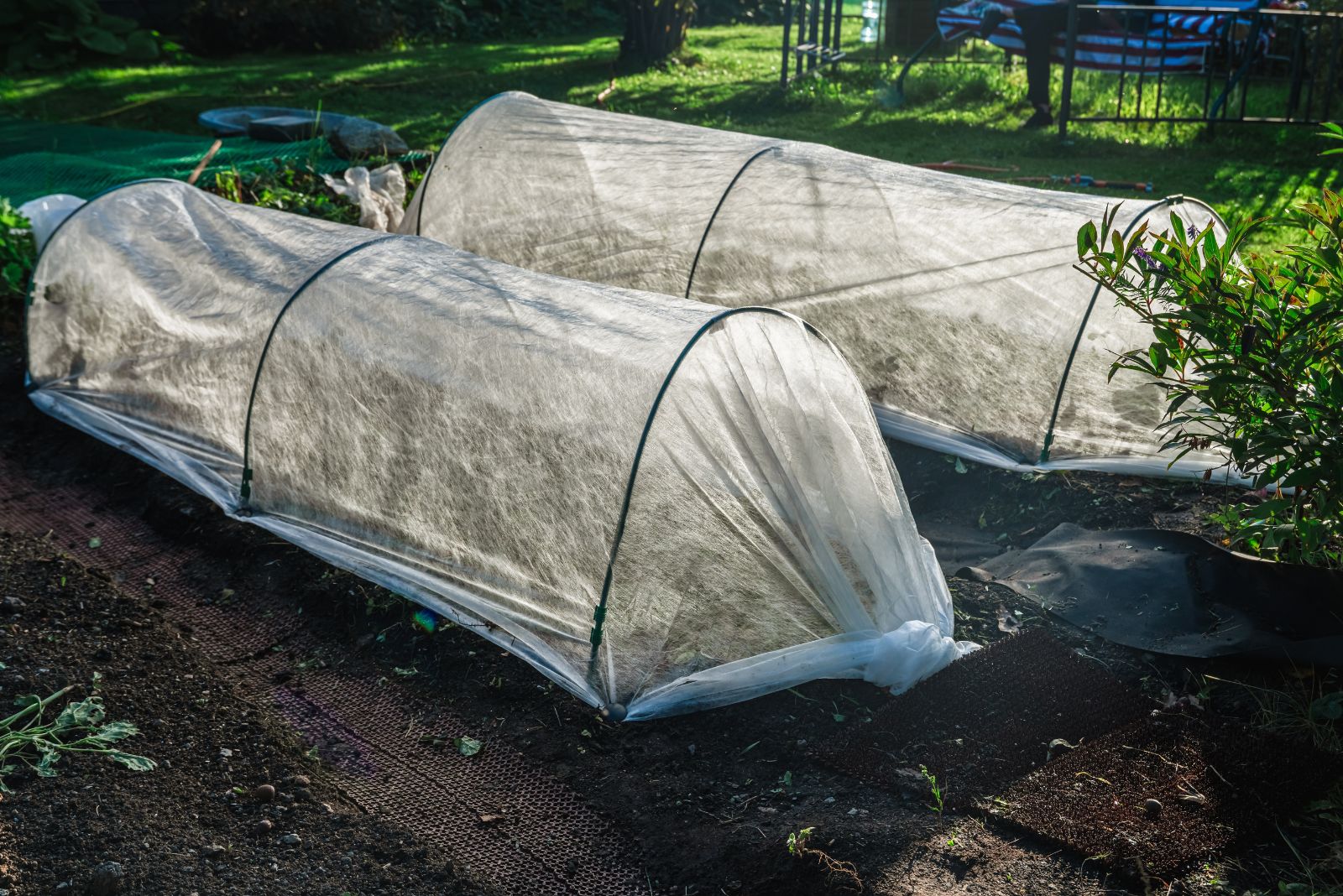
Old bedsheets work great as plant covers. Blankets and towels also provide good protection. The fabric traps warm air around plants and blocks cold wind.
Drape covers all the way to the ground and anchor them with rocks or bricks. This creates a protective tent that holds in heat.
Make sure covers do not touch plant leaves directly because cold can transfer through the fabric.
Your Texas Garden Changes Every Week. Your Plan Should Too.
Gardening in Texas changes quickly throughout the season. Every Friday you’ll receive a simple weekly plan showing exactly what to plant, prune, fertilize, harvest, and protect so you never miss the right timing.
Plastic sheeting can work but needs extra care. Plastic touching wet leaves can cause more damage than no cover at all. If you use plastic, create a frame with stakes so plastic stays above the plants.
Remove covers the next morning once temperatures rise above freezing. Plants need sunlight and air circulation during the day. Leaving covers on too long can create too much heat and moisture.
For smaller plants and seedlings in Texas gardens, use individual covers like cloches or overturned buckets. These work perfectly for protecting tomato plants and pepper seedlings. You can even use large plastic bottles with the bottoms cut off.
Keep your covering materials organized and ready to use. Store them in your garage or shed where you can grab them quickly.
Being prepared means you can protect your garden fast when weather forecasts change suddenly.
3. Hold Off On Planting Tender Vegetables
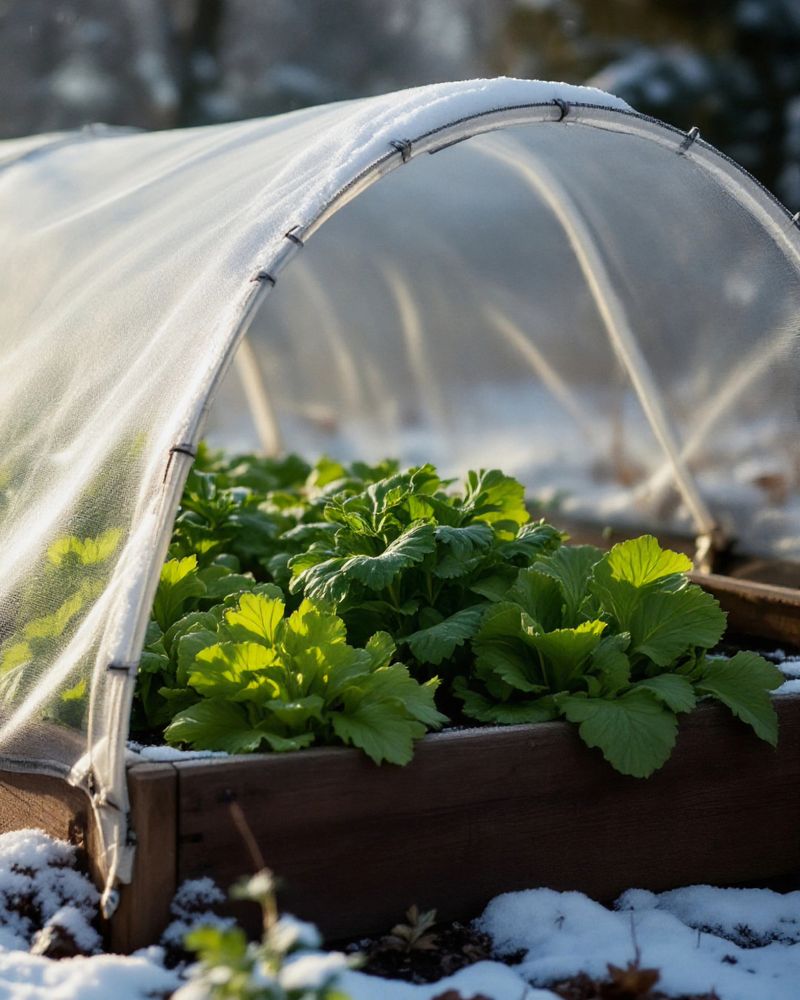
Patience really pays off when it comes to spring planting in Texas. That warm February week might make you want to plant tomatoes and peppers right away. However, waiting until after the last frost date protects your investment and effort.
Tender vegetables like tomatoes, peppers, squash, and cucumbers cannot survive freezing temperatures. Even one cold night can damage or destroy young plants. These warm-season crops need consistently warm soil and air to grow well.
Most areas of Texas have last frost dates between mid-March and early April. North Texas typically sees last frosts around April 1st.
Central Texas usually becomes safe for planting around mid-March, while South Texas warms up even earlier.
Cool-season vegetables handle cold much better than warm-season types. Lettuce, broccoli, carrots, and peas can take light frosts without problems. Plant these crops during false spring periods without worry.
Starting seeds indoors gives you a head start without the risk. Grow tomato and pepper seedlings inside where they stay warm and protected. Then transplant them outside after the danger of frost passes completely.
Garden centers in Texas often sell vegetable plants too early. Just because stores have tomatoes for sale does not mean conditions are right for planting. Store managers want to make sales, but they are not responsible for your garden success.
Mark your calendar with your area’s average last frost date. Add two weeks to that date for extra safety. This simple strategy prevents disappointing losses from late cold snaps.
4. Water Plants In The Morning Before Cold Nights
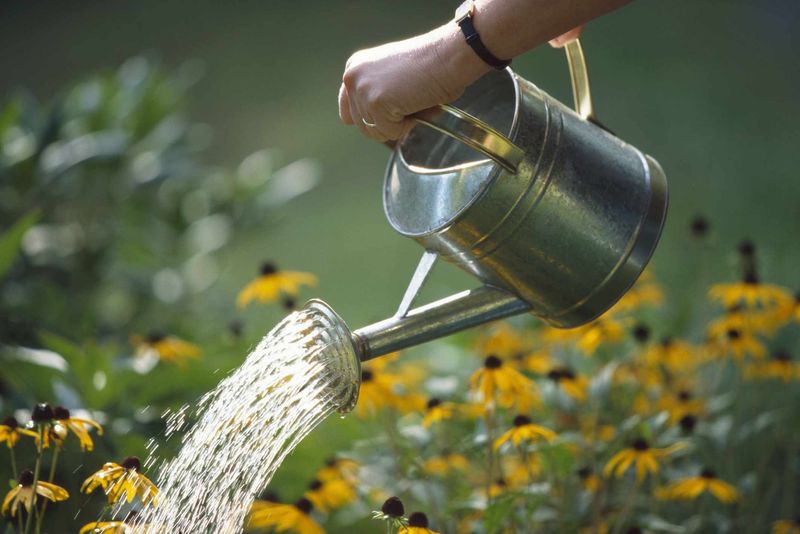
Morning watering might sound strange when you are preparing for cold weather. Actually, moist soil holds heat much better than dry soil. This stored warmth helps protect plant roots during freezing nights.
Water your garden thoroughly on the morning before an expected freeze. The soil absorbs water during the day and holds that warmth into the evening. Roots stay warmer underground even when air temperatures drop.
Never water plants in the evening before a freeze. Wet leaves and stems can freeze solid overnight. Ice crystals that form on plant tissues cause serious damage.
Focus your watering on the soil around plants rather than on the leaves. Use a soaker hose or water at the base of each plant. This method gets moisture where it helps most without creating ice problems.
Container plants need special attention because pots dry out faster than garden beds. Check containers daily during false spring weather in Texas. Dry pots cannot provide any heat protection to roots.
Mulch helps soil hold moisture longer between waterings. A layer of mulch also insulates roots from temperature swings. Add extra mulch around sensitive plants before cold weather arrives.
Established plants with deep roots handle cold better than newly planted ones. Their root systems reach down to warmer soil layers. Still, giving them a good morning drink before a freeze provides extra insurance.
Remember that different plants need different amounts of water. Succulents and cacti need very little, while vegetables and flowers need more. Adjust your watering based on what you are growing in your Texas garden.
5. Bring Container Plants Inside Or To Sheltered Spots
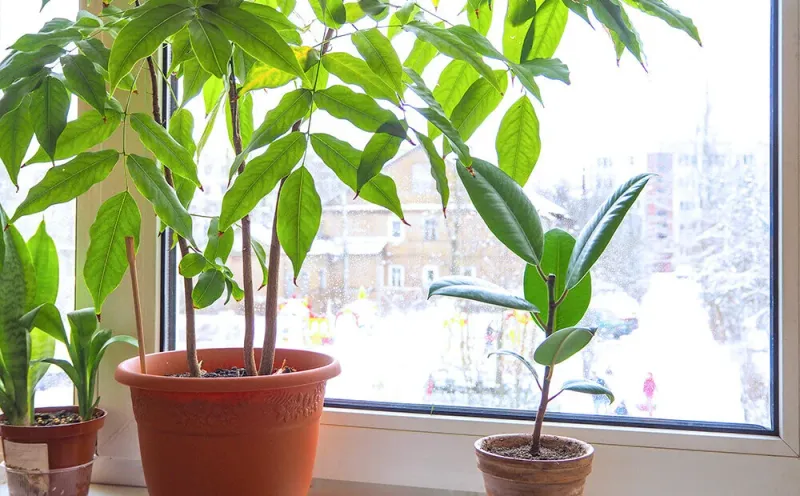
Container plants face extra risks during cold snaps because roots cannot escape freezing temperatures. Pots sitting above ground freeze faster than plants growing in garden beds. Moving containers to protected areas makes a huge difference.
Your garage provides excellent temporary shelter for potted plants. Even an unheated garage stays warmer than outside temperatures. Plants can survive several days in a garage without much light.
A covered porch or patio offers good protection too. Walls and roof block wind and trap some heat. Move containers close to your house wall where temperatures stay a few degrees warmer.
Heavy pots can be hard to move by yourself. Use a plant dolly or hand truck to roll large containers. You can also ask family members to help lift bigger pots safely.
Group containers together in protected spots. Plants create a microclimate when placed close together. They share warmth and humidity, which helps everyone survive cold nights better.
Smaller pots can come right inside your Texas home. Place them near windows where they still get light. Just remember to put saucers under pots to protect your floors from water.
Check on indoor plants daily while they are inside. They might need water even though they are not outside. However, they usually need less water than normal because indoor air is often drier.
Return containers outside once temperatures stay above freezing. Most plants prefer being outdoors where they get natural light and air. Keeping them inside too long can stress them more than the cold would have.
6. Add Extra Mulch Around Plant Bases
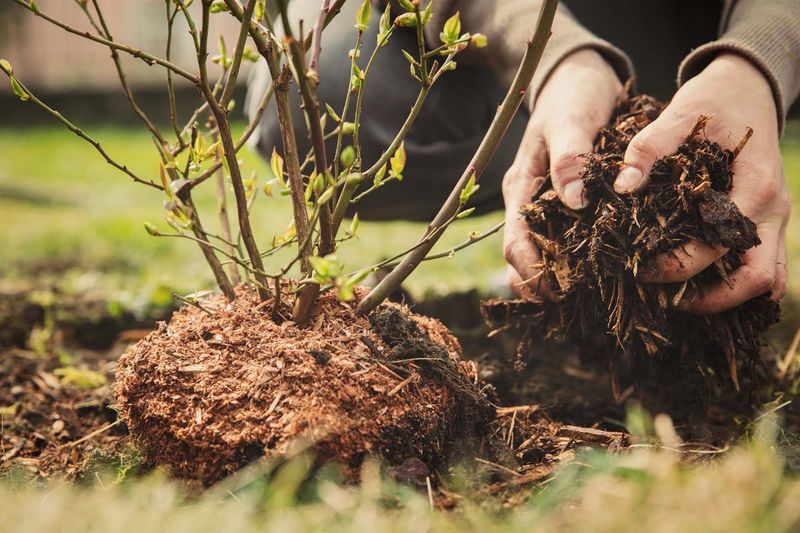
Mulch acts like a blanket for plant roots. A thick layer of mulch keeps soil temperatures more stable during weather swings. This protection becomes extra important during false spring in Texas.
Apply mulch three to four inches deep around trees, shrubs, and perennials. This thickness provides real insulation value. Thinner layers do not offer enough protection during hard freezes.
Wood chips, shredded bark, and pine straw all make excellent mulch choices. These materials break down slowly and add nutrients to soil over time. Avoid using rocks or gravel because they do not insulate as well.
Pull mulch a few inches away from plant stems and tree trunks. Mulch piled against stems can trap moisture and cause rot. Leave a small gap for air circulation around the base of each plant.
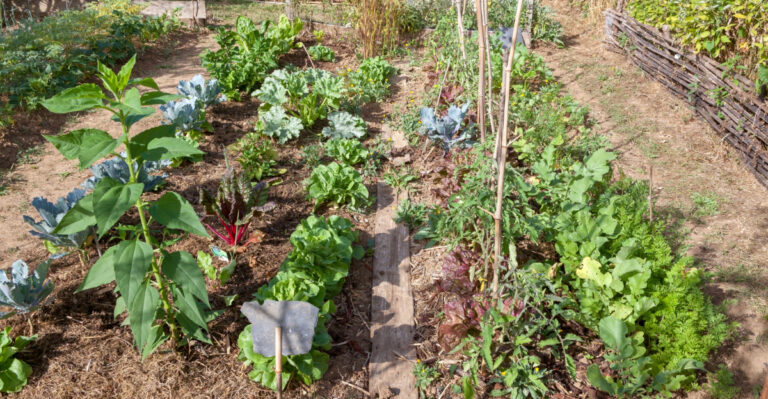
Vegetable gardens benefit from mulch too. Straw works great around vegetable plants.
It keeps roots warm and prevents soil from splashing onto leaves when it rains.
Add fresh mulch each year before winter arrives. Old mulch breaks down and gets thinner over time. Refreshing your mulch layer ensures consistent protection.
Mulch also helps soil hold moisture between waterings. This benefit matters because well-watered soil holds more heat.
The combination of mulch and proper watering gives plants the best chance during cold snaps.
Many Texas cities offer free mulch to residents. Check with your local parks department or waste management service. Free mulch programs help you protect your garden without spending much money.
7. Prune After The Last Frost Not Before
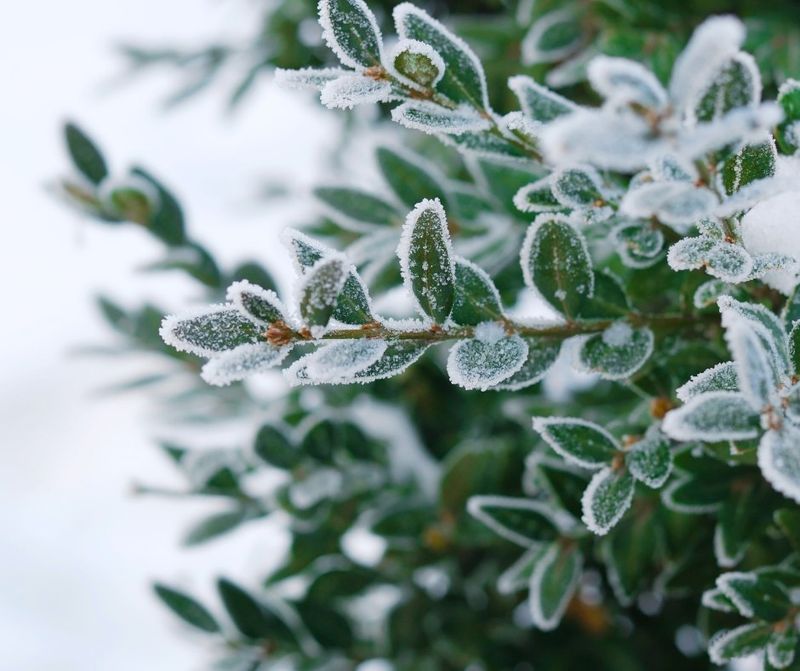
Pruning too early in spring can actually harm your plants during false spring weather. Cutting branches encourages new growth to start. That tender new growth cannot survive if cold weather returns.
Wait until after your area’s last average frost date to prune most plants. This timing lets plants wake up naturally without forcing early growth. Once warm weather arrives for good, plants can grow safely.
Some plants bloom on old wood from last year. Pruning these plants in late winter removes flower buds.
Spring-blooming shrubs like azaleas and lilacs should only be pruned right after they finish flowering.
Damaged or broken branches can be removed anytime. These cuts do not stimulate as much new growth. Removing damaged wood actually helps plants stay healthier.
Trees in Texas need pruning during their dormant season, which is usually late winter. However, wait until the worst cold has passed. Pruning wounds heal better when temperatures stay above freezing consistently.
Roses need special pruning timing depending on the type. Knock Out roses and other modern varieties can be pruned in late February in most of Texas. Antique roses often need different timing based on their blooming habits.
Keep your pruning tools clean and sharp. Clean cuts heal faster than ragged tears. Wipe blades with rubbing alcohol between plants to prevent spreading diseases.
If you already pruned and cold weather is coming, cover pruned plants extra carefully. Those fresh cuts and new growth need maximum protection. Consider this a lesson for next year about waiting for better timing.