When Is The Best Time To Plant Tomatoes In Texas?
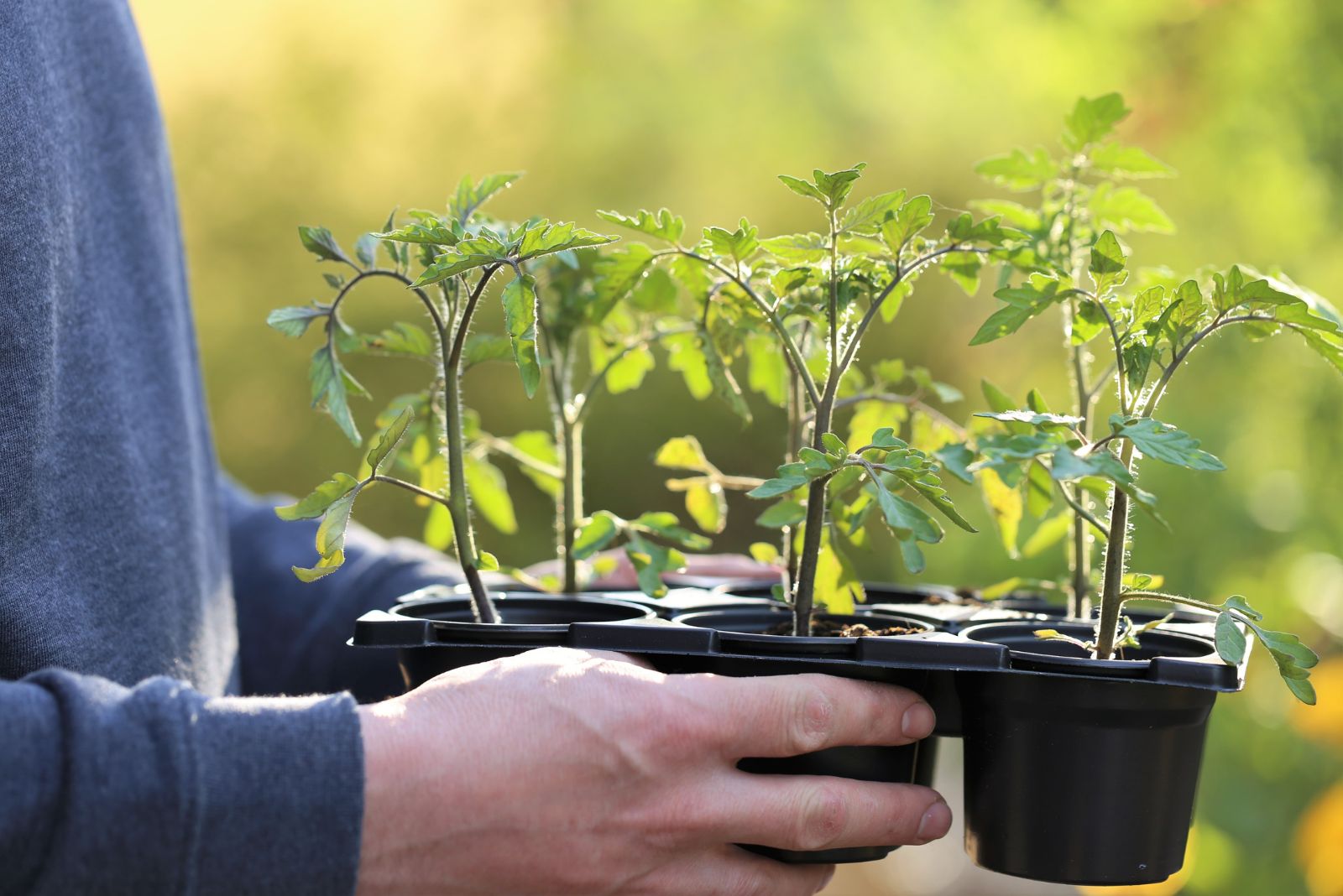
Wondering when you should get your tomato plants into the ground in Texas? Timing can make all the difference between a slow, struggling crop and vines that take off with energy.
Tomatoes love warmth, but they don’t appreciate cold soil or surprise chills, which Texas can still throw your way in early spring. Plant too soon and growth stalls; plant too late and the summer heat may stress the plants before they can set fruit properly.
Finding that sweet spot means paying attention to soil temperature, local frost dates, and your region of the state because North, Central, and South Texas each warm up on their own schedule.
Once conditions line up, tomatoes establish faster, grow stronger, and reward you with fuller harvests.
With a bit of planning, you can set your plants up for a long, productive season and enjoy juicy homegrown tomatoes well into summer.
1. Why Timing Matters For Tomatoes In Texas
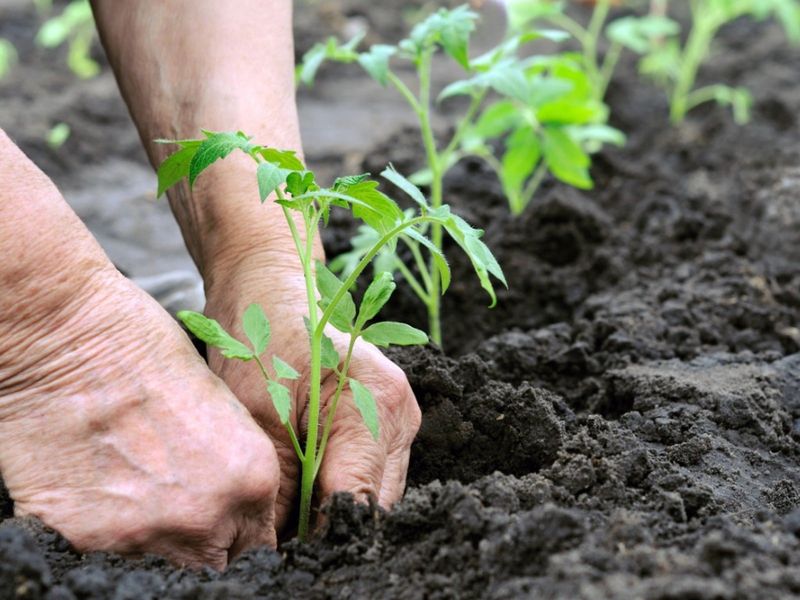
Tomatoes love warmth but can’t handle cold weather at all. These plants originally come from tropical regions, which means frost will damage or destroy them quickly. Getting the timing right protects your investment of time, money, and effort.
Plant too early in Texas and you risk exposing tender seedlings to unexpected cold snaps. Even a light frost can set back growth for weeks or ruin plants completely. Your tomatoes need consistent warmth to develop strong roots and healthy foliage.
On the flip side, planting too late creates different problems. Texas summers get brutally hot, especially in southern and western regions.
Tomatoes planted late may struggle to set fruit when temperatures soar above 95°F. The plants might survive but won’t produce as much.
Texas stretches across multiple climate zones, from humid coastal areas to dry western deserts. South Texas gardeners can plant much earlier than those in the Panhandle.
Central Texas falls somewhere in between, while West Texas deals with higher elevations and cooler nights.
Understanding your specific region helps you choose the perfect planting window. Local conditions like microclimates, elevation, and proximity to water also play roles.
A garden near a building might stay warmer than an open field. Paying attention to these details makes the difference between a mediocre harvest and baskets full of ripe, juicy tomatoes.
2. Understanding Last Frost Dates In Texas
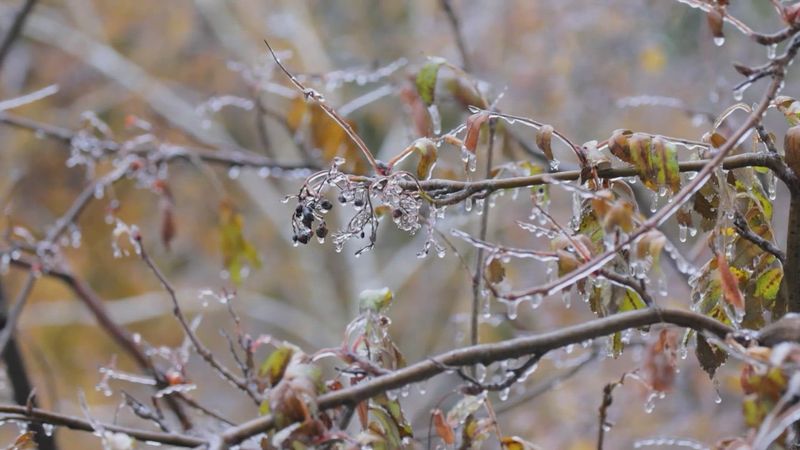
Last frost dates serve as your planting roadmap across Texas. These dates tell you when the final spring freeze typically occurs in your area.
Knowing this information helps you avoid planting too early and losing plants to cold damage.
South Texas enjoys the earliest planting season. Gardeners in cities like Brownsville, McAllen, and Corpus Christi usually see their last frost between late February and early March.
This mild climate allows for longer growing seasons and even multiple tomato crops per year.
Central Texas, including Austin, San Antonio, and Waco, experiences last frosts from late March through early April.
This region offers a solid growing window but requires more careful timing than southern areas. Watch local weather forecasts closely during this transition period.
Your Texas Garden Changes Every Week. Your Plan Should Too.
Gardening in Texas changes quickly throughout the season. Every Friday you’ll receive a simple weekly plan showing exactly what to plant, prune, fertilize, harvest, and protect so you never miss the right timing.
North Texas gardeners around Dallas, Fort Worth, and the Panhandle should plan for last frosts between late March and mid-April.
The northern areas stay cooler longer, pushing back planting dates. Patience pays off here because rushing leads to disappointing results.
West Texas, covering El Paso and surrounding desert regions, typically sees final frosts from mid to late April. Higher elevations and desert conditions create unique challenges.
Nighttime temperatures can drop quickly even after warm days.
Remember these dates represent averages, not guarantees. Weather patterns shift from year to year.
Check with your local Texas A&M AgriLife Extension office for specific information about your county. They provide updated frost date predictions based on decades of local weather data.
3. Soil Temperature Requirements
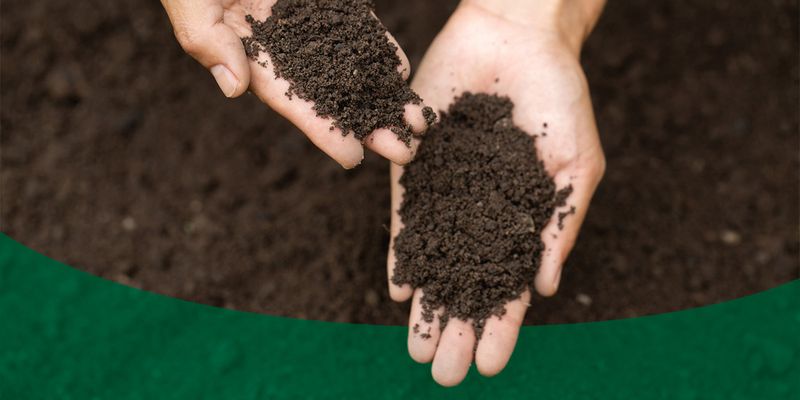
Air temperature alone doesn’t tell the whole story for tomato planting. Soil temperature matters just as much, if not more.
Tomatoes need soil that reaches at least 60 to 65 degrees Fahrenheit before transplanting. Cold soil slows root development and leaves plants vulnerable to diseases.
Checking soil temperature takes just a few minutes. Purchase an inexpensive soil thermometer from any garden center or online retailer.
Insert it about three to four inches deep in the morning for the most accurate reading. Take measurements for several days in a row to confirm consistent warmth.
Cold soil creates multiple problems for young tomato plants. Roots grow slowly or not at all when temperatures stay below 55 degrees.
This stunted growth weakens the entire plant and delays fruit production significantly. Your tomatoes might survive but won’t thrive.
Disease risks increase dramatically in cold, wet soil. Fungal infections and root rot spread easily when plants can’t establish strong root systems quickly.
These problems can persist throughout the growing season, reducing yields and plant health. Prevention beats treatment every time.
Texas gardeners can speed up soil warming with a few simple tricks. Black plastic mulch absorbs sunlight and raises soil temperature by several degrees.
Clear plastic works even better but requires more weed management. Remove these covers once plants are established and soil stays consistently warm.
Raised beds warm up faster than ground-level gardens. The soil drains better and receives more sun exposure.
Consider building raised beds if you garden in areas with heavy clay soil or poor drainage common across many parts of Texas.
4. Starting Seeds Indoors Versus Direct Planting
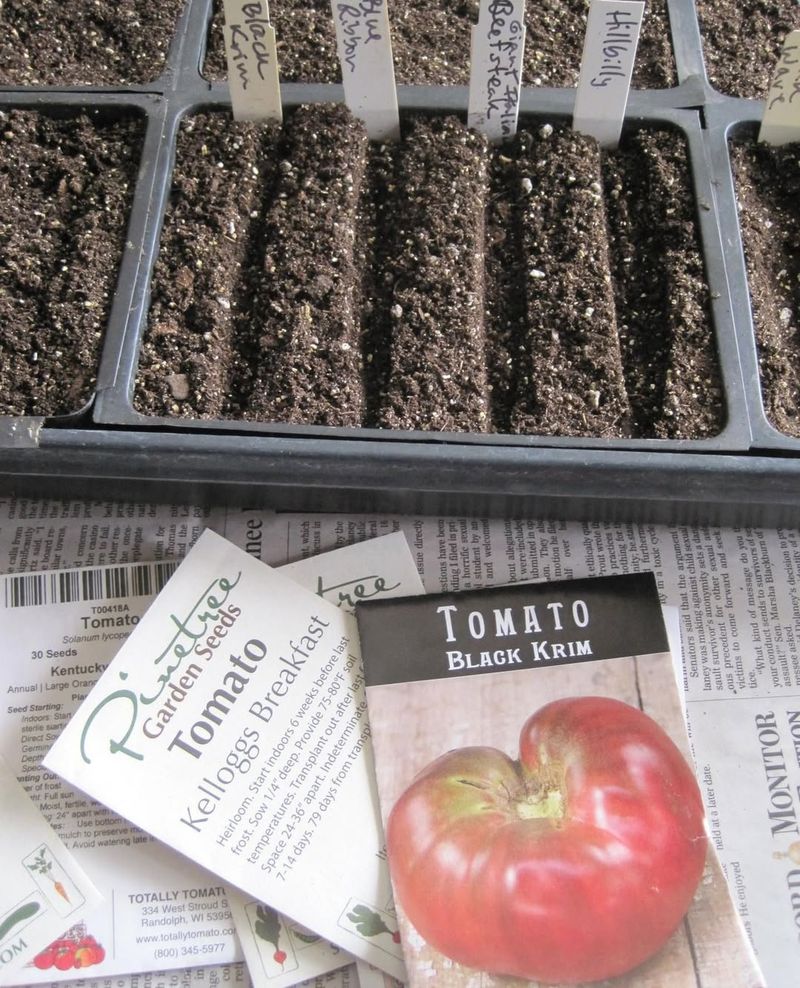
Starting tomato seeds indoors gives you a significant head start on the growing season. Begin seeds six to eight weeks before your area’s last expected frost date.
This timing allows seedlings to develop strong roots and several sets of true leaves before transplanting outdoors. Indoor starting works especially well in North and West Texas where outdoor seasons start later.
Indoor seed starting requires some basic supplies. You’ll need seed trays or small pots, quality seed-starting mix, and adequate light.
A sunny south-facing window works, but grow lights provide more consistent results. Keep soil moist but not waterlogged, and maintain temperatures around 70 to 75 degrees for best germination.
Hardening off seedlings before transplanting prevents shock and stress. This process gradually acclimates indoor-grown plants to outdoor conditions.
Start by placing seedlings outside for a few hours daily in a protected spot. Gradually increase exposure time and sun intensity over seven to ten days.
Direct sowing tomato seeds outdoors works in warmer Texas regions. South Texas gardeners can sometimes skip indoor starting entirely.
Plant seeds directly in the garden once soil temperatures reach 65 degrees consistently. Direct sowing saves time and effort but extends the wait for ripe tomatoes.
Transplanting purchased seedlings offers a middle ground. Local nurseries across Texas sell healthy tomato starts in spring.
These plants have already been hardened off and are ready for garden planting. This option costs more than seeds but less than indoor growing equipment. Choose stocky plants with dark green leaves and no flowers or fruit yet.
5. Regional Planting Windows For Texas
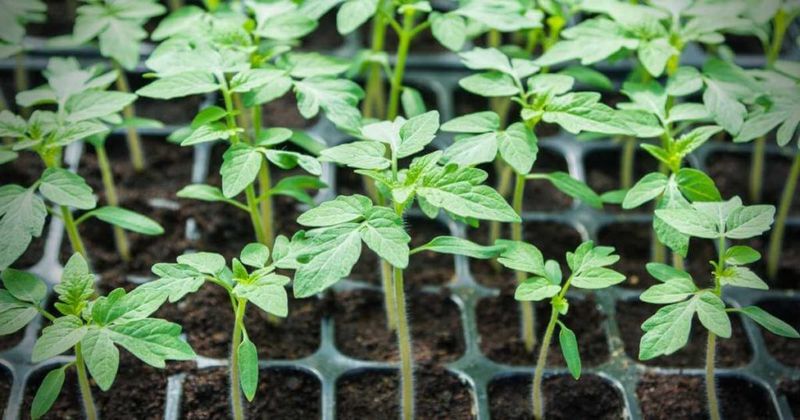
South Texas boasts the longest tomato growing season in the state. Gardeners can transplant seedlings outdoors by mid-March in most years.
Some years allow even earlier planting in late February. The mild climate also permits a second tomato crop planted in late summer for fall harvest, giving you two chances at homegrown tomatoes.
Central Texas gardeners should plan outdoor transplanting for early to mid-April. Cities like Austin, San Antonio, and Waco share similar timing.
This window balances frost risk against the need to establish plants before intense summer heat arrives. Monitor local weather forecasts for unexpected cold fronts that occasionally push through in early April.
North Texas, including Dallas, Fort Worth, and areas further north, requires patience. Plan to transplant tomatoes from mid to late April.
The Panhandle and northern counties may need to wait until early May. These regions have shorter growing seasons but can still produce excellent tomatoes with proper variety selection.
West Texas presents unique challenges with its desert climate and higher elevations. El Paso and surrounding areas typically see safe planting times from late April through early May.
Nighttime temperatures take longer to stabilize here. Desert conditions also mean intense sun and low humidity, requiring extra attention to watering.
Microclimates within each region affect timing too. Urban areas stay warmer than rural locations.
Gardens near large buildings or south-facing walls warm up faster. Low-lying areas might experience frost later than nearby hillsides.
Pay attention to your specific garden’s conditions and adjust timing accordingly. Keep records each year to refine your planting schedule based on actual results in your exact location.
6. Choosing The Right Tomato Varieties For Texas
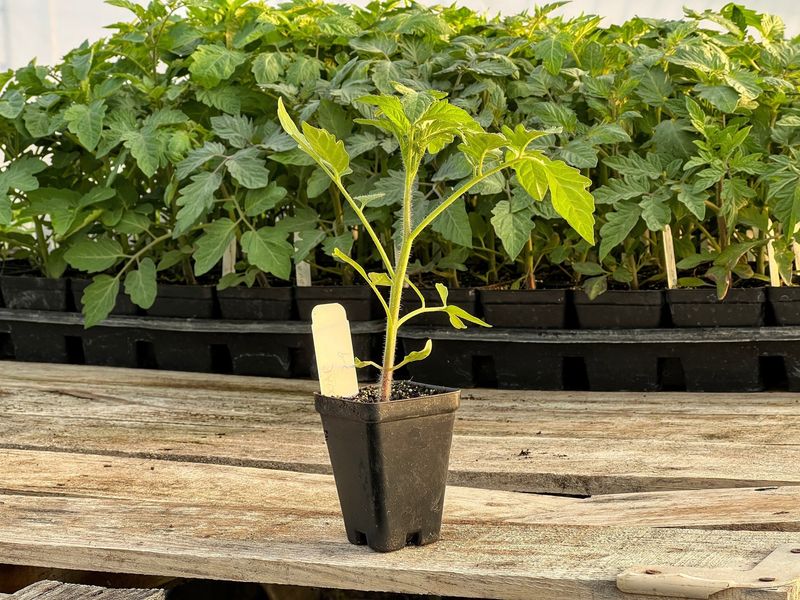
Heat tolerance separates successful Texas tomato varieties from disappointing ones. Standard varieties that thrive in cooler climates often struggle when Texas temperatures climb above 90 degrees.
Look for varieties specifically bred for hot, humid conditions. Celebrity, Heatmaster, and Solar Fire consistently perform well across most Texas regions.
Disease resistance matters tremendously in Texas gardens. High humidity, especially in eastern areas, promotes fungal diseases like early blight and septoria leaf spot.
Choose varieties with resistance codes on seed packets or plant tags. Labels showing VFN or VFNT indicate resistance to common tomato diseases. These varieties save you frustration and lost harvests.
Determinate versus indeterminate types affect your garden planning. Determinate tomatoes grow to a set height, produce fruit over a shorter period, then decline.
These work well for canning or sauce making when you want lots of tomatoes at once. They also require less space and support.
Indeterminate varieties keep growing and producing until frost or heat stops them. These plants need sturdy cages or stakes and take up more garden space.
However, they provide steady harvests throughout the season rather than one big flush. Many Texas gardeners prefer this continuous supply for fresh eating.
Regional adaptation guides your variety choices too. South Texas gardeners can grow almost any heat-tolerant variety successfully.
Central Texas does well with medium-season varieties that mature before peak heat. North Texas should focus on shorter-season varieties that produce before fall frost.
West Texas gardeners need varieties that handle intense sun and dry conditions. Check with local nurseries or your county extension office for varieties proven in your specific area.
7. Tips For Successful Planting
Proper spacing prevents disease problems and ensures good air circulation. Plant tomatoes 24 to 36 inches apart in rows spaced three to four feet apart.
Crowded plants compete for nutrients, water, and sunlight. They also create humid conditions that encourage fungal diseases, which spread rapidly in Texas’s warm, moist spring weather.
Support systems should go in place at planting time. Driving stakes or setting cages after plants grow risks damaging roots.
Use sturdy five to six-foot stakes for indeterminate varieties. Cages should be at least four feet tall and made from heavy-gauge wire. Texas winds can topple weak supports, especially during spring thunderstorms.
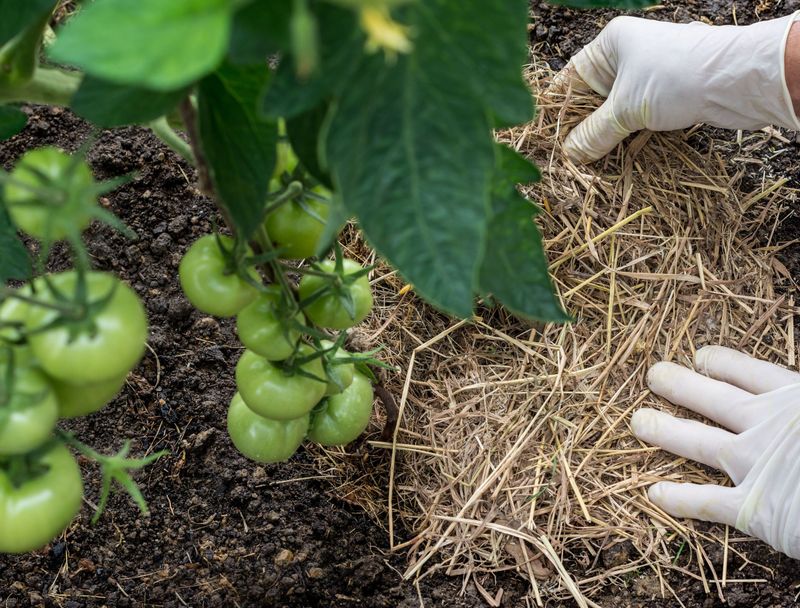
Mulching conserves moisture and regulates soil temperature. Apply three to four inches of organic mulch around plants after the soil warms completely.
Shredded leaves, straw, or pine bark all work well. Keep mulch a few inches away from plant stems to prevent rot. Mulch also suppresses weeds that compete with tomatoes for water and nutrients.
Watering deeply but less frequently encourages strong root growth. Tomatoes need consistent moisture, especially during flowering and fruit development.
Aim for one to two inches of water per week through rain or irrigation. Water at soil level rather than overhead to reduce disease problems. Early morning watering allows foliage to dry quickly.
Hardening off purchased or indoor-grown seedlings prevents transplant shock. Even nursery plants benefit from gradual outdoor exposure before planting.
Protection from late cold snaps saves plants when unexpected freezes threaten. Keep row covers, sheets, or even cardboard boxes handy during early spring in Texas.
A single cold night can damage or destroy tender tomato plants, wasting all your preparation and planning.