10 Native Plants Birds Depend On In Florida This February
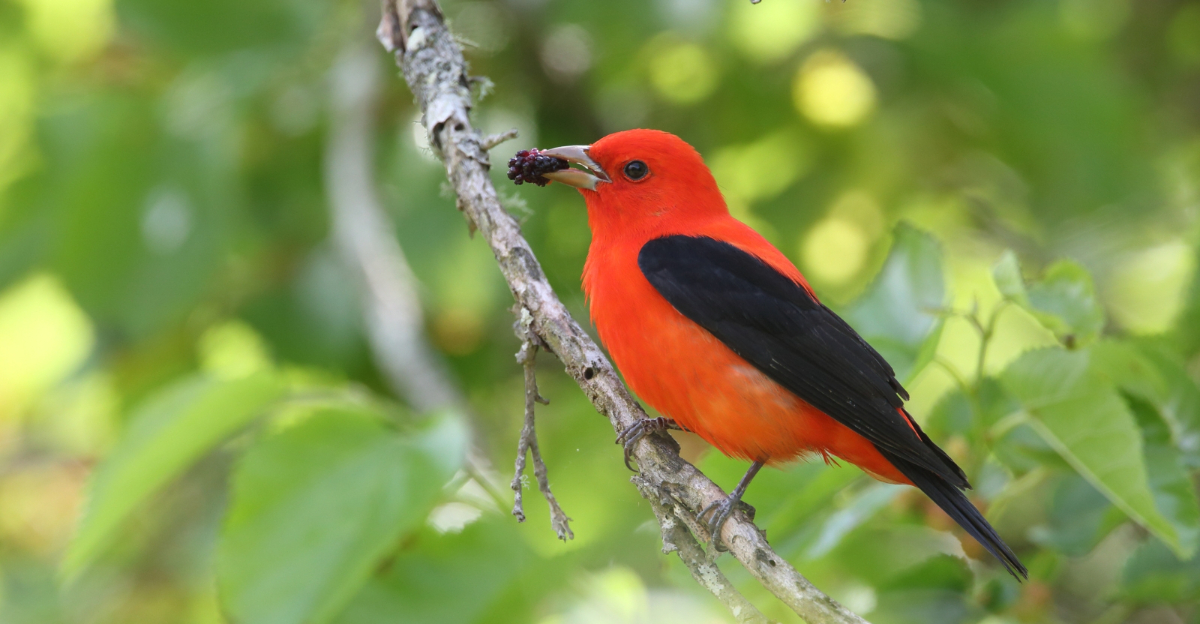
February in Florida may feel quiet, but for birds it is a critical time of survival. Food sources grow scarce, temperatures shift, and many birds rely on native plants to find berries, seeds, and shelter.
If you have ever watched cardinals, bluebirds, or mockingbirds move through your yard, you have seen how closely their lives connect to the plants around them.
Native plants do more than decorate landscapes, they provide the fuel and protection birds need to make it through late winter and prepare for spring. By understanding which plants birds depend on right now, you can turn any yard into a safe, living refuge filled with movement and song.
The plants ahead play a quiet but powerful role in helping Florida’s birds survive, feed, and stay strong during this important seasonal window.
1. Provide Winter Berries With American Beautyberry
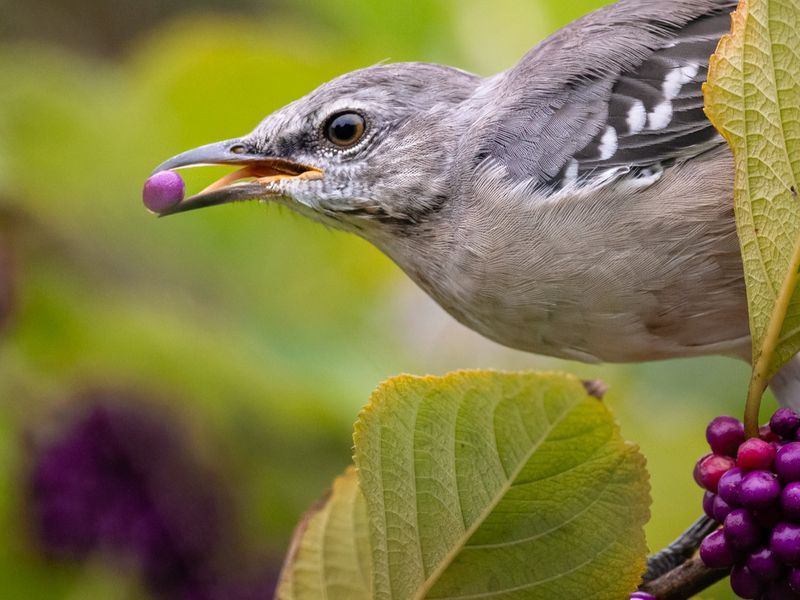
Bright purple berries cluster along the stems of this native shrub, catching the eye of hungry birds into February in many parts of Florida. Cardinals, mockingbirds, and robins feast on these fruits when other food sources become scarce.
The berries ripen in fall but often persist into winter, making them a reliable resource during cooler months.
American beautyberry grows well in partial shade and tolerates a range of soil conditions common across Florida landscapes. Mature plants reach four to eight feet tall and wide, creating dense cover where smaller birds can hide from predators.
The arching branches offer safe perching spots while birds scan for insects or rest between feeding sessions.
Gardeners appreciate how easy this shrub is to maintain once established. It requires minimal pruning and thrives without fertilizers or pesticides.
Planting several shrubs together increases berry production and attracts larger flocks of birds to your yard.
In many parts of Florida, beautyberry fruit can remain on the plant into February, giving birds a useful late-winter snack when other berries are limited. As native migrants move through the state, they rely on energy-rich foods like beautyberry fruits to fuel their journeys.
Providing this plant supports both resident and traveling bird populations during a critical time of year.
2. Support Songbirds With Dahoon Holly
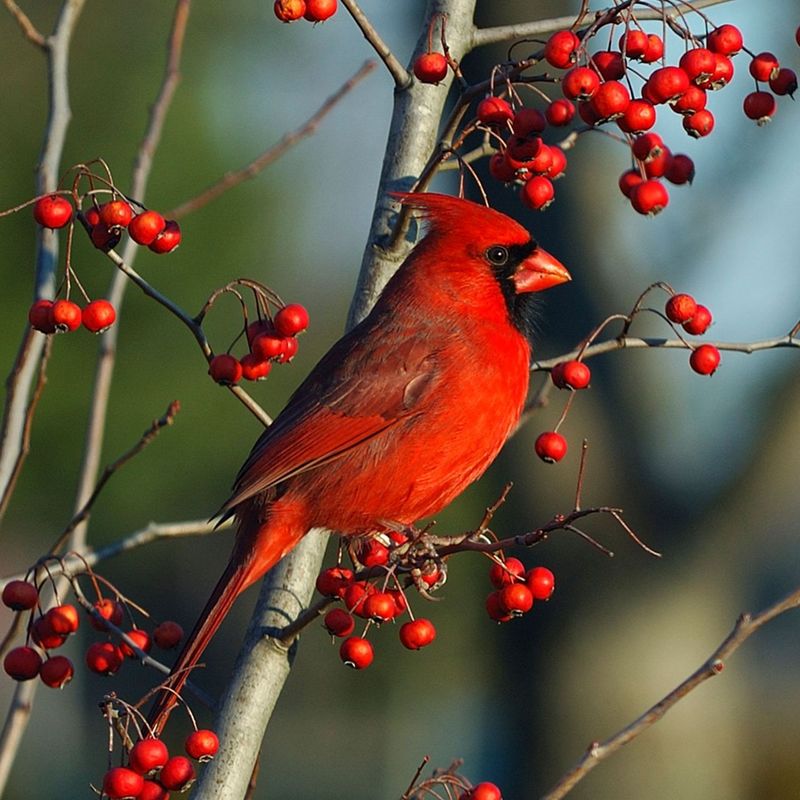
Red berries shine against glossy green leaves on this elegant native tree, drawing songbirds from across the neighborhood. Thrushes, waxwings, and bluebirds visit dahoon holly late winter, including February, stripping branches clean of ripe fruits.
The berries provide essential fats and carbohydrates that help birds maintain energy during cooler weather.
This holly species thrives in moist areas and adapts well to Florida’s varied landscapes. It grows naturally near wetlands but tolerates drier garden conditions once roots establish.
Trees can reach 20 to 30 feet tall, offering vertical structure that appeals to birds seeking high perches and nesting sites.
Female trees produce the most berries, so gardeners often plant both male and female specimens to ensure good fruit set. The flowers bloom in spring, but the resulting berries ripen by late fall and remain available through winter months.
This timing makes dahoon holly particularly valuable when other food sources diminish.
Your Florida Garden Changes Every Week. Your Plan Should Too.
Gardening in Florida changes quickly throughout the season. Every Friday you’ll receive a simple weekly plan showing exactly what to plant, prune, fertilize, harvest, and protect so you never miss the right timing.
Birds often gather in flocks around productive holly trees, creating lively scenes in February gardens. The evergreen foliage also provides year-round shelter and nesting opportunities.
Choosing native plants like dahoon holly strengthens local ecosystems and supports diverse bird communities throughout Florida.
3. Offer Reliable Food With Saw Palmetto
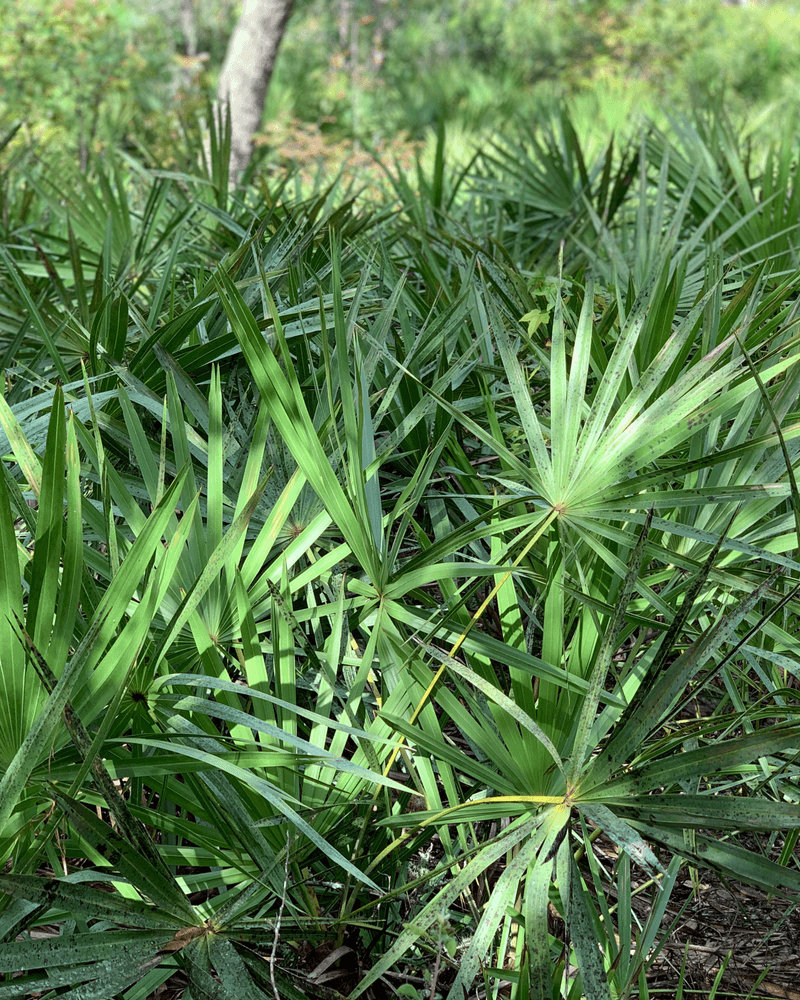
Saw palmetto berries ripen in late summer and fall, and in some areas fruit can still be available into February for wildlife. Woodpeckers, jays, and turkeys consume saw palmetto fruits regularly, and the dense fronds shelter countless smaller species.
This plant forms the backbone of many Florida habitats, supporting wildlife in ways few other natives can match.
Saw palmetto tolerates poor soils, drought, and full sun, making it incredibly versatile for home landscapes. The fan-shaped leaves create thick cover close to the ground, perfect for ground-feeding birds like towhees and thrashers.
Berries can persist for weeks or months, and when they remain available they provide valuable food for wildlife.
Flowers appear in spring and summer, attracting pollinators before transforming into the nutritious fruits birds seek later. In some areas, berries from the previous season may persist into February and continue providing food for wildlife.
The fruits are also rich in oils that support feather health and overall vitality.
Planting saw palmetto recreates natural Florida habitats in residential settings. Birds recognize this plant immediately and feel comfortable foraging around it.
The combination of food, shelter, and familiarity makes saw palmetto an essential addition to any wildlife-friendly garden across the state.
4. Feed Birds Through Winter With Simpson’s Stopper
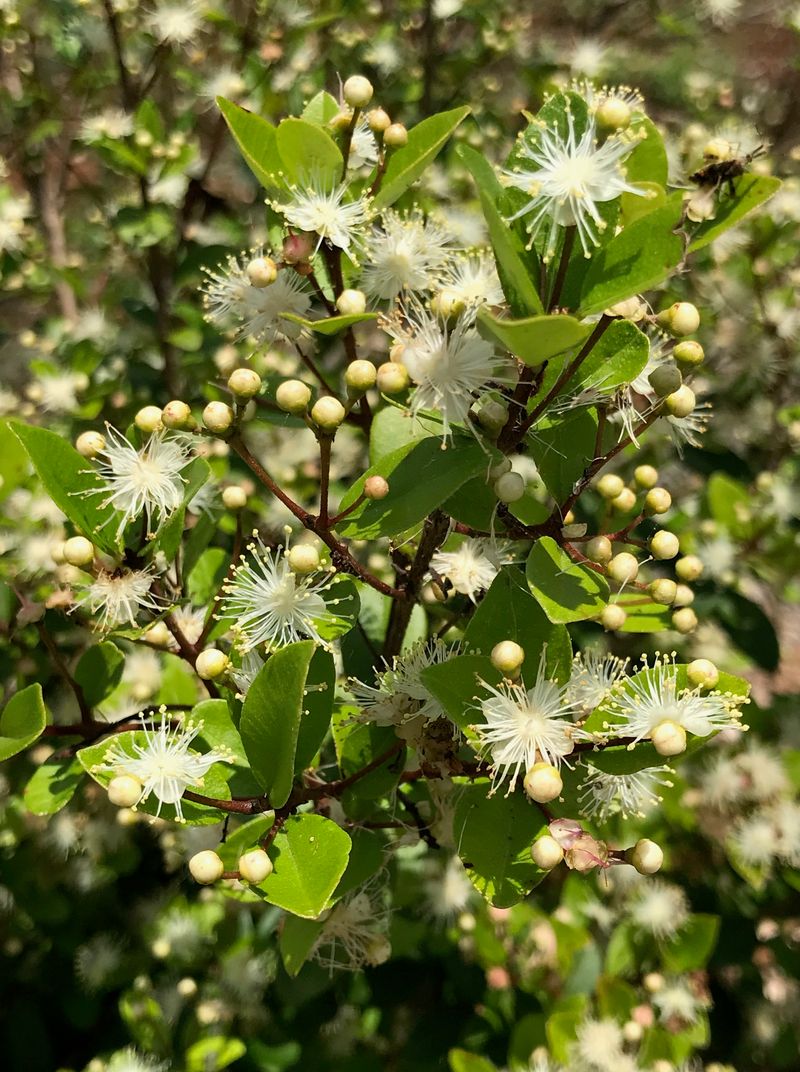
Small dark fruits cover the branches of this coastal native, tempting birds throughout February. Mockingbirds, catbirds, and warblers eagerly consume these berries, which ripen in waves from fall through early spring.
The extended fruiting period ensures consistent food availability during months when insects become less abundant.
Simpson’s stopper grows as a large shrub or small tree, reaching 15 to 20 feet in ideal conditions. The dense branching pattern creates excellent cover for nesting and roosting birds.
White flowers bloom multiple times per year, supporting pollinators before developing into the fruits that sustain birds during cooler months.
This plant thrives in coastal areas but adapts well to inland gardens throughout Florida. It tolerates salt spray, wind, and sandy soils that challenge many other species.
Gardeners value its low maintenance requirements and attractive evergreen foliage that looks good year-round.
In some regions, berries remain available into February and continue feeding birds. Resident species feed heavily to prepare for nesting, while migrating birds stock up before continuing their journeys north.
Providing this reliable food source helps ensure healthy bird populations across Florida’s diverse landscapes and communities.
5. Create Natural Food With Wild Coffee
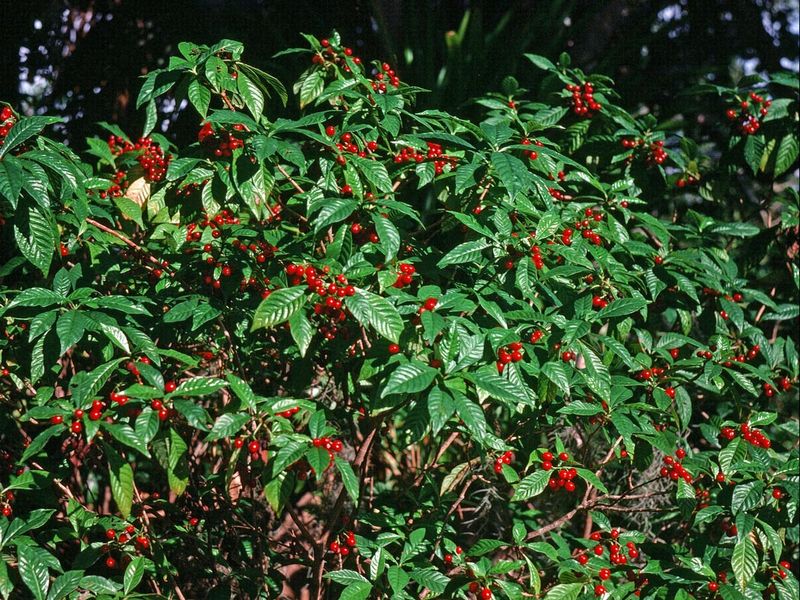
Bright red berries stand out against dark green foliage on this shade-loving shrub, attracting birds seeking easy meals. Cardinals, grosbeaks, and tanagers visit wild coffee regularly during February, plucking ripe fruits from the branches.
The berries provide quick energy and essential nutrients that support birds through the remainder of winter.
Wild coffee grows best in shaded or partially shaded locations, making it perfect for understory plantings beneath taller trees. The shrub reaches three to six feet tall and spreads slowly to form dense colonies.
White flowers appear in clusters throughout warmer months, eventually developing into the colorful berries birds crave.
This plant tolerates typical Florida soils and requires little care once established in appropriate conditions. The evergreen leaves remain attractive all year, and the compact growth habit fits well in smaller garden spaces.
Birds appreciate the low, sheltered environment wild coffee creates, often feeding quietly within the protective branches.
February marks an important transition period for many Florida birds as they prepare for breeding season ahead. High-quality food sources like wild coffee berries help birds build fat reserves and maintain strong immune systems.
Including this native plant in your landscape directly supports bird health and increases wildlife activity around your home throughout the year.
6. Add Nectar And Shelter With Coral Honeysuckle
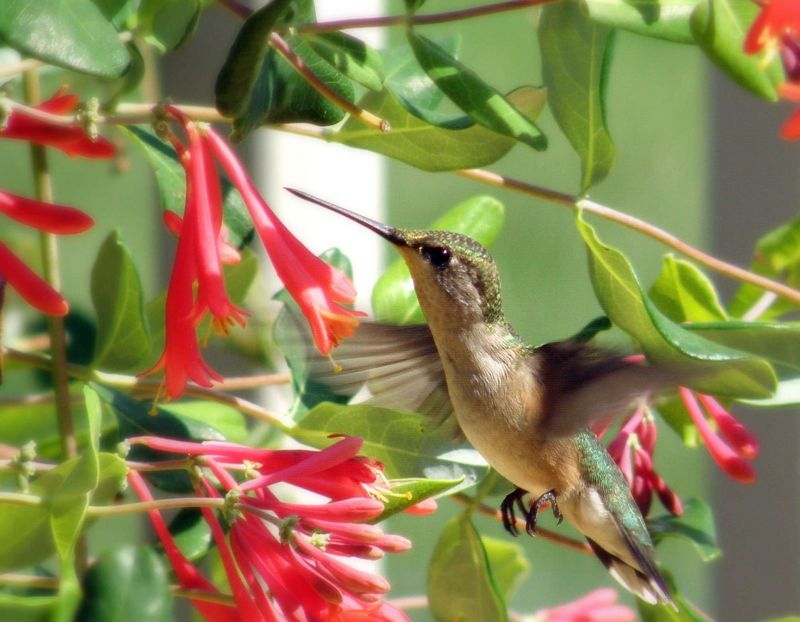
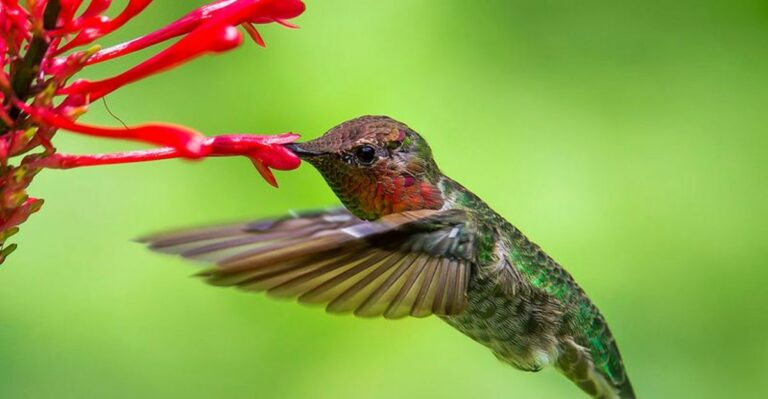
As late winter shifts toward spring, coral honeysuckle may begin flowering in parts of Florida, providing early nectar for hummingbirds and other visitors. This native vine produces nectar-rich blooms almost year-round, with strongest flowering typically beginning in spring.
Ruby-throated hummingbirds and other nectar-feeders depend on these reliable flowers when few other plants bloom.
Coral honeysuckle climbs fences, trellises, and trees, adding vertical interest to landscapes while supporting wildlife. The vine grows vigorously but remains manageable with occasional pruning.
Birds use the dense foliage for nesting material and shelter, while the flowers provide essential energy through high-quality nectar.
Unlike invasive exotic honeysuckles, this native species behaves well in gardens and natural areas. It spreads at a reasonable pace and never threatens native plant communities.
The berries that follow flowering also attract songbirds, extending the plant’s value beyond just hummingbirds.
Late winter warm spells can bring early hummingbird activity, and coral honeysuckle often begins blooming as spring approaches. The bright red blooms stand out against winter landscapes, making it easy for birds to locate this important food source.
Planting coral honeysuckle creates habitat that supports multiple bird species while adding beauty and color to your outdoor spaces throughout the year.
7. Offer Shelter For Birds With Chickasaw Plum
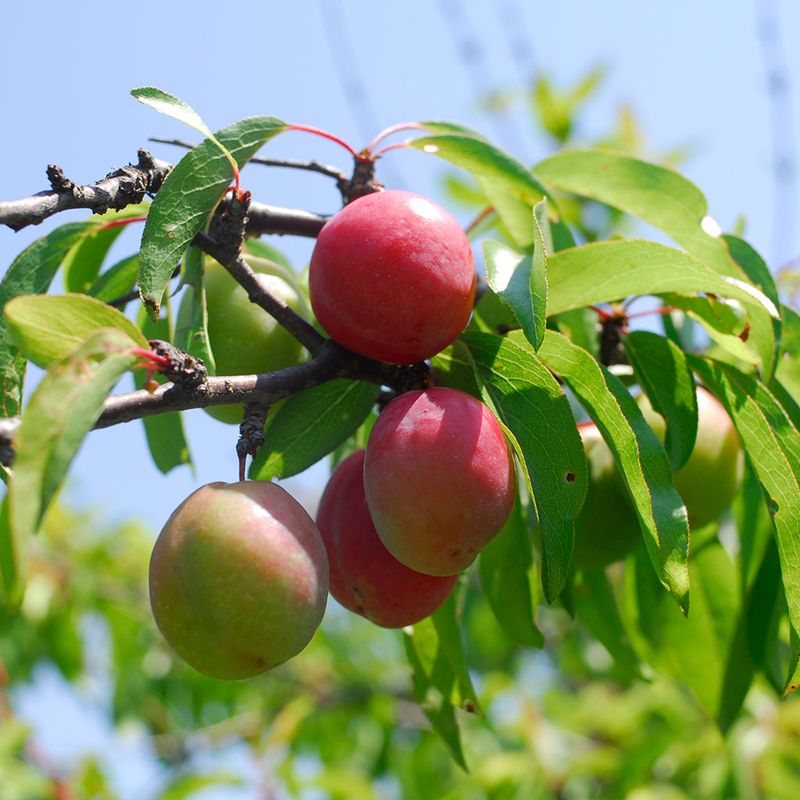
White blossoms cover bare branches in late winter, signaling the start of spring and attracting early pollinators. While fruit is not present in February, birds forage in these trees for insects and shelter.
This small native tree forms dense thickets that provide exceptional cover for birds year-round. The tangled branches create safe nesting sites and protect birds from predators.
When fruits ripen in late spring and summer, they attract thrushes, mockingbirds, and many other species that eagerly consume the sweet plums.
Chickasaw plum grows quickly and tolerates various soil types common throughout Florida. The tree reaches 10 to 20 feet tall and spreads through underground runners to form colonies.
This growth habit mimics natural Florida landscapes where many birds evolved to nest and feed.
February represents a transition time when early flowers may begin appearing and birds start looking for shelter and insects. Birds benefit from both resources during this period between winter and spring.
Planting Chickasaw plum recreates the diverse, productive habitats that once covered much of Florida and gave countless bird species the resources they needed to flourish.
8. Support Many Birds With Red Mulberry
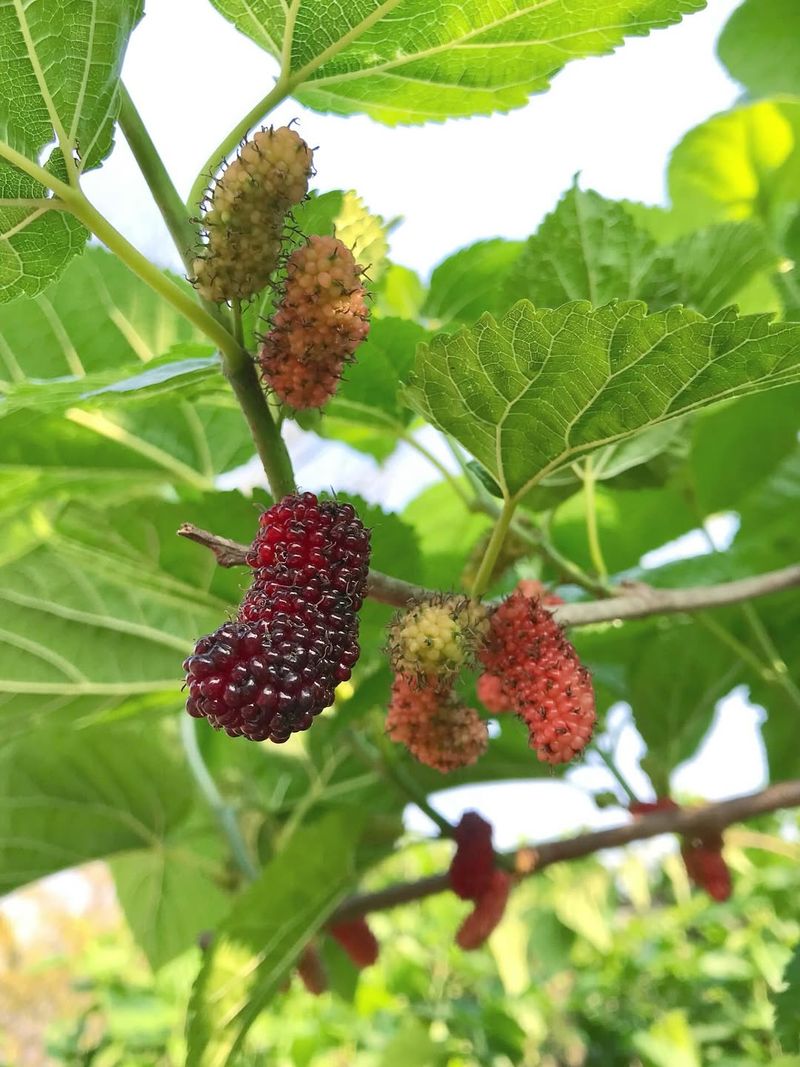
Clusters of sweet berries ripen from white to red to dark purple, creating an irresistible buffet for birds throughout spring and early summer. While February is early for fruit production, red mulberry trees provide important structure and insect habitat during winter months.
Woodpeckers, warblers, and other insect-eating birds forage along the bark and branches, finding food when berries are not yet available.
This native tree grows large, often reaching 40 to 60 feet tall in ideal conditions. The broad leaves and spreading canopy offer shade and shelter for countless bird species.
When fruits do ripen later in the season, virtually every fruit-eating bird in Florida visits mulberry trees to feast on the abundant harvest.
Red mulberry tolerates a range of growing conditions and thrives in both sun and partial shade. The tree requires space to spread but rewards gardeners with decades of wildlife support.
Birds often nest in the sturdy branches and raise young near this reliable food source.
In February, red mulberry is still mostly dormant, but its structure supports birds and provides insect foraging habitat. The tree’s structure attracts birds even before fruiting begins, making it valuable throughout the year for diverse species with different feeding habits and habitat needs.
9. Provide Seeds And Shelter With Sabal Palm
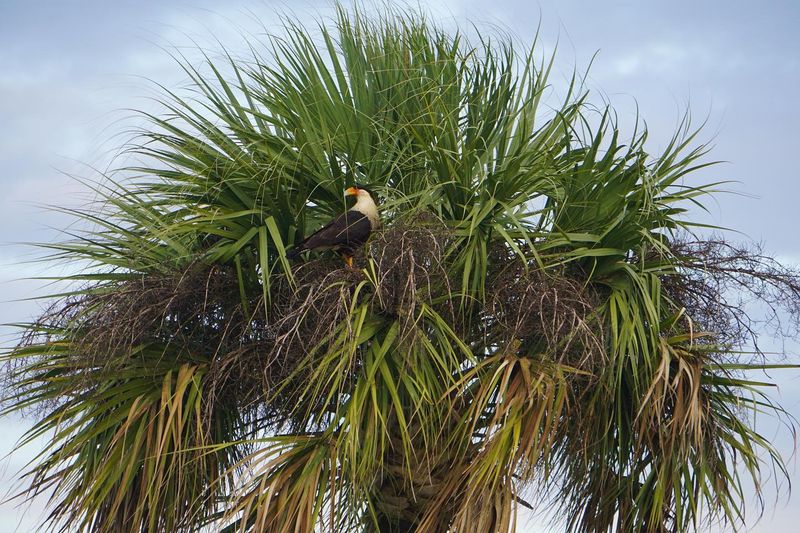
Black berries dangle in long clusters from this iconic Florida palm, feeding birds throughout winter and into spring. Woodpeckers, jays, and crows consume sabal palm fruits regularly, while smaller songbirds glean insects from the fronds and trunk.
Fruits can remain available through late winter, including February, giving many species a dependable food source.
Sabal palm serves as Florida’s state tree and grows naturally across most of the peninsula. The sturdy trunk supports large fronds that create shelter and nesting sites for many bird species.
Withered fronds that hang down provide additional cover and insect habitat that attracts woodpeckers and other foraging birds.
This palm tolerates drought, flooding, salt, and poor soils, making it extremely reliable in challenging conditions. It grows slowly but steadily, eventually reaching 40 to 50 feet tall.
The low maintenance requirements and high wildlife value make sabal palm an excellent choice for any Florida landscape.
Birds recognize sabal palm as a native plant and feel comfortable feeding and nesting nearby. The combination of food, shelter, and familiar structure draws diverse species throughout the year.
Planting sabal palm strengthens connections between gardens and wild Florida habitats, supporting bird populations during February and every other month as they complete their annual cycles.
10. Grow A Trusted Food Source With Roughleaf Dogwood
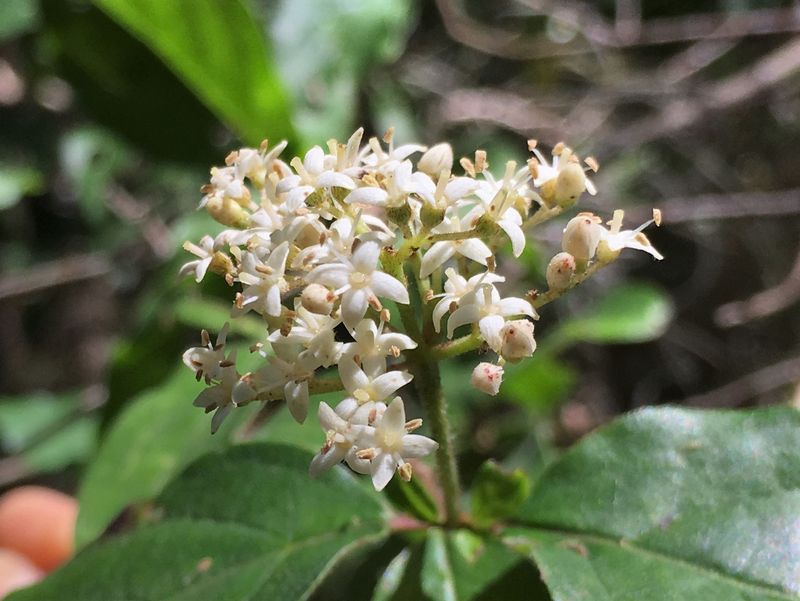
Roughleaf dogwood (Cornus asperifolia) produces fruit that birds readily eat when it is available. In some areas, fruit from the previous season may persist into February and provide another late-winter food option.
The berries ripen in fall but often persist through winter, ensuring birds always find something to eat. Many bird species will use the plant for food when fruit is present and for cover year-round.
This native shrub grows in moist areas and along woodland edges throughout Florida. It reaches 10 to 15 feet tall and spreads to form thickets that provide excellent bird habitat.
The textured leaves give the plant its common name and create visual interest in the landscape year-round.
Roughleaf dogwood tolerates shade and adapts to various soil moisture levels once established. The small white flowers that bloom in spring attract pollinators before developing into the berries birds depend on later.
Birds also use the dense branching for nesting and as safe corridors between feeding areas.
In some areas, fruit from the previous season may persist into February and continue providing food for birds. Resident birds feed heavily during this time, while early migrants begin arriving and seeking reliable food sources.
Providing native plants like roughleaf dogwood ensures birds find the resources they need exactly when they need them most throughout the seasons.