What To Mulch This Week In Florida Gardens
February in Florida keeps your garden guessing. Cool mornings, dry soil, and quick temperature swings can stress plants before you notice.
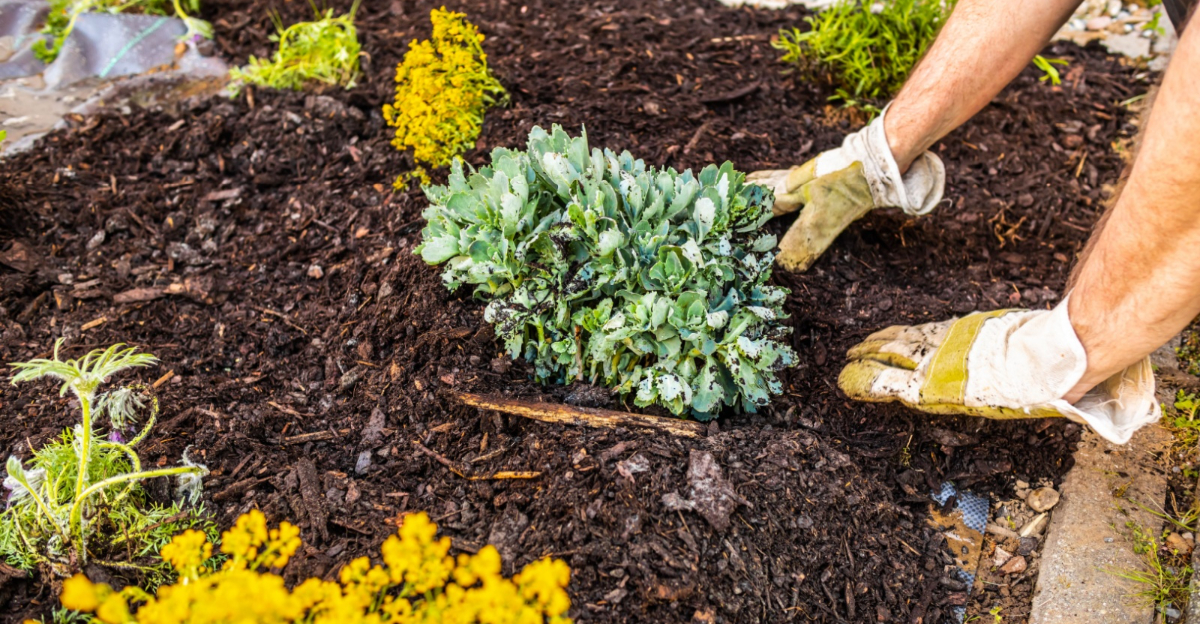
A fresh layer of mulch right now helps trap moisture, shield roots from sudden cold, and get your soil ready for the warmer stretch ahead.
Many gardeners wait for spring, but your garden needs support today to stay strong and keep growing. A simple layer this week can steady soil, hold moisture, and ease plant stress fast.
Mulch also keeps weeds down, improves soil over time, and cuts how often you need to water. With Florida weather bouncing between cool and warm, this is the moment to give your soil real protection before spring kicks in.
1. Refresh Mulch Around Citrus And Fruit Trees
Your citrus and fruit trees have been working hard all winter, and now they deserve a fresh blanket of mulch to support their spring growth. Old mulch breaks down over time, becoming thin and less effective at protecting roots and holding moisture.
Walking around your trees this week and checking the mulch depth gives you a clear picture of where you need to add more.
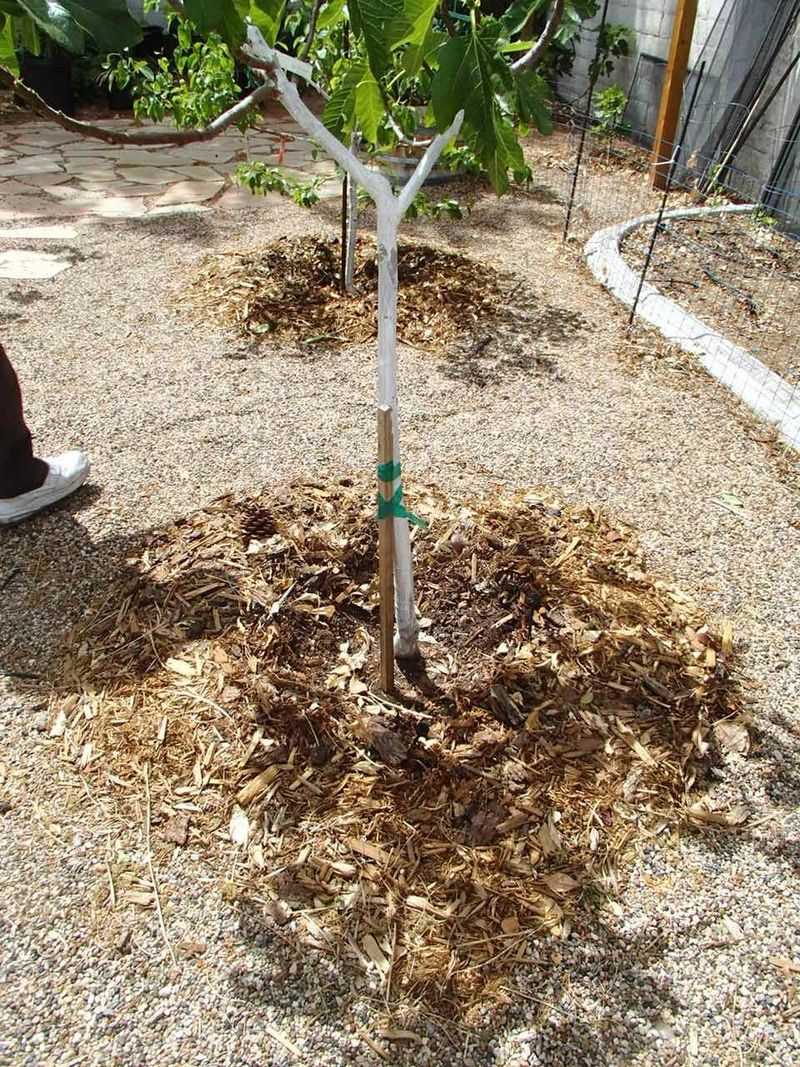
Apply a two to three inch layer of pine bark, pine straw, or melaleuca mulch in a wide ring extending out to the tree’s drip line. This zone is where most feeder roots live, and they benefit greatly from the insulation and moisture retention mulch provides.
Avoid piling mulch directly against the trunk, which can trap moisture and create problems.
February is ideal timing because citrus trees are gearing up for their spring flush of growth.
Fresh mulch helps moderate soil temperature during those occasional cold snaps we still get in Florida this time of year.
It also keeps the root zone consistently moist as trees begin their active growing phase.
Choose organic mulches that will gradually decompose and feed the soil beneath. This slow release of nutrients supports healthy root development and improves soil structure over time, which is especially valuable in Florida’s sandy soils.
2. Protect Roots From Late Winter Temperature Swings
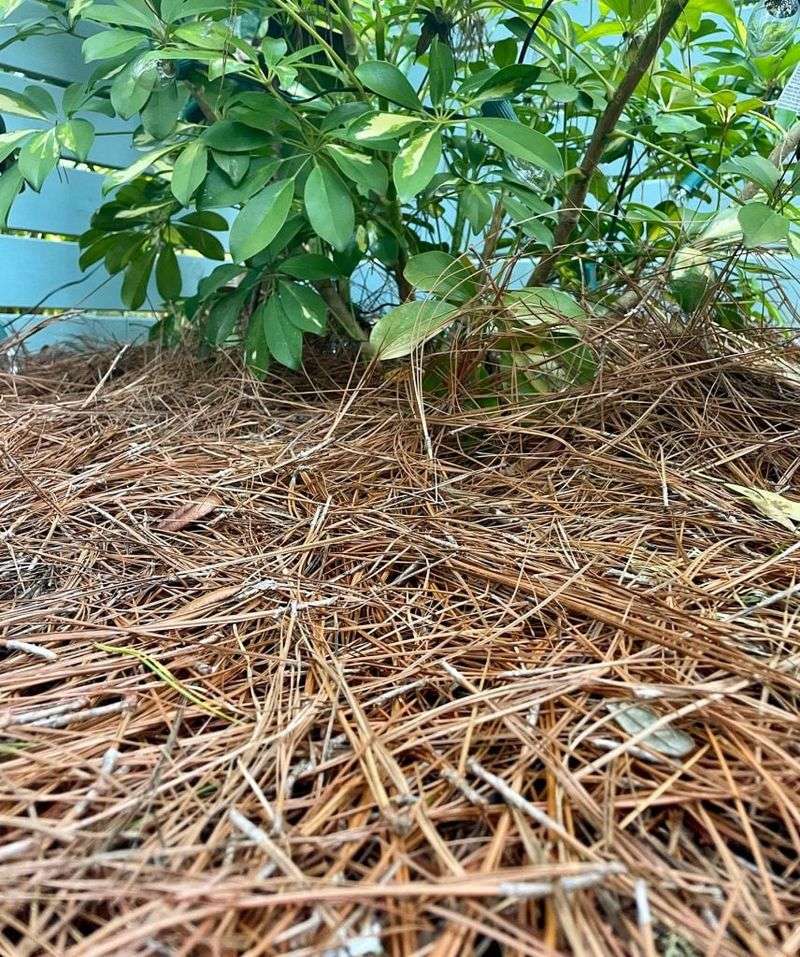
Late winter in Florida brings unpredictable weather patterns that can stress plant roots more than you might expect. One day temperatures climb into the seventies, and the next morning a cold front drops them into the forties.
These sudden shifts can shock shallow root systems, especially on recently planted specimens or cold-sensitive tropicals.
A proper mulch layer acts like a thermal blanket for the soil, buffering those rapid temperature changes. The insulation effect works both ways, keeping soil warmer on cold nights and cooler during those unseasonably warm February afternoons.
This stability allows roots to continue their important work without the stress of constant adjustment.
Focus your mulching efforts on tender plants, young trees, and anything you planted within the last year. These are most vulnerable to temperature stress because their root systems haven’t fully established yet.
A two to three inch layer provides excellent protection without smothering the roots.
Your Florida Garden Changes Every Week. Your Plan Should Too.
Gardening in Florida changes quickly throughout the season. Every Friday you’ll receive a simple weekly plan showing exactly what to plant, prune, fertilize, harvest, and protect so you never miss the right timing.
Pine straw works particularly well for this purpose because it creates air pockets that enhance the insulating effect. Shredded hardwood bark is another solid choice that holds up well through our occasional winter rains.
Check mulch depth weekly during February, as heavy rains can compact or wash away protective layers.
3. Mulch Newly Planted Shrubs And Trees
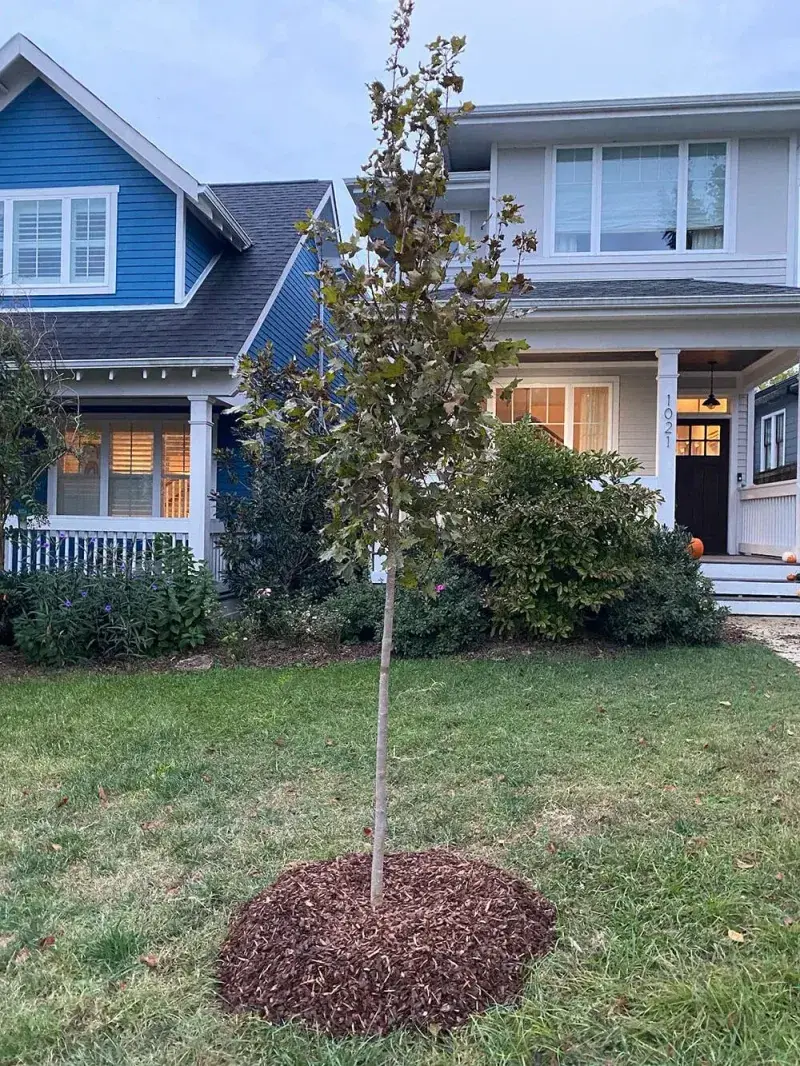
Anything you planted in fall or early winter needs special attention right now as it works to establish strong roots. New plants face a critical period during their first growing season, and proper mulching dramatically improves their chances of thriving.
The stress of transplanting takes time to overcome, and mulch provides essential support during this vulnerable phase.
Spread a two to three inch layer of organic mulch in a circle extending at least two feet from the base of shrubs and three to four feet for trees. This generous coverage area protects the developing root zone while conserving precious moisture.
Remember that newly planted specimens can’t reach deep for water yet, so keeping surface soil consistently moist is crucial.
Mulch also prevents competition from weeds and grass, which would otherwise steal water and nutrients your new plants desperately need. In Florida’s fast-growing environment, even a few weeks without mulch allows aggressive weeds to establish.
Getting ahead of this problem now saves you hours of work later.
Pull mulch back a few inches from stems and trunks to allow air circulation around the base. This small gap prevents moisture buildup that could lead to rot or pest problems.
Your new plants will reward this careful attention with vigorous growth as spring arrives.
4. Conserve Soil Moisture During Florida’s Dry Season
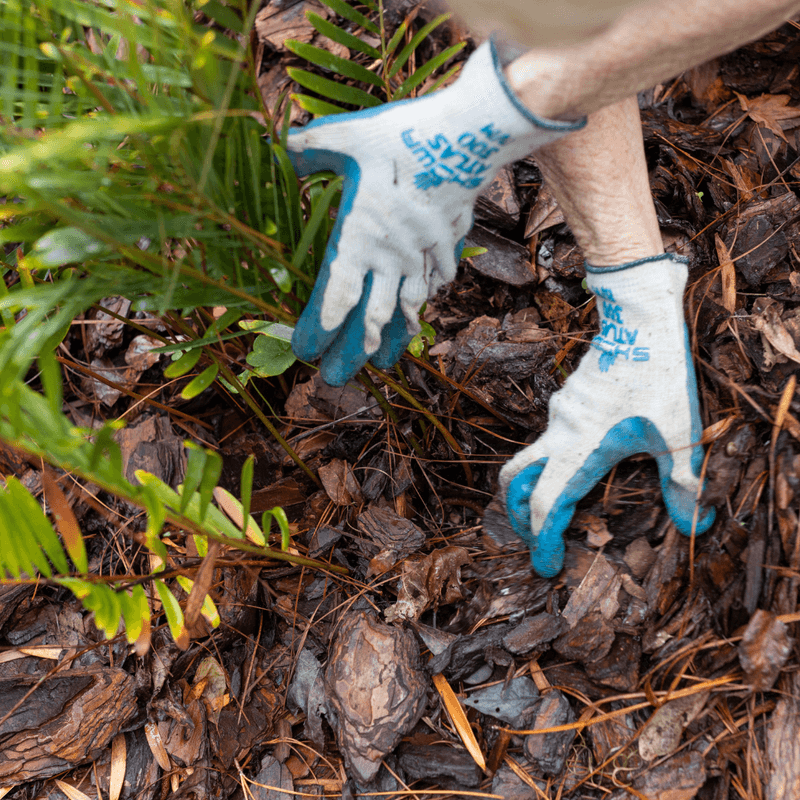
February typically falls right in the middle of Florida’s dry season when rainfall becomes scarce and irrigation becomes essential. Without adequate mulch coverage, soil moisture evaporates quickly under our strong sunshine and frequent breezes.
Plants suffer unnecessary stress when their roots can’t access consistent moisture, even if you water regularly.
Organic mulch acts like a protective shield over the soil surface, dramatically slowing evaporation rates. Properly mulched beds hold moisture significantly longer than bare soil.
This means you can water less frequently while still keeping plants happy and healthy.
Check your ornamental beds, vegetable gardens, and around foundation plantings this week. Any area with exposed soil is losing moisture at an alarming rate.
Adding a two to three inch mulch layer now makes your irrigation efforts far more effective.
Shredded leaves, pine bark, and aged compost all work wonderfully for moisture conservation. These materials create a barrier between soil and air while allowing water to penetrate when you do irrigate.
They also prevent that hard crust that forms on bare soil after watering, which actually repels water rather than absorbing it.
Plants growing in mulched soil develop stronger, deeper root systems because moisture remains available even between waterings. This resilience pays dividends as we head toward the hot, dry conditions of late spring.
5. Suppress Early Spring Weeds Before They Spread
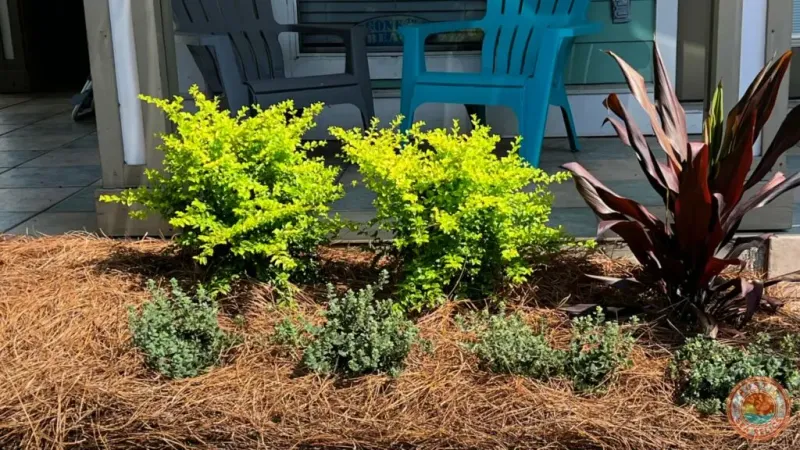
Warmer February days trigger weed seeds lying dormant in your soil, and once they sprout, controlling them becomes a constant battle. Many Florida gardeners don’t realize that most weed problems start right now, during this transition period between winter and spring.
Taking action this week prevents months of frustration.
A thick layer of mulch blocks sunlight from reaching weed seeds, preventing germination before it starts. Many weed seeds require light or favorable surface conditions to sprout, and just two to three inches of mulch creates enough darkness to stop them.
This physical barrier works far better than trying to pull weeds after they’ve already established.
Pay special attention to areas that were weedy last year. Weed seeds can remain viable in soil for years, waiting for the right conditions to sprout.
Covering these trouble spots with fresh mulch now breaks that cycle and gives you a clean slate for the growing season ahead.
Choose mulches that knit together well, like pine straw or shredded bark. These materials create a dense mat that’s harder for weeds to penetrate.
Avoid using grass clippings or hay, which often contain weed seeds that will only add to your problem.
Even established weeds struggle to push through a proper mulch layer. The ones that do make it through are much easier to pull because the loose mulch doesn’t anchor their roots like bare soil would.
6. Improve Sandy Soil With Fresh Organic Mulch
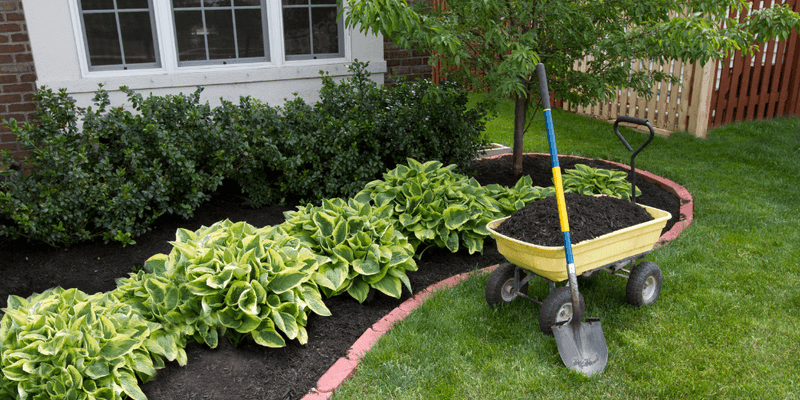
Florida’s notorious sandy soil presents unique challenges that organic mulch helps solve naturally over time. Sand drains too quickly, holds few nutrients, and provides little structure for plant roots to grip.
While you can’t transform sand into rich loam overnight, regular mulching steadily improves soil quality with each passing season.
Organic mulches gradually decompose, and as they break down, they work their way into the top few inches of soil. This process adds precious organic matter that sandy soil desperately lacks.
The result is improved water retention, better nutrient holding capacity, and enhanced soil structure that roots can actually use.
Applying fresh mulch this week feeds that ongoing improvement cycle. By next year at this time, you’ll notice the soil beneath your mulch layer has darkened and feels less gritty.
That transformation represents real progress toward healthier growing conditions for everything in your landscape.
Shredded hardwood bark, aged compost, and pine bark fines work especially well for soil improvement. These materials break down at a moderate pace, providing steady organic matter input without disappearing too quickly.
Cypress mulch decomposes more slowly than some organic mulches, so it improves soil more gradually.
The microorganisms that break down organic mulch also benefit plant roots directly. These helpful bacteria and fungi form partnerships with roots, improving nutrient uptake and plant health in ways that chemical fertilizers simply can’t match.
7. Prepare Garden Beds For Spring Growth
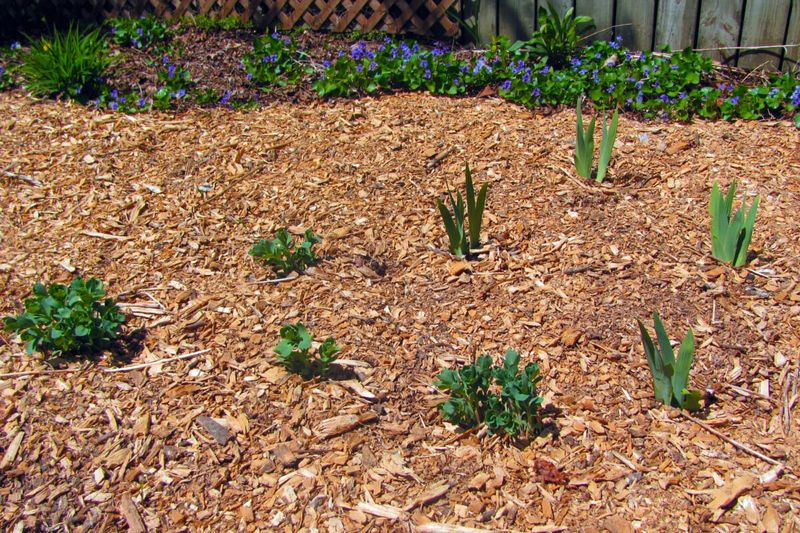
Spring arrives early in Florida, and smart gardeners prepare their beds now while there’s still time to get ahead of the rush. Whether you’re growing vegetables, herbs, or annual flowers, mulched beds give plants a significant advantage from the moment you plant them.
The preparation you do this week sets the stage for a productive and beautiful spring garden.
Start by clearing any winter debris, spent plants, or existing mulch that has broken down completely. A fresh start allows you to see exactly what you’re working with and identify any problem areas that need attention.
Then add a two to three inch layer of your chosen mulch between planting rows or around established plants.
For vegetable gardens, straw and shredded leaves make excellent choices. They suppress weeds, conserve moisture, and break down relatively quickly to enrich the soil for future plantings.
Ornamental beds benefit from more decorative options like pine bark or dyed hardwood mulch that maintains its appearance longer.
Leave pathways between beds mulched more heavily, around four inches deep in walkways only, not around plant roots. This extra thickness prevents weeds in walkways and keeps your feet cleaner when working in the garden after rain.
It also defines bed edges clearly, giving your garden a neat, intentional appearance.
Plants growing in properly prepared, mulched beds establish faster and produce more abundantly because they’re not competing with weeds or struggling with moisture stress during those critical early growth weeks.
8. Keep Mulch Away From Trunks And Plant Crowns
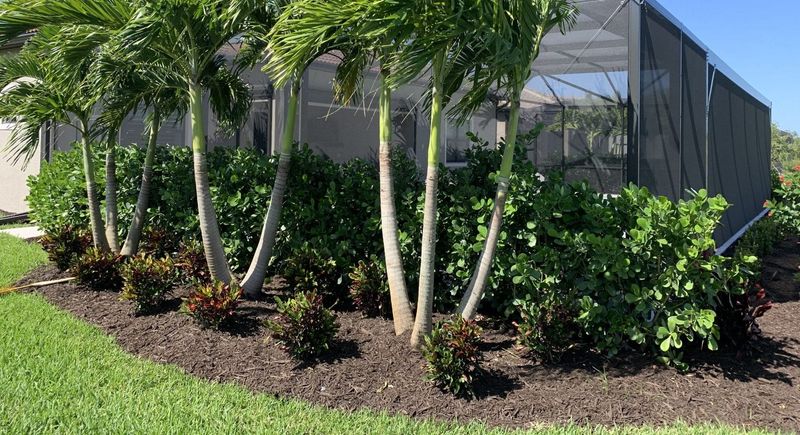
One of the most common mulching mistakes causes more harm than good, yet it’s something gardeners do with the best intentions. Piling mulch directly against tree trunks or plant stems creates a constantly moist environment that invites trouble.
That moisture encourages rot, attracts insects, and can even suffocate bark tissue that needs air circulation.
The proper technique creates what’s called a mulch donut rather than a mulch volcano. Spread mulch in a wide, flat ring that extends out toward the drip line but pull it back about three to four inches from the trunk or main stem.
This gap allows air to circulate around the base while still providing all the benefits of mulch to the root zone.
Check your existing mulch this week and correct any areas where material has been pushed against trunks or crowns. Heavy rains, landscape maintenance, or settling can gradually shift mulch into contact with bark.
Taking a few minutes to rake it back prevents problems that might not become obvious until significant damage has occurred.
For shrubs and perennials, keep mulch away from the crown where stems emerge from the ground. This area is particularly vulnerable to rot when kept constantly moist.
A one to two inch gap provides adequate protection while maintaining plant health.
Teaching everyone who works in your garden about proper mulch placement ensures this important detail doesn’t get overlooked during routine maintenance. It’s a simple practice that makes a tremendous difference in long-term plant health.