8 Plants That Bring Hummingbirds Back To Florida Yards In Spring
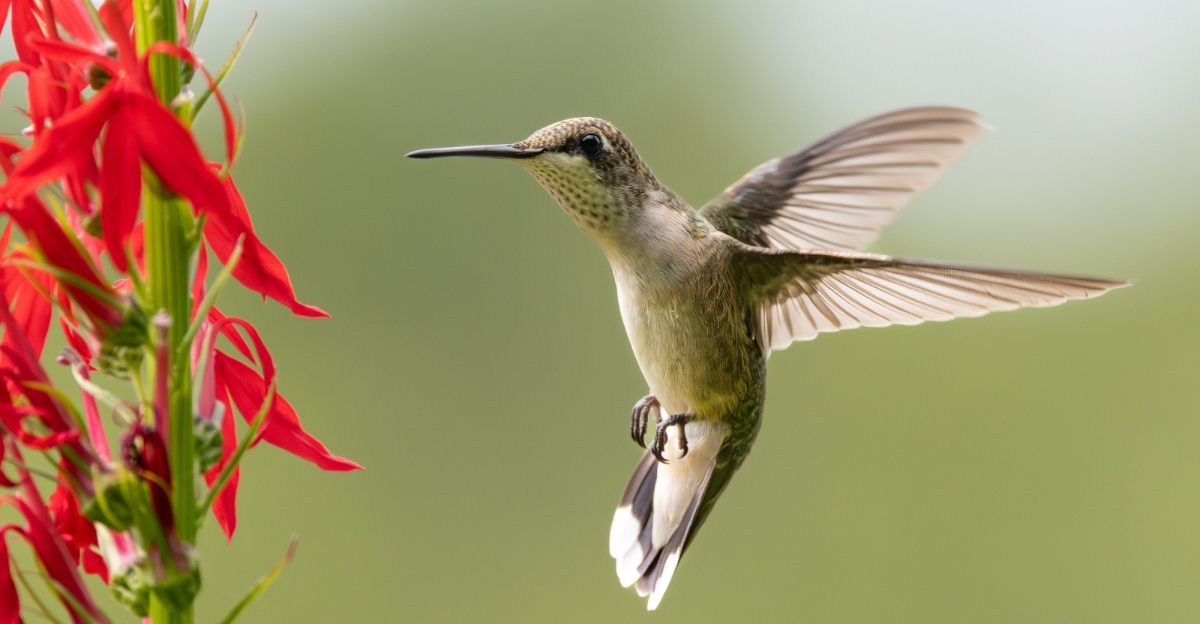
Spring in Florida brings a familiar flash of motion, hummingbirds returning to yards in search of nectar and safe feeding spots. If your garden felt quiet through winter, the right plants can quickly bring that energy back.
Hummingbirds look for bright blooms, steady nectar, and spaces where they feel safe to hover and feed.
Many yards miss them simply because the right flowers are not blooming at the right time. With a few smart plant choices, you can turn your yard into a reliable stop that draws hummingbirds in and keeps them coming back.
Color, timing, and nectar rich blooms make all the difference as the season shifts and these tiny visitors begin to reappear across Florida.
1. Firebush Blooms Draw Bright Spring Visitors
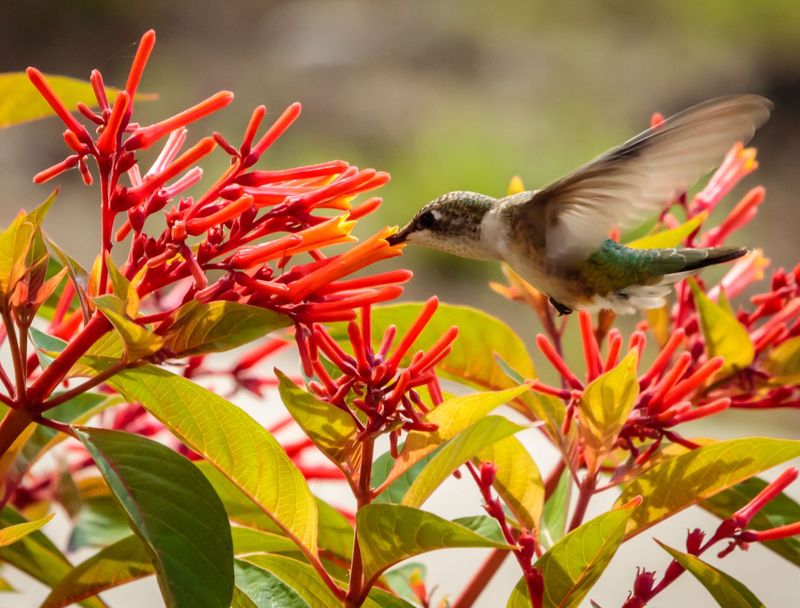
Bright tubular flowers in shades of orange and red make this shrub a magnet for hummingbirds returning to Florida in spring. Blooms appear in clusters and continue producing nectar for months, providing a steady food source when birds need it most.
The plant grows quickly and tolerates heat, drought, and sandy soils common across the state.
Firebush reaches heights between four and eight feet, making it suitable for mixed borders or as a standalone feature. Its dense branching offers shelter and perching spots between feeding visits.
Butterflies and native bees also frequent the flowers, adding to the overall activity in your yard.
Planting in full sun encourages the most prolific blooming. Once established, the shrub requires minimal watering and thrives without heavy fertilization.
Pruning helps maintain shape and promotes fresh growth with more flower clusters.
This Florida native adapts well to various soil types and handles occasional cold snaps without significant damage. Its long blooming period from spring through fall ensures hummingbirds find nectar even during transitional seasons.
Adding firebush creates a reliable feeding station that supports wildlife while enhancing your garden’s visual appeal throughout the year.
2. Coral Honeysuckle Welcomes The Season Back
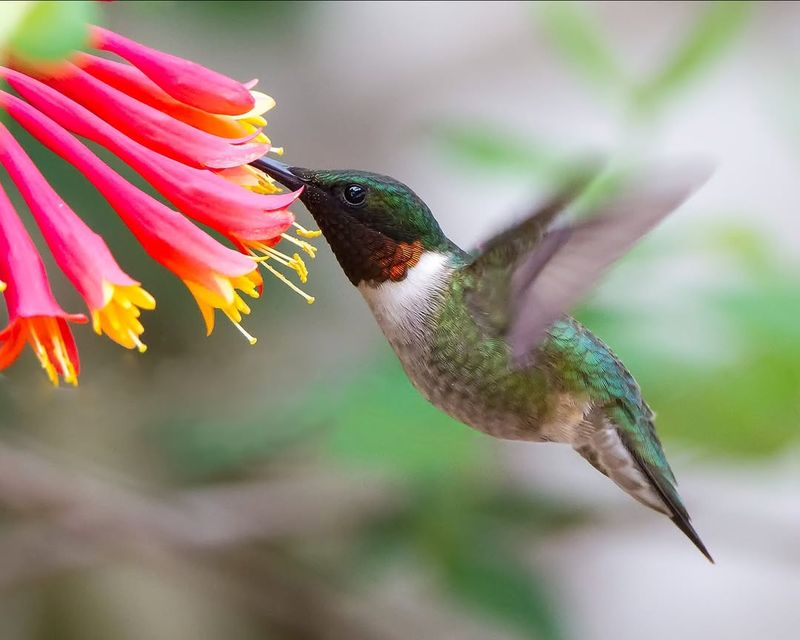
Long tubular blooms in coral shades create an irresistible draw for hummingbirds as they return to Florida yards each spring. This native vine produces clusters of flowers that provide abundant nectar without the invasive tendencies of non-native honeysuckle varieties.
Birds can easily access the tubular shape with their specialized beaks and long tongues.
The vine grows vigorously along fences, trellises, or arbors, adding vertical interest to landscapes. Its twining habit allows it to climb structures naturally without causing damage.
Foliage remains attractive throughout the growing season, and small red berries follow the flowers, offering food for other wildlife.
Coral honeysuckle tolerates partial shade but blooms most heavily in full sun. It adapts to different soil conditions and requires little maintenance once roots establish.
Occasional trimming keeps growth in check and encourages denser flowering.
Unlike some exotic honeysuckles, this Florida native stays manageable and supports local ecosystems. Hummingbirds visit repeatedly throughout the day, especially during peak spring migration when energy demands are highest.
The vine’s extended bloom period ensures nectar remains available as the season progresses, making it a dependable choice for attracting and sustaining these remarkable birds in your outdoor space.
Your Florida Garden Changes Every Week. Your Plan Should Too.
Gardening in Florida changes quickly throughout the season. Every Friday you’ll receive a simple weekly plan showing exactly what to plant, prune, fertilize, harvest, and protect so you never miss the right timing.
3. Scarlet Sage Keeps The Garden Full Of Life
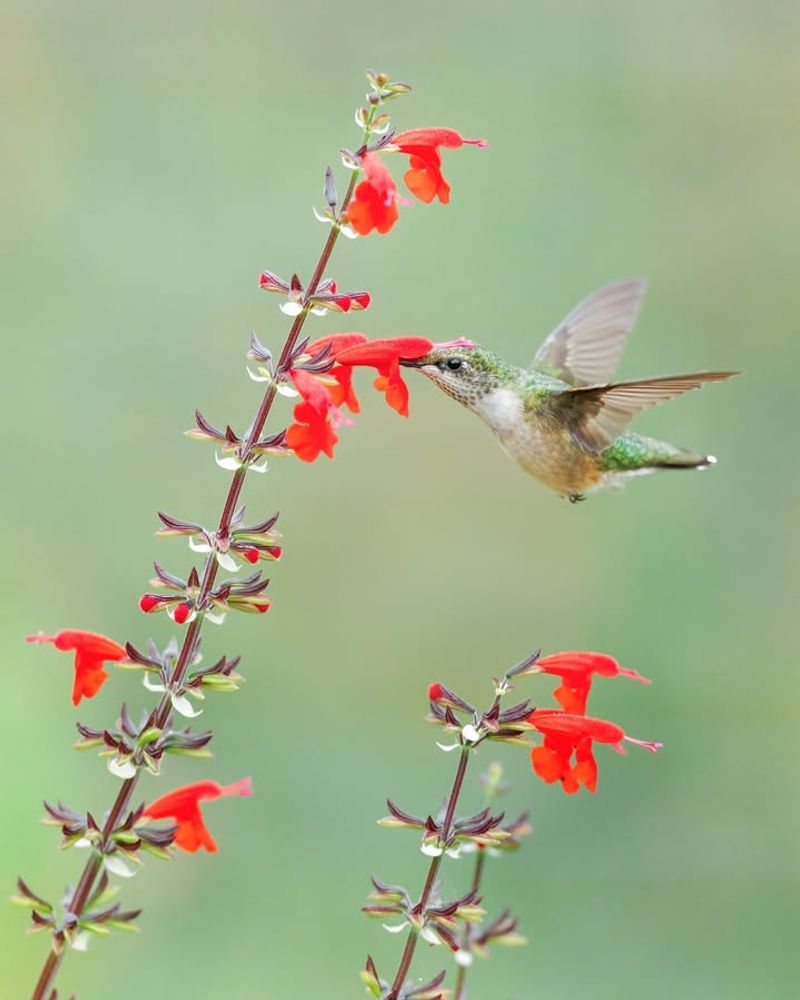
Tall spikes covered in brilliant red flowers create vertical accents that catch the attention of passing hummingbirds. This short-lived perennial or reseeding native thrives in Florida’s warm climate and produces blooms consistently from spring into fall.
The tubular flower structure perfectly matches the feeding style of hummingbirds, allowing them to hover and extract nectar efficiently.
Scarlet sage grows well in both full sun and partial shade, making it versatile for different garden areas. Plants typically reach two to three feet tall and spread to form attractive clumps.
The foliage has a pleasant fragrance when brushed, adding another sensory element to your landscape.
Regular deadheading extends the blooming period and keeps plants looking tidy. Watering during dry spells helps maintain vigorous growth, though established plants show good drought tolerance.
Dividing clumps every few years promotes healthier plants and more flowers.
This species attracts not only hummingbirds but also butterflies and beneficial insects, creating a lively garden environment. Its bold color provides strong visual impact while serving a functional role in supporting wildlife.
Planting in groups amplifies the effect, making it easier for hummingbirds to locate the nectar source from a distance and encouraging repeat visits throughout the spring and beyond.
4. Red Columbine Starts The Nectar Season Early
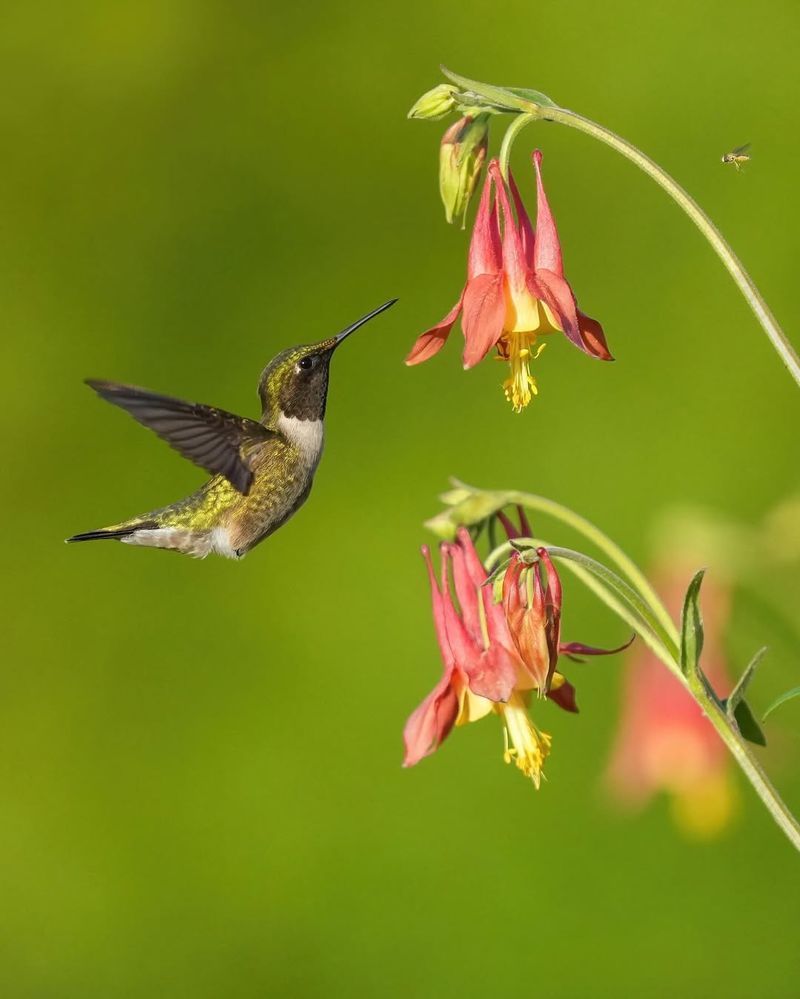
Delicate blooms with distinctive spurred petals appear early in the season, providing nectar just as hummingbirds begin arriving in Florida. The nodding flowers in shades of red and yellow create a graceful display that stands out in shaded garden areas.
Hummingbirds have learned to recognize the unique flower shape and visit them regularly.
Red columbine prefers partial shade and moist, well-drained soil, making it ideal for woodland gardens or areas under tree canopies. Plants grow one to two feet tall with attractive foliage that remains appealing even after blooms fade.
The airy growth habit allows it to blend naturally with other shade-loving perennials.
This native species adapts well to Florida’s northern and central regions, where it self-seeds gently without becoming invasive. Providing consistent moisture during establishment helps plants develop strong root systems.
Mulching around the base retains soil moisture and keeps roots cool during warmer months.
Early spring blooms give hummingbirds a critical food source when other plants are just beginning to flower. The timing helps birds recover from migration and prepare for nesting.
Red columbine’s presence in your garden extends the nectar availability window, ensuring hummingbirds find sustenance throughout different phases of the season while adding delicate beauty to shaded spaces.
5. Coralbean Adds Bold Color And Energy
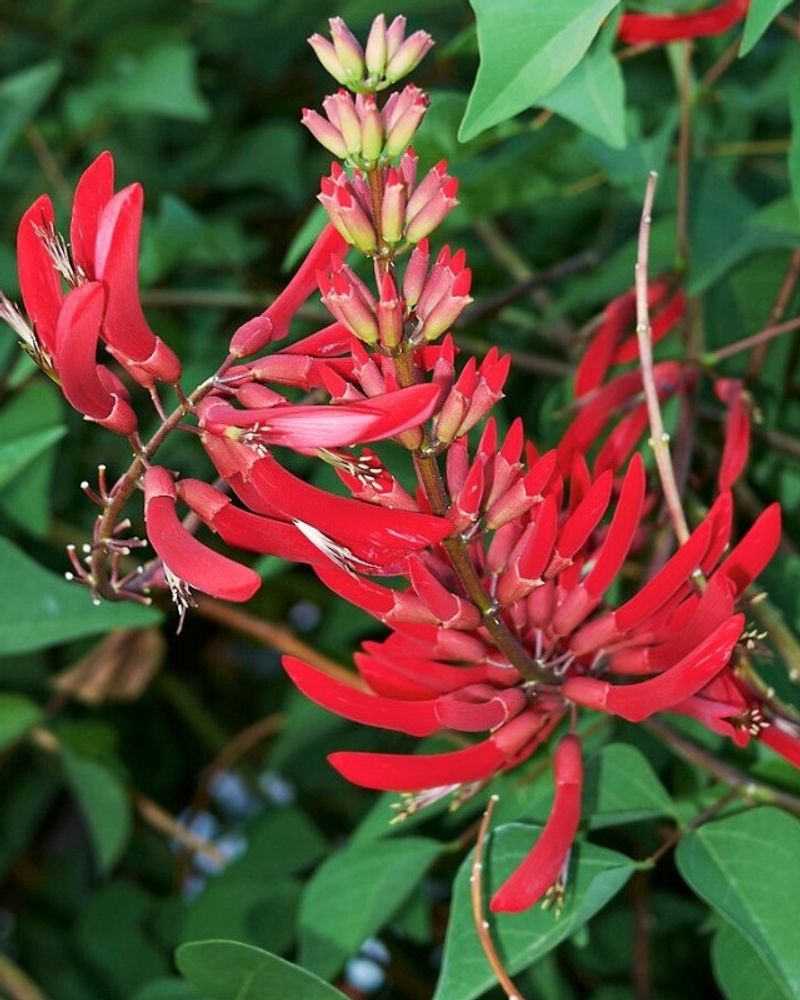
Striking red flowers emerge on tall spikes, creating dramatic vertical elements that hummingbirds spot easily from a distance. This Florida native shrub produces nectar-rich blooms from late winter into spring, perfectly timed for returning migratory birds.
The intense color and flower structure make it especially appealing to hummingbirds seeking high-energy food sources.
Coralbean grows as a deciduous shrub or small tree, reaching eight to fifteen feet depending on growing conditions. It tolerates a range of soil types and handles drought well once roots establish.
Planting in full sun maximizes flowering, though it adapts to partial shade.
The plant’s bold architectural form adds structure to landscapes even when not in bloom. After flowers fade, seed pods develop and eventually split to reveal bright red seeds.
These seeds are toxic and should be kept away from children and pets.
Hummingbirds visit coralbean repeatedly during its peak bloom period, often defending favorite plants from other birds. The high nectar content helps fuel their rapid metabolisms and supports breeding activities.
This native species fits naturally into Florida landscapes while providing essential resources for wildlife. Its presence signals to hummingbirds that your yard offers quality food sources, encouraging them to linger longer and return consistently throughout the spring season.
6. Firecracker Plant Creates A Lively Display
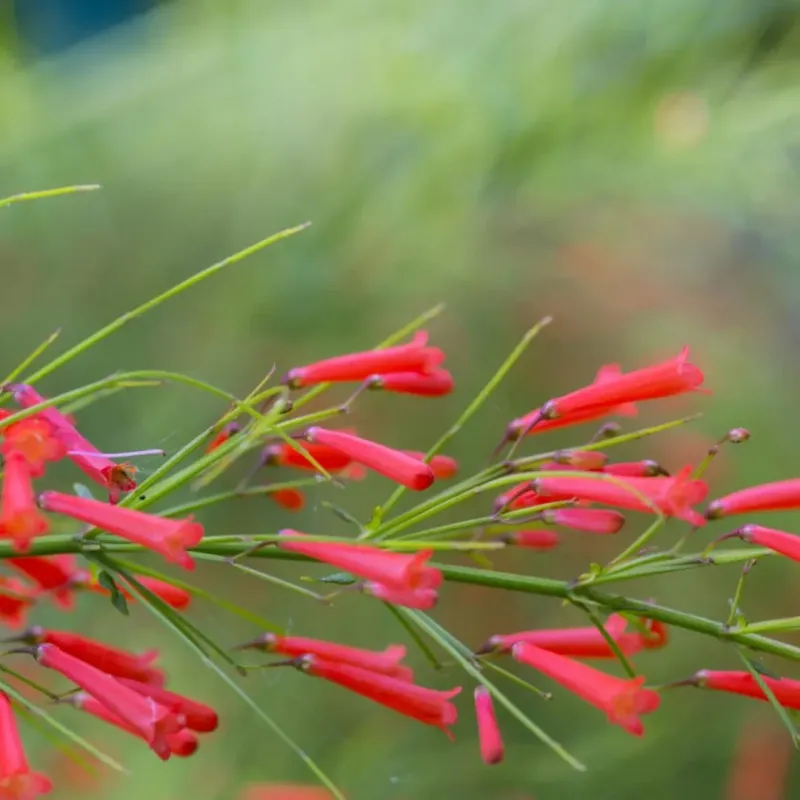
Clusters of slender red tubular flowers burst from this compact plant, creating a continuous show that hummingbirds find irresistible. Blooms appear in waves from spring through fall, ensuring nectar remains available during critical times.
The plant’s low-growing habit makes it suitable for front borders, containers, or mass plantings.
Firecracker plant typically grows three to five feet tall and spreads to form dense mats of foliage. It thrives in full sun and tolerates Florida’s heat and humidity without wilting.
The plant requires minimal care once established and continues blooming even during dry periods.
Regular deadheading keeps plants tidy and promotes additional flowering. Light fertilization during the growing season supports vigorous growth and bloom production.
The plant’s compact size makes it easy to incorporate into existing landscapes or new garden designs.
Hummingbirds hover over the dense flower clusters, moving quickly from bloom to bloom. The concentrated nectar source allows birds to feed efficiently, conserving energy for other activities.
Firecracker plant works especially well when planted in groups, creating larger feeding areas that accommodate multiple hummingbirds. Its reliable performance and extended bloom time make it a practical choice for Florida gardeners wanting to attract and support hummingbirds throughout the spring and well beyond into the warmer months.
7. Wild Coffee Brings Life To Shaded Spaces
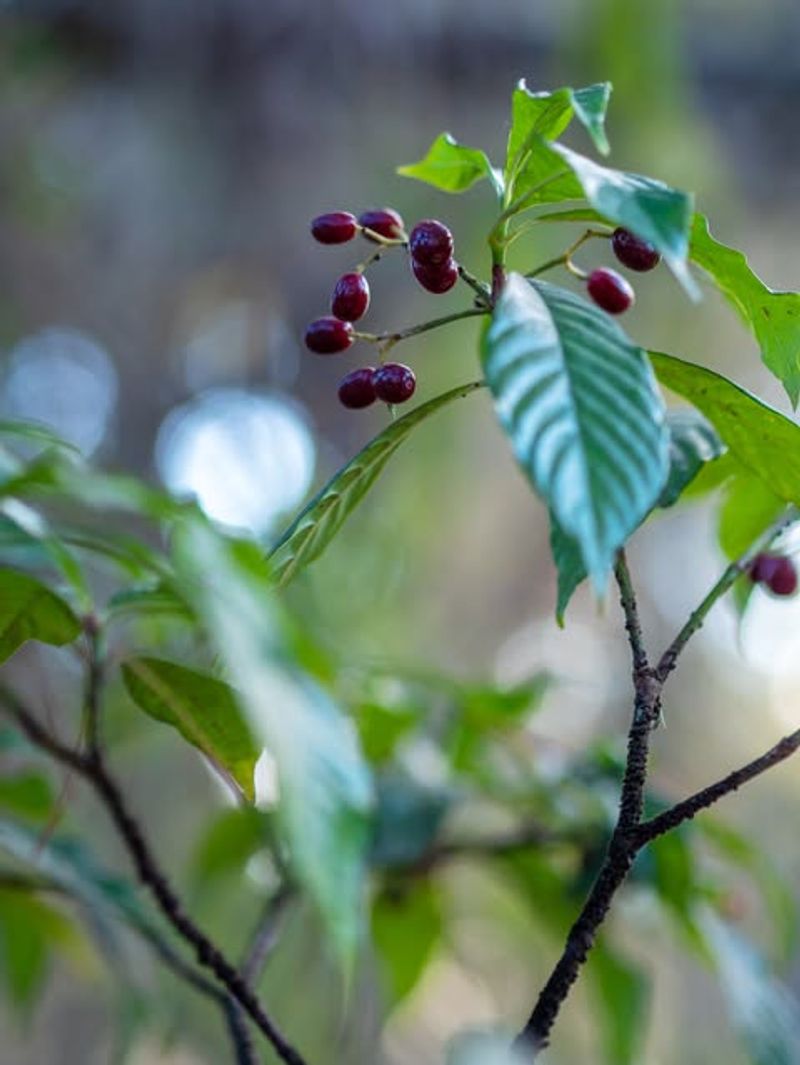
Small white flowers may seem understated, but they produce small amounts of nectar that hummingbirds may occasionally visit, especially in shaded areas. This Florida native shrub blooms in spring and provides food sources in locations other plants struggle to fill.
The glossy evergreen foliage creates an attractive backdrop year-round.
Wild coffee grows three to six feet tall and tolerates deep shade, making it valuable for woodland gardens or areas under tree canopies. It adapts to various soil types and requires minimal maintenance once established.
The dense branching provides shelter for birds and other wildlife beyond just nectar.
After flowering, red berries develop and attract songbirds, extending the plant’s wildlife value. The berries are not true coffee and should not be consumed, despite the common name.
Pruning helps shape the shrub and encourages bushier growth.
Hummingbirds may occasionally visit wild coffee when blooms are present. The shrub’s shade tolerance allows you to create feeding stations in diverse garden environments, supporting hummingbirds across your entire property.
Its understated flowers prove that attracting hummingbirds does not always require bold colors. Wild coffee demonstrates how native plants evolved alongside Florida’s wildlife can meet specific needs while contributing to balanced, sustainable landscapes.
8. Simpson’s Stopper Supports A Thriving Yard
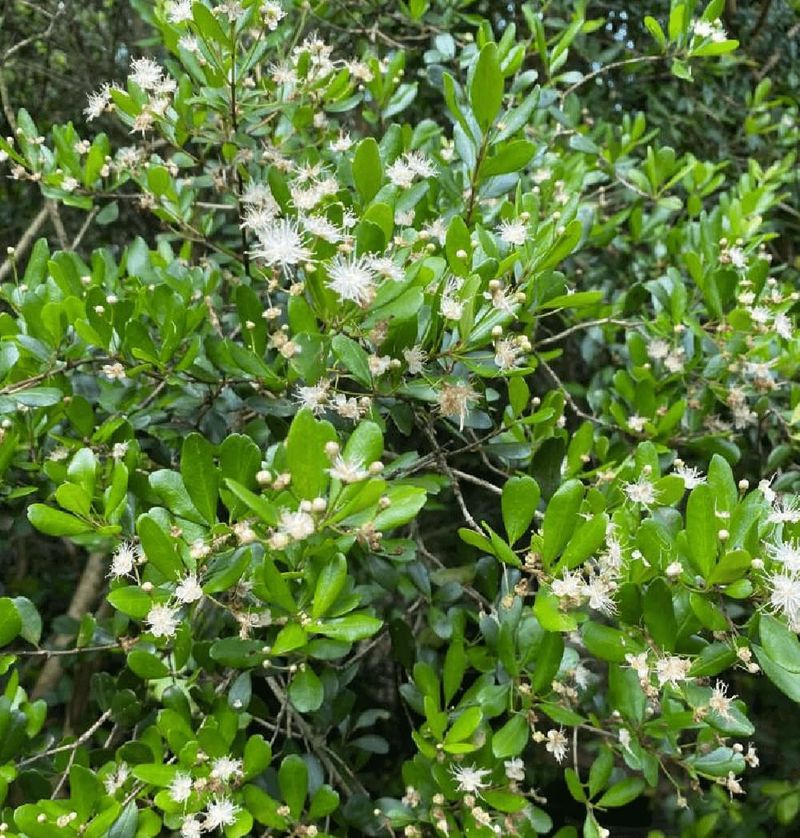
Clusters of small white flowers appear in spring, offering nectar and attracting insects that hummingbirds may feed on while blending naturally into Florida landscapes. This native evergreen shrub provides year-round structure and seasonal blooms that support wildlife.
The flowers may be modest in size, but they produce nectar and may occasionally attract hummingbirds.
Simpson’s stopper grows six to twelve feet tall and works well as a hedge, screen, or specimen plant. It tolerates both full sun and partial shade, adapting to different garden conditions.
The dense foliage provides nesting sites and shelter for birds throughout the year.
This shrub handles drought, salt spray, and poor soils, making it suitable for challenging Florida locations. Minimal pruning maintains shape, and the plant requires little fertilization.
Its low-maintenance nature appeals to gardeners seeking wildlife benefits without intensive care.
After blooming, small fruits develop and provide food for songbirds and other wildlife. The layered benefits make Simpson’s stopper a smart choice for creating habitat that supports diverse species.
Hummingbirds appreciate the nectar during spring when they need energy for breeding activities. Including this native shrub in your landscape demonstrates how plants can serve multiple ecological roles while remaining attractive and manageable.
Its presence contributes to a thriving yard ecosystem that welcomes hummingbirds and supports them through the entire spring season.