The 9 Best Host Plants To Attract Different Butterfly Species In Florida
Florida gardens can transform into fluttering paradises when the right host plants are in place. Butterflies rely on specific plants to lay eggs and feed their caterpillars, so choosing the right ones brings more than beauty, it supports local wildlife!
Certain plants attract monarchs, others draw swallowtails, and a few invite multiple species at once.
Adding these plants turns patios, gardens, and even small balconies into lively, colorful spaces. With blooms that thrive in Florida’s sun and soil, each host plant encourages butterflies to visit, feed, and reproduce.
Watching these delicate insects up close creates a magical connection to nature, while supporting essential pollinators.
Selecting the best host plants isn’t just gardening, it’s creating a thriving ecosystem where butterflies feel at home and your outdoor space becomes a vibrant show of color and life.
1. Milkweed Welcomes Monarch Caterpillars Home
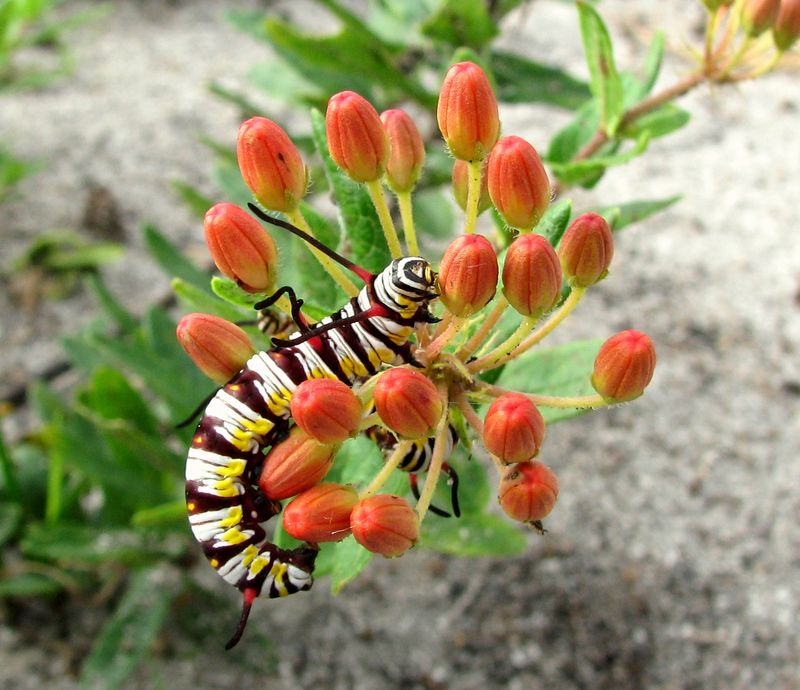
Monarch butterflies depend entirely on milkweed to survive. Female monarchs lay their eggs only on milkweed plants, and the striped caterpillars feed exclusively on the leaves.
Choosing native milkweed species is important because some non-native varieties can harm monarchs by disrupting their migration patterns or spreading diseases.
Florida gardeners should plant native species such as Swamp Milkweed (Asclepias incarnata), Butterfly Milkweed (Asclepias tuberosa), and White Milkweed (Asclepias perennis). Swamp Milkweed prefers moist soils, thriving in North, Central, and South Florida wetlands, while Butterfly Milkweed does best in drier, well-drained soils across all regions.
White Milkweed is ideal for shady or partially sunny spots in Central and South Florida.
Milkweed grows best in full sun with at least six hours of direct sunlight daily. Water regularly until plants establish strong roots, then reduce watering as they become drought-tolerant.
North Florida gardeners may see milkweed go dormant in winter, while Central and South Florida plants often stay green year-round.
Plant multiple milkweed varieties to provide food throughout the growing season. Avoid using pesticides anywhere near milkweed since caterpillars are extremely sensitive to chemicals.
Watching monarch caterpillars transform from tiny eggs to plump striped larvae before forming emerald chrysalises brings magic to any Florida garden.
2. Passionflower Vine Fuels Florida Fritillary Butterflies
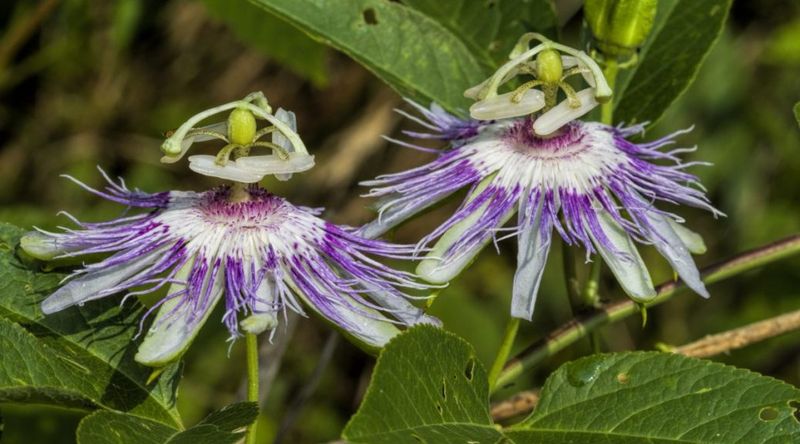
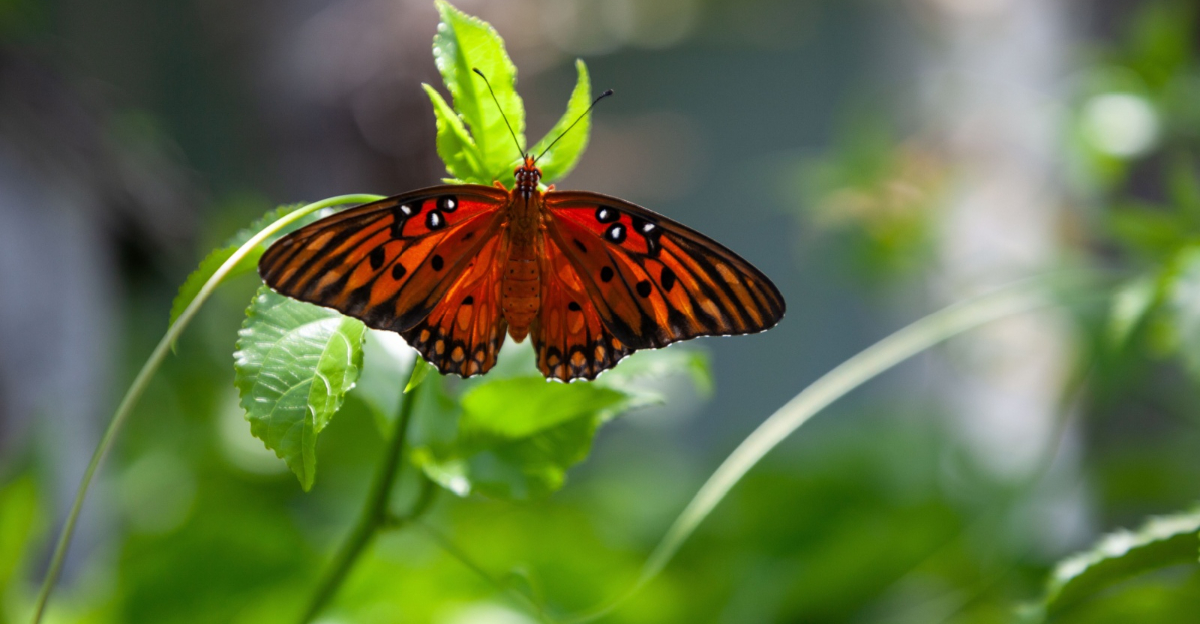
Gulf Fritillary, Zebra Longwing, and Julia butterflies all rely on passionflower vines as their host plant. These striking butterflies lay eggs on the vine’s leaves, and their spiky caterpillars feed on the foliage before pupating into chrysalises.
Native passionflower species like Purple Passionflower and Yellow Passionflower are the best choices for Florida gardens.
Purple Passionflower produces stunning purple and white blooms that look almost otherworldly. This vigorous vine grows well throughout Florida and tolerates a range of soil conditions.
Yellow Passionflower (Passiflora suberosa), also called Corky-Stem Passionflower, thrives in Central and South Florida, and can survive in North Florida in protected, sunny locations.
Passionflower vines need sturdy support like fences, trampoline, or arbors since they climb enthusiastically. Plant them in full sun to partial shade, ideally where their vines have space to climb, as they can grow aggressively in Florida’s warm climate
Your Florida Garden Changes Every Week. Your Plan Should Too.
Gardening in Florida changes quickly throughout the season. Every Friday you’ll receive a simple weekly plan showing exactly what to plant, prune, fertilize, harvest, and protect so you never miss the right timing.
These vines can grow quickly and spread, so give them room or plan to prune occasionally. The exotic-looking flowers attract adult butterflies for nectar while providing essential food for caterpillars.
Expect to see orange Gulf Fritillaries fluttering around constantly once your passionflower vine matures and becomes a caterpillar cafeteria.
3. Senna Lights Up The Garden For Sulphur Butterflies
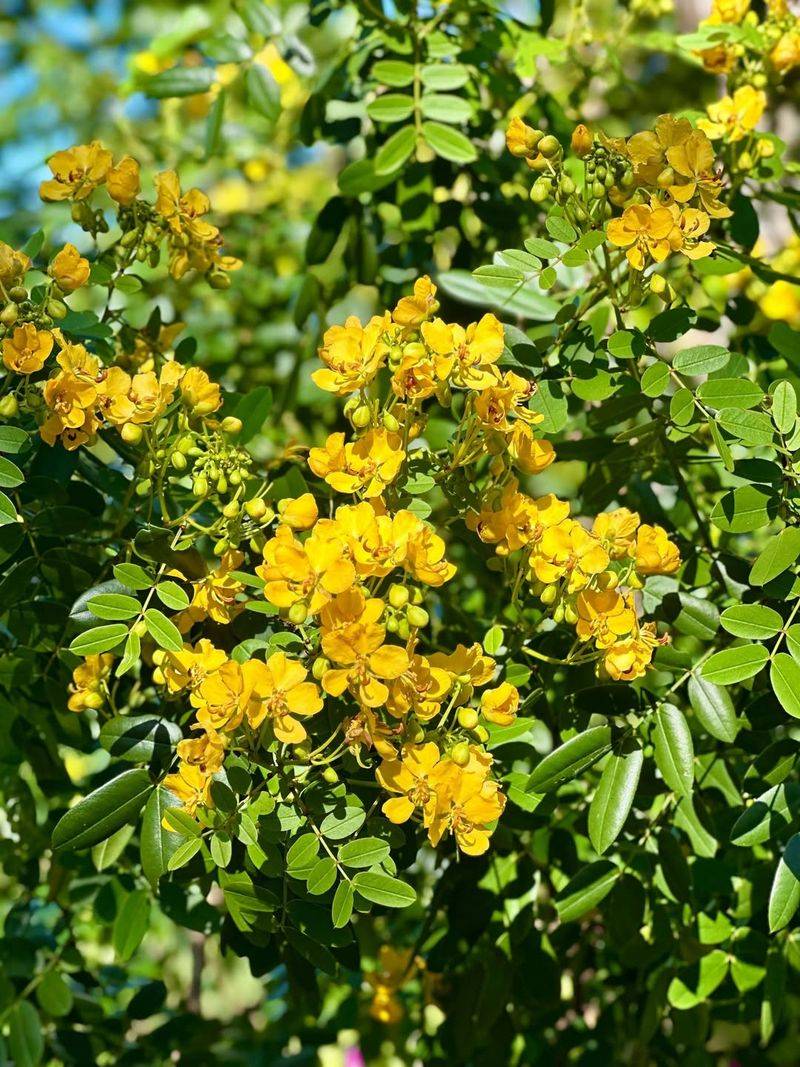
Sulphur butterflies, including Cloudless Sulphurs and Orange-Barred Sulphurs, need senna plants to raise their young. These cheerful yellow butterflies lay eggs on senna leaves, and their green caterpillars blend perfectly with the foliage as they feed and grow.
Native senna species work best in Florida landscapes and support healthy butterfly populations.
Bahama Senna and Partridge Pea are excellent native choices. Bahama Senna grows as a shrub reaching three to six feet tall with bright yellow flowers blooming nearly year-round in warmer regions.
Partridge Pea (Chamaecrista fasciculata) works as an annual in North Florida due to cooler winters and as a short-lived perennial in Central and South Florida.
Senna plants love full sun and well-drained soil. They tolerate Florida’s sandy soils beautifully and need minimal watering once established.
These tough plants handle heat and humidity without complaint, making them low-maintenance additions to butterfly gardens.
Plant senna in sunny spots where you’ll notice the constant activity of sulphur butterflies visiting. The caterpillars may munch leaves down to stems, but healthy plants bounce back quickly.
Watching bright yellow sulphurs dance through your garden while their offspring munch on senna leaves creates a delightful cycle of life right in your backyard.
4. Pipevine Safely Supports Pipevine Swallowtail Caterpillars
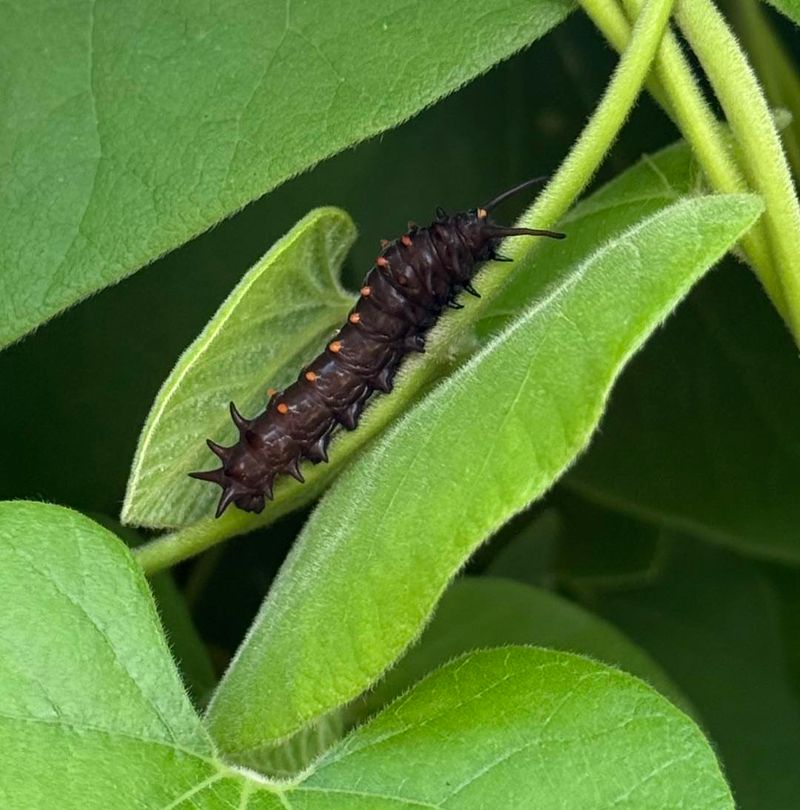
Pipevine Swallowtail butterflies depend completely on pipevine plants for their caterpillars. These stunning butterflies with iridescent blue hindwings lay eggs on pipevine leaves, and the dark caterpillars feed exclusively on this plant.
Using native Florida pipevine species is crucial because non-native varieties may not provide proper nutrition or protection.
Native Woolly Pipevine (Aristolochia tomentosa) grows in North and Central Florida, while Dutchman’s Pipe (Aristolochia macrophylla) is native to the southeastern U.S. but less common in South Florida. Choose species suited to your region for best butterfly support.
This vigorous vine climbs fences and trees, creating dense foliage where caterpillars can feed safely. Pipevine contains compounds that make the caterpillars and adult butterflies toxic to predators, providing natural protection.
Plant pipevine in partial shade to full sun with consistent moisture. This vine appreciates regular watering, especially during establishment.
It grows well across all Florida regions and can become quite large, so provide sturdy support.
The interesting flowers attract attention from gardeners while serving as essential nurseries for Pipevine Swallowtail caterpillars. These dark, spiky caterpillars may look intimidating but are harmless.
Watching them transform into beautiful swallowtails with metallic blue wings makes growing pipevine incredibly rewarding. The vine’s lush growth also provides habitat for other beneficial insects and wildlife.
5. Fennel And Dill Host Black Swallowtail Garden Visitors
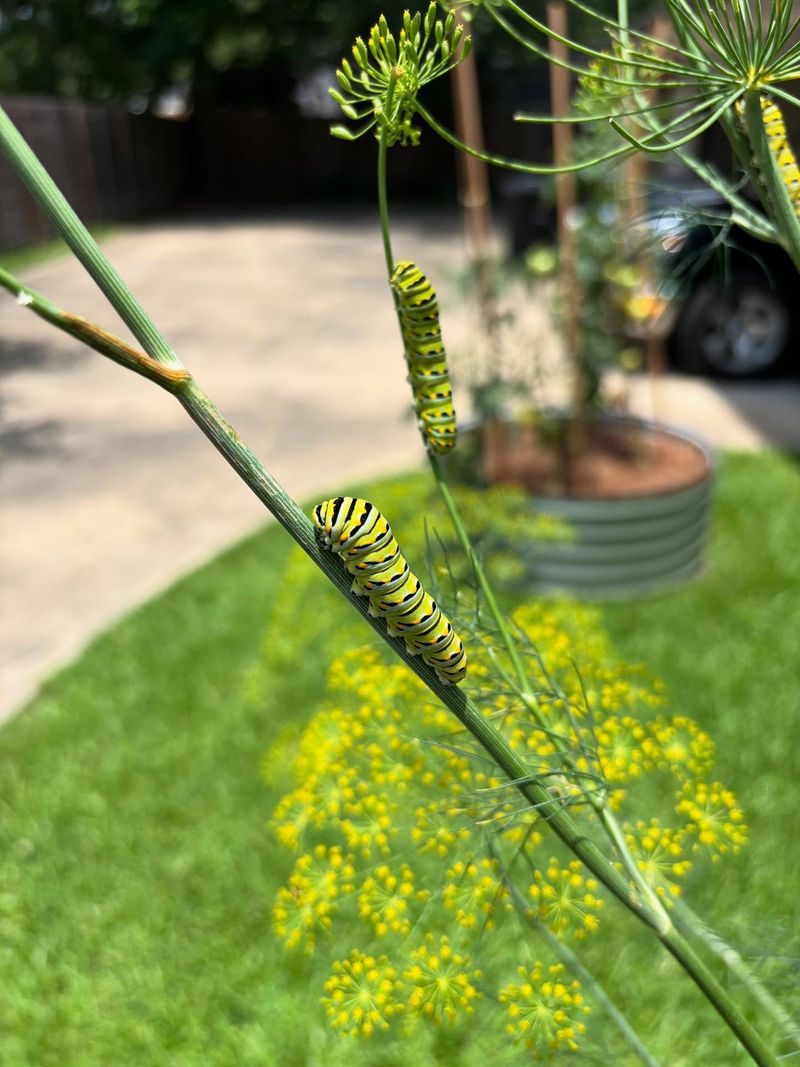
Black Swallowtail butterflies lay their eggs on plants in the carrot family, with fennel and dill being favorites in Florida gardens. The green caterpillars with black bands and yellow spots munch happily on the feathery foliage.
Growing these herbs provides food for your kitchen and nurseries for beautiful butterflies.
Both fennel and dill grow easily in Florida gardens. Plant them in full sun with well-drained soil and moderate watering.
Fennel grows as a perennial in most Florida areas, especially in North and Central regions. Dill typically grows as an annual but self-seeds readily, returning year after year.
These herbs prefer cooler months in North and Central Florida and can grow year-round in South Florida, especially if protected from frost. Plant them in herb gardens, vegetable beds, or ornamental borders where their delicate foliage adds texture.
The caterpillars may eat entire plants, so grow extras if you want herbs for cooking.
Black Swallowtail caterpillars have a unique defense mechanism. When threatened, they extend orange horn-like organs called osmeteria that release a strong smell to discourage predators.
Watching these caterpillars grow from tiny specks to plump larvae before forming chrysalises brings excitement to any garden. Plus, you can harvest herbs while supporting local butterfly populations.
6. Frogfruit Creates A Living Carpet For Crescent Butterflies
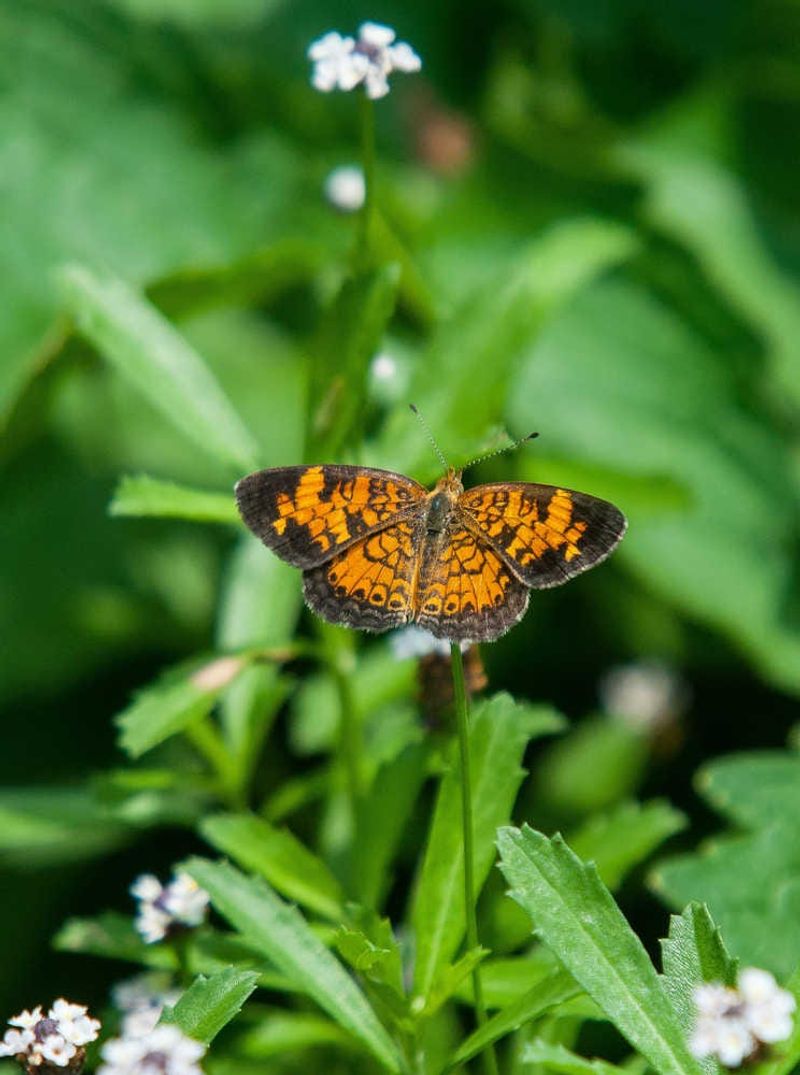
Pearl Crescent and Phaon Crescent butterflies use frogfruit as their host plant. This low-growing native groundcover spreads across the ground, creating a living carpet dotted with tiny white or purple flowers.
The small caterpillars feed on frogfruit leaves, blending in with the foliage as they grow.
Frogfruit, also called Turkey Tangle Fogfruit, grows naturally throughout Florida in moist areas but adapts to average garden conditions. This tough groundcover tolerates foot traffic reasonably well, making it an excellent lawn alternative or addition to garden paths.
It blooms nearly year-round in warmer regions, attracting adult butterflies and other pollinators.
Plant frogfruit in full sun to partial shade with regular watering until established. Once growing, it tolerates dry periods but looks best with occasional watering during droughts.
This groundcover spreads by runners, filling in bare spots quickly.
Frogfruit works beautifully in areas where you want low-maintenance greenery that supports wildlife. The constant blooms feed adult butterflies while the foliage nourishes crescent caterpillars.
You might not notice the tiny caterpillars unless you look closely, but you’ll definitely see the small orange and brown crescent butterflies fluttering low across your garden throughout warm months.
7. False Nettle Shelters Red Admiral Caterpillars
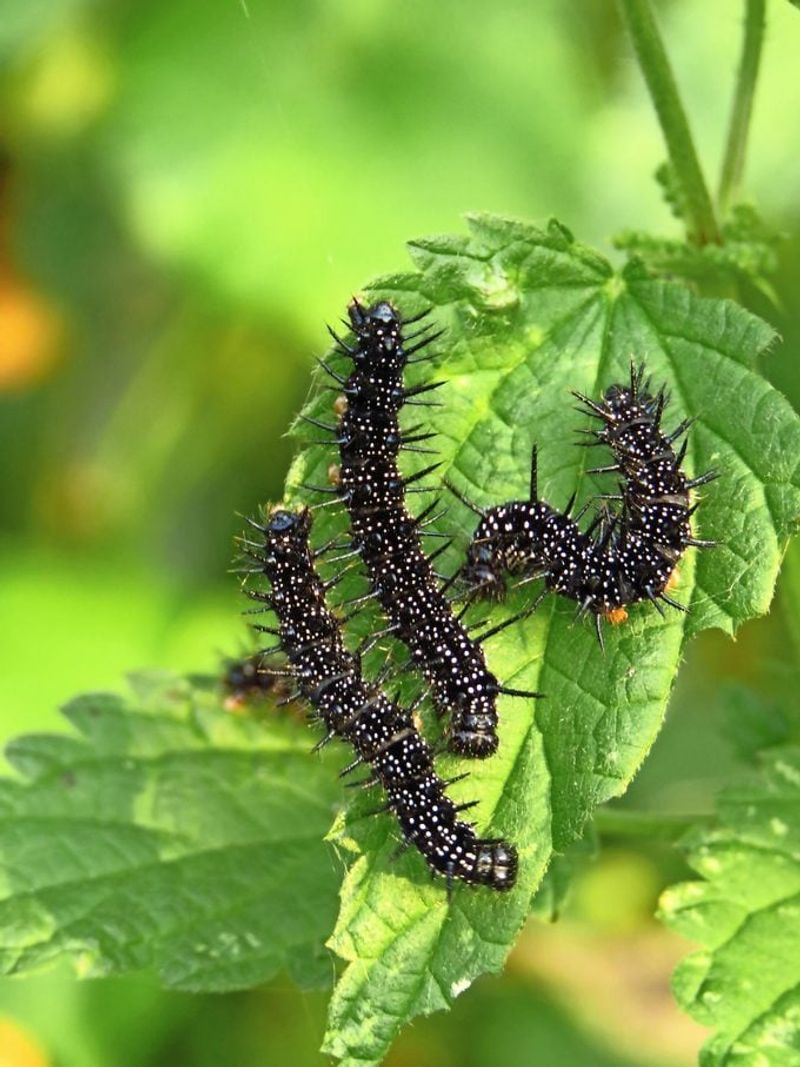
Red Admiral butterflies need plants in the nettle family for their caterpillars, and False Nettle is a Florida-native option that doesn’t sting. This herbaceous plant grows in shaded, moist areas and provides perfect habitat for Red Admiral caterpillars.
Unlike true nettles, False Nettle is completely safe to touch and handle.
False Nettle grows naturally in shaded woodlands and along stream banks throughout Florida. It prefers partial to full shade with consistent moisture, making it ideal for shady garden spots where other plants struggle.
The leaves have a slightly fuzzy texture, and the plant reaches one to three feet tall.
Red Admiral caterpillars create shelters by folding leaves and securing them with silk. They hide inside these leaf tents during the day and come out to feed at night.
This behavior helps protect them from predators and makes them fascinating to observe.
Plant False Nettle in shady areas under trees or along shaded fences where the soil stays moist. It spreads gradually and fills in nicely without becoming aggressive.
The foliage may look somewhat plain, but its value as a host plant makes it worth including in wildlife gardens. Red Admiral butterflies with their striking orange bands and white spots will reward your efforts.
8. Hackberry Tree Feeds Unique Florida Butterfly Species
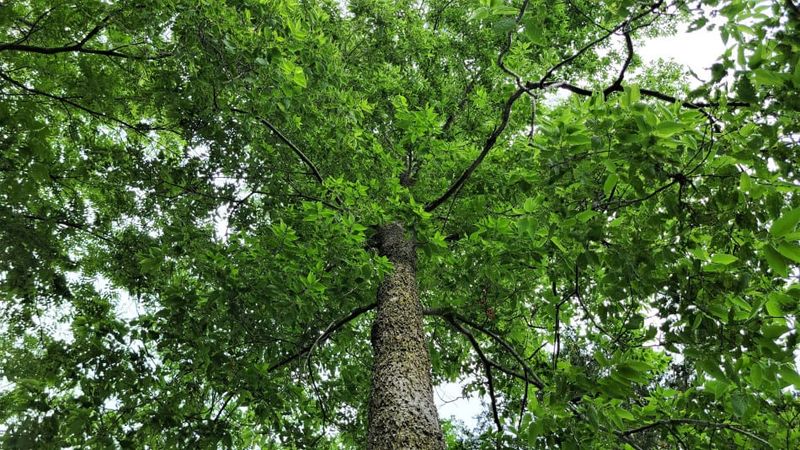
Hackberry trees serve as host plants for several butterfly species, including Hackberry Emperor, Tawny Emperor, and American Snout butterflies. These medium-sized trees provide food for caterpillars while offering shade and habitat for countless other creatures.
Native Sugarberry (Celtis laevigata), a type of hackberry, grows naturally in North and Central Florida and can tolerate a range of soil conditions, but is less common in South Florida.
Sugarberry trees grow naturally across Florida, tolerating a wide range of soil conditions from wet to dry. They reach 40 to 60 feet tall with spreading canopies that provide excellent shade.
The rough, warty bark gives trees interesting texture, and small berries feed birds in addition to hosting butterflies.
Plant hackberry trees in full sun to partial shade with moderate watering during establishment. Once mature, these trees handle drought well and need minimal care.
They work wonderfully as shade trees in yards, parks, or natural areas.
Butterfly species that use hackberry have interesting behaviors. Hackberry Emperors often land on people, seemingly curious about humans.
American Snout butterflies have long projections on their heads resembling snouts. Watching these unique butterflies around your hackberry tree adds diversity to your butterfly garden.
The tree’s size makes it suitable for larger properties where you want substantial shade and wildlife habitat.
9. Wild Lime Powers Giant Swallowtail Life Cycles
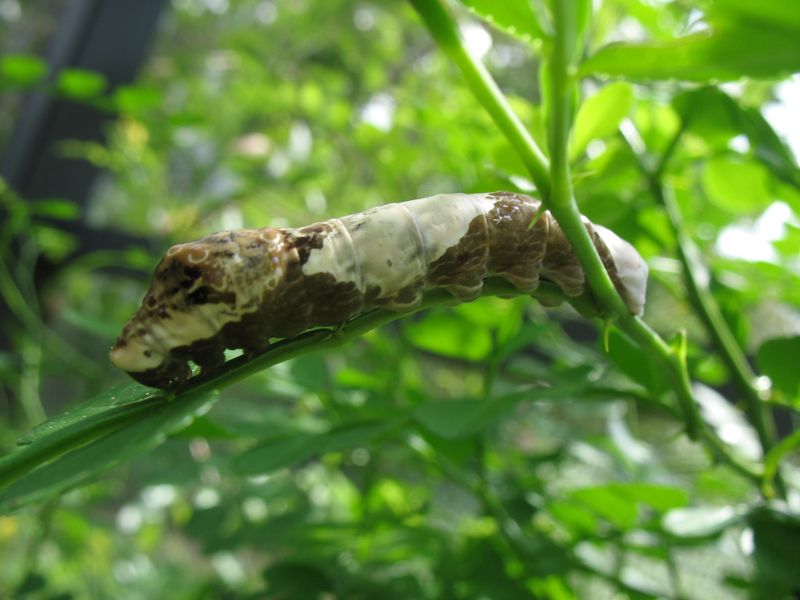
Giant Swallowtail butterflies, Florida’s largest butterfly species, lay their eggs on plants in the citrus family. Wild Lime is a native Florida tree that serves as an excellent host plant while supporting local ecosystems.
The caterpillars look remarkably like bird droppings, a clever disguise that protects them from predators.
Wild Lime (Zanthoxylum fagara), a native Florida citrus relative, grows naturally in South and Central Florida, particularly in coastal hammocks. North Florida is generally too cold for outdoor cultivation of this species, except in protected microclimates.
This small tree or large shrub reaches 15 to 20 feet tall with glossy green leaves that release a citrus scent when crushed. It produces small white flowers followed by round fruits that birds enjoy.
Plant Wild Lime in full sun to partial shade with well-drained soil. It tolerates salt spray, making it ideal for coastal properties.
In South Florida, it grows year-round, while Central Florida gardeners should plant it in protected locations. North Florida is generally too cold for Wild Lime.
Giant Swallowtail caterpillars start small and brown, looking exactly like fresh bird droppings. As they grow larger, they develop a mottled brown and white pattern that continues the disguise.
When disturbed, they extend bright orange osmeteria to startle predators. Watching these fascinating caterpillars transform into huge yellow and black swallowtails makes Wild Lime a treasured addition to butterfly gardens.