The Best Crops Texas Gardeners Should Plant In Each Lunar Phase
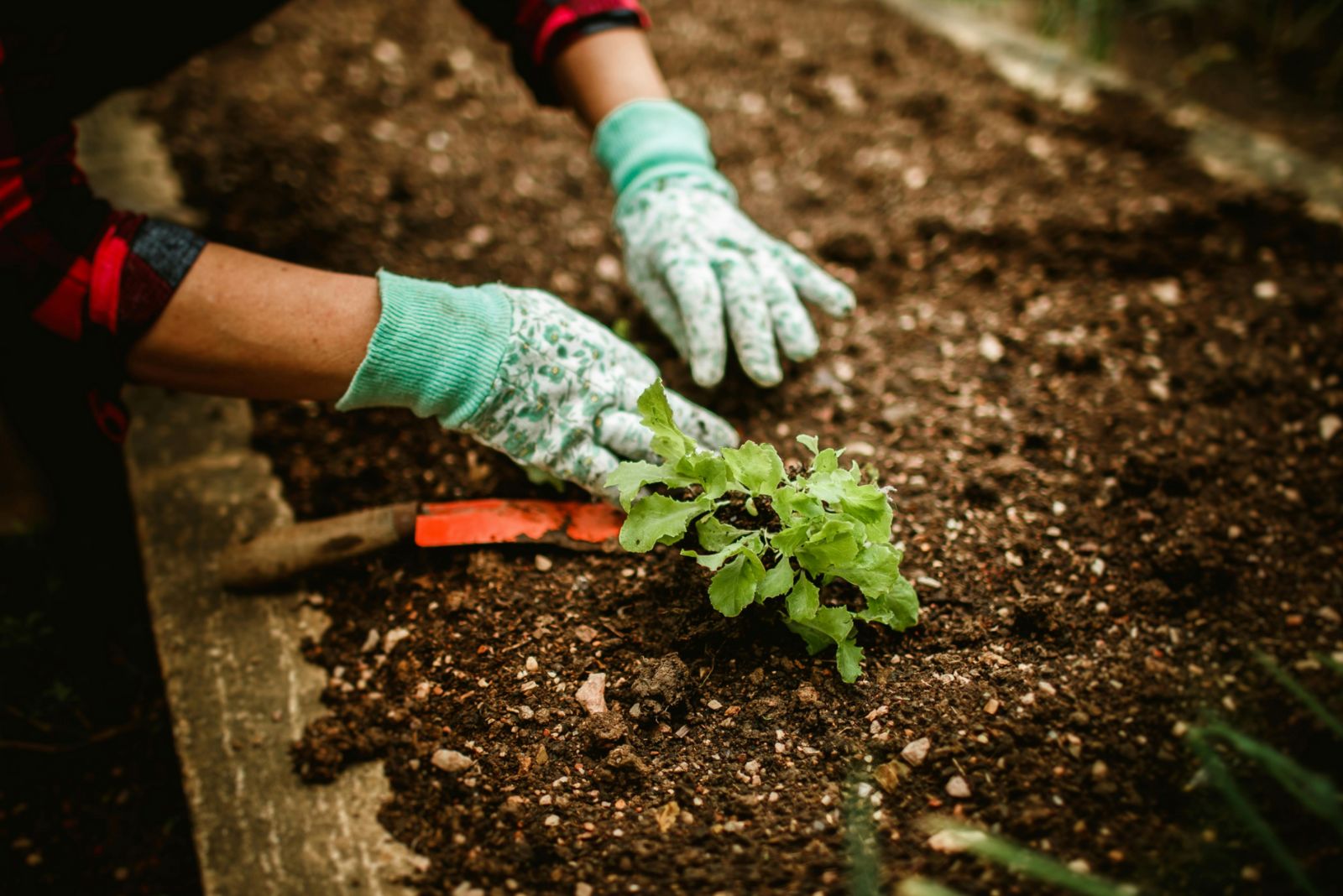
Texas gardeners know the weather can be wild, but timing your planting with the moon can make it even more rewarding.
For generations, growers have looked up at the night sky for guidance, matching lunar phases with specific crops to boost germination, strengthen roots, and encourage lush growth.
It might sound old-fashioned, yet many modern gardeners swear by this rhythm of nature. From leafy greens that love the waxing moon to root vegetables that thrive as the moon wanes, each phase offers a chance to work with nature instead of against it.
If you want healthier plants, better harvests, and a gardening routine that feels a little magical, following the lunar calendar could be your new secret weapon in the Texas garden.
Grab your gloves, check the moon phase, and get ready to plant smarter this season with confidence and plenty of homegrown flavor on your table all year round.
1. Why Plant By The Moon In Texas
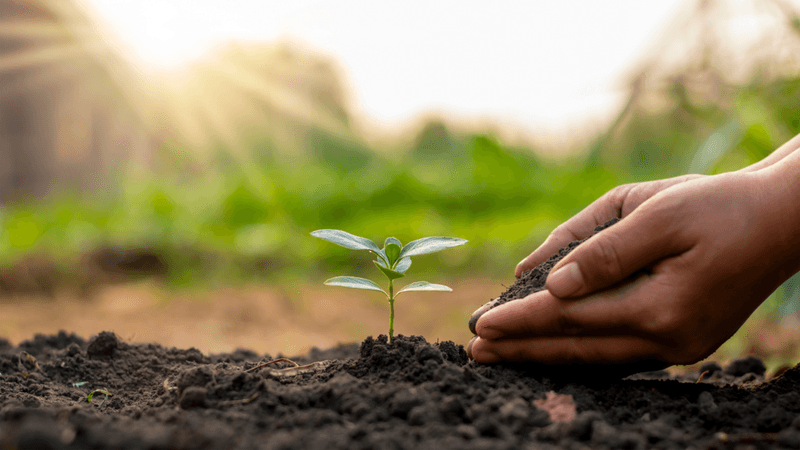
Moon phase gardening relies on the gravitational pull that affects moisture in soil and plants. Just as the moon controls tides in the ocean, it also influences water movement in the ground and inside plant cells.
This force is strongest during new and full moons, making these times particularly powerful for gardening activities.
Texas gardeners can gain real advantages by following these natural rhythms. The Lone Star State spans multiple climate zones, from zone 6 in the Panhandle to zone 9 along the coast.
Each region faces distinct challenges like summer heat waves, drought periods, and sudden temperature swings. Lunar planting adds another tool to help crops establish strong root systems before harsh conditions arrive.
Traditional farmers across Texas have used moon planting for generations with great success. They noticed that seeds planted during certain phases sprouted faster and grew more vigorously.
Modern research suggests this happens because gravitational forces during moon phases affect soil moisture levels, making water more available to seeds and young plants during optimal times.
The practice works especially well in Texas because timing matters so much here. Spring planting windows can be short before intense heat arrives.
Fall gardens need quick establishment before winter cold fronts move through. By aligning planting schedules with both moon phases and local climate patterns, Texas gardeners can maximize every growing opportunity.
This method costs nothing extra and simply requires paying attention to the lunar calendar alongside your regular gardening schedule.
2. New Moon: Focus On Root Crops
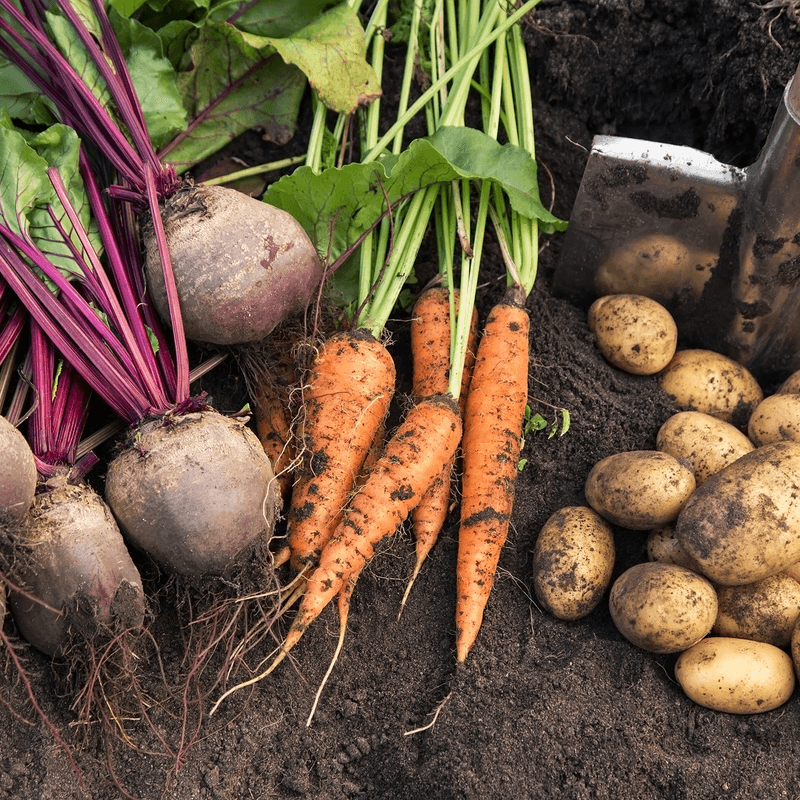
Root crops thrive when planted during the new moon phase, which lasts about seven days. During this time, the moon is barely visible or completely dark in the night sky.
Gravitational pull is strong, drawing moisture upward in the soil. This extra moisture helps seeds absorb water quickly and begin the germination process with vigor.
Carrots, potatoes, onions, and beets are perfect choices for new moon planting in Texas. These vegetables develop their edible parts underground, so they benefit from the downward energy that follows the initial moisture surge.
The new moon phase encourages strong root development right from the start, which is exactly what these crops need most.
Your Texas Garden Changes Every Week. Your Plan Should Too.
Gardening in Texas changes quickly throughout the season. Every Friday you’ll receive a simple weekly plan showing exactly what to plant, prune, fertilize, harvest, and protect so you never miss the right timing.
Texas soil preparation during this phase requires special attention. Many areas of the state have heavy clay soil that needs amendment with compost or aged manure.
Work organic matter into the top eight to twelve inches of soil before planting. In South Texas zones 8 and 9, you can plant root crops during the new moon in both spring and fall.
North Texas gardeners in zones 6 and 7 should focus new moon root plantings in early spring and late summer.
Timing your planting with soil temperature matters just as much as moon phase. Carrots and beets germinate best when soil reaches 45 to 50 degrees.
Potatoes prefer slightly warmer conditions around 50 to 55 degrees. Onion sets can go in cooler soil.
Check your local frost dates and combine that information with new moon timing for best results. This double approach gives root crops the strongest possible start in Texas gardens.
3. Waxing Moon: Above-Ground Growth
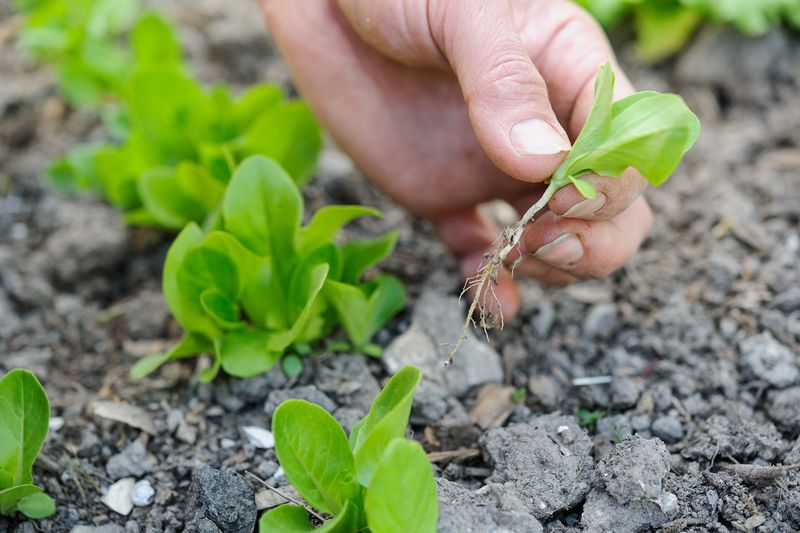
Energy builds as the moon grows from new to full during the waxing phase. This fourteen-day period brings increasing moonlight each night.
Plants respond to this growing energy by pushing leaves and stems upward with remarkable strength. Sap flow increases inside plant tissues, delivering nutrients where they are needed most for vigorous top growth.
Lettuce and spinach are excellent waxing moon crops for Texas gardens. These leafy greens develop quickly and benefit from the upward energy surge.
Plant them in early spring or fall when temperatures stay moderate. Tomatoes and peppers also respond well to waxing moon planting, though they need warmer conditions.
Wait until soil temperatures reach at least 60 degrees before setting out these heat-loving transplants.
Herbs of all kinds flourish when planted during the waxing moon. Basil, cilantro, parsley, and dill all produce abundant foliage during this phase.
The increasing light seems to encourage leaf production, which is exactly what you want from herb plants. In Texas, herbs can be planted during the waxing moon throughout the growing season, though some need shade during the hottest summer months.
Texas heat and sun exposure require special consideration during this phase. Even though the waxing moon encourages growth, young transplants can struggle in intense afternoon sun.
Provide shade cloth for tender seedlings during their first week in the ground. Water deeply in the morning so plants have moisture reserves for hot afternoons.
Mulch around plants to keep roots cool and retain soil moisture. By combining waxing moon energy with smart heat management, Texas gardeners can grow amazing above-ground crops.
4. Full Moon: Strong Growth And Yield
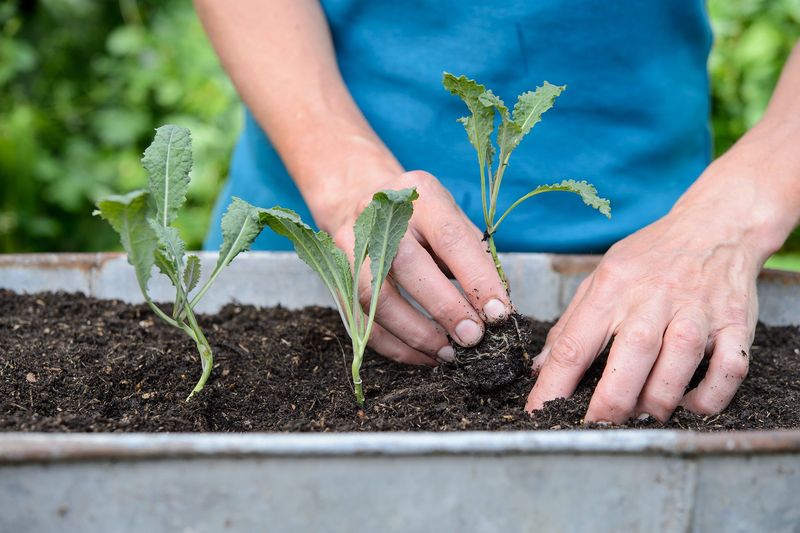
Maximum gravitational pull occurs during the full moon, creating optimal conditions for plant vigor. This phase lasts only a few days but packs tremendous growing power.
Moisture levels in soil reach their peak, and plants can access water and nutrients with minimal effort. Energy flows freely through stems and leaves, supporting rapid development and strong fruiting.
Leafy greens planted or transplanted during the full moon produce abundant harvests. Lettuce, kale, chard, and collards all benefit from this timing.
The full moon phase gives these crops a boost that results in larger leaves and faster maturity.
Texas gardeners can succession plant leafy greens during each full moon from February through April and again from September through November for continuous harvests.
Annual flowers also thrive when planted during the full moon. Zinnias, sunflowers, and marigolds establish quickly and bloom profusely.
These flowers not only beautify Texas gardens but also attract beneficial insects that help control pests.
Fruiting plants like squash, cucumbers, and beans respond positively to full moon transplanting. The extra energy helps them set flowers and develop fruit more abundantly.
Transplanting during the full moon minimizes shock and speeds establishment. Young plants moved from pots to garden beds during this phase adapt quickly to their new environment.
Their roots spread rapidly into surrounding soil, anchoring plants firmly. In Texas, where summer heat can stress transplants, this quick establishment makes a real difference.
Plan your transplanting schedule around full moons, and you will notice plants that settle in faster and start producing sooner than those moved at other times.
5. Waning Moon: Root Development And Maintenance
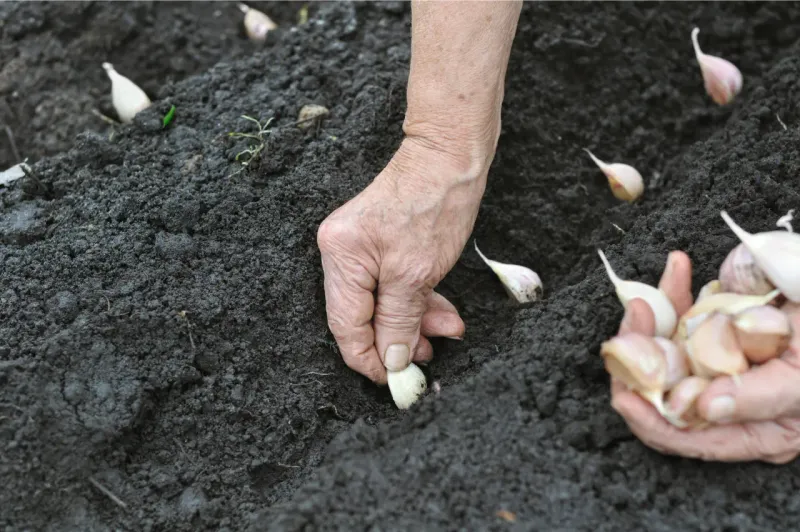
After the full moon passes, the waning phase begins and lasts about fourteen days. Moonlight decreases each night as the moon shrinks back toward darkness.
Energy shifts downward during this time, moving from leaves and stems into roots and soil. This makes the waning moon perfect for planting crops that develop underground and for important garden maintenance tasks.
Root vegetables planted during the waning moon develop strong, healthy underground systems. Garlic cloves planted in October or November during the waning moon establish robust roots before winter.
These roots support vigorous spring growth and larger bulb development at harvest time. Other bulbs like shallots and multiplier onions also benefit from waning moon planting.
In Texas, fall planting of these crops during the waning moon sets them up for excellent spring harvests.
Carrots, turnips, and radishes planted during the waning moon focus energy on root expansion rather than leaf growth. This produces larger, more flavorful roots with better texture.
Texas gardeners can plant these crops during waning moons in both spring and fall, adjusting timing based on their specific climate zone. North Texas gardeners should plant earlier in fall, while South Texas gardeners can continue planting later into winter.
Garden maintenance activities work best during the waning moon phase. Weeding becomes more effective because pulled weeds are less likely to resprout when removed during this downward energy time.
Soil improvement through composting and mulching aligns well with the waning moon. Pruning unwanted growth slows regrowth, keeping plants under control.
Texas gardeners can use this phase to prepare beds, remove spent plants, and organize the garden without encouraging excessive new growth.
6. Combining Moon Phases With Texas Climate
Successful Texas gardening requires balancing multiple factors beyond just moon phases. Frost dates vary dramatically across the state, from late February last frosts in the Rio Grande Valley to mid-April in the Panhandle.
First fall frosts range from early November in northern regions to December or later in southern areas. Smart gardeners track these dates carefully and plan plantings that align both with safe frost windows and favorable moon phases.
Soil temperature matters even more than air temperature for seed germination and transplant success. Invest in a soil thermometer and check ground temperature before planting.
Cool-season crops like lettuce and carrots can handle soil temperatures in the 40s and 50s. Warm-season crops like tomatoes, peppers, and squash need soil at least 60 degrees, preferably warmer.
When the right soil temperature coincides with an appropriate moon phase, conditions are ideal for planting.
Texas heat patterns create unique challenges that lunar planting alone cannot solve. Summer temperatures regularly exceed 95 degrees across most of the state, and many areas see weeks above 100 degrees.
Even plants started during optimal moon phases will struggle without adequate water, mulch, and sometimes shade.
Combine moon phase timing with heat management strategies like afternoon shade cloth, deep mulching, and morning watering for best results.
Regional climate differences within Texas mean gardeners must adapt lunar planting to local conditions. Coastal gardeners deal with humidity and hurricanes.
West Texas gardeners face intense sun and low rainfall. North Texas experiences wider temperature swings and occasional late freezes.
Use moon phase guidelines as one tool among many, always prioritizing the specific needs of your climate zone. This combined approach produces optimal harvests throughout the growing season.