The Best Groundcovers For Texas Gardens Your Chickens Will Love
If you share your Texas garden with a flock of busy, curious chickens, you already know they love to scratch, peck, and snack their way across anything green.
The trick is choosing groundcovers tough enough to handle their daily adventures while still looking lush and inviting.
The right plants can help control dust, reduce mud, keep weeds in check, and even offer your birds a tasty, nutritious treat.
Some varieties bounce back quickly after scratching, while others provide cool shade and soft foraging spots during those long, hot Texas afternoons.
With smart choices, your garden can stay vibrant and chicken friendly at the same time. From hardy greens to low growing favorites that thrive in Texas heat, there are plenty of options that both you and your feathered helpers will appreciate.
A beautiful yard and happy hens can absolutely go hand in hand with the right groundcover choices.
1. Clover
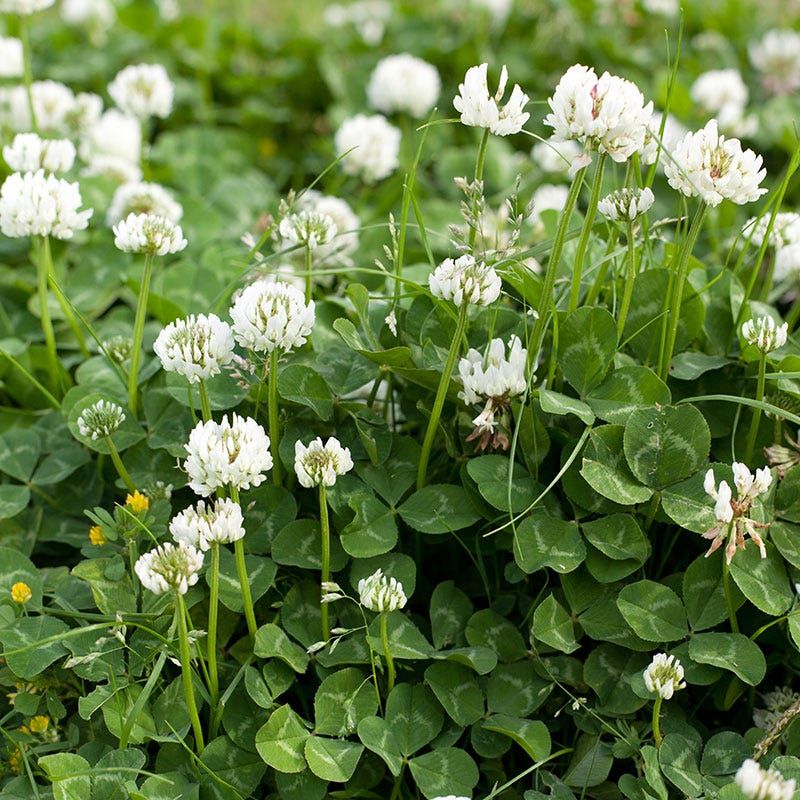
Clover stands out as one of the most beneficial groundcovers you can plant in your Texas chicken garden. This nitrogen-fixing plant actually improves your soil quality while providing your flock with protein-rich forage that they absolutely adore.
Chickens will spend hours happily pecking at clover leaves and flowers, getting essential nutrients that improve egg quality and overall health.
Texas gardeners love clover because it tolerates both sun and partial shade, making it versatile for different areas of your property.
The plant spreads quickly through runners and self-seeding, creating a thick mat that suppresses weeds and reduces dust in your chicken run.
White Dutch clover and red clover both perform excellently in Texas, though white clover handles foot traffic better.
Your chickens will benefit from the high protein content in clover, which can reach up to 25 percent in fresh growth. This natural supplement reduces your feed costs while giving your birds variety in their diet.
The flowers attract beneficial insects that chickens also enjoy eating, creating a complete ecosystem.
Clover requires minimal maintenance once established in Texas gardens. It needs moderate watering during dry spells but becomes quite drought-tolerant after the first season.
The plant stays green longer than grass during hot Texas summers, providing consistent forage for your flock.
One major advantage is that clover fixes nitrogen from the air, enriching your soil naturally without chemical fertilizers. This means healthier plants throughout your garden and better nutrition for your chickens.
Plant clover in spring or fall across Texas for best results, and watch your chickens thrive on this nutritious groundcover.
2. Bermuda Grass
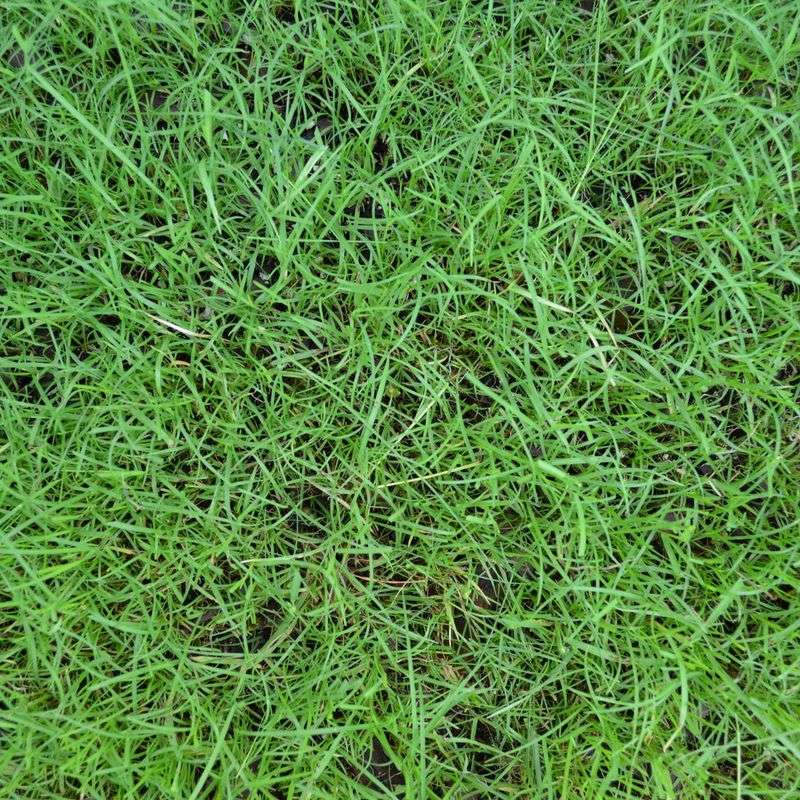
Few groundcovers match Bermuda grass when it comes to durability in Texas chicken gardens. This tough grass variety withstands constant scratching, pecking, and traffic from your flock while bouncing back quickly from damage.
Chickens enjoy nibbling on the tender grass blades, and the dense growth pattern helps control erosion and mud problems in high-traffic areas.
Bermuda grass thrives in the hot Texas climate, actually preferring the intense summer heat that challenges many other plants.
It spreads aggressively through both stolons and rhizomes, filling in bare patches rapidly and creating a thick carpet that chickens love to forage through.
Your Texas Garden Changes Every Week. Your Plan Should Too.
Gardening in Texas changes quickly throughout the season. Every Friday you’ll receive a simple weekly plan showing exactly what to plant, prune, fertilize, harvest, and protect so you never miss the right timing.
The grass provides shade at ground level, keeping the soil cooler and creating habitat for insects that chickens hunt.
Your flock will appreciate the constant supply of fresh greens that Bermuda grass provides throughout the growing season. The grass contains vitamins and minerals that supplement their diet naturally, and chickens instinctively know to graze on it regularly.
During spring and summer in Texas, Bermuda grass grows so vigorously that your chickens cannot keep up with it.
This groundcover requires full sun and handles drought conditions remarkably well once established across Texas landscapes. It needs regular watering during establishment but becomes incredibly resilient afterward.
Bermuda grass goes dormant and turns brown during winter, but it greens up quickly when warm weather returns.
The dense root system of Bermuda grass helps prevent your chickens from creating dust bowls in their favorite spots. It also reduces mud during rainy periods, keeping your flock cleaner and healthier.
Plant Bermuda grass in spring throughout Texas, and it will establish quickly to provide years of durable groundcover for your chicken garden.
3. Purslane
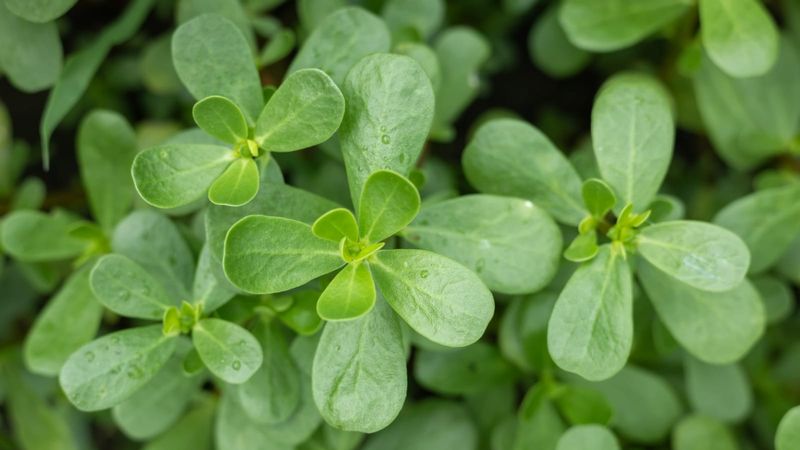
Purslane offers something special for Texas chicken keepers who want to maximize nutrition for their flock.
This succulent groundcover contains more omega-3 fatty acids than any other leafy vegetable, making it a superfood for chickens that improves egg quality significantly. Chickens go crazy for purslane, often choosing it over other treats when given the option.
Texas summers do not faze purslane at all since it actually thrives in hot, dry conditions that stress other plants. The thick, fleshy leaves store water, allowing purslane to survive drought periods while still providing lush forage for your birds.
It spreads quickly across bare ground, creating a living mulch that cools the soil and suppresses weeds.
Your chickens will benefit from the impressive nutritional profile of purslane, which includes vitamins A, C, and E along with important minerals. The plant contains seven times more beta-carotene than carrots, which translates to deeper orange egg yolks.
Chickens eat both the leaves and stems enthusiastically, and purslane grows back rapidly after grazing.
Purslane requires almost no maintenance in Texas gardens, often appearing as a volunteer plant that many people mistakenly consider a weed. It prefers full sun but tolerates partial shade, and it needs very little water once established.
The plant produces tiny yellow flowers that add visual interest while attracting beneficial insects.
One fantastic feature of purslane is its ability to reseed itself, returning year after year in Texas gardens without replanting. It handles chicken traffic well and fills in quickly around areas where chickens dust bathe.
Plant purslane seeds in late spring after the last frost, or simply allow it to volunteer naturally in your Texas chicken garden for free, nutritious groundcover.
4. Chickweed
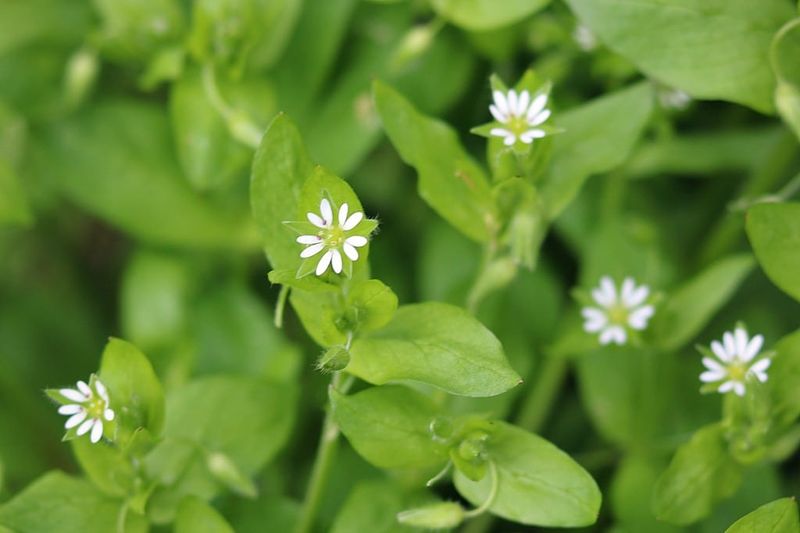
Despite its common name, chickweed was not named after backyard chickens, but these birds certainly act like it was made specifically for them.
This tender annual grows prolifically during Texas winters and early spring, providing fresh greens when other plants go dormant.
Chickens absolutely love the mild flavor and soft texture, often clearing patches of chickweed down to the ground within hours.
Texas chicken keepers appreciate how chickweed thrives in cooler months, filling the seasonal gap when warm-season groundcovers rest. It grows quickly in partial shade or full sun, spreading across bare soil and creating a lush green carpet.
The plant produces tiny white star-shaped flowers that add beauty to your chicken garden while providing additional forage.
Chickweed packs impressive nutrition into its delicate appearance, containing high levels of vitamins and minerals that boost chicken health during winter months.
The plant has traditionally been used as a medicinal herb, and chickens seem to instinctively seek it out when they need its benefits. Fresh chickweed improves digestion and provides moisture during dry Texas winters.
Your flock will enjoy both the leaves and stems of chickweed, eating it right down to the crown. The plant regrows quickly from the base, providing multiple harvests throughout its growing season.
Chickweed self-seeds readily, ensuring it returns each year without replanting in most Texas locations.
This groundcover requires minimal care and actually prefers the cooler temperatures that arrive in fall across Texas. It needs regular moisture but not excessive watering, making it perfect for areas that stay naturally damp.
Chickweed handles light foot traffic from chickens and spreads rapidly to cover bare spots. Allow chickweed to establish naturally in your Texas chicken garden, or scatter seeds in fall for a winter wonderland that your flock will devour with enthusiasm.
5. Oregano
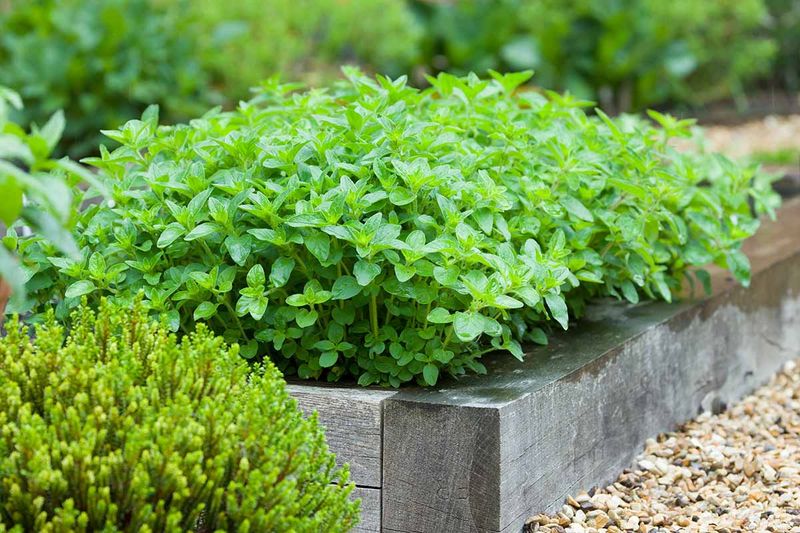
Oregano brings both culinary value and chicken health benefits to Texas gardens, serving double duty as a flavorful herb and durable groundcover.
This Mediterranean native thrives in the hot, dry conditions that Texas summers deliver, becoming more fragrant and potent in full sun.
Chickens nibble on oregano leaves regularly, benefiting from the natural antibacterial and antiparasitic properties that this herb provides.
Texas gardeners find oregano incredibly easy to grow, as it tolerates poor soil, drought, and neglect while still spreading vigorously. The plant forms a dense mat that suppresses weeds and provides textured groundcover in chicken areas.
Greek oregano and Italian oregano both perform excellently across Texas, with Greek varieties offering stronger flavor and more compact growth.
Your chickens will enjoy the aromatic leaves of oregano, which contain compounds that support respiratory health and boost immune function naturally. Studies show that oregano has antimicrobial properties that can help prevent common chicken ailments.
The herb also improves egg flavor subtly, and you can harvest it for your own kitchen while your chickens graze on it.
Oregano produces attractive purple or pink flowers in summer that attract pollinators and beneficial insects to your Texas garden. Chickens enjoy eating the flowers too, adding variety to their forage.
The plant stays evergreen in most Texas regions, providing year-round interest and nutrition.
This hardy groundcover requires excellent drainage but very little water once established in Texas gardens. It spreads through underground runners, filling in bare areas steadily without becoming invasive.
Oregano handles chicken traffic reasonably well, though it grows best in areas where chickens visit occasionally rather than constantly.
Plant oregano in spring throughout Texas, and enjoy watching your flock benefit from this aromatic, healthful groundcover that serves your family too.
6. Sedum
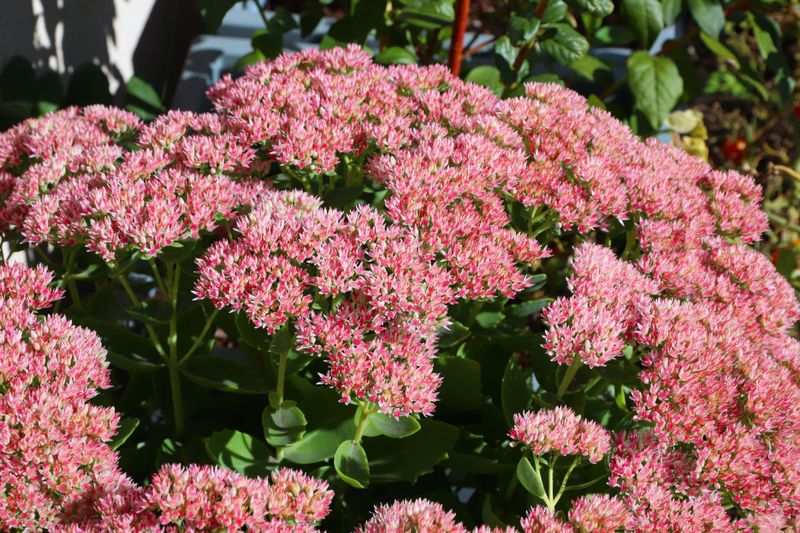
Sedum offers Texas chicken keepers a unique groundcover solution that combines beauty, durability, and chicken appeal in one package. These succulent plants store water in their thick leaves, making them perfect for hot Texas climates where drought tolerance matters.
Chickens peck at sedum leaves occasionally, enjoying the moisture-rich foliage especially during hot summer days.
Dozens of sedum varieties thrive in Texas gardens, from low creeping types to taller upright forms. The groundcover varieties spread quickly across bare soil, creating colorful mats in shades of green, blue, purple, and red.
Sedum handles poor soil conditions that challenge other plants, growing successfully in rocky or sandy areas where chickens have scratched away topsoil.
Your flock will appreciate sedum primarily for the insects it attracts rather than as a primary food source. The flowers draw butterflies, bees, and other beneficial insects that chickens love to hunt.
Sedum also provides shade at ground level, keeping soil cooler and creating habitat for bugs that chickens eagerly pursue.
Texas gardeners love how sedum requires almost zero maintenance once established in the landscape. It needs no fertilizer, minimal water, and thrives on neglect that would stress other groundcovers.
The plant spreads by dropping leaves that root where they land, gradually covering large areas without aggressive growth.
Sedum stays attractive year-round in most Texas locations, providing consistent visual interest in your chicken garden.
It handles moderate foot traffic from chickens and bounces back quickly if damaged. The succulent nature of sedum means it rarely suffers from pests or diseases.
Plant sedum in spring or fall across Texas, choosing varieties suited to your specific region. This groundcover works especially well in areas with good drainage where other plants struggle, creating living art that your chickens can enjoy safely throughout the year.
7. Comfrey
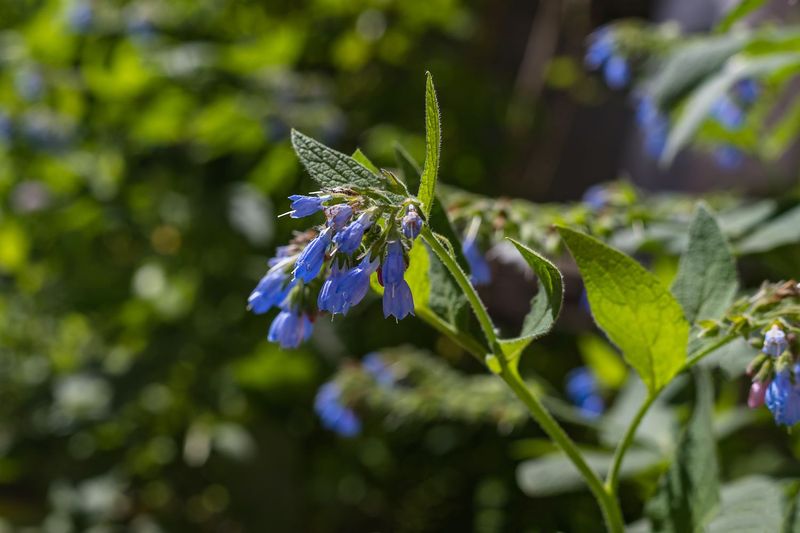
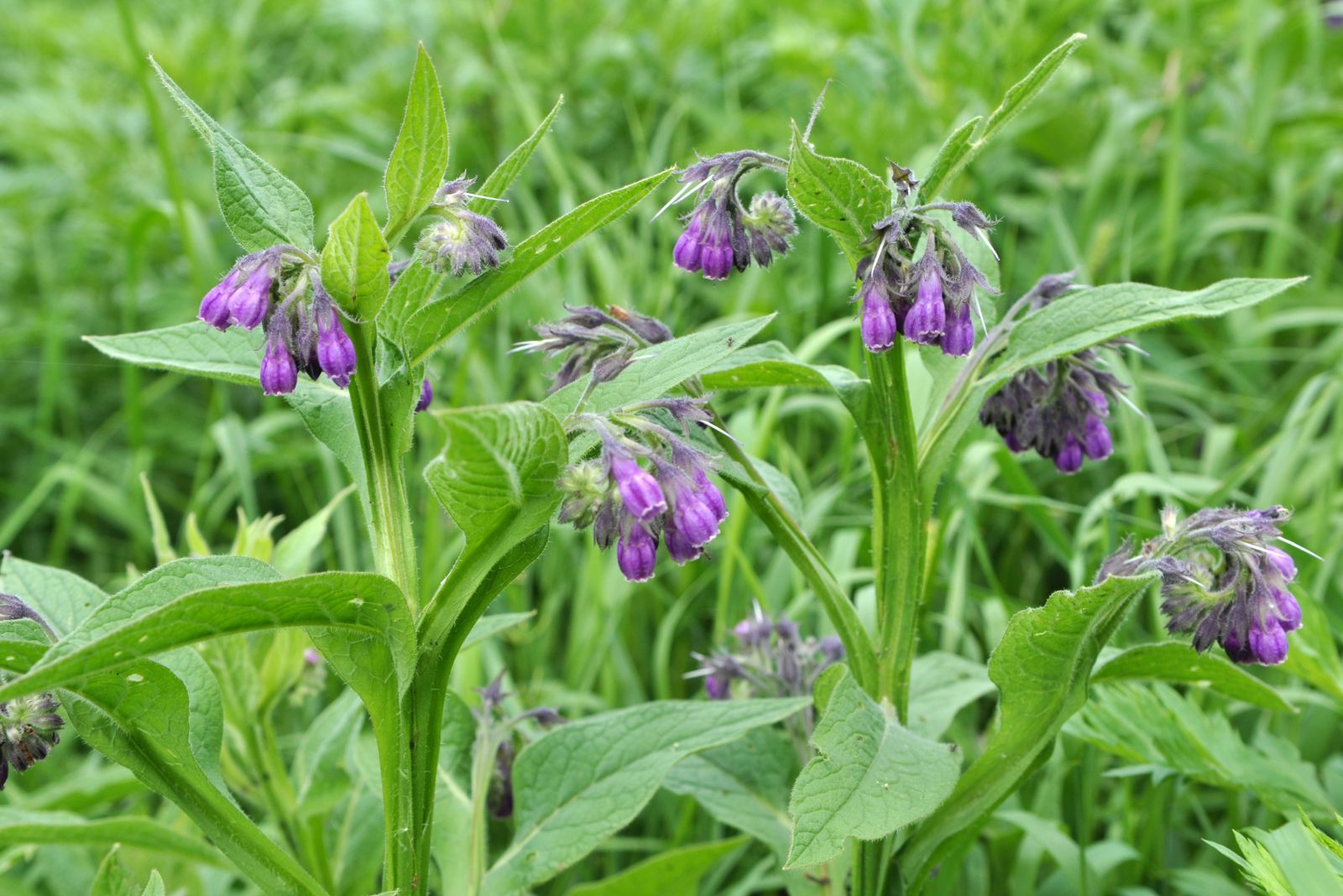
Comfrey deserves recognition as the powerhouse groundcover for serious Texas chicken keepers who want maximum nutrition for their flock. This perennial herb produces enormous leaves packed with protein, vitamins, and minerals that chickens devour eagerly.
Comfrey has been called a dynamic accumulator because its deep roots pull nutrients from far below the surface, concentrating them in the leaves.
Texas gardens benefit from comfrey because it tolerates heat, handles poor soil, and grows vigorously once established. The plant produces beautiful purple or white bell-shaped flowers that attract pollinators while providing additional forage for chickens.
Comfrey grows three to four feet tall, creating shade and cover that chickens appreciate during hot Texas summers.
Your chickens will thrive on comfrey leaves, which contain more protein than most other forage plants available in Texas. The leaves also provide calcium, potassium, and other minerals essential for strong eggshells and healthy bones.
Chickens eat comfrey enthusiastically, and you can harvest leaves regularly to feed your flock or add to compost.
Comfrey requires space since it grows into large clumps that spread slowly over time. It prefers full sun to partial shade and needs regular water during establishment, though mature plants tolerate drought reasonably well across Texas.
The deep taproot makes comfrey nearly impossible to remove, so plant it where you want permanent groundcover.
This plant returns reliably each spring in Texas gardens, even after harsh winters. It dies back to the ground in cold weather but rebounds vigorously when temperatures warm.
Comfrey handles chicken traffic around its edges, though the main clump needs protection from constant scratching.
Plant comfrey root cuttings in spring throughout Texas, spacing them several feet apart. Your chickens will reward you with healthy appetites and beautiful eggs from this nutritional groundcover that keeps producing year after year in your Texas garden.