When Is The Best Time To Prune Trees In Florida (Read Before You Cut)
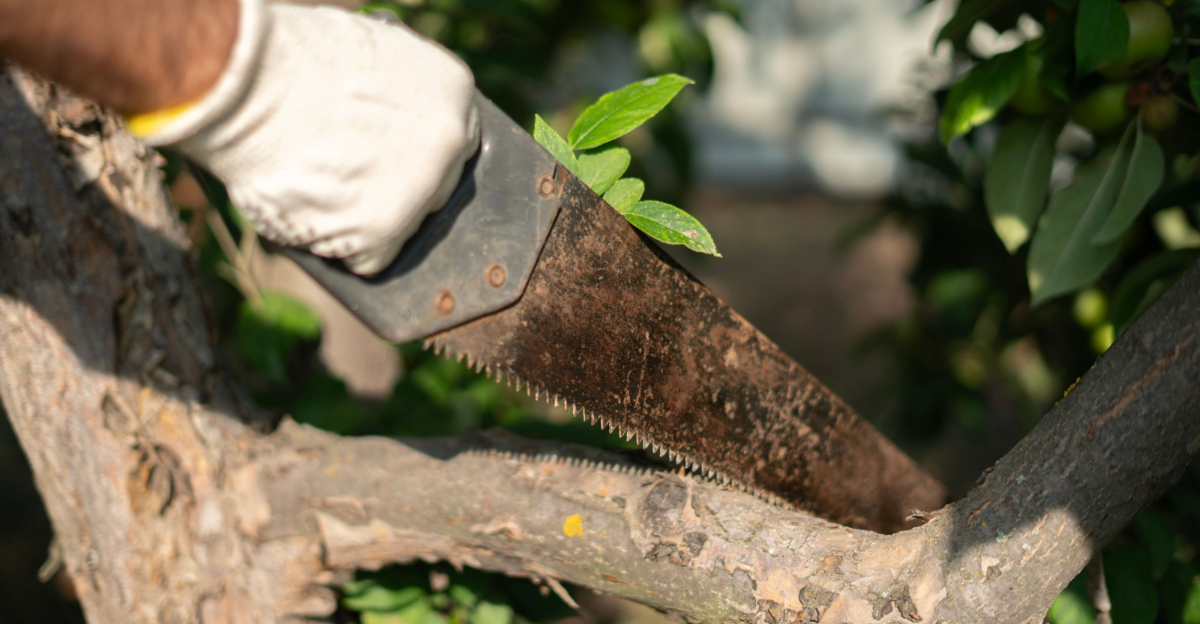
Pruning at the wrong time can do more harm than good in Florida, and one bad cut may weaken a tree for an entire season. Warm weather, fast growth, and sudden storms make timing critical for both health and safety.
Cut too early and tender growth may suffer, cut too late and you risk stress, disease, or poor flowering.
Many homeowners reach for the pruners without knowing that different trees follow very different schedules. Shade trees, fruit trees, and flowering varieties each respond to timing in their own way.
The good news is that with the right knowledge, pruning can strengthen structure, boost blooms, and protect your landscape from storm damage.
Before you make the first cut, learn when Florida trees respond best, how timing affects growth, and what simple mistakes can cost you months of recovery. Your trees depend on smart timing, not guesswork.
1. Many Florida Trees Are Best Pruned In Late Winter
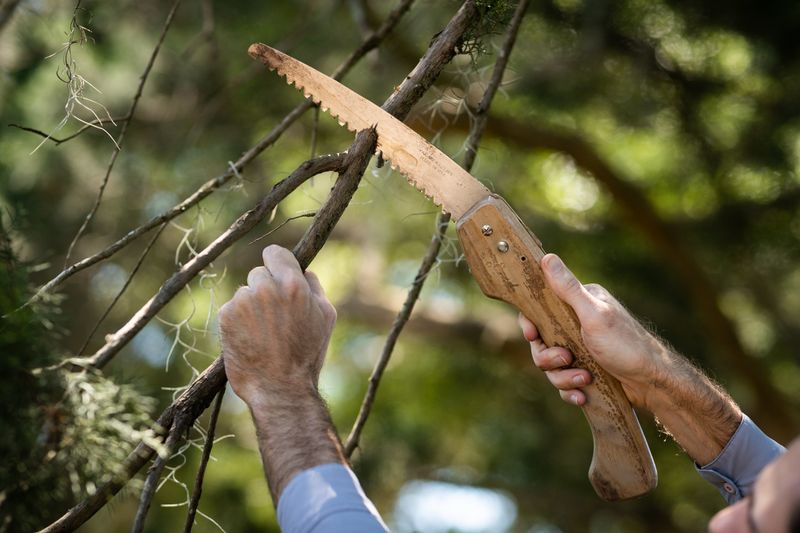
Late winter offers the safest pruning window for most Florida trees because growth is slower and many trees are less actively growing. During this period, trees have stored energy in their roots and aren’t actively pushing out tender new growth that could be damaged.
Pruning wounds also heal faster once spring arrives, and you’ll face fewer problems with disease-spreading insects that become active in warmer months.
The exact timing shifts depending on where you live in Florida. North Florida residents should aim for January through early February, while Central Florida can extend into mid-February.
South Florida gardeners have the most flexibility since hard freezes rarely threaten that region.
This season gives you a clear view of the tree’s structure without leaves blocking your sight lines. You can easily spot crossing branches, weak attachments, and damaged wood that needs removal.
The tree responds to pruning cuts by directing energy toward healthy growth once temperatures warm up.
Pest populations stay low during cooler months, which matters because fresh cuts can attract harmful insects. Some tree diseases and wood-boring insects are less active during cooler months, reducing risk when pruning.
Late winter pruning also reduces stress on trees since they’re not simultaneously trying to grow leaves, produce flowers, and heal wounds all at once.
2. Your Region Changes The Timing
Florida stretches nearly 450 miles from north to south, creating dramatically different growing conditions across the state. North Florida experiences genuine winter dormancy with regular frosts and occasional hard freezes that can damage tender growth.
Trees in this region follow patterns more similar to their counterparts in Georgia than to those growing in Miami.
Central Florida sits in a transition zone where light freezes happen some years but not others. Trees here may slow their growth during winter but rarely go fully dormant.
This in-between status means you need to watch weather forecasts carefully and avoid pruning right before predicted cold snaps.
South Florida’s tropical and subtropical climate keeps most trees actively growing year-round. True dormancy doesn’t occur for many species, which changes the pruning strategy entirely.
Your Florida Garden Changes Every Week. Your Plan Should Too.
Gardening in Florida changes quickly throughout the season. Every Friday you’ll receive a simple weekly plan showing exactly what to plant, prune, fertilize, harvest, and protect so you never miss the right timing.
You’re working with trees that never really rest, so timing becomes more about avoiding stress periods than waiting for dormancy.
These regional differences affect when new growth emerges, when trees flower, and how quickly wounds heal. A pruning schedule that works perfectly in Jacksonville could cause problems in Fort Lauderdale.
Understanding your specific hardiness zone helps you make better decisions about when to pick up those pruning shears and when to wait.
3. Don’t Make This Common Pruning Mistake
Homeowners often prune when it’s convenient for them rather than when it’s best for the tree. Grabbing the saw on a random Saturday in July or October might fit your schedule, but it can set your tree up for months of struggle.
Pruning during active growth periods forces trees to divert energy away from important functions like root development and food storage.
Another major error involves removing too much canopy at once. Trees need their leaves to produce food through photosynthesis, and stripping away more than 25 percent of the canopy in a single season creates serious stress.
This becomes especially problematic in Florida’s intense summer heat when trees rely heavily on their leaves for cooling through transpiration.
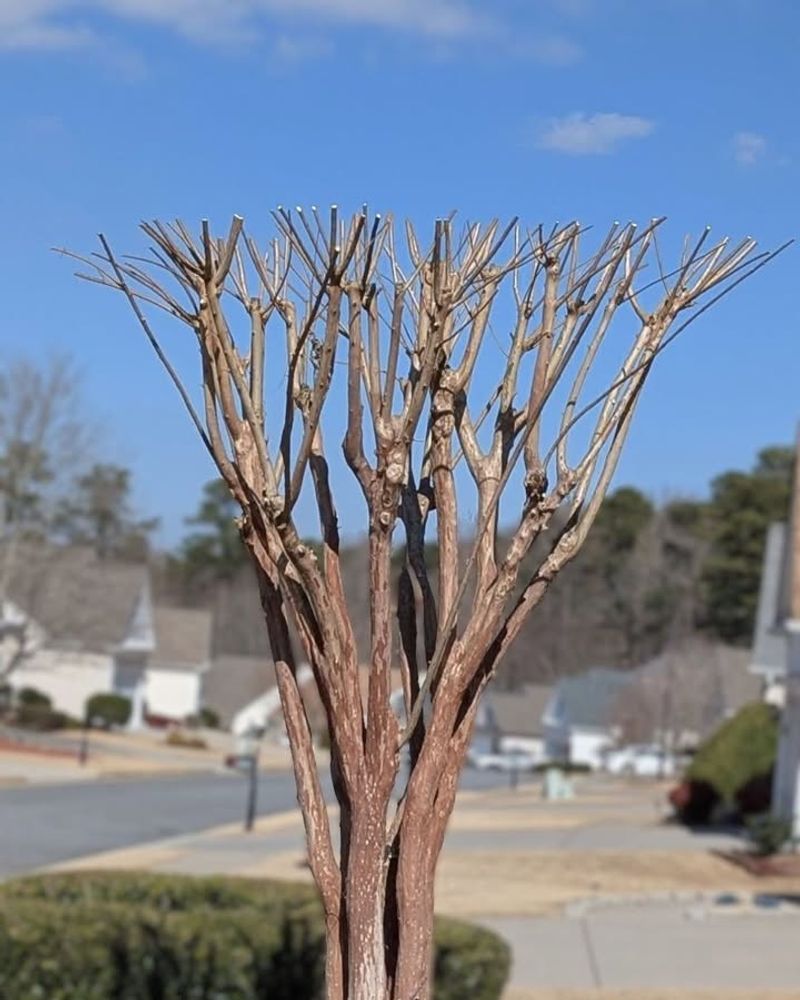
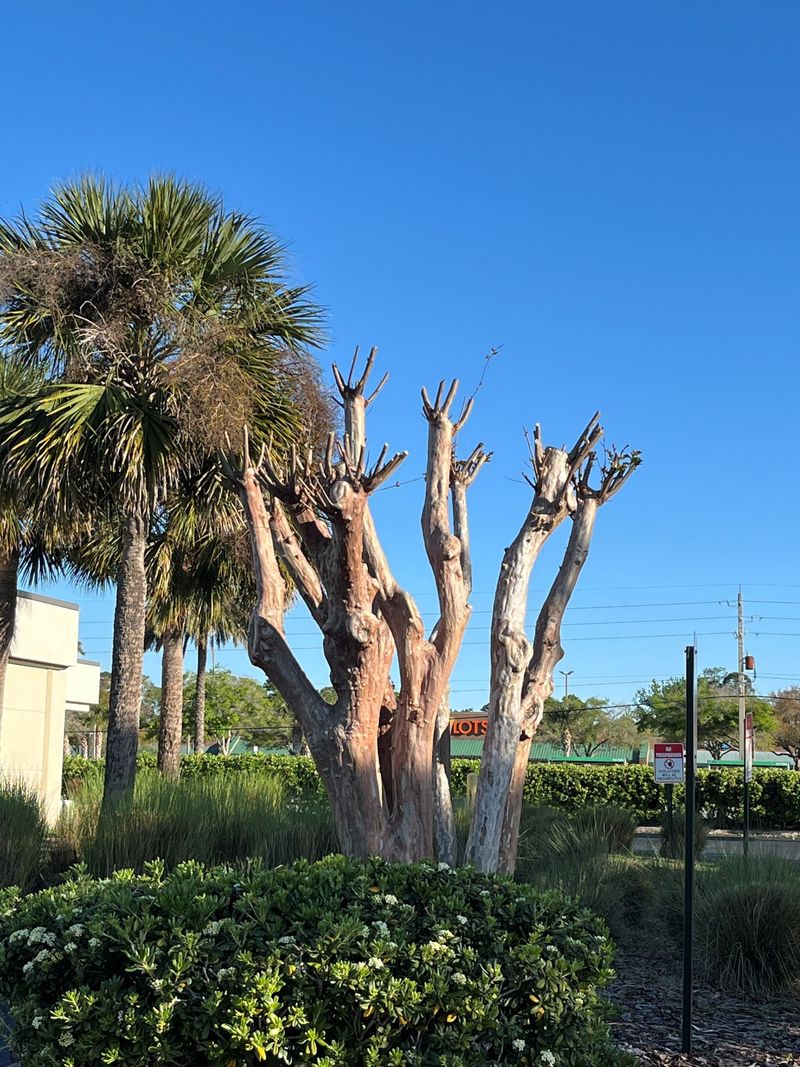
Topping trees ranks among the worst mistakes you can make. This practice involves cutting main branches back to stubs, which triggers rapid growth of weak, poorly attached shoots.
These new branches break easily during storms and create ongoing maintenance headaches. Topped trees also become more vulnerable to pests and diseases entering through the large wounds.
Pruning stressed trees compounds their problems rather than helping them recover. If your tree is already struggling with drought, disease, or recent transplant shock, wait until it regains vigor before pruning.
The exception is removing clearly damaged or diseased wood that poses an immediate threat.
4. Skip Early Spring Pruning
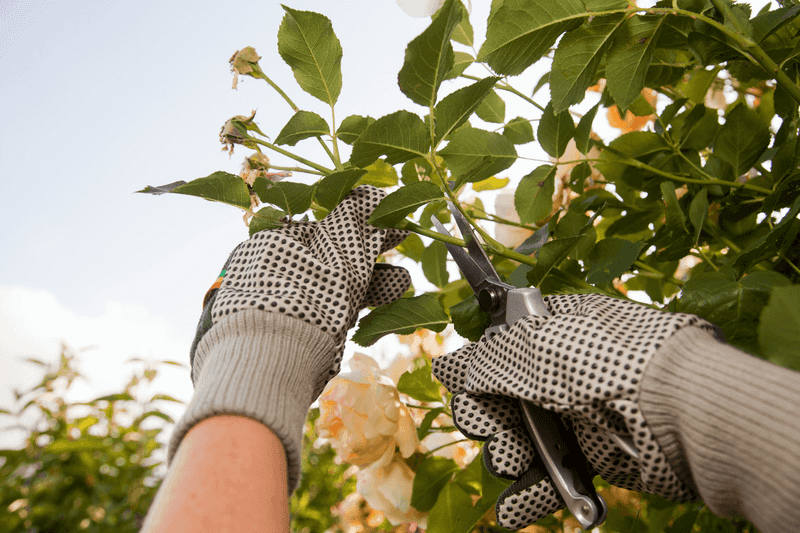
Spring arrives with an explosion of new growth as trees push out tender leaves, shoots, and flowers. This surge requires enormous energy, and pruning during this critical period disrupts the tree’s carefully timed biological processes.
Fresh cuts force the tree to heal wounds while simultaneously supporting all that new growth, creating a double drain on stored resources.
Many flowering trees such as dogwoods and redbuds bloom on old wood, so spring pruning removes that season’s flowers. Crape myrtles, however, bloom on new growth and are less affected by timing.
You’ll need to wait an entire year to enjoy flowers again if you prune at the wrong time.
New spring growth is particularly vulnerable to damage from pests and diseases. Soft, succulent tissue attracts insects and provides easy entry points for fungal infections.
Pruning creates wounds that release attractive scents and sap, drawing unwanted attention to your tree right when it’s least able to defend itself.
Limited exceptions exist for spring pruning, mainly involving emergency situations. If a branch breaks during a storm or you discover disease that’s actively spreading, immediate action beats waiting for a better season.
Safety concerns and preventing further damage take priority over ideal timing in these cases.
5. Be Careful With Summer Cuts
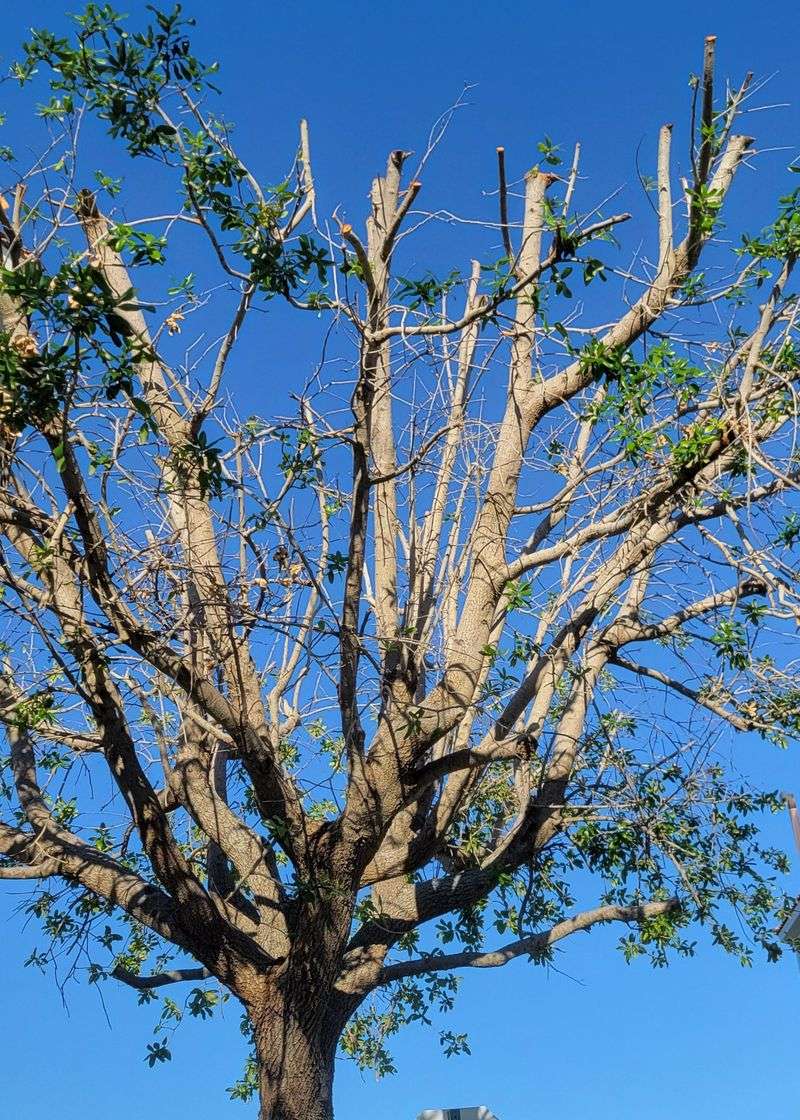
Summer brings intense heat and humidity that stress even healthy trees, making this season tricky for pruning work. Light maintenance pruning is generally acceptable during summer months, particularly for removing broken branches, clearing sight lines, or addressing safety hazards.
The key is keeping cuts minimal and avoiding anything that removes significant portions of the canopy.
Heavy pruning during summer forces trees to heal large wounds while managing heat stress and high water demands. Leaves act as natural air conditioners through transpiration, so removing too many leaves reduces the tree’s ability to cool itself.
This becomes especially problematic during Florida’s frequent drought periods when water stress already challenges tree health.
Certain trees actually benefit from light summer pruning because it allows you to see the full leafed-out structure. You can identify branches that rub together, spot areas with poor air circulation, and make selective cuts that improve overall form.
Just remember to limit removal to small branches and keep pruning light and limited to small, necessary cuts.
If you must prune in summer, work during cooler morning hours and make clean cuts that heal quickly. Avoid pruning during extreme heat waves or drought conditions when trees are already struggling.
Water your trees deeply after summer pruning to help them recover from the stress of both the cuts and the environmental conditions.
6. Never Prune Before Cold Weather
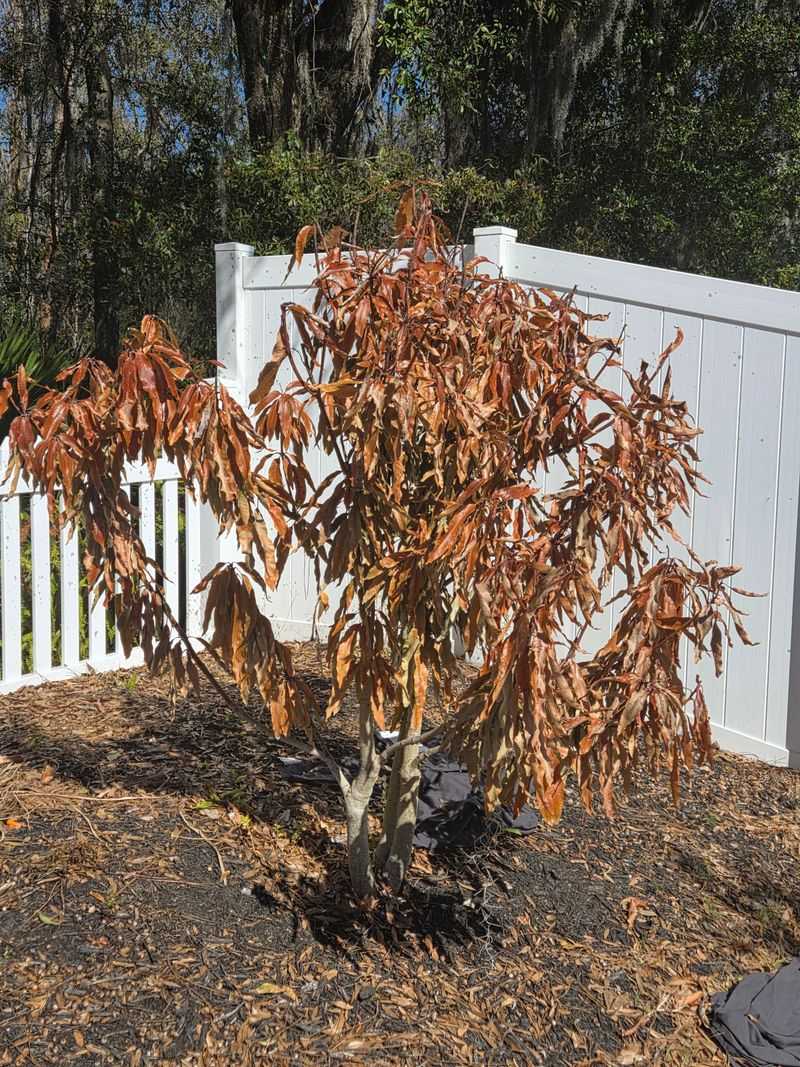
Fall pruning creates a dangerous situation by encouraging new growth right before cold weather arrives. When you make pruning cuts in autumn, trees respond by pushing out fresh shoots that haven’t had time to harden off before temperatures drop.
This tender growth is extremely vulnerable to frost damage, which can harm more than just the new shoots.
North and Central Florida face the greatest risk from fall pruning because freezes occur regularly in these regions. A warm October day might seem perfect for yard work, but pruning then sets your tree up for problems when November or December brings the first cold snap.
Even a light frost can damage new growth triggered by September or October pruning.
The timing problem extends beyond just new growth vulnerability. Fall pruning wounds heal slowly because growth is slowing rather than actively increasing.
Slow healing means longer exposure to pests and diseases that can enter through fresh cuts. Some pests and diseases can take advantage of fresh pruning wounds, especially when healing slows in cooler weather.
South Florida gardeners have more flexibility since hard freezes rarely threaten their region, but even they should exercise caution. Occasional cold fronts can surprise subtropical areas, and the risk simply isn’t worth the potential damage.
Waiting until late winter provides all the benefits of dormant-season pruning without the cold weather dangers that fall pruning creates.
7. Follow Storm Season Pruning Rules
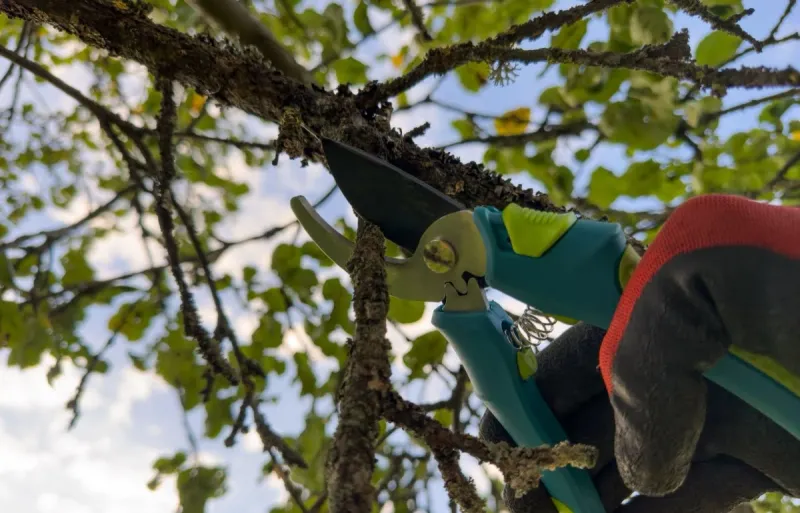
Hurricane season runs from June through November, and proper pruning before storms arrive can reduce damage to your trees and property. The goal isn’t to prune trees into submission but rather to remove specific branches that pose risks during high winds.
Focus on severely damaged wood, weak attachments, and branches that hang over structures or power lines.
Storm preparation pruning differs significantly from routine maintenance pruning. You’re targeting structural problems rather than shaping the tree or controlling size.
Look for V-shaped branch attachments that can split under stress, crossing branches that rub and create weak spots, and any limbs showing signs of decay or disease.
Timing matters for storm pruning just like any other pruning activity. The ideal window is late winter through early spring, well before hurricane season begins.
This gives trees time to heal wounds and strengthen before facing potential storm conditions. Avoid the temptation to prune right before a storm approaches, as fresh cuts create additional stress and entry points for moisture.
Professional arborists recommend maintaining a tree’s natural shape rather than drastically reducing the canopy. Trees with their natural form intact actually handle wind better than heavily pruned or topped trees.
Proper storm pruning enhances a tree’s structural integrity while preserving the canopy needed for the tree’s health and stability during severe weather events.