Florida’s New Sustainable Garden Trend For 2026 (And The Best Plants For Hot Weather)

Florida yards are already shifting in early 2026. A quiet change moves through neighborhoods as landscapes begin to reflect a new way of thinking.
Old routines lose appeal while a fresher vision takes hold under the mild winter sun. This emerging garden style blends beauty with purpose and creates outdoor spaces that feel calm, natural, and forward looking.
Interest continues to grow as more homeowners embrace the idea of a landscape that feels in tune with Florida’s unique climate.
Beneath this rising trend sit plant choices prepared for intense heat and long summers, ready to thrive when temperatures climb. The result points toward a modern Florida garden built for the seasons ahead, shaped by smarter choices and a deeper connection to the environment.
1. Water Wise Plants Are Florida’s New Sustainable Trend
Water bills are rising, and so are temperatures. Florida gardeners are finally saying goodbye to the old model of lush, emerald lawns that demand daily watering and constant chemical treatments.
The new approach centers on plants that need little to no supplemental irrigation once established, a practice championed by the University of Florida’s IFAS Extension and Florida-Friendly Landscaping principles.
This trend isn’t just environmental; it’s financial and practical. Homeowners are discovering that water-wise plants reduce maintenance time, lower utility costs, and create landscapes that stay green even during dry spells.
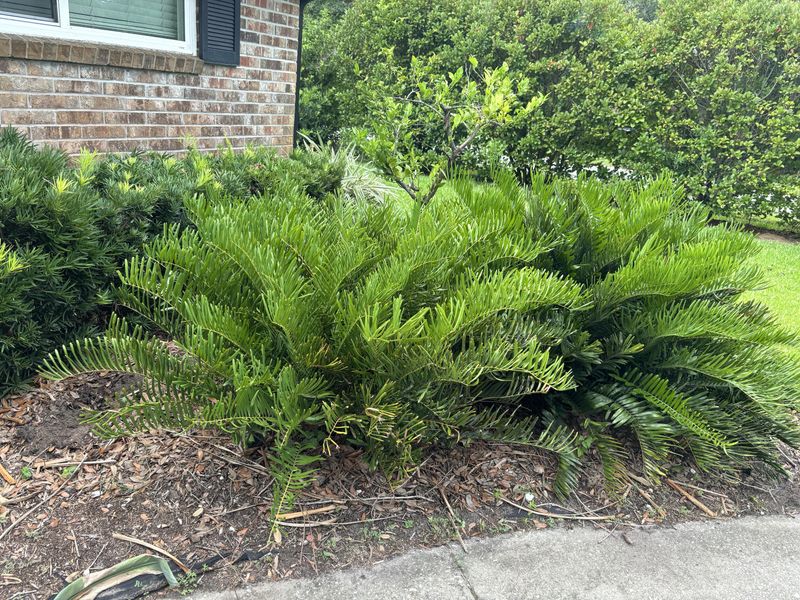
Plants like coontie, muhly grass, and blanket flower thrive on natural rainfall and need far less attention than traditional ornamentals.
Florida’s climate is shifting, with longer dry seasons and more intense heat events becoming the norm. Gardeners who adapt now will have yards that remain vibrant and healthy without the constant struggle of irrigation schedules and wilting plants.
Water-wise landscaping also benefits local ecosystems by reducing runoff, preserving aquifer levels, and supporting native wildlife.
The best part? These plants don’t sacrifice beauty for toughness.
From colorful blooms to striking foliage, water-wise gardens are just as attractive as their thirstier counterparts, proving that sustainability and style can absolutely go hand in hand.
2. South Floridians Are Turning To Heat Adapted Plants
South Florida’s relentless sun and humidity create a unique gardening challenge. Traditional ornamentals often struggle in the intense heat, demanding frequent watering and constant care just to survive.
Savvy South Florida gardeners are now choosing plants that actually thrive in these conditions, requiring minimal water once their roots are established.
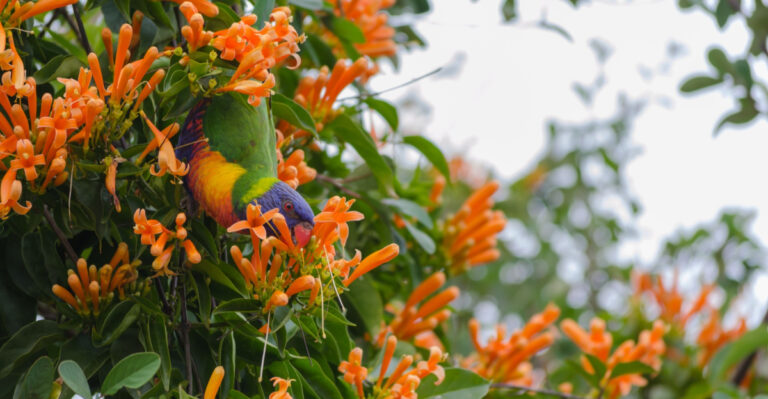
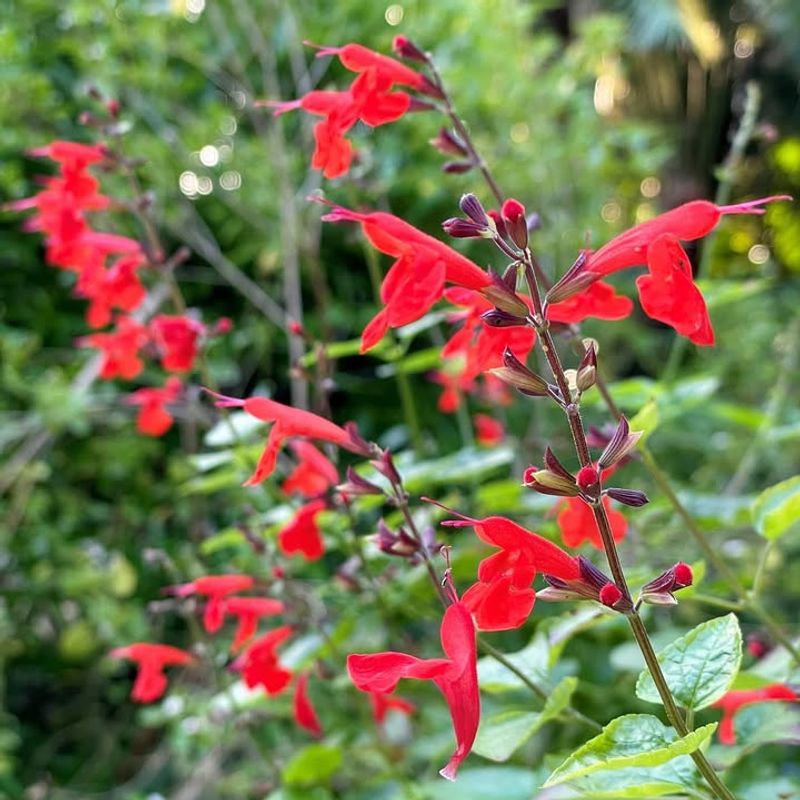
Firebush is a standout performer, producing tubular red-orange blooms that attract hummingbirds and butterflies while tolerating drought and full sun without complaint. Gaillardia and native salvias are equally tough, blooming prolifically through the hottest months with little more than occasional rain.
These plants are adapted to sandy, fast-draining soils and don’t need the constant moisture that sends water bills soaring.
Heat-adapted plants also resist the fungal issues and pest problems that plague more delicate species in South Florida’s humid environment. They bounce back quickly after summer storms and maintain their appearance without the need for constant deadheading or pruning.
Your Florida Garden Changes Every Week. Your Plan Should Too.
Gardening in Florida changes quickly throughout the season. Every Friday you’ll receive a simple weekly plan showing exactly what to plant, prune, fertilize, harvest, and protect so you never miss the right timing.
This resilience makes them ideal for busy homeowners who want beautiful yards without weekend-long maintenance sessions.
By selecting plants that naturally fit South Florida’s climate, gardeners create landscapes that look lush and vibrant year-round while using a fraction of the water and effort required by conventional plantings.
3. Central Floridians Are Blending Tough And Resilient Plants
Central Florida sits in a unique gardening zone where summers bring scorching heat and winters occasionally dip below freezing. This middle ground requires plants that can handle both extremes without constant intervention.
Gardeners in Orlando, Tampa, and surrounding areas are learning to choose species that tolerate drought, heat, and the occasional cold snap with equal grace.
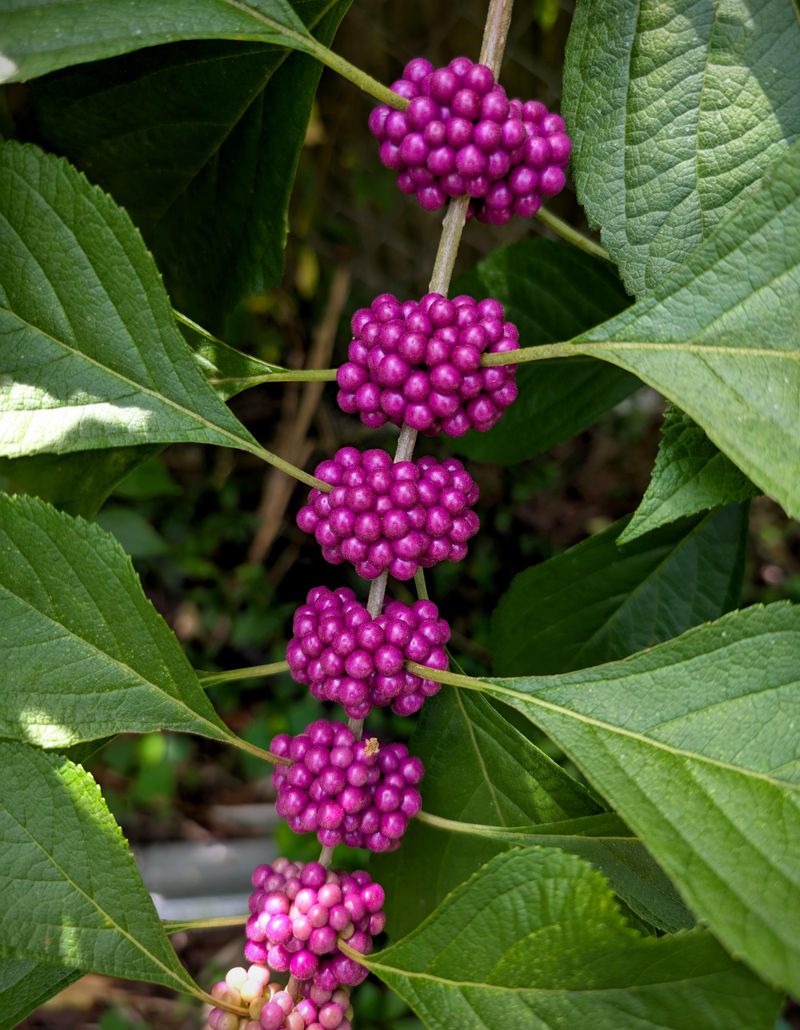
Beautyberry is a perfect example of this versatility. This native shrub produces stunning purple berries in fall, attracts birds, and handles both summer drought and winter chills without losing its vigor.
Muhly grass adds texture and color with its pink plumes in autumn, requiring no irrigation once established and tolerating temperatures well below freezing.
Central Florida’s soil varies widely, from sandy patches to heavy clay, which makes adaptable plants even more valuable. Species like coreopsis and black-eyed Susan thrive across different soil types, bloom for months, and need almost no supplemental water after their first season.
They’re also excellent at self-seeding, creating fuller displays each year without replanting.
The key to success in Central Florida is selecting plants that don’t require pampering through seasonal transitions. Tough, resilient species establish quickly, require minimal care, and create landscapes that look intentional and beautiful throughout the year, regardless of what the weather brings.
4. North Floridians Are Choosing Cold Hardy Performers
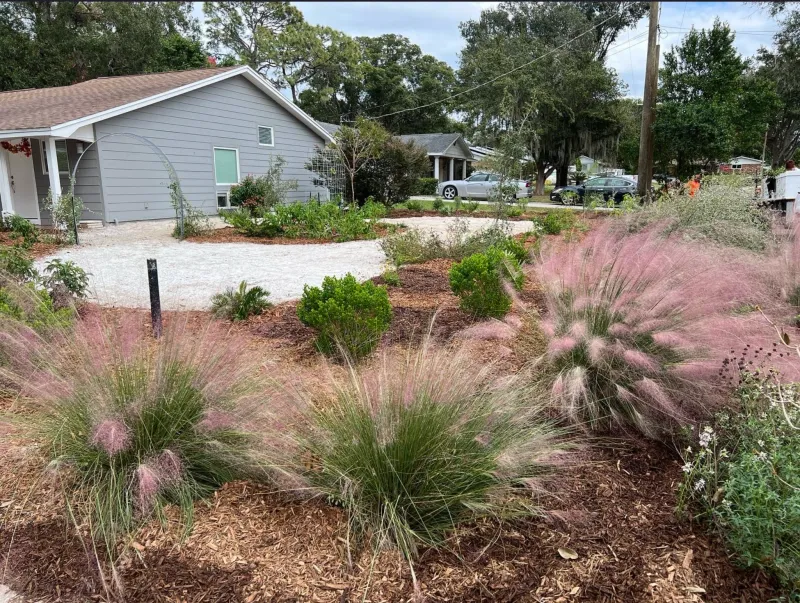
North Florida experiences true winter weather, with freezes and occasional hard frosts that can damage tender tropical plants. Gardeners in Jacksonville, Tallahassee, and the Panhandle are turning to cold-hardy species that also tolerate summer heat and drought, creating year-round resilient landscapes that don’t need constant watering or winter protection.
Yaupon holly is a North Florida champion, offering evergreen foliage, red berries, and exceptional drought tolerance once established. This native shrub handles freezing temperatures without damage and thrives in full sun with minimal care.
Native azaleas shine in filtered shade with richer soil and consistent moisture, making them a great choice for the right spot rather than a low-water workhorse.
Rudbeckia, commonly known as black-eyed Susan, provides bright yellow blooms from spring through fall and self-seeds readily, creating naturalized drifts that need no irrigation. These plants survive winter cold and summer heat with equal ease, making them ideal for North Florida’s variable climate.
They also support local pollinators, adding ecological value to their practical benefits.
The best cold-hardy performers are plants that have evolved in similar climates, meaning they’re naturally adapted to North Florida’s seasonal extremes. By choosing these species, gardeners avoid the disappointment of frozen tropicals and the expense of replacing plants after every cold snap, creating landscapes that truly last.
5. Native Plants Are Reclaiming Florida Landscapes
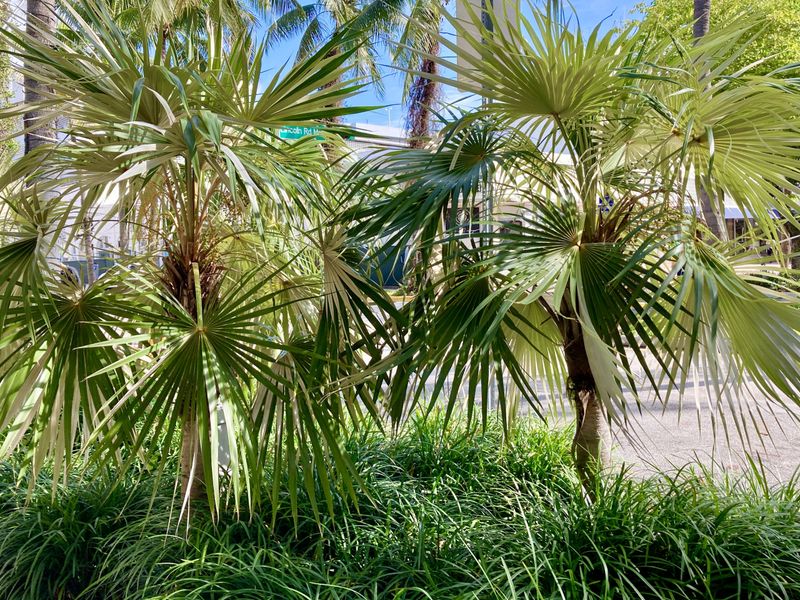
Walk through any older Florida neighborhood and you’ll see the same imported ornamentals: ixora, hibiscus, and non-native palms that demand regular watering and fertilization. Forward-thinking gardeners are replacing these water-hungry imports with Florida native plants that evolved to thrive in the state’s climate, soil, and rainfall patterns without any human intervention.
Coontie is one of the most valuable natives, offering evergreen foliage, zero irrigation needs once established, and serving as an important host plant for the Atala butterfly. Saw palmetto provides structure and texture while tolerating extreme drought and supporting dozens of native wildlife species.
These plants don’t just survive—they flourish without the constant care that non-natives demand.
Native plants are adapted to Florida’s natural rainfall cycle, which means they can handle both the wet summers and dry winters without supplemental watering. Their deep root systems access moisture that shallow-rooted ornamentals can’t reach, and they’re naturally resistant to local pests and diseases.
This translates to healthier plants, less pesticide use, and far lower maintenance overall.
Beyond practical benefits, native plants support Florida’s ecosystems by providing food and habitat for native bees, butterflies, birds, and other wildlife. They create living landscapes that connect yards to the broader environment, turning ordinary gardens into functional, beautiful habitats that benefit both homeowners and nature.
6. Pollinator Gardens Are Buzzing Back To Life
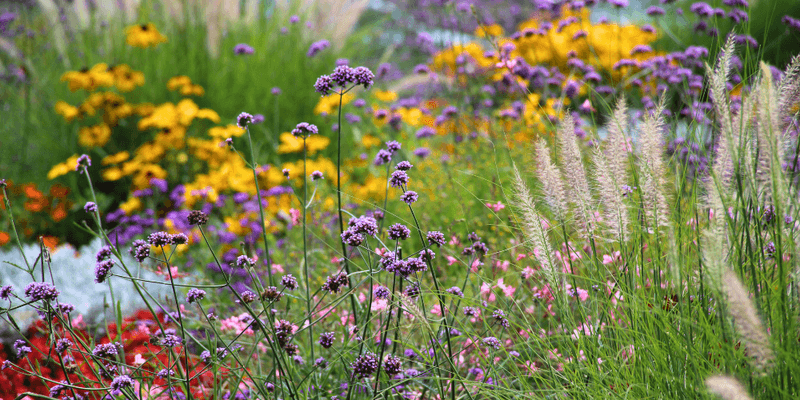
Butterfly populations are declining, and bee numbers are dropping across Florida. Gardeners are responding by creating pollinator-friendly landscapes that use water-wise native plants to support these essential creatures.
Unlike traditional ornamental gardens that offer little to wildlife, pollinator gardens provide nectar, pollen, and habitat while requiring minimal irrigation and maintenance.
Milkweed is the cornerstone of any pollinator garden, serving as the host plant for monarch butterflies and providing nectar for dozens of other species. For dry, sandy sites, butterflyweed (Asclepias tuberosa) is a strong choice.
Other native milkweeds prefer consistently moist soil and may need watering during dry spells. Salvia and tickseed add color and attract bees, hummingbirds, and butterflies throughout the growing season, blooming repeatedly without deadheading or fertilization.
Pollinator gardens don’t need to be large or complicated. Even a small bed of native wildflowers can support local bee populations and create a habitat corridor that connects fragmented natural areas.
These gardens also reduce the need for chemical pesticides, since diverse plantings can support beneficial insects (predators and parasitoids) that help keep some pest populations in check.
The beauty of pollinator gardens is that they’re dynamic and alive, changing with the seasons as different species bloom and various butterflies and bees visit. They offer constant visual interest while serving a critical ecological function, proving that gardens can be both beautiful and beneficial to the environment around them.
7. Shade Smart Planting Is Cooling Hot Yards
Bare, sun-baked yards lose moisture rapidly, forcing gardeners to water constantly just to keep plants alive. Smart gardeners are using shade trees and layered planting to naturally cool their landscapes, reduce evaporation, and create microclimates that allow a wider range of plants to thrive with less water.
This approach mimics Florida’s natural forests, where canopy trees shade the understory and leaf litter retains soil moisture.
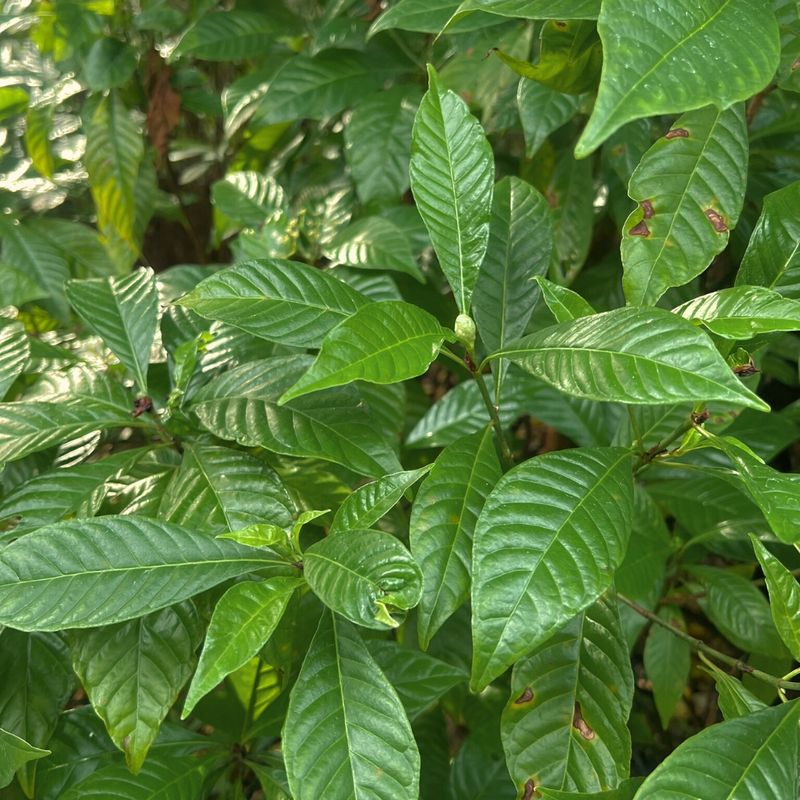
Live oak is the gold standard for Florida shade trees and drought tolerance, but it needs plenty of space because roots can eventually lift nearby pavement. In South Florida, shade natives like wild coffee can work well; farther north, choose more cold-tolerant shade plants.
Mulching heavily around plants further reduces water loss and keeps soil temperatures moderate.
Shade planting also reduces cooling costs by blocking afternoon sun from hitting house walls and windows. Trees strategically placed on the west and south sides of homes can lower indoor temperatures by several degrees, reducing air conditioning demand and energy bills.
This makes shade planting both an environmental and economic investment.
The key is choosing the right trees for your space and understanding how shade patterns change throughout the day and season. Properly planned shade gardens require far less maintenance and water than full-sun landscapes, creating comfortable outdoor spaces that stay usable even during Florida’s hottest months.
8. Edible Landscaping Is Growing Across Florida
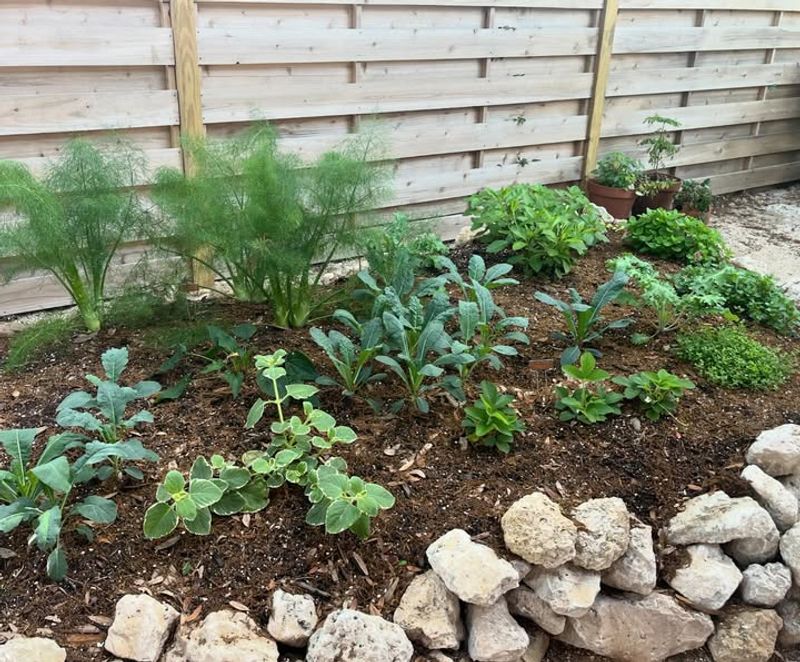
Why grow ornamentals that only look pretty when you can grow plants that produce food and tolerate drought? Florida gardeners are integrating edible plants into their landscapes, choosing species that thrive in heat, require minimal water, and provide harvests throughout the year.
This approach turns yards into productive spaces that are both beautiful and functional.
Fig trees are perfect for Florida edible landscapes, producing abundant fruit with almost no care once established. They tolerate drought exceptionally well, typically need only light fertilization (only if growth is weak), and thrive in full sun across all regions of the state.
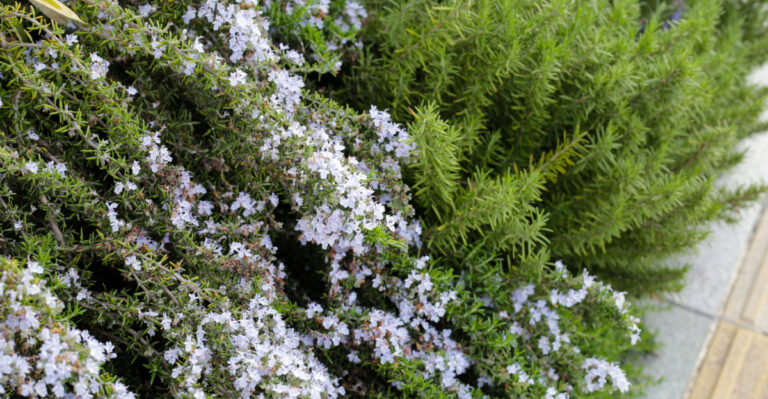
Rosemary and oregano are equally tough, growing as attractive evergreen shrubs that need no irrigation and provide fresh herbs year-round. These plants fit seamlessly into ornamental beds while serving practical purposes.
Pineapple can be great in warmer areas or containers you can protect, but it’s cold-sensitive and needs freeze protection in colder parts of Florida.
Barbados cherry can produce well in warm regions, but it performs best with regular fertilization and decent soil. These plants are adapted to Florida’s sandy soils and hot summers, producing reliably without the constant attention that vegetable gardens often demand.
They’re also relatively pest-resistant compared to many traditional edibles.
Edible landscaping reduces grocery costs, provides fresh, chemical-free food, and creates landscapes with multiple layers of value. It’s a trend that combines sustainability, self-sufficiency, and beauty, proving that Florida gardens can feed families while still looking polished and intentional throughout the year.